
Science & Technology
Nokia to stop doing business in Russia


Telecoms equipment maker Nokia (NOKIA.HE) is pulling out of the Russian market, its CEO told Reuters, going a step further than rival Ericsson (ERICb.ST), which said on Monday it was indefinitely suspending its business in the country, Reuters reported.
According to Reuters hundreds of foreign companies are cutting ties with Russia following its Feb. 24 invasion of Ukraine and after Western sanctions against Moscow.
While several sectors, including telecoms, have been exempted from some sanctions on humanitarian or related grounds, Nokia said it had decided that quitting Russia was the only option.
“We just simply do not see any possibilities to continue in the country under the current circumstances,” CEO Pekka Lundmark said in an interview.
He added Nokia would continue to support customers during its exit, and it was not possible to say at this stage how long the withdrawal would take.
Nokia is applying for the relevant licences to support customers in compliance with current sanctions, it said in a statement.
Both Nokia and Ericsson made a low single-digit percentage of sales in Russia, where Chinese companies such as Huawei (HWT.UL) and ZTE (000063.SZ) have a bigger share, read the report.
Nokia does not expect this decision to impact its 2022 outlook but said it would lead to a provision in the first quarter of about 100 million euros ($109 million).
Russia is also at loggerheads with Finland and Sweden, the home countries of Nokia and Ericsson respectively, over their interest in joining the NATO military alliance, Reuters reported.
Russia had also been pushing for companies to start building networks using only Russian equipment, seeking to persuade Nokia and Ericsson to set up factories in the country.
Lundmark said Nokia would not implement a plan announced in November to set up a joint venture with Russia’s YADRO to build 4G and 5G telecom base stations.
Nokia’s decision to leave Russia will affect about 2,000 workers, and some of them might be offered work in other parts of the world, Lundmark said.
Nokia has about 90,000 employees globally, Reuters reported.
“A lot would have to change before it will be possible to consider again doing business in the country,” Lundmark said.





Science & Technology
UAE sets minimum social media age at 15, mandates age checks
The government said the measures were designed to address concerns over children’s exposure to inappropriate content, unsafe online interactions, excessive social media use and the collection of personal data.

The United Arab Emirates has set a minimum age of 15 for social media use, becoming the first Arab country to introduce such a restriction as governments worldwide seek to address growing concerns over the impact of online platforms on children.
Under a resolution approved on Thursday, children under 15 will be prohibited from creating, using or operating personal social media accounts. The ban means they will not be able to post content, comment, share or join public groups, the government’s media office said, Reuters reported.
Teenagers aged 15 and 16 will be allowed to use social media platforms subject to enhanced safeguards, including age-appropriate content controls, restrictions on interaction with unknown users, screen-time management tools and parental supervision features.
The rules apply to all social media platforms operating in the UAE and require companies to implement robust age-verification measures, including digital identity checks and artificial intelligence-supported technologies. Self-declaration of age will not be accepted as a valid form of verification.
Platforms must also disable accounts created by children under 15, prevent users from circumventing age-verification systems and refrain from using children’s personal data for targeted advertising or behavioural profiling.
The government said the measures were designed to address concerns over children’s exposure to inappropriate content, unsafe online interactions, excessive social media use and the collection of personal data.
Social media companies will have up to 12 months to comply with the new regulations.
The UAE said the framework aligns with international efforts to strengthen online child protection while balancing digital access with safety.
Several countries, including Australia and others in Europe, have moved to tighten restrictions on children’s use of social media amid mounting concerns about its effects on mental health and online safety.
Regional
Iran banks hit by major cyber attack
Officials said a technical investigation confirmed that the disruptions were the result of a cyberattack.
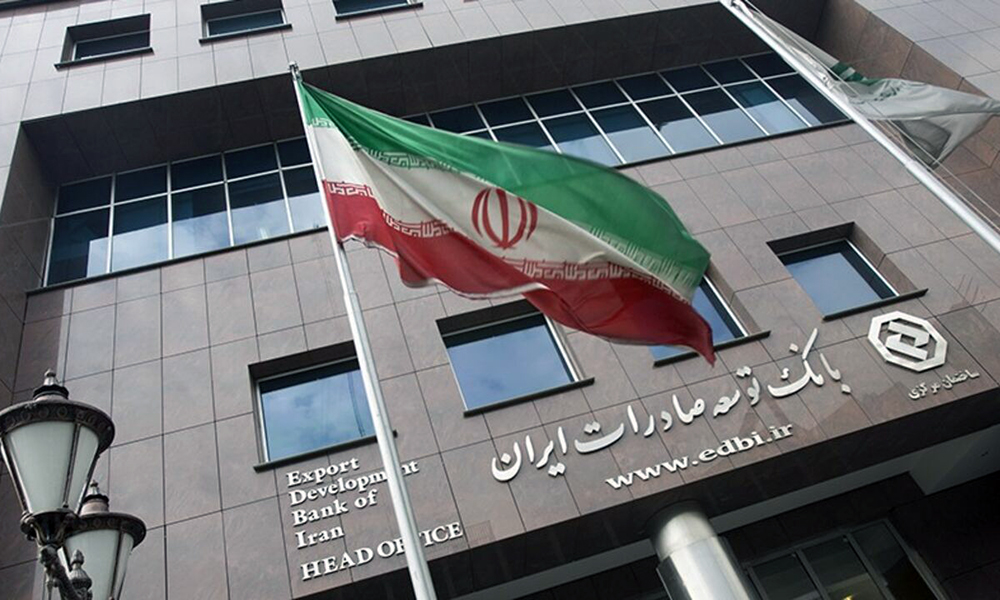
Several major Iranian banks experienced service disruptions on Saturday following a cyberattack, according to the Coordinating Committee of Iran’s state-owned banks.
The outage affected four major financial institutions, including Bank Melli Iran, Bank Saderat Iran, and Bank Tejarat, causing interruptions to mobile and online banking services, automated teller machines (ATMs), point-of-sale (POS) terminals, and some card transactions.
Officials said a technical investigation confirmed that the disruptions were the result of a cyberattack.
The affected banks stated that their technical teams immediately implemented precautionary measures after detecting the incident in an effort to safeguard customer information and protect banking infrastructure.
Qatasi, secretary of the Coordinating Committee of Iran’s state-owned banks, said necessary recovery and repair measures had been carried out.
Authorities said there is currently no evidence that customer data was accessed without authorization, and no data breach has been reported.
Science & Technology
GLP-1 drugs may have a beneficial effect across many types of cancer
The drugs, originally designed to treat diabetes and found to promote weight loss, have also shown benefits for heart risks, sleep apnea and alcohol and substance abuse.
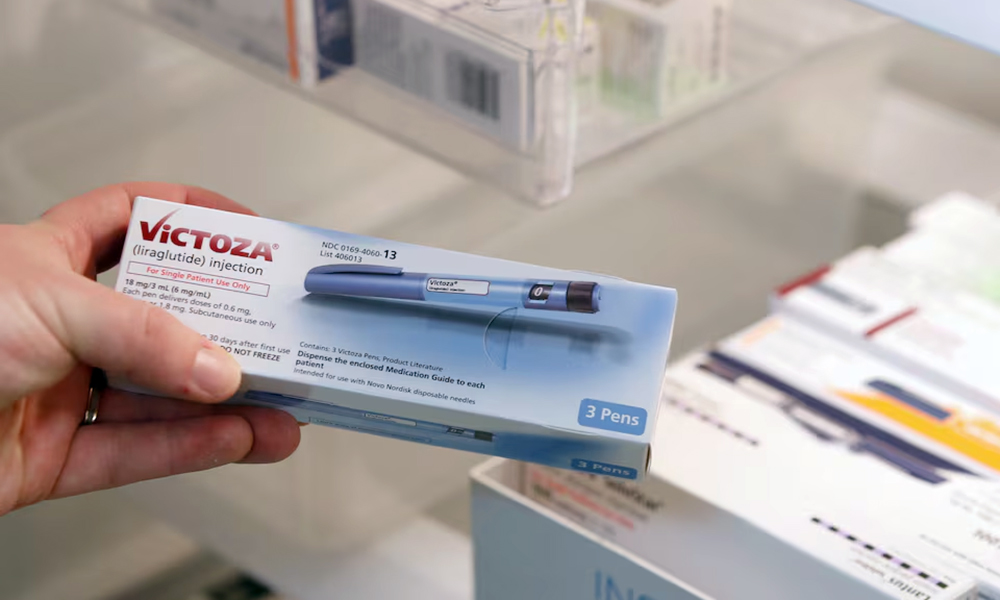
A growing body of evidence suggests that popular GLP-1 drugs, widely used for weight loss and diabetes, can provide protection against many types of cancer, Reuters reported.
More than two dozen studies presented over the past few days at the American Society of Clinical Oncology meeting in Chicago found that patients taking the drugs showed lower risks of developing cancer and disease progression, better survival, and improved responses to some treatments, compared with people who were not taking the GLP-1s.
The studies included analyses of clinical records and real-world databases tracking patients taking Novo Nordisk’s (NOVOb.CO), Wegovy or Ozempic, Eli Lilly’s (LLY.N), Zepbound or Mounjaro, or older GLP-1 treatments.
The studies were not designed to show how or why GLP-1 use might affect cancer treatment. But researchers believe by reducing inflammation, regulating insulin signaling and possibly engaging directly with tumor biology, they may contribute to a protective effect in cancer patients.
“Chronic inflammation is a fundamental biological pathway involved in the development and progression of many cancers,” said Dr. Elizabeth Susan McDonald of the University of Pennsylvania.
McDonald on Tuesday reported on a study of 110,000 women, showing those who took GLP-1 medications were up to 35% less likely to develop breast cancer than those who did not.
While obesity itself is a known risk factor for certain cancers, the anti-inflammatory effects of GLP-1s will likely prove to have a role in cancer prevention, McDonald said.
GLP-1 drugs include semaglutide, the active ingredient in Wegovy, Ozempic and Rybelsus; tirzepatide, sold as Mounjaro and Zepbound, as well as Lilly’s Trulicity, or dulaglutide, and Novo’s older liraglutide, sold as Saxenda and Victoza.
Some of the strongest signals of benefit came from a study of more than 12,000 patients that showed GLP-1 use was associated with markedly lower odds of cancers advancing to metastatic disease, particularly in lung, breast, colorectal and liver cancers.
People with those cancers who took liraglutide, pramlintide, dulaglutide, tirzepatide, lixisenatide, or semaglutide were 38% to 50% less likely to see the disease spread than people who took drugs from a different class of diabetes medicines known as gliptins.
Reduced cancer incidence, longer survival, and fewer metastases were also seen with GLP-1 use in patients with endometrial, bladder and prostate cancers, as well as in those with small intestine neoplasms and blood cancers, multiple studies found.
A separate analysis of patients treated at U.S. community oncology practices found GLP-1 use was associated with significantly better overall survival across six tumor types – breast, prostate, colorectal, lung, liver and kidney – with a roughly one-third reduction in the risk of death.
Researchers also reported that cancer patients receiving immunotherapies such as Merck’s (MRK.N), Keytruda and Bristol Myers Squibb’s (BMY.N), Opdivo or Yervoy appeared to fare better when they were taking GLP-1 drugs, suggesting a possible interaction with the immune system.
GLP-1 users with type 2 diabetes and stage 3 kidney disease had substantially lower mortality and lower rates of several malignancies, particularly lung, colorectal, and hepatocellular cancers, than non-users, read the report.
While GLP-1 medications carry a warning regarding a possible association with a type of thyroid cancer based on rodent studies, researchers say the recent findings point to a potential beneficial class effect across tumor types, rather than benefits confined to a small subset of cancers.
The drugs, originally designed to treat diabetes and found to promote weight loss, have also shown benefits for heart risks, sleep apnea and alcohol and substance abuse.
“These drugs have never been just glucose-lowering agents,” Dr. Marcin Chwistek of the Fox Chase Cancer Center in Philadelphia said at an ASCO press briefing.
Researchers cautioned that nearly all of the data presented were from observational studies, raising the risk of confounding factors. Patients prescribed GLP-1 drugs may differ in important ways, including overall health, access to care and concurrent treatments, that could influence outcomes.
While the various studies tried to account for those differences, none can prove the drugs improve cancer outcomes. Experts said trials in which GLP-1s are added to standard treatment in some cancer patients but not others are needed to establish clear anti-cancer benefits. Some trials are already being planned.
The apparent cancer benefits were not clearly tied to the drugs’ weight-loss effects, suggesting that alone does not explain the findings, Reuters reported.
A seven-year study with nearly 120,000 participants found GLP-1s were associated with lower rates of new prostate cancer diagnoses in high-risk men, compared to drugs such as Merck’s Propecia and GSK’s (GSK.L), Avodart, which are used to shrink enlarged prostate glands.
GLP-1 users had a “very small” reduction in body weight at one year, said Dr. Colton Jones of the University of Texas San Antonio Mays Cancer Center who presented the study at ASCO.
“We hypothesize that both weight loss and a direct anti-cancer effect and anti-inflammatory effect may be driving the associations observed in our study,” Jones said.
ASCO expert Chwistek said anti-inflammatory and immune-modulating properties have long suggested broader effects of GLP-1s.
Referring to one of the largest studies, Chwistek said: “What’s new here is the consistency across tumor types, and data this large and this consistent warrant a prospective randomized trial.”


Saar: Concerns over Afghan deportations from Europe discussed

6.1-magnitude earthquake hits Afghanistan, epicenter in Badakhshan

Delawar says Afghanistan has achieved security and unity after 47 years

EU announces major funding to support Afghan small businesses

Afghan women’s situation highlighted at SCO Forum amid ongoing global debate

Norway’s Viking-inspired World Cup team photo goes viral

TAPI project advances in Afghanistan as 84kms of pipeline laid

Afghanistan’s trade with Central Asia records sharp growth

Afghanistan to play in Diamond Jubilee Tournament opener against Maldives

Gaikwad set to replace injured Kohli for Afghanistan ODI Series
Saar: Concerns over Afghan deportations from Europe discussed

Exclusive interview with Polleak Ok Serei, UNODC Representative for Afghanistan

Tahawol: Germany’s defense of engagement with IEA discussed

Saar: Rejection of security threats from Afghan soil discussed

Tahawol: Efforts to eliminate drugs across Afghanistan discussed
-

 International Sports4 days ago
Knockout picture begins to take shape at FIFA World Cup 2026
-

 Latest News5 days ago
Contract signed for reconstruction of 15km section of Salang Highway
-

 Latest News1 day ago
TAPI project sees rapid progress in Afghanistan
-

 Business5 days ago
Kazakhstan signs $18.8 million zinc ore supply agreement with Afghan company
-

 Latest News4 days ago
Afghanistan’s SCO participation blocked over one member’s objection, Kabulov says
-

 Latest News5 days ago
Qatar embassy holds roundtable on Afghanistan’s relations with international community
-

 International Sports5 days ago
Messi breaks World Cup scoring record as Argentina reach knockout stage
-
 Latest News4 days ago
EU allocates 20 million euros to support returnees in Afghanistan