
Latest News
Kajaki Dam power plant project officially inaugurated


The Kajaki Dam hydroelectric power plant project in Helmand province was officially inaugurated Wednesday after being completed at a cost of $174 million.
This key project, which will supply 100 megawatts of power, will serve the people of Helmand and Kandahar provinces.
Afghanistan’s Deputy Prime Minister Mullah Abdul Ghani Baradar Akhund said at the inauguration, which was attended by a number of high-ranking officials,the “country cannot be developed with the aid of foreigners, we can develop our country with our domestic resources”.
Baradar also said that with the implementation of this project, 100,000 hectares of agricultural land will be irrigated.
Deputy Prime Minister Abdul Salam Hanafi also addressed guests and said: “There was a 20-year war in the name of human rights, women’s rights and democracy, but the actors had issued a jungle law here in Afghanistan.”
Hanafi also said that the IEA has the capacity to provide investment opportunities for investors.
Hanafi said: “We ask those who invested in the war sector in the past years to invest in the economy sector in Afghanistan now, and we will ensure their security.”
Turkish Ambassador to Kabul Cihad Erginay, also addressed the event and electric energy is important for the reconstruction of the economic sector.
Construction on the project was carried out by 77 Turkish Company.
Deputy Minister of Foreign Affairs, Sher Muhammad Abbas Stangzai, at the inauguration ceremony said: “We should trust our leaders and leaders should trust the people.”
Raising ourselves up is the only way to free our future generations from slavery, he added.
Mawlavi Abdulrahmanur Rahmani, deputy head of Da Afghanistan Breshna Sherkat told guests at Kajaki Dam event they are committed to providing reliable and affordable electricity to citizens.
The expansion of high voltage power lines to Kandahar and connecting high voltage lines between Kandahar and Ghazni are the next major projects which include installation of five sub stations, Rahmani said.


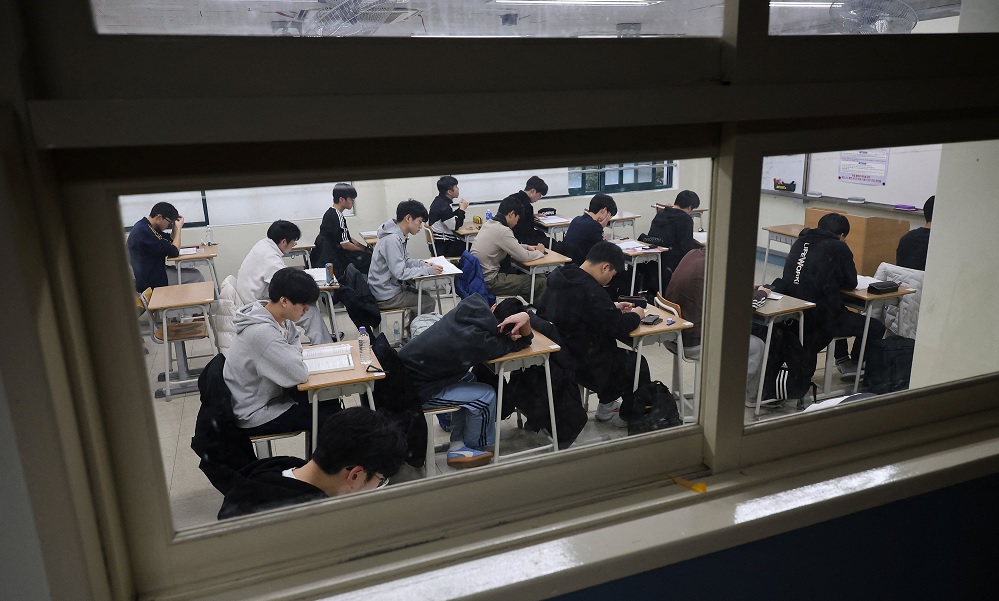

Afghanistan’s state-owned Millie Bus Enterprise has held talks with Chinese bus manufacturer Higer on potential cooperation in the production and procurement of modern buses, including electric and hybrid models.
Mohammad Nabi Bahar, spokesperson for the General Directorate of State-Owned Corporations, said Abdul Baqi Muqim, General Director of the Millie Bus Enterprise, and an accompanying delegation visited Higer’s manufacturing plant in Suzhou, China.
During the visit, the Afghan delegation examined the company’s production facilities and gained first-hand insight into its manufacturing processes and product quality.
Higer officials expressed their readiness to cooperate with Afghanistan in supplying various types of buses for urban and high-speed transportation, including electric, hybrid and diesel-powered vehicles.
Higer is among China’s bus manufacturers, with its products used in several countries for passenger transportation and urban public transit.
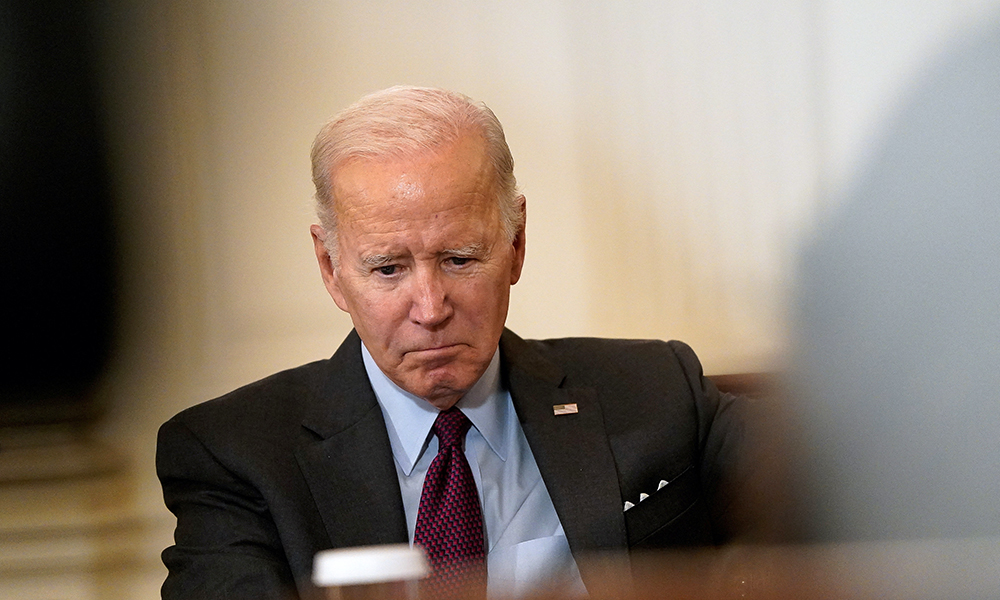
Former US President Joe Biden has defended his decision to withdraw American forces from Afghanistan in 2021, saying he believes it was the right choice and that he would make the same decision again under similar circumstances.
In his new memoir “Promise Me, America,” Biden said then-Defense Secretary Lloyd Austin and Chairman of the Joint Chiefs of Staff Gen. Mark Milley had raised concerns about the possible consequences of the withdrawal.
Biden also recalled being assured that the Afghan government could survive for at least six months after the departure of US forces. However, the government collapsed within days of the withdrawal.
The United States and the Islamic Emirate had signed an agreement in February 2020, during Donald Trump’s first presidency, setting out the withdrawal of US forces from Afghanistan.
Latest News
Five EU countries to announce Rwanda deportation hub scheme
Leaders from the five countries have repeatedly said their plans would comply with EU and international law, but rights advocates have questioned whether migrants’ rights could be violated if they are transferred to a country they have no connection to.
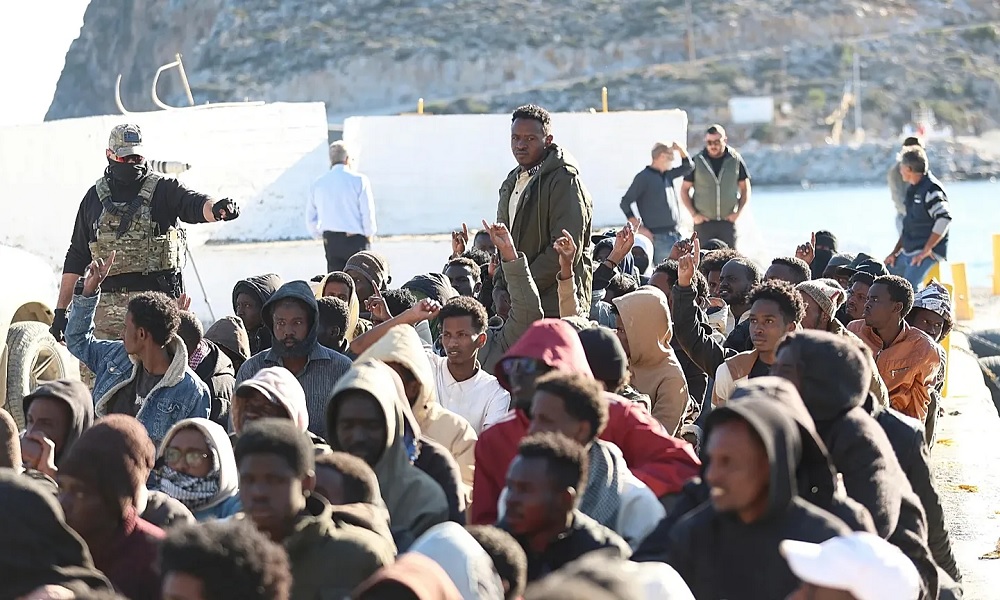
Five European countries are set to announce plans on Monday to send rejected asylum seekers to a deportation hub in Rwanda, Reuters reported citing two sources familiar with the plans.
Germany, Austria, Greece, Denmark and the Netherlands said in September they were working towards a deal with a non-EU country to host so-called return hubs, part of a broader European push to increase deportations and curb irregular migration.
The deal, expected to be announced in Vienna, follows the approval of the EU’s new Returns Regulation, which seeks to speed up deportations and allows member states to establish return hubs outside the block.
With elections approaching in several EU countries and anti-immigration sentiment widespread, governments are under pressure to show they can control migration. Deportation hubs offer a highly visible demonstration of that resolve, analysts say.
The scheme differs from Britain’s abandoned Rwanda deportation plan in that it would only apply to migrants who have exhausted all legal avenues to remain in the European Union, rather than those whose claims are still being processed.
ACCOUNTABILITY QUESTIONS
Leaders from the five countries have repeatedly said their plans would comply with EU and international law, but rights advocates have questioned whether migrants’ rights could be violated if they are transferred to a country they have no connection to.
“What recourse do people have if their rights are violated and who is accountable?” said Céline Mias, EU director at the Danish Refugee Council. “If responsibility rests with the European member state, how would that work in practice?”
The Council of Europe, a pan-European human rights body, said in July that return hubs posed “considerable human rights risks.”
European officials backing the hubs say the policy’s main purpose is deterrence rather than large-scale removals.
They argue that the prospect of paying smugglers thousands of euros for a dangerous journey to Europe, only to be sent to a third country, could dissuade some migrants from making the trip.
Critics, however, say there is little evidence that tougher enforcement measures and deportation schemes reduce migration over the long term.
“Enforcement changes how people travel, not whether they travel. Some pause or change route, and smugglers adapt and raise their prices,” said Roberto Forin of the Mixed Migration Centre, a research institute that collects data along migration routes.
A WILLING HOST
Rwanda has positioned itself as a destination for migrants that Western countries want to remove, despite longstanding concerns about its human rights record.
President Paul Kagame has won praise from Western and regional leaders for helping end Rwanda’s 1994 genocide and rebuilding the country into a destination for investment and aid.
Critics, however, accuse his government of suppressing dissent and supporting the M23 rebel group in neighbouring Democratic Republic of Congo, which rights groups say has committed killings, rapes and other abuses.
Rights advocates also point to restrictions on political freedoms and free speech.
Freedom House rates it “Not Free” and cites what it describes as the suppression of political dissent through surveillance, intimidation, arbitrary detention and torture.
The United States last year began transferring migrants to Rwanda under an agreement allowing it to deport up to 250 people.
Britain abandoned its own plan to send asylum seekers to Rwanda after it was ruled unlawful by the country’s Supreme Court 2023. Kigali sought a 50 million pound ($63.6 million) payment after the UK scheme was scrapped.
During a September visit to Kigali, two European Parliament lawmakers were shown facilities earmarked for Britain’s abandoned scheme that could potentially house migrants transferred from EU countries, including a hotel.

Millie Bus Enterprise discusses modern bus production with Chinese firm

25 Afghan cricketers secure contracts for ILT20 Season 5

Biden defends 2021 Afghanistan withdrawal in new memoir
Five EU countries to announce Rwanda deportation hub scheme
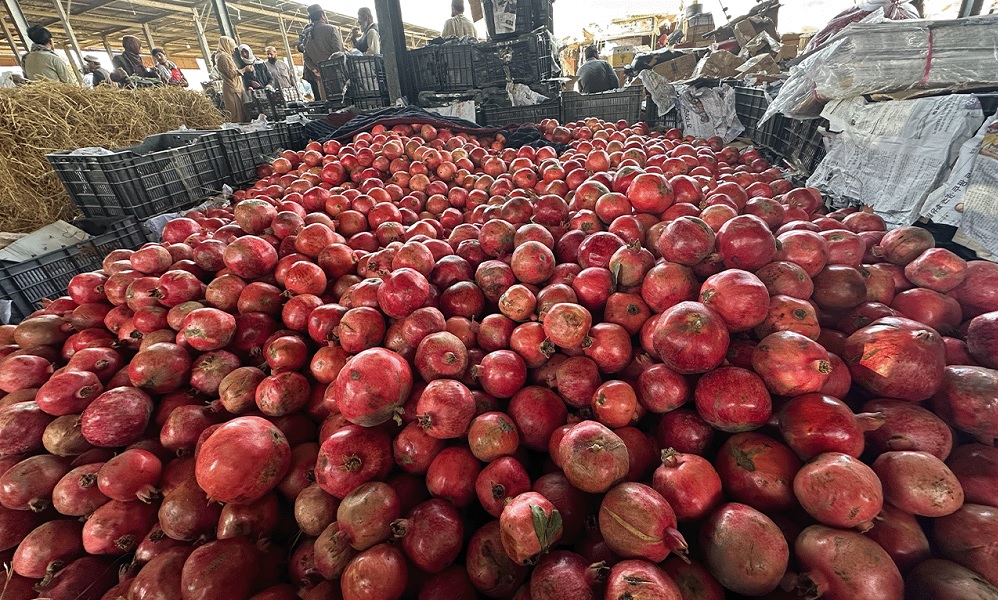
Pomegranate prices double in Pakistan amid suspension of Afghan trade

Afghanistan finish runners-up after 6-0 defeat to Brazil in futsal final

Rubio heads to Central Asia while other US officials hit foreign policy hot spots

Violent protests spread across Europe as Albanian PM blames ‘foreign hand’

Governments take websites offline as critical cyber flaws trigger global alert

Afghanistan reach Brazil futsal tournament final after beating Cape Verde 4-2
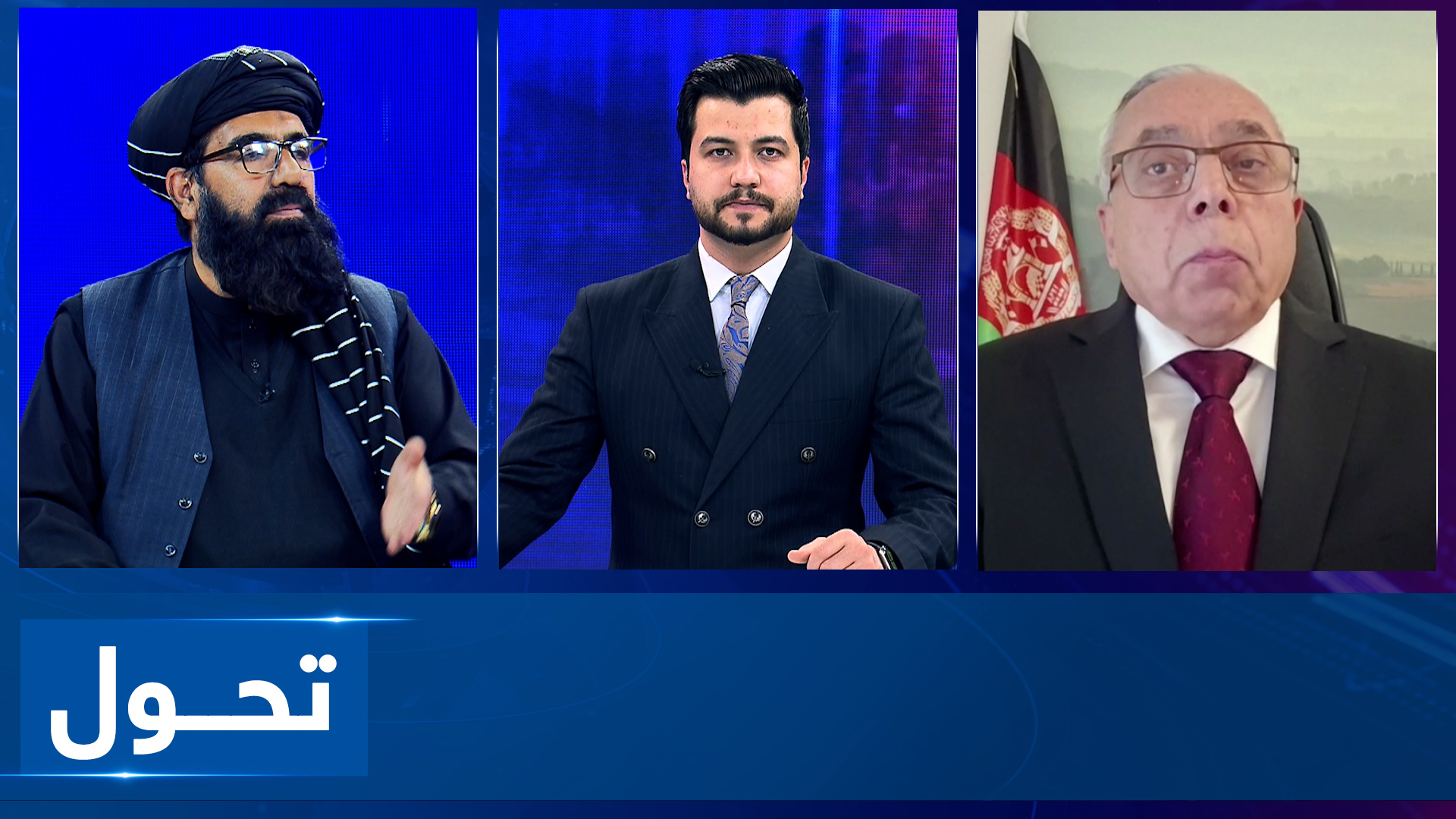
Tahawol: UK seeks to ease Kabul–Islamabad tensions
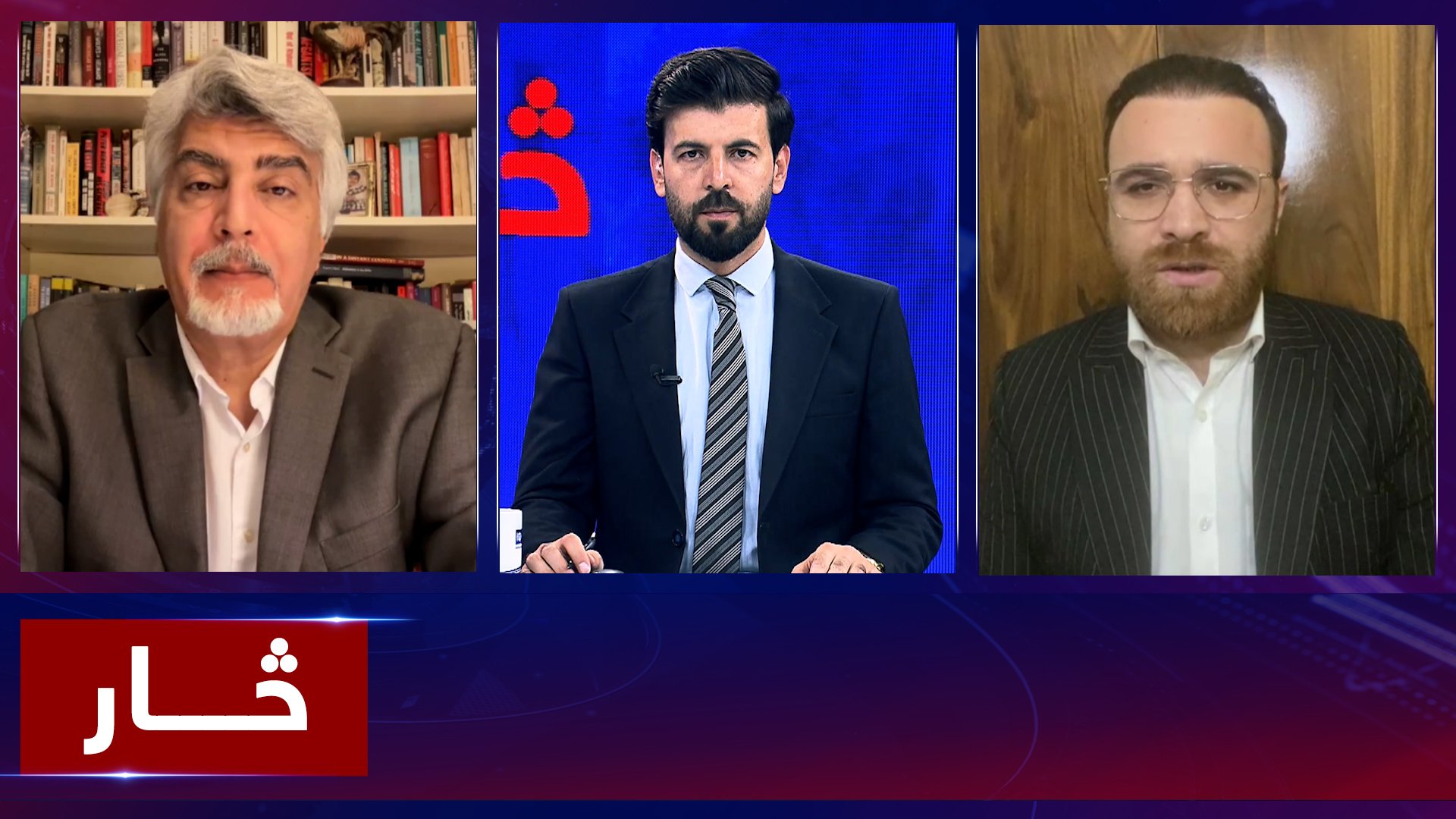
Saar: Iran–US tensions: an uncertain future
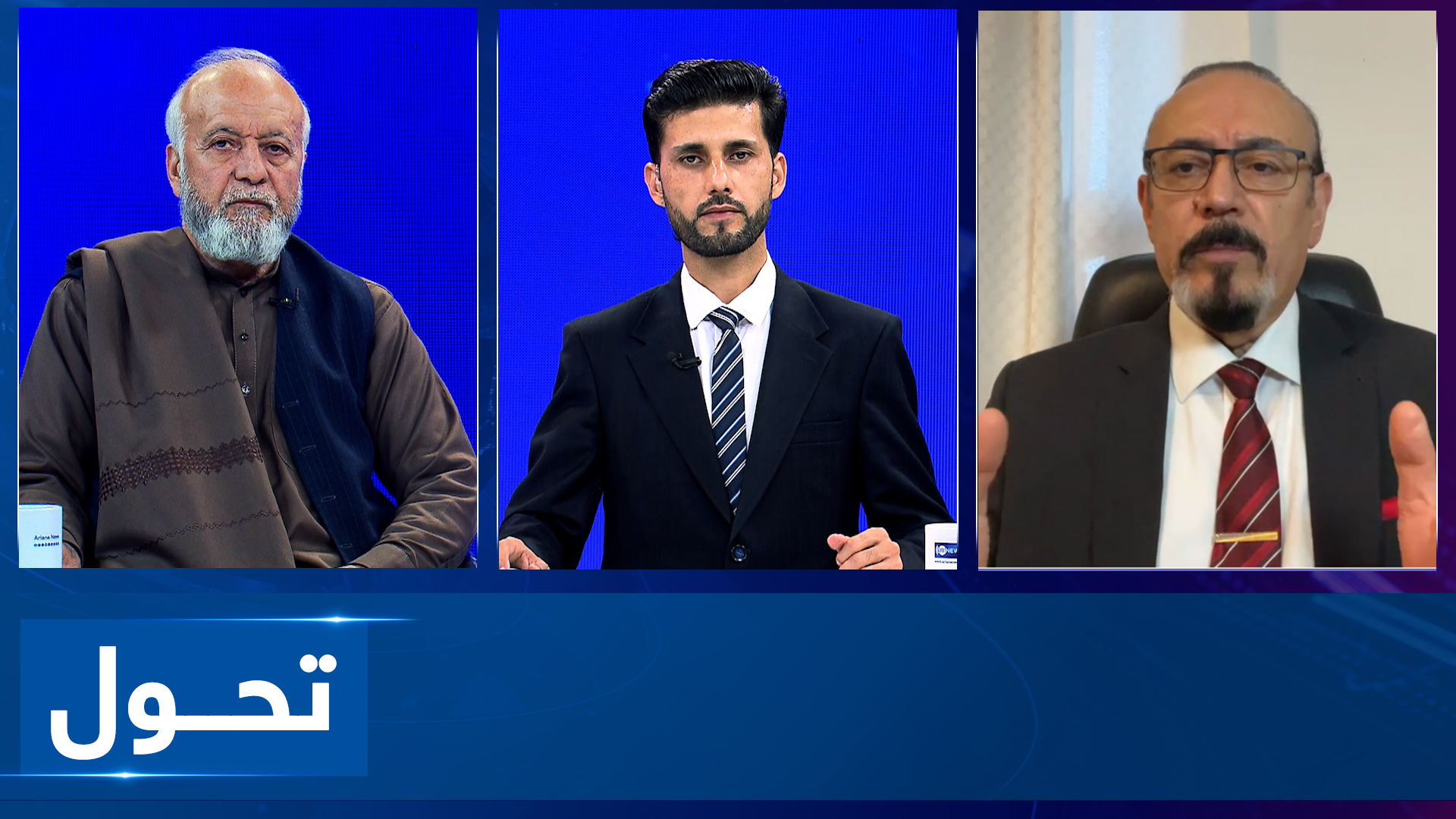
Tahawol: Concerns grow over worsening regional humanitarian crises discussed
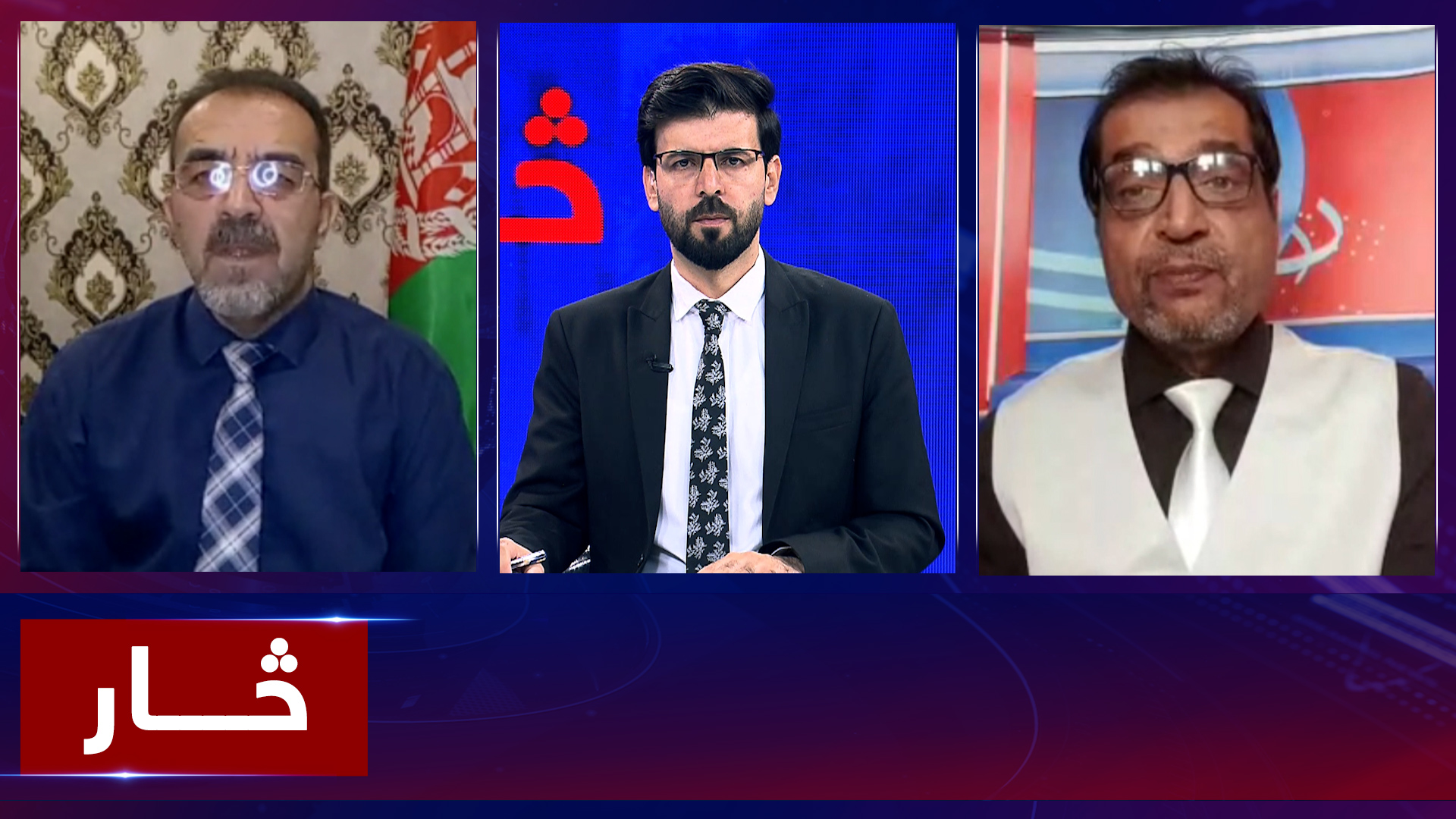
Saar: Forced deportation of Afghan refugees from Iran and Pakistan discussed
Tahawol: Russia’s special attention to situation in Afghanistan discussed
-
 Business3 days ago
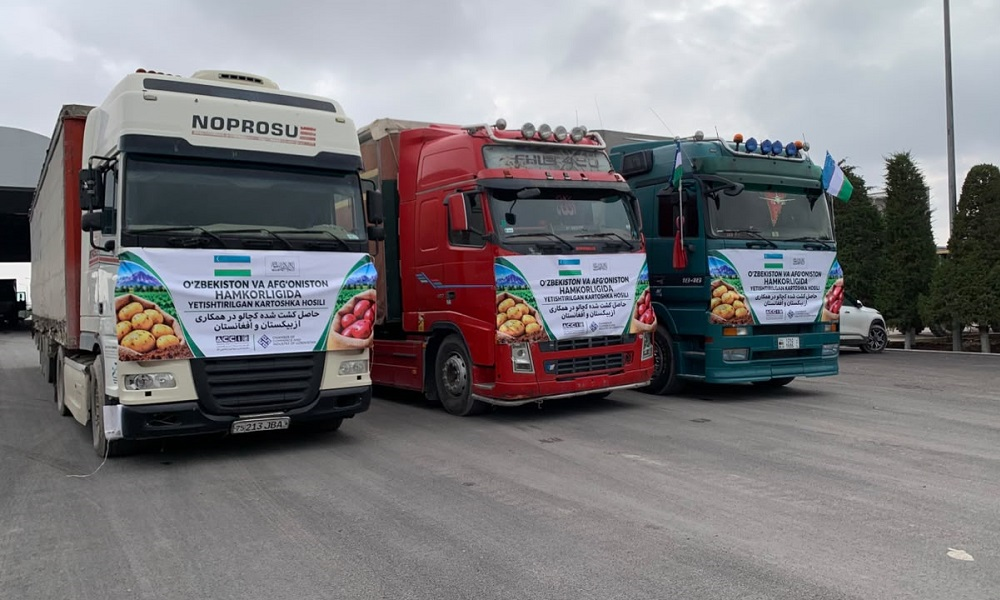
Afghanistan and Uzbekistan agree on export of 100,000 tons of Bamyan potatoes
-
 Latest News4 days ago
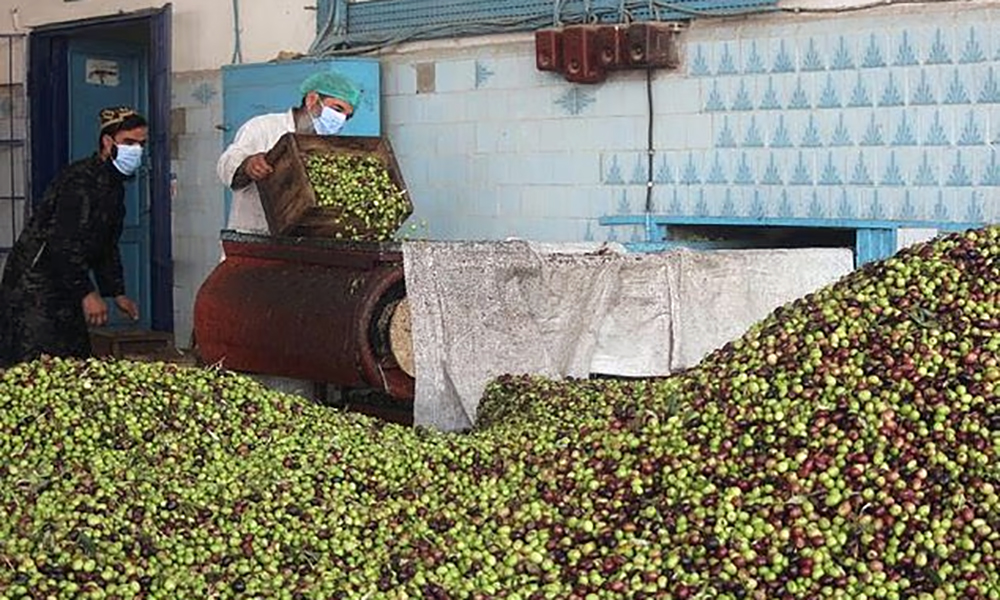
Olive farming offers new hope to Afghan farmers amid growing climate challenges
-
 Sport5 days ago
Sorkh Poshan Khafi secures ACL title with crushing 7-0 win over Khurasan Faryab
-
 Sport4 days ago
Afghanistan falls just short of Bronze at Dakar 2026 Youth Olympic Games
-

 Latest News4 days ago
Putin says CSTO closely monitoring Afghanistan’s security situation
-
 Latest News2 days ago
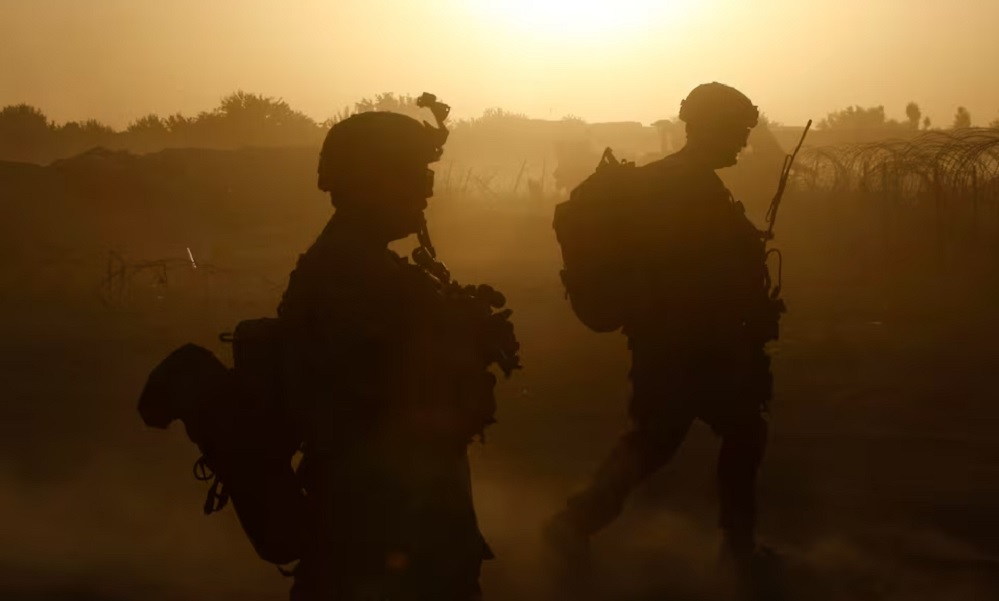
ICC halts probe into alleged crimes by US troops in Afghanistan
-
 Regional4 days ago
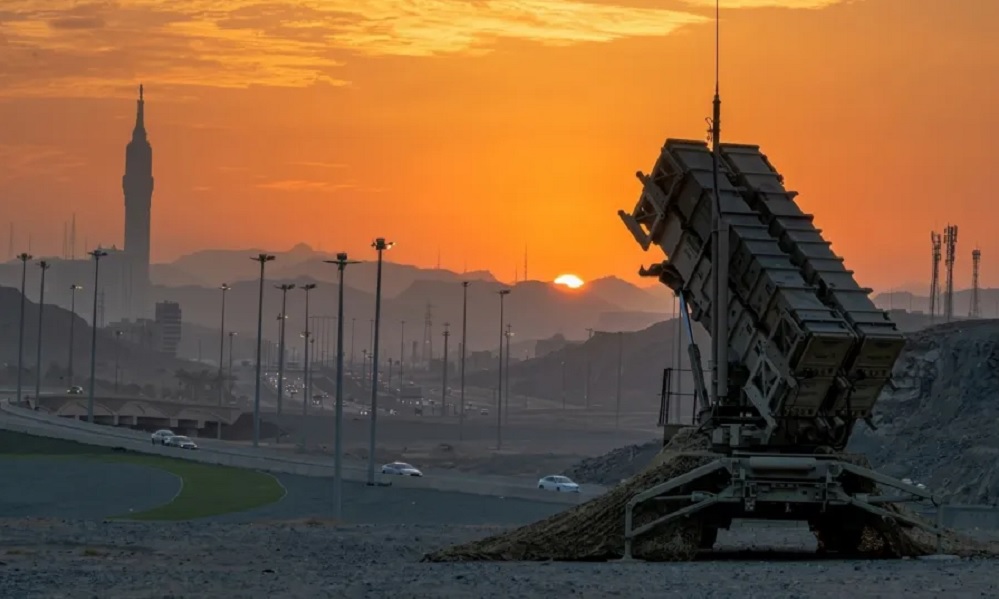
Saudi Arabia says debris from intercepted missiles falls in Mecca region
-
 Business4 days ago
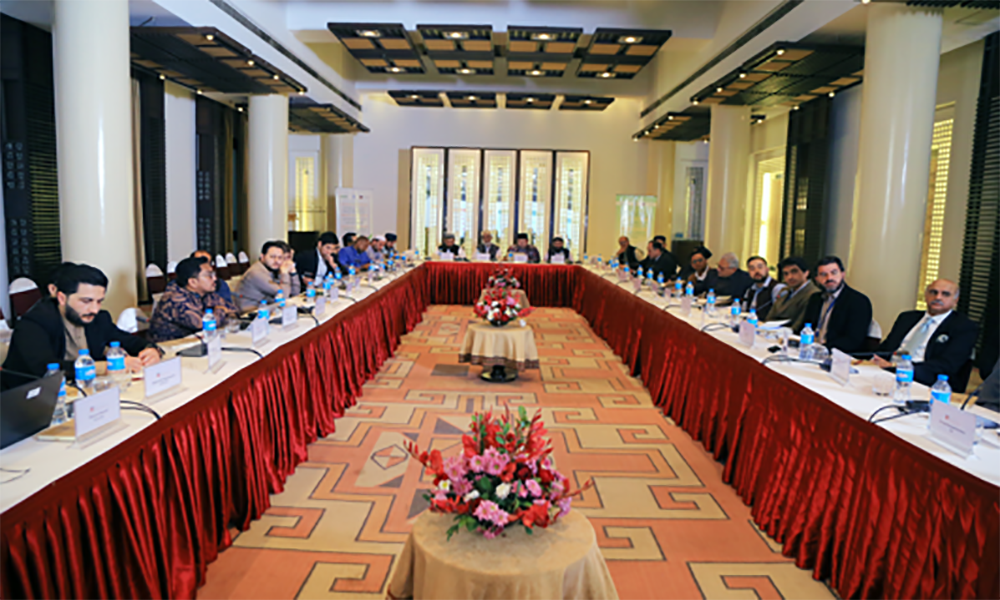
Afghanistan hosts dialogue on Islamic microfinance to expand access to Sharia-compliant financial services