
Regional
Indian forces kill three Pakistanis behind Kashmir attack, minister says
Pakistan’s foreign ministry did not immediately respond to a request for comment on Shah’s remarks.

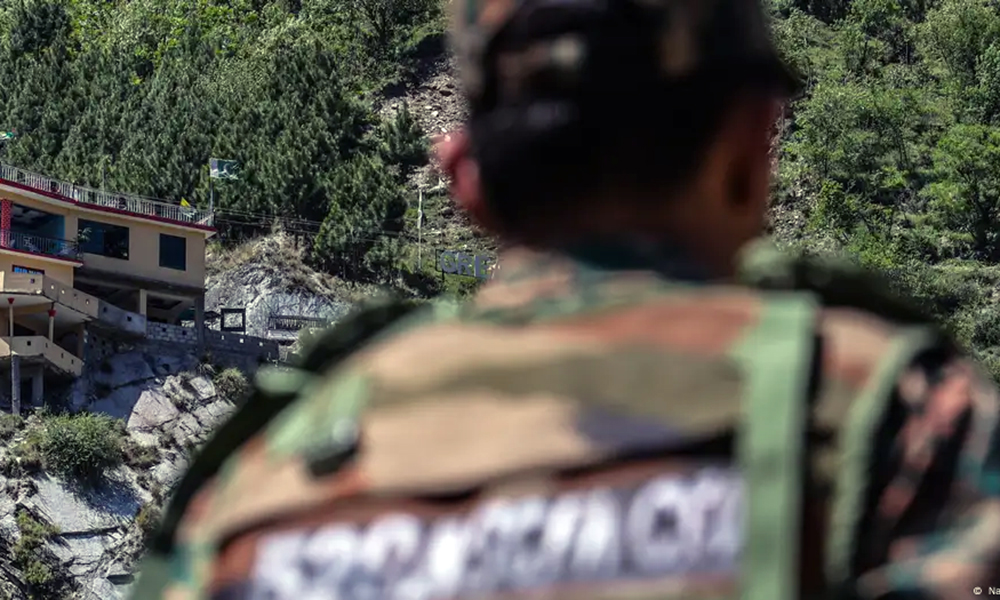
Indian forces have killed three Pakistanis involved in the April attack on Hindu tourists in the Jammu and Kashmir federal territory in which 26 men were shot dead, Home Minister Amit Shah said on Tuesday.
The attackers, who New Delhi said were Pakistani nationals backed by Islamabad, had opened fire in a valley popular with tourists in Kashmir’s scenic, mountainous region of Pahalgam, before fleeing into the surrounding pine forests, Reuters reported.
The attack led New Delhi to target what it called “terrorist infrastructure” in Pakistan and Pakistani Kashmir, leading to four days of intense fighting between the nuclear-armed neighbours before they agreed to a ceasefire.
“I want to tell … the entire nation that these were the three terrorists who killed our citizens … and now all three have been killed,” Shah told parliament during a discussion on the India-Pakistan conflict.
The three were killed in an intense gun battle in a Kashmir forest on Monday, the Indian army said.
Pakistan has denied involvement in the attack – the worst assault on civilians in India since the 2008 Mumbai attacks – and sought an independent investigation, read the report.
Shah said that India had a “lot of proof” that the dead “terrorists” were Pakistanis as security forces had recovered Pakistani voter identity cards of two of them and chocolates made in Pakistan.
Forensic tests showed that the rifles they had with them were used in the April attack, he added.
Pakistan’s foreign ministry did not immediately respond to a request for comment on Shah’s remarks.
The Himalayan region of Kashmir is at the heart of the hostility between India and Pakistan, who have fought two of their three wars over the region, which they both claim in full but rule in part.
New Delhi accuses Islamabad of helping Islamist separatists battling security forces in its part of Kashmir, but Pakistan says it only provides diplomatic and moral support to Kashmiris seeking self determination, Reuters reported.

Regional
Five killed in Turkish military helicopter crash in western Turkiye
The helicopter crashed shortly after taking off from Eskisehir on Tuesday. The aircraft had been conducting a training flight when the accident occurred.
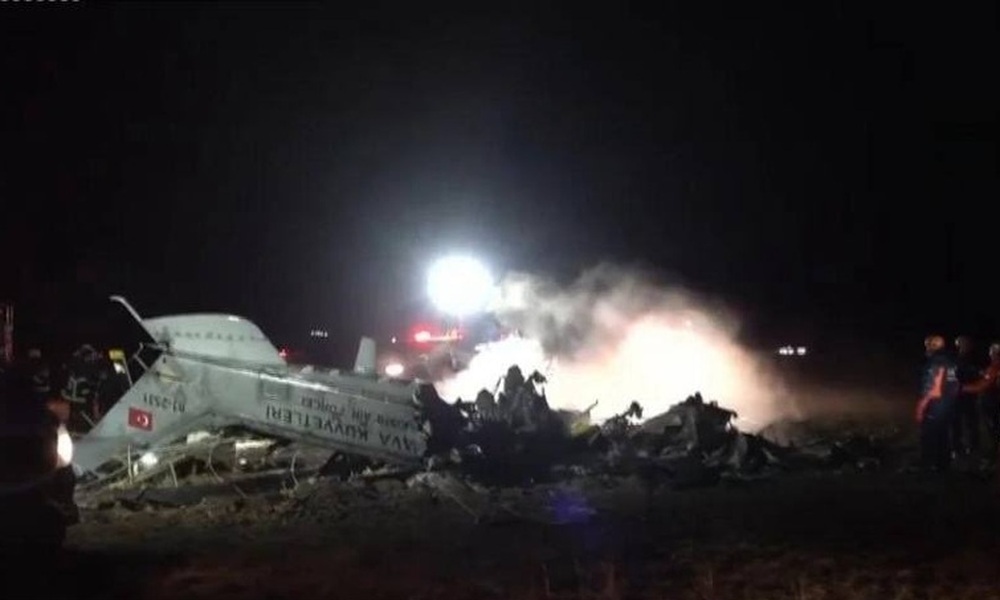
Five crew members have been killed after a Turkish Air Force helicopter crashed during a training mission in western Turkiye, according to the country’s Ministry of National Defence.
The AS-532 Cougar helicopter crashed shortly after taking off from Eskisehir on Tuesday. The aircraft had been conducting a training flight when the accident occurred.
The ministry confirmed that the wreckage had been located, while search and rescue operations were under way. It did not provide further details about the cause of the crash.
Emergency teams were dispatched to the crash site near Yorukakcayir village, approximately 15 kilometres west of Eskisehir city centre.
The incident comes just 12 days after another Turkish military helicopter crashed near Malatya in southern Turkiye on November 12, killing four crew members. Authorities have yet to announce the cause of that accident.
Turkiye has NATO’s second-largest military.
Regional
Qatar warns Middle East cannot afford renewed US-Iran escalation
Speaking during a meeting with US Secretary of State Marco Rubio in Washington, Sheikh Mohammed underscored the importance of diplomatic engagement in preventing further regional instability.
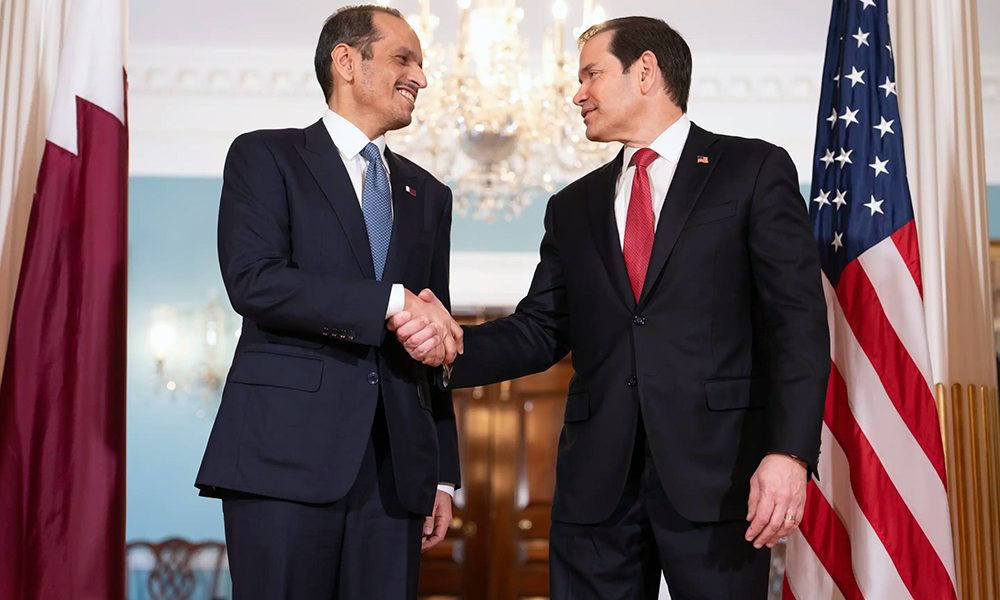
Qatar’s prime minister has warned that the Middle East cannot afford another escalation between the United States and Iran, saying Doha is working with both sides to revive negotiations.
Sheikh Mohammed bin Abdulrahman Al Thani, who also serves as Qatar’s foreign minister, said efforts were underway to bring Washington and Tehran back to the negotiating table, although no breakthrough had yet been reached.
Speaking during a meeting with US Secretary of State Marco Rubio in Washington, Sheikh Mohammed underscored the importance of diplomatic engagement in preventing further regional instability.
The meeting marked the launch of the eighth US-Qatar Strategic Dialogue, with both sides expressing their commitment to strengthening bilateral relations, particularly in defence, economic and security cooperation.
According to the US State Department, Rubio praised Qatar’s mediation efforts and emphasized continued coordination between the two countries to deter threats and promote stability and security across the Middle East.
Tensions between Washington and Tehran have continued since the US and Israel launched an offensive against Iran on February 28.
Efforts to end the conflict remain complicated by disagreements over the implementation of a June memorandum of understanding reached in Islamabad, as well as disputes concerning sanctions, a US naval blockade and security arrangements in the Strait of Hormuz.
Regional
Bangladesh vows to arrest Hasina if she returns from India
Hasina faces a death sentence in Bangladesh and her Awami League party is banned following the 2024 uprising that ended her long rule. The United Nations has said as many as 1,400 people were killed during the unrest.
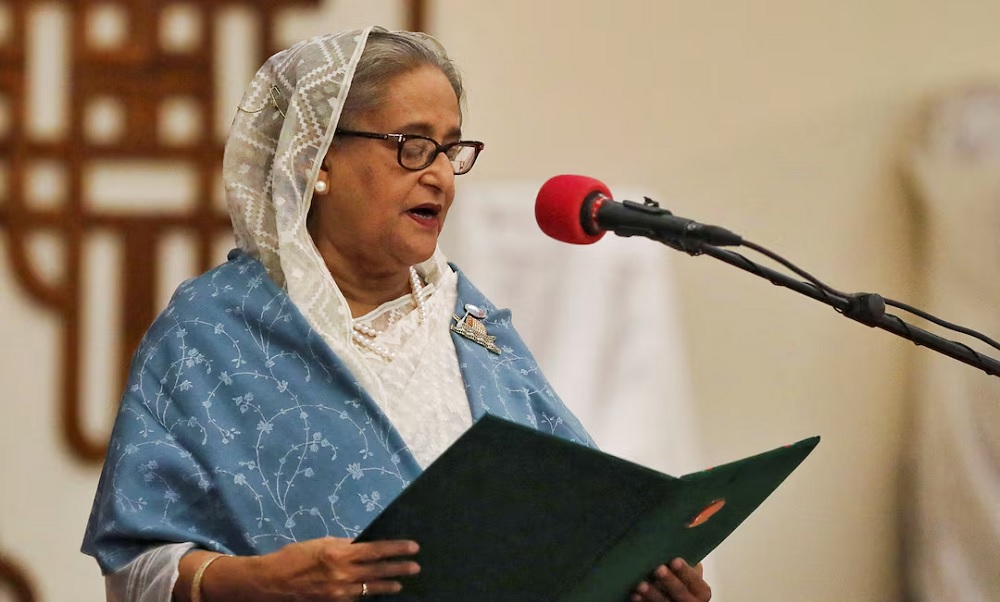
Bangladesh will arrest and jail former Prime Minister Sheikh Hasina if she returns from India, a senior government minister said, as her plans to come home in December fuel political tension and renewed street violence.
Dhaka is instead seeking Hasina’s extradition from India, where she has lived since fleeing Bangladesh in 2024, and expects New Delhi to comply with an existing extradition treaty, State Minister for Foreign Affairs Shama Obaed Islam told Reuters.
India’s foreign ministry did not immediately respond to a request for comment. In April, the ministry said it was examining Bangladesh’s request to extradite Hasina.
Hasina faces a death sentence in Bangladesh and her Awami League party is banned following the 2024 uprising that ended her long rule. The United Nations has said as many as 1,400 people were killed during the unrest.
Hasina fled Dhaka in August 2024 as protests demanding her resignation swept the country. She has since sought a new passport and identity card ahead of a planned return in December, requests the government has rejected.
“As soon as she tries to enter Bangladesh, she will be arrested. And she will be taken to jail, and the law will take its course,” Obaed said in an interview on Sunday.
“We would like India to honour the extradition treaty and return her as a convict, and the law will take its course. She (Hasina) will have to face the music.”
The standoff has brought Hasina’s Awami League supporters out on the streets. The party this month announced a week of protests and rallies in support of Hasina’s return, culminating in a nationwide lockdown on November 19.
Police have recorded dozens of crude bomb blasts and incidents of arson targeting vehicles in at least 28 districts over the past 10 days, with several police officers and civilians injured, according to local media.
Obaed called the violence a survival tactic by Hasina’s “politically bankrupt political party.”
Khalid Mahmud Chowdhury, a senior Awami League official, said the current political establishment was responsible for the violence.
The minister said there had been no official discussions with India about sending an aircraft to bring Hasina back, adding that Dhaka wanted balanced ties with New Delhi that did not compromise Bangladesh’s “dignity, self-respect and interests.”
“India needs to decide what kind of foreign policy they need to adopt for Bangladesh,” Obaed said.
ROHINGYA VERDICT
Dhaka is also stepping up diplomatic pressure on neighbouring Myanmar over the return of Rohingya refugees after the UN’s highest court ruled that thousands of killings and widespread sexual violence by Myanmar’s security forces against the Muslim minority in 2017 amounted to state-sponsored genocide.
Myanmar has criticised the ruling by the International Court of Justice said Rohingya would only be able to return “when situations permit”.
“Now, this verdict gives us, Bangladesh, the strength, the Rohingya community the strength to fight,” Obaed said, adding that they deserved to return “with dignity and safety”.
About 1.2 million Rohingya live in Bangladesh after repeated repatriation attempts failed. Their return has been complicated by Myanmar’s civil war and the Arakan Army militia’s control of nearly all of Rakhine State, which is home for most Rohingya.
Obaed called for greater international pressure on Myanmar and the Arakan Army.
“Bangladesh did not create this crisis. Myanmar created this crisis, so Myanmar has to end it,” she said.


ASQA stresses standards compliance in Emirati Olive Company products
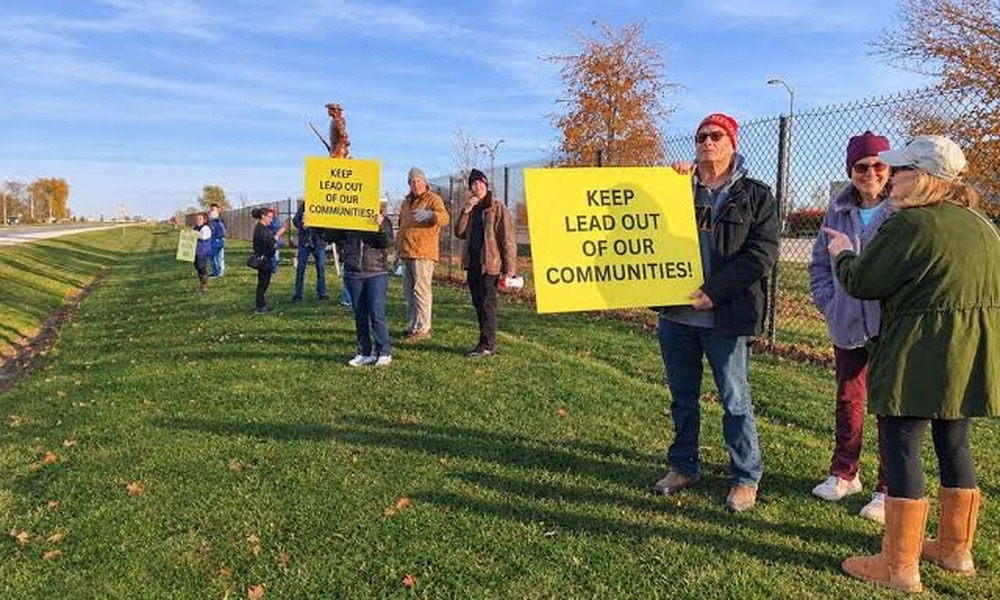
US Army schedules Iowa explosives detonation despite public outcry
Five killed in Turkish military helicopter crash in western Turkiye

Russia agrees to supply Afghanistan with $200 million worth of goods

$7 million poultry farm opens in Herat, creating 600 jobs

US sanctions and blockade measures disrupt Iran’s trade with Afghanistan and regional neighbors
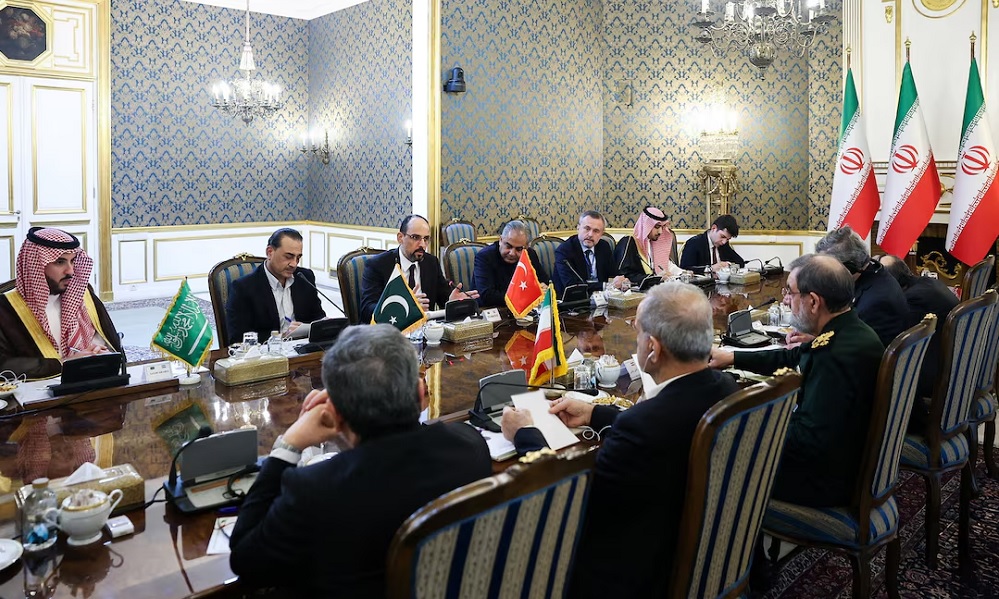
Saudi defence pact countries push for peace in Tehran as Houthis launch more attacks

England forward Kane crowned Ballon d’Or winner

Afghanistan to launch nationwide polio vaccination campaign

Afghanistan futsal team thrash Panama 5-0 in flying start to Dakar Youth Olympics
Five killed in Turkish military helicopter crash in western Turkiye
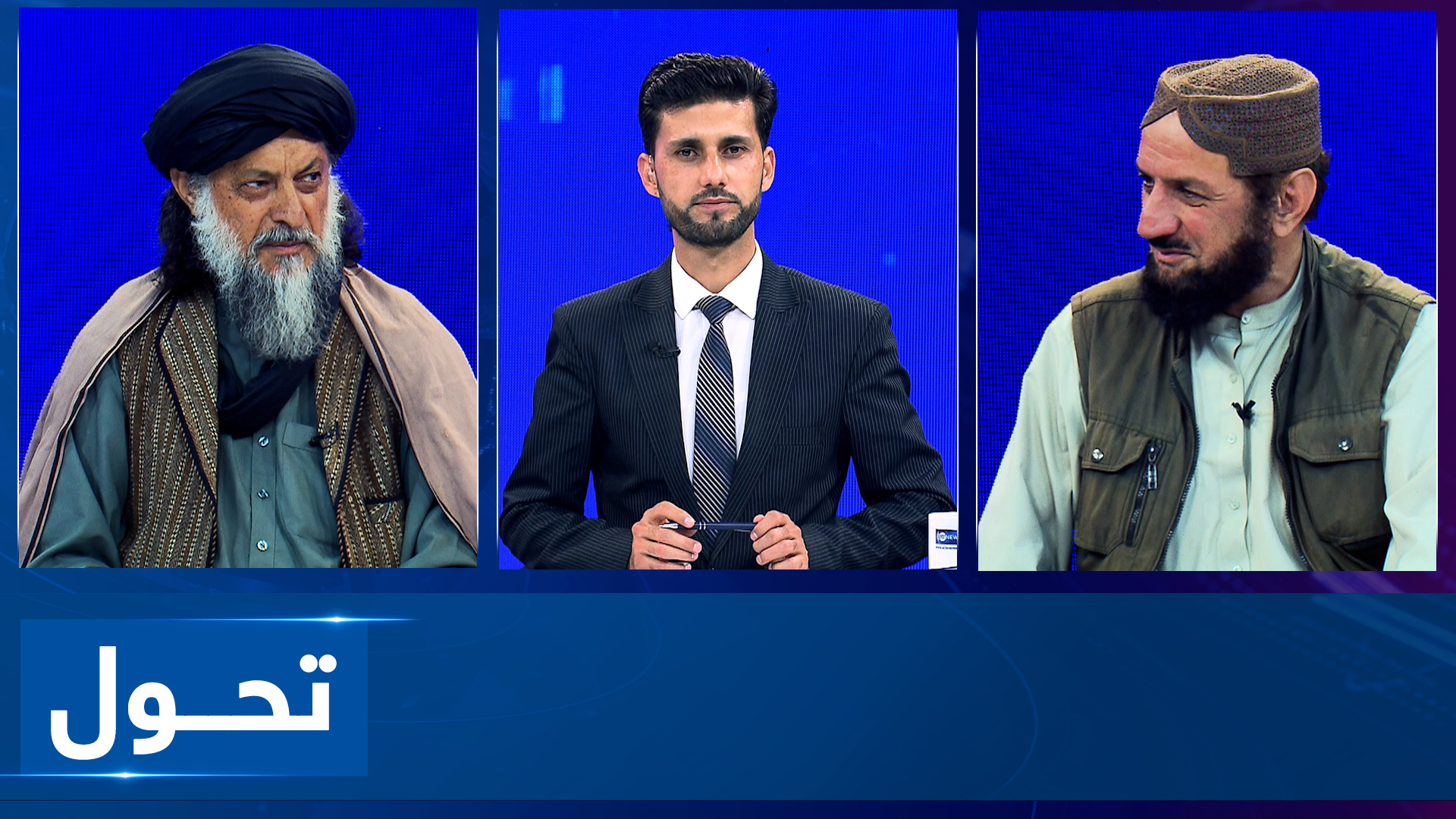
Tahawol: Discussion on shifting views within Pakistan
Qatar warns Middle East cannot afford renewed US-Iran escalation
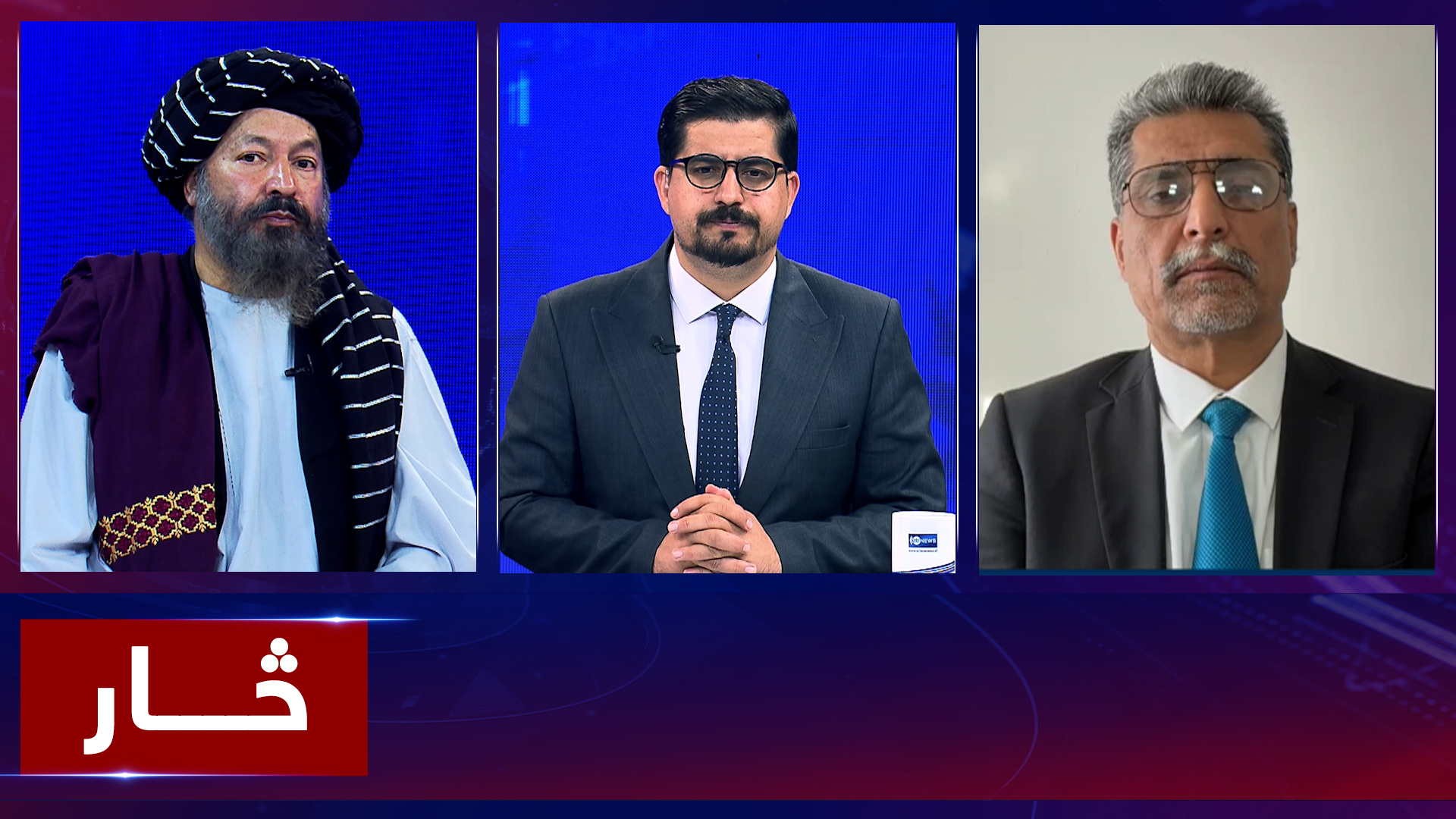
Saar: Return of millions of Afghans to their homeland

Saar: Pakistan FM’s remarks on Afghanistan
-
 Latest News4 days ago
US judge questions Trump administration’s policies targeting refugees
-
 Latest News2 days ago
SNEAKO claims US authorities questioned him for eight hours after Afghanistan visit
-
 Sport5 days ago
ATN hosts AFPL Season 5 draw and 2025 futsal awards ceremony
-
 Latest News4 days ago
Russia reiterates readiness to facilitate talks between Afghanistan and Pakistan
-
 Regional4 days ago
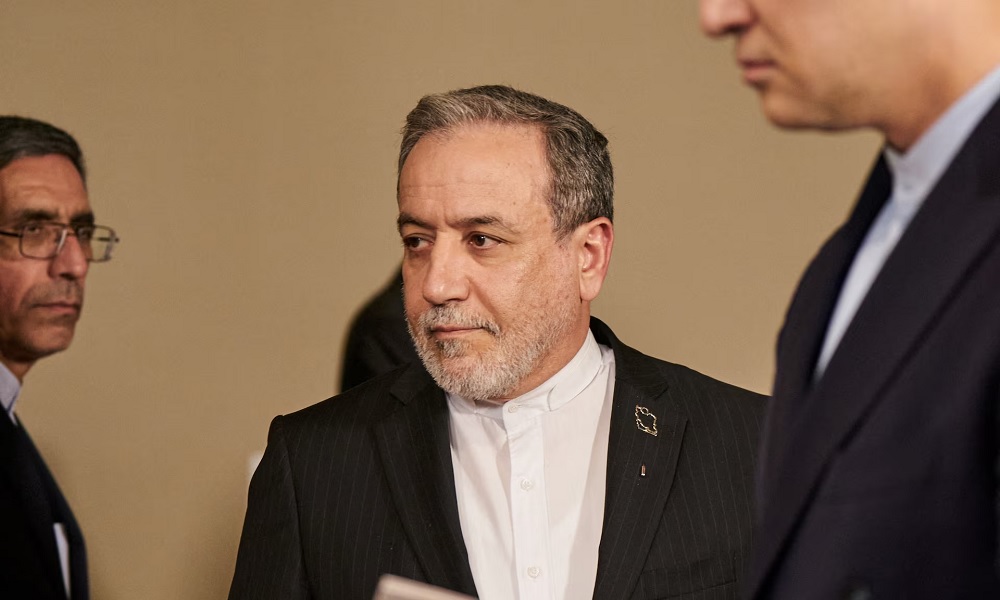
Araqchi says Iran wants diplomacy to end war, Trump says terms unacceptable
-
 Science & Technology4 days ago
Astronomers observe a huge puffy star merge with smaller companion
-
 Latest News3 days ago
AfD leader calls for return of 2.6 million foreigners from Germany
-
 Sport4 days ago
Lebanon defeat Afghanistan 5-0 in Beach Soccer Asian Cup