
Regional
Trump cuts China tariffs to 47% after ‘amazing’ Xi meeting


U.S. President Donald Trump said on Thursday he had agreed to reduce tariffs on China to 47% in exchange for Beijing resuming U.S. soybean purchases, keeping rare earths exports flowing and cracking down on the illicit trade of fentanyl.
His remarks after face-to-face talks with Chinese President Xi Jinping in the South Korean city of Busan, their first since 2019, marked the finale of Trump’s whirlwind Asia trip on which he also touted trade breakthroughs with South Korea, Japan and Southeast Asian nations, Reuters reported.
“I thought it was an amazing meeting,” Trump told reporters aboard Air Force One shortly after he departed Busan, adding that tariffs imposed on Chinese imports would be cut to 47% from 57%.
Trading in global stocks was choppy as Trump revealed details of the deal, with major Asian indexes and European futures swinging between gains and losses. China’s Shanghai Composite Index slipped from a 10-year high, while U.S. soybean futures were weaker.
World stock markets from Wall Street to Tokyo had hit record highs leading up to the meeting on hopes of a breakthrough in a trade war between the world’s two largest economies that has upended supply chains and rocked global business confidence.
The meeting, which took place on the sidelines of the Asia-Pacific Economic Cooperation (APEC) summit, lasted nearly two hours. Trump shook hands and escorted Xi to his car before the U.S. president was given a red carpet send-off at the airport.
Trump repeatedly talked up the prospect of reaching agreement with Xi since U.S. negotiators on Sunday said they had agreed a framework with China that will avoid 100% U.S. tariffs on Chinese goods and achieve a deferral of China’s export curbs on rare earths, a sector it dominates.
But with both countries increasingly willing to play hardball over areas of economic and geopolitical competition, many questions remain about how long any trade detente may last.


Regional
Saudi Arabia says debris from intercepted missiles falls in Mecca region
The missiles were launched towards the region and intercepted and destroyed, Saudi Arabia’s civil defence said in a statement.
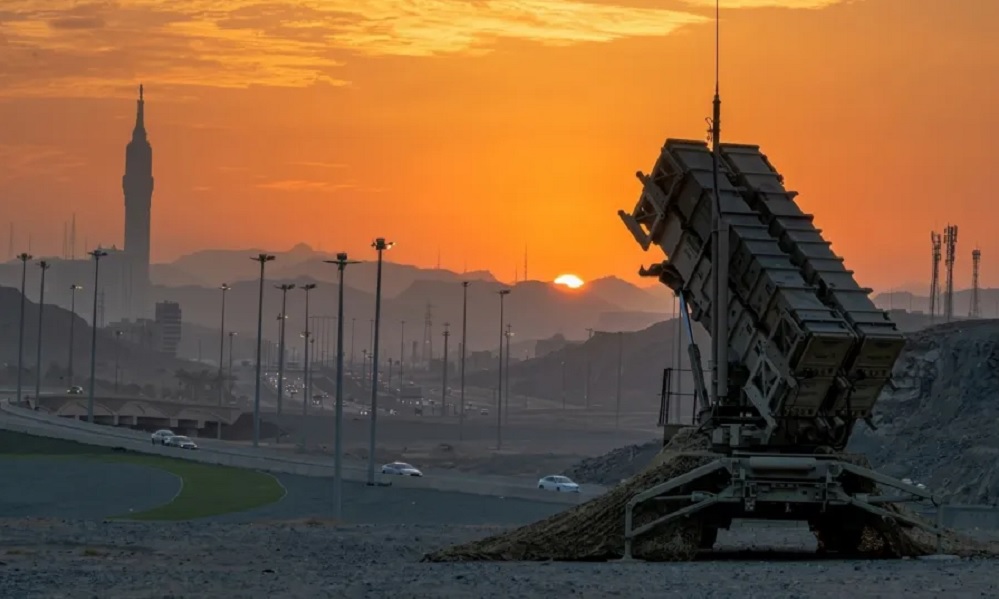
Saudi Arabia said debris from two ballistic missiles intercepted by its air defences fell in the Mecca region on Wednesday, as the kingdom and Yemen’s Iran-aligned Houthis continued to trade attacks in an escalating conflict.
Saudi state television identified the locations as Sabuhah village, about 35 km (22 miles) northeast of the Grand Mosque in Mecca, and Wadi al-Maghmas, about 21 km east of the mosque, Reuters reported.
The missiles were launched towards the region and intercepted and destroyed, Saudi Arabia’s civil defence said in a statement.
The Houthis have repeatedly denied Saudi accusations that they target Mecca and Medina, Islam’s two holiest cities, saying their military operations are directed at military and strategic targets elsewhere in Saudi Arabia.
Mecca, home to sites sacred to Muslims worldwide, is the focal point of the annual hajj pilgrimage, one of the five pillars of Islam, which millions of Muslims undertake each year.
“This hostile targeting of civilian objects constitutes a flagrant violation of international humanitarian law and reflects the dangerous hostile approach pursued by the Houthi militia,” Saudi Arabia’s civil defence said early on Thursday.
The Houthis seized Yemen’s capital Sanaa in 2014, prompting Saudi Arabia to intervene militarily the following year in support of the internationally recognised government.
A UN-brokered truce in 2022 largely froze the conflict, but hostilities resumed earlier this year, with the Houthis launching missile and drone attacks on Saudi territory and Riyadh carrying out airstrikes in Yemen.
The latest escalation has threatened the strategic Bab el-Mandeb Strait, a key shipping route linking the Red Sea and the Gulf of Aden.
Regional
Iran defends two-day proposal for peace talks after US rejects conditions
Iran defended a proposal on Monday to restart peace talks in as few as two days as the most reasonable offer on the table, after US Secretary of State Marco Rubio called some of Iran’s conditions “outrageous and ridiculous”.
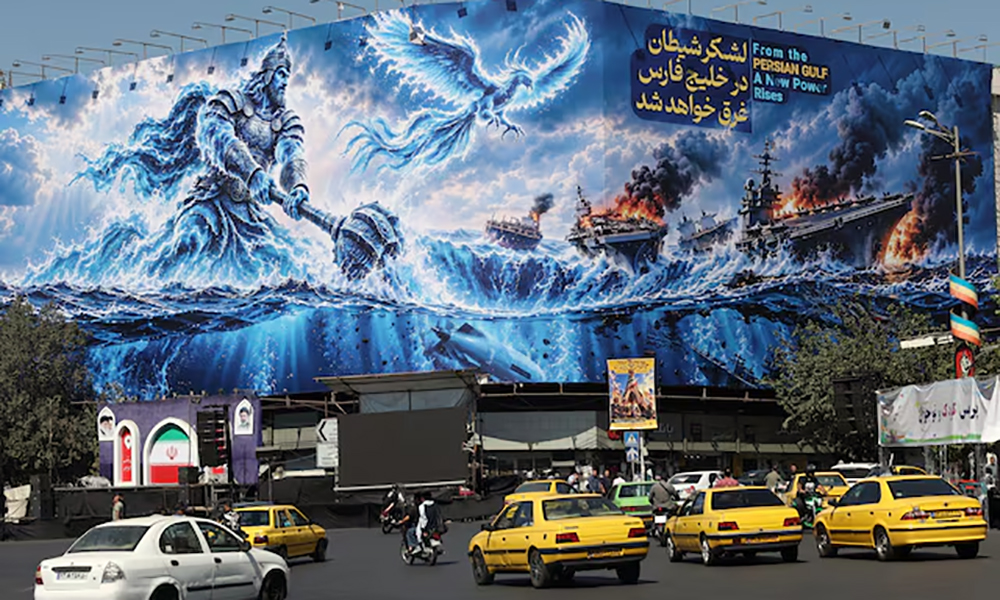
Iran defended a proposal on Monday to restart peace talks in as few as two days as the most reasonable offer on the table, after US Secretary of State Marco Rubio called some of Iran’s conditions “outrageous and ridiculous”, Reuters reported.
“Is it unreasonable that Iran demands that US illegal sanctions and its naval blockade must be lifted before negotiations start and that the war should end on all fronts?” Foreign Ministry spokesman Esmaeil Baghaei told a weekly press conference in response to Rubio’s remarks.
Iran defended a proposal on Monday to restart peace talks in as few as two days as the most reasonable offer on the table, after US Secretary of State Marco Rubio called some of Iran’s conditions “outrageous and ridiculous”.
“Is it unreasonable that Iran demands that US illegal sanctions and its naval blockade must be lifted before negotiations start and that the war should end on all fronts?” Foreign Ministry spokesman Esmaeil Baghaei told a weekly press conference in response to Rubio’s remarks.
Regional
Explosions heard in areas in southern Iran, Iranian media report
Earlier on Saturday, Tasnim news agency said two missiles struck Qeshm Island with no official information on possible damage.
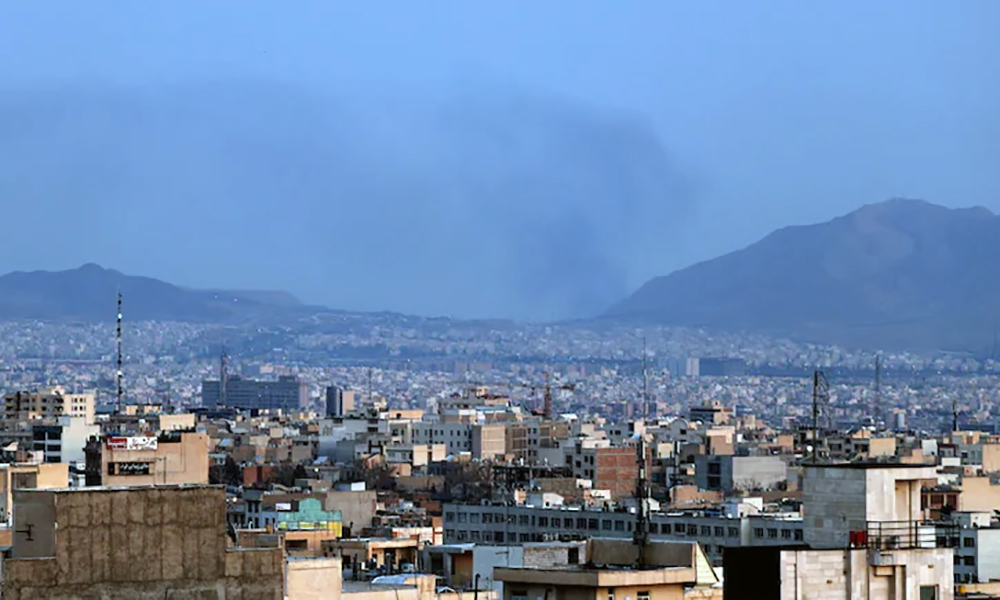
Explosions were heard on Saturday evening in several areas in southern Iran, including on Qeshm Island in the Strait of Hormuz, Iranian state television reported.
Iran’s state TV suggested that the explosions might be linked to Iranian military activities in the strategic waterway, which has become subject to repeated attacks on commercial shipping since the war erupted between the US and Iran in February.
It said Iranian officials have not confirmed any missile strikes on the areas, while the semi-official Tasnim news agency cited a source as saying that the explosions heard on Qeshm Island were not related to missile strikes.
Iran’s Revolutionary Guards Navy said early on Sunday that two oil tankers were on fire after hitting mines as they attempted to pass through an “unauthorized route” in the strait. It was not immediately clear if the incidents referred to by the IRGC were linked to the sound of explosions heard in southern Iranian areas.
Iran has hit vessels it says have violated its restrictions on passage through the waterway, as it seeks to assert control over the strait and exert pressure on Washington.
Earlier on Saturday, Tasnim news agency said two missiles struck Qeshm Island with no official information on possible damage.
The reported explosions come days after the US carried out strikes on the island. A US official said those strikes were limited and not a resumption of major combat operations.
The US military said on Saturday evening that its forces disabled a commercial vessel that tried to get through the US blockade of Iran.
The US Central Command said one of its aircraft fired at the vessel’s stern and disabled the ship after it attempted to violate the blockade.
Countries in the region had been anticipating that US President Donald Trump, who has held off on strikes on Iran during the weeks leading up to Tuesday’s midterm elections, could restart attacks once the voting was over. Iran has repeatedly said it would respond to new attacks by striking at US and Israeli targets in neighboring countries.

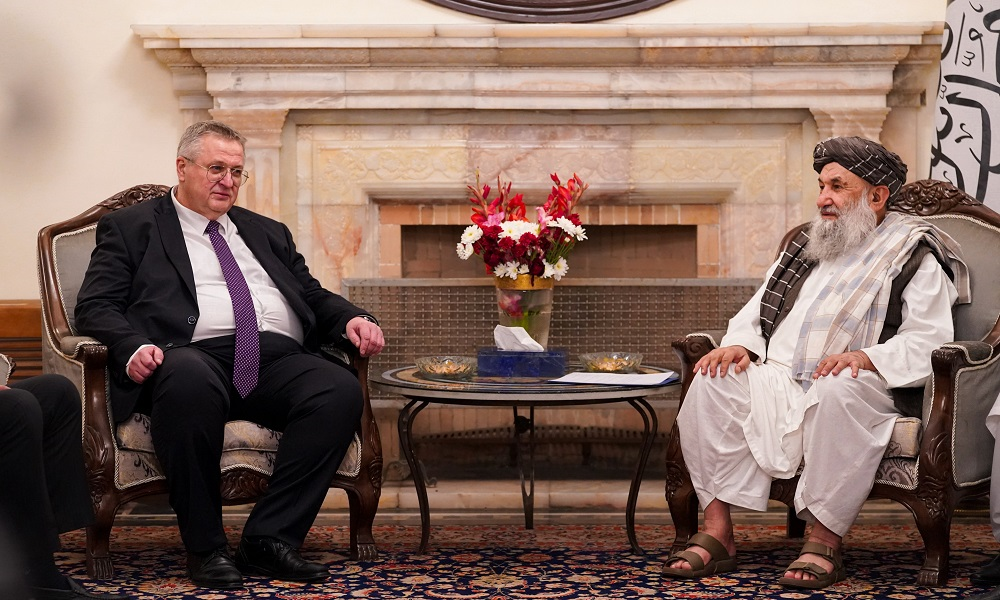
Afghanistan and Russia discuss expanding economic cooperation and boosting investment

Argentina clinch futsal gold after defeating Portugal in Dakar 2026 final
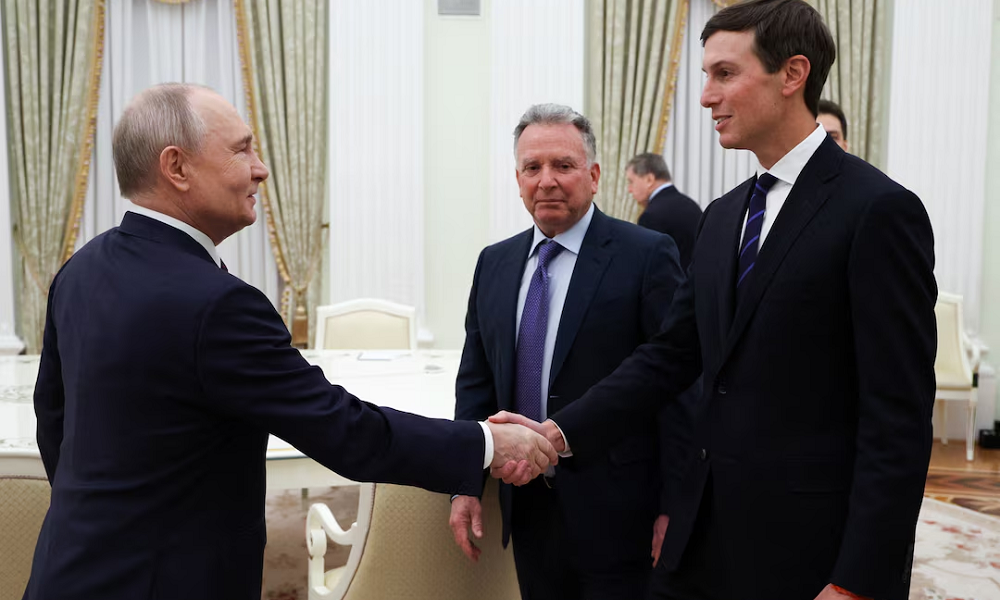
Putin agrees to European role in Ukraine peace talks as Zelenskiy welcomes move
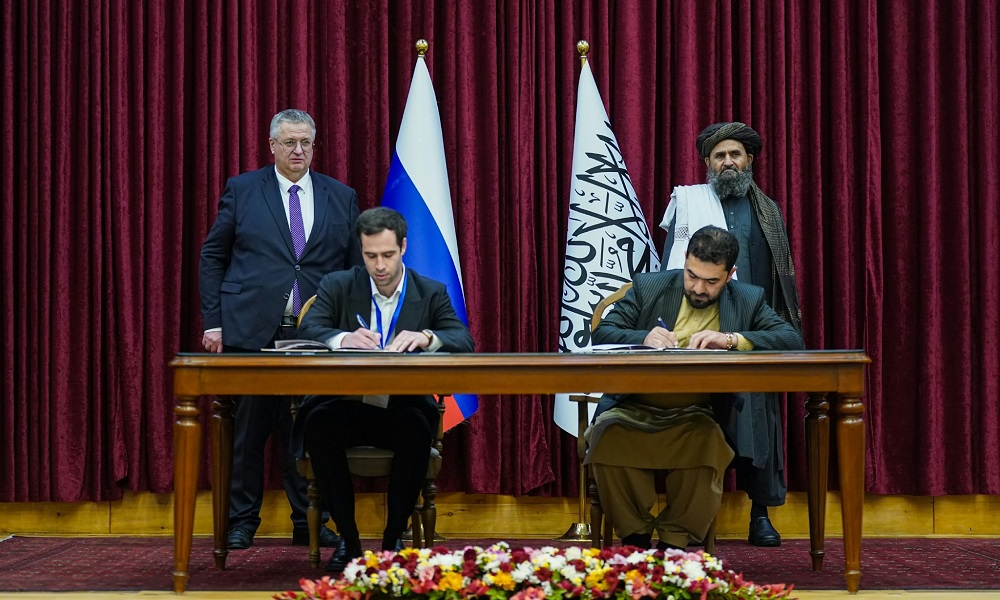
Afghanistan and Russia sign 15 economic cooperation agreements worth $103 million
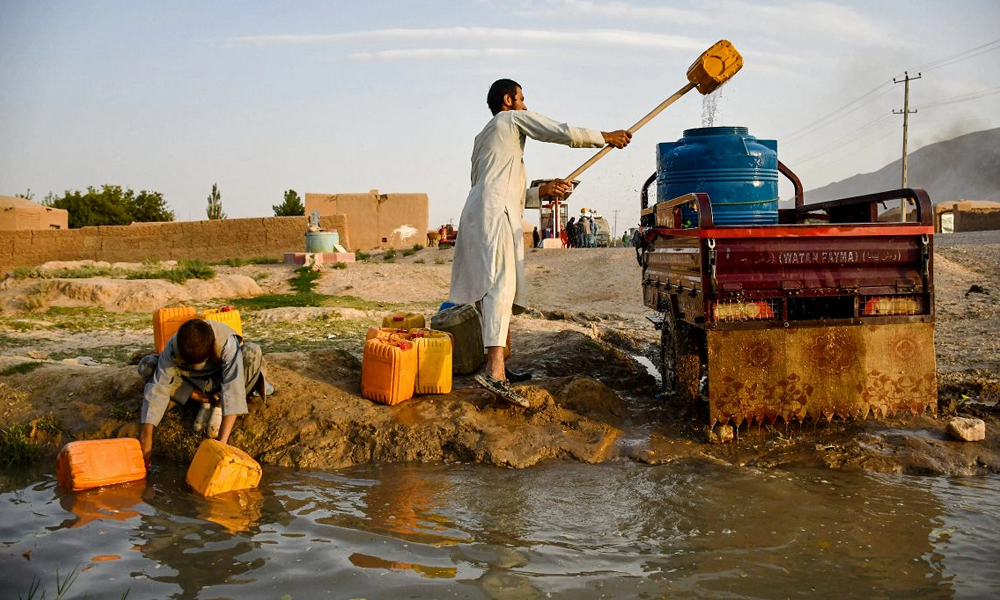
UN warns of deepening water crisis in central Afghanistan amid climate change

Afghanistan finish runners-up after 6-0 defeat to Brazil in futsal final

Trump says US may strike Iran’s ‘Pickaxe Mountain’ nuclear facility

Afghan futsal coach: Brazil tournament is first step towards new goals and World Cup

Rubio heads to Central Asia while other US officials hit foreign policy hot spots

Violent protests spread across Europe as Albanian PM blames ‘foreign hand’
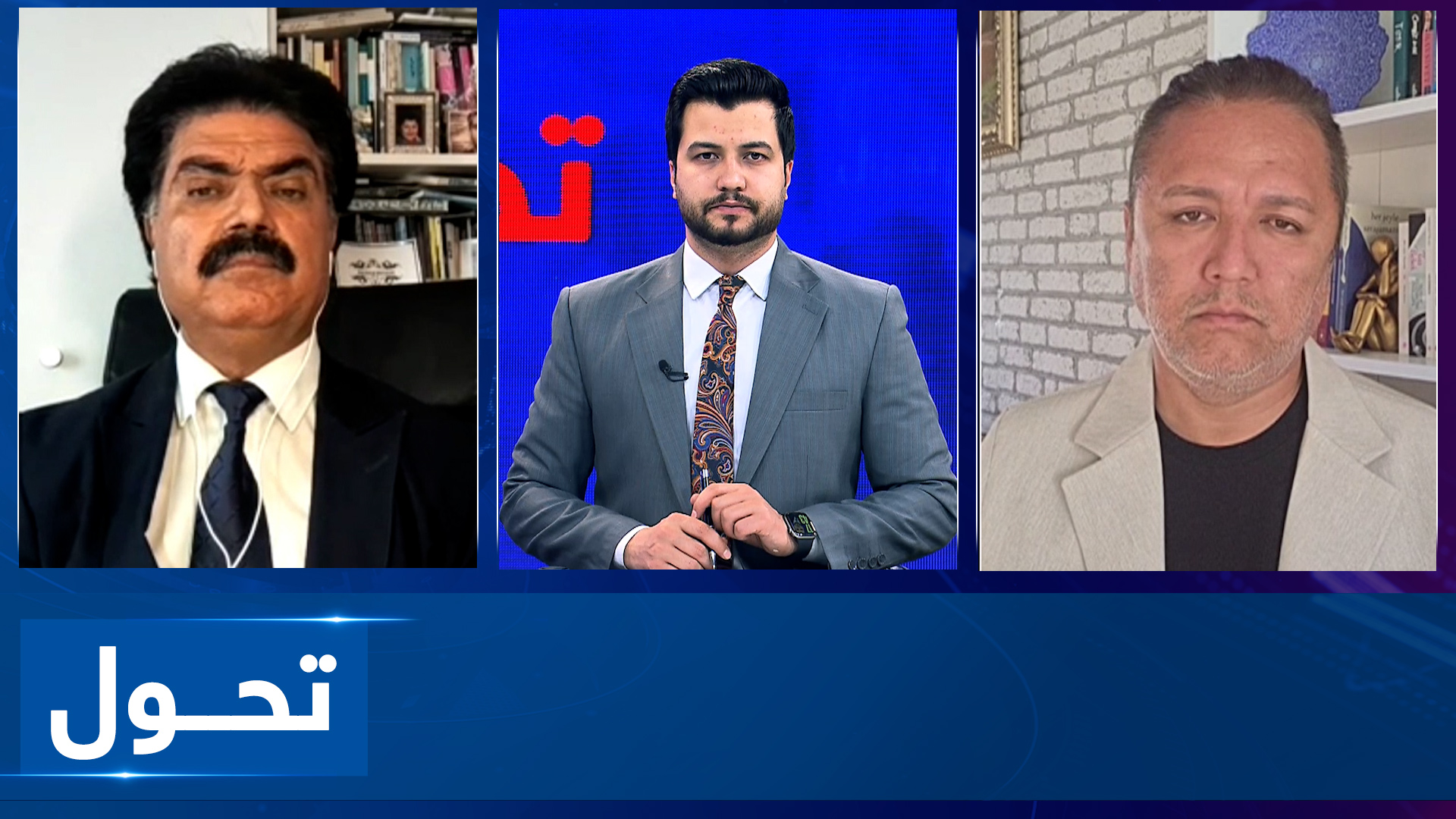
Tahawol: Russia’s special attention to situation in Afghanistan discussed
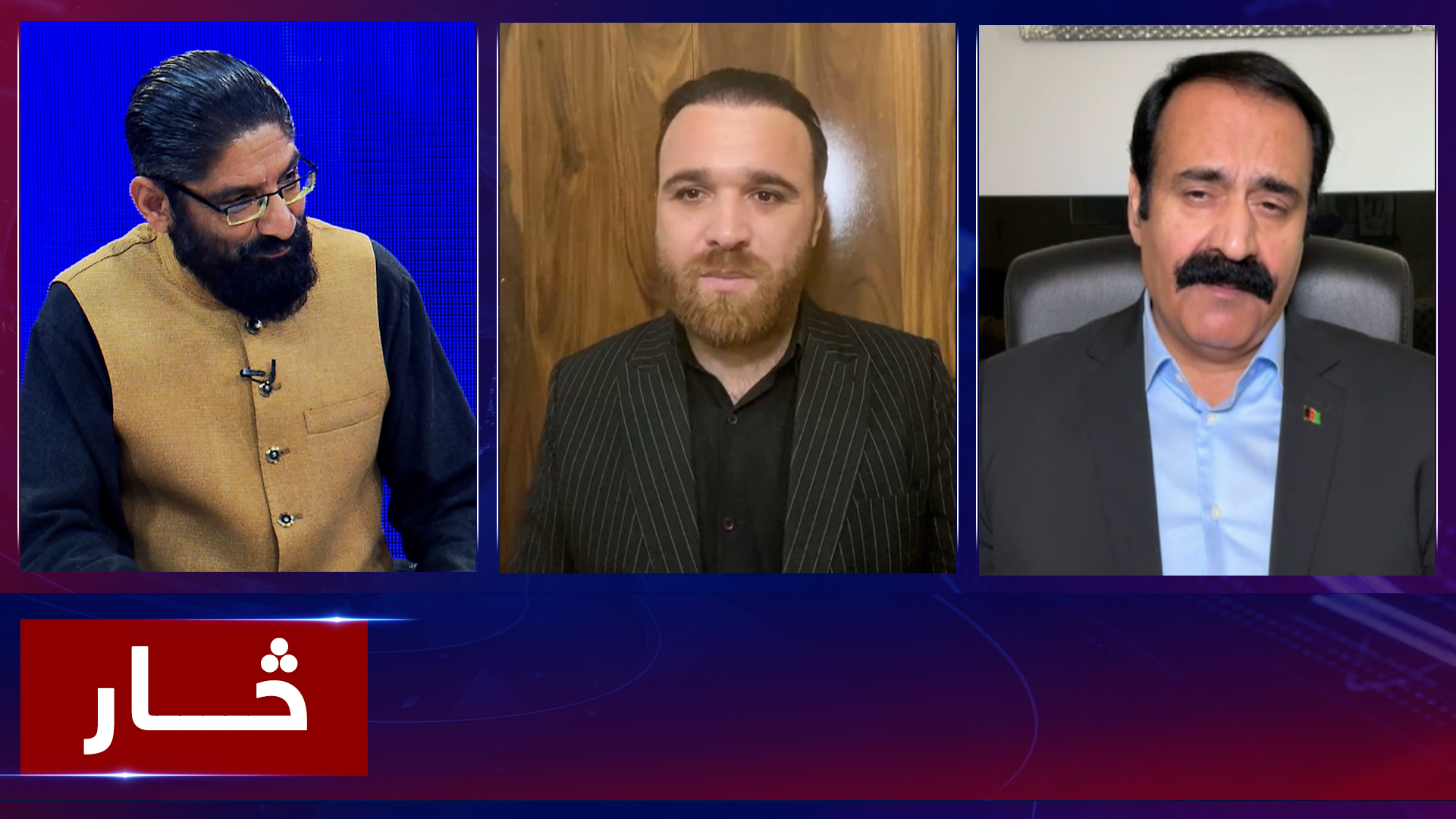
Saar: Discussion on US’s humiliating defeat in Afghanistan
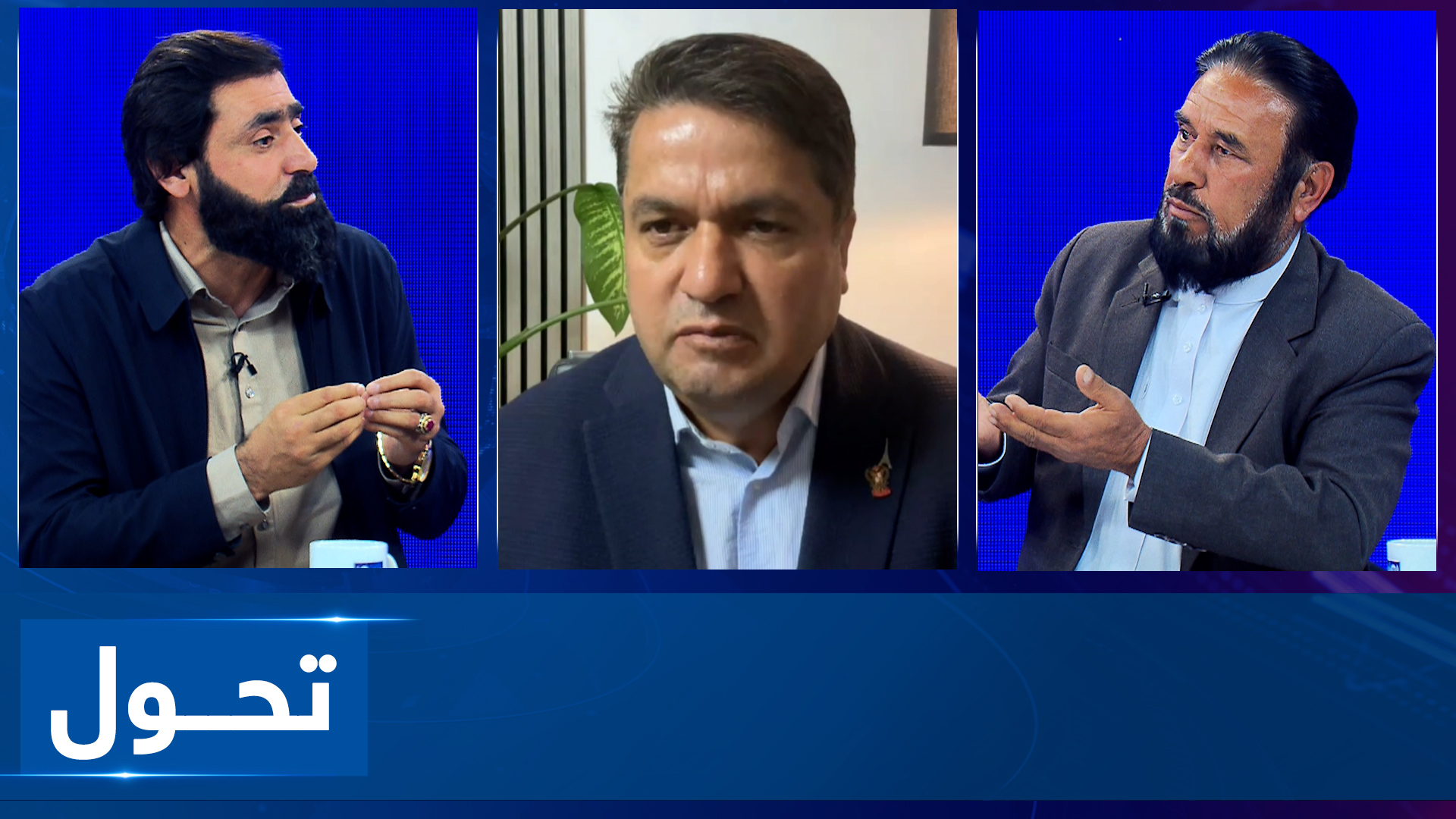
Tahawol: High-level Russian delegation’s visit to Kabul discussed
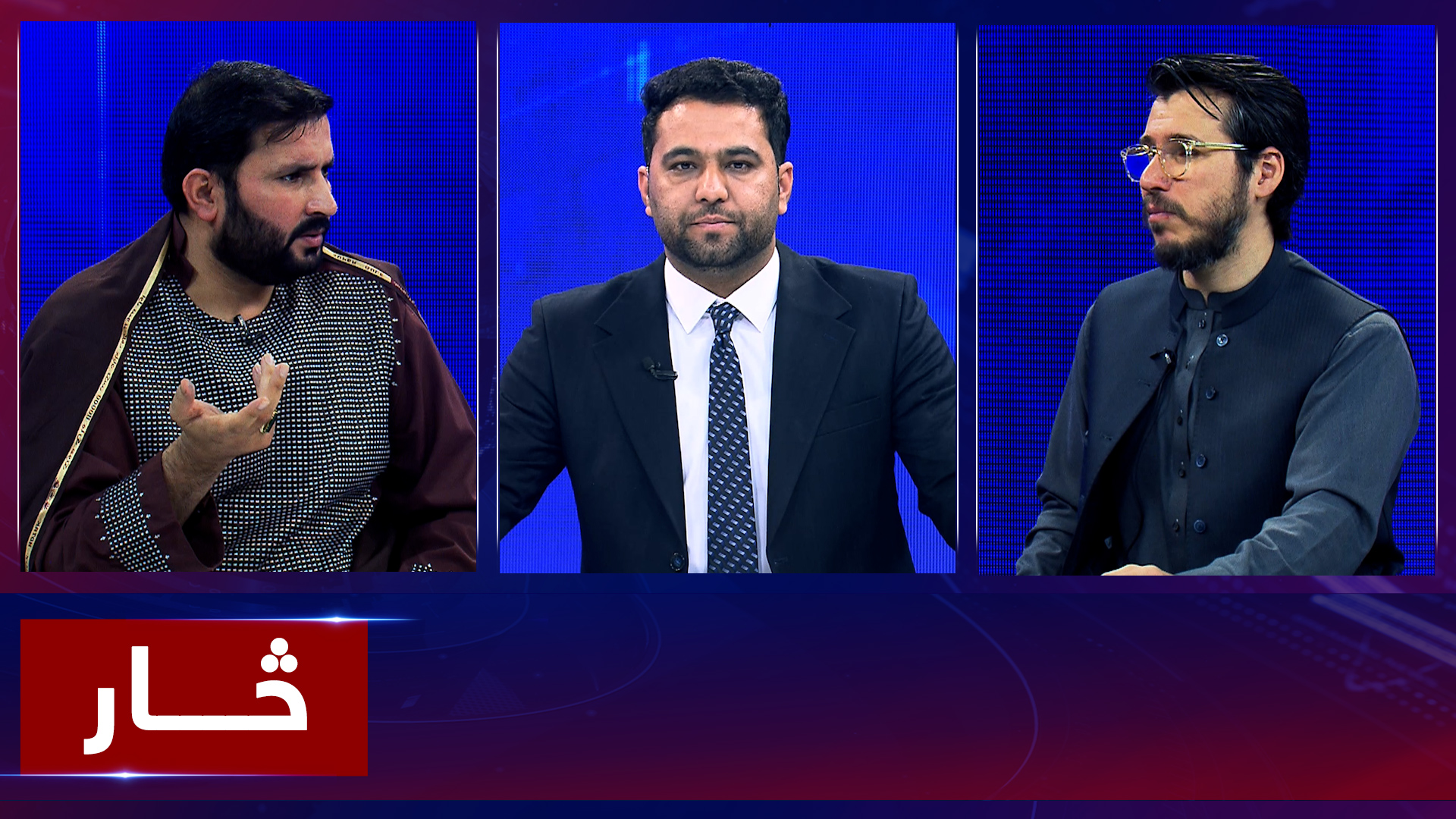
Saar: Afghanistan’s situation in focus at CSTO discussed

Tahawol: Efforts to halt deportation of Afghan refugees from US discussed
-
 Sport4 days ago
Portugal beat Afghanistan 2-0 in Dakar Youth Olympics futsal semi-finals
-
 Sport5 days ago
Afghanistan’s record partnership highlights fourth day of Test against Zimbabwe
-
 Sport5 days ago
Afghanistan thrash Senegal 6-0 to reach Dakar Youth Olympics futsal semi-finals
-
 World4 days ago
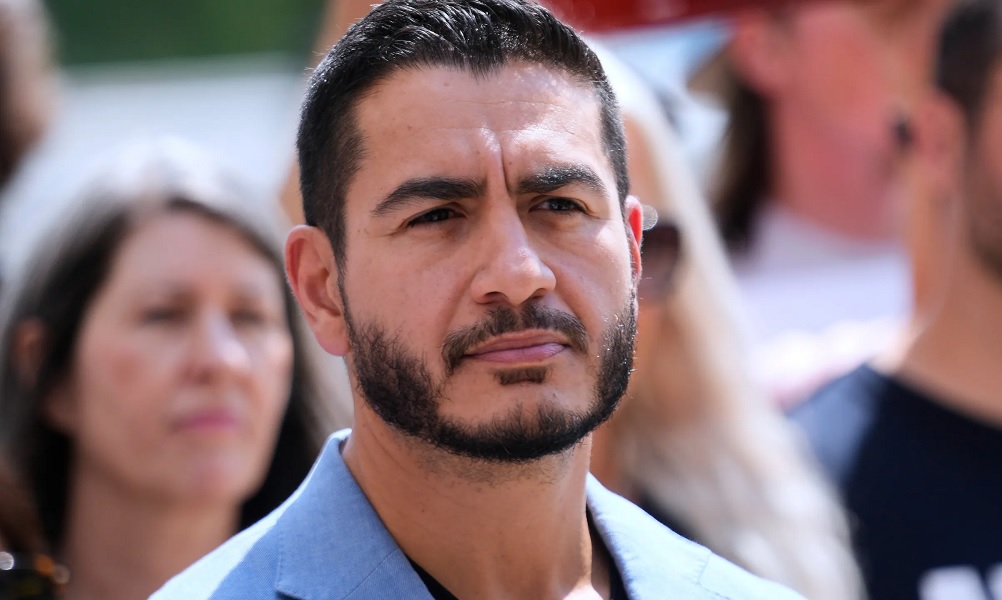
First Muslim US senator-elect El-Sayed calls for review of aid to Pakistan
-
Regional4 days ago
Iran defends two-day proposal for peace talks after US rejects conditions
-
 Climate Change5 days ago
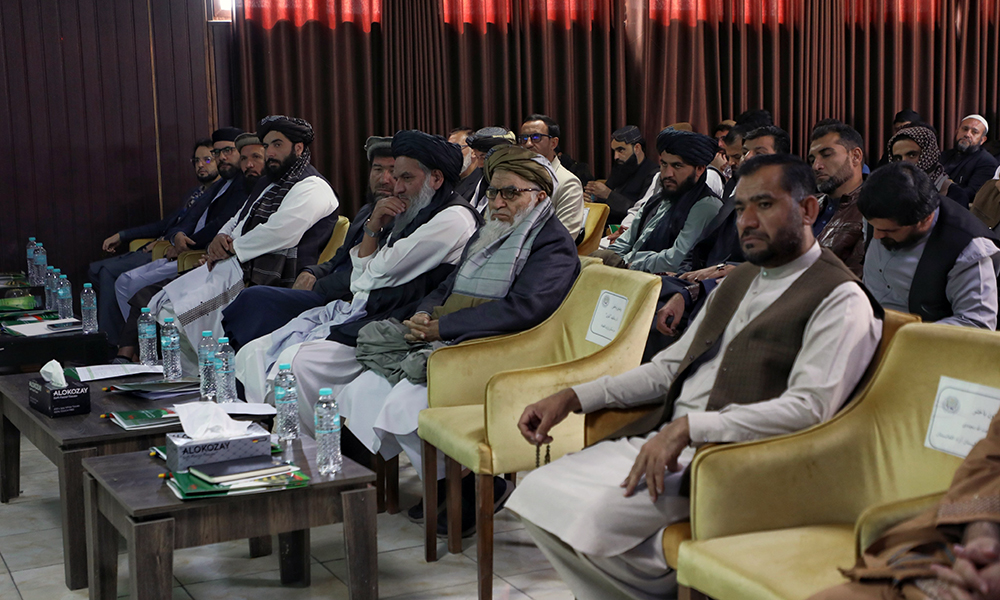
Afghanistan among world’s five most climate-vulnerable countries
-
 Business4 days ago
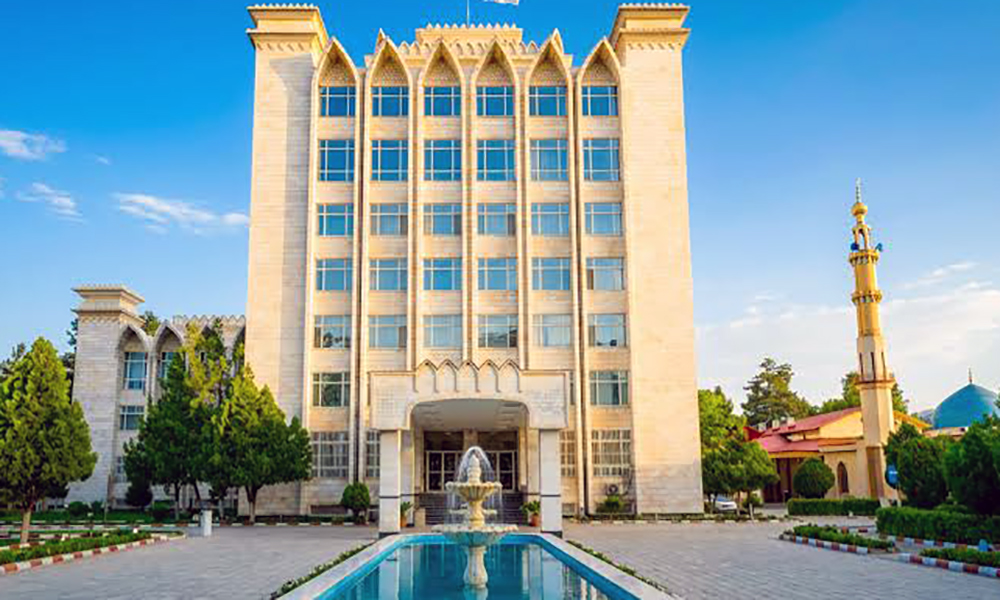
Afghanistan approves new foreign investment policy in bid to attract international investors
-
 Latest News5 days ago
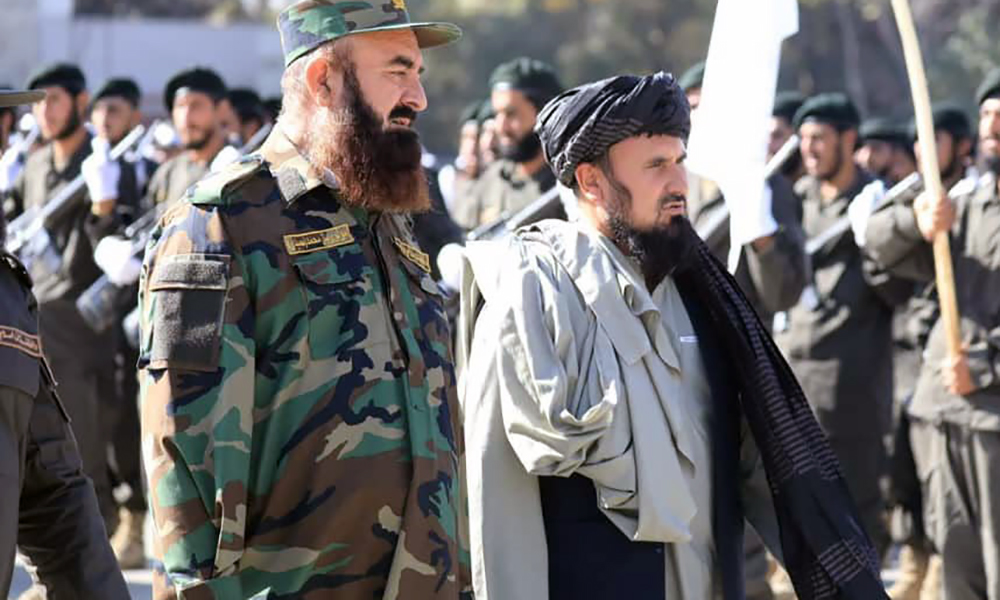
Afghanistan needs strong, modern and independent army, says defence chief