
Business
Afghanistan, Uzbekistan sign $400 million trade deals in push to deepen ties
The agreements span multiple sectors, including textiles, raw materials, pharmaceuticals and other key industries.

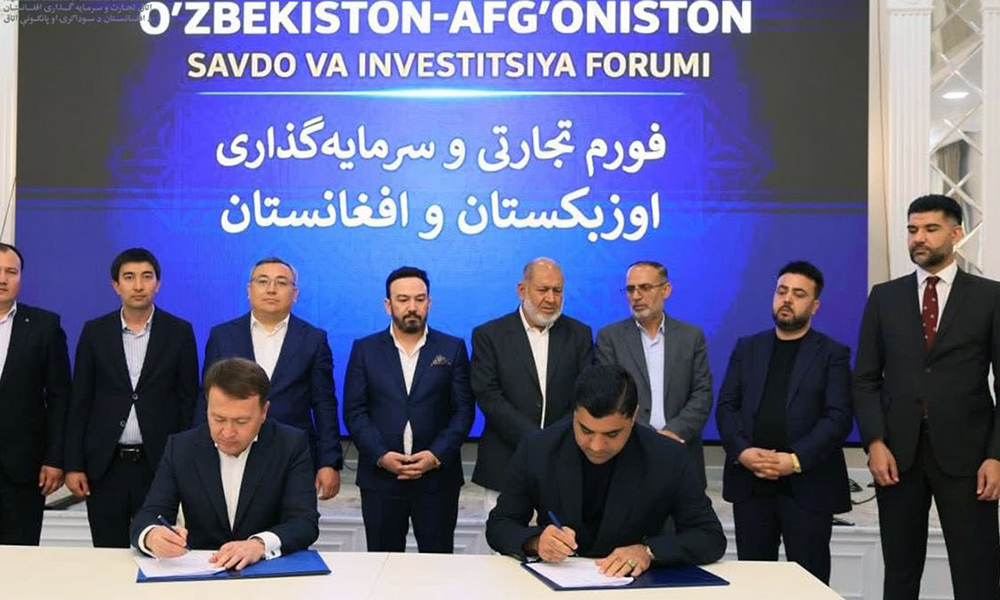
Afghanistan and Uzbekistan have signed 20 commercial agreements worth more than $400 million, marking a significant step toward expanding economic cooperation between the two neighboring countries.
The deals were finalized during a high-level business meeting in Uzbekistan’s Fergana Province, where Afghan and Uzbek private sector representatives gathered as part of an official Afghan trade delegation visit.
The agreements span multiple sectors, including textiles, raw materials, pharmaceuticals and other key industries.
The Afghan delegation was led by Zalgai Azimi, deputy for investment at the Afghan Chamber of Commerce, and included senior business figures such as Abdullah Rahimi, Syed Ahmad Noorzad, Ubaidullah Hotak, and Deputy Chief Executive Mirzaman Popal. Participants from both sides highlighted the importance of strengthening cross-border trade and building long-term commercial partnerships.
As part of the visit, Afghan delegates toured major industrial facilities in Fergana Valley to assess Uzbekistan’s manufacturing capacity and explore opportunities for future collaboration.
The agreements come as Afghanistan seeks to boost regional connectivity and revive its economy following years of conflict, isolation and economic disruption.
Trade with Central Asian neighbors—particularly Uzbekistan—has become increasingly important, with both sides investing in transport links, energy cooperation and cross-border markets.
Uzbekistan has positioned itself as a key economic partner for Afghanistan in recent years, supporting infrastructure projects and promoting trade corridors that connect South and Central Asia.
Analysts say deals of this scale could help generate jobs, increase exports and gradually integrate Afghanistan more deeply into regional supply chains.
The latest agreements signal growing momentum in bilateral relations, as both countries look to translate geographic proximity into stronger economic interdependence.



Business
Afghanistan and Uzbekistan agree to expand railway cooperation and boost freight traffic
Officials noted that mutual freight transportation has increased significantly this year.
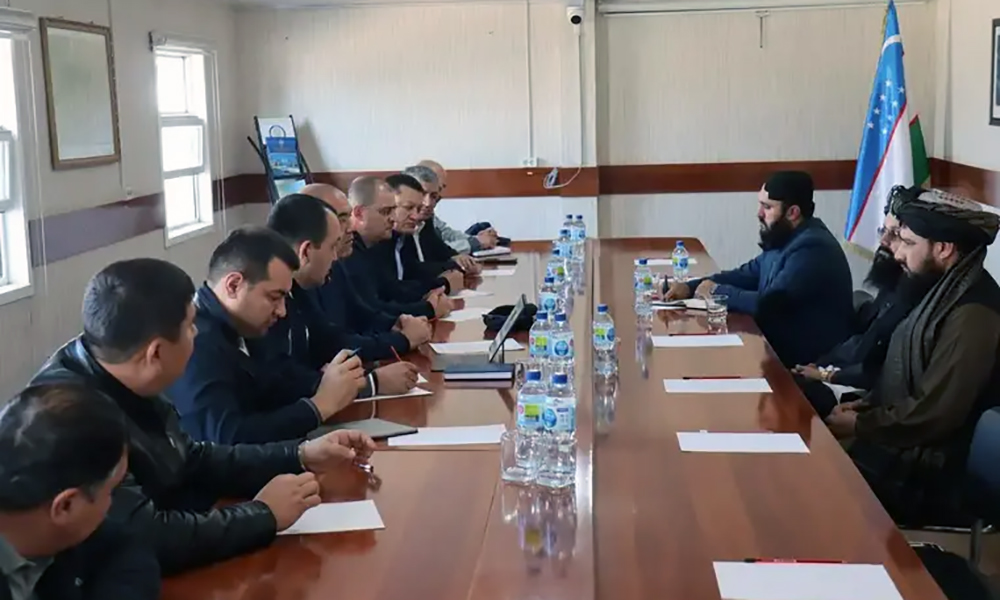
Afghanistan and Uzbekistan have agreed to strengthen railway cooperation and increase freight transportation between the two countries, Uzbekistan Railways has announced.
According to the company, a meeting was held in Hairatan on November 18, 2026, between Z. G. Narzullaev, Chairman of the Board of Uzbekistan Railways, and Abdul Karim Fateh, head of Afghanistan’s Railway Authority.
The discussions focused on further developing railway connections, making more efficient use of existing infrastructure and increasing freight volumes between the two countries.
Officials noted that mutual freight transportation has increased significantly this year.
Following the meeting, both sides agreed to develop Naibobod station within the established timeframe and organize rail freight transportation from Hairatan to Mazar-i-Sharif.
The two parties also agreed to increase the total number of daily train movements and arrange training and professional development programmes for Afghan railway specialists.
The agreements are aimed at improving railway operations, strengthening transport links and facilitating trade between Afghanistan and Uzbekistan.
Business
Tajikistan seeks to establish joint market along border with Afghanistan
Meanwhile, Hashemi proposed facilitating an initial visit by a delegation of at least 10 Afghan traders to Tajikistan to explore the country’s trade and investment opportunities.
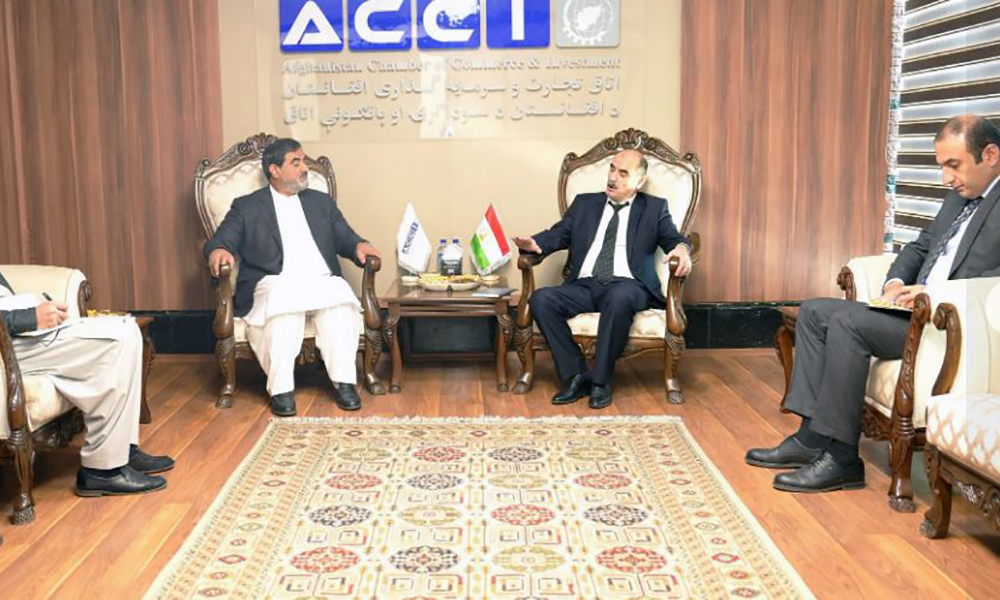
Tajikistan has expressed interest in establishing a joint market along its border with Afghanistan to expand trade and economic cooperation between the two countries.
The proposal was raised by Tajikistan’s Ambassador to Kabul, Saadi Sharifi, during a meeting with Seyed Karim Hashemi, head of the Afghanistan Chamber of Commerce and Investment, according to a statement issued by the chamber.
During the meeting, the two sides discussed strengthening bilateral economic and trade relations, expanding cooperation, and creating new opportunities for traders and investors in both countries.
Sharifi said Tajikistan’s leadership is interested in expanding economic cooperation with Afghanistan and creating opportunities for joint business activities. He added that a joint border market could provide greater opportunities for trade and economic interaction between citizens and business communities on both sides.
Meanwhile, Hashemi proposed facilitating an initial visit by a delegation of at least 10 Afghan traders to Tajikistan to explore the country’s trade and investment opportunities.
Business
Afghanistan, India discuss expanding trade and investment ties
Discussions focused on improving regional connectivity, facilitating the movement of commercial goods and expanding the use of Indian ports for Afghanistan’s imports and exports.
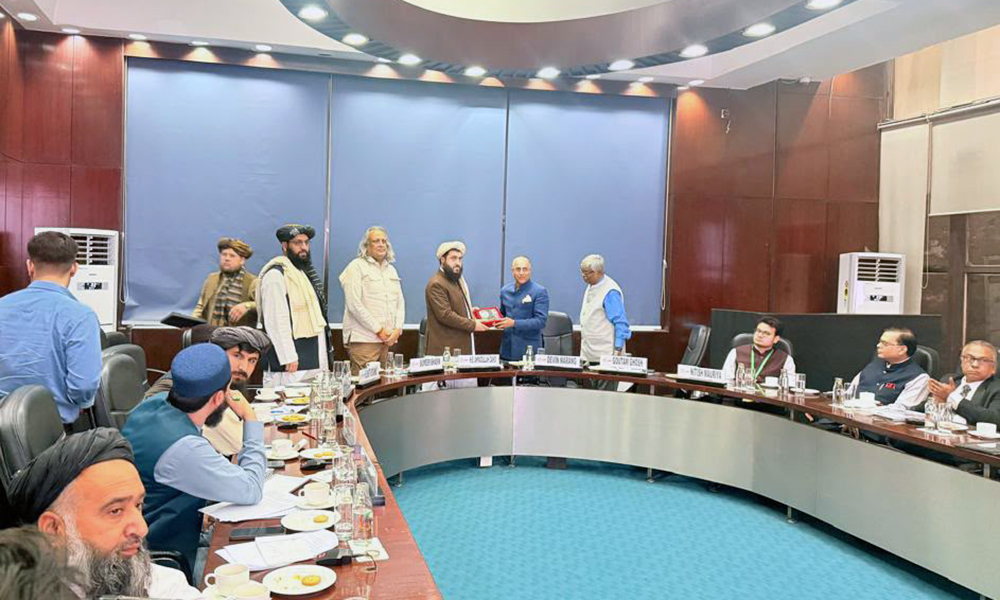
Afghanistan and India have discussed ways to strengthen bilateral trade, expand investment and improve transport and transit links during a meeting between Afghan officials and representatives of the Federation of Indian Chambers of Commerce and Industry (FICCI).
The meeting was held on the sidelines of the 45th India International Trade Fair (IITF 2026), with representatives from Afghanistan’s Ministry of Industry and Commerce, diplomatic mission and private sector taking part.
The Afghan delegation included Deputy Minister of Industry and Commerce Ahmadullah Zahid, Afghanistan’s ambassador to India Noor Ahmad Noor, the ministry’s head of exports Shahab Liwal, and representatives of trade associations and business communities.
Discussions focused on improving regional connectivity, facilitating the movement of commercial goods and expanding the use of Indian ports for Afghanistan’s imports and exports.
Both sides also explored alternative transit routes, ways to reduce transportation costs and measures to address obstacles affecting cross-border trade.
Expanding Afghan exports to India, particularly dried fruits, saffron and other agricultural products, was another key priority. Participants also discussed opportunities for joint investment and closer cooperation between businesses, producers, exporters and importers.
The talks further covered pharmaceutical trade, including facilitating the export of Indian medicines to Afghanistan, ensuring quality standards and establishing direct agreements between pharmaceutical companies.
Banking facilities, money transfer challenges, faster business visa processing for Afghan traders and customs cooperation were also raised. Participants stressed the need for practical mechanisms to address concerns affecting business communities in both countries.
The meeting also highlighted the importance of closer institutional ties between FICCI, the Afghanistan Chamber of Commerce and Investment, and specialised trade associations to promote private-sector engagement and increase bilateral commerce.
The discussions form part of broader efforts to strengthen economic ties between Afghanistan and India and create new opportunities for trade, investment and regional cooperation.

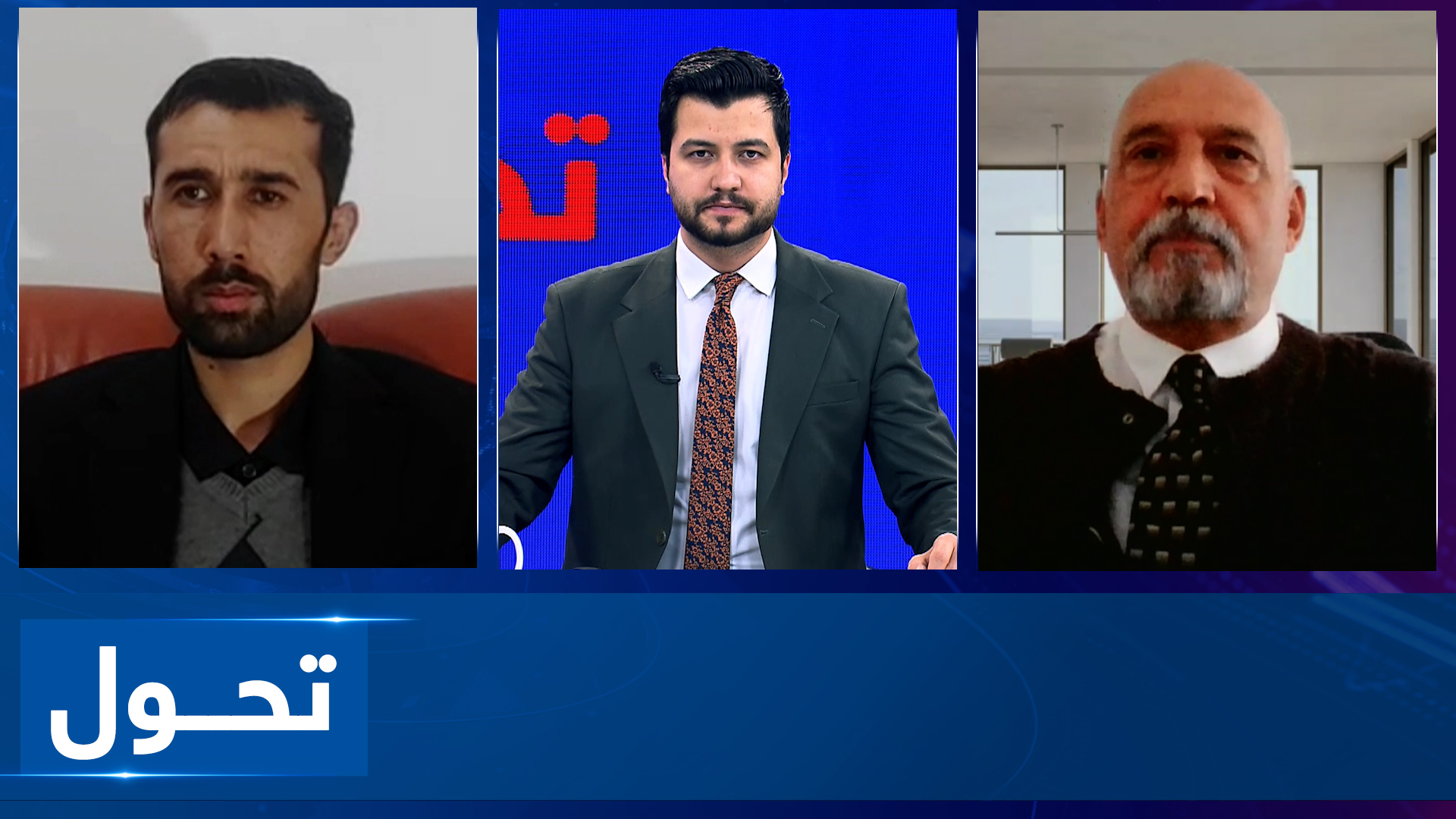
Tahawol: Kazakhstan’s call for practical international engagement with Afghanistan
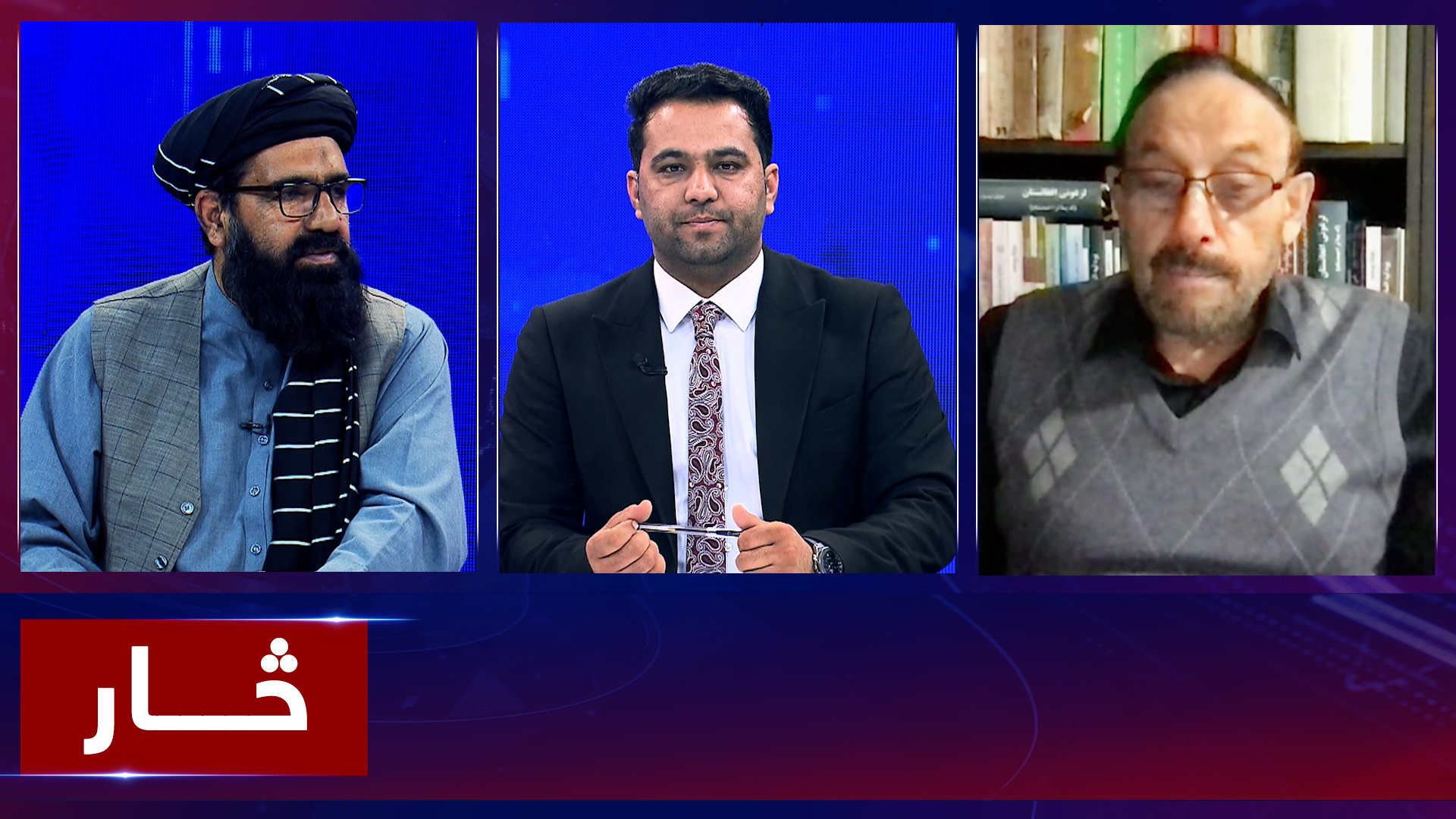
Saar: Afghanistan and UN: 80 years of diplomatic relations discussed
Sweden rejects asylum request of former Afghan ambassador, plans deportation to US: Le Monde
World Court finds Myanmar forces killed thousands of Rohingya, ruling ongoing
Afghanistan marks 80 years of UN membership amid ongoing dispute over representation

Governments take websites offline as critical cyber flaws trigger global alert

Afghanistan’s new Wakhan road to China faces major hurdles
US sanctions and blockade measures disrupt Iran’s trade with Afghanistan and regional neighbors

Pakistan exporters suffer billions in losses as Afghanistan trade halt continues
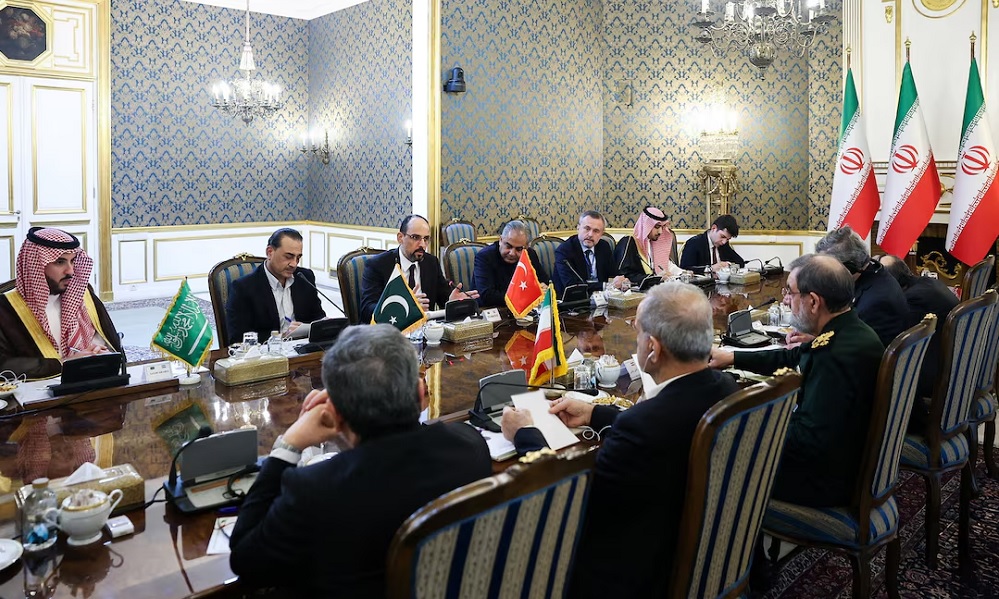
Saudi defence pact countries push for peace in Tehran as Houthis launch more attacks
Tahawol: Kazakhstan’s call for practical international engagement with Afghanistan
Saar: Afghanistan and UN: 80 years of diplomatic relations discussed
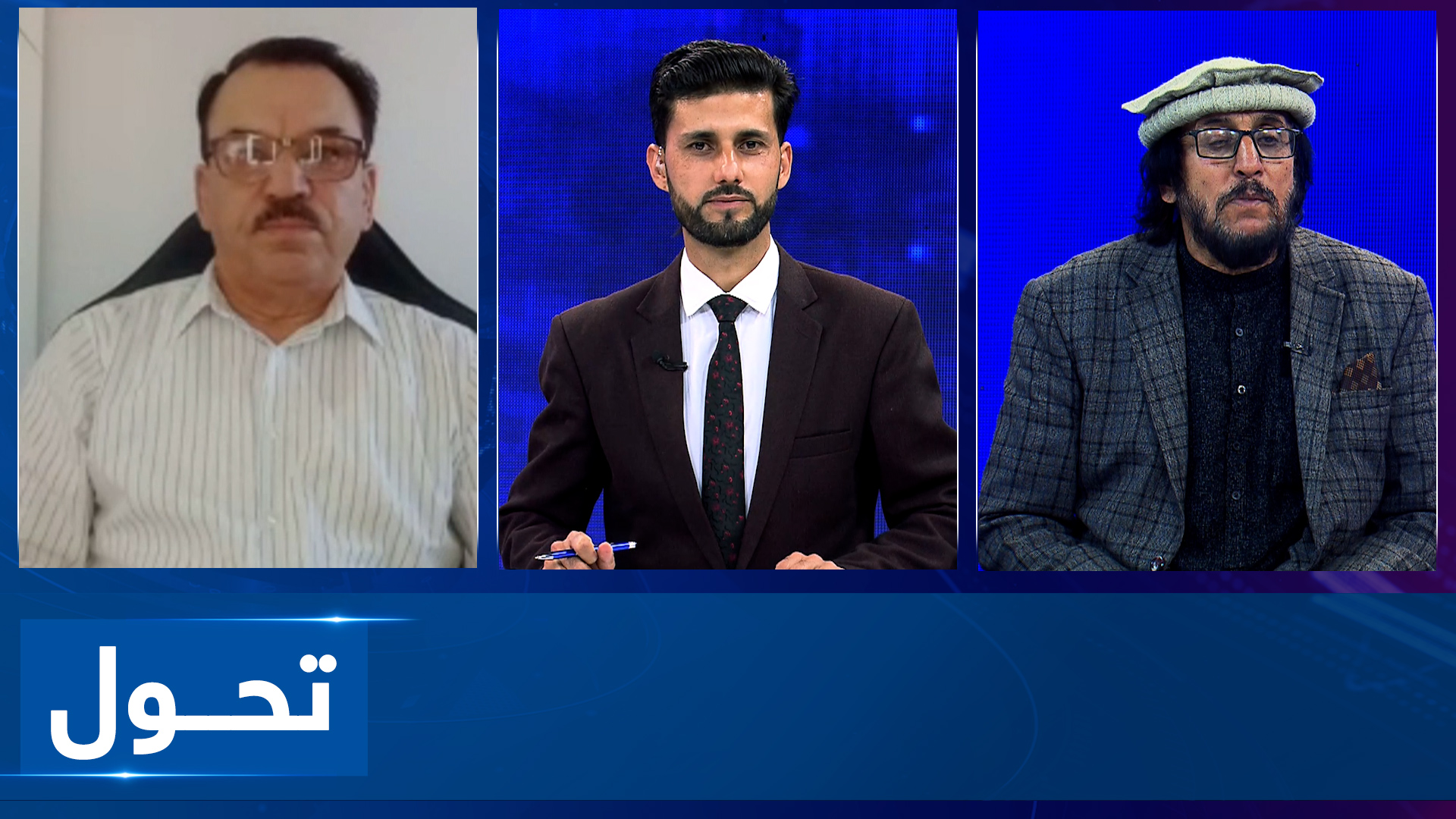
Tahawol: Qatar-UK consultations on Afghanistan discussed
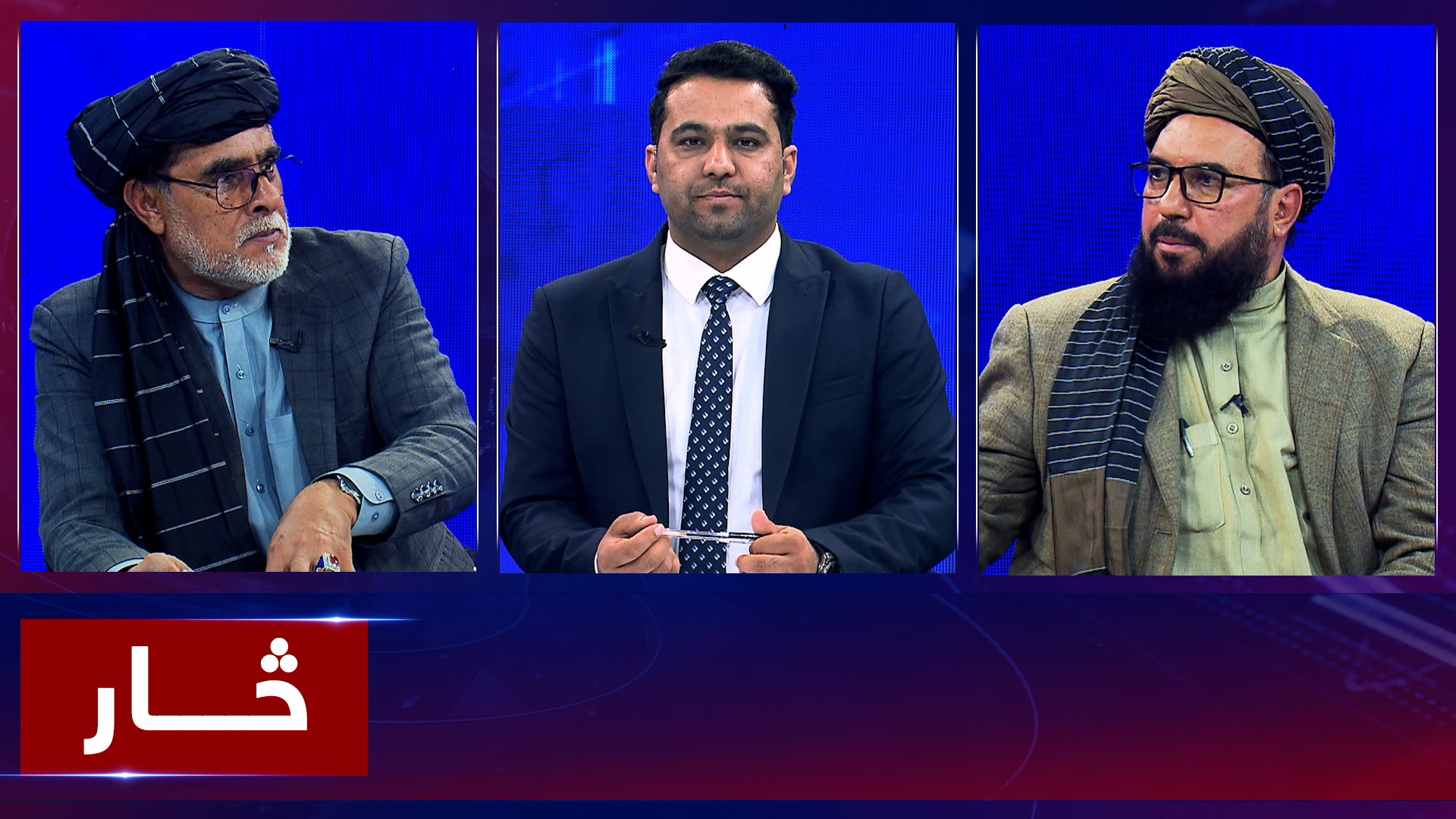
Saar: Efforts to deliver urgent humanitarian aid to needy Afghans
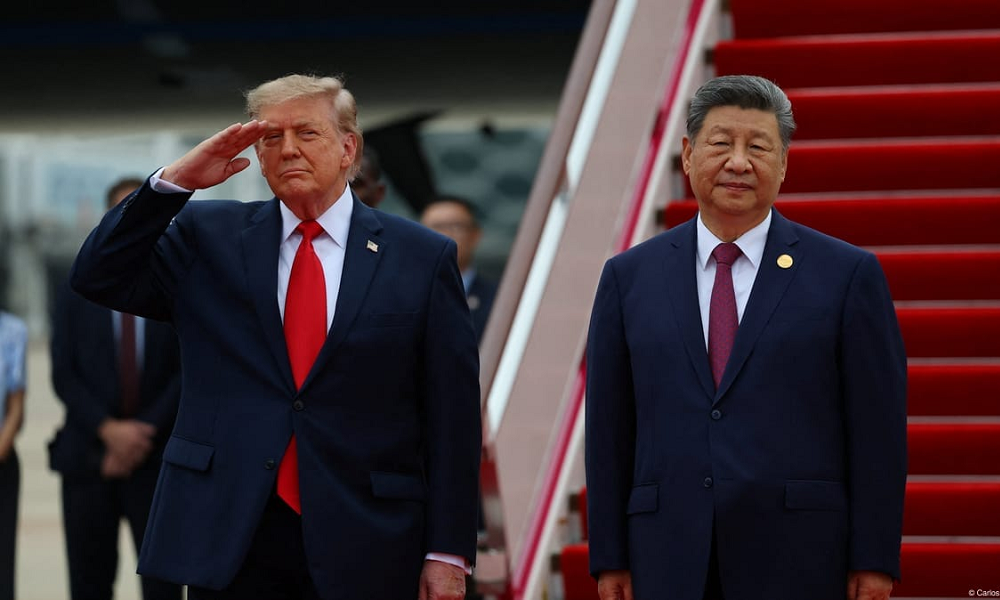
Xi welcomes Trump to China ahead of highly anticipated summit with Putin
-
 Sport5 days ago
ILT20 teams required to field at least two UAE and Afghanistan players in Season 5
-
 Sport4 days ago
Arman FC cruise to 5-0 victory over Istiqlal Kabul in ACL match
-
 Latest News4 days ago
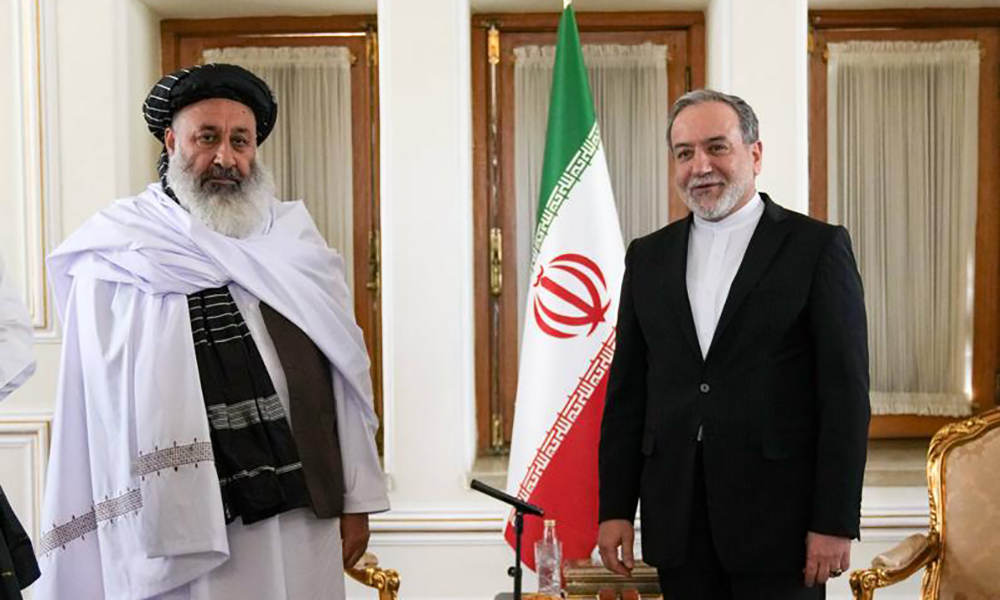
Afghanistan and Iran agree to expand trade cooperation and upgrade border infrastructure
-
 World5 days ago
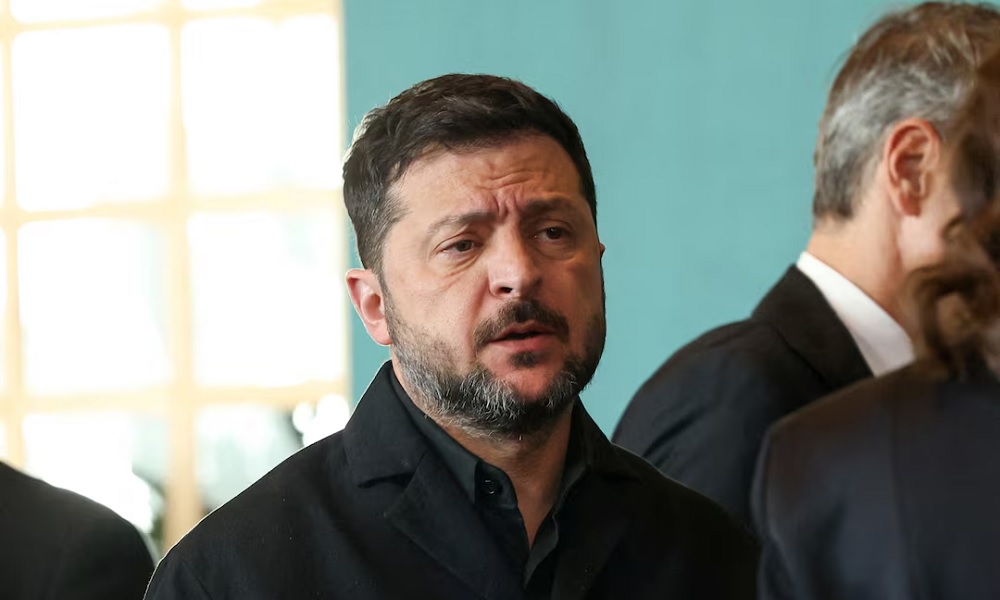
US floated idea of Ukraine ceding Donbas for NATO membership, Zelenskiy says
-
 Sport4 days ago
25 Afghan cricketers secure contracts for ILT20 Season 5
-
 Regional5 days ago
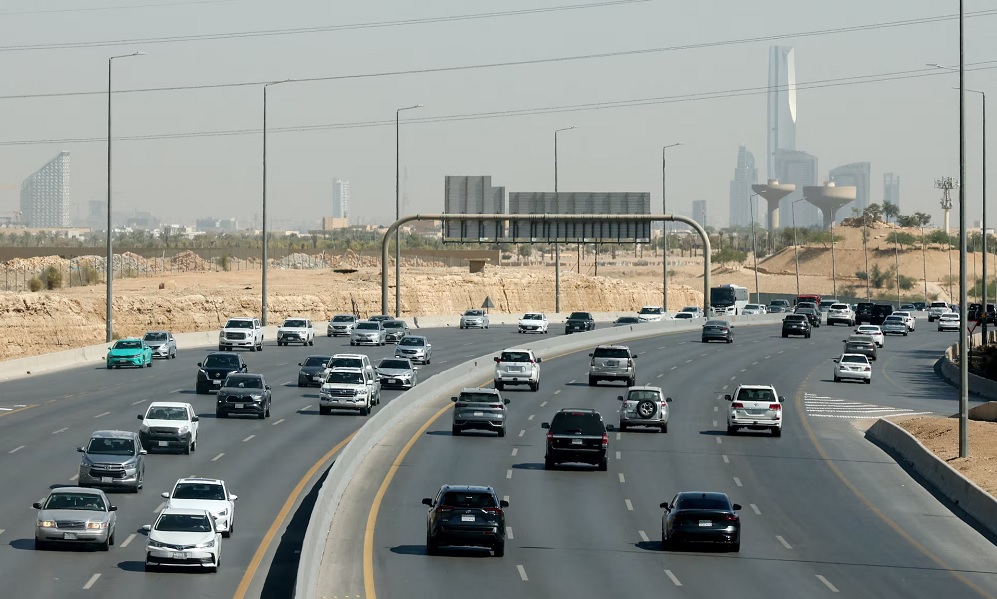
Saudi-led coalition intercepts missiles towards Riyadh, drones in Eastern Province
-
 Latest News4 days ago
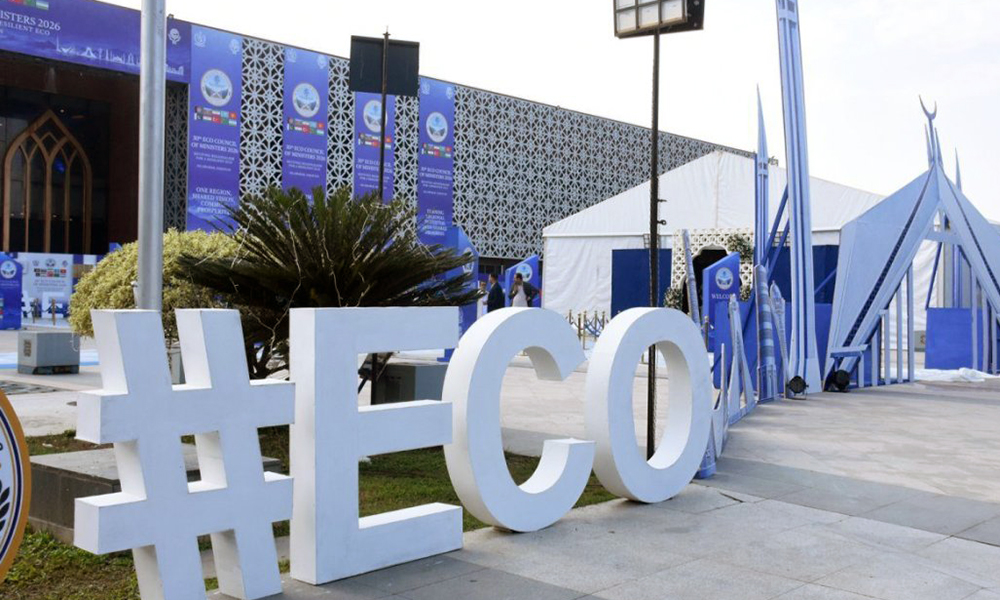
Afghanistan’s absence from ECO foreign ministers’ meeting raises questions
-
 Tahawol4 days ago
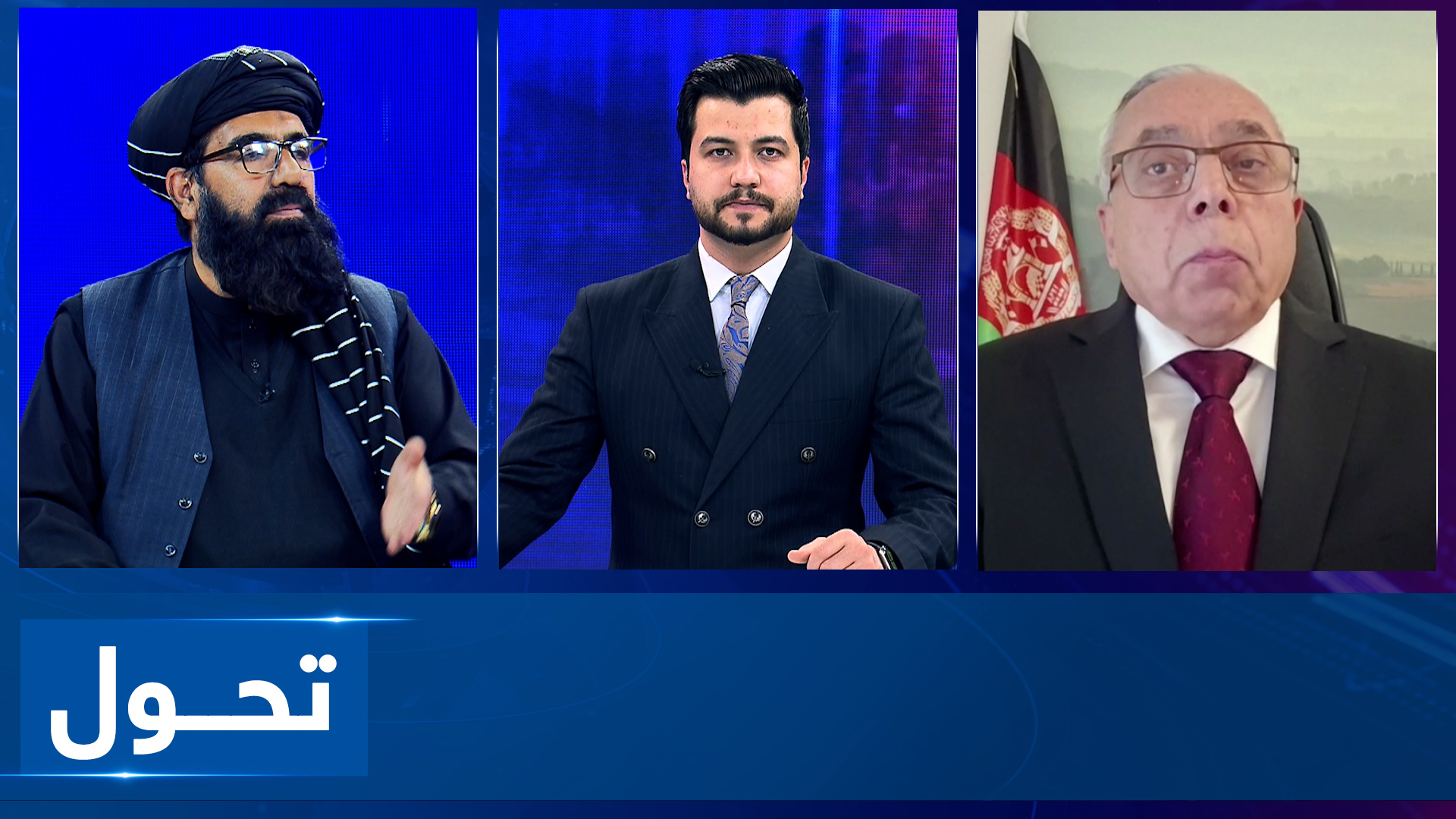
Tahawol: UK seeks to ease Kabul–Islamabad tensions