
Regional
Trump says ‘a whole civilisation will die tonight’; Qatar fears regional escalation
A senior Iranian source said on Tuesday afternoon that Tehran would not show flexibility as long as Washington continues to demand its “surrender under pressure.”

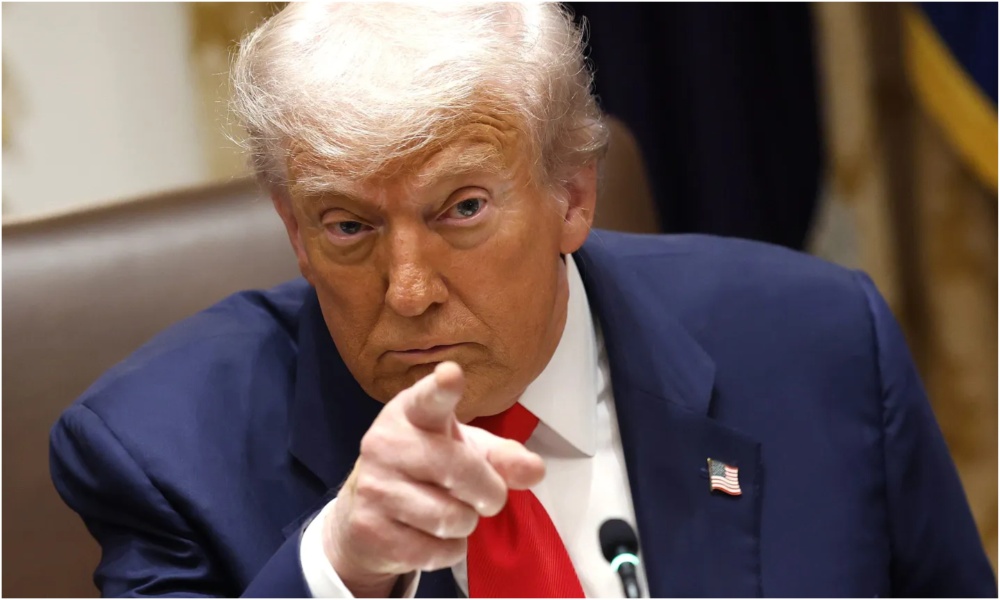
Tensions in the Middle East have escalated sharply after U.S. President Donald Trump on Tuesday warned that “a whole civilisation will die tonight” amid growing confrontation with Iran and deepening instability across the region.
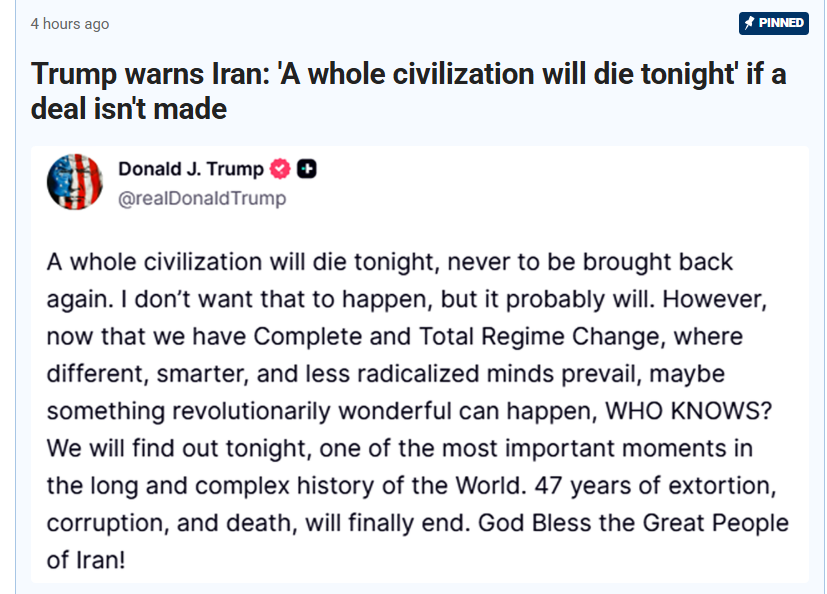
In a series of statements posted on social media, Trump issued a direct ultimatum to Tehran, demanding that Iran reopen the strategically vital Strait of Hormuz or face severe consequences. “I don’t want that to happen, but it probably will… we will find out tonight,” he said, describing the moment as one of the most significant in modern history.
The warning follows earlier remarks in which Trump threatened that Iran would be “living in hell” if it failed to comply with U.S. demands.
The Strait of Hormuz, a narrow but critical waterway, carries roughly 20 percent of the world’s oil and liquefied natural gas shipments, making it a focal point of global economic and security concerns.
A senior Iranian source meanwhile told Reuters on Tuesday afternoon that Tehran would not show flexibility as long as Washington continues to demand its “surrender under pressure.”
The source, who asked not to be named, said Qatar on Monday had conveyed Tehran’s message to the United States and regional countries that if Washington attacks Iran’s power plants, “the entire region and Saudi Arabia will fall into complete darkness with Iran’s retaliatory strikes”.
He said what the U.S. wants is the reopening of the Strait of Hormuz, and Iran will not open it in exchange for empty promises.
He also warned that “if the situation gets out of control, Iran’s allies will also close the Bab El-Mandeb Strait” – a crucial 30-km wide maritime chokepoint connecting the Red Sea to the Gulf of Aden and the Indian Ocean. It is located between the southwestern tip of the Arabian Peninsula (Yemen) and the Horn of Africa (Djibouti and Eritrea).
The escalating rhetoric comes against the backdrop of an intensifying conflict involving the United States, Israel, and Iran, which has been ongoing since late February. Iran has continued to launch attacks across the region, claiming to target U.S. interests, a justification widely rejected by the international community.
Meanwhile, Qatar has warned that the situation is approaching a dangerous tipping point. Speaking in Doha, Foreign Ministry spokesperson Majed Al-Ansari said the region is “very close” to an uncontrollable escalation.
“We have been warning since 2023 that escalation left unchecked will get us into a situation where it cannot be controlled,” Al-Ansari said, urging all parties to pursue an immediate resolution to the conflict. “There are no winners if this war continues,” he added.
Qatar has previously acted as a mediator between Washington and Tehran, though officials say it is not currently engaged in active negotiations. Nevertheless, Doha has expressed support for ongoing diplomatic efforts, including initiatives led by Pakistan, to de-escalate tensions.
U.S. Vice President JD Vance also issued a warning, stating that Washington still has additional measures at its disposal if Iran fails to respond to diplomatic overtures. He indicated that the United States expects a response from Tehran within hours.
Al-Ansari emphasized that any future agreement must involve regional stakeholders and include international guarantees, particularly regarding the Strait of Hormuz. “Hormuz is a natural strait, not a canal, and all countries in the region have the right to use it freely,” he said.
Analysts warn that continued escalation could have far-reaching consequences, not only for regional stability but also for global energy markets and international security, as fears grow that the conflict could spiral into a broader confrontation.

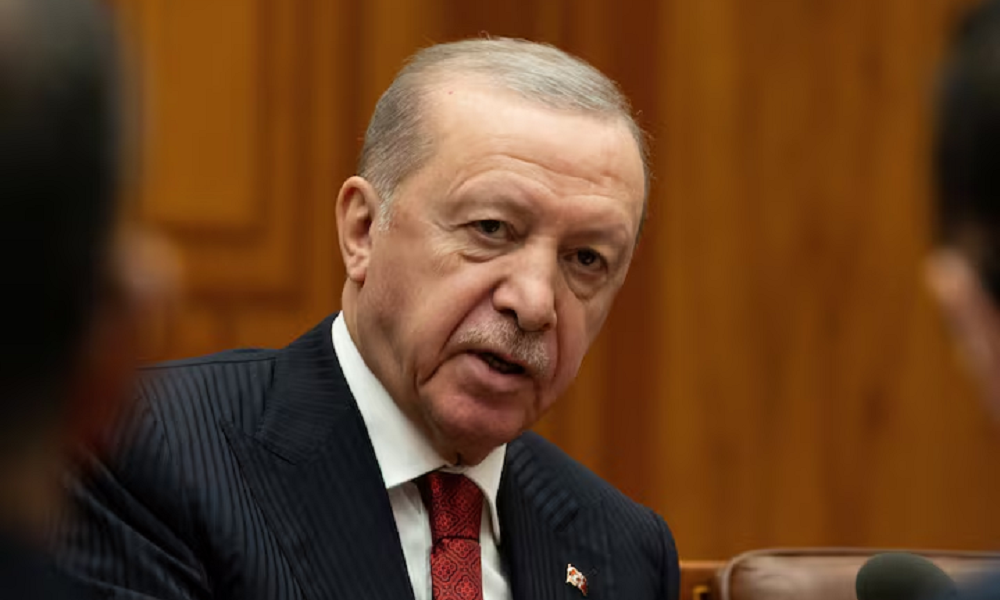
President Tayyip Erdogan has formally approved the Mecca Joint Defence Agreement with Pakistan and Saudi Arabia, the Official Gazette said on Friday, completing Turkey’s ratification after parliament ratified it earlier this month.
The three countries signed a joint defence agreement in Mecca in August amid escalating concerns about the increasingly aggressive US-Israeli war against Iran and they are scheduled to hold a meeting in Islamabad on Friday and Saturday.
Turkey’s parliament ratified the agreement on November 5, clearing the way for Ankara to send military support to Riyadh amid attacks by Yemen’s Iran-backed Houthi militants against the kingdom. Under the agreement, an attack on one party constitutes an attack on all.
A ruling party lawmaker told Reuters last month that Turkey would also submit to parliament a mandate allowing for military personnel to be deployed to Saudi Arabia under the pact.
Turkey has NATO’s second-largest military. Saudi Arabia is home to Islam’s holiest sites and is also one of the world’s top oil exporters, while Pakistan is the only nuclear-armed Muslim country.
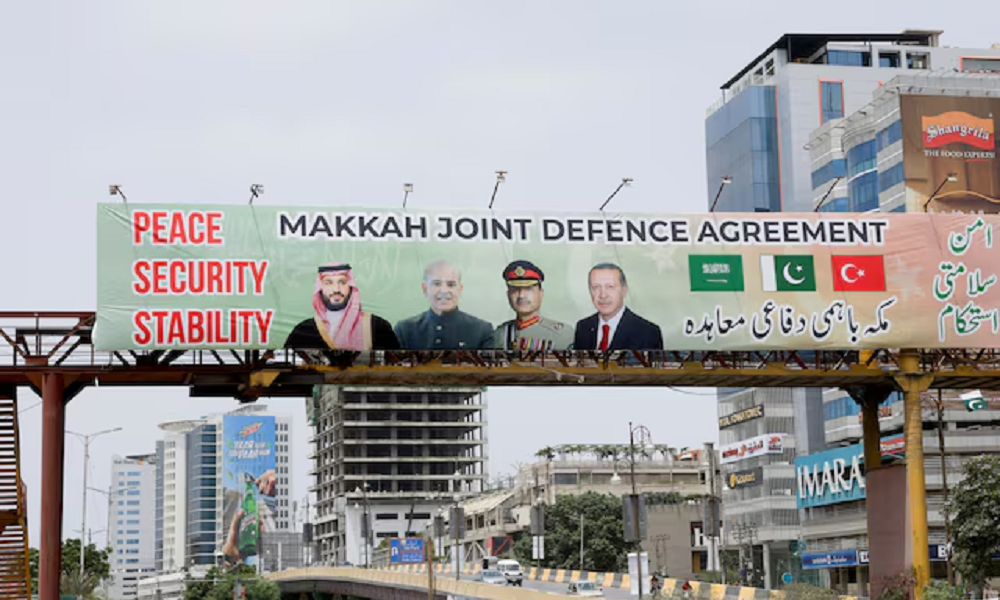
Pakistan, Saudi Arabia and Turkey will hold a meeting on their mutual defence agreement in Islamabad this week, two Pakistani sources said on Thursday.
Foreign ministers of Saudi Arabia and Turkey are arriving in Pakistan to attend the meeting, which will be held on Friday and Saturday, the sources told Reuters.
The three countries signed a joint defence agreement in Mecca in August amid escalating concerns about the increasingly aggressive US-Israeli war against Iran.
Turkey has NATO’s second-largest military. Saudi Arabia is home to Islam’s holiest sites and is also one of the world’s top oil exporters, while Pakistan is the only nuclear-armed Muslim country.
Regional
Five killed in Turkish military helicopter crash in western Turkiye
The helicopter crashed shortly after taking off from Eskisehir on Tuesday. The aircraft had been conducting a training flight when the accident occurred.
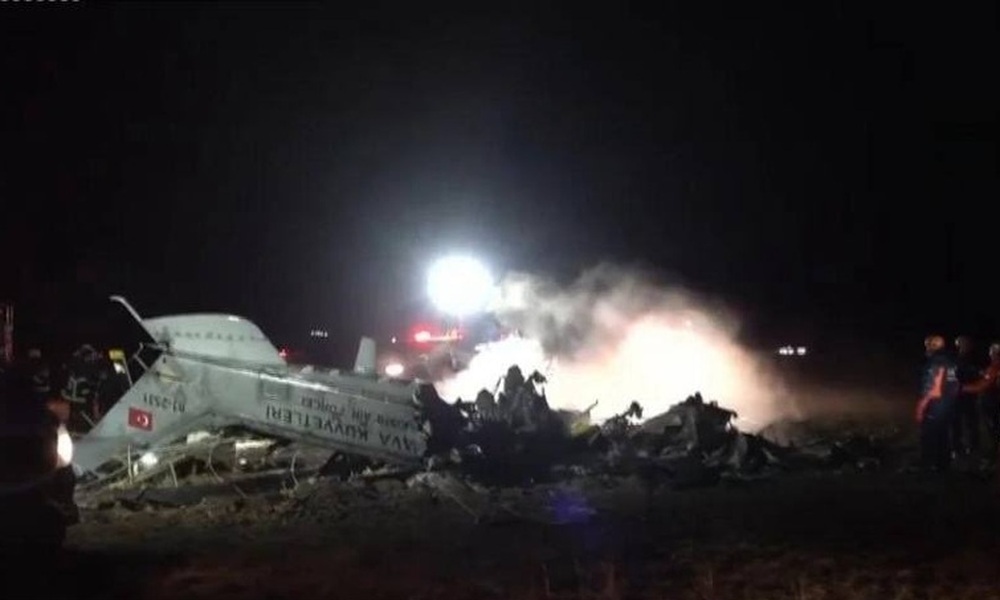
Five crew members have been killed after a Turkish Air Force helicopter crashed during a training mission in western Turkiye, according to the country’s Ministry of National Defence.
The AS-532 Cougar helicopter crashed shortly after taking off from Eskisehir on Tuesday. The aircraft had been conducting a training flight when the accident occurred.
The ministry confirmed that the wreckage had been located, while search and rescue operations were under way. It did not provide further details about the cause of the crash.
Emergency teams were dispatched to the crash site near Yorukakcayir village, approximately 15 kilometres west of Eskisehir city centre.
The incident comes just 12 days after another Turkish military helicopter crashed near Malatya in southern Turkiye on November 12, killing four crew members. Authorities have yet to announce the cause of that accident.
Turkiye has NATO’s second-largest military.

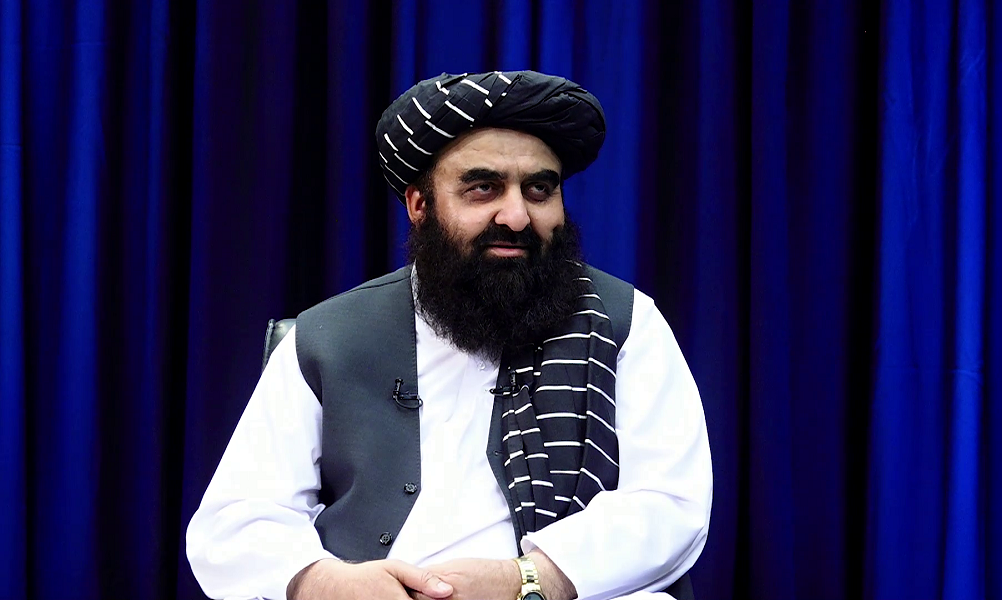
Muttaqi: Pakistan’s policy towards Afghanistan has failed
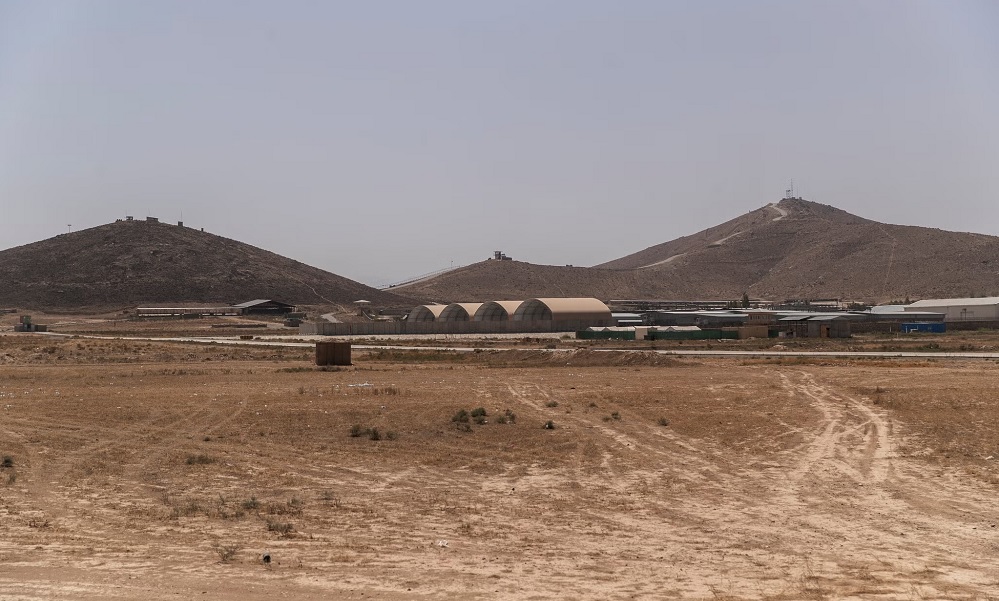
CIA waterboarded relative of Hekmatyar in Afghanistan
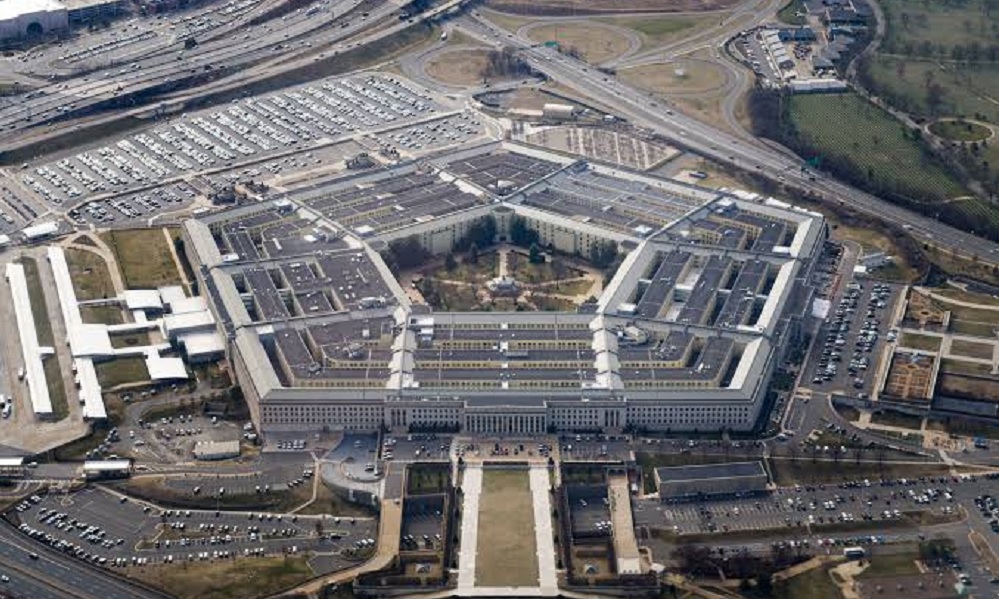
Hackers breach US Air Force flagship Cloud One computing platform
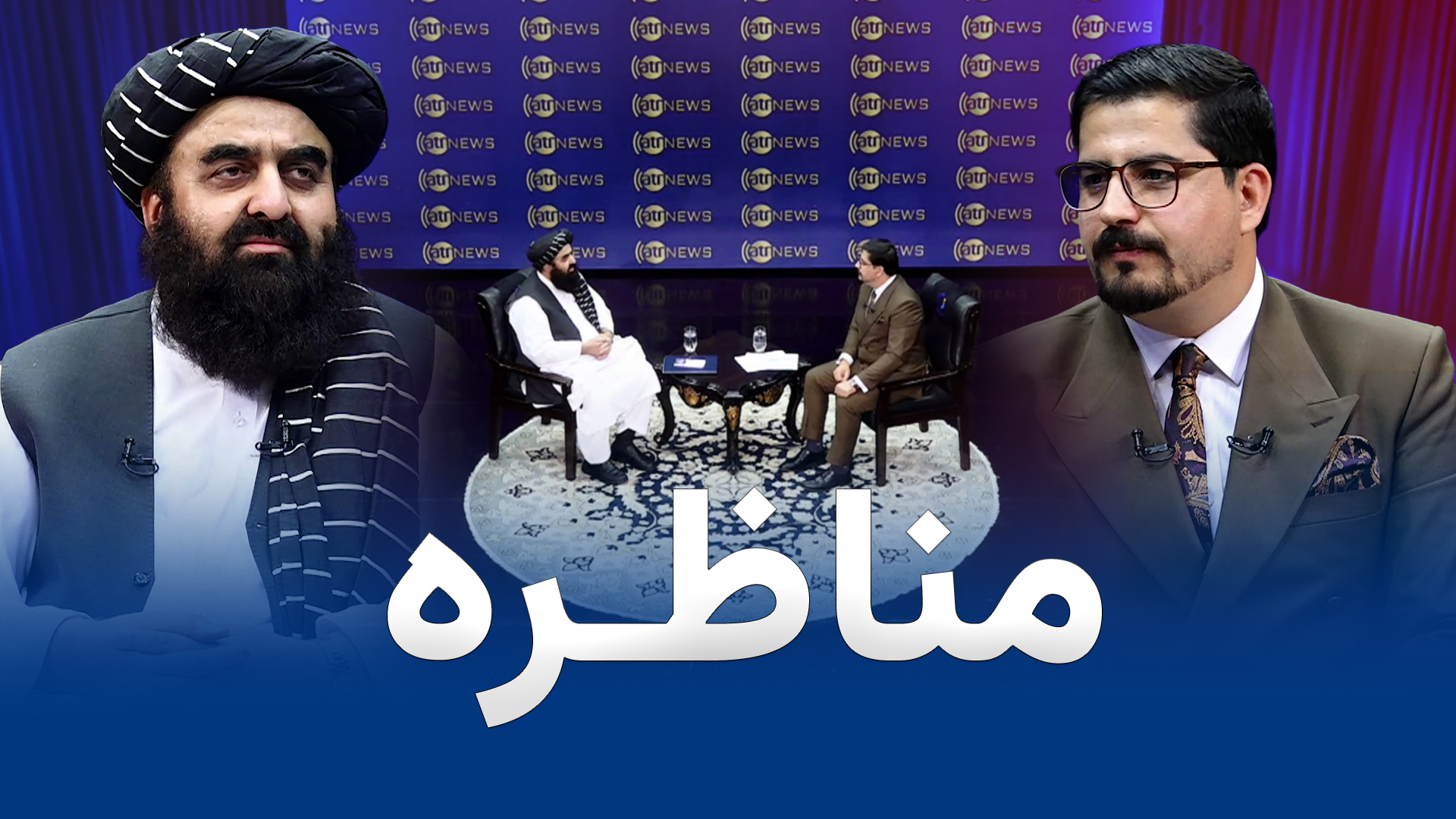
Debate with Amir Khan Muttaqi, Foreign Minister of the Islamic Emirate of Afghanistan
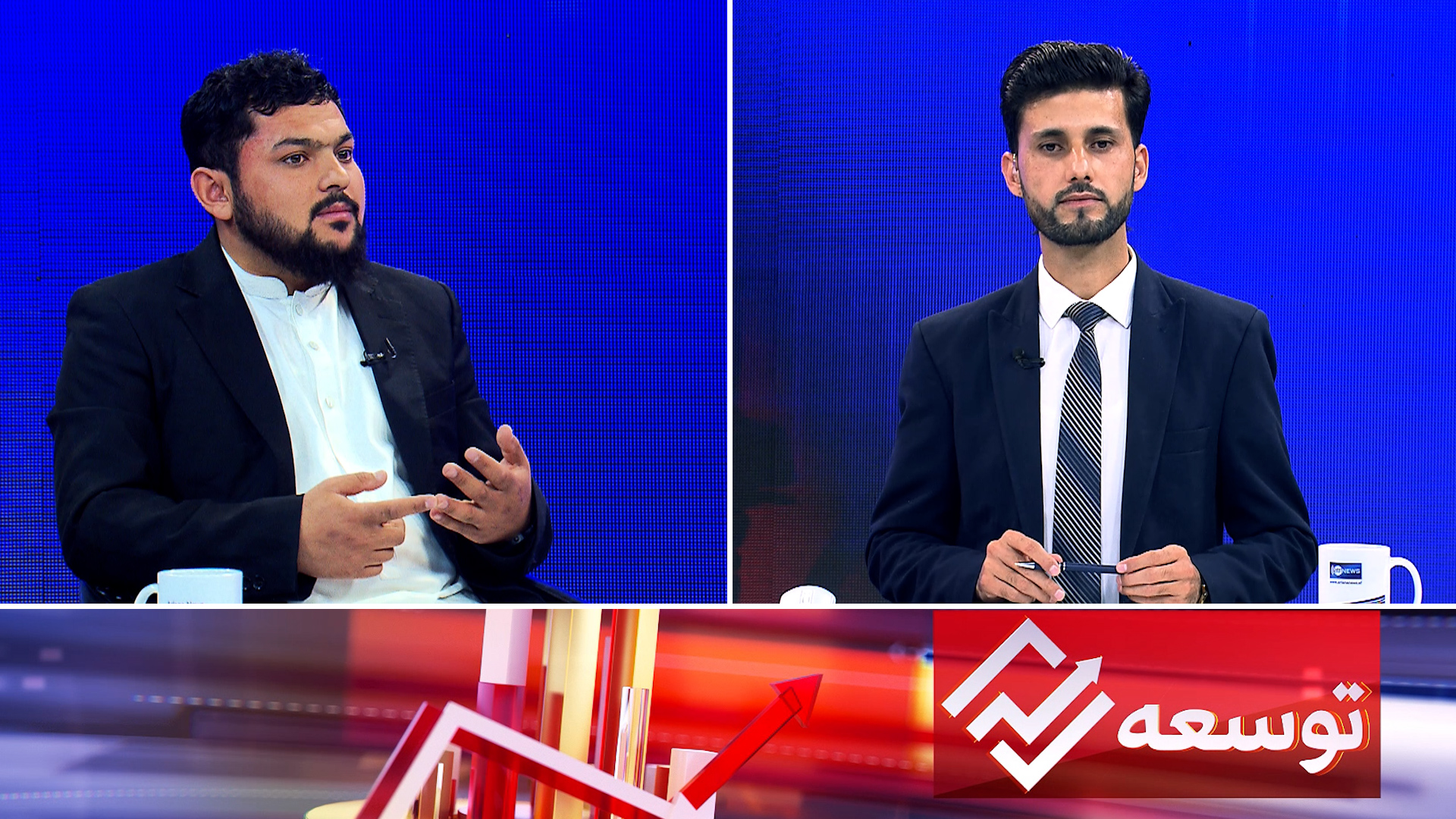
Tawsia: Current economic activities in Afghanistan discussed
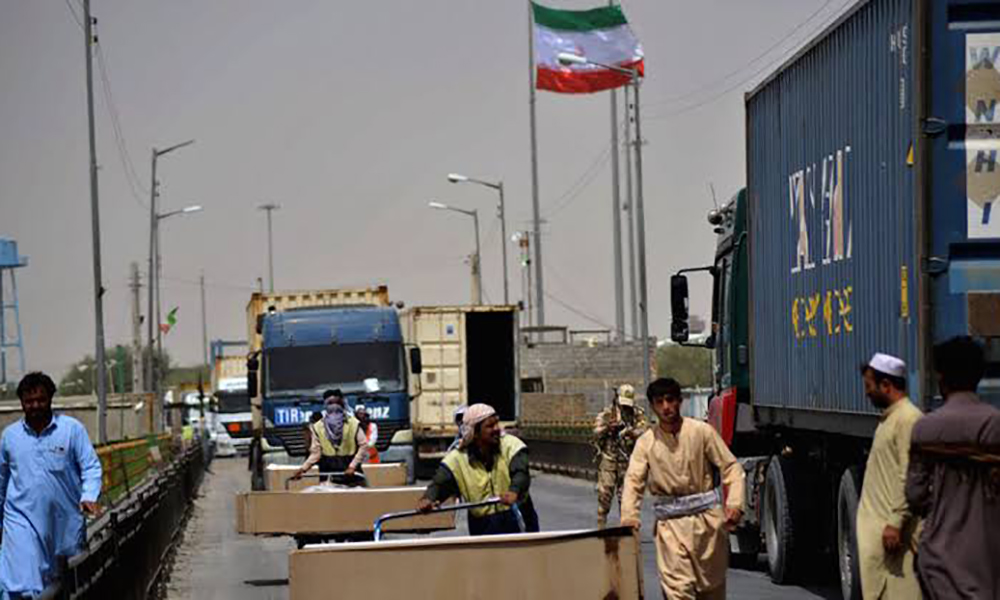
US sanctions and blockade measures disrupt Iran’s trade with Afghanistan and regional neighbors
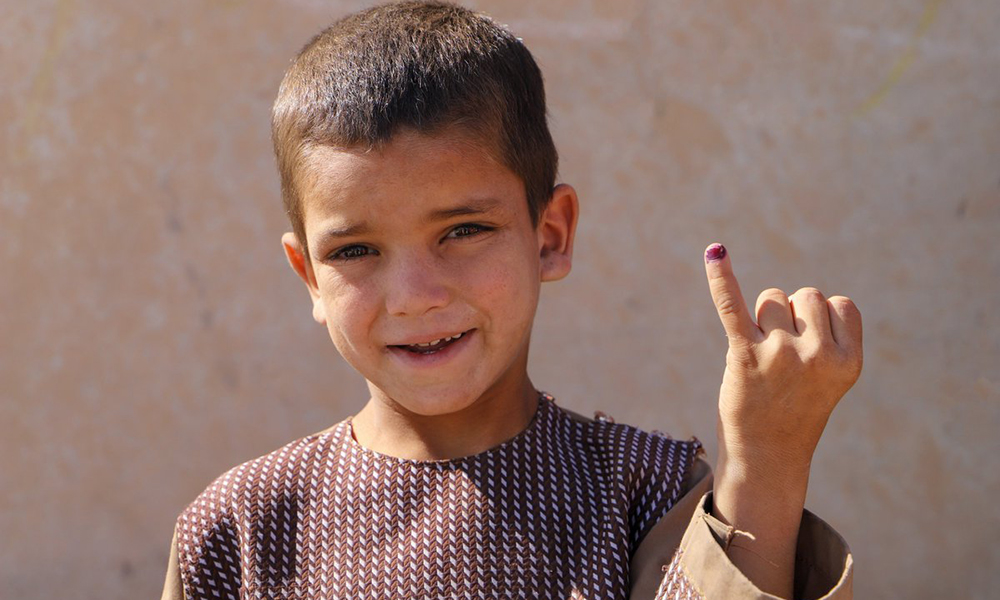
Afghanistan to launch nationwide polio vaccination campaign

Afghanistan futsal team thrash Panama 5-0 in flying start to Dakar Youth Olympics
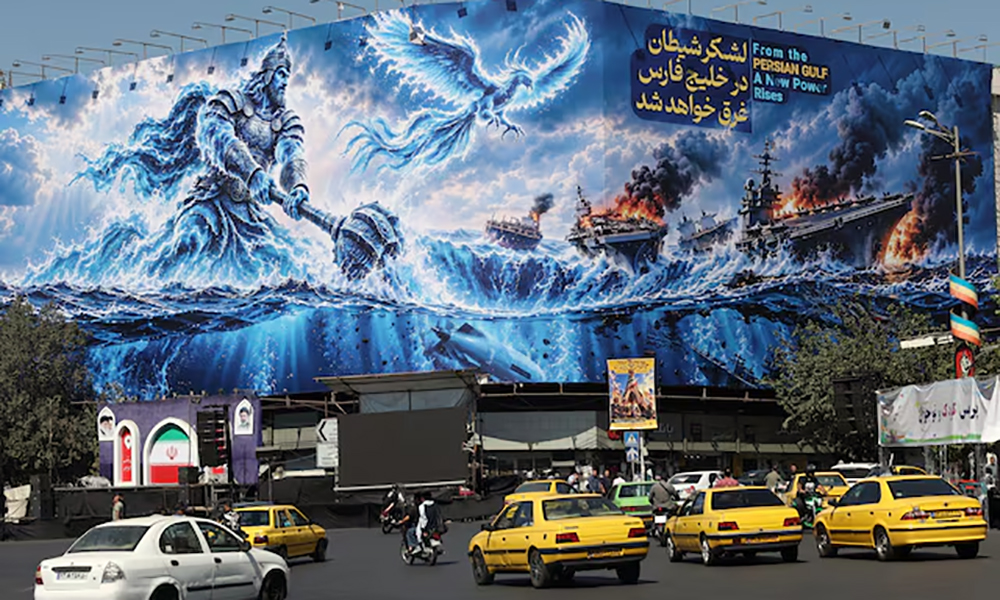
Iran defends two-day proposal for peace talks after US rejects conditions

Suhail unveiled as official mascot for FIBA Basketball World Cup 2027 in Qatar
Debate with Amir Khan Muttaqi, Foreign Minister of the Islamic Emirate of Afghanistan
Tawsia: Current economic activities in Afghanistan discussed
Five killed in Turkish military helicopter crash in western Turkiye
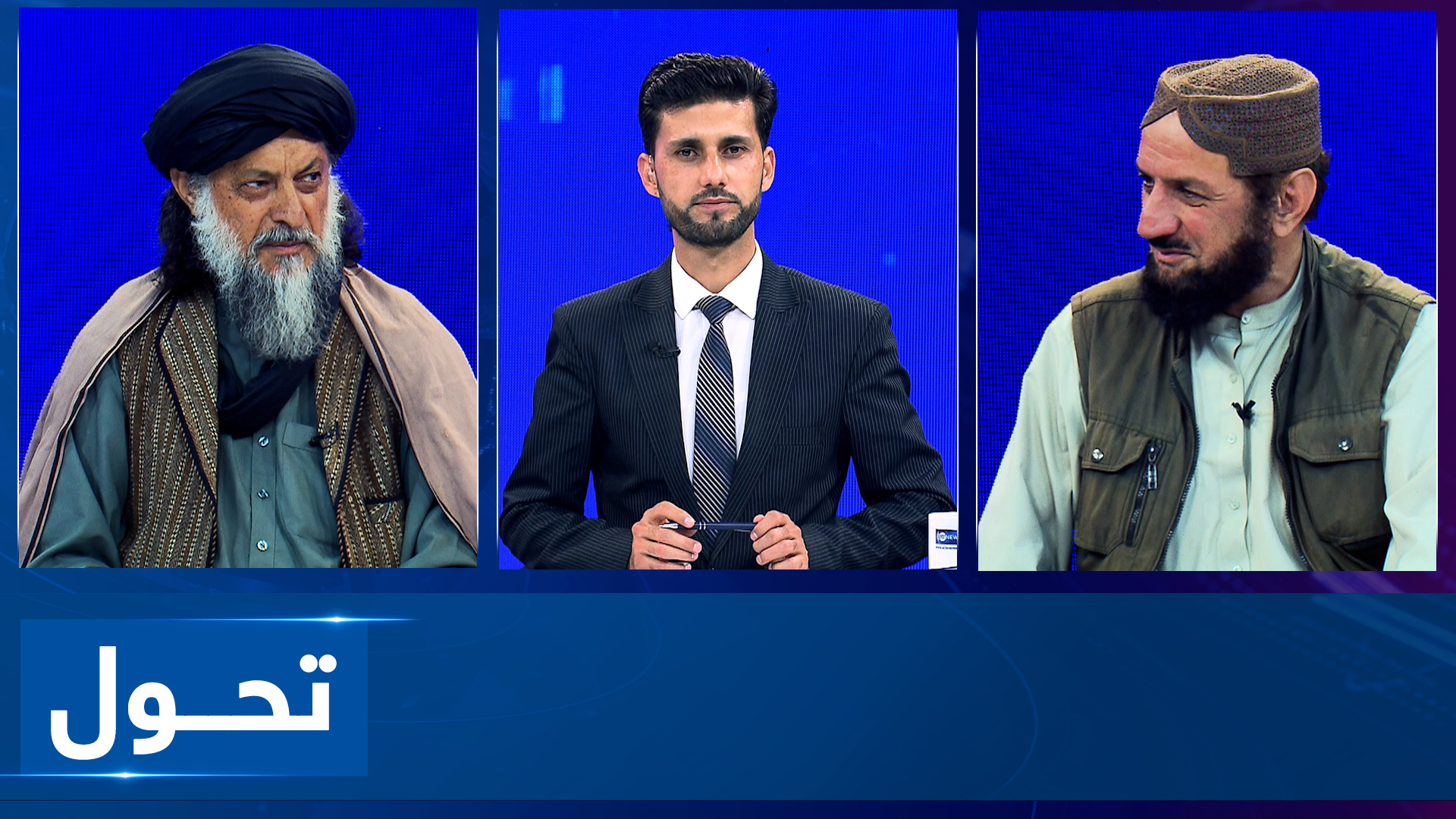
Tahawol: Discussion on shifting views within Pakistan
Qatar warns Middle East cannot afford renewed US-Iran escalation
-
 Latest News5 days ago
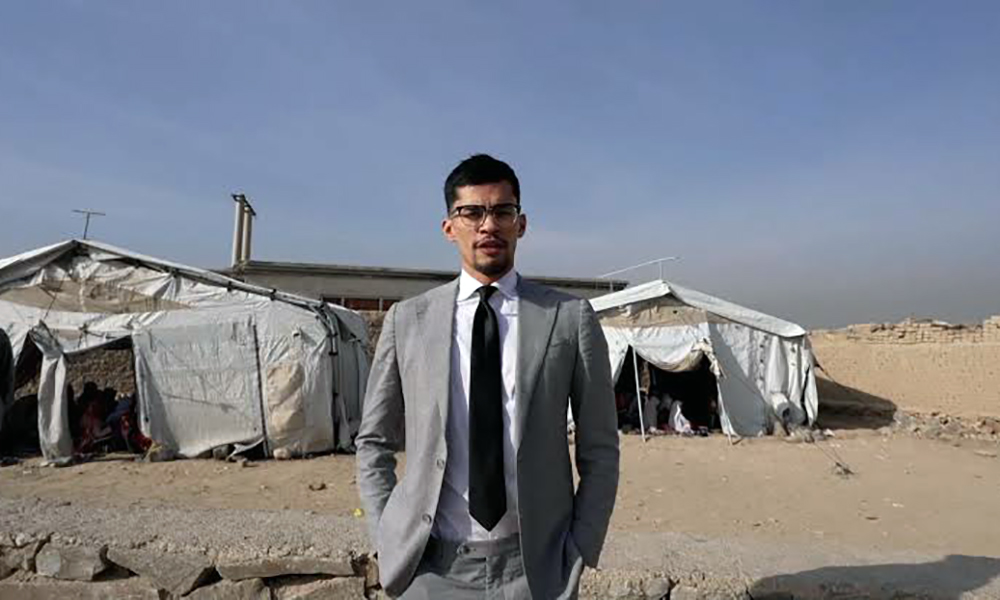
SNEAKO claims US authorities questioned him for eight hours after Afghanistan visit
-
 Latest News5 days ago
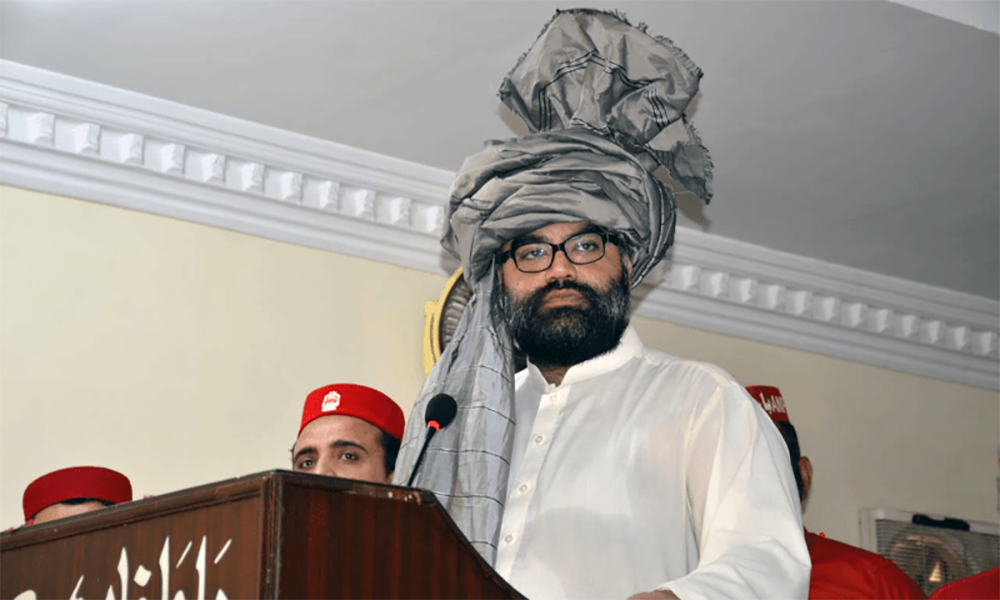
ANP leader calls for reopening of Afghanistan-Pakistan trade routes
-
 Latest News5 days ago
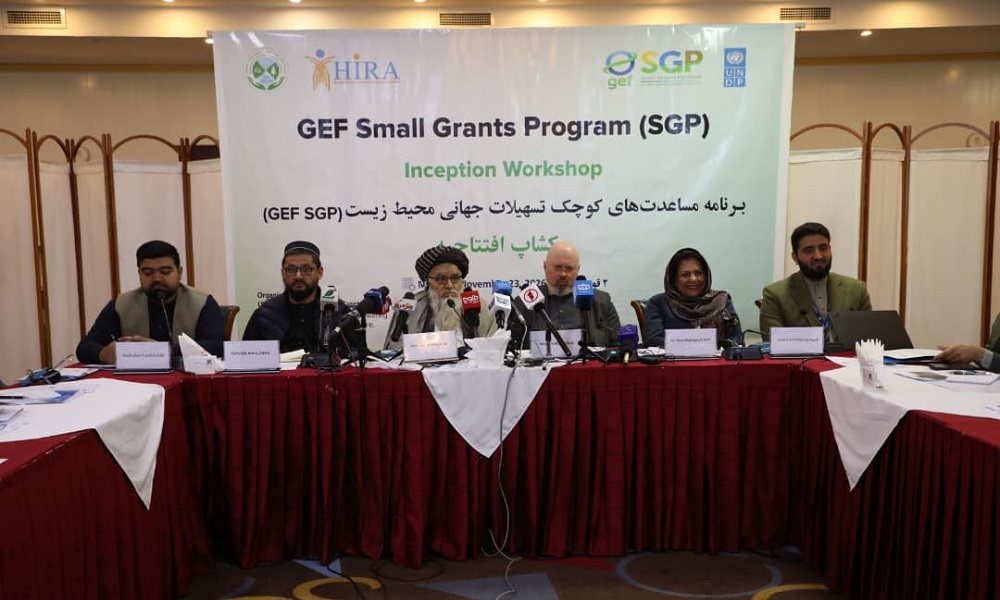
Global environmental grants programme resumes in Afghanistan
-
 Sport5 days ago
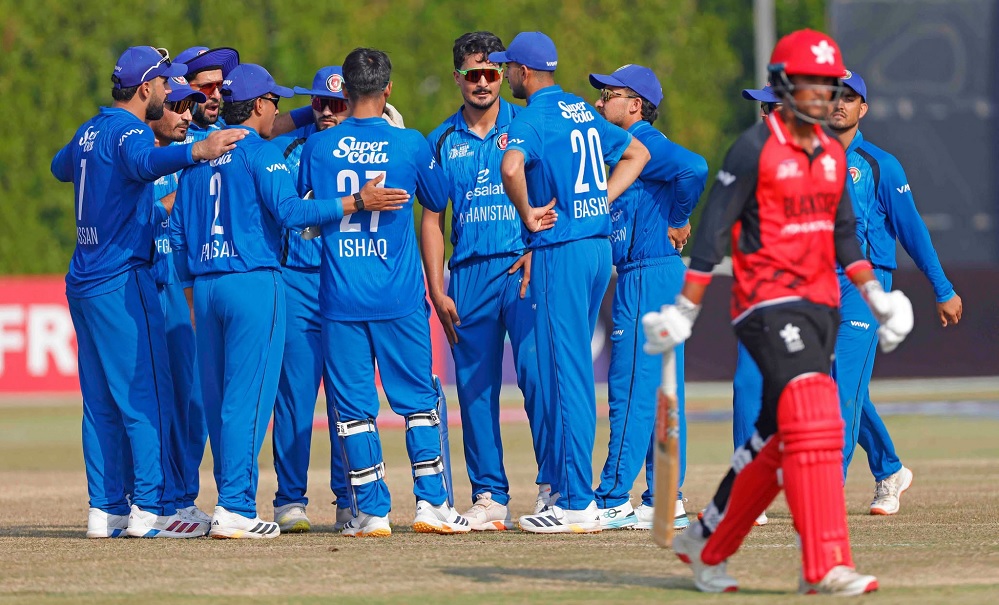
Afghanistan A thrash Hong Kong to register first win at Asia Cup Rising Stars
-
 World4 days ago
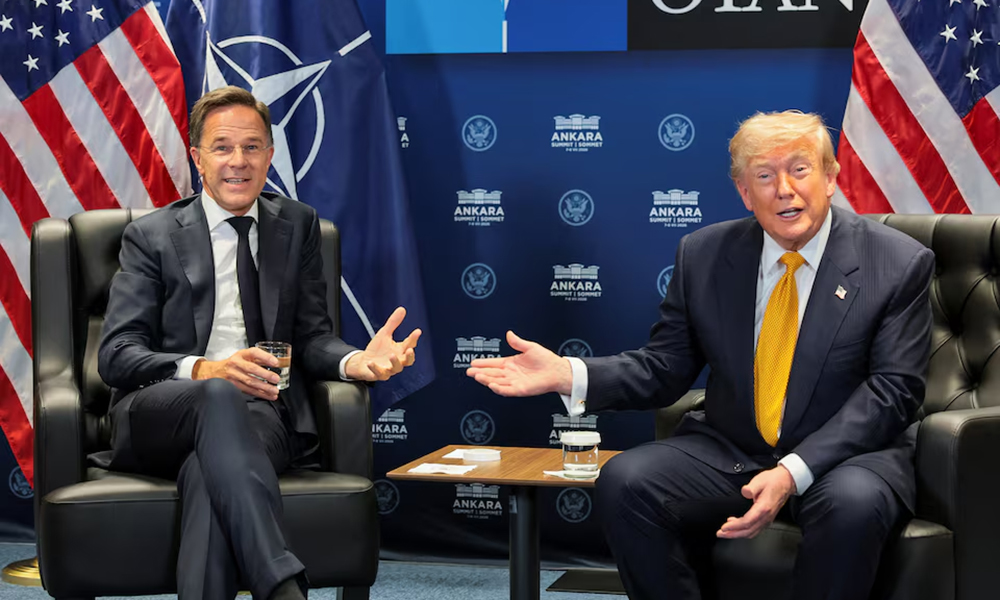
Trump to meet NATO Chief Mark Rutte in Florida amid tensions over Ukraine peace talks
-
Regional4 days ago
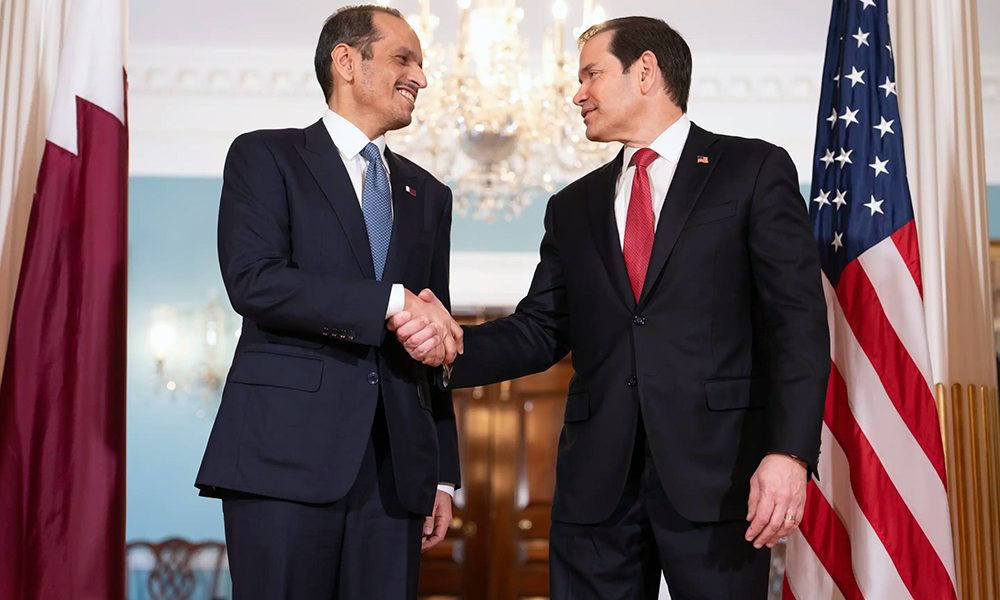
Qatar warns Middle East cannot afford renewed US-Iran escalation
-
 World5 days ago
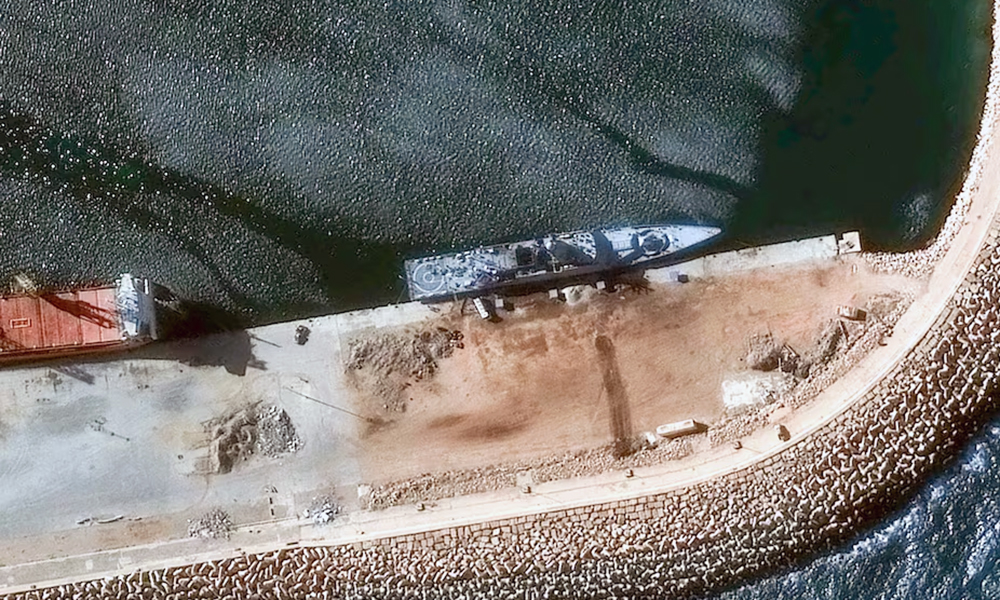
Ukraine sinks Russian warship in Libya as conflict spreads beyond Europe
-
 Sport5 days ago
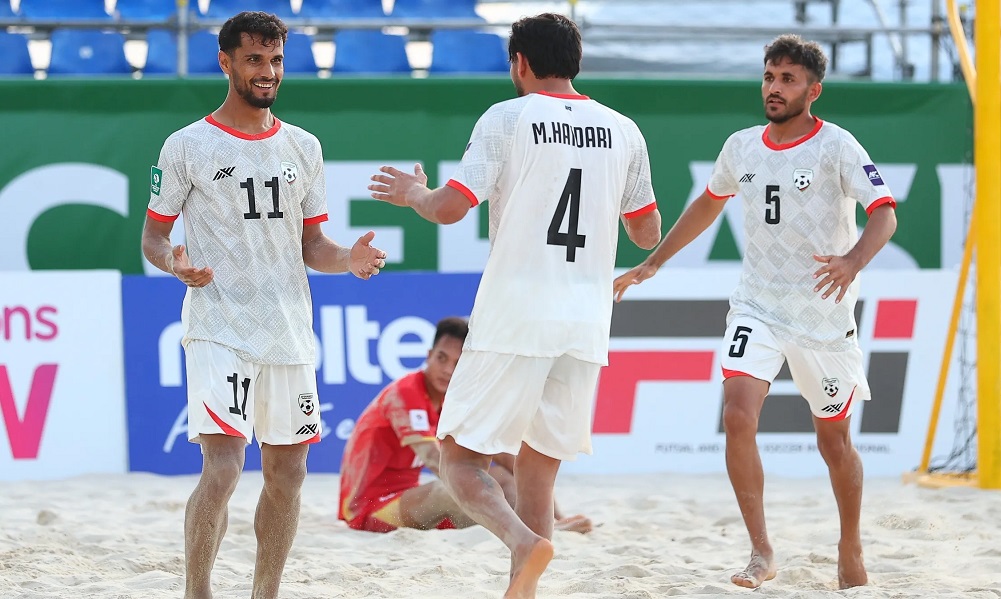
Afghanistan beat Vietnam 5-2 at Beach Soccer Asian Cup