
Latest News
EU releases emergency funding to support flood-hit communities in Afghanistan
Additional assistance will focus on providing hygiene kits, access to safe drinking water and primary healthcare services to affected populations.

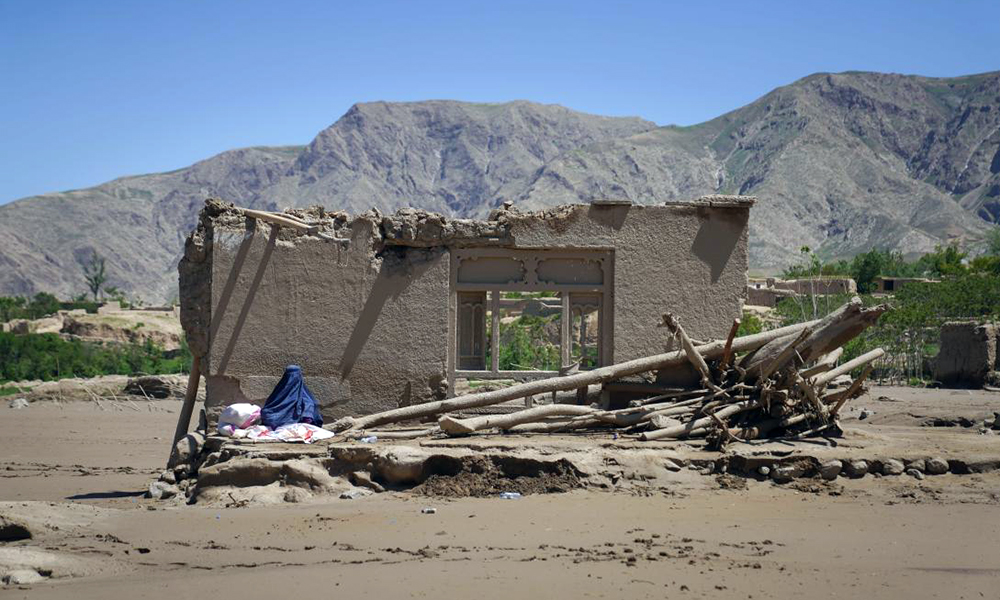
The European Union has announced €175,000 (more than 13 million afghanis) in humanitarian assistance to support communities affected by recent flooding across Afghanistan.
The funding is expected to assist around 12,000 people in some of the hardest-hit provinces, including Badghis, Farah, Ghor, Helmand, Herat, Kandahar, Logar and Uruzgan.
According to officials, the support will be channelled through the Afghan Red Crescent Society to deliver emergency cash assistance aimed at helping families meet their most urgent needs. The aid package will also include essential relief items such as tents, blankets and basic household supplies.
Additional assistance will focus on providing hygiene kits, access to safe drinking water and primary healthcare services to affected populations.
The funding forms part of the EU’s broader contribution to the Disaster Response Emergency Fund managed by the International Federation of Red Cross and Red Crescent Societies, which enables rapid response to emergencies.
The EU remains one of the largest humanitarian donors to Afghanistan, with more than €162 million allocated this year alone to support aid operations in the country. Earlier in 2026, the bloc also released €250,000 to assist communities displaced by ongoing conflict.
In addition to financial support, the EU has facilitated nearly 50 humanitarian airlift operations in recent years, including three flights so far this year delivering approximately 270 tonnes of nutrition supplies.
Officials said the latest funding underscores continued international efforts to address urgent humanitarian needs following natural disasters, as many Afghan communities face growing vulnerability due to recurring climate shocks and economic challenges.
The European Union and its member states are among the world’s leading providers of humanitarian assistance, supporting millions of people affected by conflicts and natural disasters each year.
Through its humanitarian operations arm, the EU delivers aid based on need, with the aim of saving lives, reducing suffering and protecting human dignity in crisis-affected regions.
The Disaster Response Emergency Fund, established in 1979 and supported by international donors, provides immediate financial assistance to national Red Cross and Red Crescent societies responding to emergencies, allowing for rapid deployment of relief efforts when disasters strike.


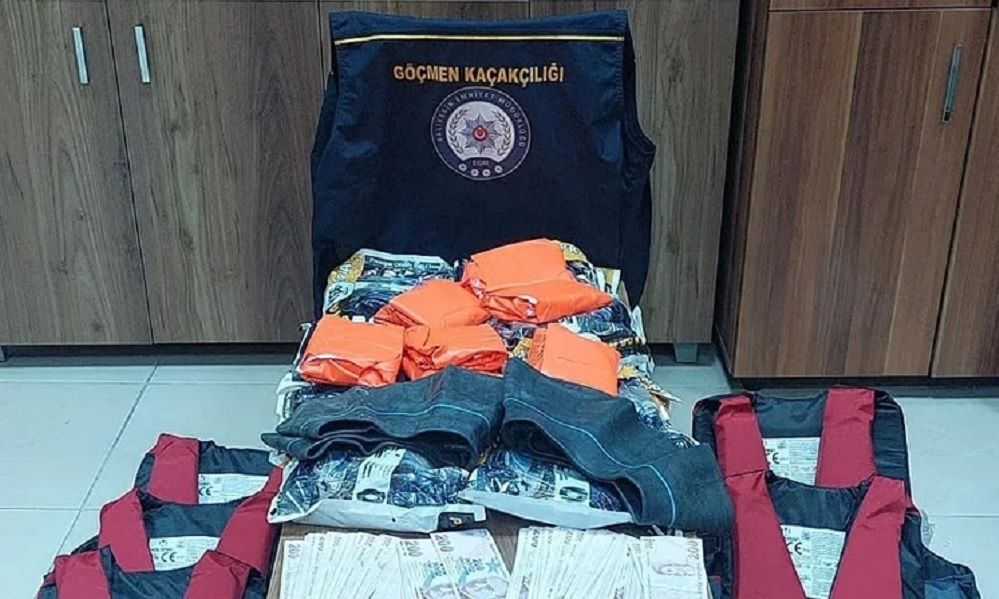
Turkish police have detained 35 Afghan migrants attempting to cross into Greece by sea in the northwestern province of Balikesir, while four suspects accused of migrant smuggling were also apprehended.
Police seized 12 life jackets, lifebuoys and three pumps during the operation.
Following police procedures, three of the four suspects were remanded in custody by a court, while the fourth was released under judicial supervision.
The 35 Afghan migrants were transferred to an Irregular Migrant Pre-Reception and Referral Center.

Mullah Abdul Wasi, Chief of Staff of the Office of the Prime Minister of the Islamic Emirate of Afghanistan (IEA), held a video conference with Richard Lindsay, the United Kingdom’s Special Representative for Afghanistan, to discuss regional developments and efforts to resolve issues between Afghanistan and Pakistan.
According to a statement released by the PM’s office, James Belmonti, a Political Affairs Officer at the UK Foreign, Commonwealth and Development Office, and Faiz Mohammad Wafamel, a political adviser, also participated in the meeting.
During the conference, Abdul Wasi thanked the United Kingdom for its humanitarian assistance to Afghanistan and for its efforts, alongside other friendly countries, to help overcome the current issues between Afghanistan and Pakistan.
He said the Islamic Emirate seeks positive engagement with neighbouring countries, regional states and the international community based on Afghanistan’s national interests and mutual respect, adding that the IEA supports peace and stability in the region.
For his part, Lindsay said the UK was closely monitoring the regional situation and had held meetings and consultations with both sides regarding the issues between Afghanistan and Pakistan.
He added that he would travel to Pakistan in the near future to hold discussions with Pakistani officials on the related issues and facilitate dialogue and better understanding between the sides.
Abdul Wasi said the Islamic Emirate attaches great importance to resolving disputes peacefully with neighbouring countries, regional states and the international community, in line with its foreign policy focused on economic engagement.
He also described Afghans as a peace-loving nation with considerable skills and experience in resolving disputes through negotiations.
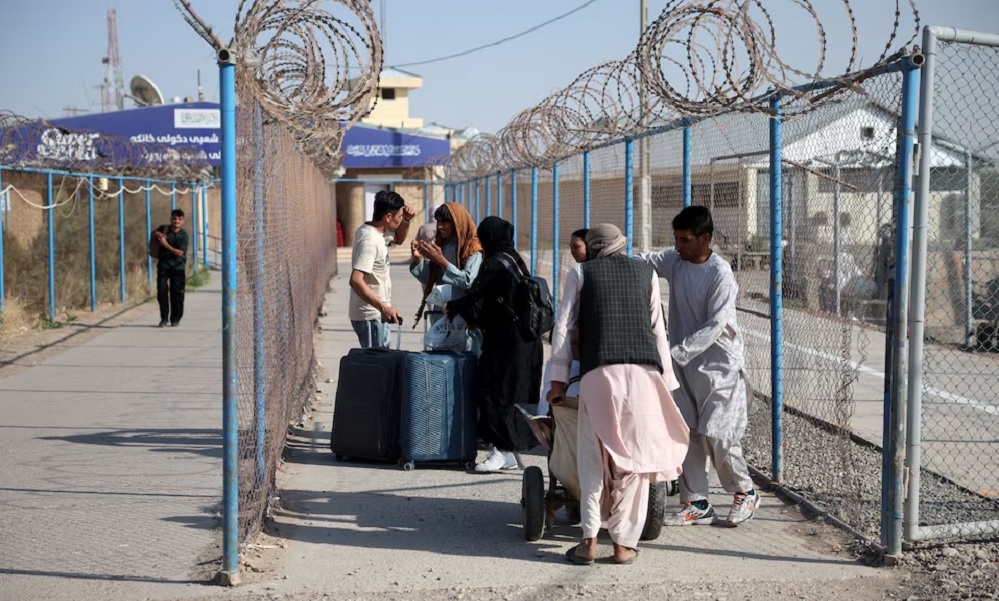
The International Organization for Migration (IOM) recorded 95,489 movements into Afghanistan between October 25 and November 7, 2026, according to its latest Flow Monitoring Update.
The report shows that 64,732 of the recorded movements were from Iran, accounting for 68 percent of the total, while 30,757 were from Pakistan, representing 32 percent.
During the same period, IOM recorded 44,899 movements out of Afghanistan, including 34,206 towards Iran and 10,693 towards Pakistan.
Islam Qala was the busiest monitored crossing point for arrivals, accounting for 40.5 percent of recorded inflows, followed by Pul-e-Abrisham (Milak) at 25.7 percent and Spin Boldak at 17.6 percent.
The report also shows that 84 percent of those recorded entering Afghanistan were over the age of five, while two percent were under five.
IOM noted that its figures represent movements recorded at monitored border crossings, not necessarily unique individuals. The data may include returnees, deportees and people making repeated or temporary cross-border trips.


ILT20 teams required to field at least two UAE and Afghanistan players in Season 5
Turkey detains 35 Afghan migrants attempting to reach Greece

UK envoy to visit Pakistan to facilitate dialogue on issues with Afghanistan
IOM records more than 95,000 border movements into Afghanistan in two weeks
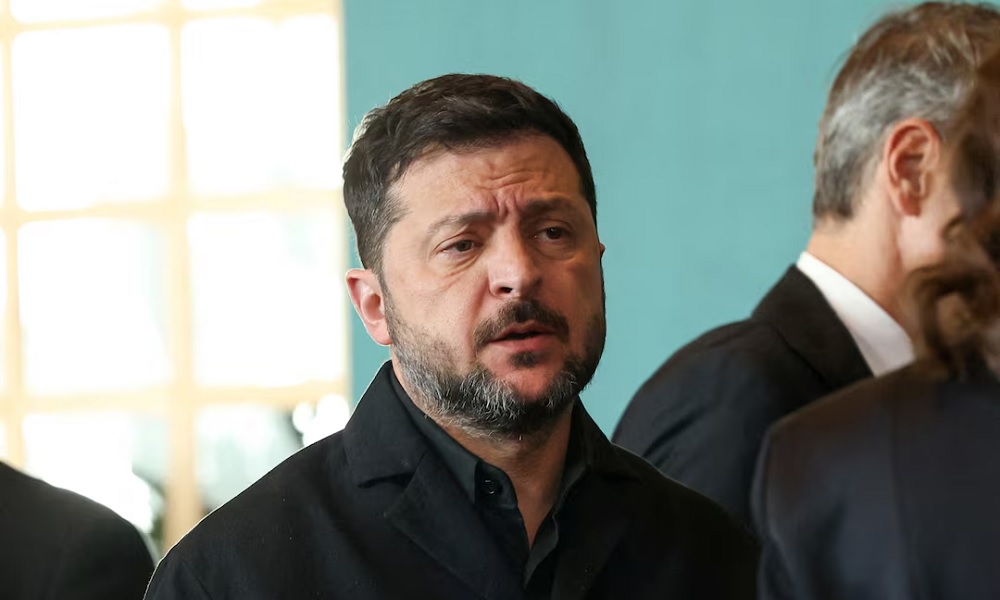
US floated idea of Ukraine ceding Donbas for NATO membership, Zelenskiy says

Afghanistan finish runners-up after 6-0 defeat to Brazil in futsal final

Trump says US may strike Iran’s ‘Pickaxe Mountain’ nuclear facility

Rubio heads to Central Asia while other US officials hit foreign policy hot spots

Violent protests spread across Europe as Albanian PM blames ‘foreign hand’

Governments take websites offline as critical cyber flaws trigger global alert
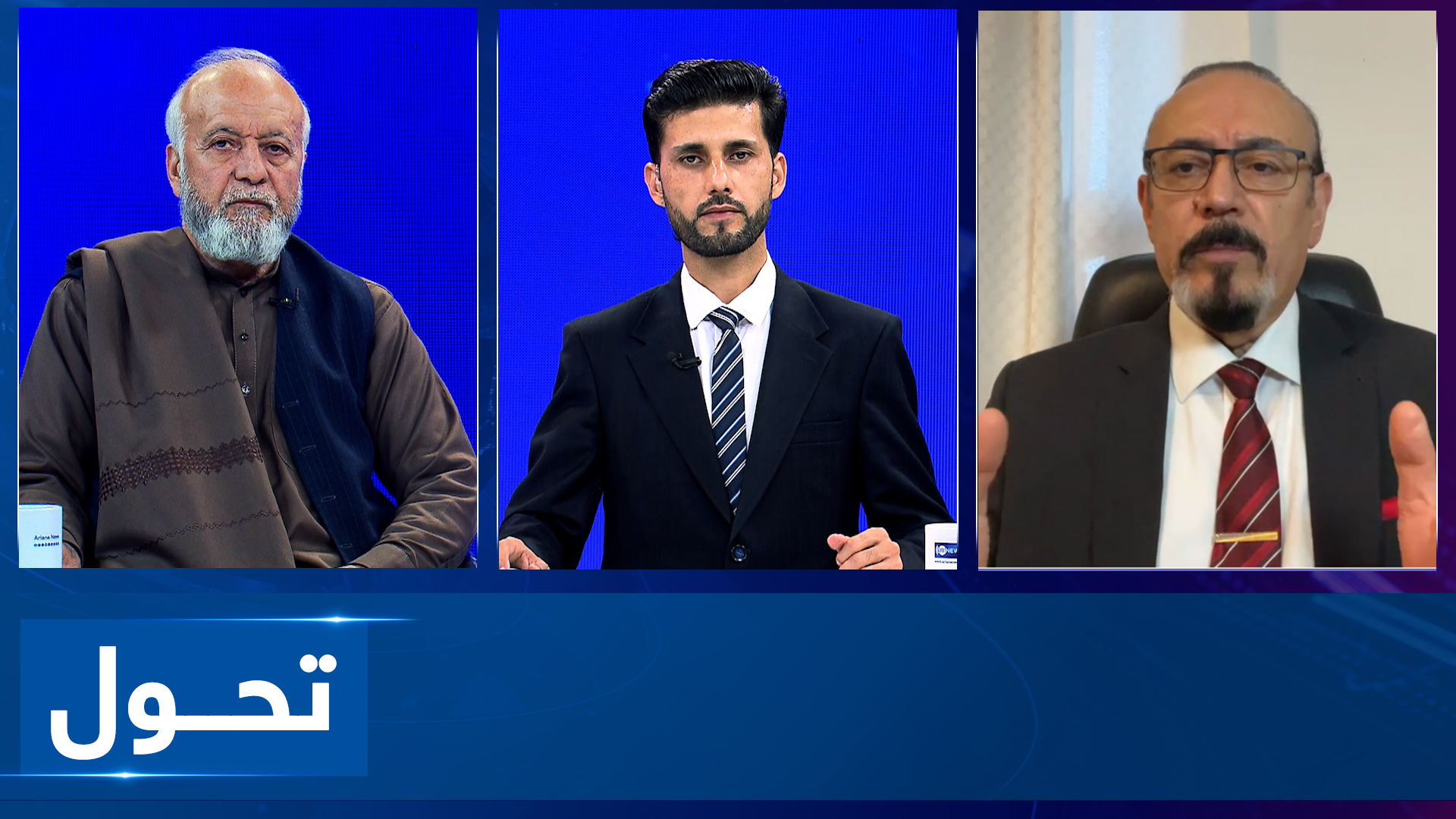
Tahawol: Concerns grow over worsening regional humanitarian crises discussed
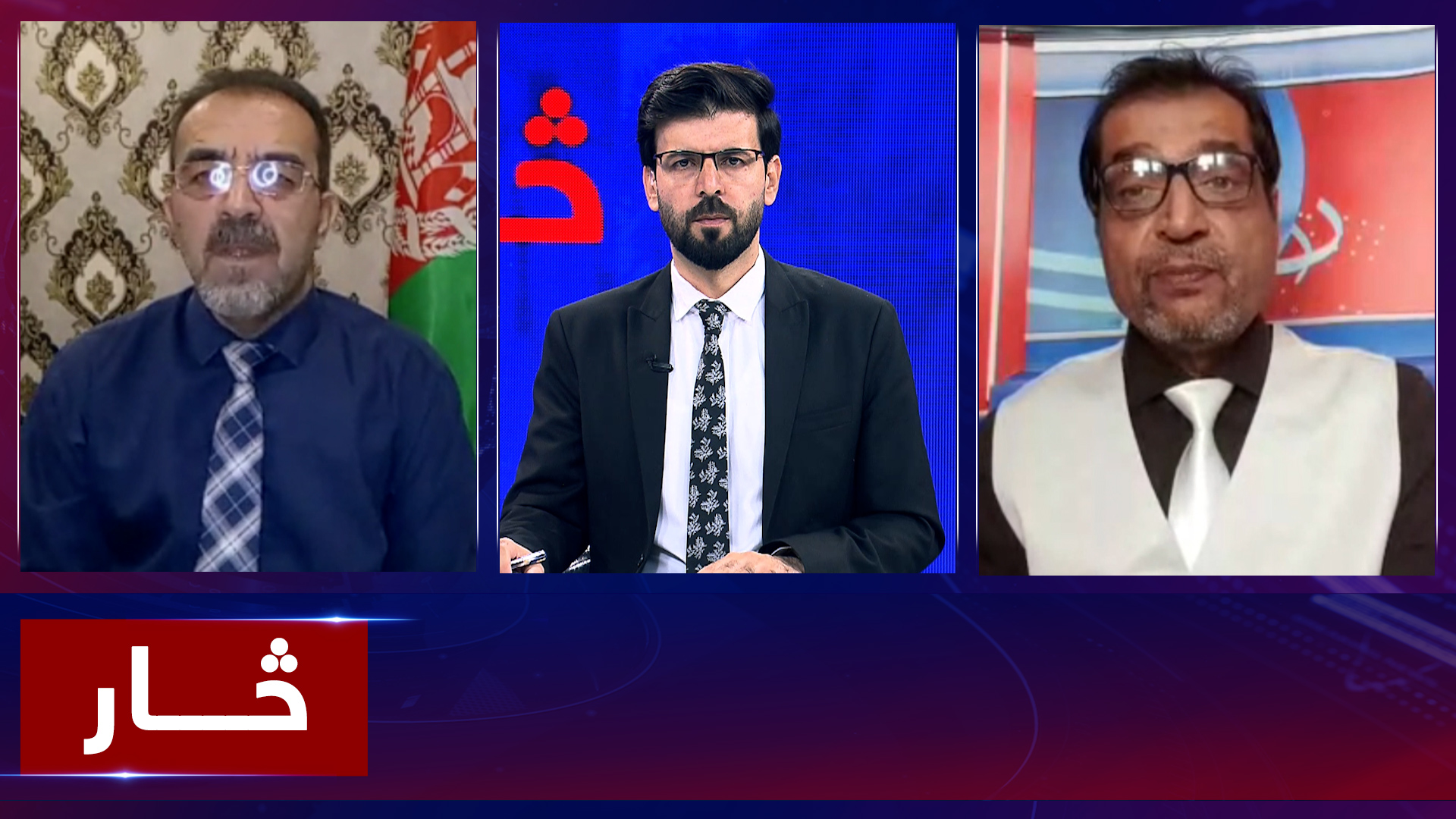
Saar: Forced deportation of Afghan refugees from Iran and Pakistan discussed
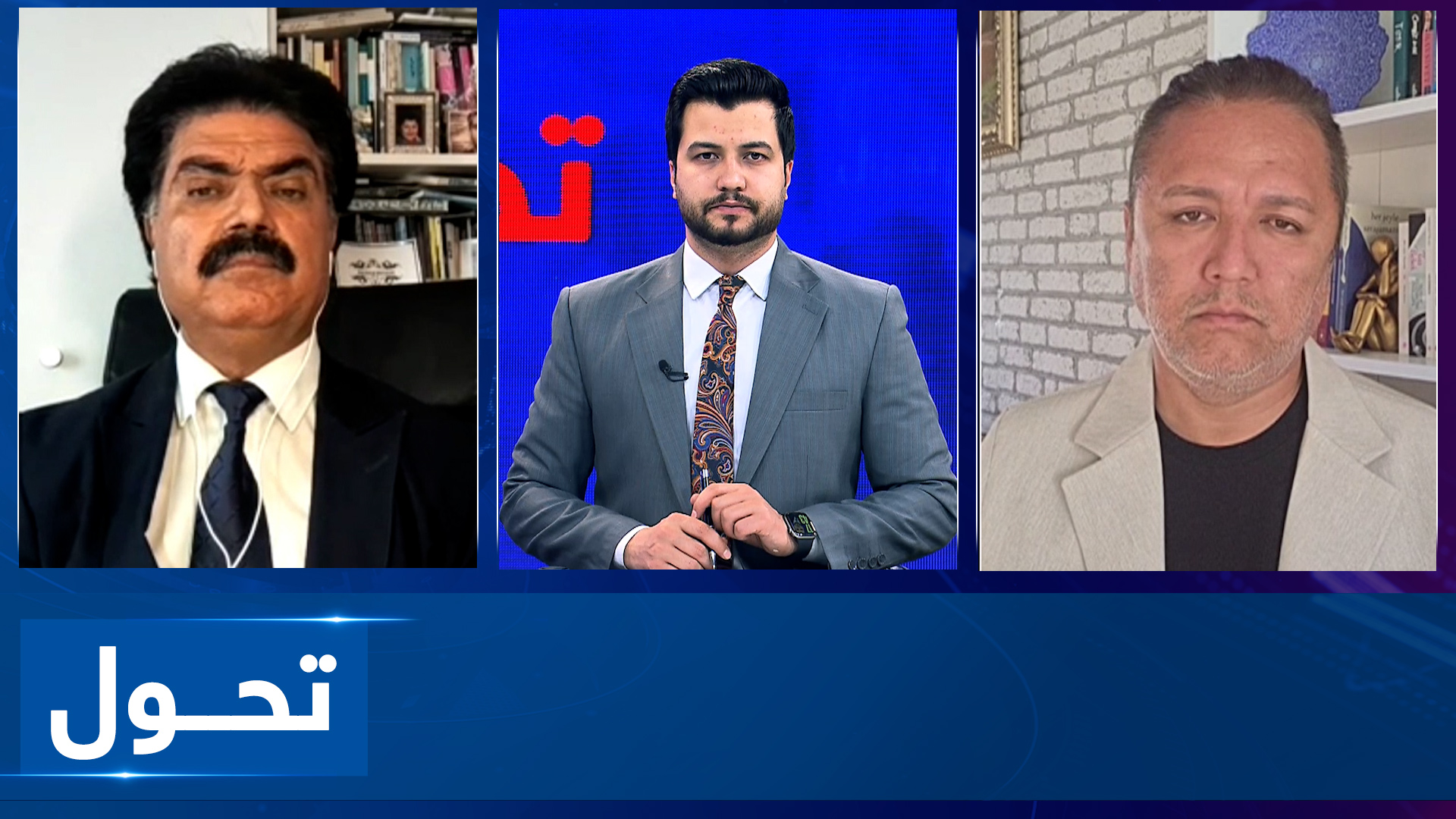
Tahawol: Russia’s special attention to situation in Afghanistan discussed
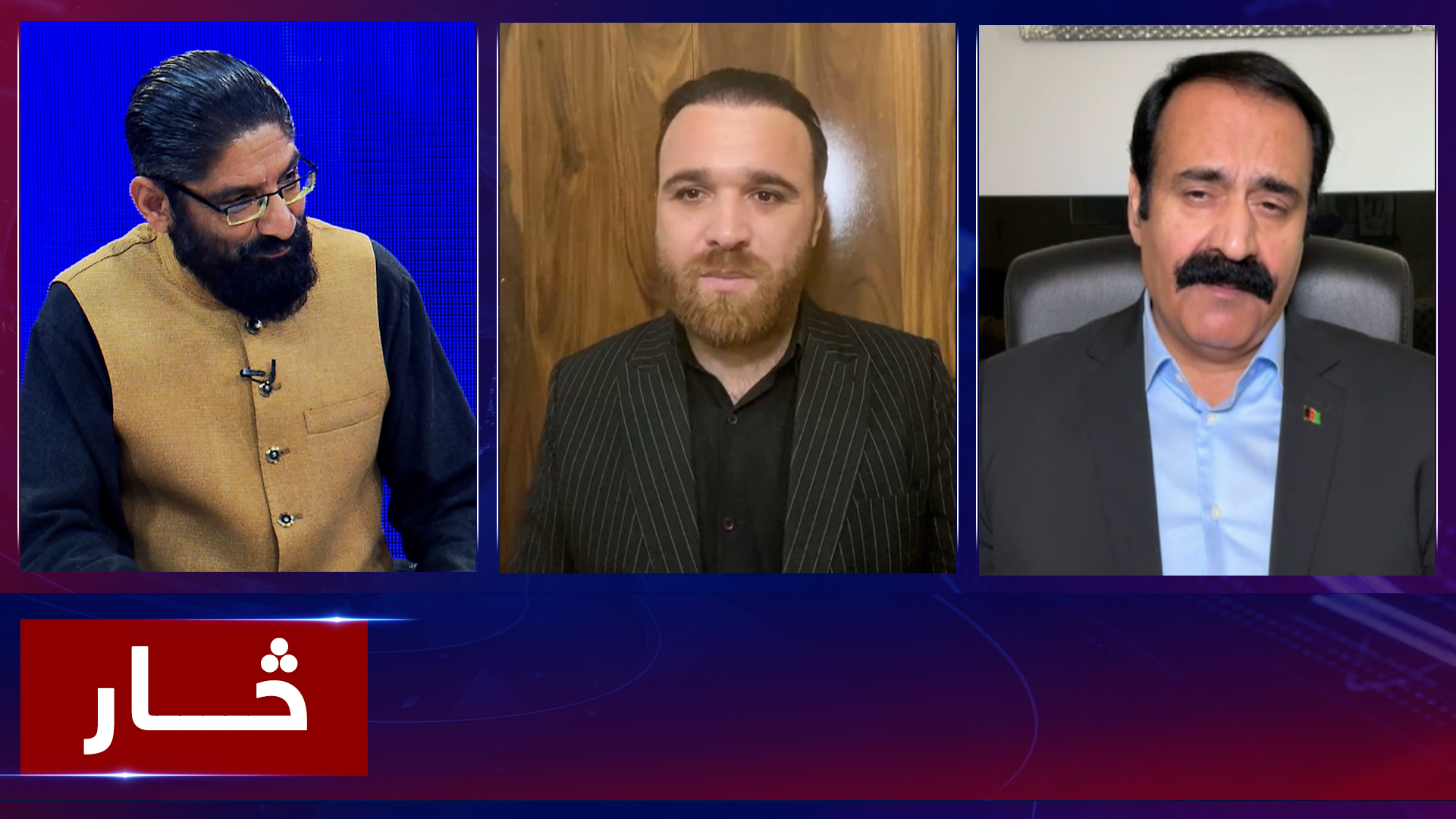
Saar: Discussion on US’s humiliating defeat in Afghanistan
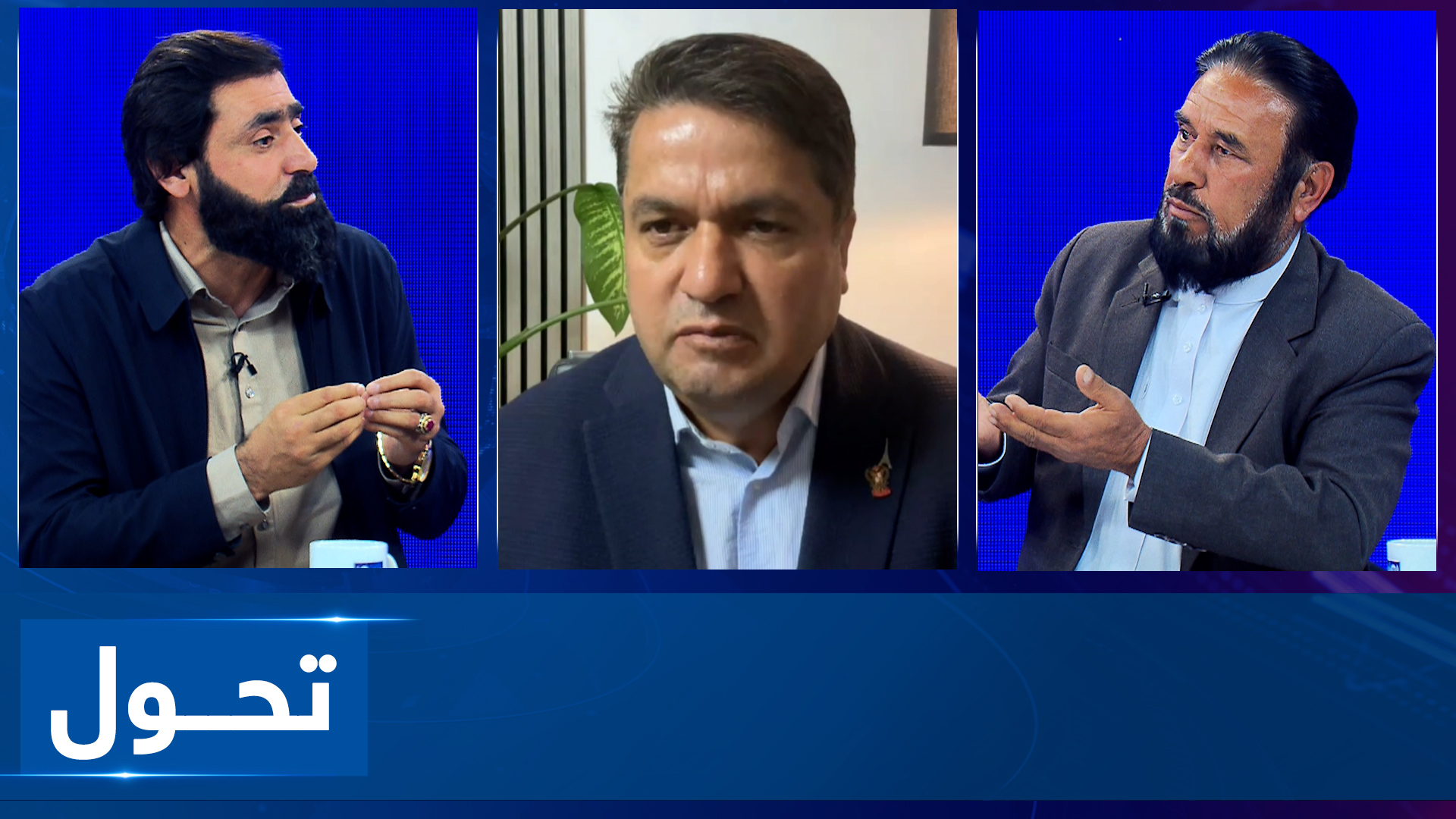
Tahawol: High-level Russian delegation’s visit to Kabul discussed
-
 Sport5 days ago
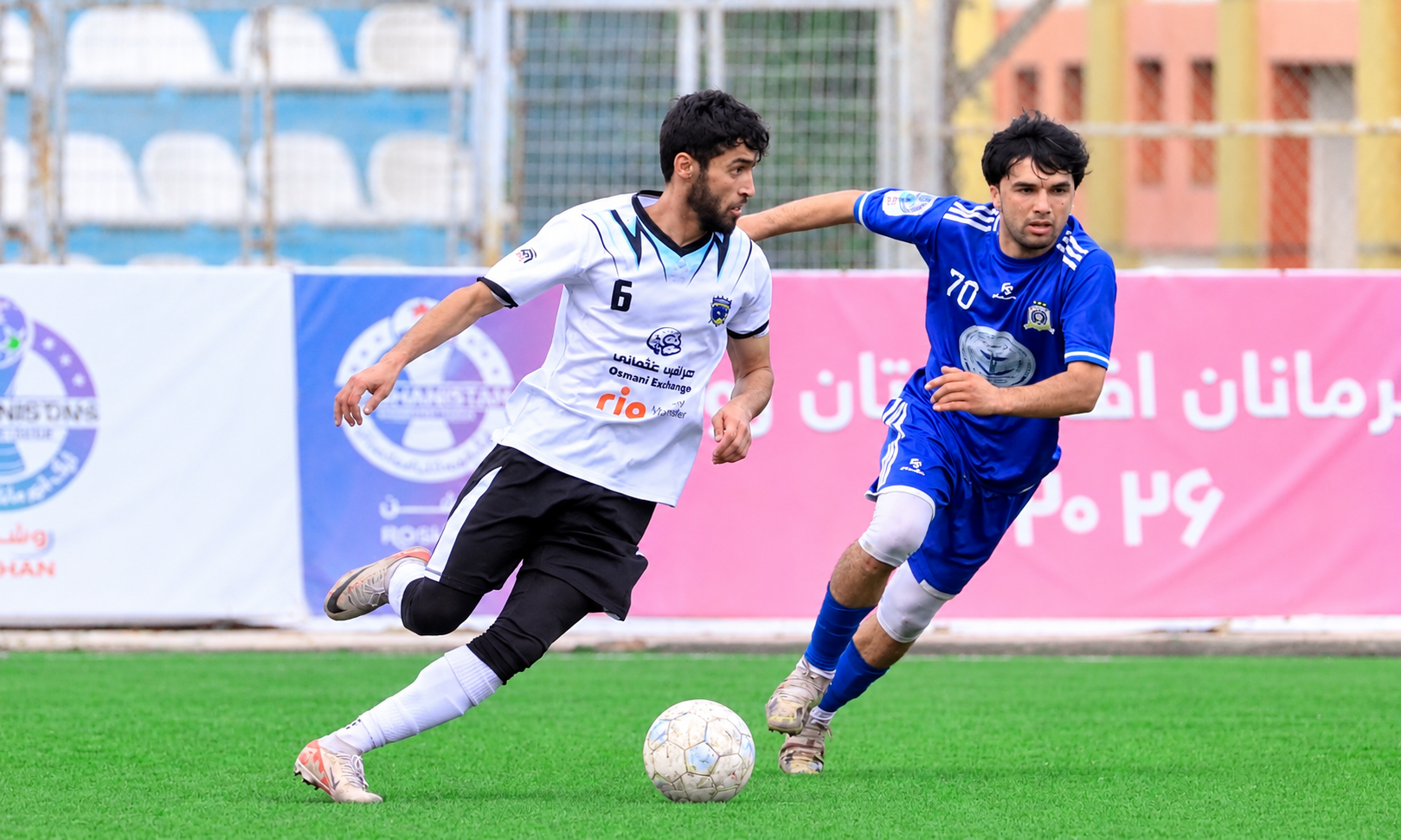
Omar Zawak thrash Istiqlal Kabul 5-1 in ACL
-
 Latest News4 days ago
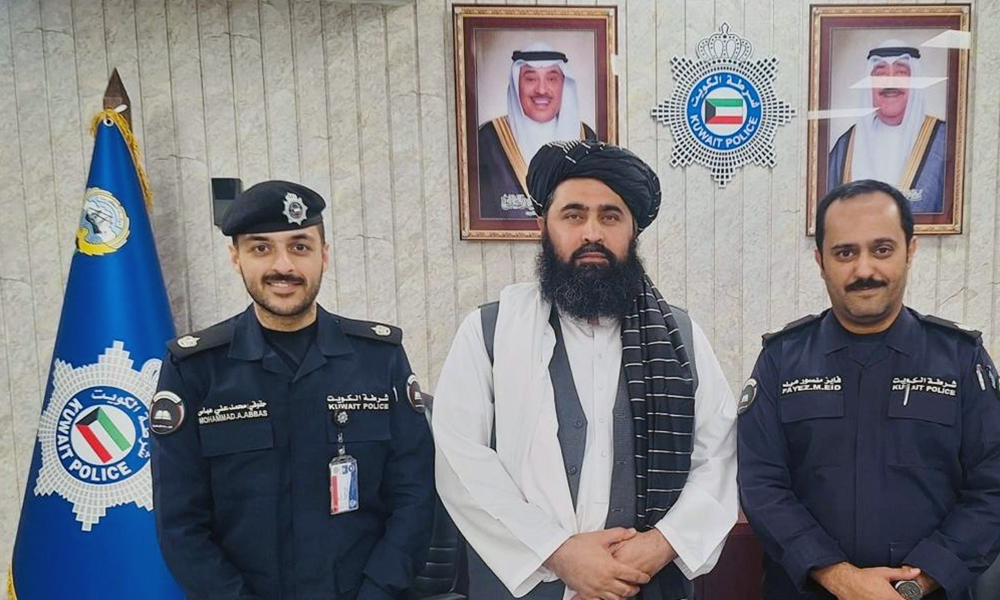
Afghan embassy in Kuwait discusses situation of Afghan prisoners with Kuwaiti officials
-
 Business4 days ago
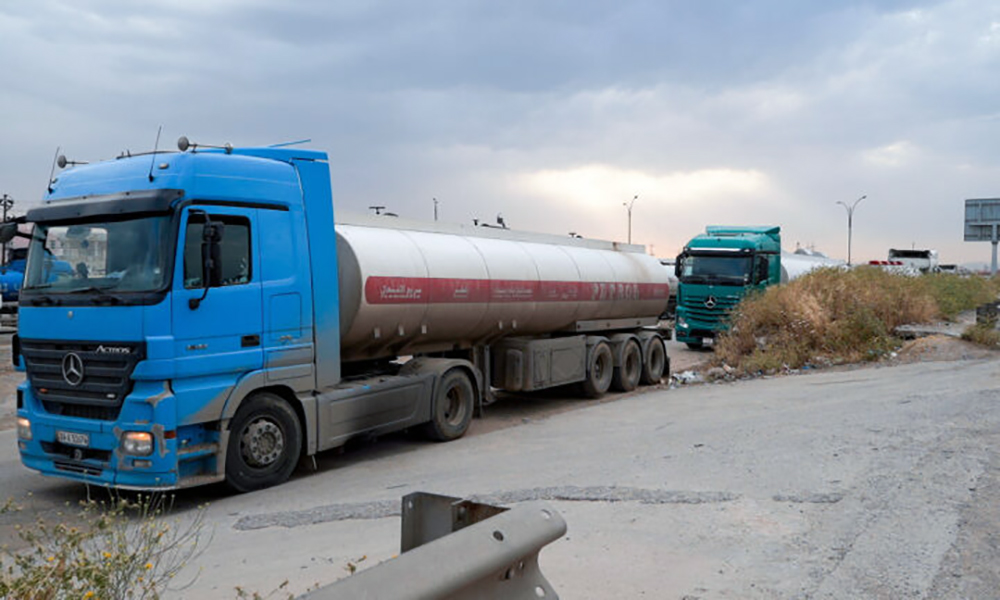
Iraqi intelligence report alleges oil smuggling network supplying Afghanistan and Turkey through Iran
-
 Tahawol5 days ago
Tahawol: Efforts to halt deportation of Afghan refugees from US discussed
-
 Latest News3 days ago
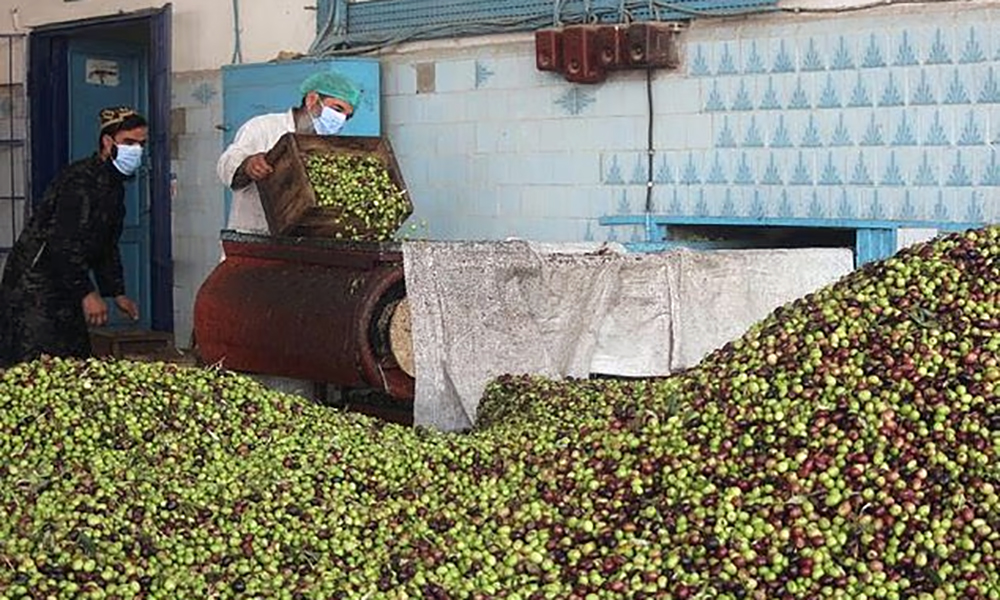
Olive farming offers new hope to Afghan farmers amid growing climate challenges
-
 Latest News4 days ago
Russian deputy prime minister to visit Kabul with high-level economic delegation
-
 Latest News4 days ago
Ancient treasures unearthed at Kabul’s historic Bala Hissar
-
 Sport4 days ago
Historic first for Rahmat Shah after ICC rankings update