
Latest News
Poland detains 54 migrants, including 15 Afghans, at Lithuanian border


Poland’s Border Guard has detained 54 migrants who were being transported in a truck near the Polish-Lithuanian border, authorities said.
According to the Border Guard, the truck, which had Romanian registration plates, was carrying 54 undocumented migrants, including 30 Pakistani nationals, 15 Afghan nationals and nine Bangladeshi nationals. The vehicle was being driven by a Romanian citizen.
Authorities said the migrants will be returned to Lithuania under the readmission procedure, while the circumstances surrounding the attempted border crossing remain under investigation.
The incident comes as migration patterns in the region continue to shift. In recent months, illegal crossing attempts at the Belarus-Poland border have become less frequent, while migration pressure has increasingly moved to the Belarus-Latvia border.
After entering Latvia from Belarus, many migrants attempt to travel onward through Lithuania and Poland in an effort to reach Western European countries. As a result, Polish authorities have continued to intercept groups of undocumented migrants along the Polish-Lithuanian border, where temporary border controls remain in force.



Latest News
Afghanistan’s economy grows despite rising food insecurity and water crisis: World Bank
Despite an improved harvest, an estimated 15.9 million people faced acute food insecurity during September and October 2026, according to the Integrated Food Security Phase Classification (IPC).
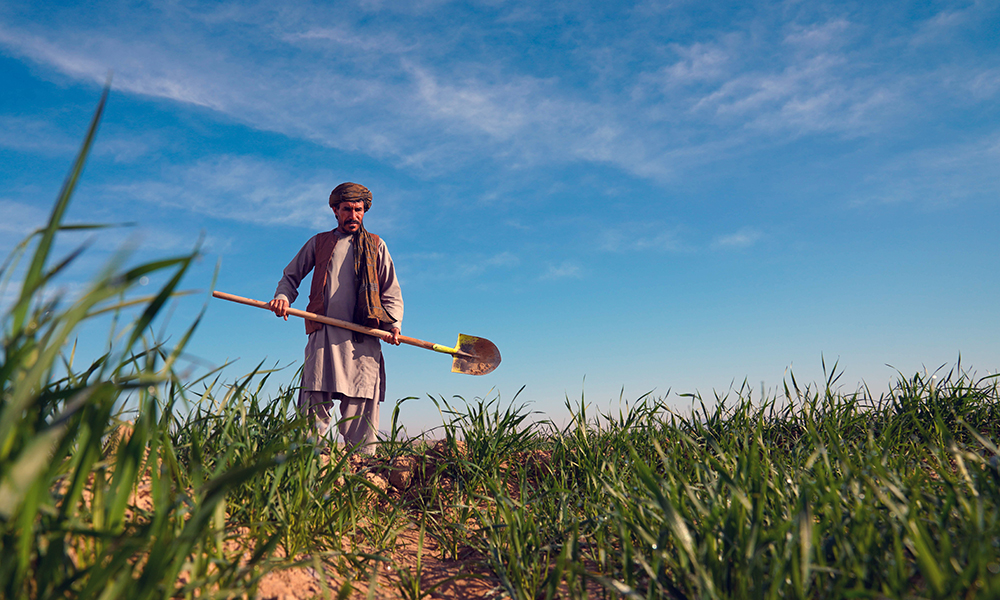
Afghanistan’s economy is projected to expand by three percent in 2026, supported largely by a strong agricultural harvest. However, declining household incomes, rising food prices and worsening water shortages continue to threaten livelihoods, according to the World Bank’s latest economic assessment.
In its Fall 2026 Afghanistan Development Update, released on November 18, the World Bank said economic output per capita is expected to fall by 3.3 percent for the third consecutive year, as population growth is forecast to reach 6.6 percent.
The report highlighted growing pressure on household finances, with fewer employment opportunities and higher food costs reducing purchasing power. In September, casual labourers recorded 14 percent fewer working days than a year earlier, while their weekly earnings could purchase 27 percent less wheat flour.
Despite an improved harvest, an estimated 15.9 million people faced acute food insecurity during September and October 2026, according to the Integrated Food Security Phase Classification (IPC).
The World Bank also reported a 10.2 percent increase in domestic revenue during the first half of 2026, driven by higher tax and non-tax collections despite declining customs duties. However, public investment remains limited, with capital expenditure projected at just 1.3 percent of gross domestic product.
Trade disruptions are adding to the economic challenges. The closure of border crossings with Pakistan has forced around 97 percent of Afghanistan’s imports to be routed through Central Asia and Iran. Exports also fell by 15.1 percent between April and September compared with the same period last year.
The report raised particular concern over Afghanistan’s worsening water crisis, estimating that the country has lost approximately 4.9 billion cubic metres of freshwater reserves annually since 2003.
In Kabul, groundwater extraction is occurring at nearly four times the rate of natural replenishment, placing increasing pressure on already limited water resources.
The crisis also threatens rural livelihoods, with agriculture accounting for 46 percent of employment and approximately 95 percent of the country’s water withdrawals.
Looking ahead, the World Bank forecasts economic growth of 3.3 percent in 2027 and 3.5 percent in 2028. However, despite the projected recovery, output per capita in 2028 is expected to remain around 7 percent below its 2024 level.
The report warned that several risks could undermine the outlook, including a poor harvest, further disruption to trade routes, another large influx of returning Afghans and deeper reductions in international assistance.
It also called for more reliable trade corridors, expanded employment opportunities in provinces receiving large numbers of returnees, and the restoration of access to education and employment for women and girls.
Addressing the water crisis, the World Bank emphasized the need to restore essential water and sanitation services, repair irrigation infrastructure and strengthen the protection of watersheds and groundwater reserves.
Latest News
Afghanistan and Azerbaijan discuss expanding regional transport and trade cooperation
The Afghan delegation is also expected to visit several Azerbaijani territories, including Shusha, Aghdam, Khojaly and Fuzuli.
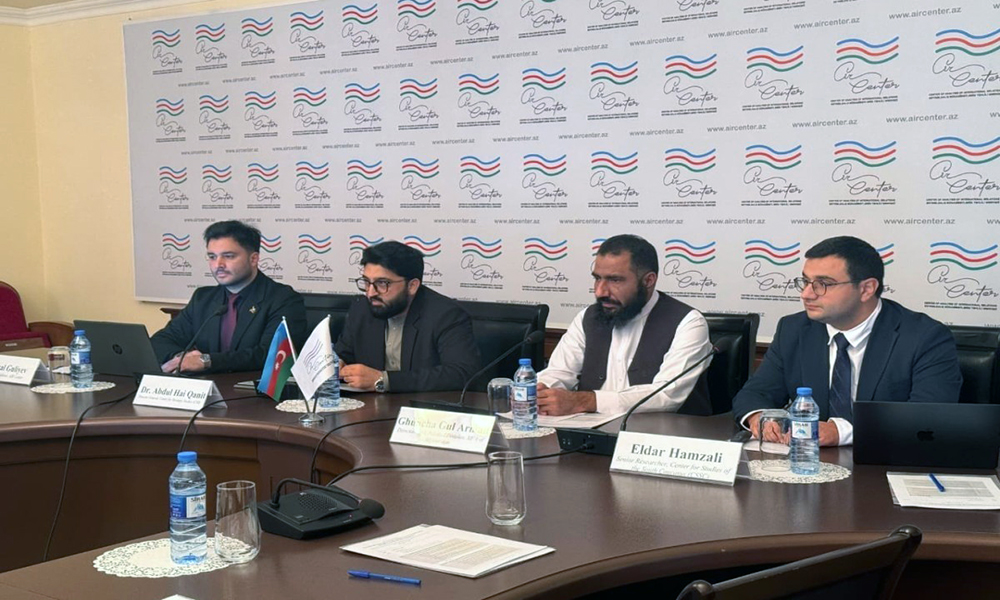
Afghanistan and Azerbaijan are exploring ways to strengthen economic ties, improve regional connectivity and expand cooperation on major transport routes, including the Lapis Lazuli Corridor.
The discussions took place during a joint roundtable in Baku titled “Strategic Convergence of Trans-Eurasian Transit and Trade Routes: Connectivity and Sustainable Development,” organized by Azerbaijan’s Center of Analysis of International Relations (AIR Center) and Afghanistan’s Center for Strategic Studies (CSS), APA reported.
AIR Center Chairman Farid Shafiyev highlighted the longstanding historical ties between the two countries and called for stronger economic cooperation, improved regional transport links and expanded educational opportunities.
Shafiyev reaffirmed Azerbaijan’s support for Afghanistan’s sovereignty and independent decision-making, saying Baku was ready to contribute to the country’s development through education and scholarship programmes. He also expressed hope that closer ties between the two research institutions would encourage regional dialogue and joint initiatives.
Abdul Hai Qanit, Director General of Afghanistan’s Center for Strategic Studies, described Azerbaijan as an important regional partner and called for deeper political dialogue, increased trade and investment, and greater cooperation on transport infrastructure.
Qanit particularly emphasized the importance of developing the Lapis Lazuli Corridor to improve Afghanistan’s access to regional and international markets. He also said establishing an Azerbaijani embassy in Kabul would be an important step towards strengthening diplomatic relations.
The first panel examined opportunities to connect the Middle Corridor with the Lapis Lazuli Corridor, focusing on transport infrastructure, streamlined customs procedures and Azerbaijan’s potential as a regional transit hub. Discussions also covered the TRIPP project and broader regional cooperation.
The second panel focused on post-conflict reconstruction and sustainable development, examining Afghanistan’s development challenges since 2021, reconstruction efforts in Karabakh, digital transformation and opportunities for regional economic integration.
The Afghan delegation is also expected to visit several Azerbaijani territories, including Shusha, Aghdam, Khojaly and Fuzuli.
Latest News
Pakistan invites Turkmenistan to join CASA-1,000 power project
CASA-1,000 is designed to transmit up to 1,300 megawatts of electricity from Central Asia to South Asia, with 1,000 MW allocated to Pakistan and 300 MW to Afghanistan, mainly during summer.
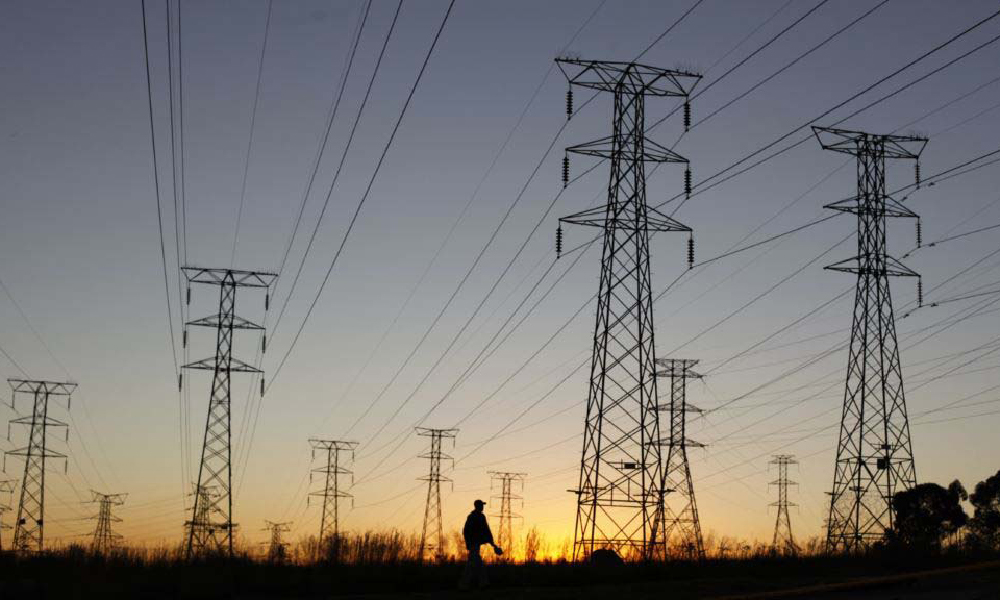
Pakistan has invited Turkmenistan to join the CASA-1,000 regional electricity transmission project, while supporting plans to extend the network to Uzbekistan and Turkmenistan.
The proposal was discussed this week during a meeting between Pakistan’s Minister for Power, Awais Ahmad Khan Leghari, and Turkmenistan’s Energy Minister, Annageldi Saparov, focusing on regional energy cooperation and cross-border electricity links.
CASA-1,000 is designed to transmit up to 1,300 megawatts of electricity from Central Asia to South Asia, with 1,000 MW allocated to Pakistan and 300 MW to Afghanistan, mainly during summer.
The project involves Kyrgyzstan, Tajikistan, Afghanistan and Pakistan. While infrastructure in the three other countries is largely complete, Afghanistan remains a critical missing link, with construction resuming in December 2024.
Leghari also proposed converting the system into a two-way electricity network, allowing countries to exchange power when needed and improving its commercial viability.
Discussions also covered the proposed Turkmenistan-Afghanistan-Pakistan (TAP) transmission project. Saparov said Turkmenistan had completed its transmission line up to Afghanistan and reaffirmed his country’s commitment to advancing the project.
The proposed 1,150-kilometre, 500-kilovolt transmission line from Afghanistan to Quetta is expected to have a capacity of 1,200 MW. Both countries agreed to accelerate technical data exchanges and feasibility work.
The talks also explored wider trade, investment and business cooperation between Pakistan and Turkmenistan.


Afghanistan’s economy grows despite rising food insecurity and water crisis: World Bank
US strikes Iranian military site as Gulf states report fresh attacks
Tajikistan seeks to establish joint market along border with Afghanistan
Afghanistan and Azerbaijan discuss expanding regional transport and trade cooperation

Pakistan invites Turkmenistan to join CASA-1,000 power project

Violent protests spread across Europe as Albanian PM blames ‘foreign hand’

Governments take websites offline as critical cyber flaws trigger global alert

Afghanistan’s new Wakhan road to China faces major hurdles

Iran calls for extending Herat railway to Uzbekistan border
US sanctions and blockade measures disrupt Iran’s trade with Afghanistan and regional neighbors
Tahawol: 80th anniversary of Afghanistan’s UN membership discussed
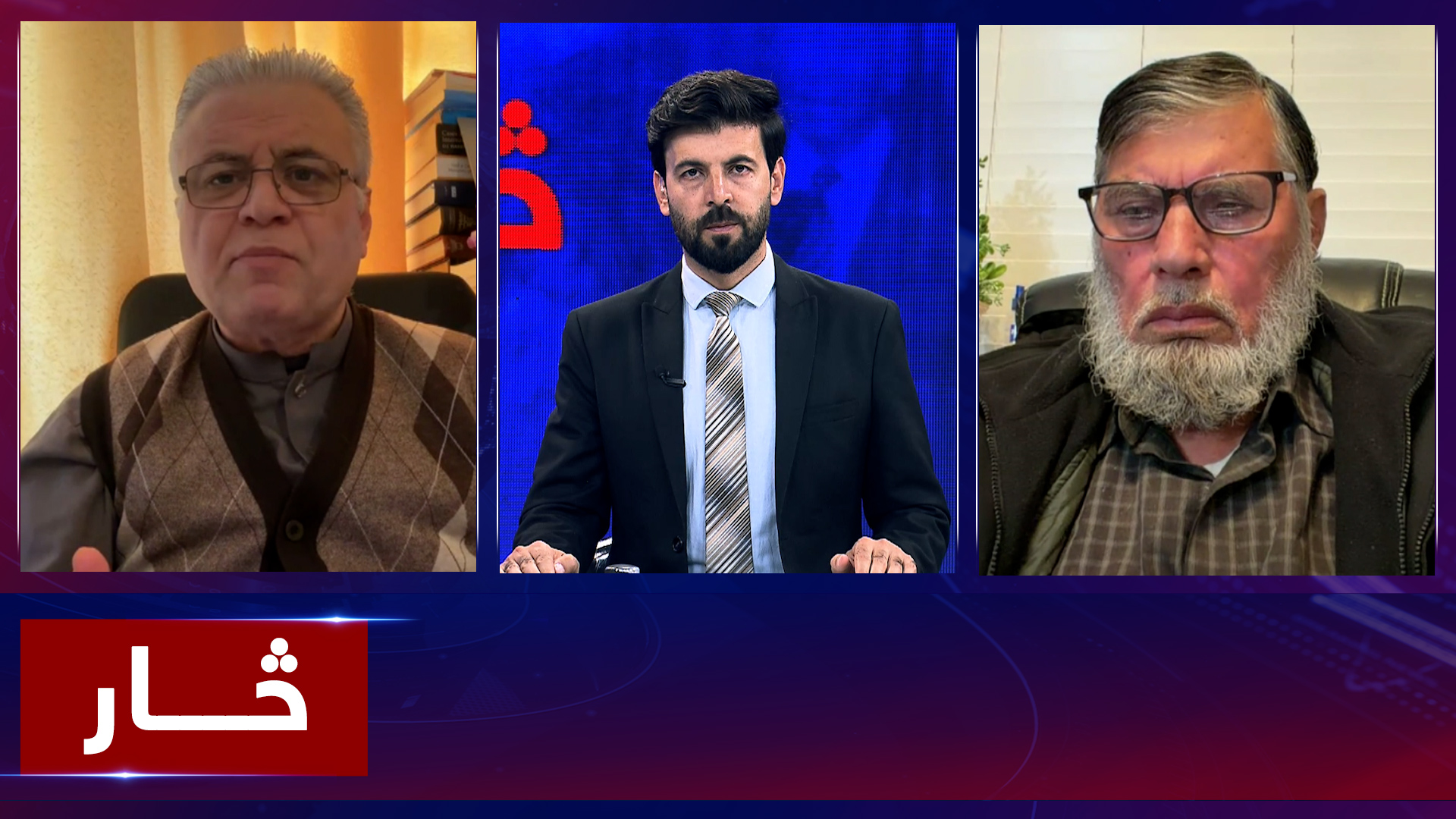
Saar: Europe’s shift toward engagement with the IEA discussed
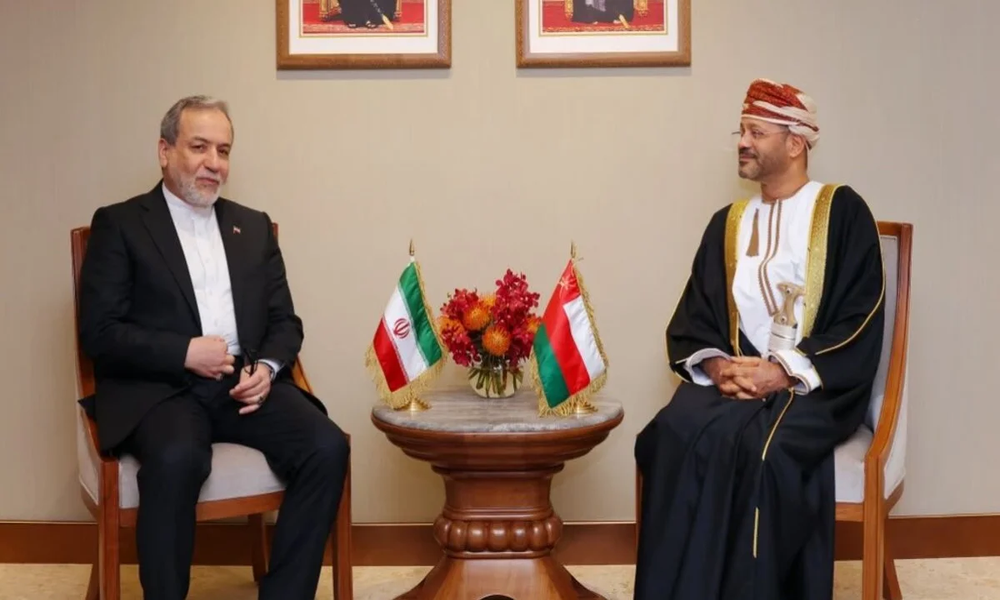
Oman and Iran discuss restoring shipping through Strait of Hormuz
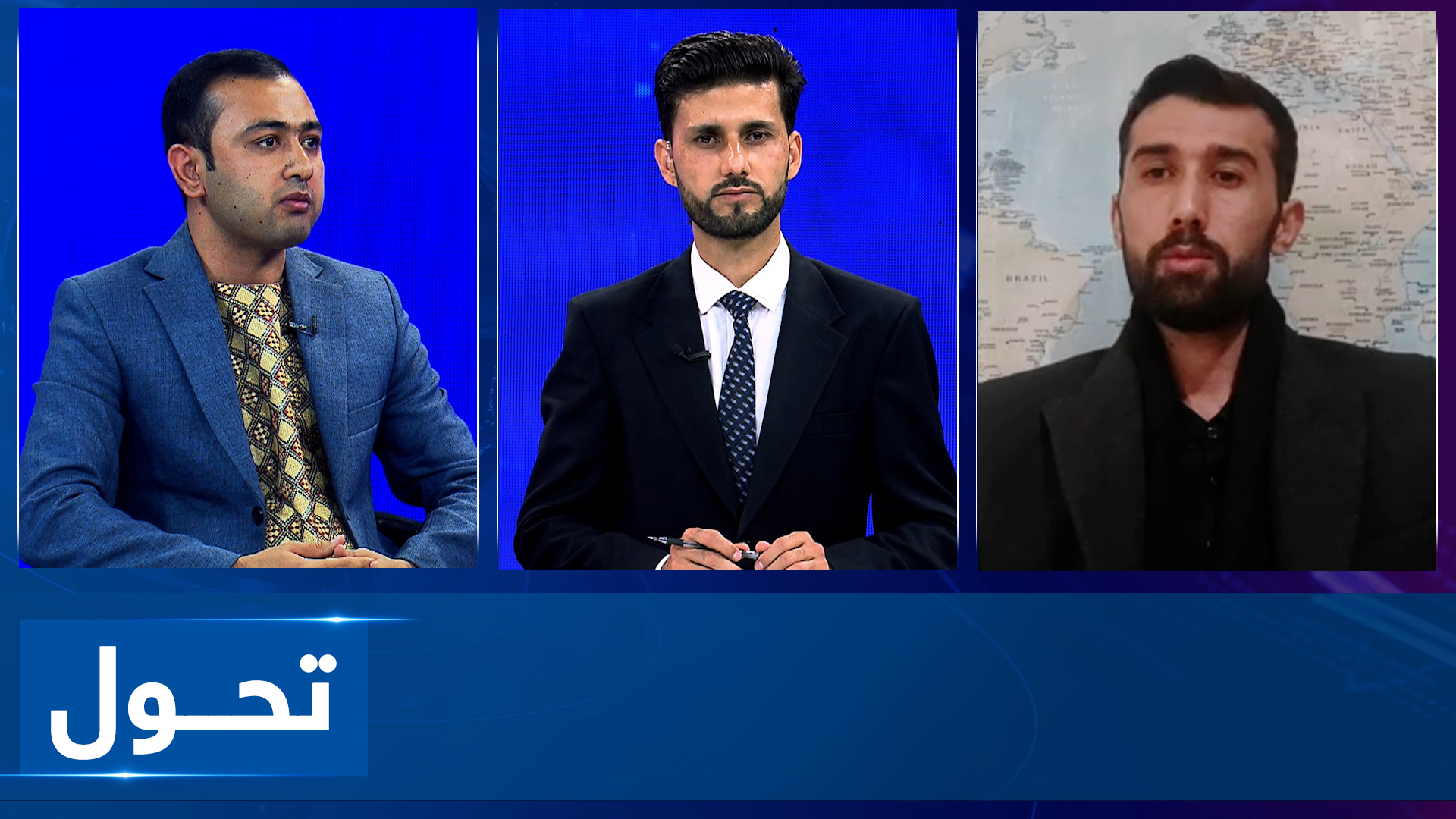
Tahawol: Afghanistan absent from ECO meeting

Saar: ECO meeting kicks off in Islamabad
-
 Business5 days ago
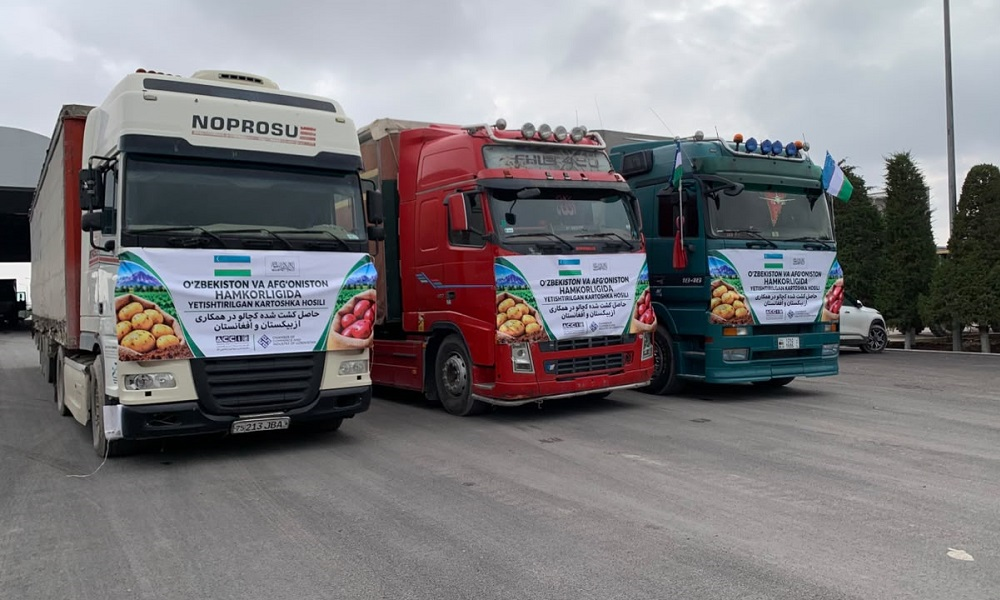
Afghanistan and Uzbekistan agree on export of 100,000 tons of Bamyan potatoes
-
 Latest News4 days ago
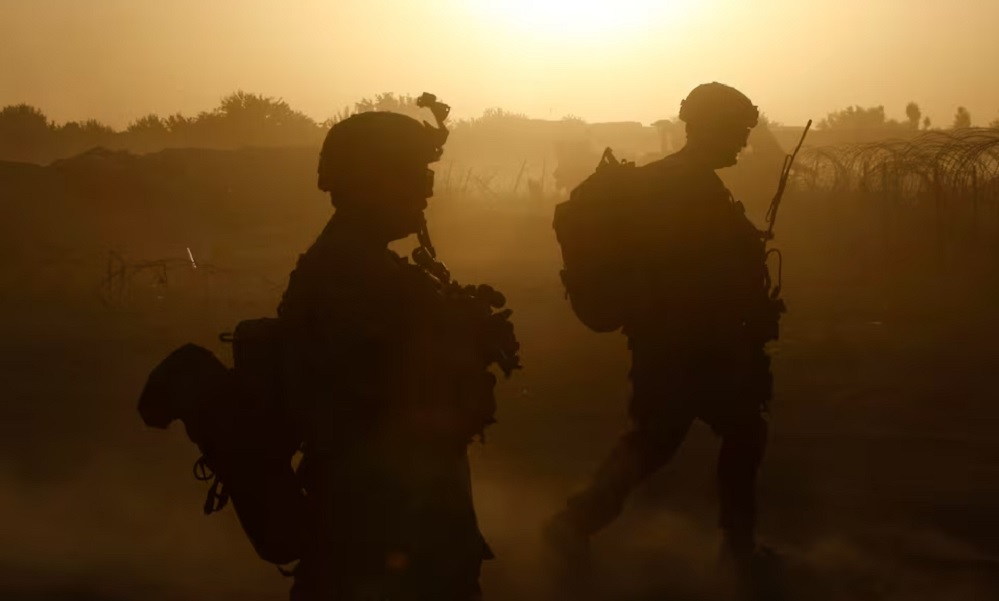
ICC halts probe into alleged crimes by US troops in Afghanistan
-
 Sport5 days ago
Debutant Naseer Khan strikes four as Afghanistan fight back against Zimbabwe in second Test
-
 Sport3 days ago
ILT20 teams required to field at least two UAE and Afghanistan players in Season 5
-

 Latest News5 days ago
Russia calls UN report on Afghan opium ‘political propaganda’
-
 Sport3 days ago
Arman FC cruise to 5-0 victory over Istiqlal Kabul in ACL match
-
 World4 days ago
US to resume flights after air traffic network failure sparks chaos
-
 Climate Change5 days ago
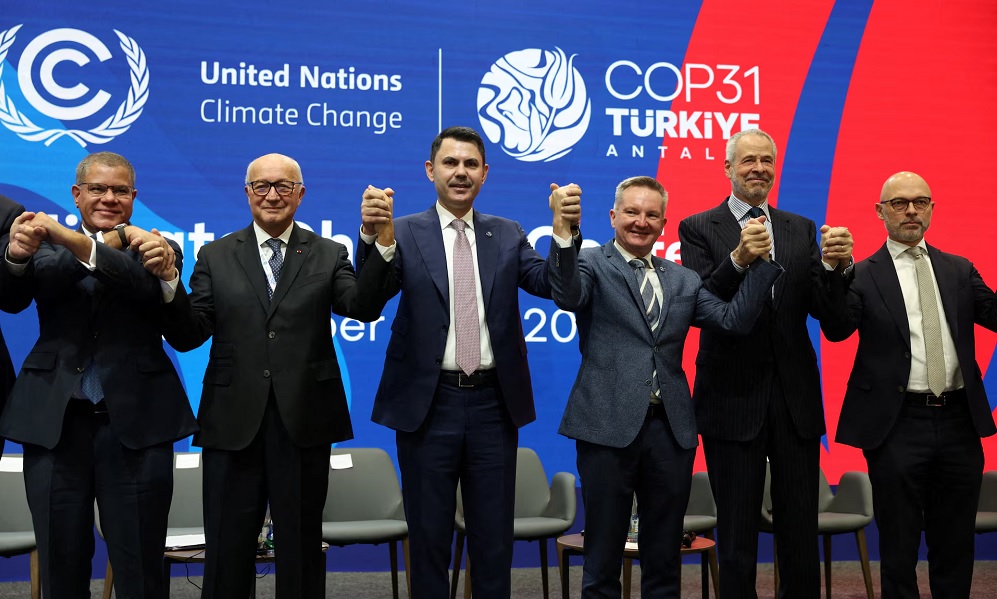
Urgent climate finance pleas at COP31 face a non-urgent response