
Latest News
Less than 42% of Afghans have access to national power grid: UNDP

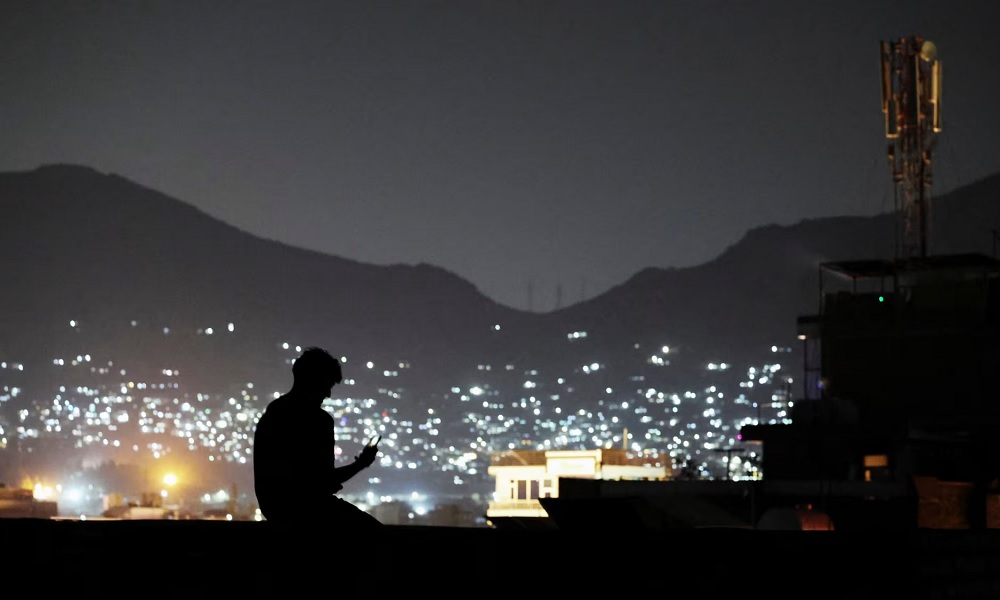
Only around 40 to 42 percent of Afghanistan’s population has access to the national power grid, according to the United Nations Development Programme (UNDP), which warns that unreliable electricity remains a major challenge for healthcare, education, livelihoods and local economic growth.
The UNDP says access to electricity remains particularly limited in remote areas, where many communities continue to lack adequate power services. Expanding the national grid to these areas also faces significant challenges.
“Across Afghanistan, access to reliable electricity remains one of the biggest challenges affecting healthcare, education, livelihoods, and local economic growth,” the UNDP said. “Although around 40–42% of the population has access to the national grid, nearly 90% of this access is concentrated in urban areas, while rural communities remain largely underserved.”
The lack of reliable electricity is also a growing concern among residents, particularly during the summer months. Several Kabul residents say they receive electricity for only a few hours a day and are calling for an increase in power generation and a reduction in frequent outages.
“We are suffering from the heat. There is no electricity throughout the night. It is difficult without a fan. The electricity shortage must be addressed,” said Mohammad Ismail, a Kabul resident.
Another Kabul resident, Hizbullah Krokhil, said electricity is an essential need for every household and urged the government to take action.
“Electricity is a necessity for everyone in society. We call on the government to take action so that people can be freed from the problem of electricity shortages,” he said.
Other residents say demand for electricity is increasing steadily and that work on power generation and infrastructure projects needs to be accelerated.
“Power outages should be reduced and more electricity should be generated. People are currently facing a major problem. We call on the government to work on electricity generation projects,” said Islamuddin, another Kabul resident.
Meanwhile, officials at Da Afghanistan Breshna Shirkat (DABS) say the country’s electricity shortage is a longstanding problem and cannot be resolved immediately.
Mohammad Sadiq Haqparast, a DABS spokesperson, said the utility company is working to address electricity shortages and reduce frequent outages.
“Breshna is working to address the electricity shortage, which has resulted in frequent power outages, so that the problem can be resolved as soon as possible. We have signed 17 contracts with different companies, and work on 10 of these projects is currently underway,” Haqparast said.
Afghanistan remains heavily dependent on imported electricity, with much of the country’s power supplied by neighboring states. The government pays significant amounts annually to import electricity, highlighting the need for increased domestic power generation and expansion of the national grid.

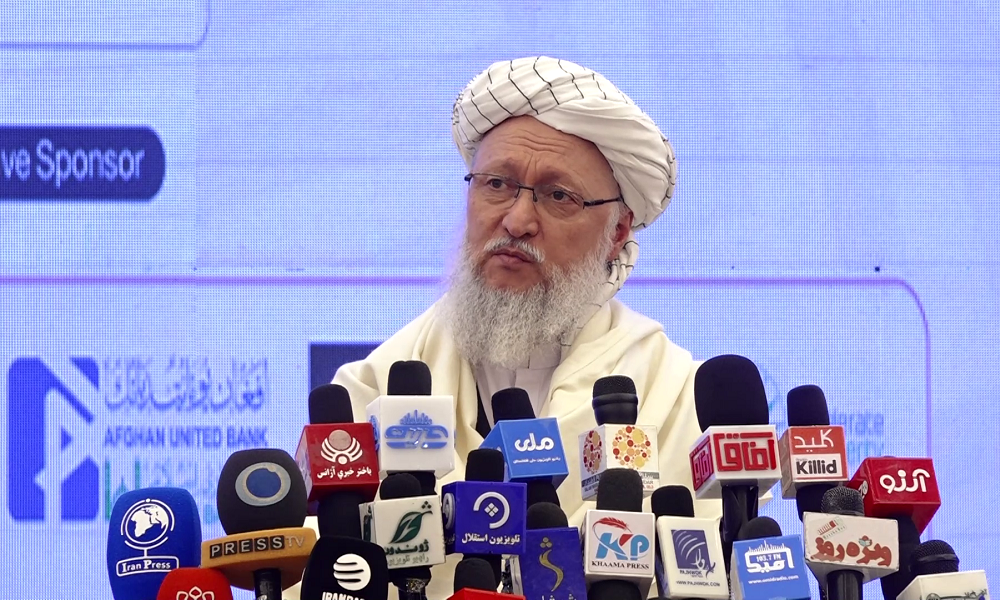
Abdul Salam Hanafi, the Deputy Administrative Prime Minister, says Afghanistan is moving step by step toward reconstruction and development, with the construction of dams, check dams, roads, power generation facilities, transportation infrastructure and hospitals among the examples of progress in this area.
According to a statement from Arg, Hanafi made these remarks on Tuesday morning at the fourth Afghanistan Construction, Civil Engineering and Reconstruction Industry Exhibition, organized by the Ministry of Urban Development and Housing.
Hanafi described the effective use of resources, strengthening faith and piety, unity and solidarity, and upholding justice as key factors in the country’s development. He also identified ingratitude for God’s blessings and failure to properly fulfil Islamic and social responsibilities as obstacles to reconstruction and progress.
The Deputy Administrative Prime Minister also stressed the importance of balancing exports and imports for economic growth. Referring to the decree issued by the leader of the Islamic Emirate on facilitating business and investment, he said the Islamic Emirate had taken significant
steps to facilitate investment, reduce taxes, remove bank guarantee requirements, and provide investors with opportunities to lease land on a long-term basis.
He added that the Islamic Emirate would continue supporting investment and trade and provide further facilities for traders and investors in the future.
Hanafi also highlighted progress in the industrial sector, particularly the construction industry, urging industrialists to prioritize quality in their products and traders to refrain from importing low-quality goods.
He emphasized that appropriate action would be taken against companies involved in producing or importing substandard goods.
Latest News
Economy minister and UNAMA chief discuss development cooperation and support for returnees
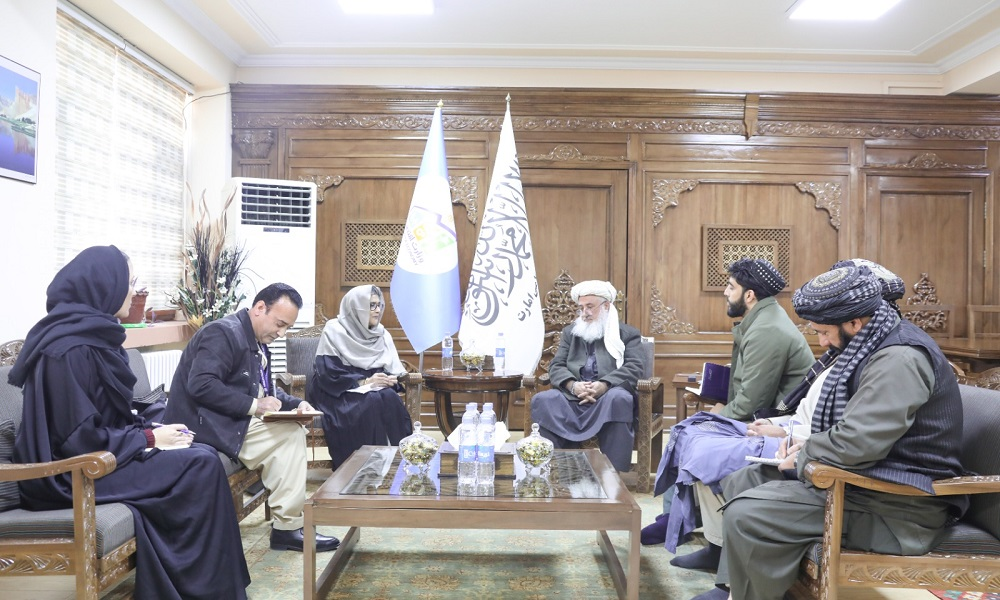
Afghanistan’s Economy Minister Din Mohammad Hanif has called for stronger international cooperation, increased development assistance and greater support for returning Afghan migrants during a meeting with the head of the United Nations Assistance Mission in Afghanistan (UNAMA), Rabab Fatima.
According to the Ministry of Economy, the discussions focused on Afghanistan’s economic situation, ongoing UN programmes and opportunities to expand humanitarian and development cooperation.
Fatima welcomed improved coordination between government institutions and UNAMA, reaffirming the United Nations’ commitment to continuing humanitarian assistance, supporting the private sector and providing technical cooperation.
Hanif outlined recent economic developments, highlighting progress in infrastructure projects, increased domestic production and exports, efforts to attract investment and growth in national revenue.
He also called for the removal of sanctions and economic restrictions, the release of Afghanistan’s frozen foreign exchange reserves and greater opportunities for the country to engage with the international community on economic and political issues.
The minister highlighted the challenges facing Afghanistan amid the growing return of migrants, noting that drought, poverty, unemployment and natural disasters have placed additional pressure on vulnerable communities.
He urged international organizations to increase assistance for returning families and called for a gradual shift in foreign aid from emergency relief towards sustainable development initiatives, strengthening the domestic economy and creating employment opportunities.
At the conclusion of the meeting, Fatima reaffirmed UNAMA’s commitment to continued humanitarian and development cooperation, including efforts to mobilize additional resources for development programmes and initiatives aimed at improving the livelihoods of the Afghan people.
Latest News
Former Pakistani envoy urges Islamabad to pursue dialogue with Afghanistan
Khan said Pakistan’s concerns over the Tehreek-e-Taliban Pakistan (TTP) and the Balochistan Liberation Army (BLA) could be addressed through constructive engagement and joint security cooperation.
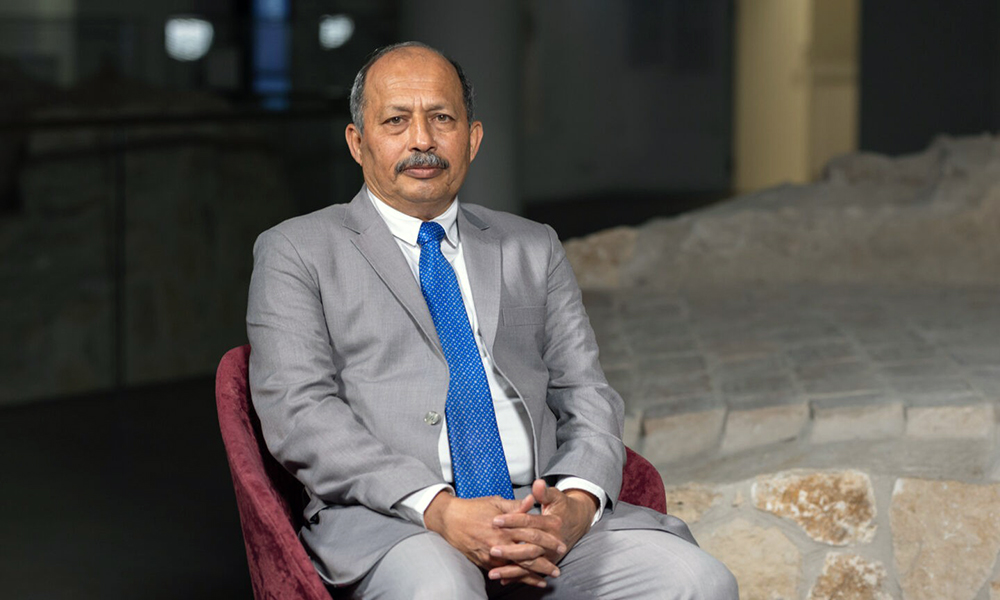
Former Pakistani Ambassador to Afghanistan Mansoor Ahmad Khan has called on Islamabad to abandon military pressure and pursue dialogue and cooperation with Kabul to address security concerns between the two neighbouring countries.
Khan said Pakistan’s concerns over the Tehreek-e-Taliban Pakistan (TTP) and the Balochistan Liberation Army (BLA) could be addressed through constructive engagement and joint security cooperation.
He stressed that military action would not resolve disagreements between the two countries, proposing instead the establishment of a joint intelligence mechanism to monitor TTP activities and exchange relevant information.
“A military strategy is not the solution between Afghanistan and Pakistan. Afghanistan does not pose such a level of threat to Pakistan that Islamabad should resort to a military approach. The issues concerning the TTP and BLA can be resolved through constructive dialogue,” Khan said.
He added that existing challenges could be overcome through negotiations and closer coordination between the two sides.
Meanwhile, Pakistan’s Foreign Minister Ishaq Dar has also reiterated Islamabad’s commitment to resolving differences with Afghanistan through peaceful dialogue.
Speaking during a meeting with his Portuguese counterpart, Dar said Pakistan supported a peaceful resolution in line with relevant United Nations Security Council resolutions on Afghanistan.
“I once again reaffirmed Pakistan’s commitment to peaceful dialogue and resolving this dispute in accordance with the relevant UN Security Council resolutions on Afghanistan. I also emphasized that Afghan territory must not be used for terrorist activities against any country, particularly Pakistan,” Dar said.
Officials of the Islamic Emirate have repeatedly rejected allegations that Afghan territory is being used to threaten the security of other countries, urging Pakistani authorities to address their concerns through direct engagement with Kabul.
Afghan analysts have also warned that continued mutual accusations and security-related pressure will not resolve the differences, stressing that dialogue and cooperation are essential to improving relations between the two neighbouring countries.

Afghanistan moving step by step toward reconstruction and development: Hanafi
Economy minister and UNAMA chief discuss development cooperation and support for returnees
Former Pakistani envoy urges Islamabad to pursue dialogue with Afghanistan
Herat exports more than $21.4 million in industrial and mineral products in one month
CPJ urges US to release detained Afghan journalist
US sanctions and blockade measures disrupt Iran’s trade with Afghanistan and regional neighbors
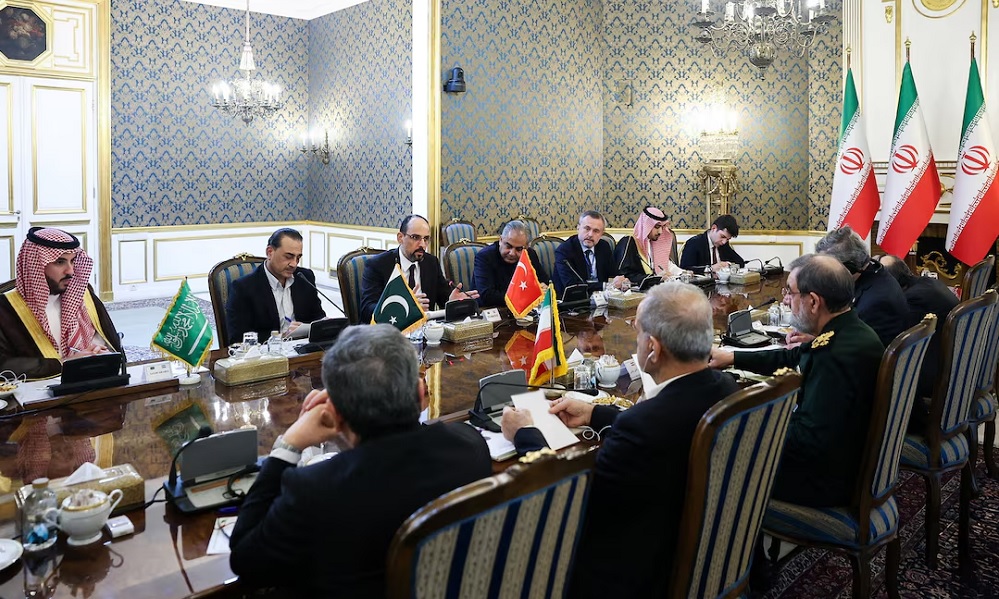
Saudi defence pact countries push for peace in Tehran as Houthis launch more attacks

England forward Kane crowned Ballon d’Or winner
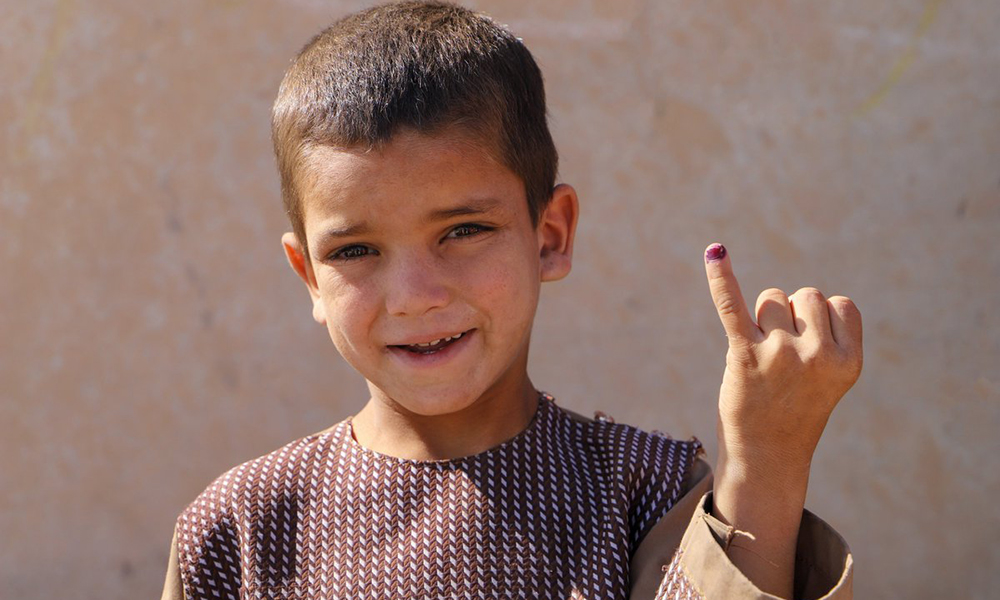
Afghanistan to launch nationwide polio vaccination campaign

WFP report notes high food and fuel costs continue to pressure Afghan households
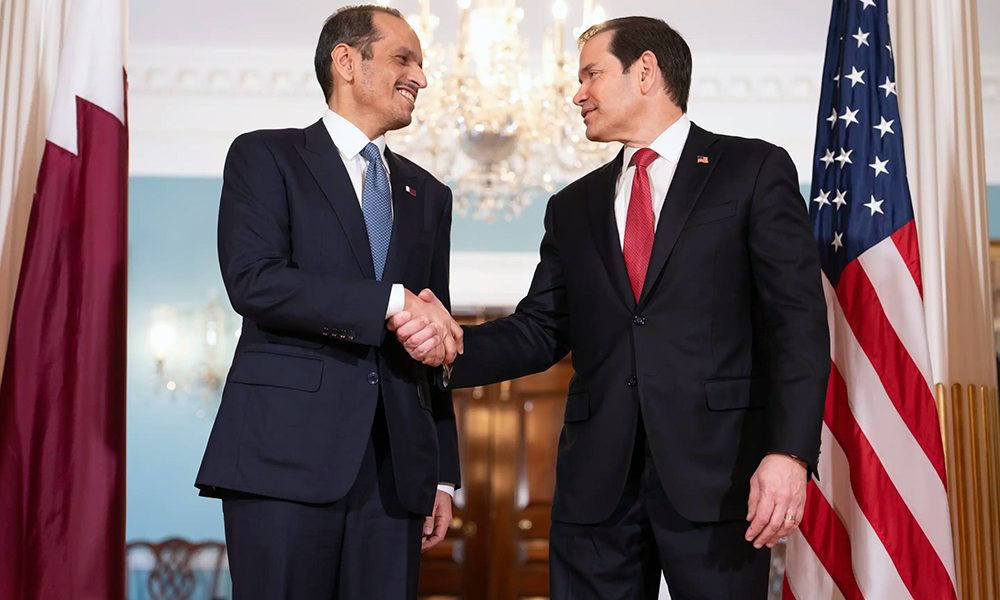
Qatar warns Middle East cannot afford renewed US-Iran escalation
Saar: Return of millions of Afghans to their homeland
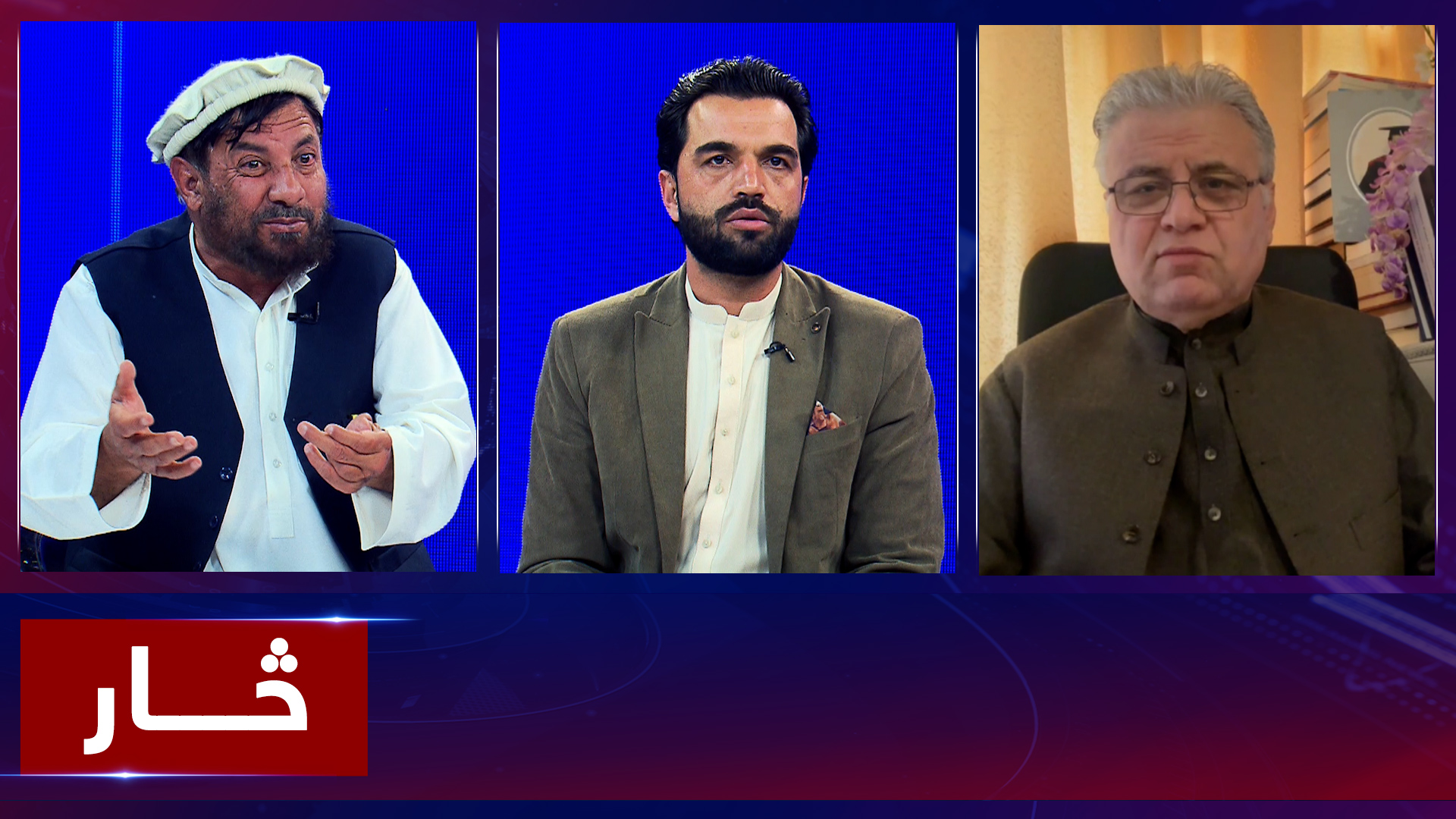
Saar: Pakistan FM’s remarks on Afghanistan
Tahawol: World Television Day discussed
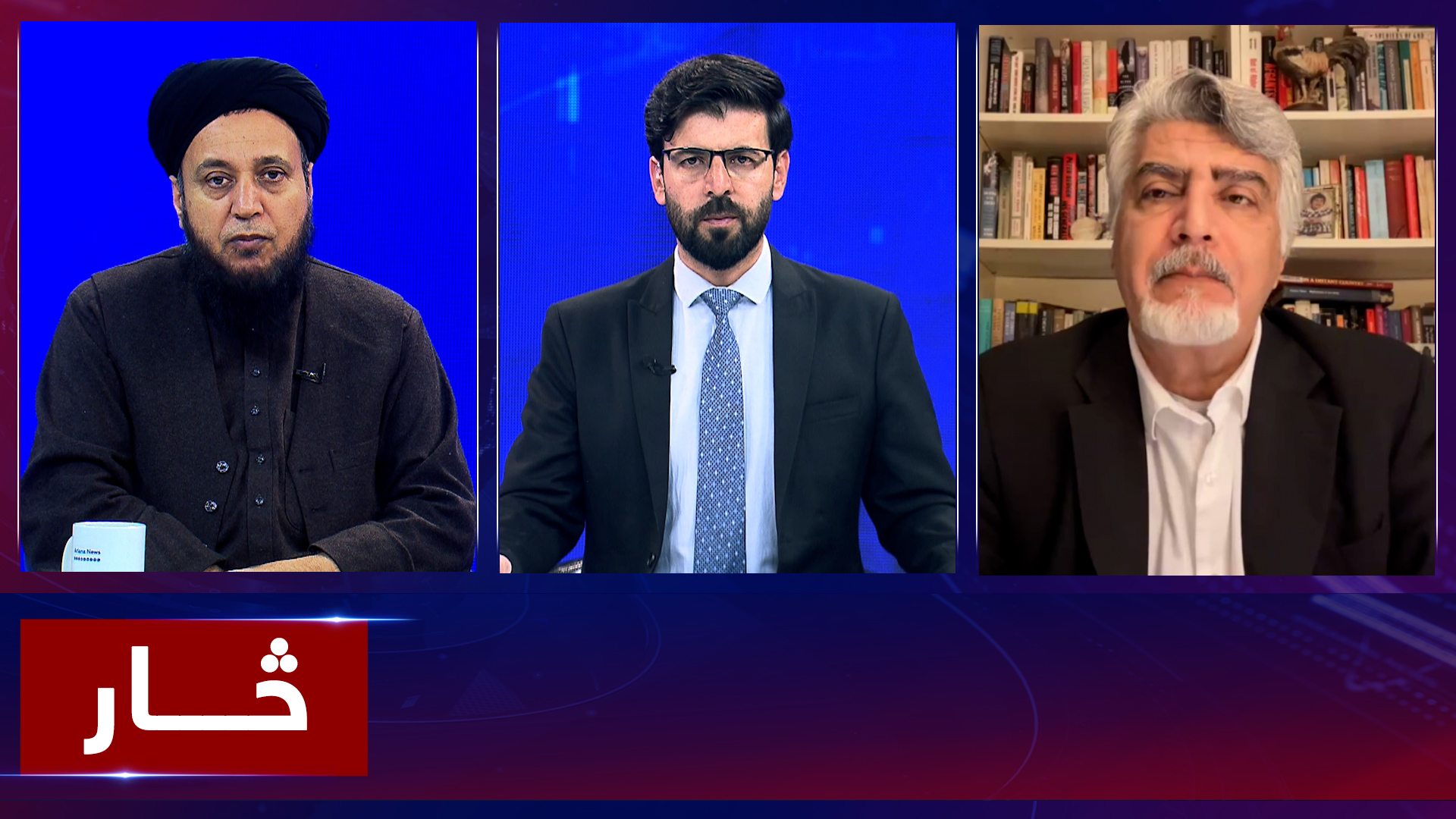
Saar: Efforts to resolve Afghanistan-Pakistan tensions in Moscow reviewed
-
 Latest News3 days ago
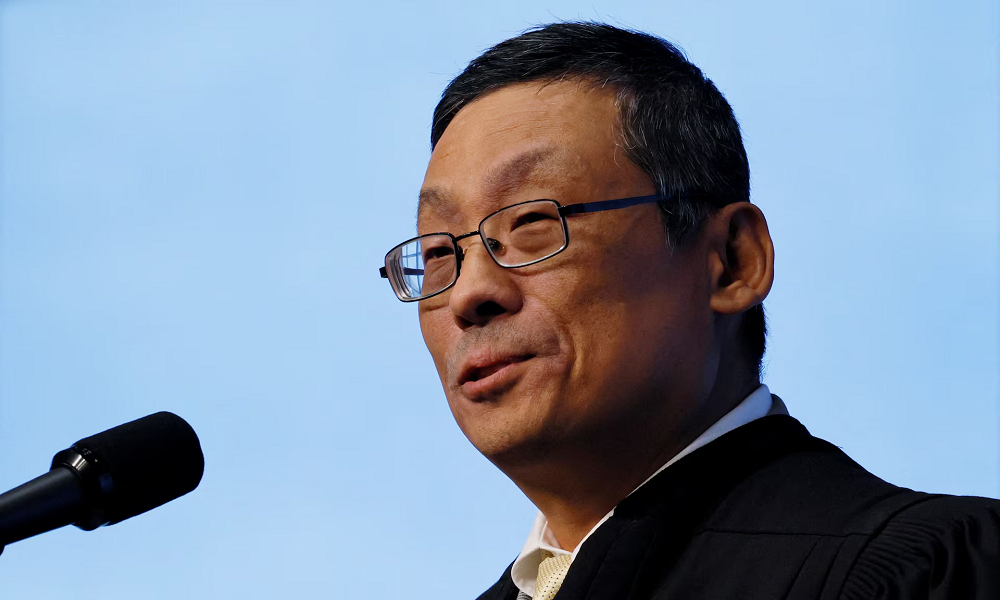
US judge questions Trump administration’s policies targeting refugees
-
 Business4 days ago
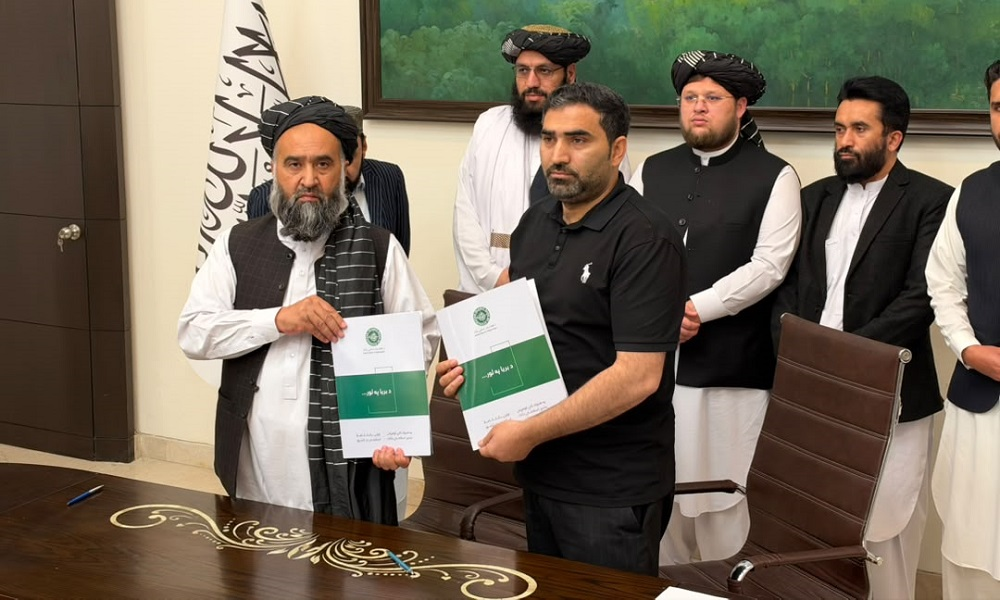
Afghan and Indian traders sign $250 million trade agreements in New Delhi
-
 Sport4 days ago
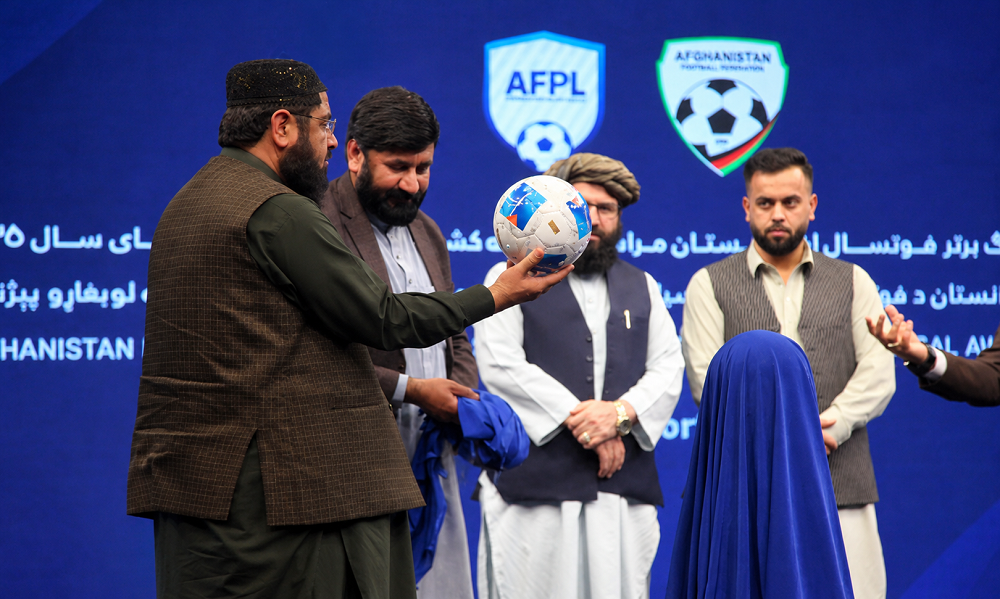
ATN hosts AFPL Season 5 draw and 2025 futsal awards ceremony
-
 Latest News1 day ago
SNEAKO claims US authorities questioned him for eight hours after Afghanistan visit
-
 Business4 days ago
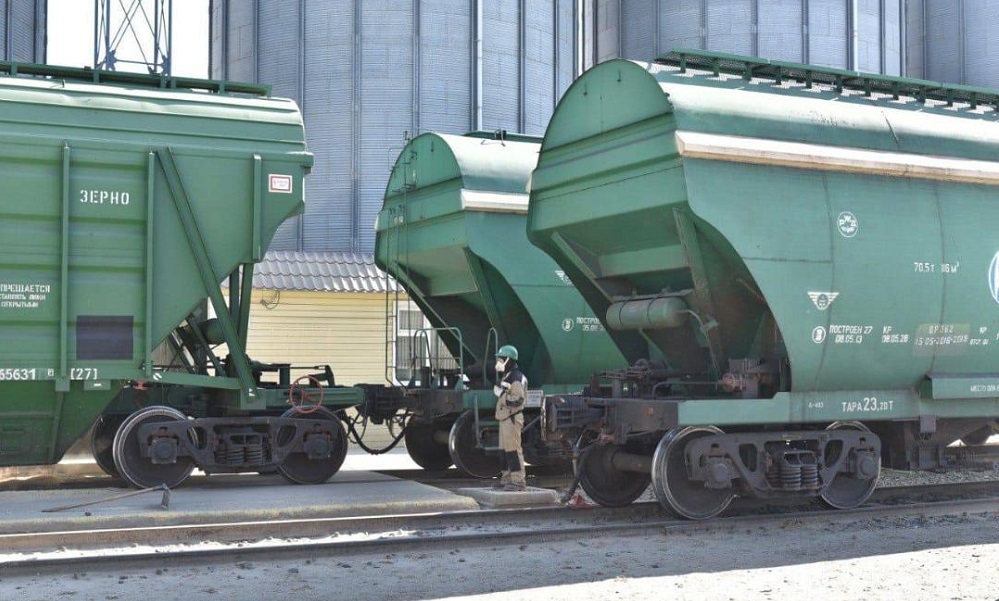
Kazakhstan increases grain exports to Afghanistan by 1.6 times
-
 World4 days ago
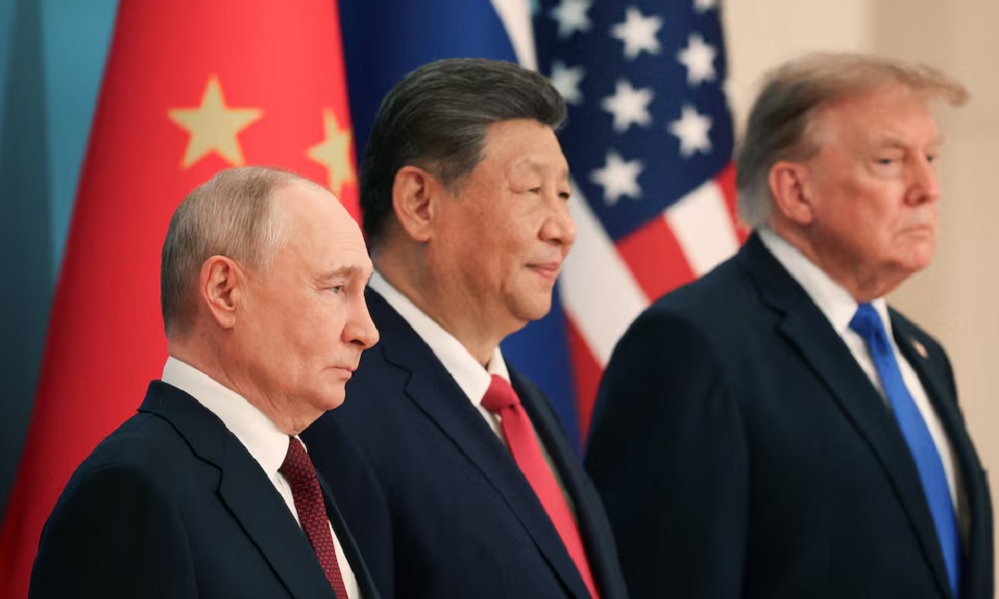
Trump, Xi and Putin release ‘peace declaration’ from unprecedented summit
-
 World4 days ago
Malaysia says it will resettle 10,000 Rohingya refugees in Turkey
-
 Latest News3 days ago
Russia reiterates readiness to facilitate talks between Afghanistan and Pakistan