
Latest News
Afghan repatriation resumes as Torkham closure crisis deepens
Growing frustration over the situation prompted a grand jirga in Landi Kotal attended by political leaders, tribal elders, traders, labour representatives and transport operators.

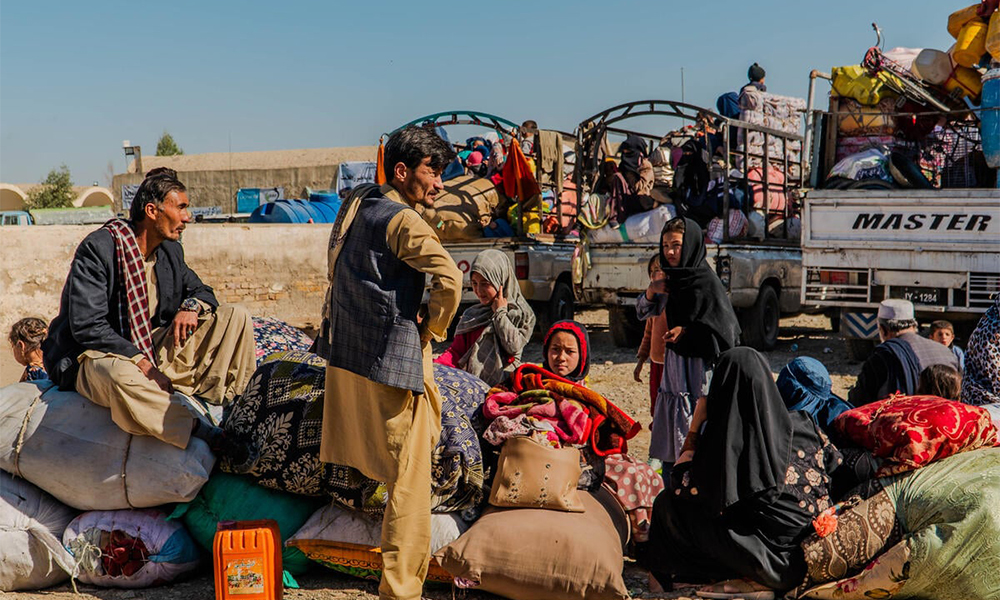
The repatriation of Afghan nationals from Pakistan’s Khyber district has resumed following the Eid al-Adha holidays, with officials reporting that more than 82,500 Afghans have returned to their homeland during the current phase of the government’s repatriation drive.
According to authorities, more than 1.17 million Afghan refugees have returned to Afghanistan since September 2023. The latest phase of the campaign, launched on February 28, has seen thousands of Afghans repatriated through the Torkham crossing, including 1,208 individuals from Khyber district alone.
Officials said the operation is continuing across Pakistan, while enforcement measures against undocumented Afghan nationals have also intensified.
In Khyber, authorities said they registered 42 cases involving Afghans residing illegally in the district and deported them through Torkham after completing legal procedures.
Authorities also sealed 44 businesses in Bara, Jamrud and Landi Kotal that were allegedly being operated unlawfully by Afghan nationals.
The Landi Kotal holding centre remains the focal point of the repatriation process, receiving more than 3,000 Afghan refugees daily from various parts of Pakistan. After biometric verification and registration procedures, the refugees are transferred across the border on the same day.
Crossing closure disrupts trade and transport
While repatriation efforts continue, the prolonged closure of the Torkham crossing to trade and pedestrian traffic has created mounting economic challenges for communities on both sides of the frontier.
Transport Union officials say hundreds of Pakistani drivers, conductors and vehicles remain stranded in Afghanistan. Representatives said they submitted a list to authorities more than a month ago identifying 560 drivers and conductors along with 900 trailers, but little progress has been made in securing their return.
Although some transport workers have managed to return through the Chaman crossing, many remain stuck in Afghanistan. Union leaders warned that trucks and trailers left idle for months have deteriorated, causing significant financial losses and threatening the livelihoods of thousands of families dependent on cross-frontier trade.
Tribal leaders warn of post-Eid protests
Growing frustration over the situation prompted a grand jirga in Landi Kotal attended by political leaders, tribal elders, traders, labour representatives and transport operators.
Participants said the continued suspension of movement and commerce through Torkham had severely damaged the economy of the region, increased unemployment and placed additional financial strain on local communities. They called on authorities to facilitate the immediate return of stranded Pakistani citizens, students, transport workers and vehicles.
The jirga concluded with a joint resolution warning that protests could begin after Eid if the issue remains unresolved. Organisers said demonstrators may block the Pakistan-Afghanistan highway and could also seek to halt the ongoing repatriation process.
Speaking at the gathering, religious leader Mufti Ijaz Shinwari said the closure of key crossings with Afghanistan had pushed many families in the tribal districts into economic hardship. He claimed that more than 1,500 Pakistani trucks and large commercial vehicles, along with drivers, conductors and students, remain stranded in Afghanistan under difficult conditions.
Shinwari said a joint meeting of political groups, tribal elders, traders and transport unions would be held in the coming days to determine further action, including possible protest measures aimed at pressuring authorities to resolve the border impasse.

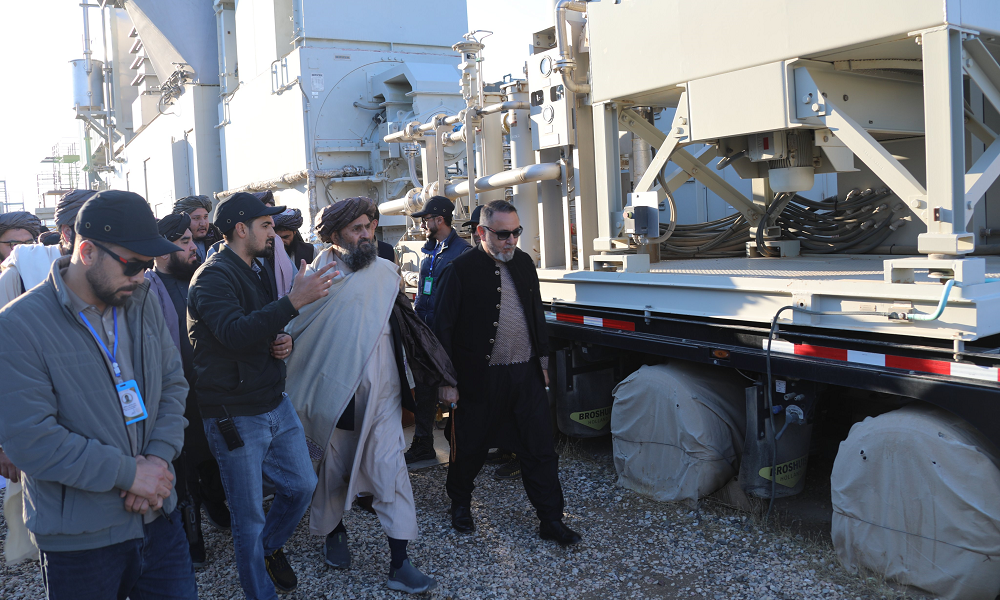
Bayat Power’s 40-megawatt gas-fired power turbine has resumed operations in Jawzjan province following an inauguration ceremony attended by Mullah Abdul Ghani Baradar Akhund, Deputy Prime Minister for Economic Affairs, on Saturday.
During the ceremony, Mullah Baradar praised Bayat Power’s investment in gas-fired electricity generation and encouraged other investors to invest in the electricity sector and other areas of the country’s economy.
He said the Islamic Emirate of Afghanistan had taken significant steps towards economic growth and industrialization, creating favorable investment opportunities across the country.
Mullah Baradar also called on investors and industrialists to contribute to Afghanistan’s reconstruction and development and help create employment opportunities for the Afghan people.
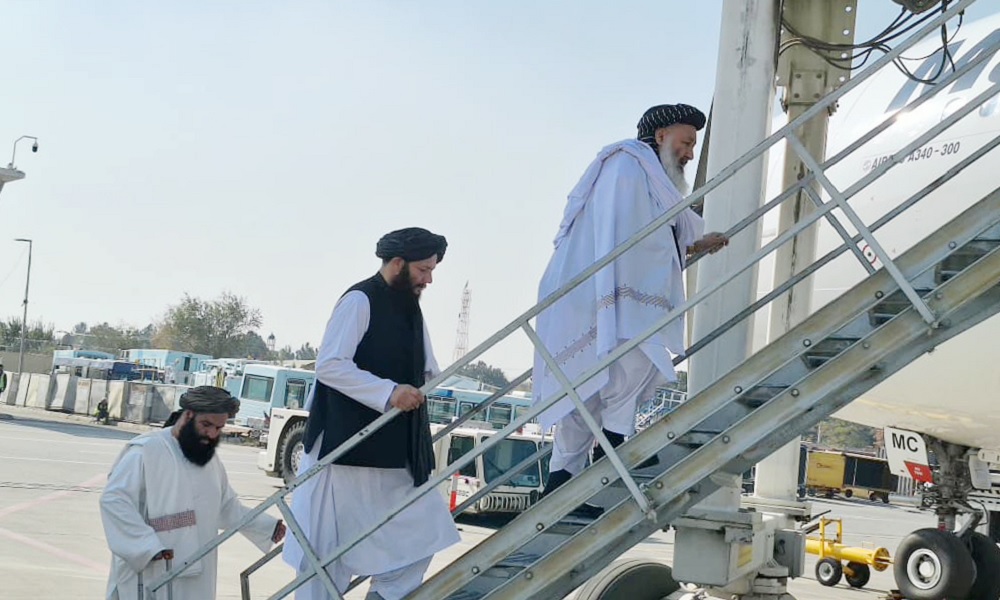
Afghanistan’s Minister of Finance, Mohammad Nasir Akhund, has travelled to Iran at the head of a delegation following an official invitation from Iran’s Minister of Agriculture, the Ministry of Finance said.
During the visit, Akhund is expected to meet with various Iranian officials to discuss bilateral economic, trade, customs and other related issues.
The visit will also include discussions on key topics for an upcoming meeting of the joint economic commission between Afghanistan and Iran.
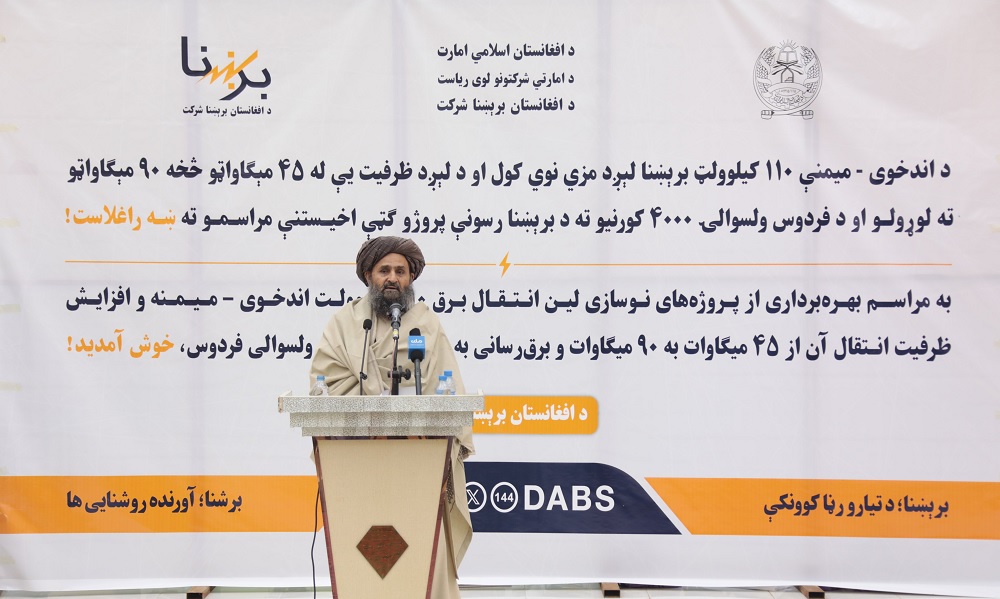
Afghanistan’s Deputy Prime Minister for Economic Affairs, Mullah Abdul Ghani Baradar, on Saturday inaugurated the rehabilitated 110-kilovolt (kV) power transmission line connecting Maimana and Andkhoy in Faryab province.
According to the Deputy Prime Minister’s Office for Economic Affairs, the completion of the project will provide around 60,000 consumers with a more stable and reliable electricity supply.
Speaking at the inauguration ceremony, Baradar said the project would help meet local electricity needs, expand industrial activities and contribute to the region’s economic and social development.
He said the Islamic Emirate of Afghanistan (IEA) had implemented several electricity generation and transmission projects in a relatively short period, reducing reliance on imported electricity and power outages while creating new opportunities for industrial growth.
Baradar also said several major electricity infrastructure projects would be implemented over the next year to ensure a sustainable power supply, adding that the country’s existing electricity capacity would increase several times.
Addressing Afghanistan’s security situation, Baradar said the country was currently experiencing a level of security that he claimed was unmatched in most countries. He added that foreign tourists and visitors had continued to travel to Afghanistan since the IEA returned to power, including to remote areas of the country.
He rejected security-related concerns raised by some countries over travel to Afghanistan, describing them as unfounded and politically motivated. He called on the international community to strengthen meaningful engagement with Afghanistan based on realities on the ground.
Baradar also invited domestic and foreign investors to invest in Afghanistan, saying a secure and suitable environment had been created for large- and medium-scale investments.

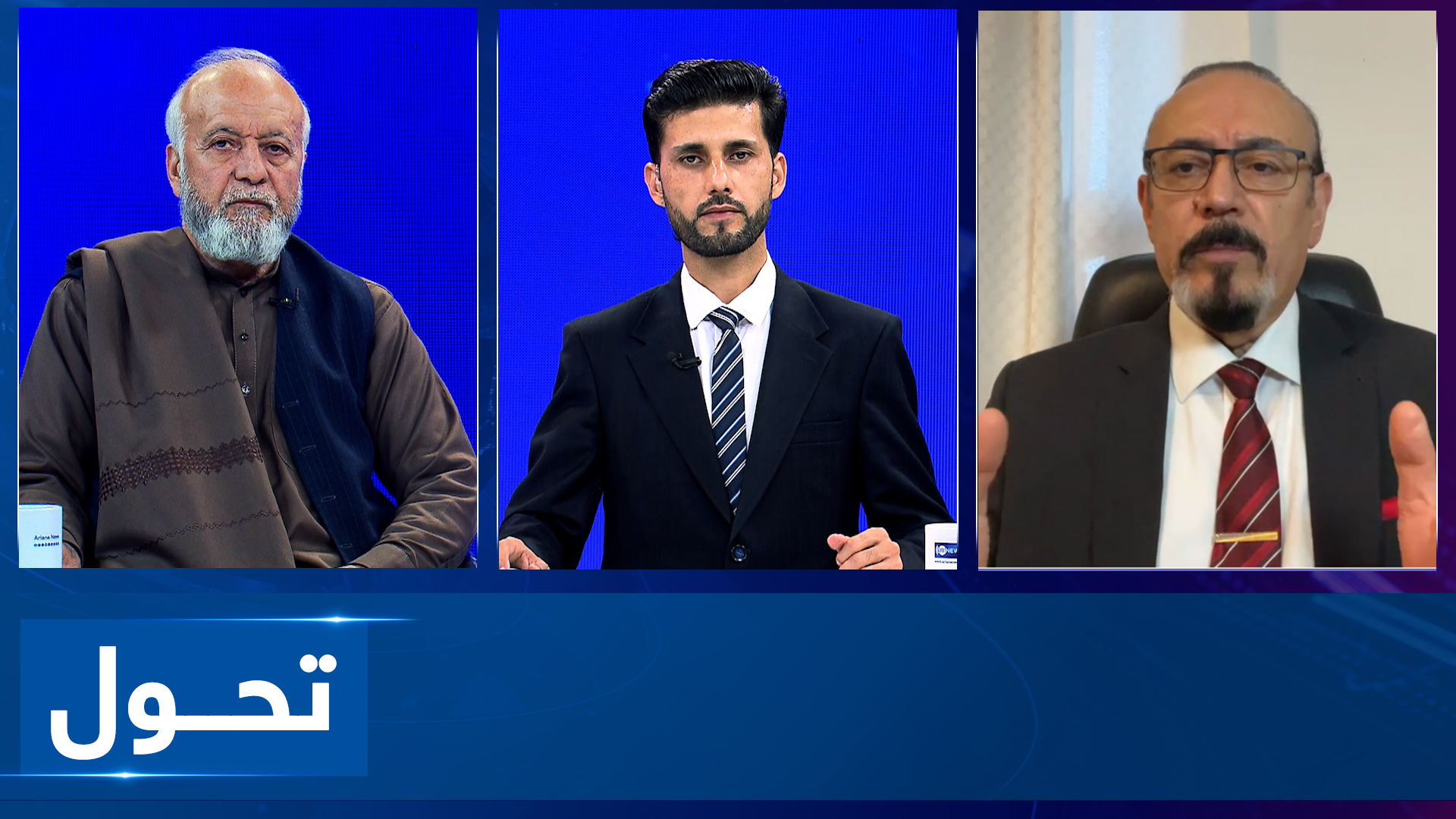
Tahawol: Concerns grow over worsening regional humanitarian crises discussed
Bayat Power’s 40-megawatt gas-fired turbine resumes operations in Jawzjan
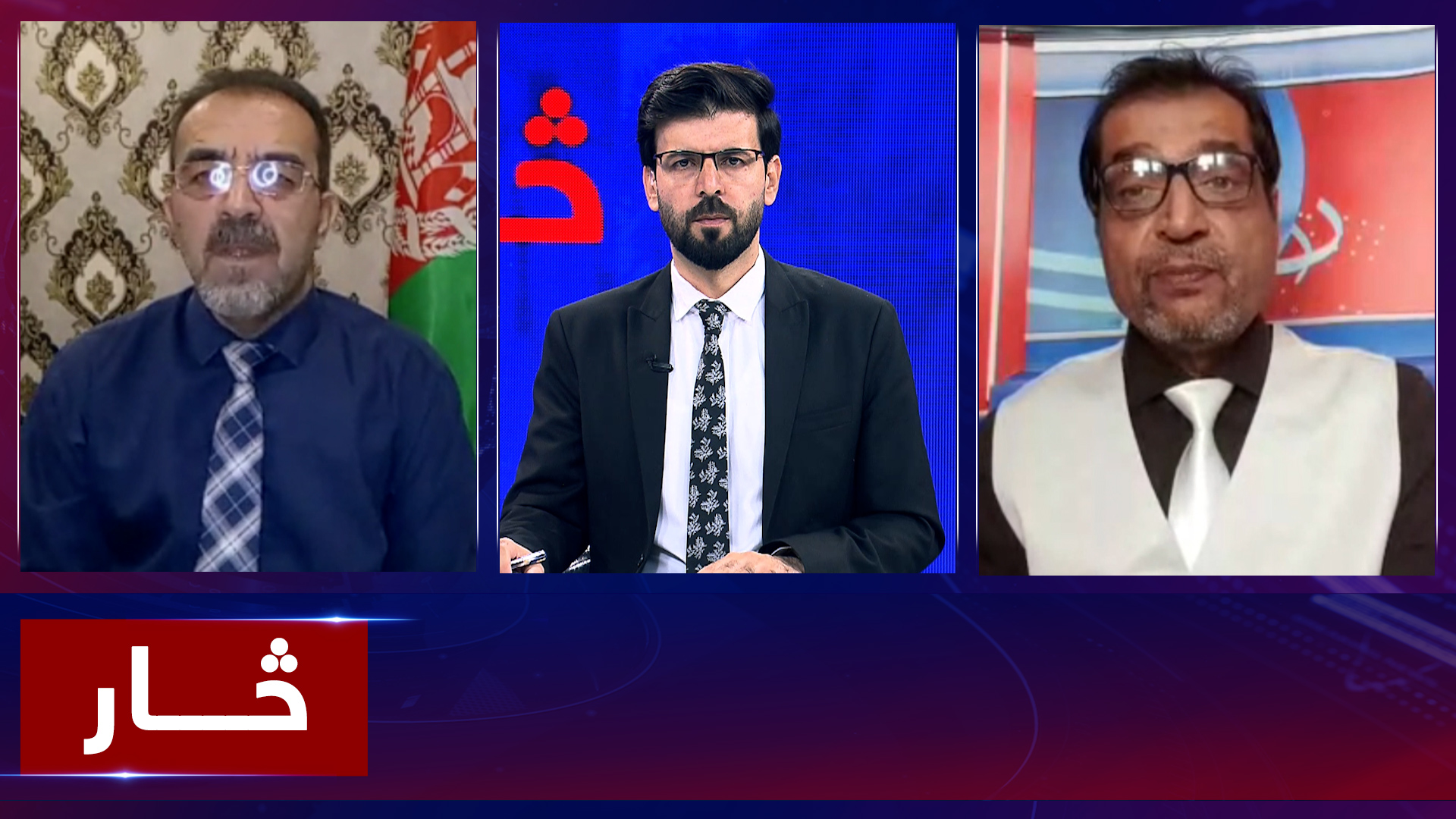
Saar: Forced deportation of Afghan refugees from Iran and Pakistan discussed
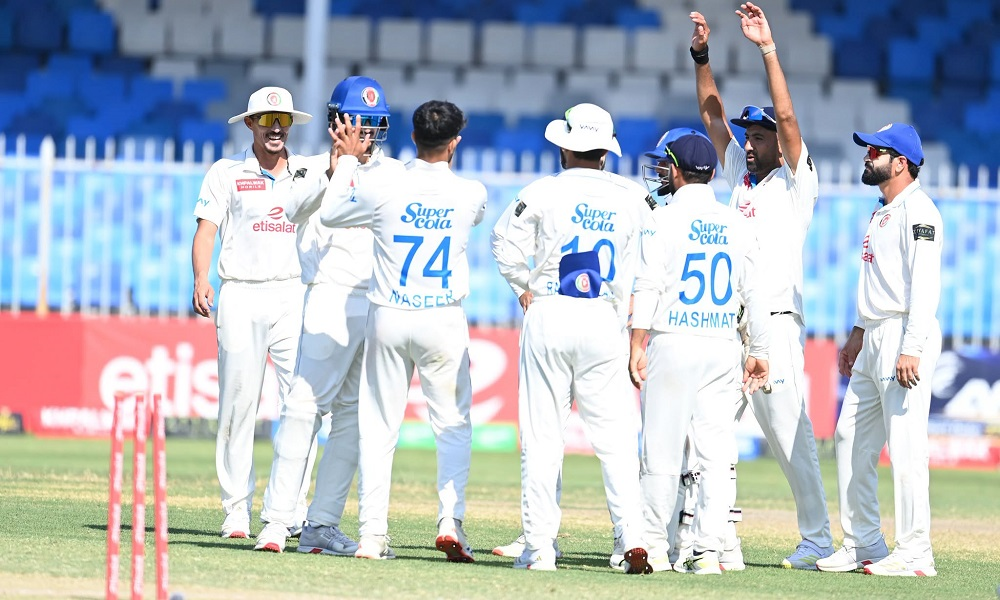
Afghanistan trail Zimbabwe by 180 runs at stumps on day two of second Test
Afghanistan’s finance minister travels to Iran for official visit

Afghanistan finish runners-up after 6-0 defeat to Brazil in futsal final

Trump says US may strike Iran’s ‘Pickaxe Mountain’ nuclear facility

Rubio heads to Central Asia while other US officials hit foreign policy hot spots

Violent protests spread across Europe as Albanian PM blames ‘foreign hand’

Governments take websites offline as critical cyber flaws trigger global alert
Tahawol: Concerns grow over worsening regional humanitarian crises discussed
Saar: Forced deportation of Afghan refugees from Iran and Pakistan discussed
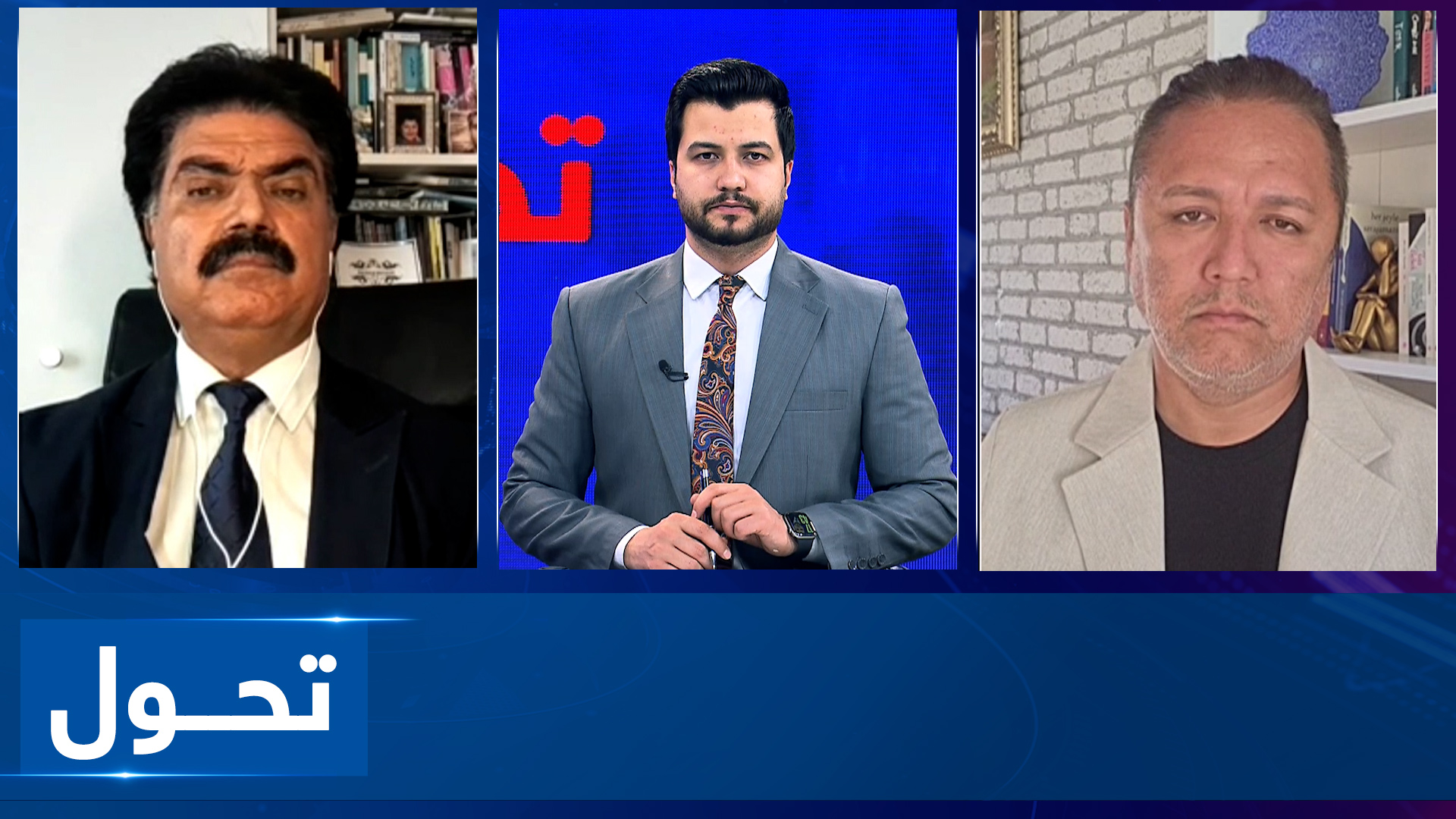
Tahawol: Russia’s special attention to situation in Afghanistan discussed
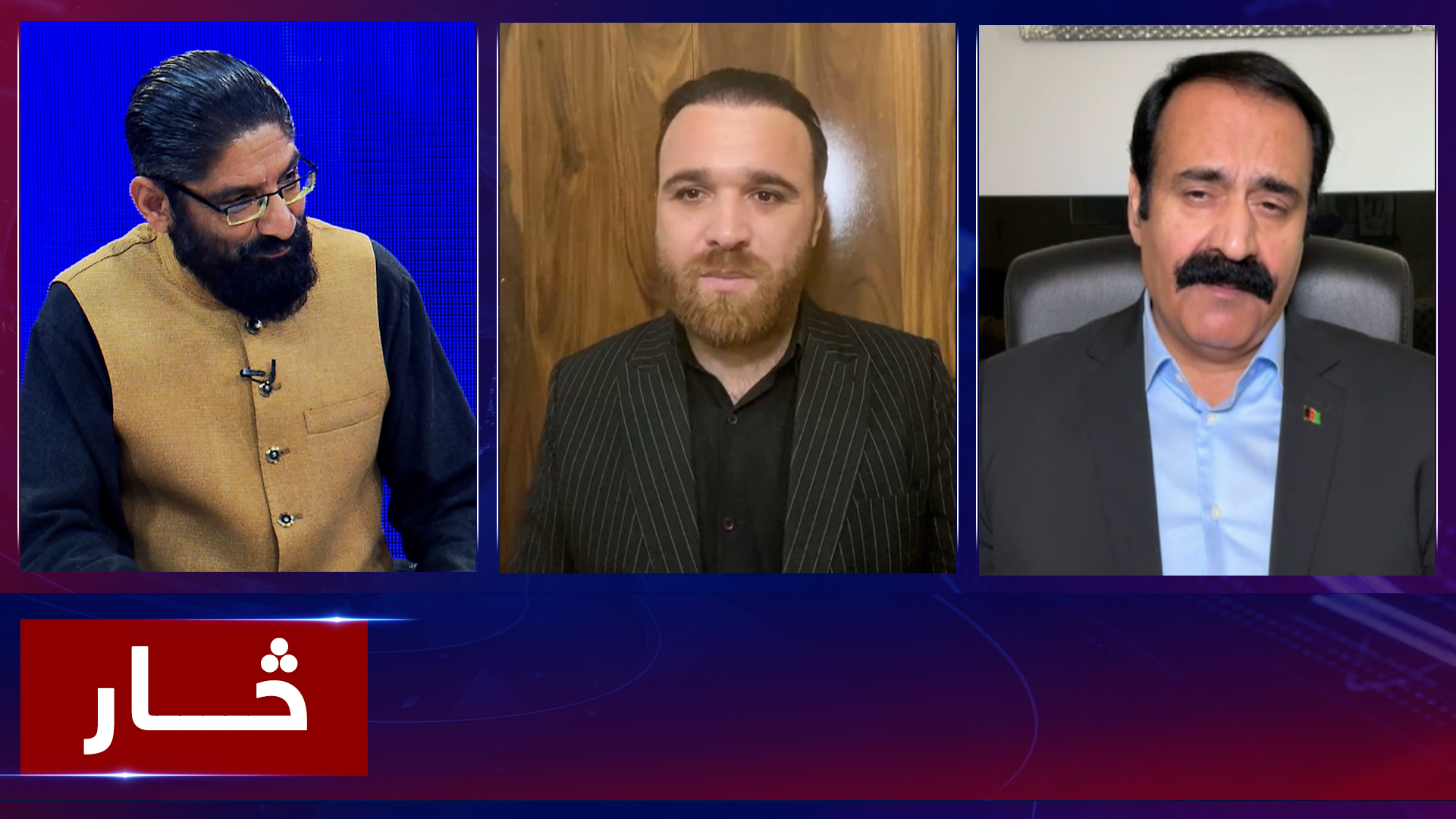
Saar: Discussion on US’s humiliating defeat in Afghanistan
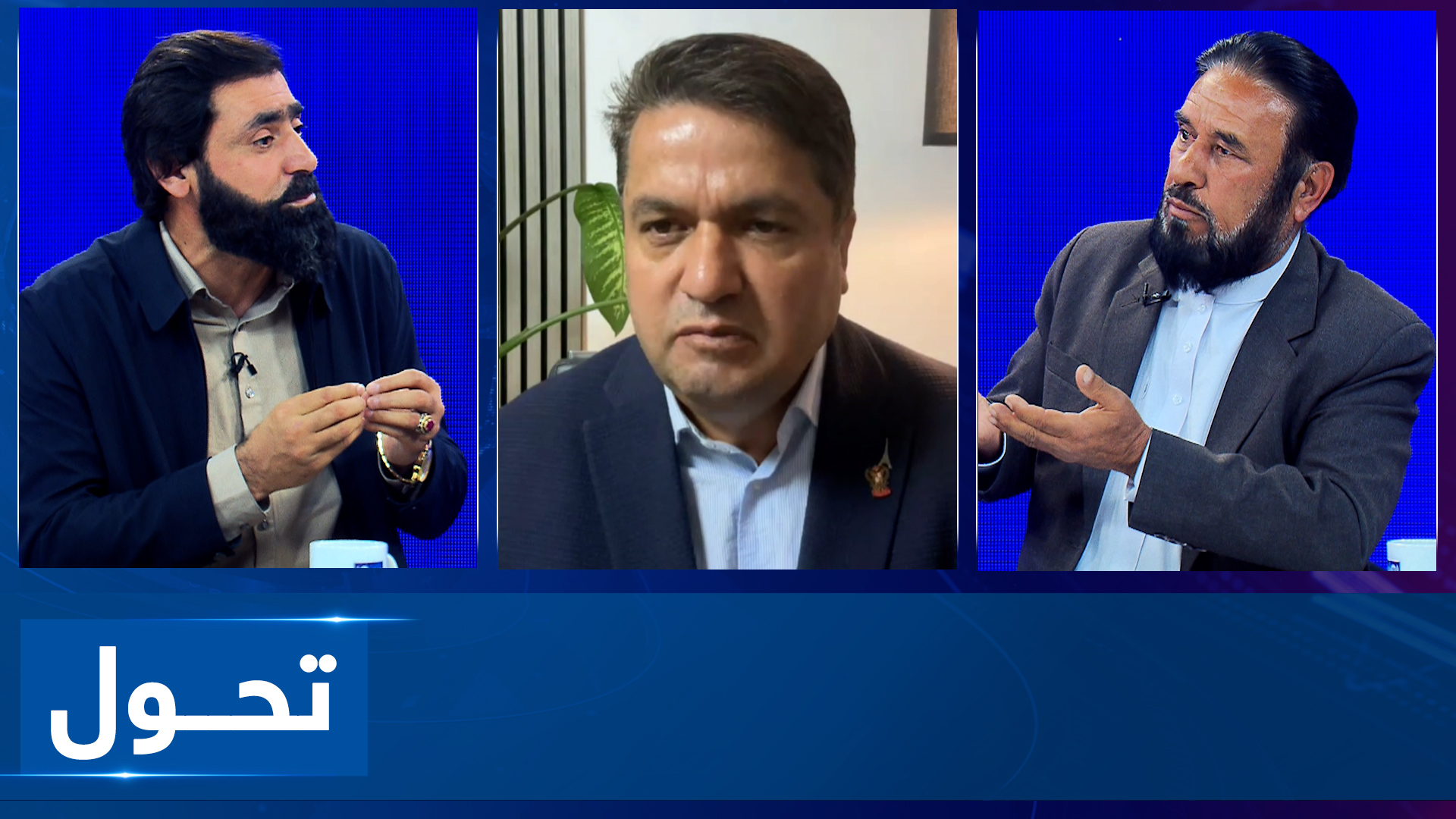
Tahawol: High-level Russian delegation’s visit to Kabul discussed
-
 Sport5 days ago
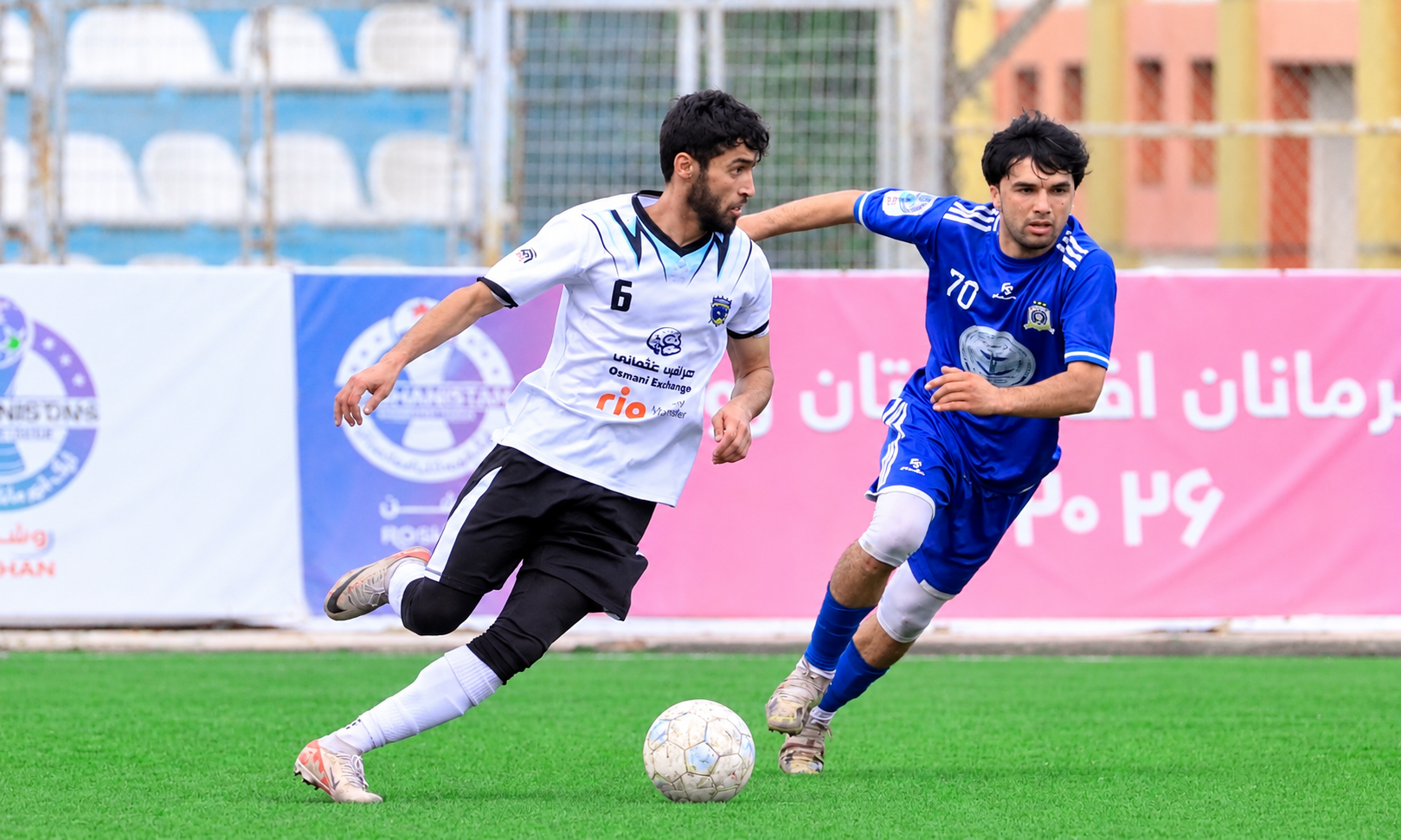
Omar Zawak thrash Istiqlal Kabul 5-1 in ACL
-

 World5 days ago
Trump says further US attacks on Iran ‘highly unlikely’ as peace talks gain momentum
-
 Latest News4 days ago
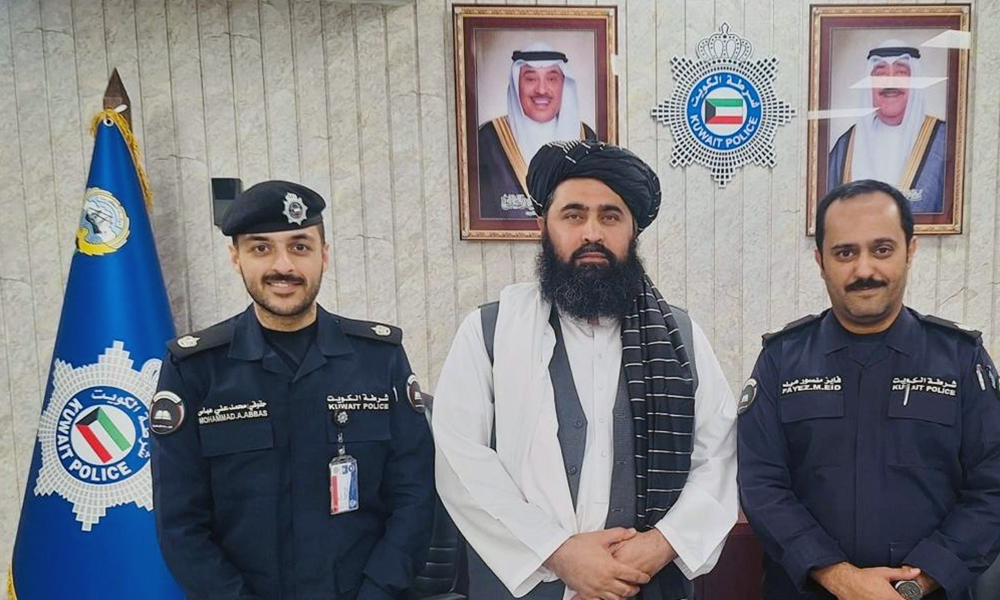
Afghan embassy in Kuwait discusses situation of Afghan prisoners with Kuwaiti officials
-
 Health5 days ago
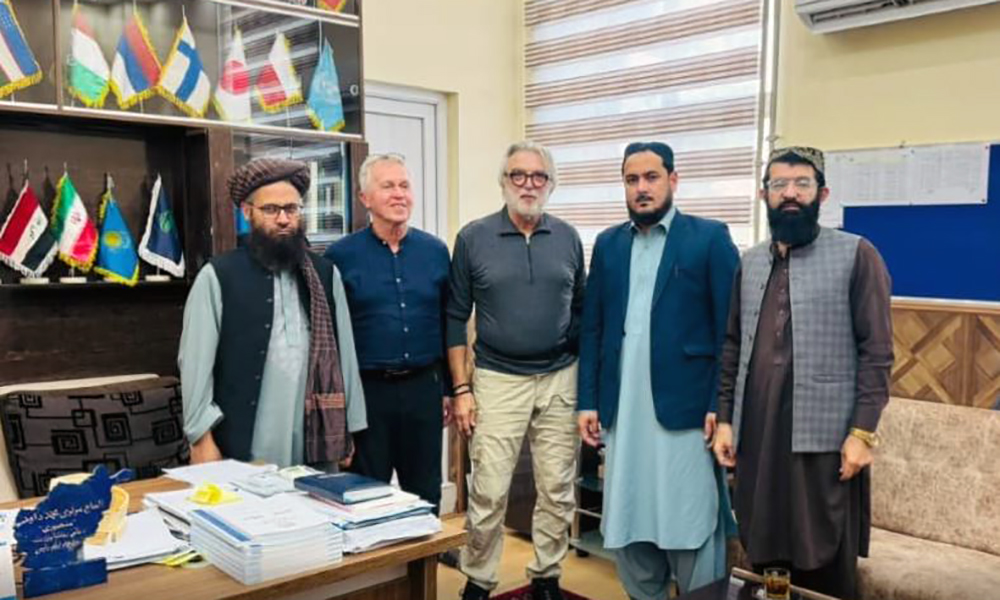
German medical team launches free surgical mission at Bamiyan provincial hospital
-
 Business4 days ago
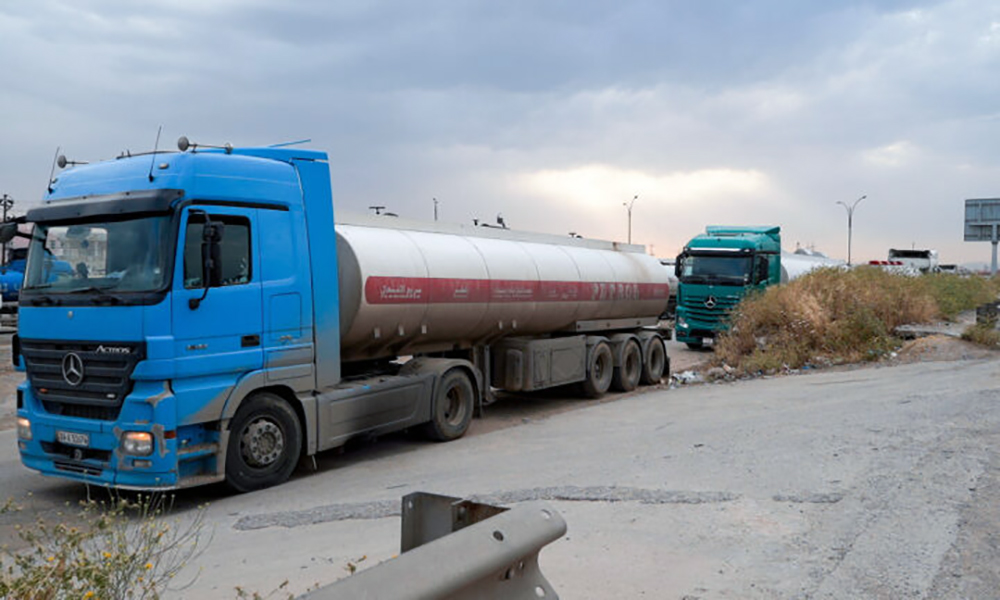
Iraqi intelligence report alleges oil smuggling network supplying Afghanistan and Turkey through Iran
-

 Latest News5 days ago
IEA rejects US travel warning, says no threat to foreign nationals in Afghanistan
-
 Business5 days ago
$30 million pharmaceutical investment launched in Herat as new production line opens
-
 Latest News5 days ago
Afghanistan and Russia discuss expanding economic ties and boosting bilateral trade