
Latest News
Afghanistan, Russia convene first meeting of joint economic and trade commission in Kazan







Latest News
UN expert calls for accountability after Pakistani airstrikes kill civilians in Afghanistan
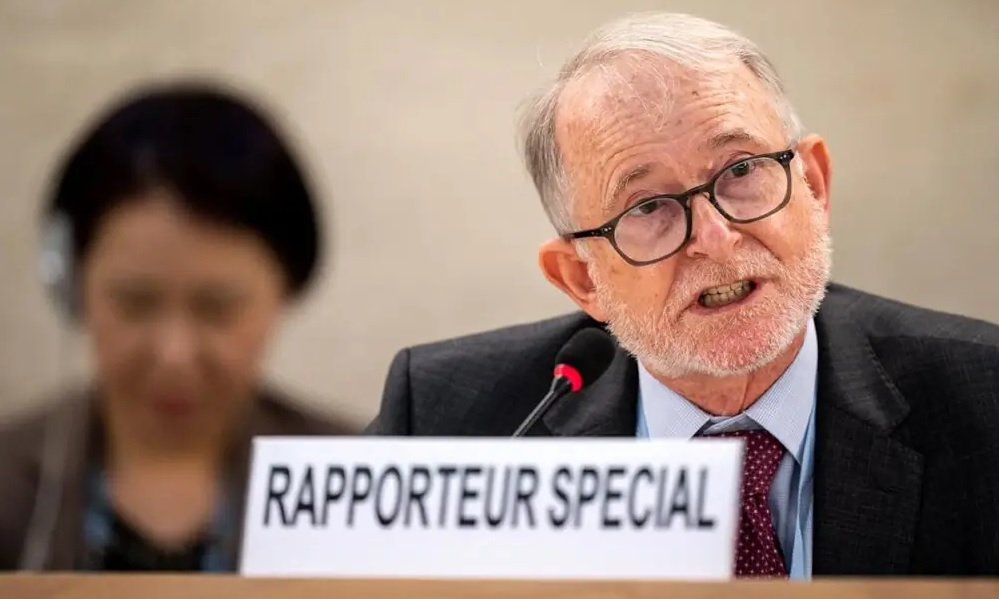
UN Special Rapporteur on the situation of human rights in Afghanistan Richard Bennett has called for accountability following Pakistani airstrikes in Afghanistan’s Kunar and Helmand provinces that killed multiple civilians.
“Accountability is paramount after another air strike that has killed civilians, most of them children,” Bennett said in a post on X.
He questioned whether the incident resulted from “incompetence, negligence or worse,” adding that there was no justification for what he described as “irreparable harm” to civilians.
Bennett said the reported incident appeared to violate international human rights and humanitarian law.
The United Nations Assistance Mission in Afghanistan (UNAMA) said it had confirmed that at least 10 civilians were killed and nine others injured in the airstrikes carried out on Thursday.
Latest News
Four members of one family killed in Helmand in Pakistan airstrike
The family, originally from Ghazni province, reportedly operated a small restaurant in the area.
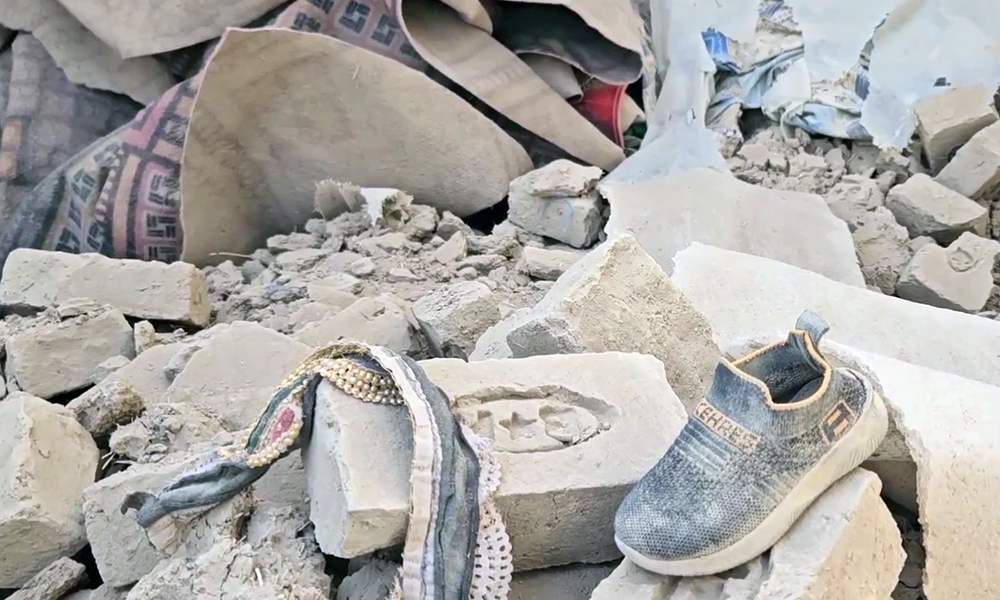
Four members of a family were killed and seven others wounded in an airstrike in Safar area of Garmser district in southern Afghanistan’s Helmand province, according to local reports.
The family, originally from Ghazni province, reportedly operated a small restaurant in the area.
The bodies of those killed and the wounded were transported by helicopter to Ghazni province for burial and medical treatment, according to the reports.
Latest News
UNAMA acting chief visits Islam Qala border to assess support for returnees
UN launched a $529 million response plan aimed at assisting around 2.7 million Afghans expected to return from Iran and Pakistan between April and December 2026.
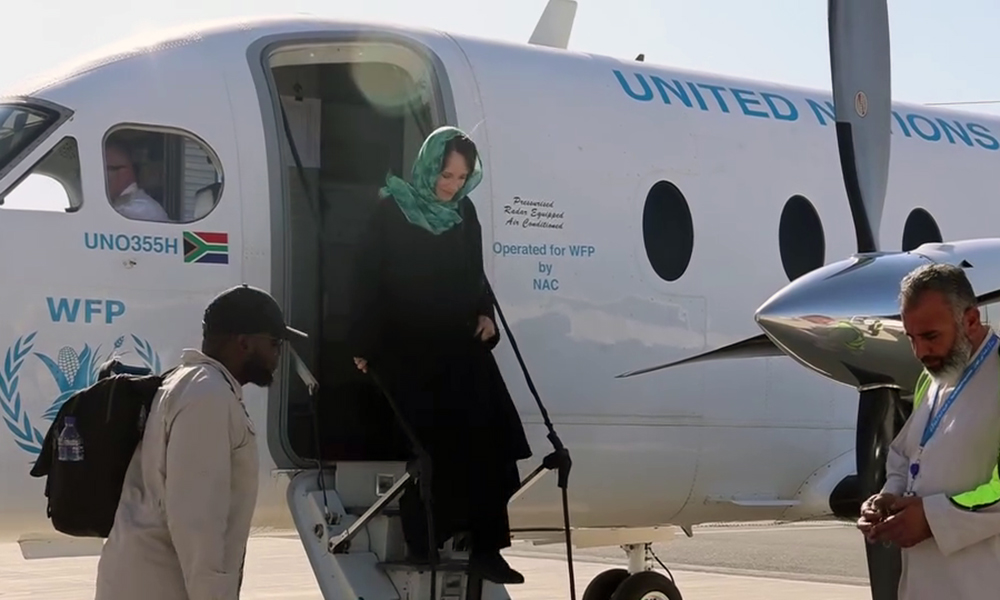
Georgette Gagnon, UNAMA’s acting head, visited western Afghanistan, including the Islam Qala border crossing, to see firsthand UN efforts to support millions of Afghans returning from neighboring Iran and Pakistan.
Earlier this year, the UN launched a $529 million response plan aimed at assisting around 2.7 million Afghans expected to return from Iran and Pakistan between April and December 2026.


Afghanistan to face Pakistan, India and Australia at 2027 Cricket World Cup

Saudi-led coalition says Houthis attacked power station for Prophet’s Mosque in Medina

UN expert calls for accountability after Pakistani airstrikes kill civilians in Afghanistan

Tahawol: Pakistan’s airstrikes on civilians in Afghanistan discussed

Arman FC crush Toofan Herat 4-0 in ACL clash

Saudi energy group signs major Afghanistan deals covering gas exploration and pipeline plans

Iranian clubs to face Gulf opponents at neutral venues in Asian Champions League Elite

Khalilzad: Afghanistan ready to attract major investment

El Niño likely to intensify, may become strongest ever recorded, WMO says

Khyber Chamber demands reopening of Torkham crossing
Tahawol: Pakistan’s airstrikes on civilians in Afghanistan discussed

Tahawol: Improvement in Afghanistan-China relations discussed

Saar: Expanding ties with regional and global countries discussed

Tahawol: Absence of Afghanistan’s envoy at UNGA discussed

Saar: Assessment of war between Afghanistan and US discussed
-

 Latest News5 days ago
Afghanistan says 28 killed, 32 captured in Nuristan operation
-

 Sport5 days ago
Afghan bodybuilder Ali Bilal finishes runner-up at Mr Olympia for third straight year
-
 Sport4 days ago
Afghanistan vs India Asian Games quarter-final abandoned without a toss
-
 Latest News5 days ago
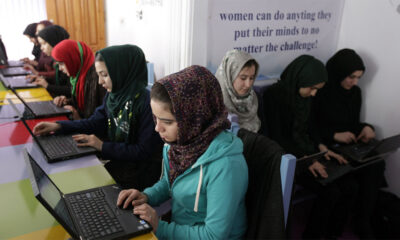
UNDP, UN Women launch financing initiative for Afghan women entrepreneurs
-
 Latest News5 days ago
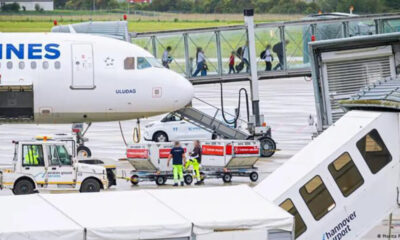
Germany reports 488 Afghans for possible deportation, 267 have no criminal convictions
-
 Regional4 days ago
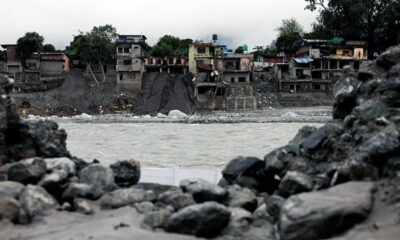
Floods, landslides kill 56 in India and 14 in Nepal
-

 World4 days ago
Trump says men arrested at UK air base used by US planned ‘big damage’
-
 Regional3 days ago
US, Iran separately talk with mediators in latest bid to end war