
Health
Afghanistan strengthens healthcare system through collaborations with UNDP and UNFPA
Among those who Jalali met with were Stephen Rodriques, UNDP representative to Afghanistan, and Koffi Kwabena Asante, the UNFPA representative to Afghanistan.


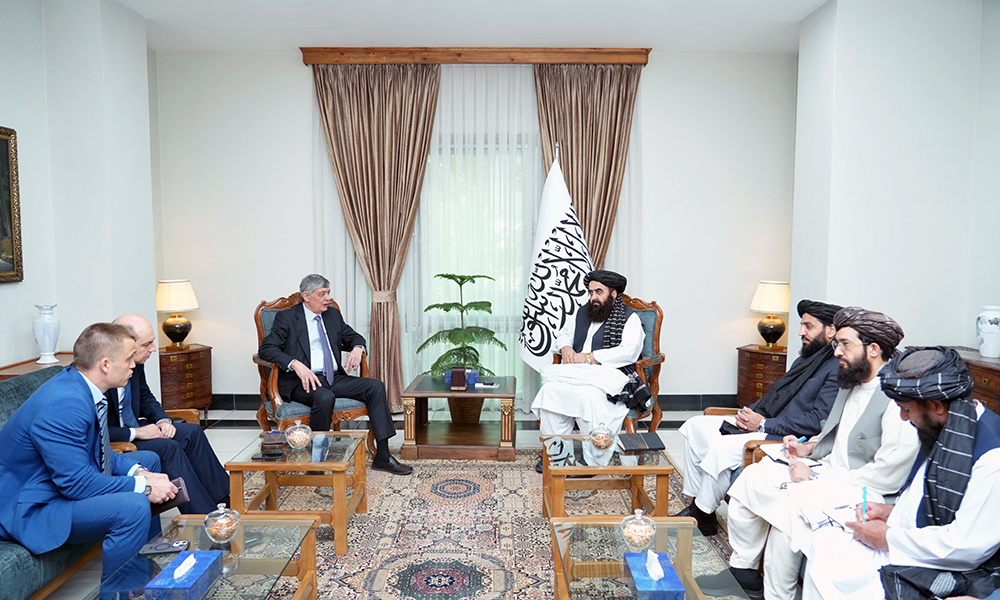
In a series of high-level meetings Mawlawi Noor Jalal Jalali, Minister of Public Health of the Islamic Emirate of Afghanistan (IEA), has engaged with key international partners in a bid to bolster Afghanistan’s healthcare infrastructure.
Among those who Jalali met with were Stephen Rodriques, United Nations Development Programme’s (UNDP) representative to Afghanistan, and Koffi Kwabena Asante, the United Nations Population Fund (UNFPA) representative to Afghanistan.
Discussions between them highlighted the importance of collaborative efforts to address the country’s most pressing health challenges and ensure long-term, sustainable improvements.
The first meeting with Rodriques focused on the deployment of solar energy solutions to power healthcare centers across Afghanistan, particularly in remote and underserved areas.
Both parties explored the criteria for selecting appropriate sites for these solar-powered initiatives, underscoring the critical role of renewable energy in enhancing healthcare access.
The dialogue also covered integrated approaches to combat endemic diseases such as malaria, tuberculosis, and HIV/AIDS.
Jalali emphasized the importance of effective disease control, which, he noted, requires precise coordination and operational transparency to ensure impactful service delivery.
In response, Rodriques reaffirmed UNDP’s commitment to maintaining transparency and accountability in its interventions, pledging continued support for strengthening Afghanistan’s healthcare system.
The second round of discussions with UNFPA representatives Koffi Kwabena Asante and Andrew Saberton revolved around revitalizing the Afghan health sector, securing sustained financial support, and optimizing aid management.
Jalali stressed the need for a strategic overhaul of resource allocation to optimize international assistance and align efforts with national health priorities.
The discussions also delved into transitioning mobile health teams into permanent centers to expand healthcare access, as well as enhancing service delivery in line with the ministry’s health policy.
Jalali reiterated the importance of transparency in resource management to ensure the efficacy and sustainability of healthcare services.
Saberton commended the Afghan government’s commitment to these principles and assured that UNFPA would continue to provide vital resources to improve health outcomes in Afghanistan.
Both meetings highlighted the shared vision of fostering greater transparency, accountability, and long-term sustainability in Afghanistan’s healthcare system.
Through strategic collaborations with UNDP and UNFPA, Jalali aims to drive impactful reforms that will improve healthcare access and outcomes across the country.
The commitment of both organizations to supporting Afghanistan’s healthcare sector underscores the importance of international partnerships in tackling complex health challenges and ensuring the well-being of the Afghan people.



Health
German medical team launches free surgical mission at Bamiyan provincial hospital
The mission is funded by volunteer doctors and partner organisations, with essential medicines and medical equipment also brought into the country.
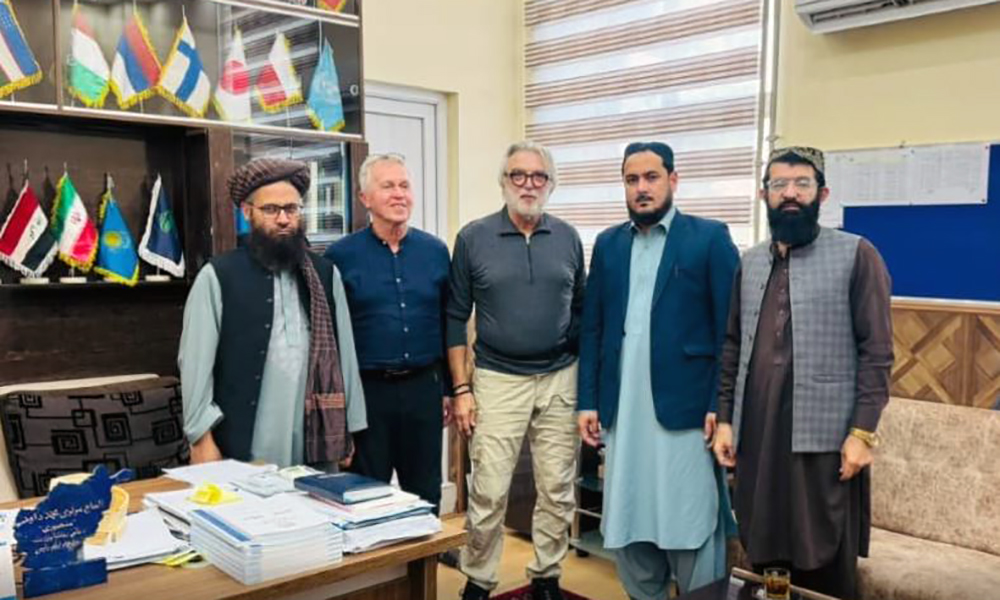
A nine-member medical team from Germany has begun a two-week medical and surgical mission at Bamiyan Provincial Hospital, offering free specialised treatment to patients in need.
According to the Ministry of Public Health, the team arrived in Afghanistan in coordination with the ministry and in partnership with Aga Khan Health Services (AKHS).
During the mission, the specialists will provide diagnostic and surgical services, including plastic surgery, burn treatment, correction of congenital deformities, war-related injuries and other complex medical conditions.
The team is expected to examine around 200 patients, with between 100 and 150 selected for surgical procedures.
In addition to treating patients, the German specialists will conduct theoretical and practical training sessions for Afghan doctors, surgeons and medical students to strengthen local medical expertise.
The ministry said the mission is funded by volunteer doctors and partner organisations, with essential medicines and medical equipment also brought into the country.
The initiative aims to improve access to free specialised healthcare, enhance the skills of Afghan medical professionals and strengthen surgical services in Afghanistan.
Health
Afghanistan to launch nationwide polio vaccination campaign
UNICEF said that 12.7 million children in Afghanistan have been vaccinated against polio through ongoing immunization campaigns.
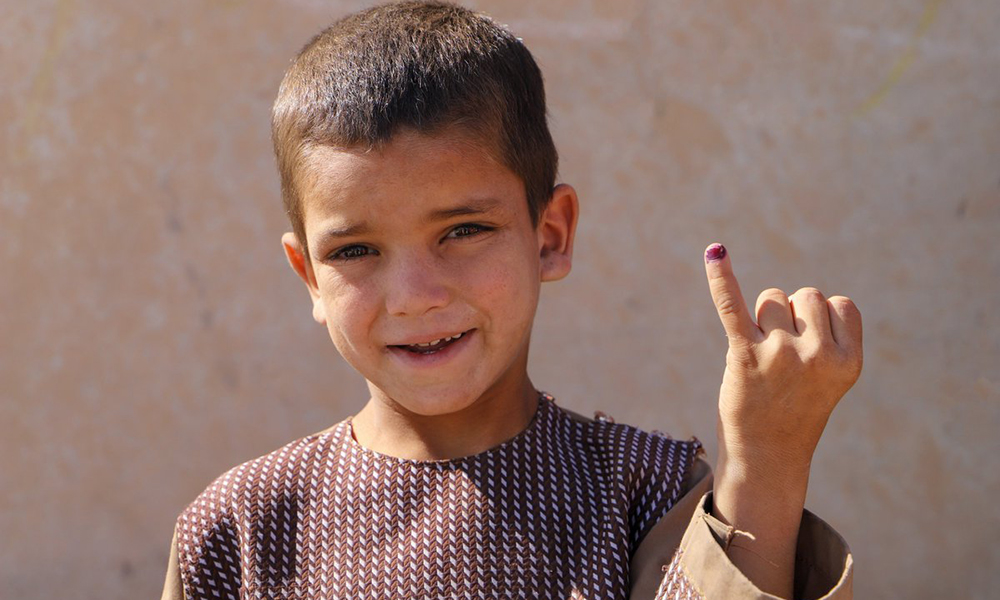
Afghanistan is set to launch a new nationwide polio vaccination campaign on Monday, November 2, as health authorities continue efforts to eradicate the disease, following the vaccination of 12.7 million children across the country.
Afghanistan’s Polio-Free Initiative announced that the campaign will begin nationwide on Monday, while vaccination activities in the southern zone will start a day later, on Tuesday, November 3.
Meanwhile, the United Nations Children’s Fund (UNICEF) said that 12.7 million children in Afghanistan have been vaccinated against polio through ongoing immunization campaigns.
The UN agency noted that despite progress in vaccination coverage, efforts to completely eliminate polio in Afghanistan are continuing.
Polio is a highly infectious viral disease that mainly affects children under the age of five and can cause permanent paralysis.
Health organizations have urged families to cooperate with vaccination teams and ensure that all eligible children receive the required vaccine doses to protect them against the disease.
Health
Afghanistan urges polio vaccination as cases reach 42
World Polio Day is observed annually on October 24 to raise awareness and strengthen global efforts to eliminate the disease.
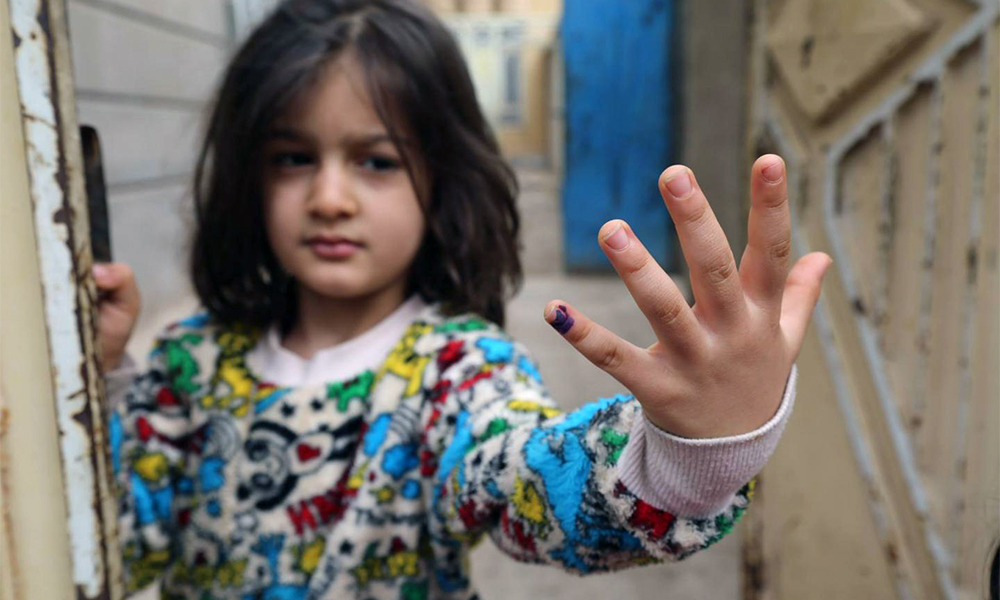
Afghanistan Free Polio has urged parents and caregivers to vaccinate their children against polio, warning of the continued need for vaccination efforts as the country marks World Polio Day on October 24.
In a message issued on Saturday, the organization called on families to ensure their children receive polio vaccines, stressing that every child has the right to grow up free from the disease.
The organization also emphasized the role of families and communities in preventing the spread of the virus and achieving a polio-free Afghanistan.
According to a previous report by the World Health Organization (WHO), six new polio cases had been recorded in Afghanistan, bringing the total number of cases reported since the beginning of 2026 to 42.
Afghanistan and Pakistan remain the only countries where polio has not been eradicated.
World Polio Day is observed annually on October 24 to raise awareness and strengthen global efforts to eliminate the disease.
Health authorities and public health organizations continue to stress that vaccination and community participation are essential to protecting children and preventing further transmission of the virus.


Tahawol: Efforts to halt deportation of Afghan refugees from US discussed
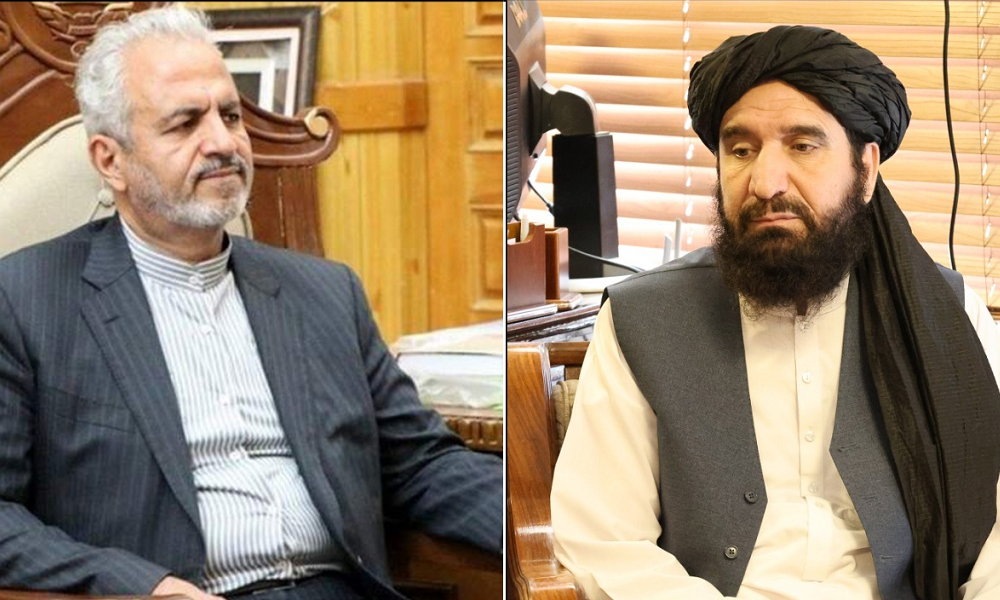
Afghan and Iranian officials discuss expanding economic cooperation
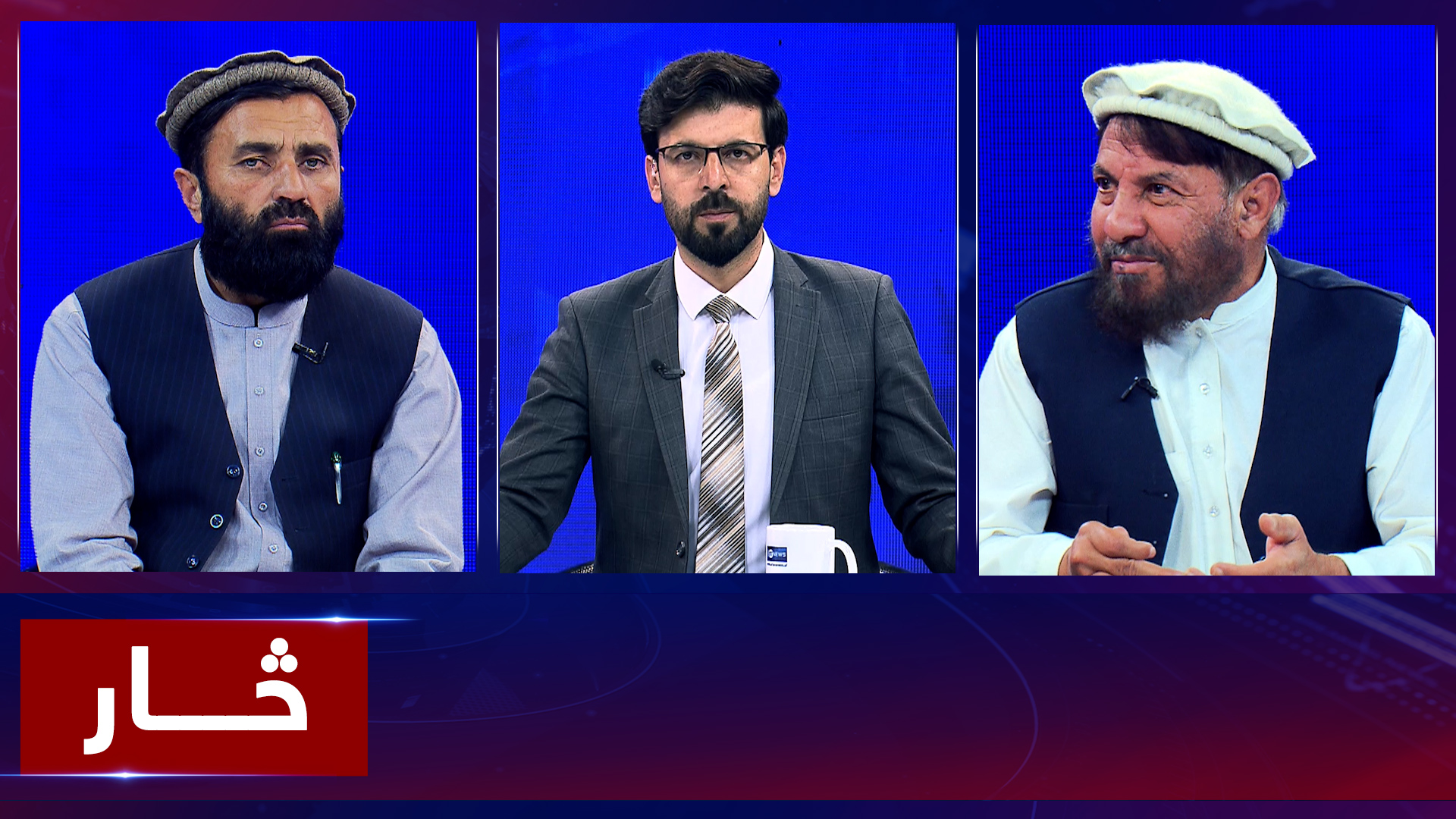
Saar: Russia’s stance on Afghanistan discussed
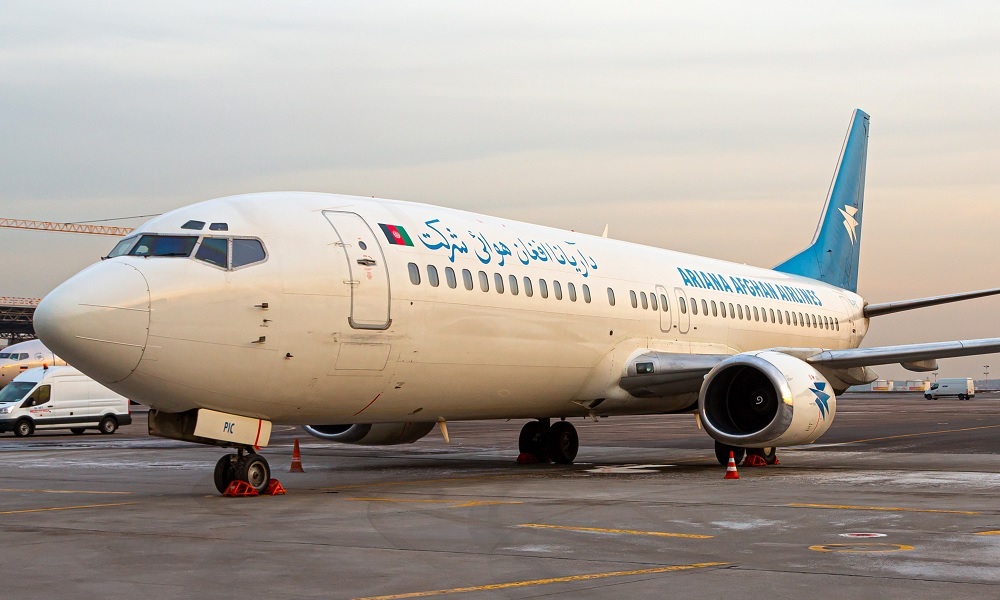
Ariana Airlines reduces Kabul–Islamabad–Kabul airfares by $20
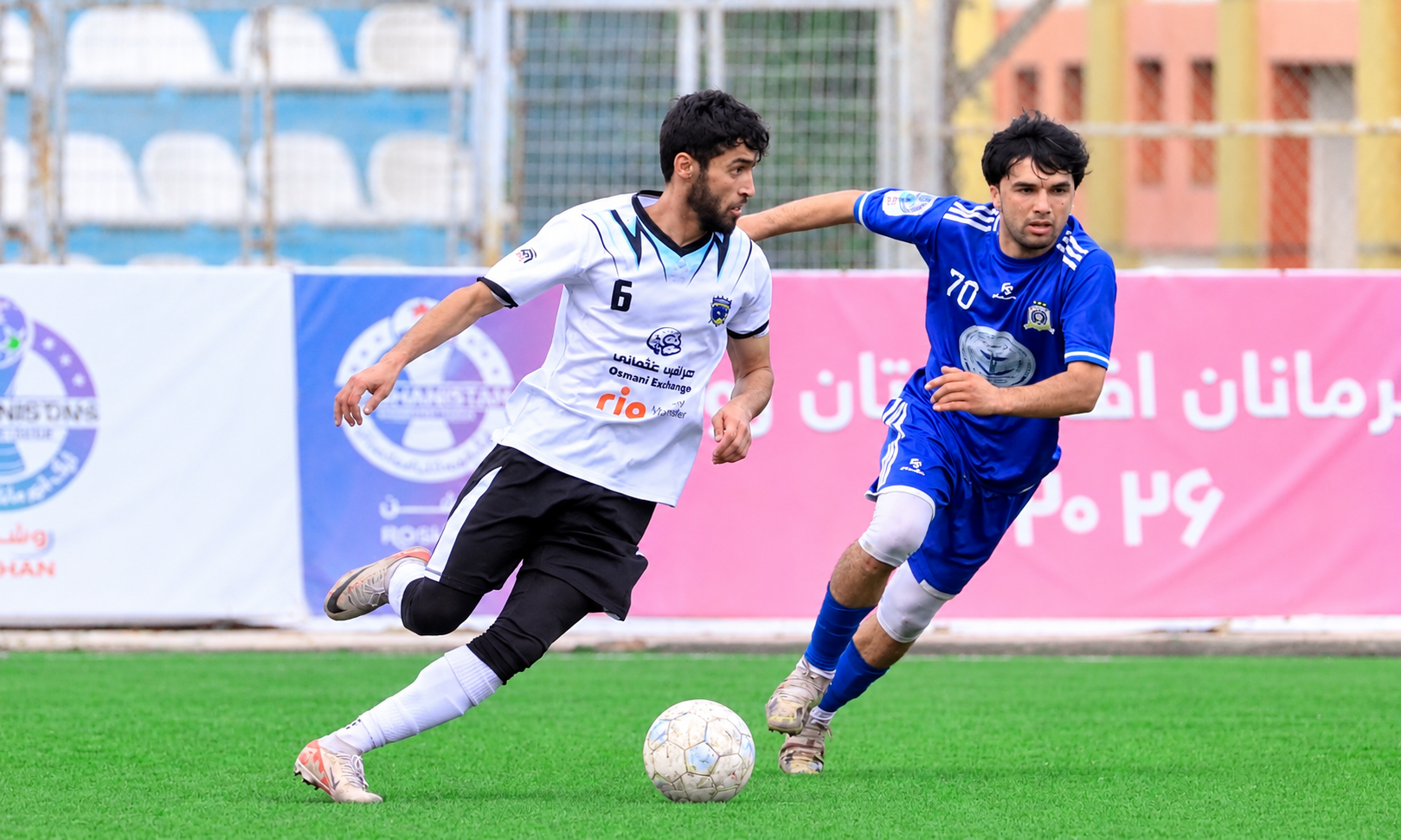
Omar Zawak thrash Istiqlal Kabul 5-1 in ACL

Afghanistan finish runners-up after 6-0 defeat to Brazil in futsal final

Trump says US may strike Iran’s ‘Pickaxe Mountain’ nuclear facility

Afghan futsal coach: Brazil tournament is first step towards new goals and World Cup

Pakistan deploys military to Peshawar after emergency rule declared

Violent protests spread across Europe as Albanian PM blames ‘foreign hand’
Tahawol: Efforts to halt deportation of Afghan refugees from US discussed
Saar: Russia’s stance on Afghanistan discussed

Trump says further US attacks on Iran ‘highly unlikely’ as peace talks gain momentum
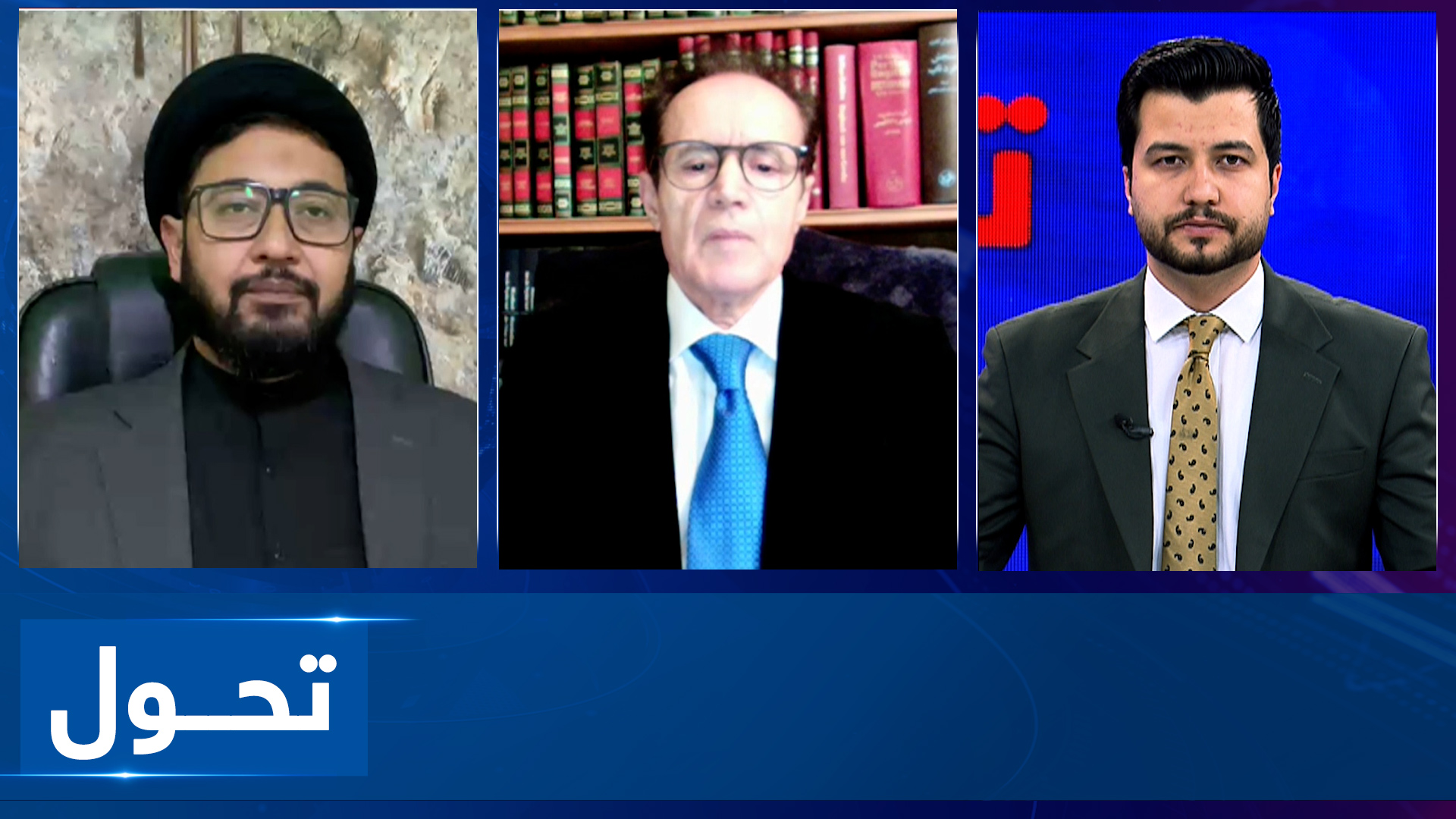
Tahawol: Geopolitical developments in the Middle East
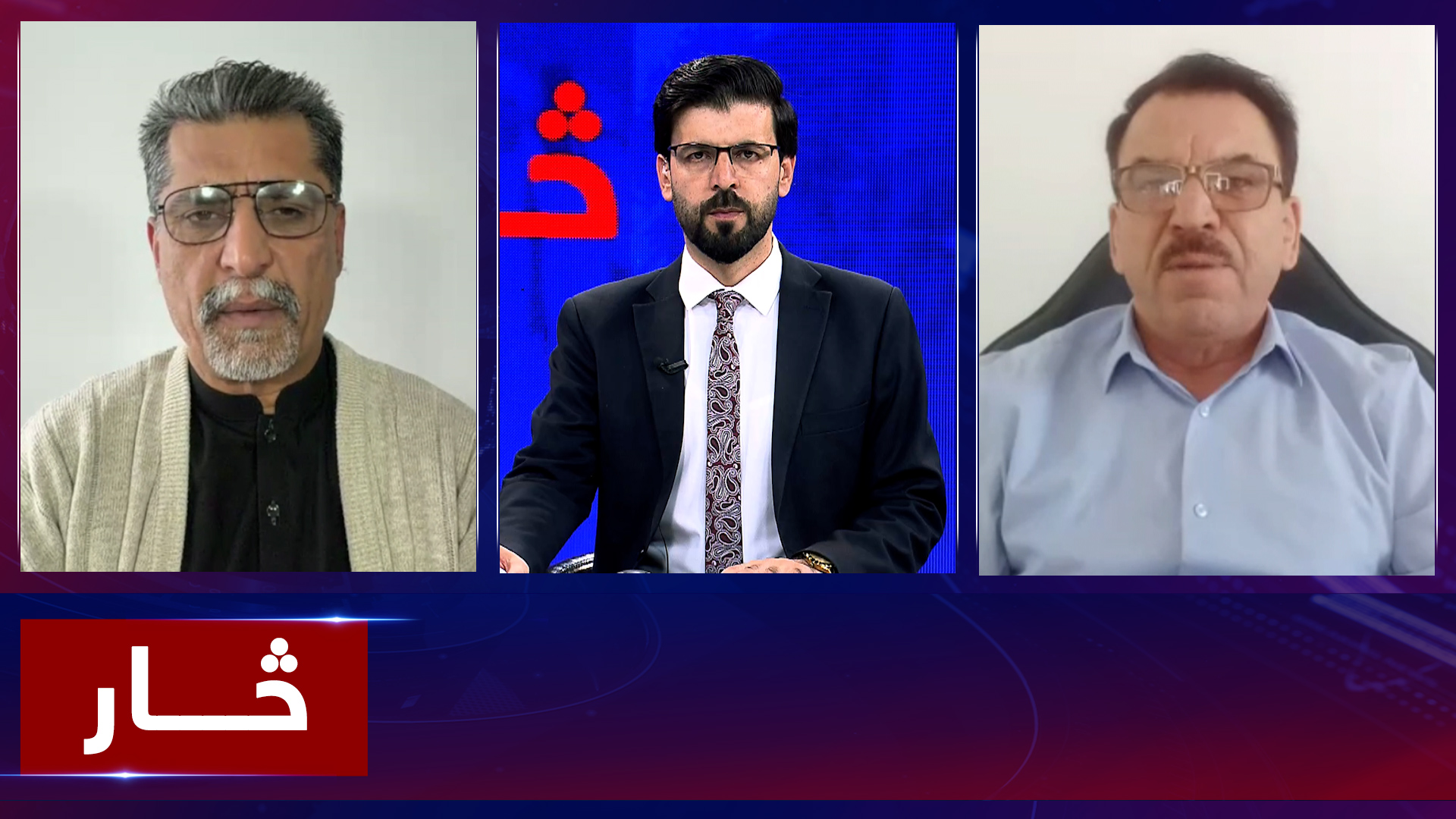
Saar: EU’s engagement with Afghanistan
-
 Regional4 days ago
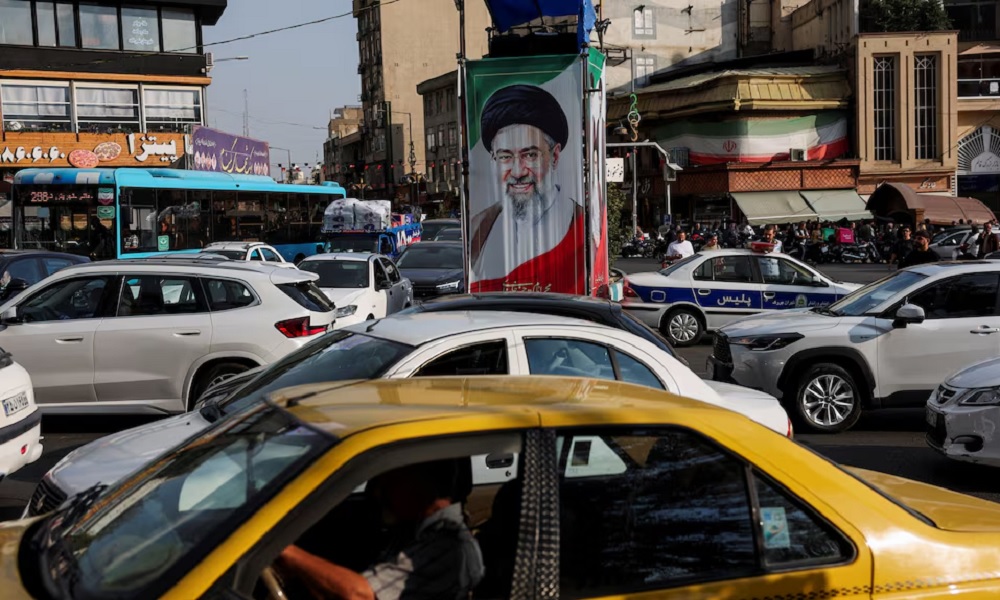
Iran sent nuclear proposal to the US via Qatar, senior Iranian official tells Reuters
-
 Sport2 days ago
Afghanistan’s record partnership highlights fourth day of Test against Zimbabwe
-
 Sport3 days ago
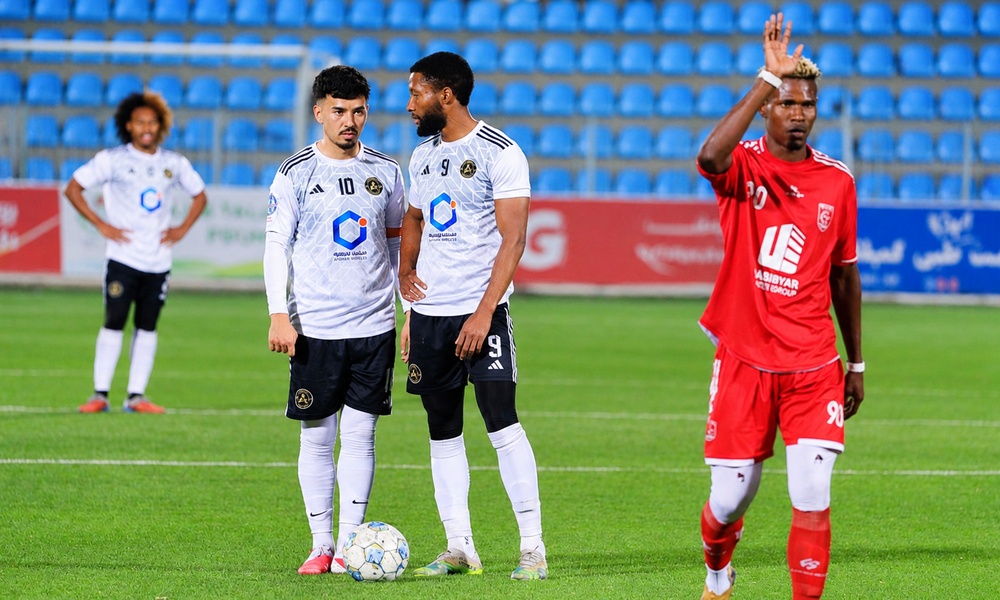
Toofan Herat defeat Arman FC 2–0 in Afghanistan Champions League
-
 World2 days ago
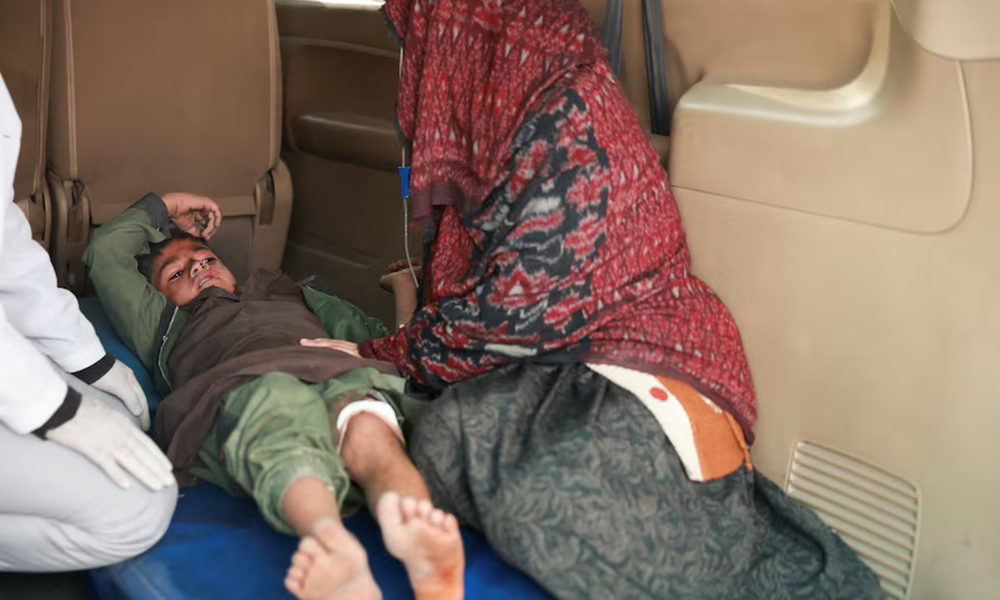
Houthi-run health ministry says airstrikes kill 33 near Yemen capital
-
 Sport4 days ago
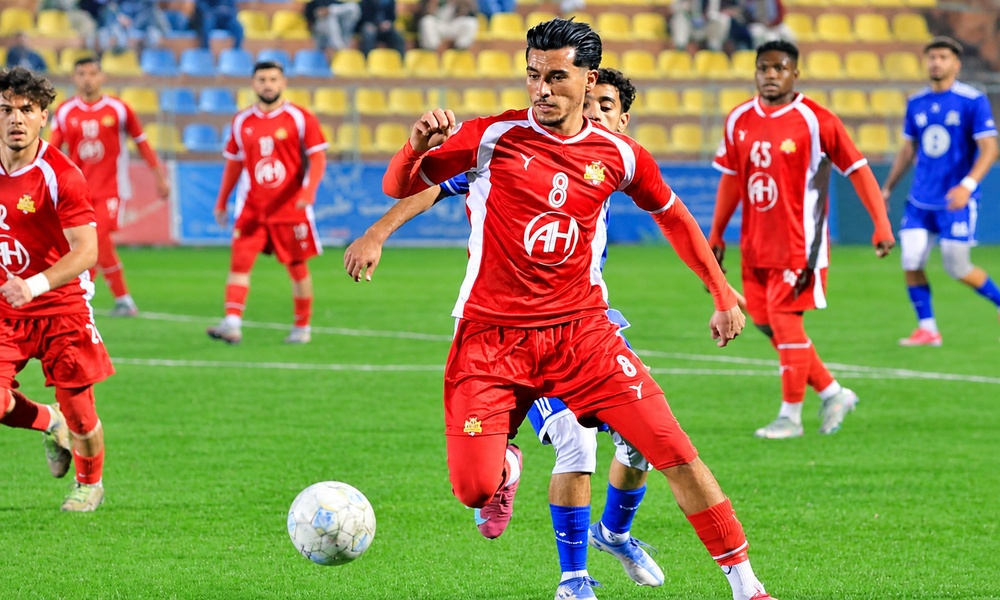
Abu Muslim Farah claim convincing 3-0 win over Omar Zawak in ACL
-
 Regional4 days ago
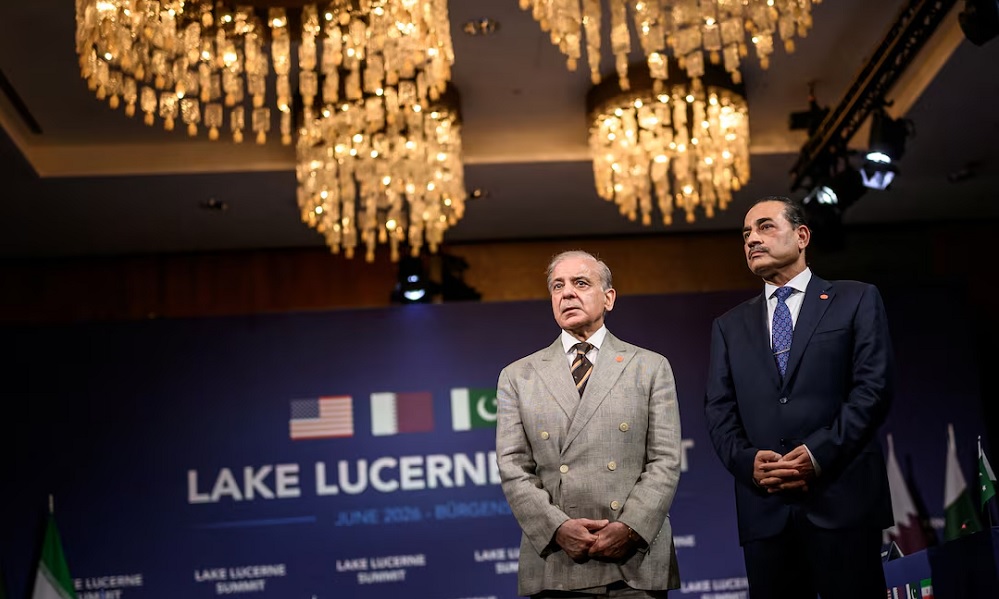
Pakistan’s leaders dread US Democrats’ win but its households are praying for it
-
 Sport2 days ago
Afghanistan thrash Senegal 6-0 to reach Dakar Youth Olympics futsal semi-finals
-
 Sport4 days ago
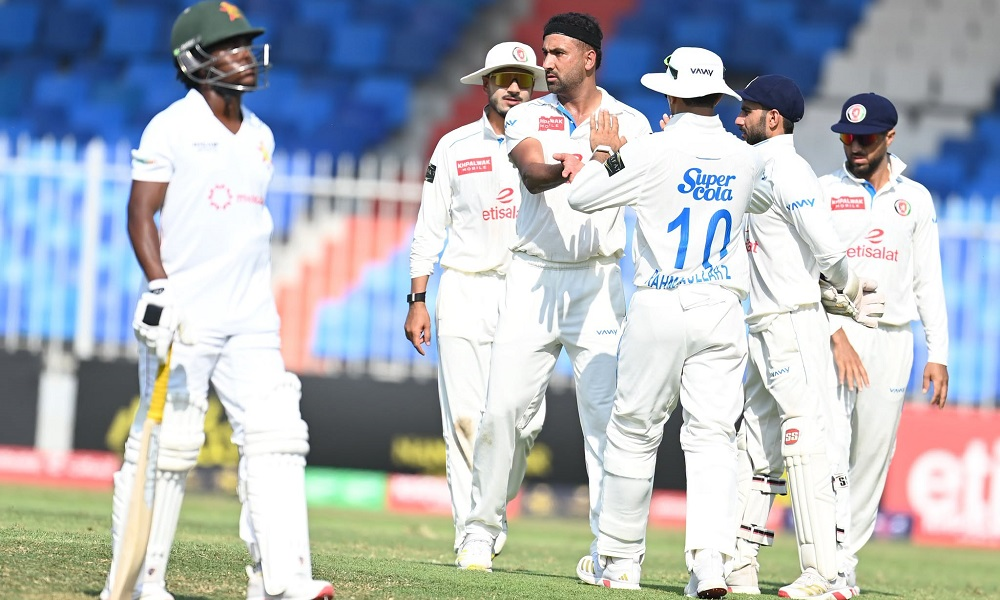
Afghanistan trail Zimbabwe by 391 runs at stumps on day two of first test