
Business
Ariana Airlines resumes flights to Dubai from Kabul


Ariana Afghan Airlines resumed flights from Kabul to Dubai on Monday, reopening a heavily used international route that had been suspended since the Western-backed government collapsed in August.
Ariana will operate daily flights, charging $550 for a one-way ticket, the state-run airline said on its Facebook page.
A spokesman said there had been heavy demand for tickets on the first flight.
Dubai will be the only international destination offered by Ariana for the time being.
Some charter services have been flying to Kabul but normally scheduled commercial flights have remained suspended.

Business
Uzbekistan and Afghanistan seek to expand trade and regional export links
Trade figures show that Uzbekistan exported goods worth $1.19 billion to Afghanistan between January and September 2026, an increase of 34% compared with the same period last year.
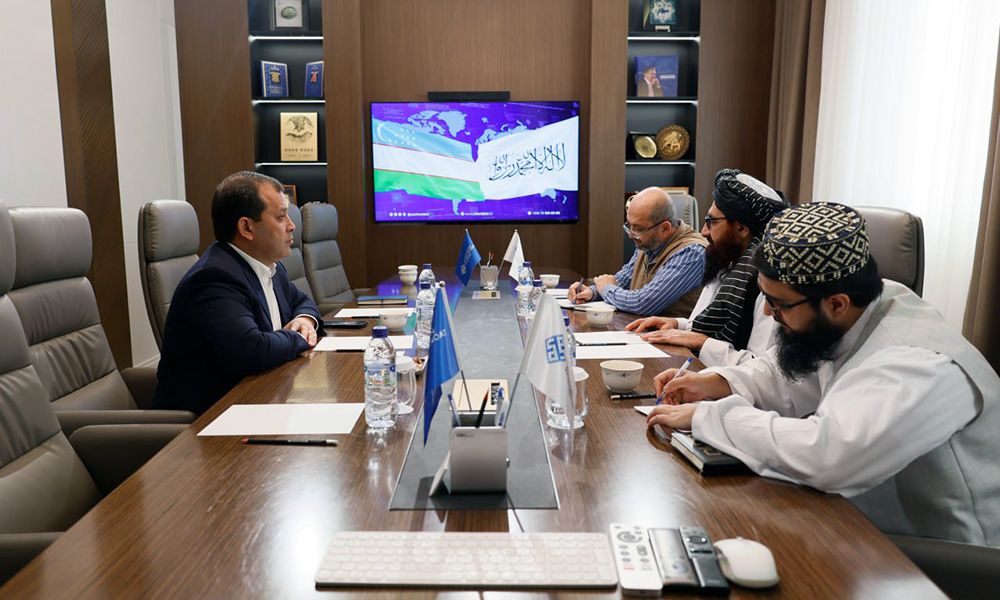
Uzbekistan and Afghanistan have agreed to explore ways to expand bilateral trade, improve market access and strengthen regional export opportunities, as trade turnover between the two countries reached $1.38 billion in the first nine months of 2026.
The discussions took place on November 23 during a meeting in Uzbekistan between Davron Vakhabov, chairman of Uzbekistan’s Chamber of Commerce and Industry, and Afghanistan’s Ambassador to Uzbekistan, Abdul Ghaffar Terawi.
According to the Uzbek Chamber of Commerce and Industry, business cooperation between the two countries has grown in recent years, supported by business missions, reciprocal visits and regular meetings between entrepreneurs.
Trade figures show that Uzbekistan exported goods worth $1.19 billion to Afghanistan between January and September 2026, an increase of 34% compared with the same period last year. Imports from Afghanistan reached $192.7 million, representing a 47% year-on-year rise.
During the meeting, the two sides discussed expanding cooperation into new sectors, improving conditions for businesses and addressing obstacles to bilateral trade.
Particular attention was given to facilitating the entry of Afghan agricultural products into the Uzbek market and helping Afghan businesses access export markets in other Central Asian countries and Russia.
The discussions also covered preparations for the international business forum, “New Uzbekistan – A Global Trade Crossroads,” scheduled to take place in Tashkent from November 30 to December 5.
Afghanistan’s ambassador, along with the governors of Kabul, Herat, Balkh and Bamyan provinces, has been invited to attend. More than 300 Afghan business representatives are also expected to participate.
The forum is expected to bring together companies from different markets to establish business partnerships, explore trade opportunities and develop investment projects.
Business
World Bank warns Afghanistan faces mounting economic and water security challenges
The World Bank has lowered its FY2026 growth forecast by one percentage point compared with its Spring 2026 projection.
Afghanistan’s economy is expected to grow by three percent in the 2026 fiscal year, but rising population numbers, declining exports and weakening household purchasing power continue to undermine the country’s economic recovery, according to the World Bank’s latest Afghanistan Development Update.
The report says population growth of 6.6 percent, partly driven by the return of around one million Afghans between April and September 2026, is expected to result in a 3.3 percent decline in GDP per capita.
This would mark the third consecutive year of falling output per person.
Economic growth has remained heavily dependent on agriculture, which rebounded by around eight percent following the 2025 drought and accounted for almost 90 percent of overall growth.
However, services contracted by 1.5 percent, private investment fell by about 15 percent and real exports declined by 22 percent.
The World Bank has lowered its FY2026 growth forecast by one percentage point compared with its Spring 2026 projection.
It also expects inflation to average seven percent, almost double the previous year’s rate, as higher fuel prices and increased transport costs along alternative trade routes place pressure on the economy.
Households are facing growing financial difficulties, particularly unskilled workers and returning Afghans.
In September, casual labourers had 14 percent fewer days of work than a year earlier, while their weekly earnings bought 27 percent less wheat flour.
Purchasing power declined in 31 of the country’s 34 provinces.
Despite a favourable harvest, an estimated 15.9 million people continue to face acute food insecurity, while more than half of returnee households are unable to meet their basic needs through their income, according to figures cited in the report.
Trade and public finances
The report highlights the impact of continued trade disruptions following the closure of the crossings with Pakistan. While Afghanistan has managed to redirect imports through Central Asia and Iran, exports have struggled to recover.
Imports increased by 2.2 percent in the first half of FY2026, but the two alternative trade corridors now account for 97 percent of imports.
Exports, meanwhile, fell by 15.1 percent, with fresh fruit and vegetables losing almost 90 percent of their export volume.
Afghanistan’s current account deficit is projected to remain at 34.2 percent of GDP in FY2026, following 36.1 percent in FY2025.
In dollar terms, the deficit is expected to widen to approximately US$7.9 billion, while declining aid and remittances add to external pressures.
Domestic government revenue has remained relatively resilient, rising by 10.2 percent in the first half of FY2026. However, customs duties fell by 16.9 percent as trade disruptions affected revenue from border crossings.
The World Bank says fiscal space remains limited, with capital spending at around 1.3 percent of GDP, less than half the regional median.
Afghanistan also has no access to borrowing, while off-budget grants are expected to decline to around 10 percent of GDP.
The afghani (AFN) has remained broadly stable after appreciating by around 12 percent against the US dollar in FY2025.
However, the report says limited monetary policy instruments and weak bank lending restrict the financial sector’s ability to support investment and protect the economy against external shocks.
Water insecurity threatens economic recovery
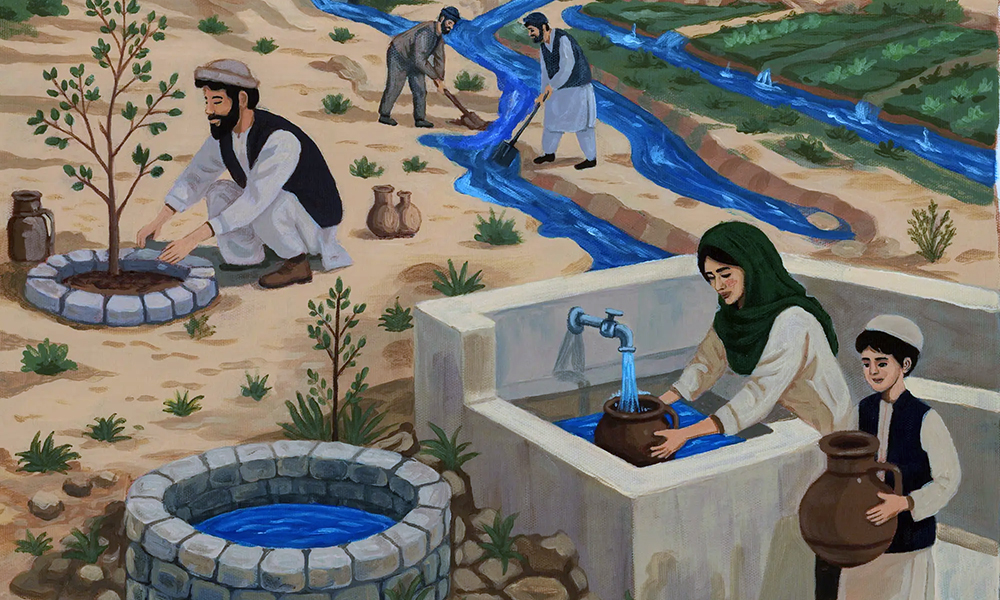
Alongside its assessment of economic conditions, the World Bank identifies water insecurity as a major threat to Afghanistan’s long-term recovery, warning that drought, population growth, depleted groundwater reserves, pollution and weak water management are placing increasing pressure on resources.
Afghanistan has lost approximately 4.9 billion cubic metres of freshwater reserves annually since 2003, with losses recorded in all 34 provinces.
In Kabul, groundwater extraction is estimated to be nearly four times higher than the natural rate of recharge, raising concerns about falling water tables and increasingly unreliable supplies.
The report says water shortages pose a direct threat to agriculture and rural livelihoods.
Agriculture accounts for 46 percent of employment and 95 percent of water withdrawals, making the sector particularly vulnerable to declining water availability.
Reduced river flows could also constrain hydropower generation, while unreliable water and electricity supplies disrupt businesses and other productive activities.
The World Bank estimates that drought reduced annual GDP per capita growth by 0.23 percentage points over the period from 1994 to 2024, highlighting the long-term economic consequences of water insecurity.
World Bank outlines priorities for water management
The report calls for a coordinated approach focused on improving access to water for households, strengthening agricultural water management and protecting natural resources.
Among its recommended priorities are restoring reliable water supply, sanitation and wastewater services, rehabilitating irrigation systems, improving water-use efficiency and strengthening local arrangements for water allocation and maintenance.
It also recommends protecting watersheds and aquifers, improving flood and drought preparedness, and strengthening water management at basin level.
In the near term, the report says priority should be given to restoring essential services, improving maintenance and conservation, and strengthening early-warning systems.
Longer-term measures should include rehabilitating canals and karezes, the traditional underground irrigation channels, upgrading irrigation infrastructure, protecting groundwater and strengthening local water-user institutions.
The World Bank says larger infrastructure projects should only proceed where financing, technical capacity and long-term operating arrangements are in place.
Modest growth expected over coming years
Looking ahead, the World Bank projects economic growth of 3.3 percent in FY2027 and 3.5 percent in FY2028.
However, it warns that this pace will be insufficient to quickly restore living standards, with GDP per capita expected to increase by only 0.6 to 0.8 percent annually and remain around seven percent below its FY2024 level by FY2028.
The report identifies further disruption to trade routes, a poor 2027 harvest, additional large-scale returns and reductions in aid as major risks.
Economic growth could fall to around 0.5 percent in FY2027 if the harvest fails, or to approximately 1.2 percent if trade corridors are disrupted again. A reopening of the crossings between Afghanistan and Pakistan is identified as the main upside risk.
The World Bank says securing trade routes, protecting agricultural production, improving water management and creating greater demand for labour will be essential to making economic growth more inclusive and improving living standards.
Business
Turkmenistan records nearly $100 million in trade deals with Afghan, UAE buyers
According to the exchange, Afghan entrepreneurs reached agreements with Turkmen businesses to purchase refined first-grade cottonseed oil for export.
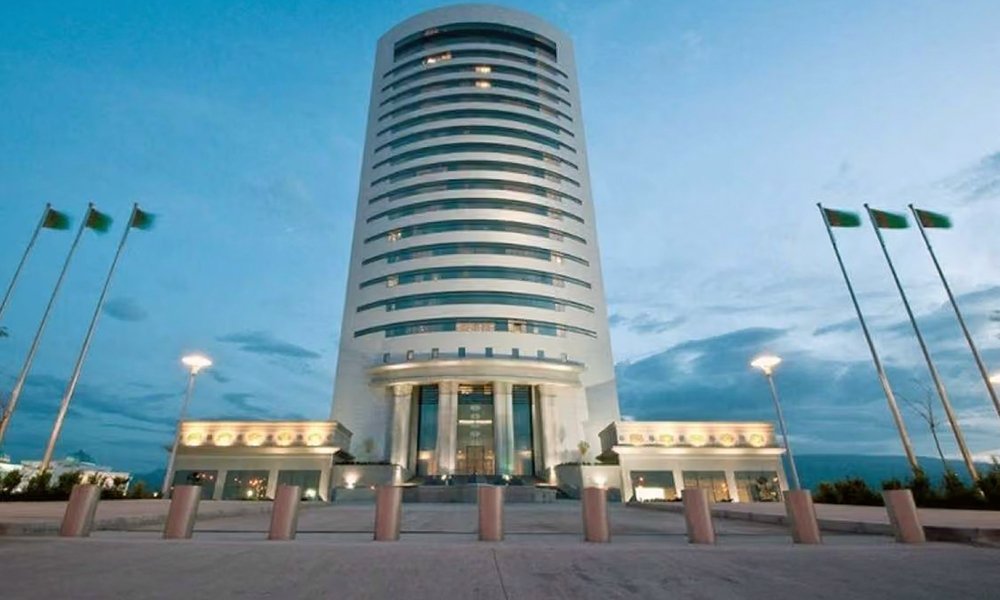
Turkmenistan recorded five transactions worth a combined 347.31 million manat (about $99.2 million) and $947,250 during a November 17 trading session of the State Commodity and Raw Materials Exchange of Turkmenistan (SCRMET).
According to the exchange, Afghan entrepreneurs reached agreements with Turkmen businesses to purchase refined first-grade cottonseed oil for export, while buyers from the United Arab Emirates signed deals for unbleached fabric.
On the domestic market, local businesses purchased BND 60/90-grade petroleum road bitumen from the state-owned Turkmennebit concern.
Another agreement was concluded with Turkmenistan’s Ministry of Health and Medical Industry for the purchase of crude glycyrrhizic acid extracted from licorice root.
Established in 1994, SCRMET is Turkmenistan’s main organised commodity exchange and a key platform for facilitating the country’s domestic and international trade.
Its trading portfolio includes petroleum products, petrochemicals, polymers, textiles, cotton products, construction materials, machinery and chemicals.
The exchange also registers export and import contracts and publishes official quotations based on completed transactions, providing an overview of traded commodities, their value and the markets involved.
The latest deals highlight continued demand for Turkmen goods among regional and international buyers, including businesses from Afghanistan and the UAE.

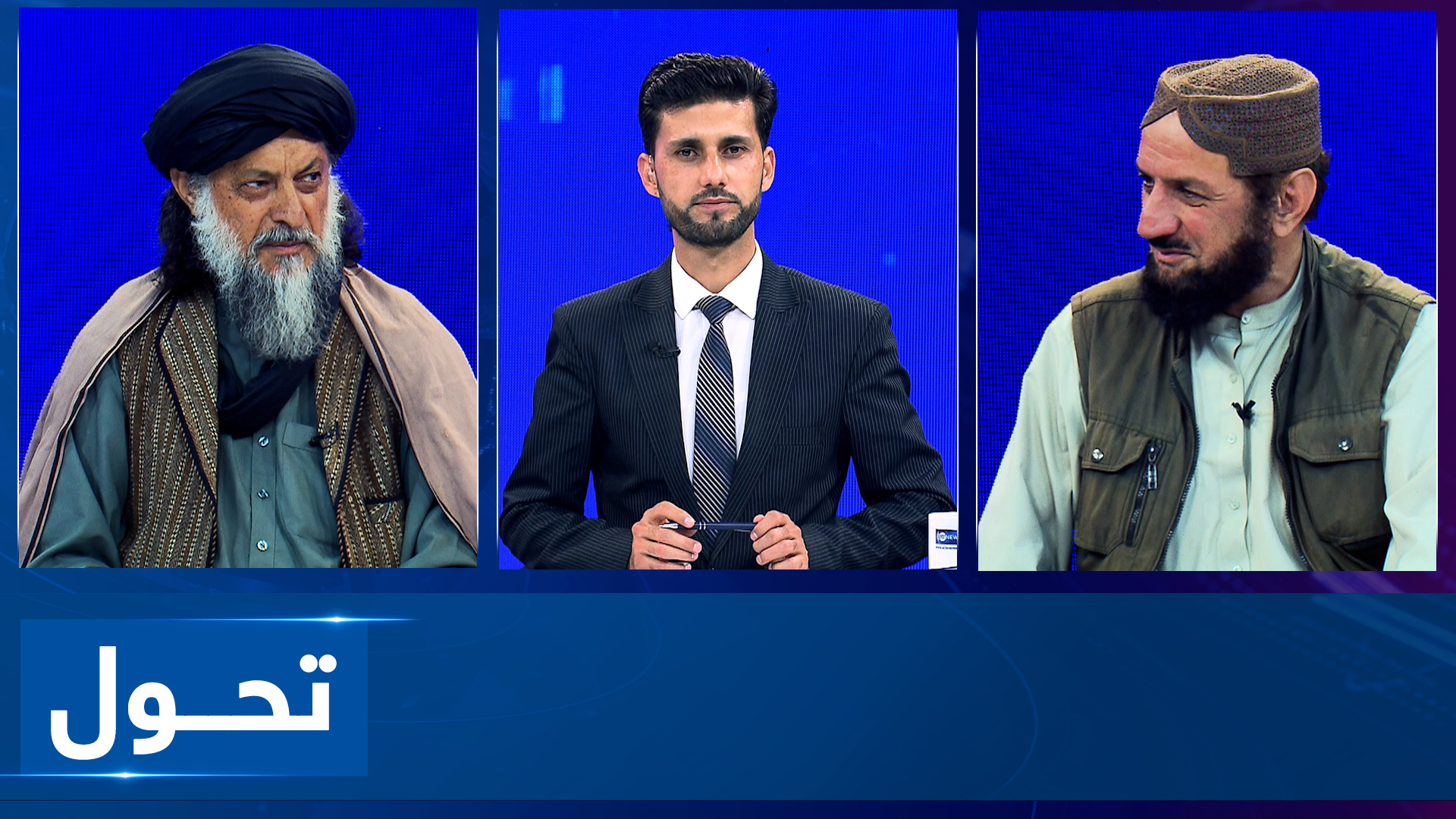
Tahawol: Discussion on shifting views within Pakistan
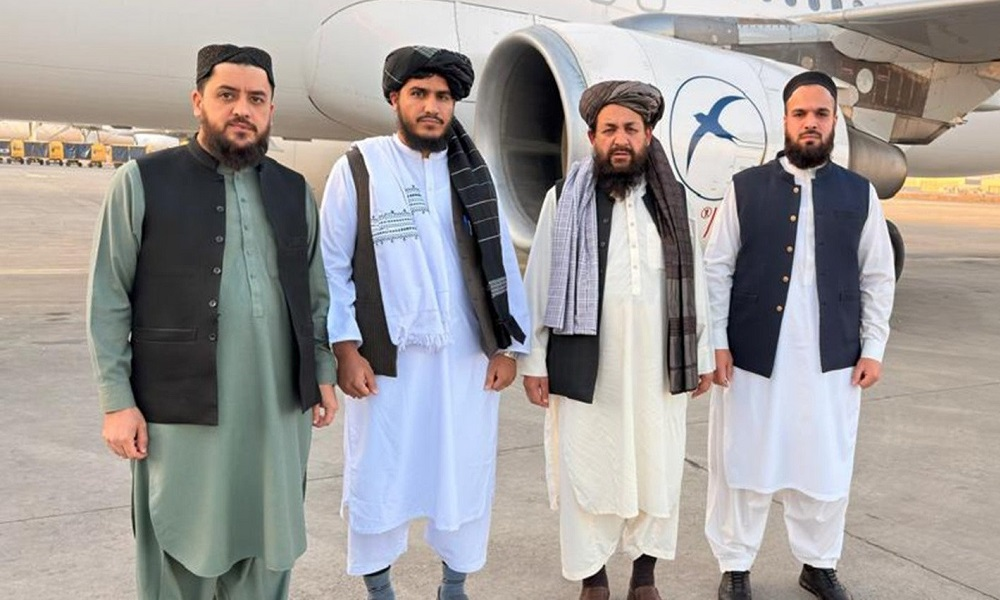
IEA delegation travels to Turkey for Halal conference and exhibition
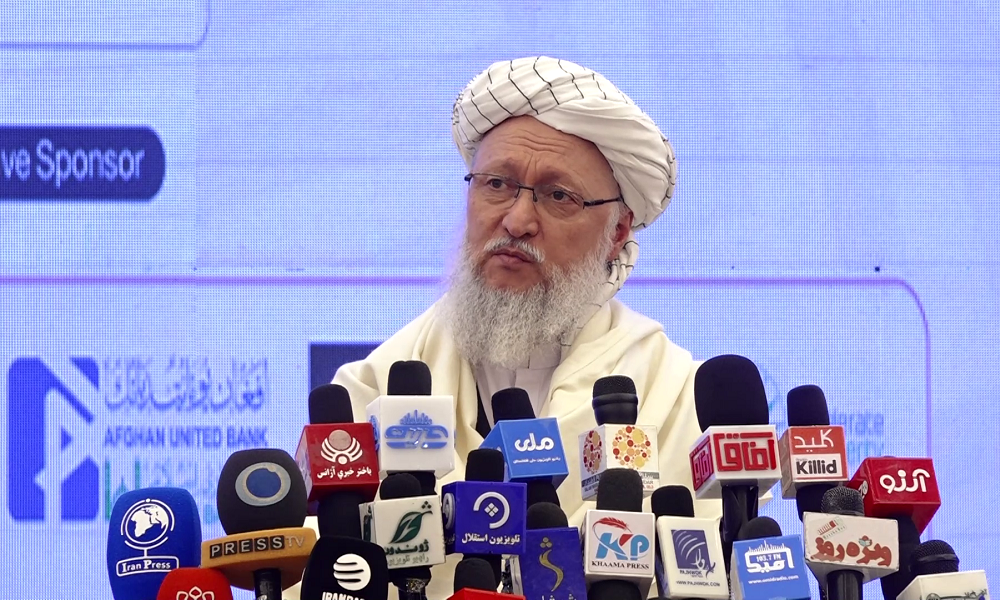
Afghanistan moving step by step toward reconstruction and development: Hanafi
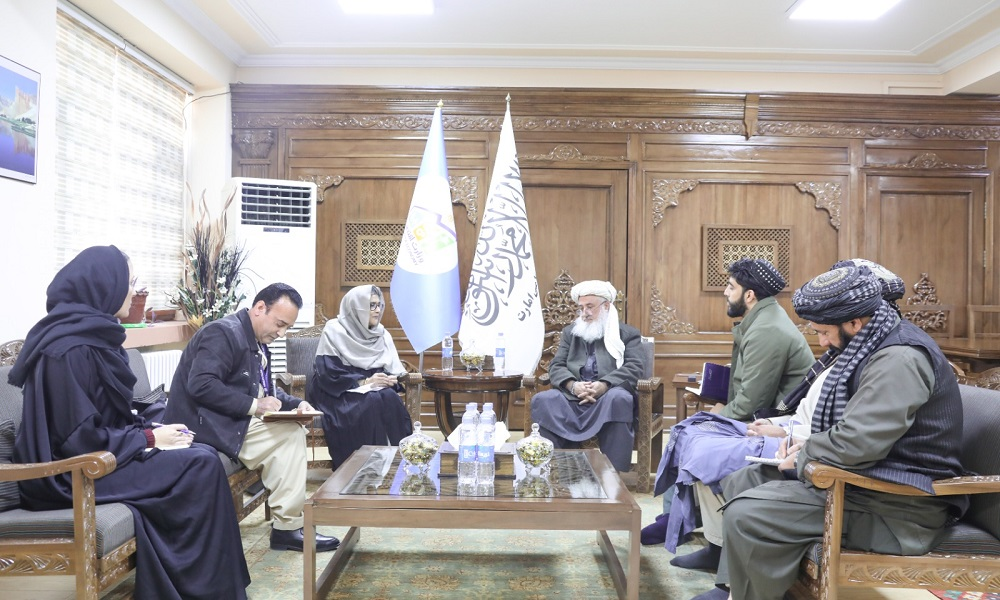
Economy minister and UNAMA chief discuss development cooperation and support for returnees
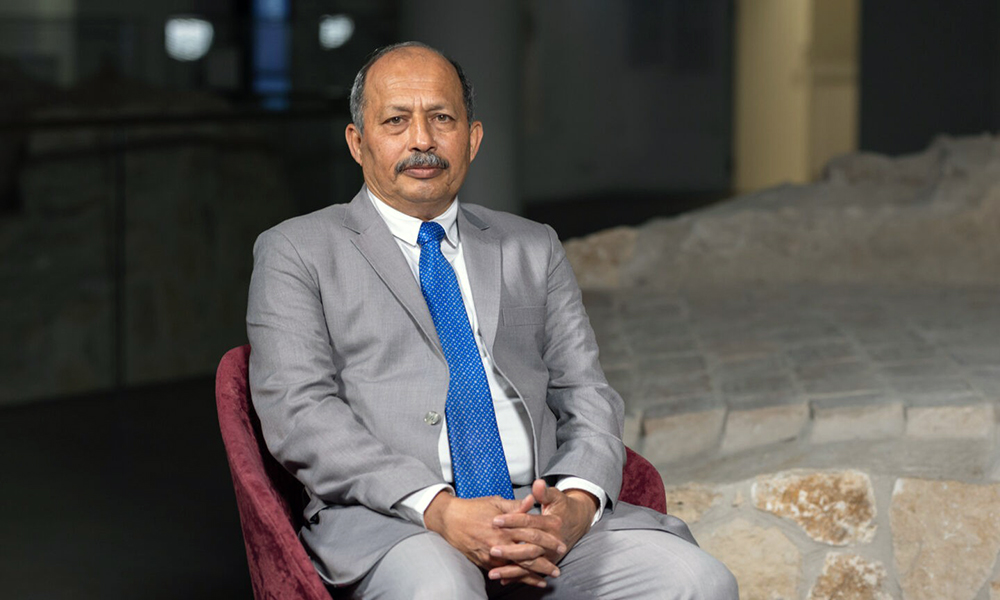
Former Pakistani envoy urges Islamabad to pursue dialogue with Afghanistan

US sanctions and blockade measures disrupt Iran’s trade with Afghanistan and regional neighbors
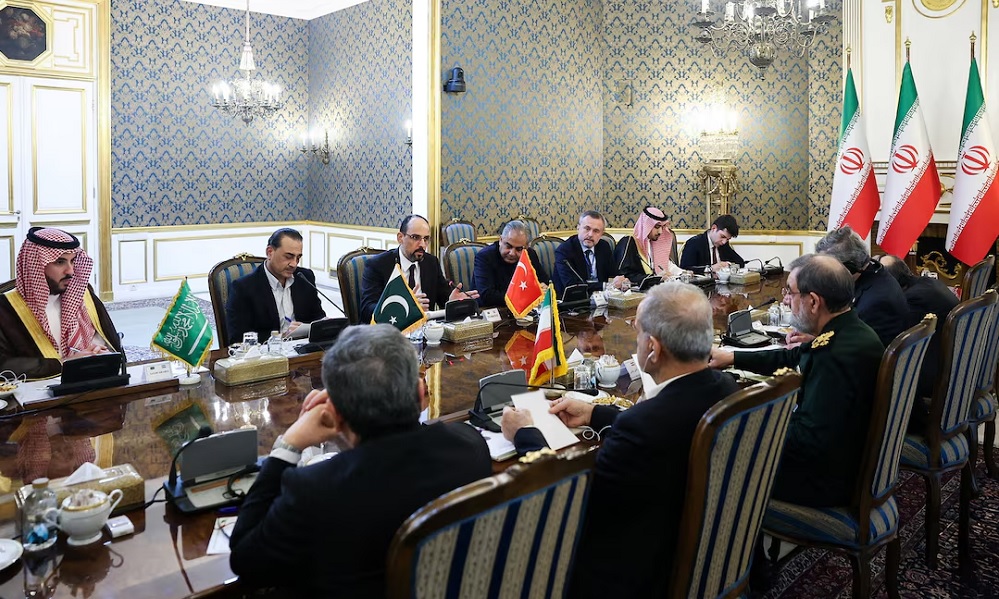
Saudi defence pact countries push for peace in Tehran as Houthis launch more attacks

England forward Kane crowned Ballon d’Or winner

Afghanistan to launch nationwide polio vaccination campaign

WFP report notes high food and fuel costs continue to pressure Afghan households
Tahawol: Discussion on shifting views within Pakistan

Qatar warns Middle East cannot afford renewed US-Iran escalation

Saar: Return of millions of Afghans to their homeland

Saar: Pakistan FM’s remarks on Afghanistan

Tahawol: World Television Day discussed
-
 Latest News4 days ago
US judge questions Trump administration’s policies targeting refugees
-
 Business4 days ago
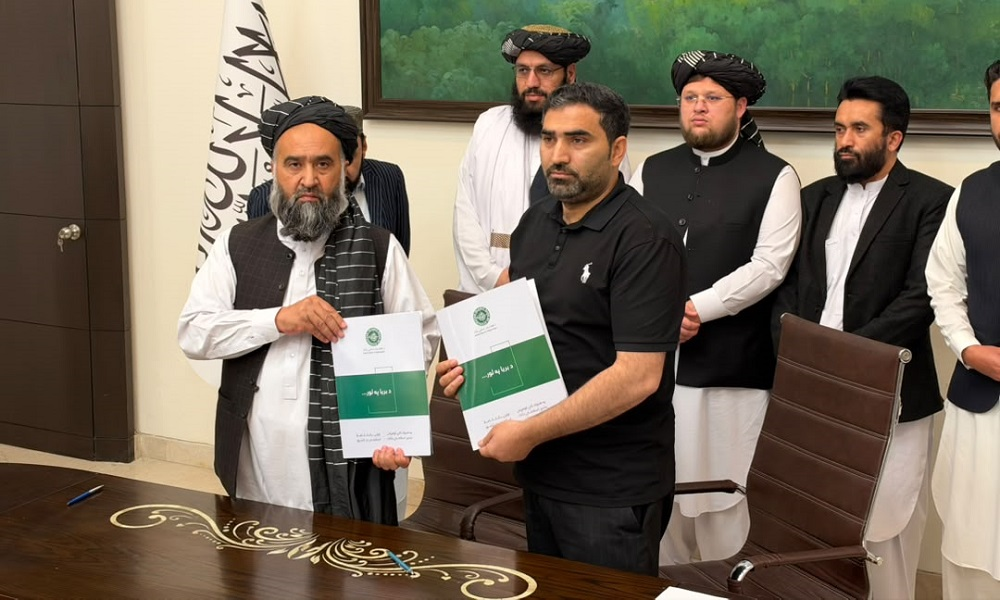
Afghan and Indian traders sign $250 million trade agreements in New Delhi
-
 Sport4 days ago
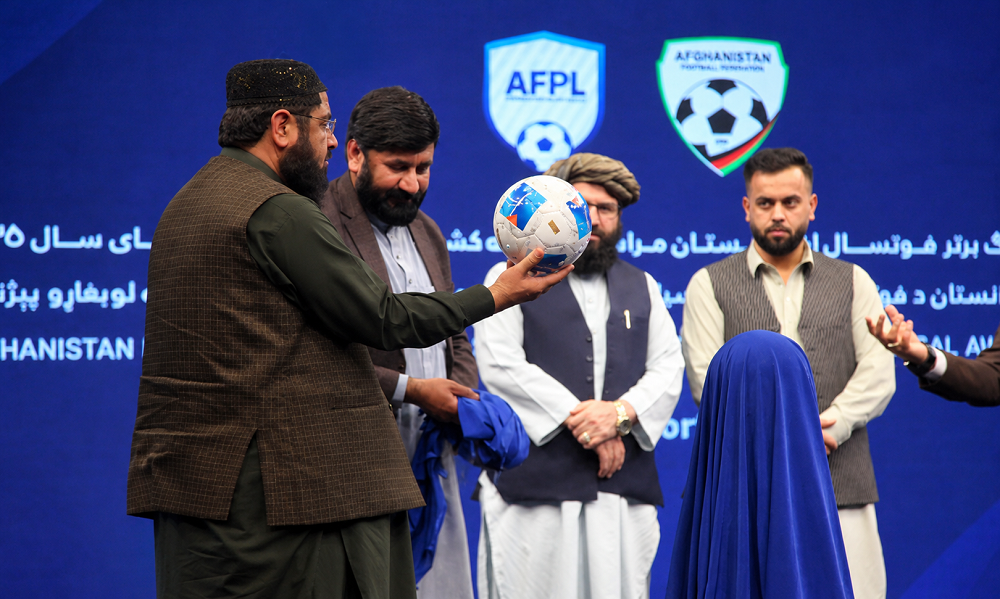
ATN hosts AFPL Season 5 draw and 2025 futsal awards ceremony
-
 Latest News1 day ago
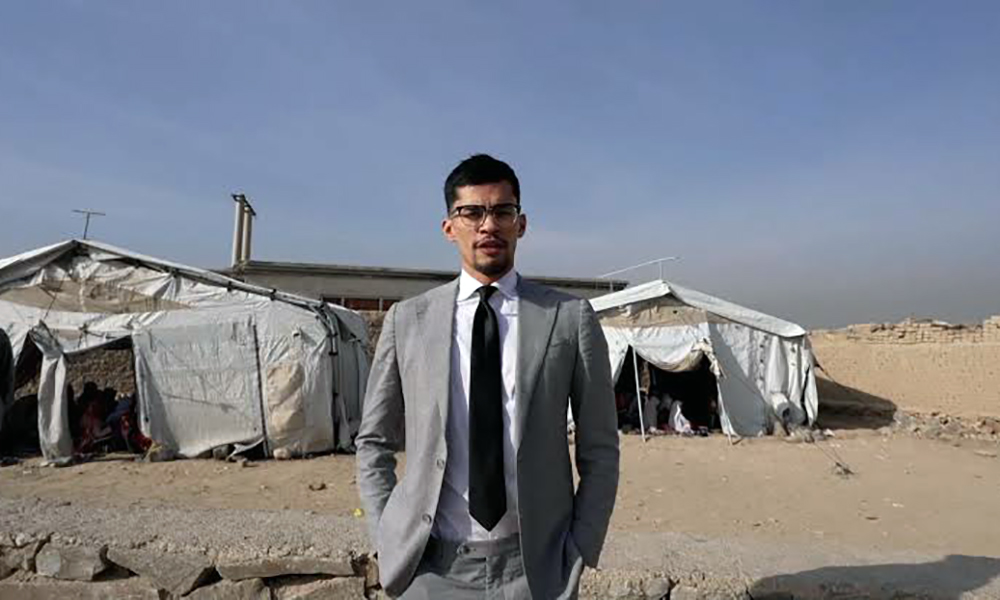
SNEAKO claims US authorities questioned him for eight hours after Afghanistan visit
-
 Business5 days ago
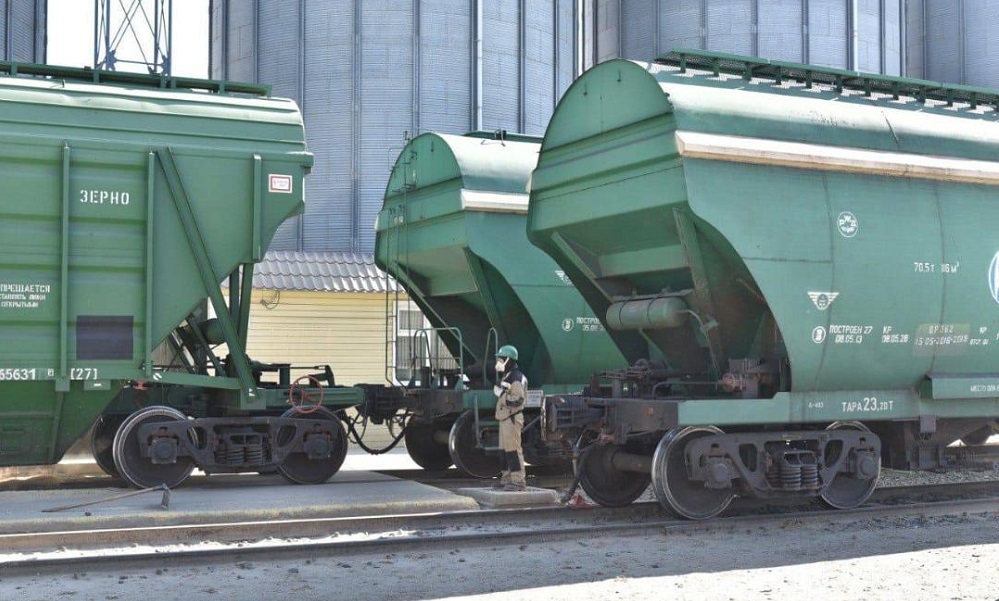
Kazakhstan increases grain exports to Afghanistan by 1.6 times
-
 World5 days ago
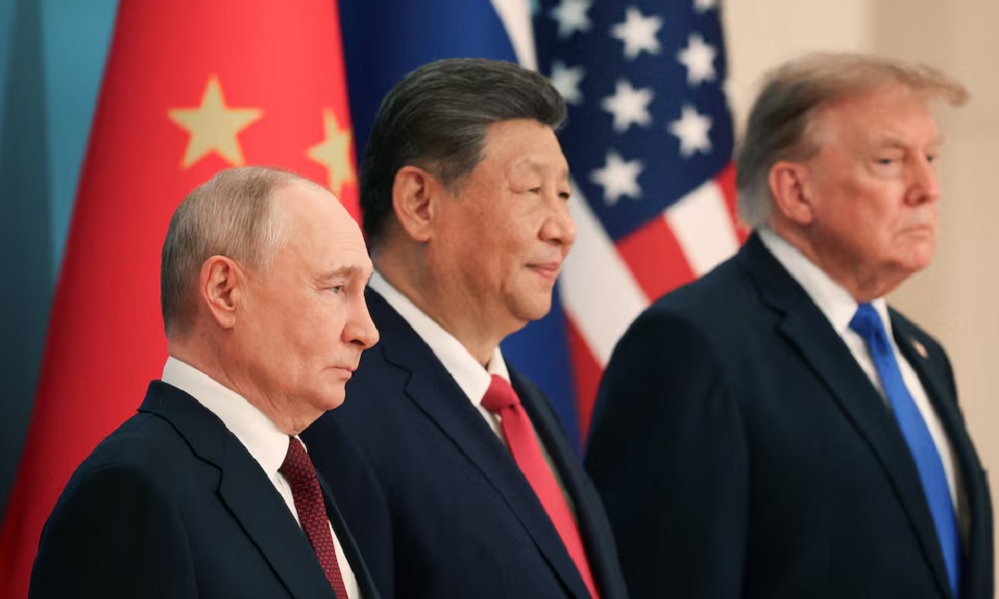
Trump, Xi and Putin release ‘peace declaration’ from unprecedented summit
-
 Latest News4 days ago
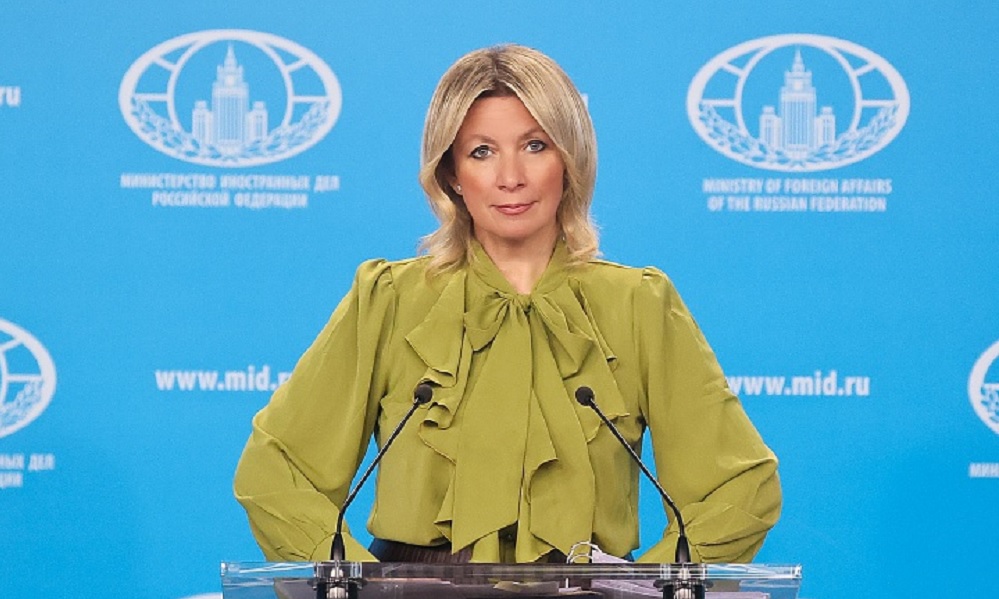
Russia reiterates readiness to facilitate talks between Afghanistan and Pakistan
-
 World4 days ago
Malaysia says it will resettle 10,000 Rohingya refugees in Turkey