
Business
Economy ministry to help strengthen Afghan carpet industry

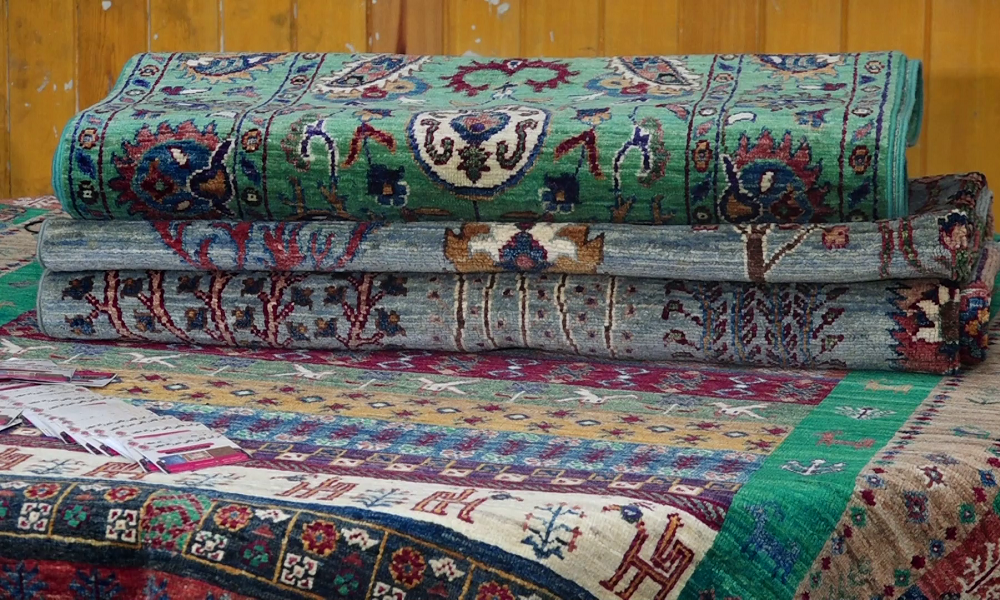
The Ministry of Economy says it supports the carpet industry and intends to provide more facilities for the sector.
During an event on Sunday, a number of officials said that supporting the carpet industry is the priority of the Islamic Emirate and that they are trying to use domestic products, especially carpets, to counter the excessive import of foreign products.
Abdul Latif Nazari, deputy economy minister, said that the granting of small loans by a private bank to carpet manufacturers is an important step to support the carpet industry.
“The policy of the system (IEA) is to support domestic products, the carpet industry can play a prominent and graceful role in increasing our domestic productions along with other products,” said Nazari.
Qudratullah Jamal, deputy minister of industry and commerce, also said that the challenges and problems facing the carpet industry in the country will be solved and he emphasized that this ministry is one of the main supporters of the carpet industry in the country.
Meanwhile, some carpet producers in the country say that this year carpet production has increased by 40 percent because more people are engaged in carpet weaving this year.
“The amount of production has increased, but unfortunately, the challenges of exporting carpets abroad have caused us problems,” said Ismatullah, a carpet manufacturer.




Business
Afghanistan, India discuss expanding trade and investment ties
Discussions focused on improving regional connectivity, facilitating the movement of commercial goods and expanding the use of Indian ports for Afghanistan’s imports and exports.
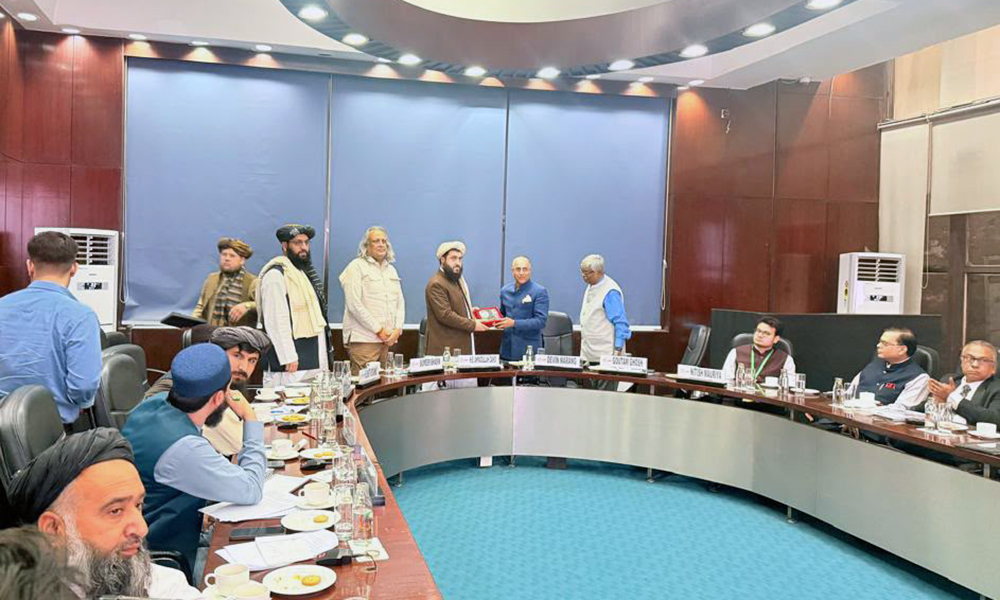
Afghanistan and India have discussed ways to strengthen bilateral trade, expand investment and improve transport and transit links during a meeting between Afghan officials and representatives of the Federation of Indian Chambers of Commerce and Industry (FICCI).
The meeting was held on the sidelines of the 45th India International Trade Fair (IITF 2026), with representatives from Afghanistan’s Ministry of Industry and Commerce, diplomatic mission and private sector taking part.
The Afghan delegation included Deputy Minister of Industry and Commerce Ahmadullah Zahid, Afghanistan’s ambassador to India Noor Ahmad Noor, the ministry’s head of exports Shahab Liwal, and representatives of trade associations and business communities.
Discussions focused on improving regional connectivity, facilitating the movement of commercial goods and expanding the use of Indian ports for Afghanistan’s imports and exports.
Both sides also explored alternative transit routes, ways to reduce transportation costs and measures to address obstacles affecting cross-border trade.
Expanding Afghan exports to India, particularly dried fruits, saffron and other agricultural products, was another key priority. Participants also discussed opportunities for joint investment and closer cooperation between businesses, producers, exporters and importers.
The talks further covered pharmaceutical trade, including facilitating the export of Indian medicines to Afghanistan, ensuring quality standards and establishing direct agreements between pharmaceutical companies.
Banking facilities, money transfer challenges, faster business visa processing for Afghan traders and customs cooperation were also raised. Participants stressed the need for practical mechanisms to address concerns affecting business communities in both countries.
The meeting also highlighted the importance of closer institutional ties between FICCI, the Afghanistan Chamber of Commerce and Investment, and specialised trade associations to promote private-sector engagement and increase bilateral commerce.
The discussions form part of broader efforts to strengthen economic ties between Afghanistan and India and create new opportunities for trade, investment and regional cooperation.
Business
Pomegranate prices double in Pakistan amid suspension of Afghan trade
Traders say a 10-kilogram crate of large pomegranates, which cost around 4,000 rupees ($14) in 2025, now sells for as much as 10,000 rupees ($36).
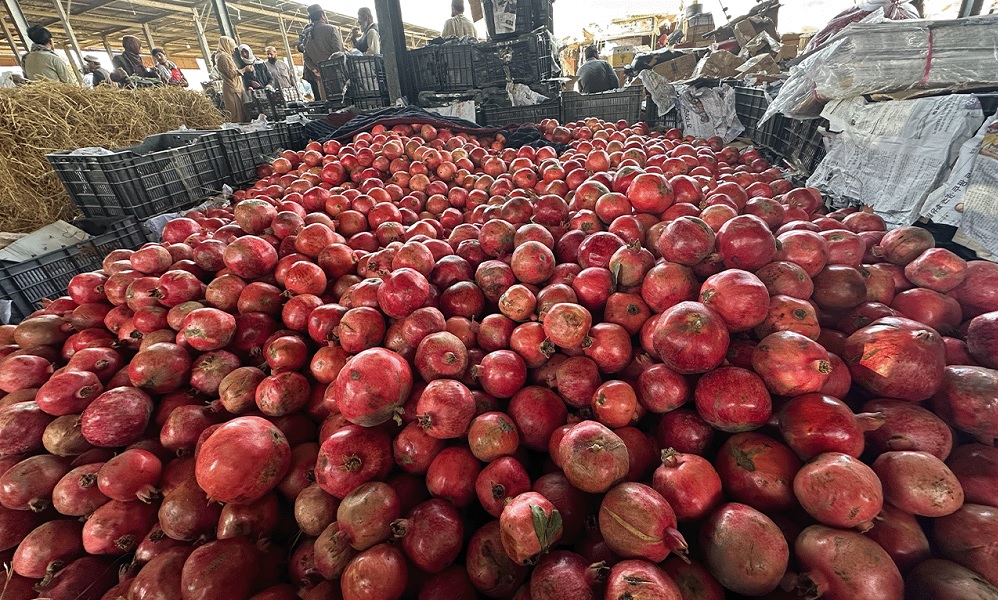
Pomegranate prices in Pakistan have more than doubled following the suspension of trade with Afghanistan, disrupting supplies of Afghan fruit and forcing traders to rely increasingly on local production, Arab News reported on Sunday.
In Quetta, the capital of Balochistan province, high-quality pomegranates are selling for around 900 Pakistani rupees ($3) per kilogram, compared with 400 rupees ($1.44) during the same period last year.
Traders say a 10-kilogram crate of large pomegranates, which cost around 4,000 rupees ($14) in 2025, now sells for as much as 10,000 rupees ($36).
The price increase comes as Pakistan, previously a major importer of Afghan pomegranates, faces reduced supplies following the suspension of bilateral trade and escalating tensions between the two neighboring countries.
According to Pakistan’s Bureau of Statistics, the country imported more than $18 million worth of pomegranates from Afghanistan in 2024.
Hajji Jalat Khan Achakzai, a former president of the Chaman Chamber of Commerce and an Afghan pomegranate importer, said the trade suspension has affected consumers as well as importers, transporters and clearing agents.
He said around 250 trucks carrying Afghan pomegranates previously entered Pakistan through Chaman regularly during the fruit season, which runs from mid-October to mid-December.
Achakzai said local production in Balochistan was insufficient to meet demand across Pakistan and called on Kabul and Islamabad to resolve their differences and resume bilateral trade.
The disruption has created an opportunity for farmers in Balochistan to expand local production.
Waheed Ahmed, head of the Pakistan Fruit and Vegetable Association and a member of the prime minister’s export board, said the suspension of Afghan imports had created an opportunity for local growers in Balochistan.
However, he warned that the disruption was damaging broader trade, noting that Pakistani agricultural products had also been exported to Afghanistan and transported onward to Central Asian markets.
Pakistan’s Commerce Ministry recently told a parliamentary committee that the country’s exports to Afghanistan had declined by around $1 billion since trade was suspended in 2025. It also estimated trade losses of $387 million between July and October this year due to regional conflicts, trade disruptions and rising transportation costs.
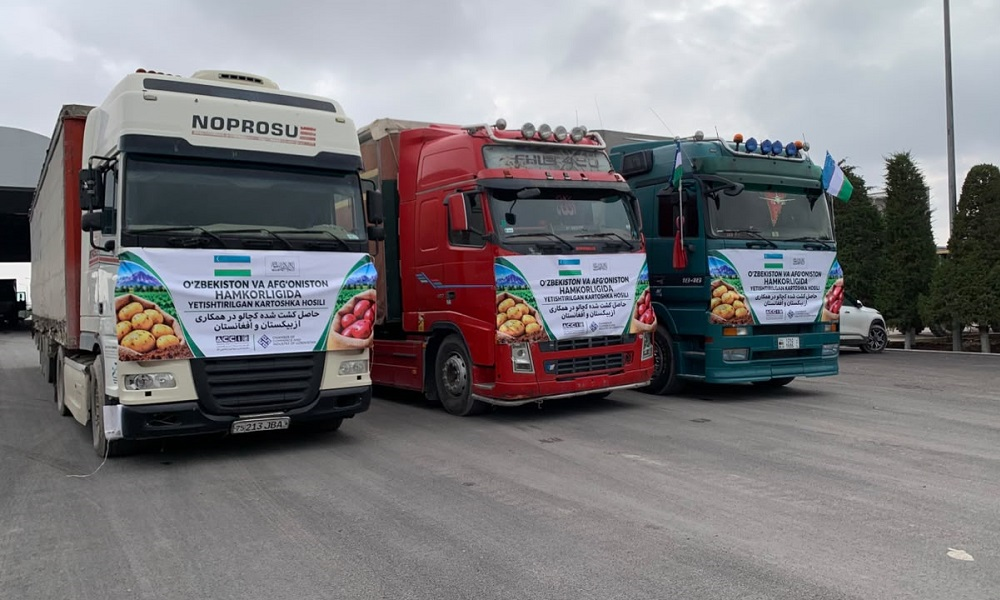
Cooperation between the Afghanistan Chamber of Commerce and Investment and the Uzbekistan Chamber of Commerce has paved the way for exporting potatoes from Bamyan province to the Uzbek market.
In this regard, Sayed Karim Hashemi, President of the Afghanistan Chamber of Commerce and Investment, and Doran Vahabov, President of the Uzbekistan Chamber of Commerce, have agreed on the export of 100,000 tons of Bamyan potatoes to Uzbekistan. Work is underway to finalize the export agreement.
Meanwhile, the first shipment of potatoes, consisting of eight trucks, has departed for the Uzbek city of Termez through the Hairatan Port.
The chambers of commerce of both countries, in cooperation with local authorities in Bamyan, have facilitated connections between traders and farmers and coordinated the purchasing, marketing, and transportation of the produce. This initiative is expected to expand market opportunities for Bamyan farmers and strengthen trade between Afghanistan and Uzbekistan.

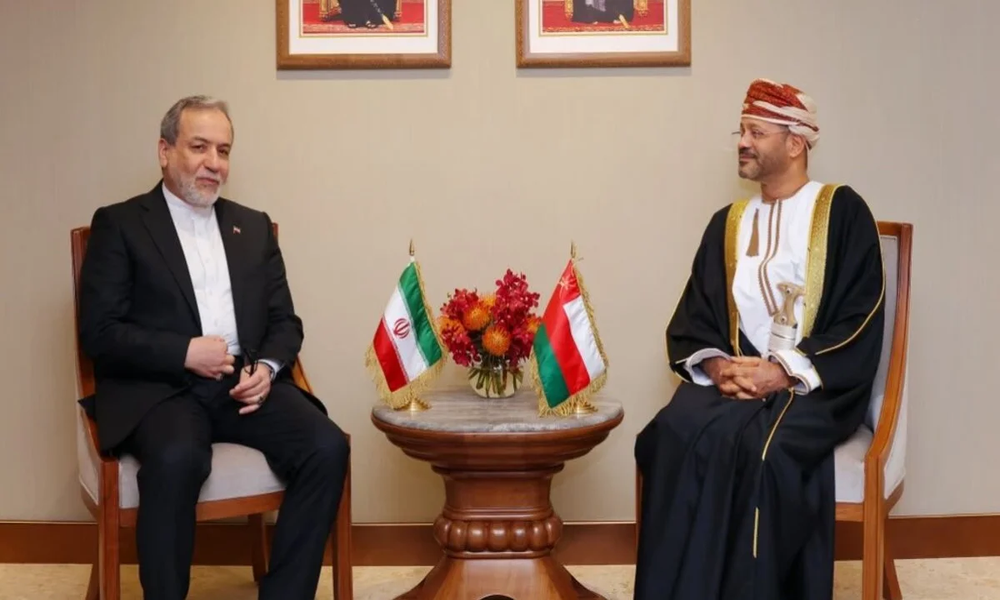
Oman and Iran discuss restoring shipping through Strait of Hormuz

IEA leader says he will not allow Muslims to fight to protect his power

Germany reportedly approves visas for four new Afghan diplomats
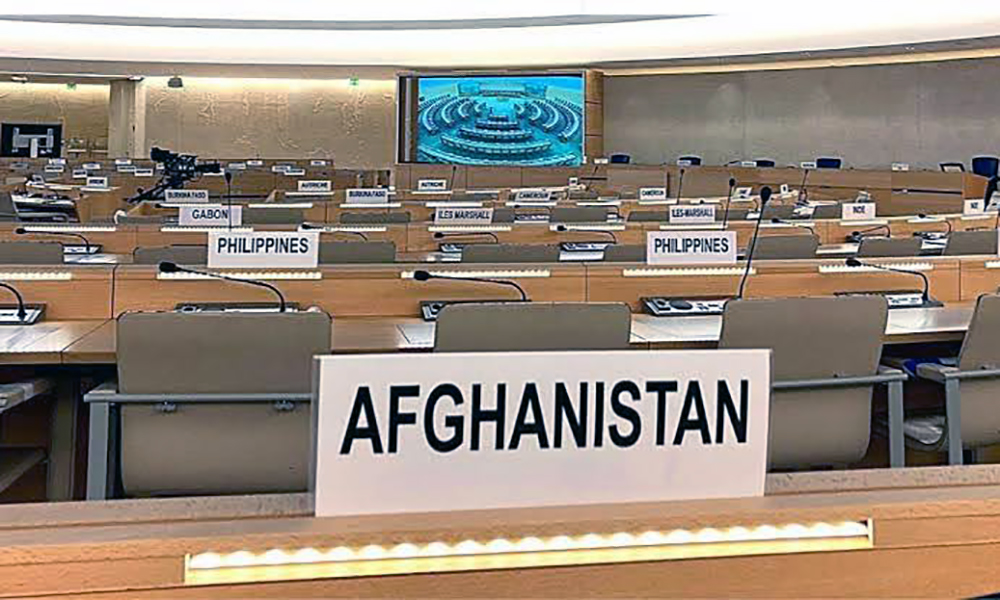
Afghanistan marks 80 years of UN membership with special commemorative event
Afghanistan, India discuss expanding trade and investment ties

Afghanistan finish runners-up after 6-0 defeat to Brazil in futsal final

Rubio heads to Central Asia while other US officials hit foreign policy hot spots

Violent protests spread across Europe as Albanian PM blames ‘foreign hand’

Governments take websites offline as critical cyber flaws trigger global alert

Afghanistan’s new Wakhan road to China faces major hurdles
Oman and Iran discuss restoring shipping through Strait of Hormuz

Tahawol: Afghanistan absent from ECO meeting

Saar: ECO meeting kicks off in Islamabad

Tahawol: UK seeks to ease Kabul–Islamabad tensions

Saar: Iran–US tensions: an uncertain future
-
Business4 days ago
Afghanistan and Uzbekistan agree on export of 100,000 tons of Bamyan potatoes
-
 Sport5 days ago
Afghanistan falls just short of Bronze at Dakar 2026 Youth Olympic Games
-
 Latest News3 days ago
ICC halts probe into alleged crimes by US troops in Afghanistan
-
 Sport4 days ago
Argentina clinch futsal gold after defeating Portugal in Dakar 2026 final
-
 Sport4 days ago
Debutant Naseer Khan strikes four as Afghanistan fight back against Zimbabwe in second Test
-
 Latest News5 days ago
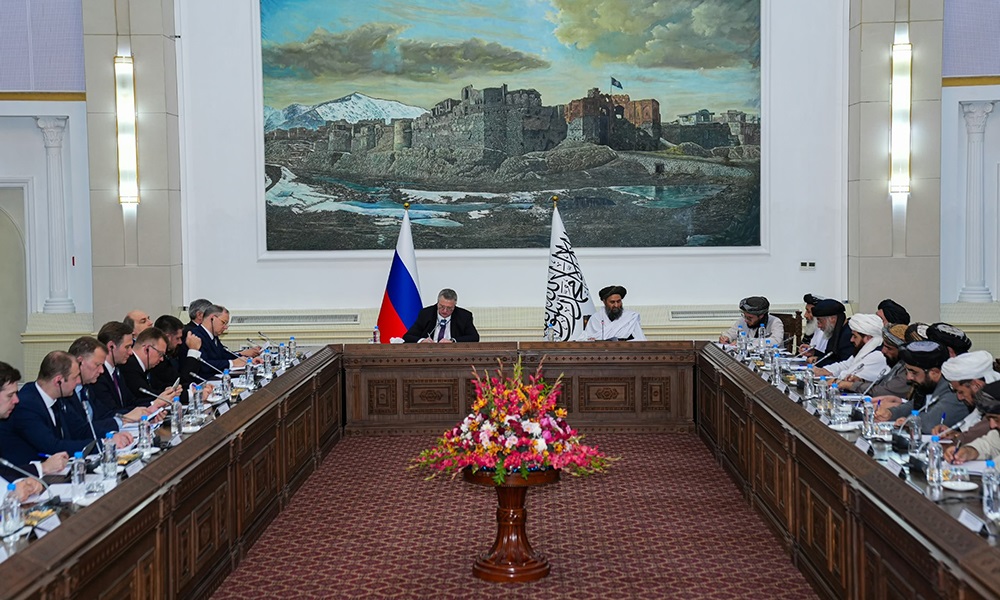
Afghanistan invites Russian companies to invest in mining, industry and infrastructure
-
 Sport2 days ago
ILT20 teams required to field at least two UAE and Afghanistan players in Season 5
-
 World4 days ago
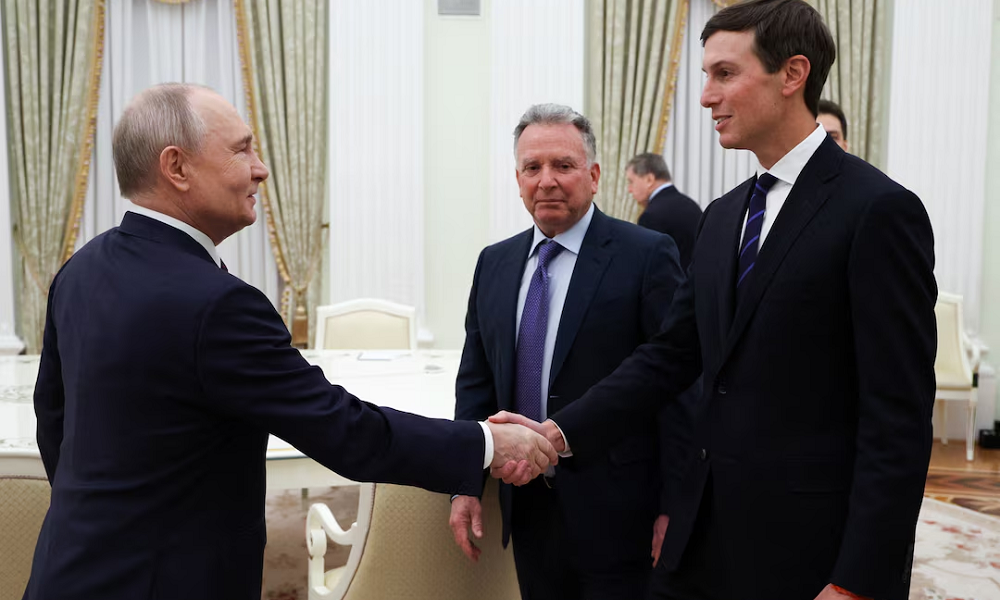
Putin agrees to European role in Ukraine peace talks as Zelenskiy welcomes move