
Latest News
EU envoy says restrictions on women and girls an obstacle to normalizing ties with IEA

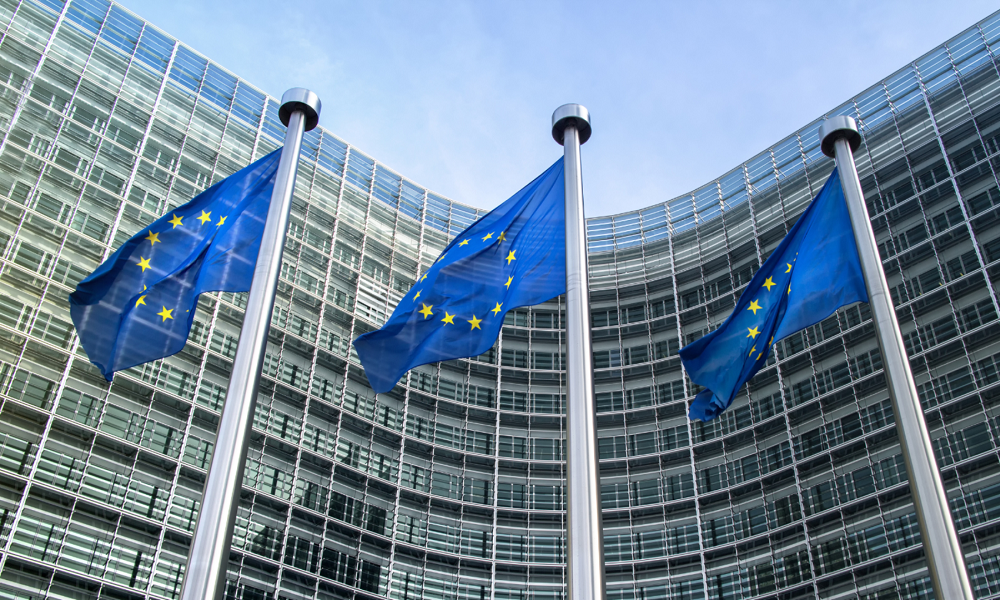
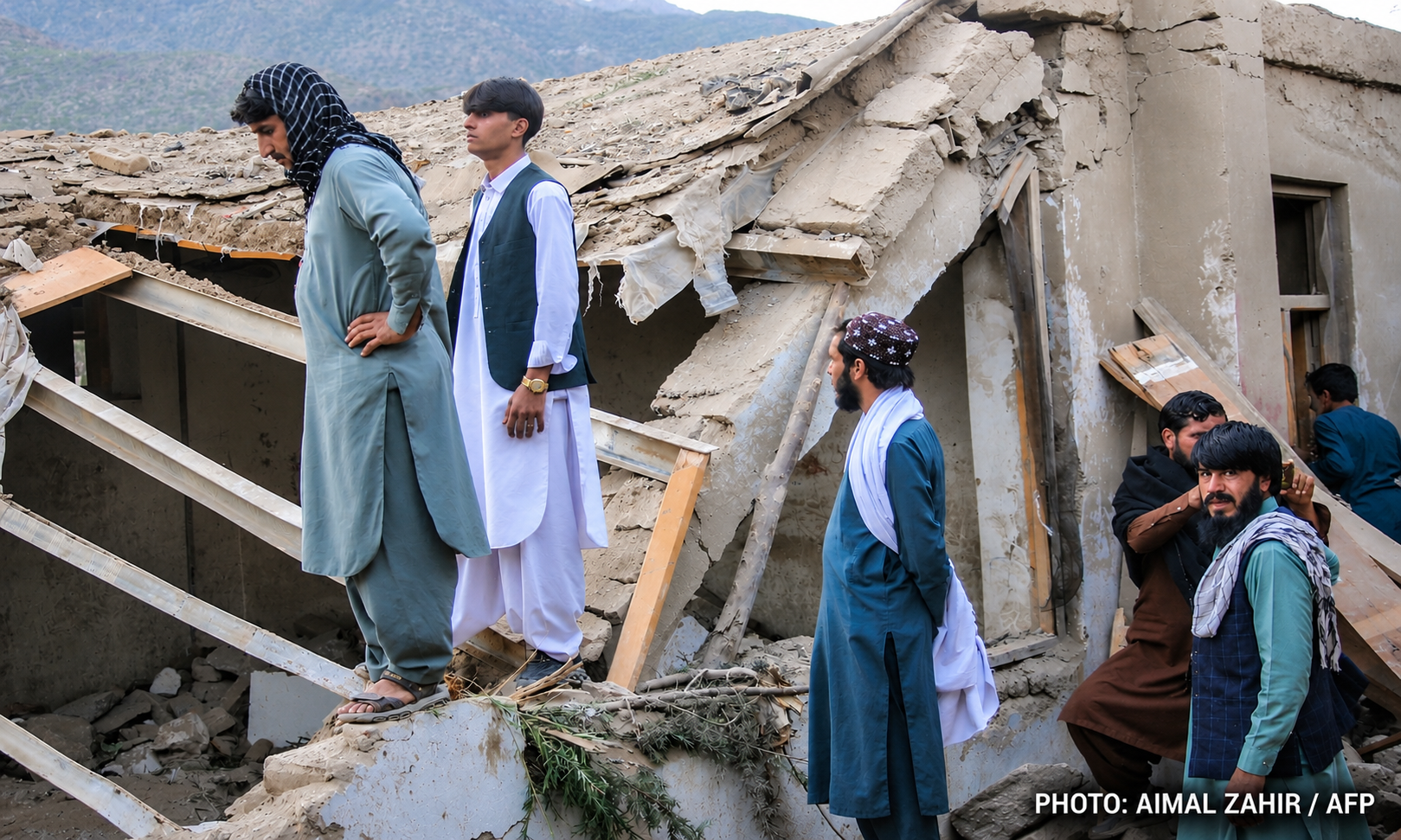
The European Union’s Special Envoy for Afghanistan, Thomas Frellesen, has described restrictions on women and girls as a major obstacle to normalising relations between the EU and the Islamic Emirate of Afghanistan (IEA), following a three-day visit to Kabul.
According to an EU statement issued Thursday, Frellesen visited Kabul from October 12 to 14, holding discussions with senior IEA officials, diplomats, regional partners, representatives of the United Nations and the Organisation of Islamic Cooperation (OIC), and members of Afghan civil society.
During the visit, he expressed serious concern over restrictions on women and girls, saying they remained a significant barrier to closer relations between the EU and the IEA. In a meeting with Afghan women’s civil society representatives, he also heard about the impact of the restrictions and women’s resilience in the face of these challenges.
On security, Frellesen acknowledged that conditions in Afghanistan had generally improved but warned about the continued presence and cross-border activities of terrorist groups, including Islamic State Khorasan Province (ISKP). He stressed that the IEA must ensure Afghan territory is not used to threaten other countries.
The EU envoy also recognised the IEA’s counter-narcotics efforts but raised concern over a renewed increase in poppy cultivation. He called for sustainable alternative livelihoods for farmers affected by the ban on opium cultivation, noting that the EU was supporting such initiatives.
Frellesen urged Afghanistan and Pakistan to resume dialogue to address their security concerns, emphasising the need to de-escalate tensions and protect civilians and civilian infrastructure. The EU also welcomed regional and international mediation efforts, the OIC’s role in promoting stability, and initiatives aimed at strengthening regional connectivity.
Reaffirming the EU’s support for the UN-led Doha Process, Frellesen said coordinated international engagement and constructive participation by the IEA were essential to Afghanistan’s reintegration into the international community. He also stressed the importance of inclusive governance and compliance with international obligations.
The discussions further covered continued EU assistance in healthcare, education, resilience and livelihoods, including support for Afghans returning from Iran and Pakistan. Frellesen emphasised that returns should be safe, dignified and orderly, and called for greater attention to climate-related projects.
He also highlighted the importance of a resilient private sector and the preservation of Afghanistan’s cultural heritage.
The EU said its engagement with Afghanistan would remain principled and pragmatic, with a focus on addressing the needs of the Afghan people.


Latest News
Pakistan-Russia talks expected to address Afghanistan and regional cooperation
Sharif is expected to meet Russian President Vladimir Putin, with talks focusing on expanding bilateral trade, energy and defence cooperation, as well as the revival of Pakistan Steel Mills.
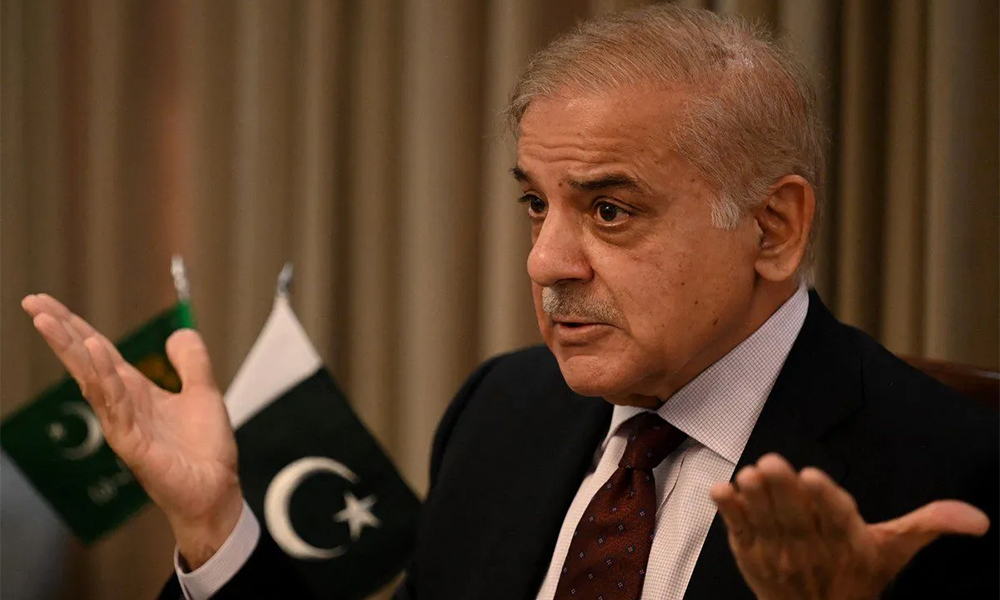
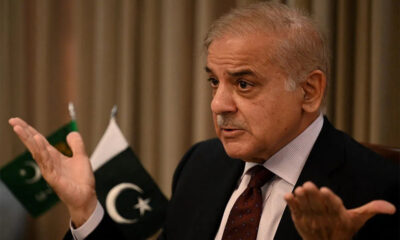
Pakistan’s Prime Minister Shehbaz Sharif is set to begin a three-day visit to Russia on Monday, with discussions expected to cover bilateral relations, regional developments and issues concerning Afghanistan, according to Pakistani media reports.
Sharif is expected to meet Russian President Vladimir Putin, with talks focusing on expanding bilateral trade, energy and defence cooperation, as well as the revival of Pakistan Steel Mills.
Relations between Moscow and Islamabad have increasingly focused on economic, transport and infrastructure cooperation in recent years. However, Afghanistan’s role in regional connectivity and the wider implications of such partnerships remain important considerations.
Afghan analysts say regional trade and transport initiatives cannot reach their full potential without Afghanistan’s participation and stability. They point to the country’s strategic geographical position as a vital link between regional markets and a key transit corridor connecting Central and South Asia.
They argue that sustainable regional cooperation requires greater engagement with Kabul and efforts to address the challenges facing trade and transport connectivity across the region.
Russia, which is the only country to have formally recognized the Islamic Emirate of Afghanistan, has also recently sought to mediate between Kabul and Islamabad amid escalating tensions between the two neighbours.
It remains unclear how prominently Pakistan-Afghanistan relations will feature in the upcoming talks between Sharif and Putin, or whether the two leaders will discuss the need to resolve bilateral disputes and maintain stability in Afghanistan as part of broader regional cooperation.
Latest News
Kabul to introduce Japanese and Indian buses to ease traffic congestion
Each bus can carry more than 100 passengers per trip, providing additional public transport capacity for commuters.
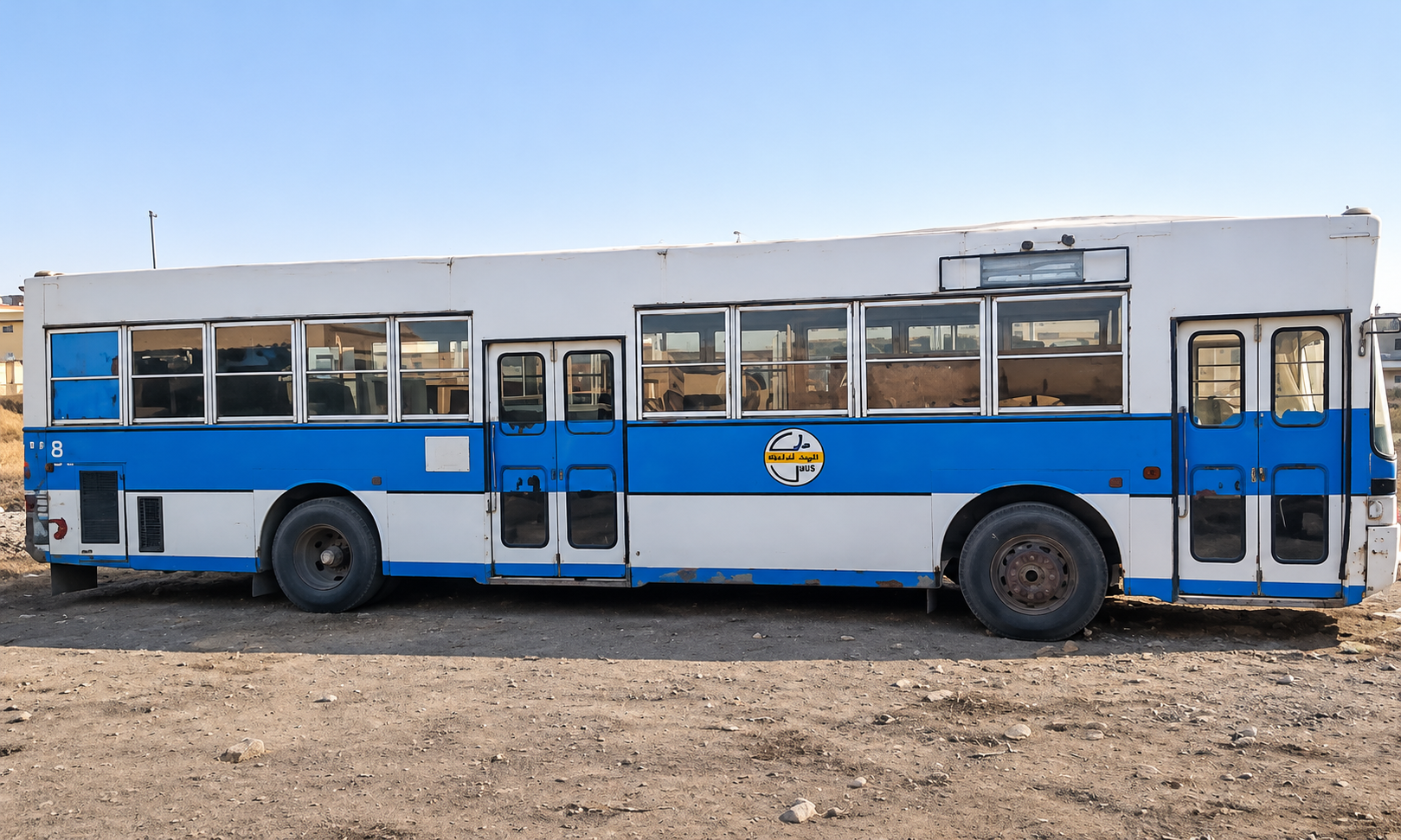
Afghanistan’s state-owned Milli Bus Company plans to introduce large-capacity Japanese Isuzu and Indian Tata buses on several routes in Kabul as part of efforts to improve public transportation and ease traffic congestion in the capital.
Mohammad Nabi Bahar, spokesperson for the General Directorate of State-Owned Companies, said the buses will operate daily between 2:00 PM and 6:00 PM, serving passengers travelling from the Deh Afghanan and Pamir Cinema areas.
Each bus can carry more than 100 passengers per trip, providing additional public transport capacity for commuters.
The initiative aims to ease pressure on Kabul’s busy roads, reduce traffic congestion and improve access to affordable and convenient public transportation for residents.
Latest News
Afghanistan recovers more than four million jeribs of government land
The recovery process involved examining relevant ownership documents and evidence, with final decisions issued by the commission or the relevant special court.

Afghanistan’s Commission for the Prevention of Land Grabbing and Restitution of Grabbed Lands has verified and recovered more than four million jeribs of government-owned land across the country since beginning its operations, the Ministry of Justice says.
Ministry spokesperson Barakatullah Rasooli said the recovered properties include barren land, agricultural areas and townships, with significant portions located in Kabul, Balkh, Nangarhar, Ghazni, Wardak, Kandahar, Helmand, Jawzjan, Samangan, Zabul, Faryab, Baghlan, Parwan and Kunduz provinces.
Rasooli said the recovery process involved examining relevant ownership documents and evidence, with final decisions issued by the commission or the relevant special court.
He added that documentation relating to millions of additional jeribs of land is currently being reviewed in various parts of the country.
Final decisions on the ownership and status of these properties will be made once the investigations have been completed, he said.
The commission was established to identify illegally occupied government land, investigate ownership claims and facilitate the restitution of public properties.

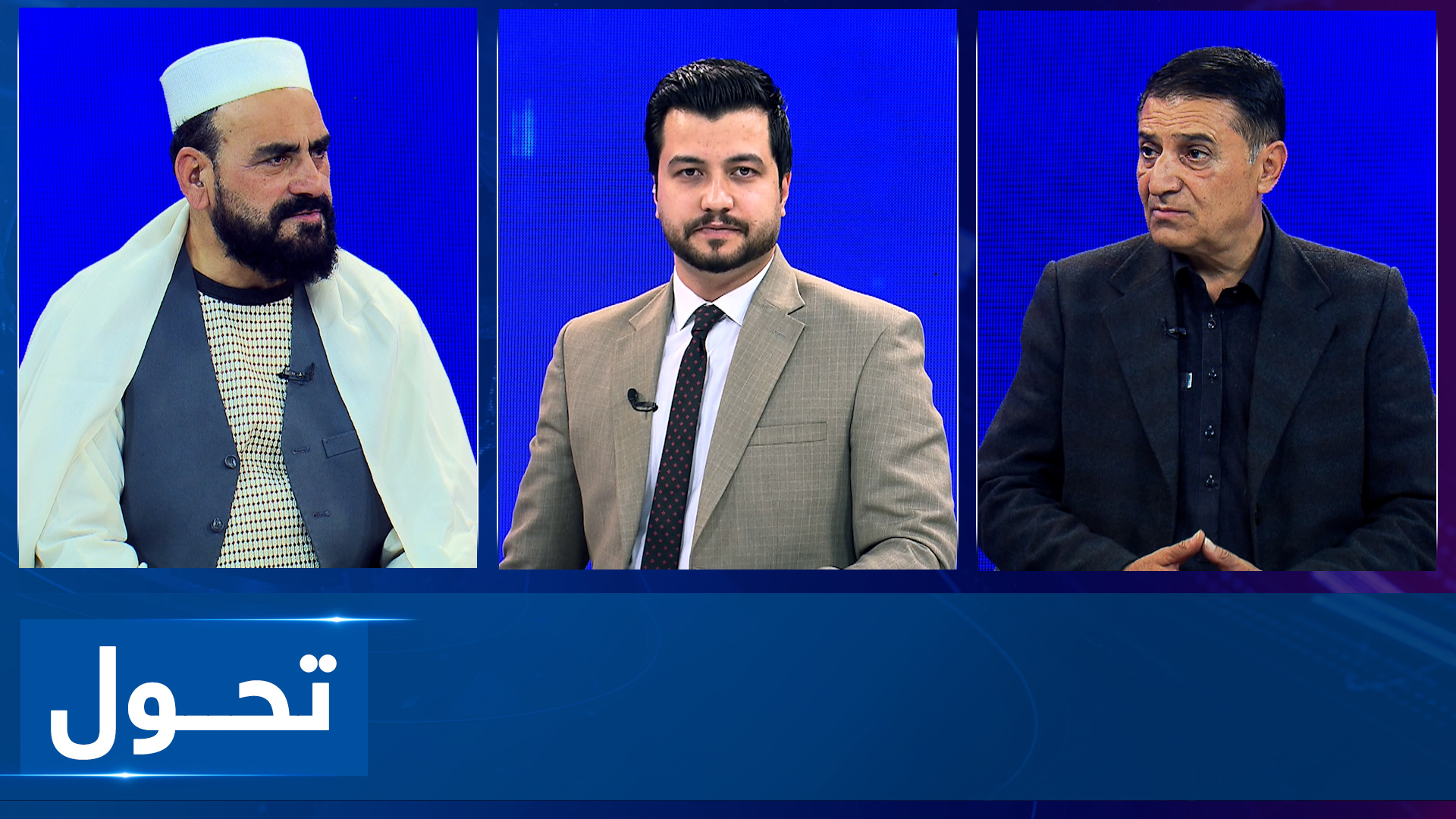
Tahawol: Afghanistan at the center of Putin-Shehbaz talks
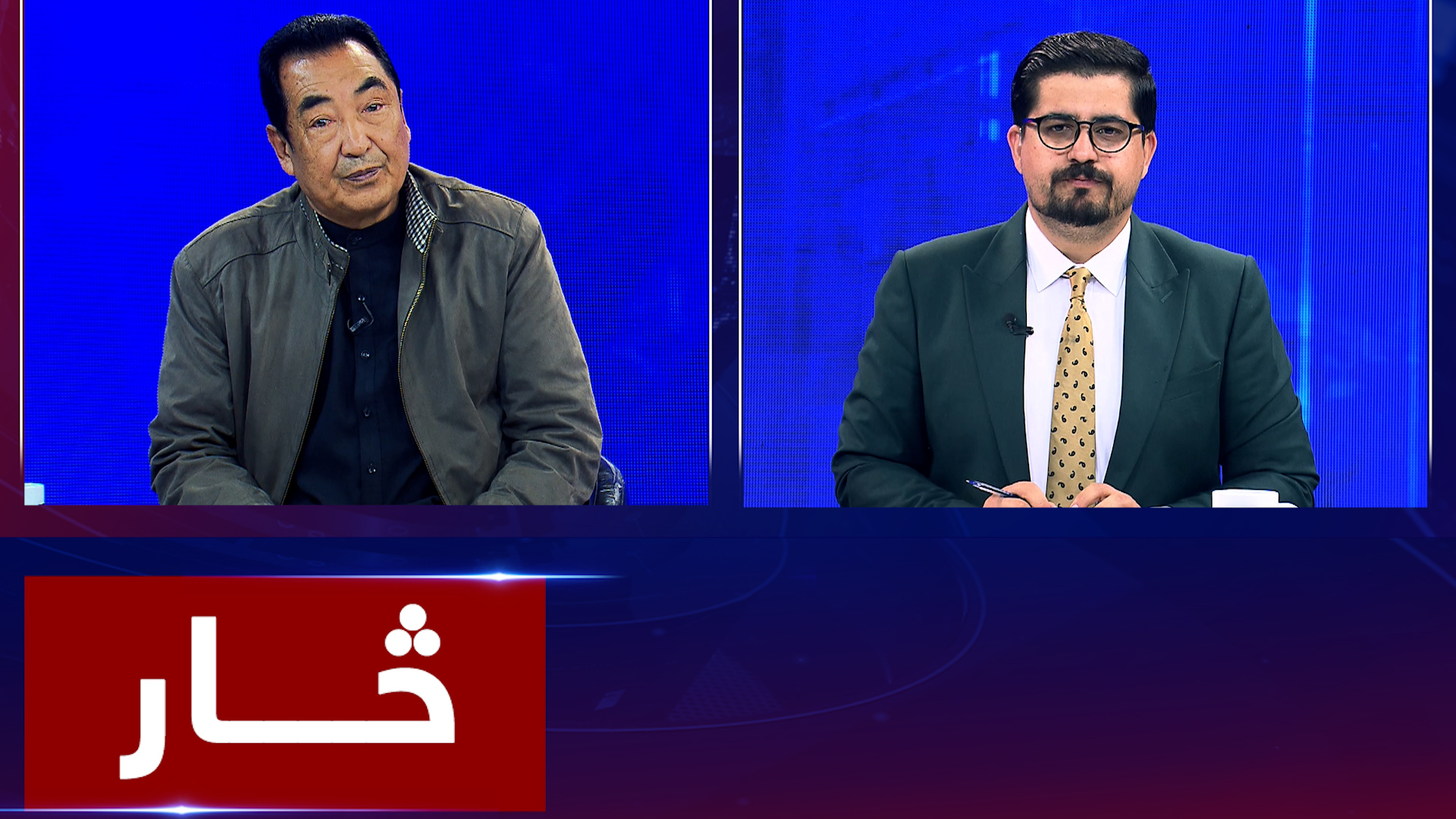
Saar: Russia-Pakistan talks focus on Afghanistan’s situation

Pakistan-Russia talks expected to address Afghanistan and regional cooperation
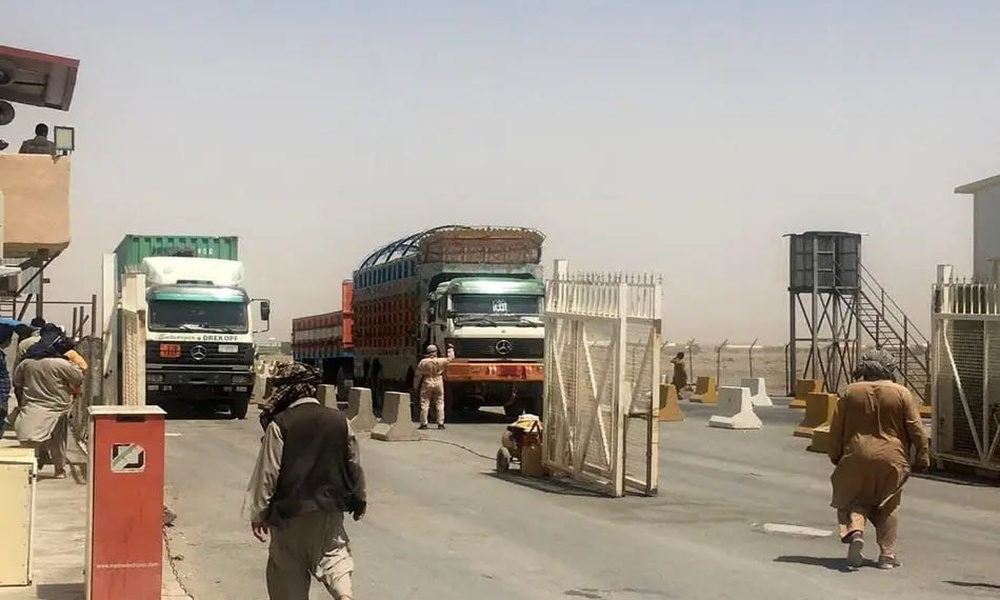
Afghanistan-Iran trade through Abu Nasr Farahi crossing exceeds $1 billion
Kabul to introduce Japanese and Indian buses to ease traffic congestion

US sanctions and blockade measures disrupt Iran’s trade with Afghanistan and regional neighbors
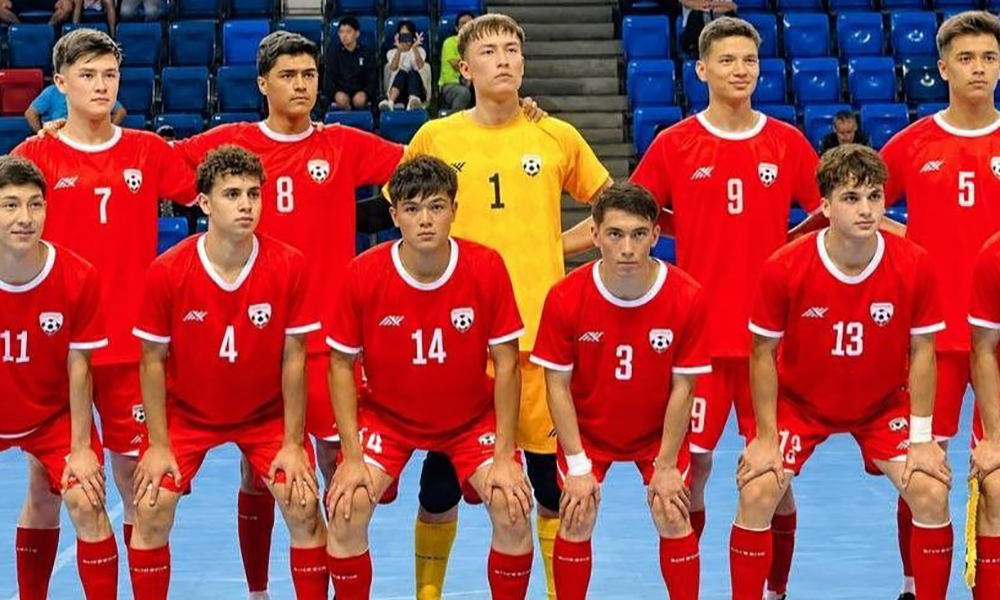
Afghanistan futsal team thrash Panama 5-0 in flying start to Dakar Youth Olympics
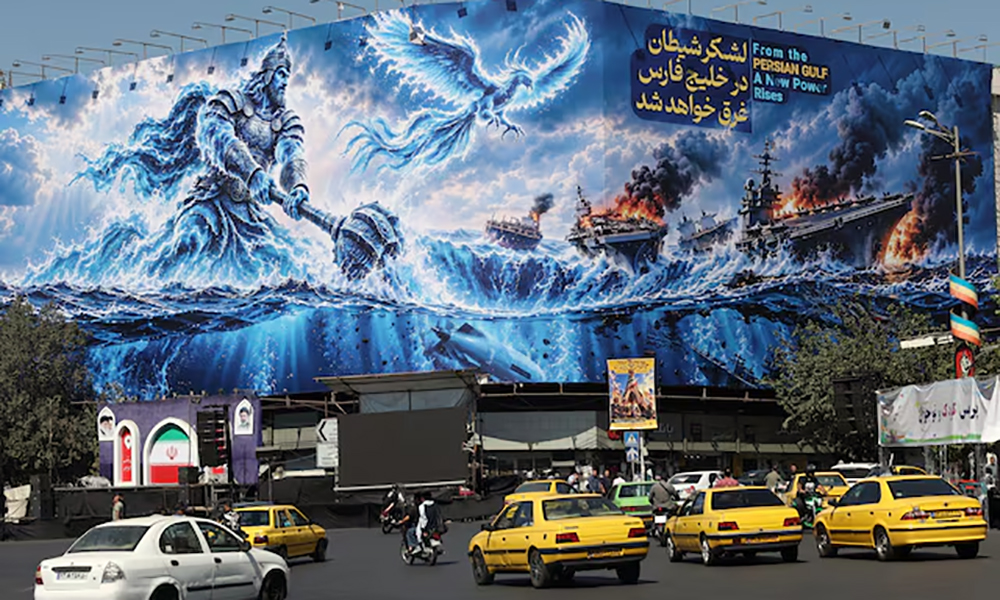
Iran defends two-day proposal for peace talks after US rejects conditions

Suhail unveiled as official mascot for FIBA Basketball World Cup 2027 in Qatar

Cristiano Ronaldo announces international retirement
Tahawol: Afghanistan at the center of Putin-Shehbaz talks
Saar: Russia-Pakistan talks focus on Afghanistan’s situation
Tahawol: Ongoing deadlock over Afghanistan’s UN seat discussed
Saar: UN warning regarding rising hunger in Afghanistan
Debate with Amir Khan Muttaqi, Foreign Minister of the Islamic Emirate of Afghanistan
-
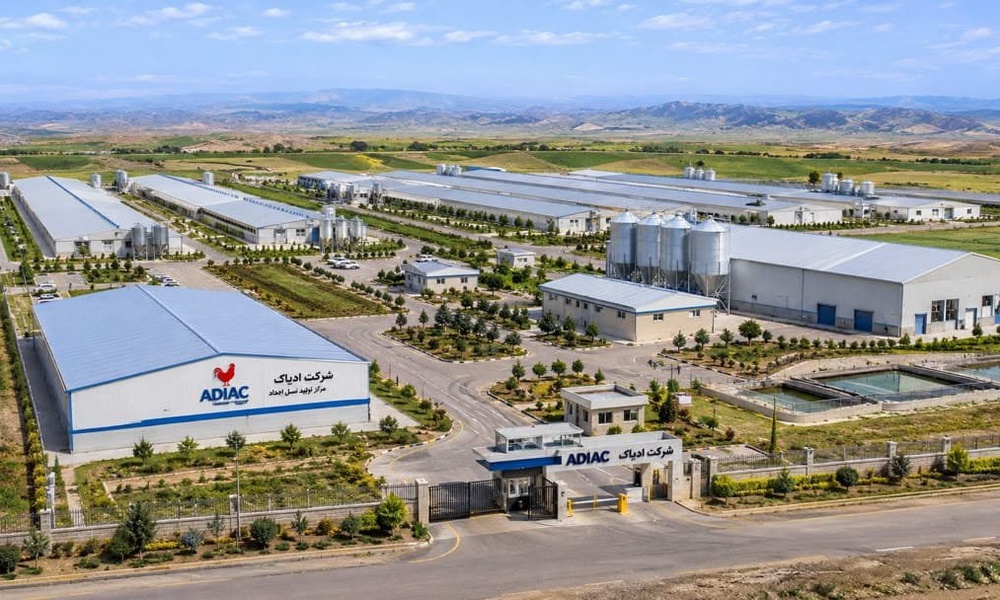 Business4 days ago
$7 million poultry farm opens in Herat, creating 600 jobs
-
 Business4 days ago
Russia agrees to supply Afghanistan with $200 million worth of goods
-
 Latest News5 days ago
Qatar to protect Canada’s interests in Afghanistan under new agreement
-
 World4 days ago
US Army schedules Iowa explosives detonation despite public outcry
-
 Latest News3 days ago
UN warns aid cuts threaten support services for Afghan women and girls
-
 Tahawol5 days ago
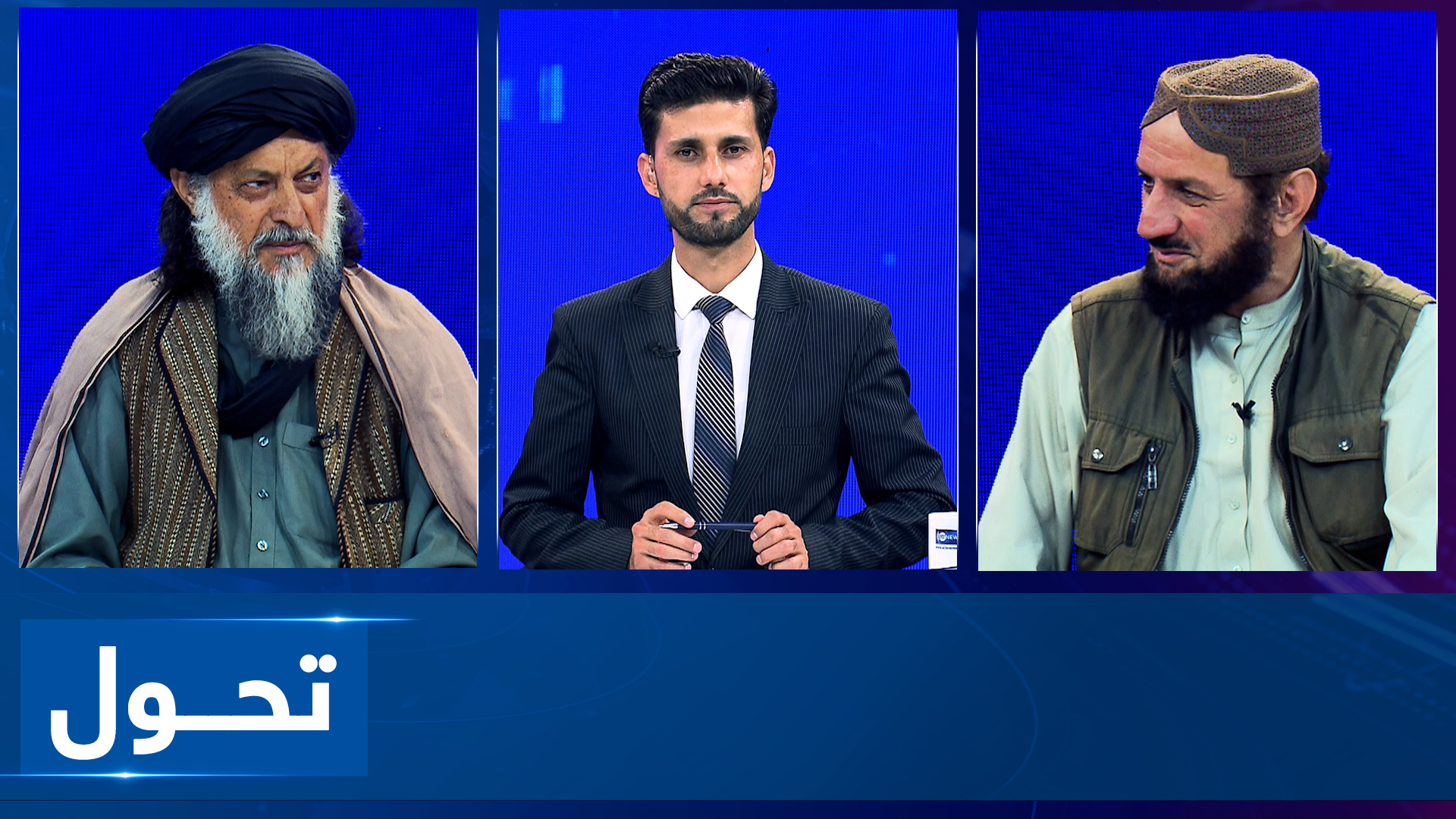
Tahawol: Discussion on shifting views within Pakistan
-
 Latest News3 days ago
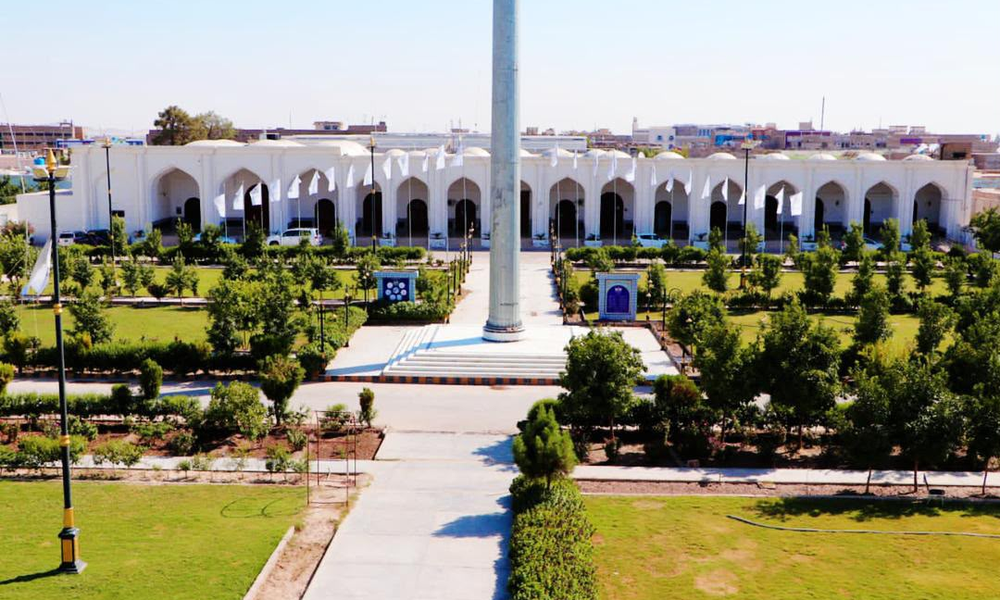
Joint security delegation visits Kandahar to strengthen coordination
-
 Latest News4 days ago
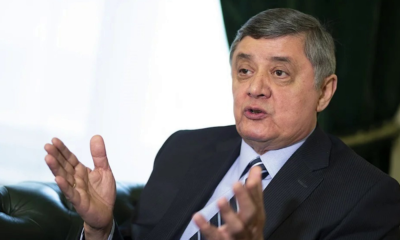
Afghan delegations may visit Russia in near future: Kabulov