
World
Former ICC judge Navi Pillay wins 2026 Nobel Peace Prize

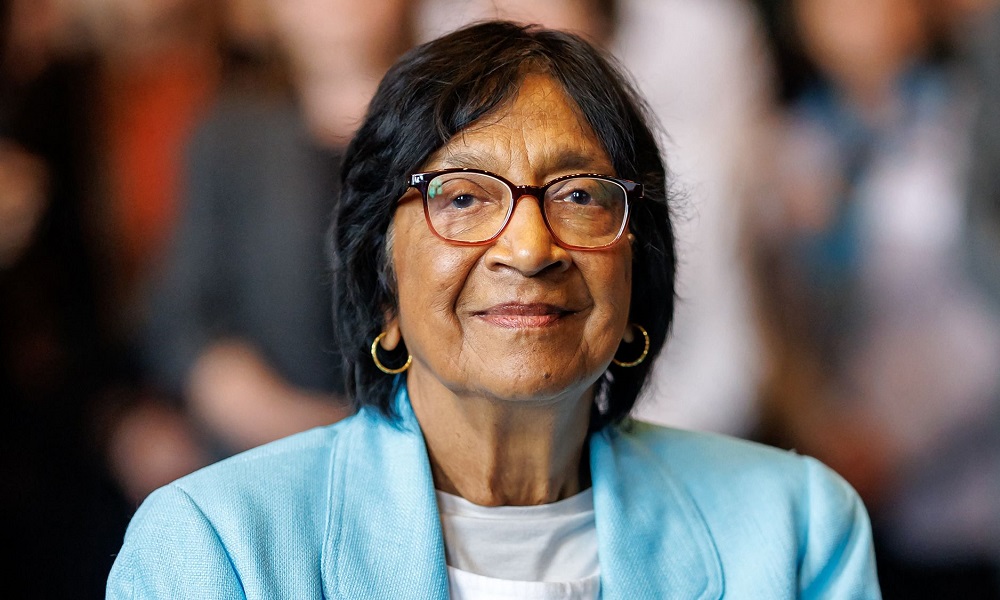
South African jurist Navi Pillay, a former judge at the International Criminal Court (ICC), won the 2026 Nobel Peace Prize on Friday for her efforts to promote peace and international law, as international justice institutions face growing political pressure.
The Nobel Committee announced the award hours before the United States imposed sanctions on the ICC, saying the recognition highlighted the importance of preserving an international order based on law and justice.
Pillay, 85, has served as a judge on several international courts, including the ICC and the International Criminal Tribunal for Rwanda. She also chaired a United Nations Commission of Inquiry on the Occupied Palestinian Territory, which concluded last year that Israel had committed genocide in Gaza. Israel rejected the report as “scandalous.”
The Nobel Committee warned that international law and its institutions were under significant pressure, cautioning that a shift towards power politics at the expense of legal frameworks threatened stability and peaceful coexistence.
The award comes amid escalating tensions between Washington and the ICC. US President Donald Trump has repeatedly criticised the court, particularly over its arrest warrants for Israeli Prime Minister Benjamin Netanyahu and his former defence minister.
Netanyahu’s office condemned the Nobel decision, accusing the committee of awarding its highest honour to someone it said had promoted allegations against Israel.
The award and the US sanctions have renewed international debate over the role of legal institutions in addressing alleged war crimes and protecting accountability under international law.

World
Ukraine sinks Russian warship in Libya as conflict spreads beyond Europe
Zelenskiy said a Russian Ka-27 combat helicopter had been destroyed along with the corvette. Russia’s Defence Ministry did not immediately comment.
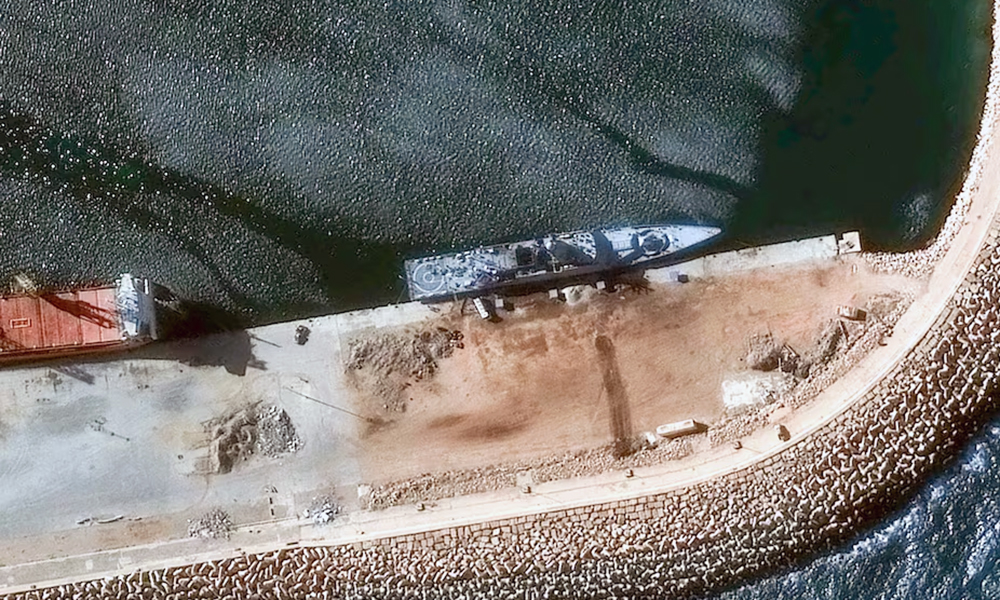
Ukraine sank a Russian naval corvette in a Libyan port using naval drones on Sunday, the day after a drone strike on a Russian military-linked cargo ship in the Gulf of Finland, President Volodymyr Zelenskiy said.
Zelenskiy said on Monday morning that Ukraine used seven naval drones in Sunday’s attack, and had also hit the Russian dry cargo ship MV Angara, which he said Russia had used to transport weapons.
“Despite all the enemy’s attempts to counter the attack, the Russian corvette ‘Mercury’ was sunk,” Zelenskiy posted on Telegram, the first official acknowledgement that Ukraine has carried out an attack in Libya.
“We continue operations in designated waters.”
Zelenskiy said a Russian Ka-27 combat helicopter had been destroyed along with the corvette. Russia’s Defence Ministry did not immediately comment.
After a civil war, eastern Libya is controlled by military commander Khalifa Haftar, whose Libyan National Army has ties with Russia, while the west is controlled by an internationally recognised Government of National Unity based in Tripoli.
Libya’s eastern-based government said the corvette was docked at the Benghazi naval base on Sunday when it was hit.
The Institute for the Study of War said it had stopped for several days, under a cooperation agreement, to refuel and resupply as it escorted Russian cargo ships that can carry military supplies heading for Russia.
Osama Hamad, prime minister of Libya’s eastern-based government, said he had asked the UN to investigate “suspicions that the boats had been launched from western Libya” and to verify the presence of Ukrainian military experts there. No comment was immediately available from the Tripoli government.
Russia’s Transport Ministry said in March that Ukrainian naval drones launched from Libya had attacked the Arctic Metagaz, which was carrying liquefied natural gas from Murmansk. Libya’s maritime agency reported that the vessel had sunk between Libya and Malta after catching fire. Kyiv has not claimed responsibility for that attack.
On Saturday, a drone attack set fire to another Russian cargo ship, the Sparta II, operated by the Russian defence logistics firm Oboronlogistika, in international waters in the Gulf of Finland.
The Finnish military said it was likely to have been carried out by Ukraine, although Kyiv did not immediately comment. All 16 crew were evacuated onto a nearby Russian ship, one of them slightly injured.
Kremlin spokesman Dmitry Peskov responded to a question about the attack by saying there was a “dangerous trend of increasing terrorist activity” in the Baltic Sea. He said Moscow hoped states in the area would warn Kyiv off such operations.
Russian, Estonian and Finnish vessels fought the fire after the Sparta II drifted into Finnish waters, and a Russian ship began towing it away on Sunday.
US-backed talks between Russia and Ukraine resumed this month after a nine-month hiatus in an effort to end the war, Europe’s biggest since World War Two, albeit with little result so far.
Mykola Bielieskov of the National Institute for Strategic Studies in Kyiv said Ukraine was looking to strengthen its position with “horizontal escalation”.
“Since neither side is able to compel the other to accept terms of settlement through the battlefield only, both try to find new ways to pressure each other,” he said.
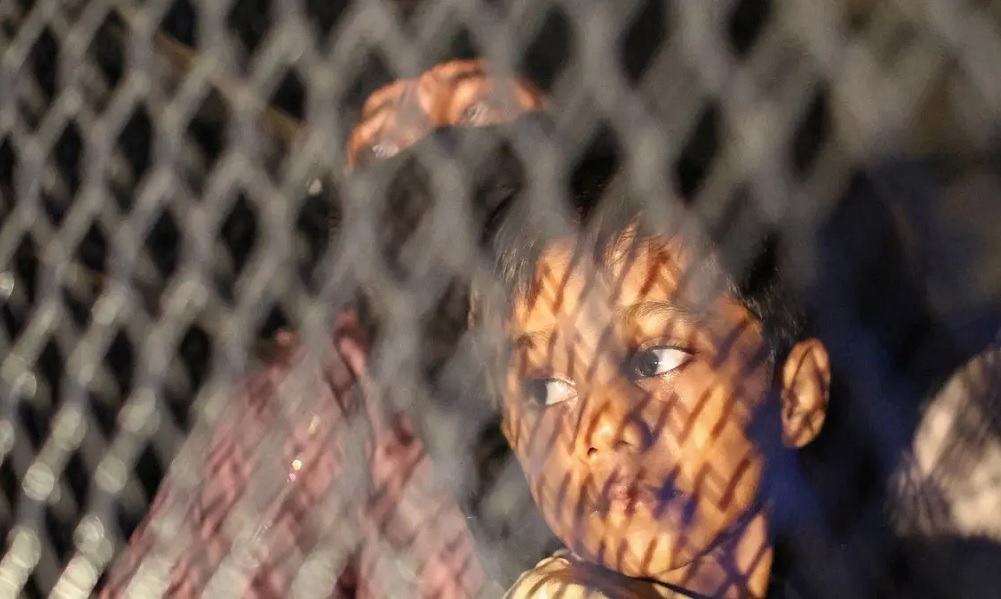
Malaysia said on Friday that it will resettle 10,000 Rohingya refugees in Turkey through a structured skills training programme, in what would be one of the biggest resettlement initiatives involving the Rohingya since a military crackdown on their native Rakhine state in 2017.
The plan announced by Malaysian Deputy Prime Minister Ahmad Zahid Hamidi came a day after the International Court of Justice ruled that the killings and widespread sexual violence against the Rohingya people by Myanmar’s security forces in 2017 amounted to state-sponsored genocide, Reuters reported.
The proposal is part of the government’s efforts to address the Rohingya refugee situation in Malaysia in a more “coordinated, effective and humane manner”, Ahmad Zahid said in a statement.
“I welcome the government of Turkey’s agreement to receive 10,000 Rohingya refugees. This marks an important step in Malaysia’s efforts to find a long-term solution to an issue that has long posed challenges for migration management and national security,” he said.
Ahmad Zahid said the initiative with Turkey could serve as a model for how countries can work together to manage refugee resettlement.
“The Government will work with the Turkish authorities, UNHCR and relevant agencies to coordinate participant selection, training, documentation and resettlement. Implementation will take into account industry needs, the consent of the individuals concerned and applicable international rules,” he said.
The Turkish foreign ministry did not immediately respond to a request for comment.
Malaysia has come under pressure to send Rohingya refugees back to Myanmar amid rising tensions with local communities. According to UNHCR, Malaysia had about 193,000 registered refugees from Myanmar at the end of February, around two-thirds of them Rohingya.
Malaysia has sent more than 10,000 Myanmar nationals back to their country since January.
World
Trump, Xi and Putin release ‘peace declaration’ from unprecedented summit
Trump greeted Putin as “my friend” and received a hug from Xi in the latest of the diplomatic spectacles he favors.
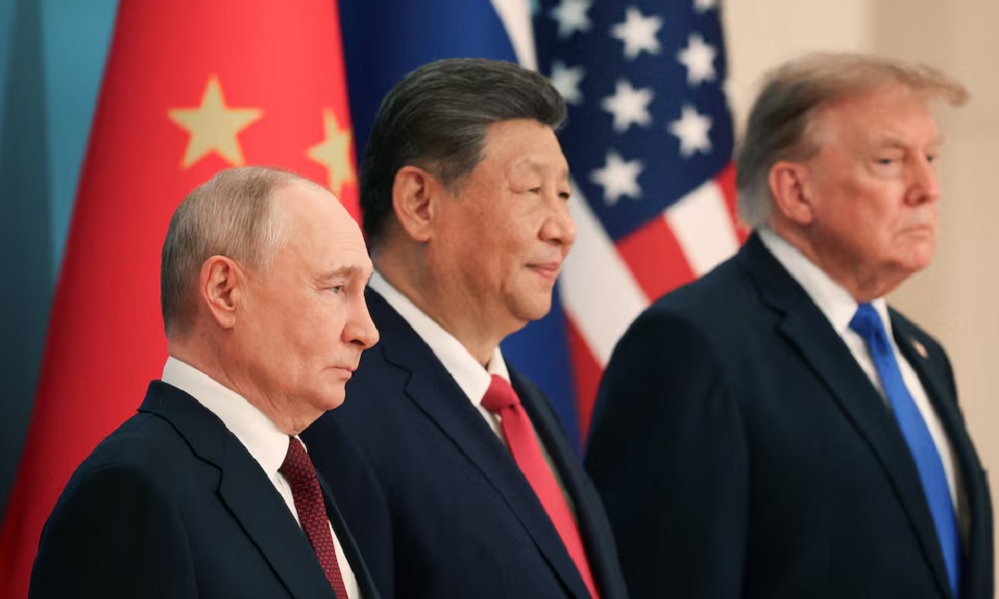
China, the United States and Russia agreed on a symbolic “peace declaration” at an unprecedented three-way summit on Thursday and reaffirmed that nuclear war should never be fought, but announced no plans for arms control talks long sought by Trump.
A joint declaration released by Chinese President Xi Jinping, US President Donald Trump and Russian President Vladimir Putin capped a three-day diplomatic swing by Trump through Asia that produced few tangible victories, despite his repeated boasts about making history and brokering peace, Reuters reported.
Instead, the trip raised fresh questions among US allies about his increasingly close relationships with Xi and with Putin, who continues to wage war against Ukraine.
Trump greeted Putin as “my friend” and received a hug from Xi in the latest of the diplomatic spectacles he favors.
Those meetings, which have included discussions with North Korean leader Kim Jong Un and summits with Putin, have drawn praise from some for his willingness to engage directly with US adversaries and criticism from others for giving autocrats a global stage.
The leaders pledged to advance reforms of the United Nations, to increase supplies of fuel products for all countries and to uphold the immunity enjoyed by state officials in international courts.
The declaration did not mention Russia’s war in Ukraine or the US conflict with Iran, and in a press conference afterwards, Putin acknowledged it did not set ambitious goals and added that nobody would be forced to comply with its decisions.
The powers “reaffirmed that a nuclear war cannot be won and must never be fought” and added that they would “conduct a dialogue on reducing nuclear risks and preventing proliferation of nuclear weapons,” without giving a time frame.
But the statement made no mention of negotiations on a trilateral nuclear arms reduction treaty, something Trump has pushed since his first term and that China has consistently rejected, arguing that its arsenal is much smaller than those of the other powers.
Trump referred to nuclear weapons at the start of the meeting, saying: “It’s not an easy thing to do – give them up.”
He told NBC afterwards that it “went great.”
“On a scale of zero to 10, I think it was a 12,” he said. “Fantastic relationships built.”
In a post on his Truth Social platform, Trump said he would hold a news conference in Washington at noon (1700 GMT) on Friday.
China’s Foreign Minister Wang Yi said the countries would maintain coordination at working level after the “peace summit.”
Analysts said Trump came to Shenzhen seeking to bolster his standing after his Republican Party lost control of Congress in midterm elections this month.
Trump told Reuters the Shenzhen summit was “bigger than Yalta,” referring to the 1945 conference between the US, Britain and the Soviet Union, which became shorthand for great-power deals.
He defended calling Putin a friend, saying that “it’s nice to have people that have 4,000 nuclear weapons as a friend as opposed to an enemy.”
He also called Xi a friend and “an amazing leader,” but acknowledged the difficulty of achieving nuclear-arms cuts, saying it was “psychologically very difficult” for leaders.
Charles Schumer, who leads Democrats in the US Senate, called the trilateral summit “a historic embarrassment that people will remember long into the future.”
“It’s a betrayal of the United States by a president who loves nothing more than to bow down to our adversaries for a photo op,” he said.
Daryl Kimball, executive director of the US-based Arms Control Association, called the reaffirmation that a nuclear war should not be fought “positive,” but said, “We need much more than rhetoric. We need action on disarmament diplomacy.”
The reference to immunity of state officials came more than three years after the International Criminal Court issued arrest warrants for Putin and other Russian officials over alleged war crimes in Ukraine. Moscow rejects the allegations.
“The pushback against international norms and courts is the most interesting aspect,” said Jonathan Eyal, international director at the Royal United Services Institute think-tank in London. “The big powers dictate, the small powers suffer.”
Eyal said Putin had been a winner from the summit and “gained credibility and escape from pariah status”, while Trump “gained a photo opportunity he didn’t need.”
VILLA BY A LAKE
The leaders met in a villa in wooded hills beside a lake in the southern Chinese city of Shenzhen.
“We are really making history,” Trump told Xi and Putin at the start of the meeting. “No peace was ever forged by declining opportunities for engagement.”
Xi in his turn said: “History tells us that when major powers live in harmony, the world is at peace. When major powers clash, the world falls into turmoil.”
European allies met in Berlin on Thursday to back Ukraine and warned against deciding peace terms over their heads.
“A ‘Yalta’ format will not bring peace,” German Chancellor Friedrich Merz told reporters, adding that leaders would not allow Europe to be divided up. He sought to downplay the Shenzhen summit as “a photo opportunity.”
“The US understands that there can be no peace without us,” he said.
Standing alongside Merz, Trump’s son-in-law and special envoy Jared Kushner stressed that Trump wanted a peace deal with Europe at his side and that Russia had agreed to engage in multilateral talks with Europe. He said Trump had dialled into the Berlin summit and came away from his meeting with Putin and Xi believing “peace is achievable.”
The US and Europe, close allies for decades after the end of World War Two, have moved apart as Trump has scaled back support for Ukraine and insisted NATO partners pay more for their own defence.
Asked by a reporter about Trump greeting Putin as “my friend” in Shenzhen, Ukraine’s President Volodymyr Zelenskiy simply shrugged and walked on.
The trilateral meeting was a diplomatic coup for Putin, with Russia’s economy barely a tenth the size of China’s and most of its businesses barred from trading with the West by sanctions.
Putin said the three countries had “numerous shared interests in the settlement of regional conflicts, including obviously the conflict in Ukraine.”
He rejected criticism comparing the summit to Yalta, saying that summit had not divided the world into spheres of influence but “codified the existing reality.”
Underlying diplomatic tensions could resurface in a few weeks when Trump hosts the Group of 20 summit at his golf resort in Florida, where he is expected to meet Xi again and potentially Putin.
Putin, whose presence would likely anger the US allies, said he would consider attending, having discussed it with Trump, but would need to take the situation in Russia into account.

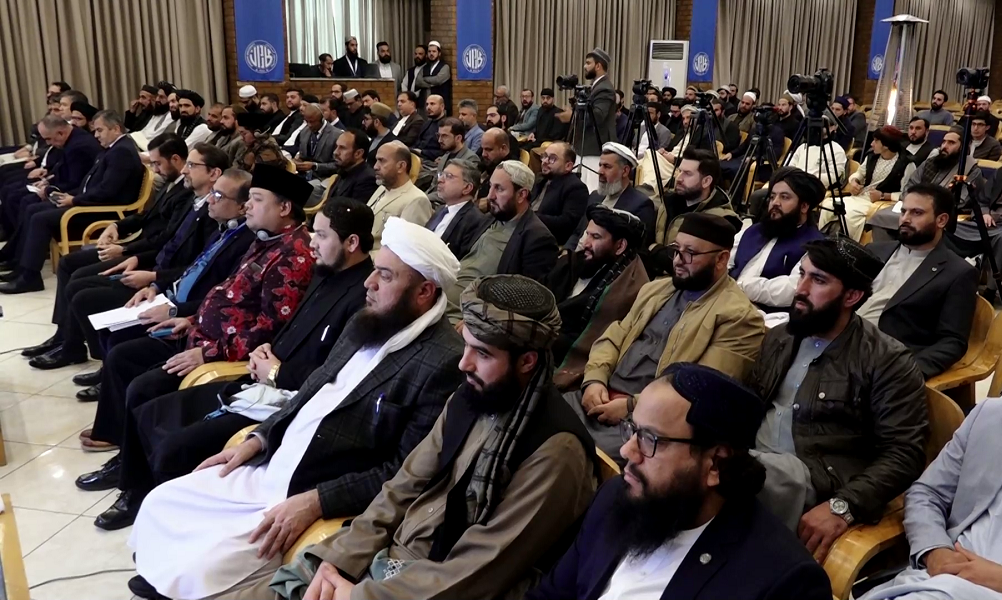
Islamic Finance Innovation and Knowledge Hub of Afghanistan inaugurated
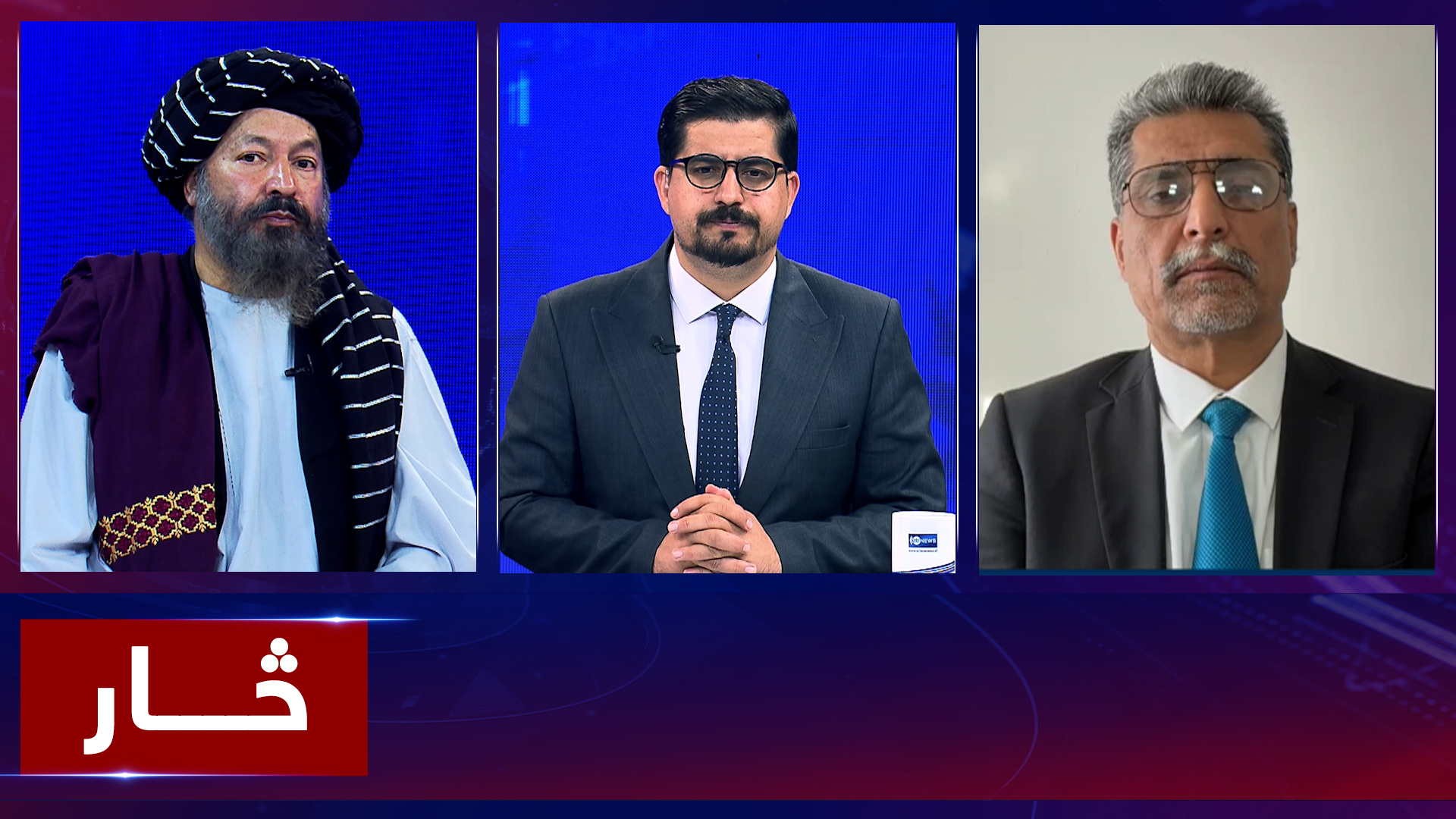
Saar: Return of millions of Afghans to their homeland

Afghanistan A thrash Hong Kong to register first win at Asia Cup Rising Stars
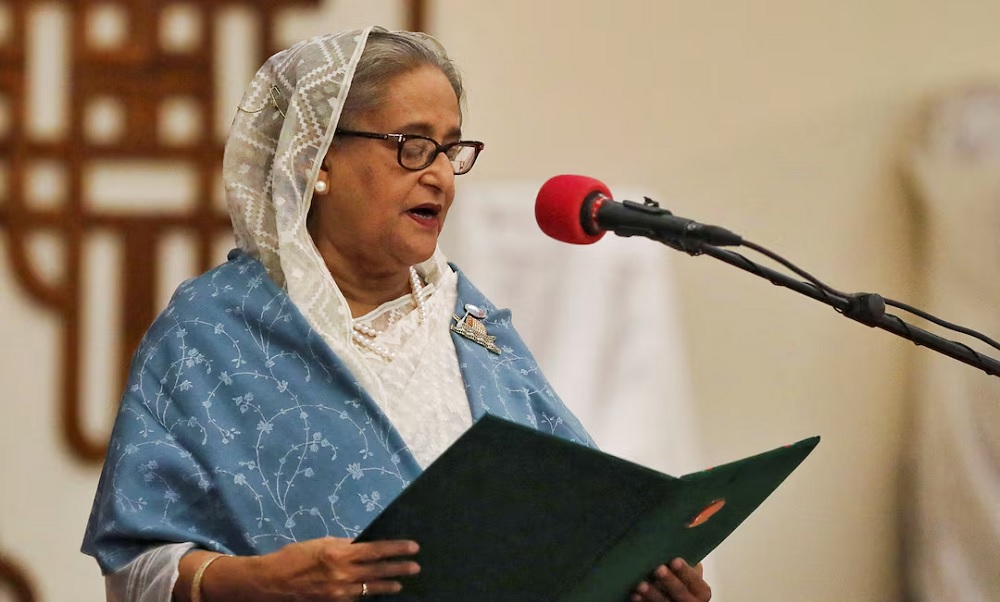
Bangladesh vows to arrest Hasina if she returns from India
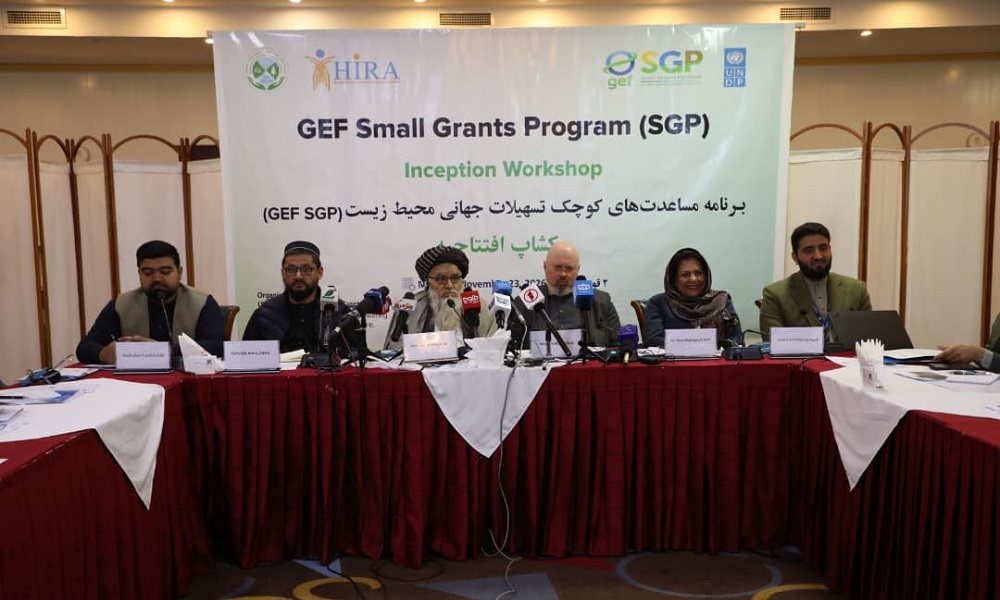
Global environmental grants programme resumes in Afghanistan

US sanctions and blockade measures disrupt Iran’s trade with Afghanistan and regional neighbors
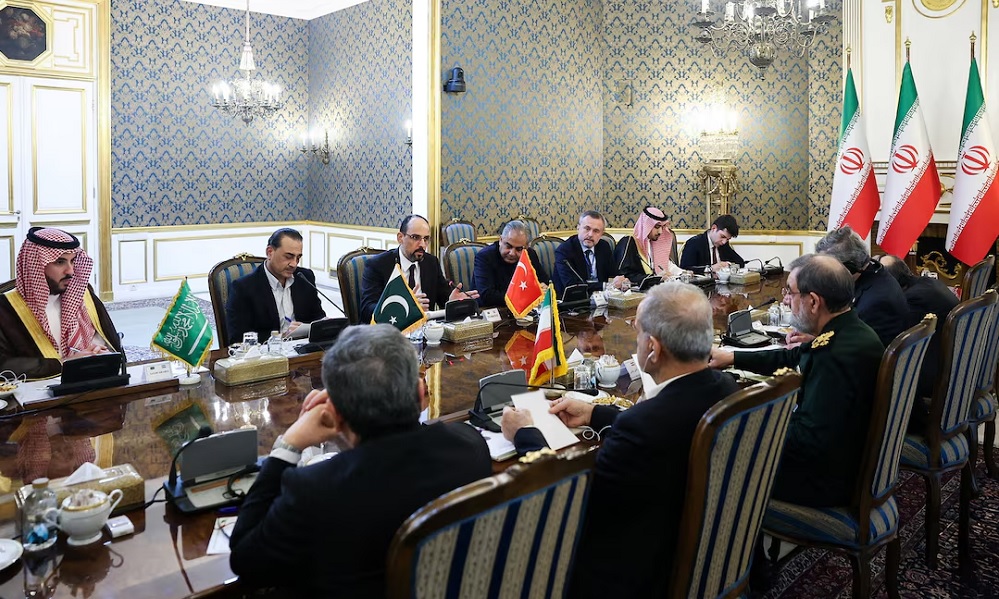
Saudi defence pact countries push for peace in Tehran as Houthis launch more attacks
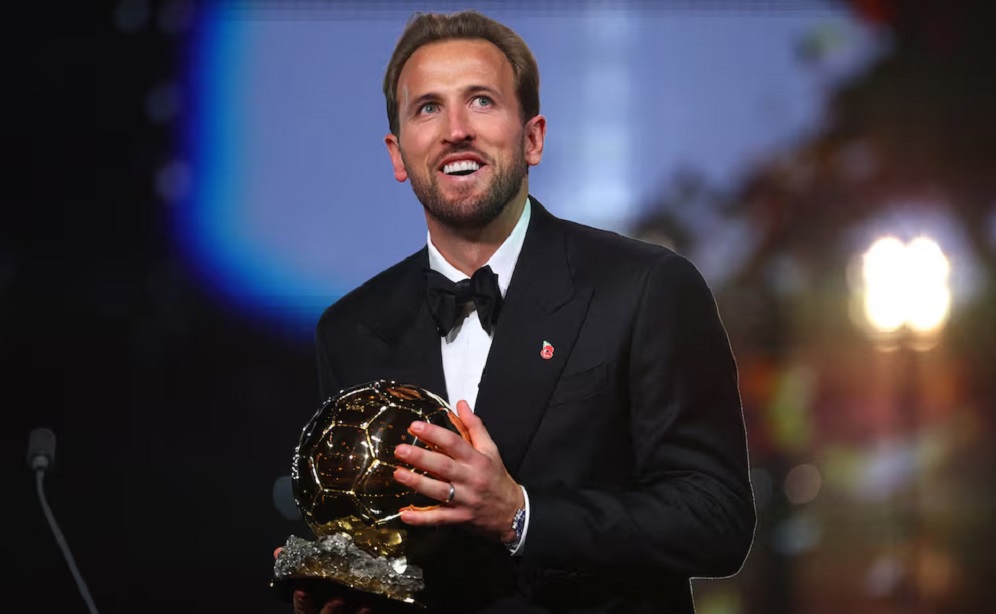
England forward Kane crowned Ballon d’Or winner

Afghanistan to launch nationwide polio vaccination campaign

WFP report notes high food and fuel costs continue to pressure Afghan households
Saar: Return of millions of Afghans to their homeland

Saar: Pakistan FM’s remarks on Afghanistan
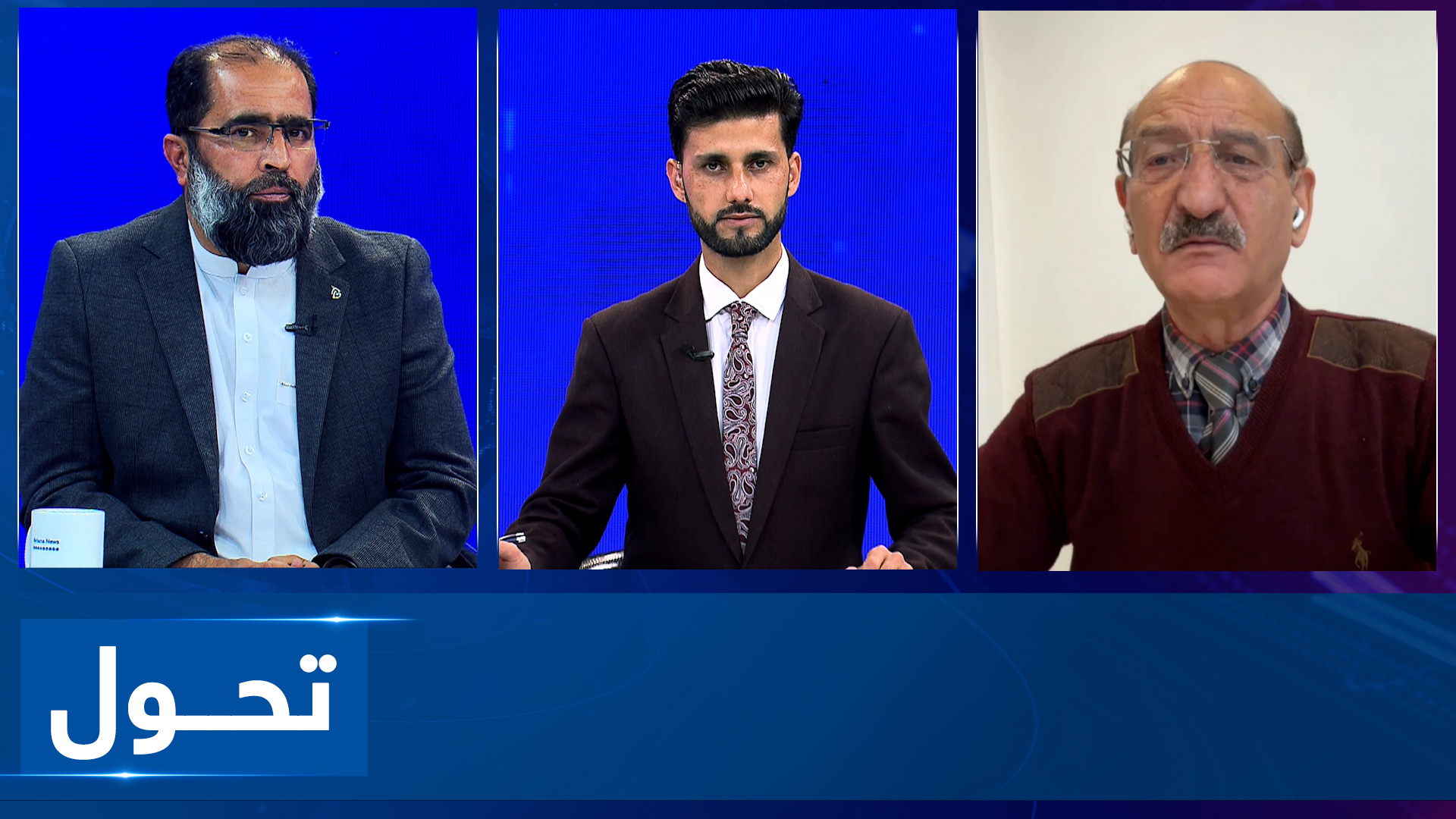
Tahawol: World Television Day discussed
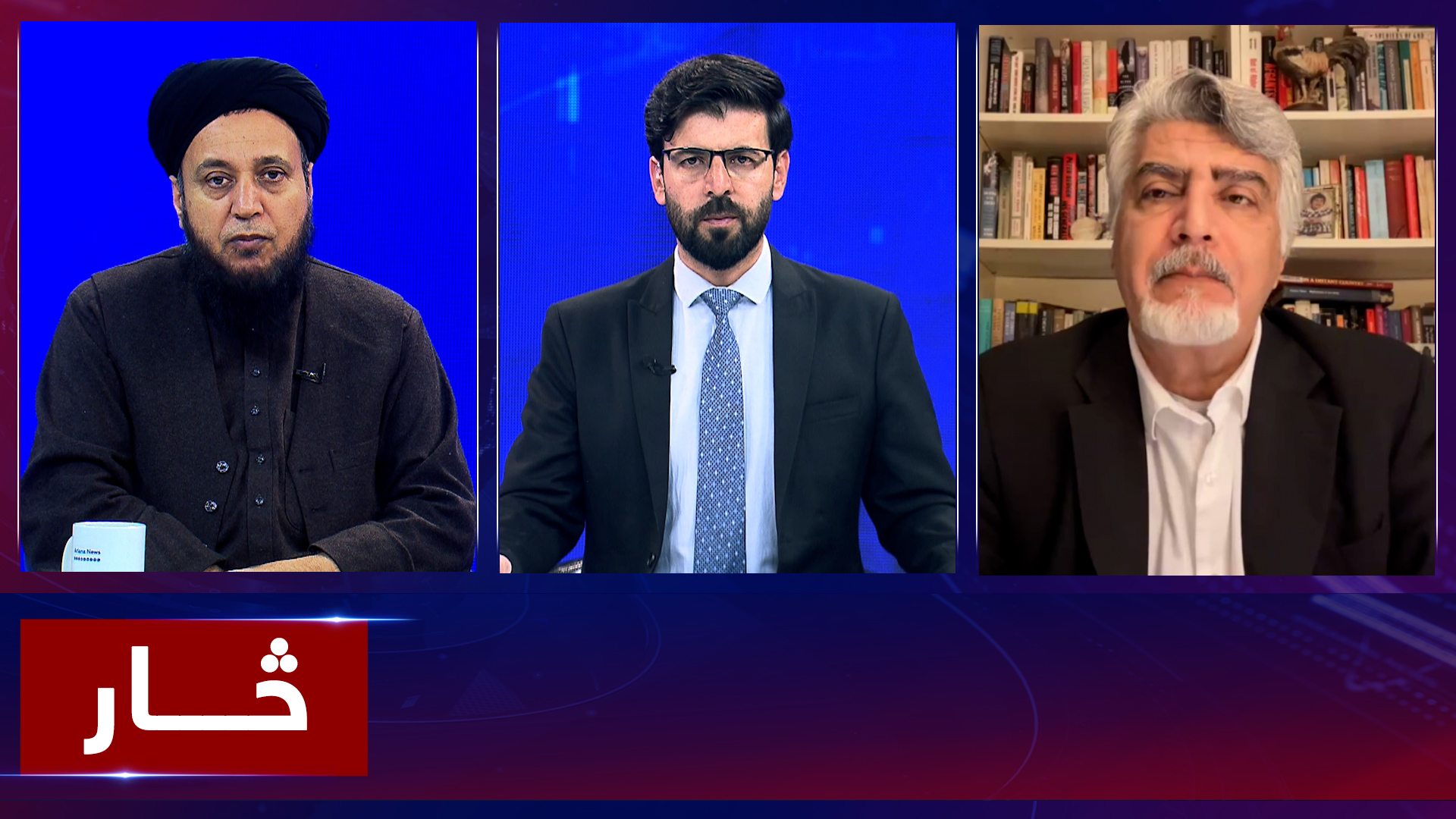
Saar: Efforts to resolve Afghanistan-Pakistan tensions in Moscow reviewed
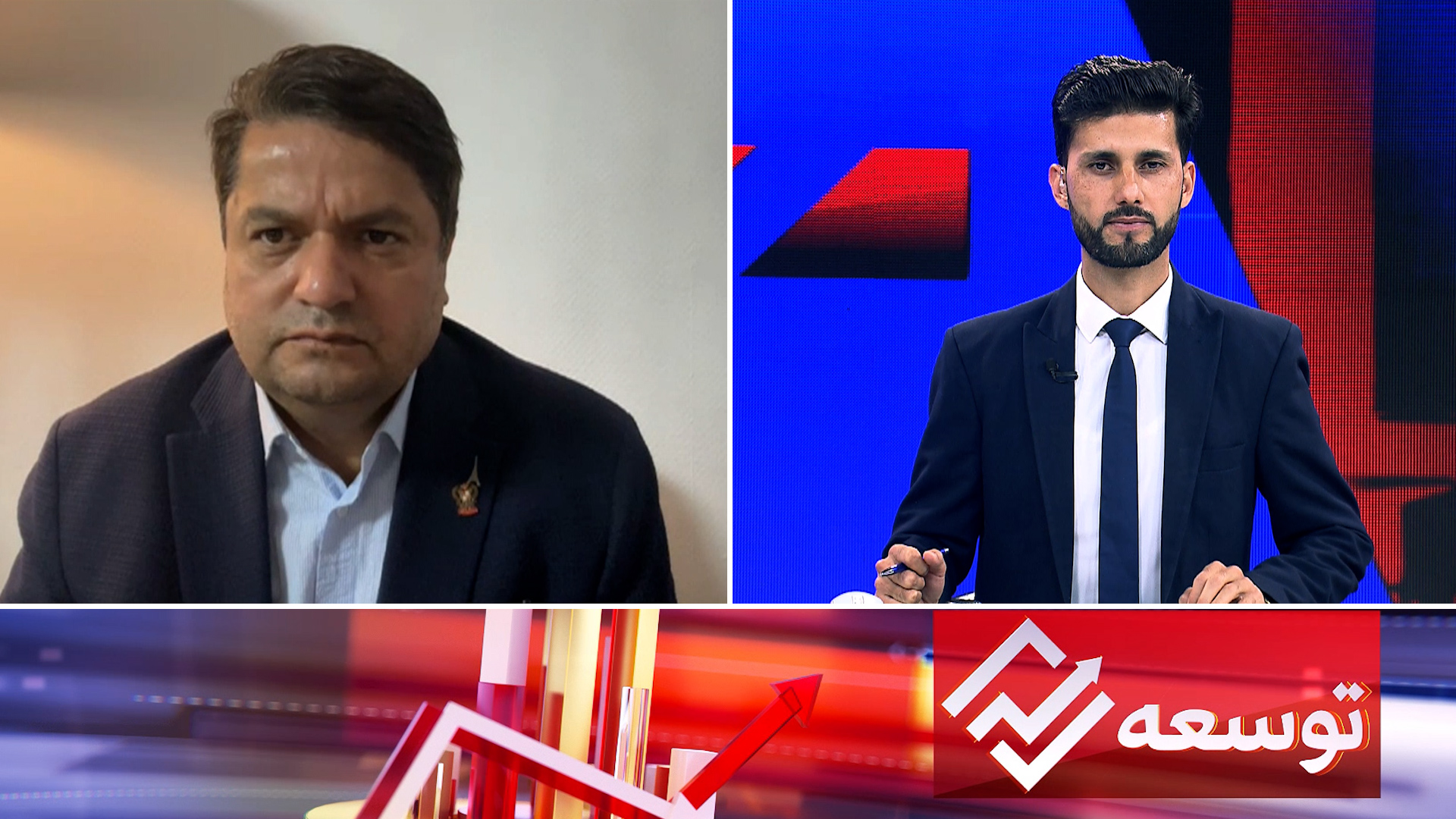
Tawsia: Afghanistan’s key economic highlights of the week discussed
-
 Latest News5 days ago
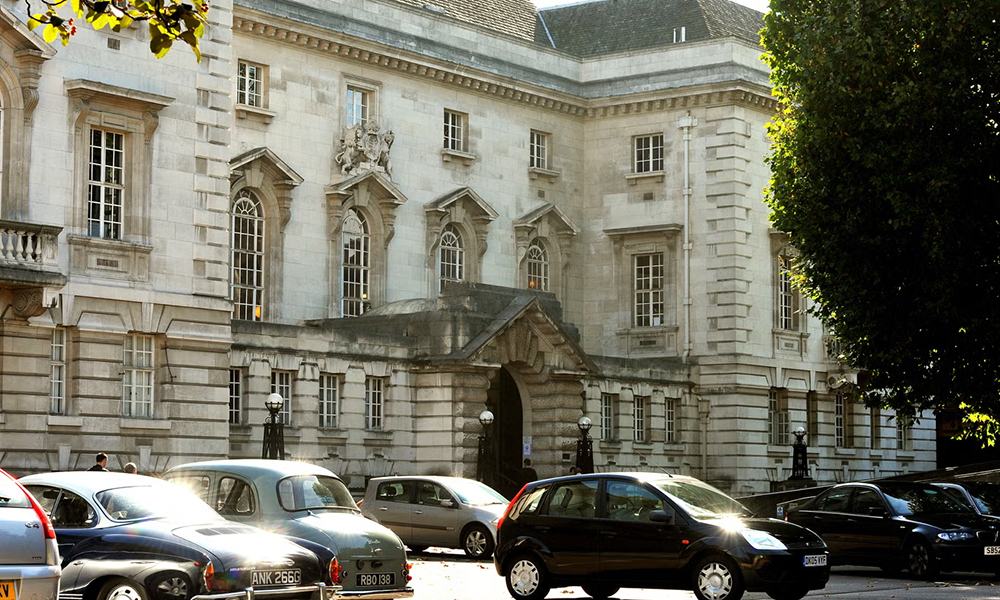
Two Afghan nationals convicted over sexual assault of 14-year-old girl on UK train
-
 Sport4 days ago
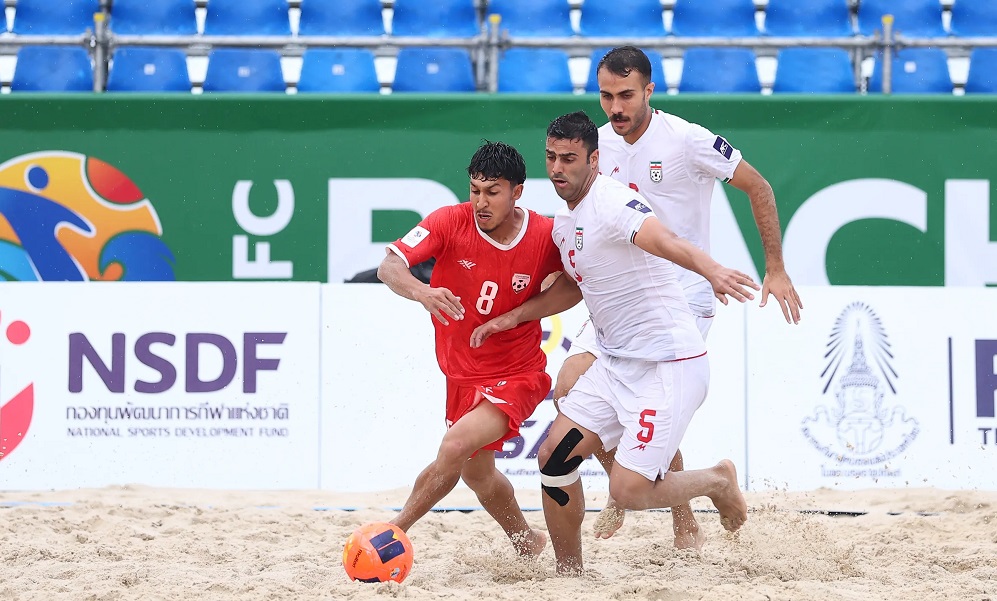
Afghanistan suffer 9-2 defeat to Iran in Beach Soccer Asian Cup opener
-
 Business5 days ago
Afghanistan and Uzbekistan agree to expand railway cooperation and boost freight traffic
-
 Science & Technology5 days ago
North Korea shows off AI chatbot at IT exhibition
-
 Latest News5 days ago
Kazakhstan steps up efforts to support Afghanistan’s stability and economic recovery
-
 Latest News3 days ago
US judge questions Trump administration’s policies targeting refugees
-
 Business3 days ago
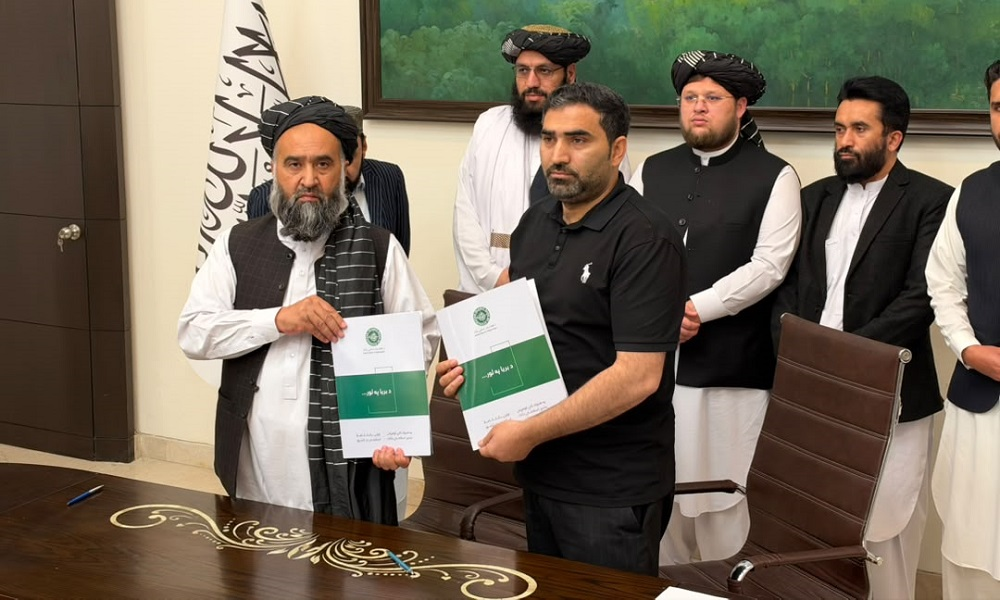
Afghan and Indian traders sign $250 million trade agreements in New Delhi
-
 Latest News4 days ago
Sweden rejects asylum request of former Afghan ambassador, plans deportation to US: Le Monde