
Latest News
Four killed in Kabul IED explosions

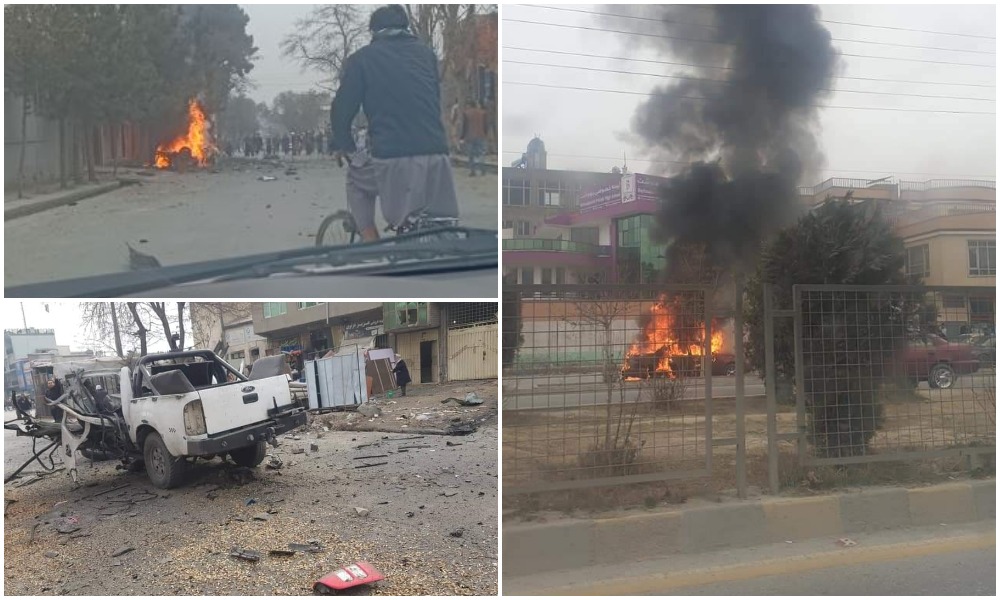
Three IED blasts rattled Kabul city early Saturday morning, leaving at least two people killed.
The first blast targeted a vehicle in Darulaman Road in PD6 of Kabul city at 8 a.m. Saturday.
At least two people were wounded in the explosion, police said.
Just 15 minutes later another IED hit a vehicle in the Kart-e-Parwan area in PD4 of the city, police added.
According to police, two people were killed in the blast.
The third blast happened in the PD3 of the city at around 10:20 am Saturday.
Police said a ranger-type vehicle was targeted by IED in the Pule Wahdad area in PD3 of the city, killing at least two people.
No group, so far, has claimed responsibility for the attacks.

Latest News
ASQA holds talks with Iranian trade and standards institutions
In a meeting with members of the Iran Chamber of Commerce, the delegation discussed bilateral trade relations, standardization and ways to address existing challenges affecting commercial exchanges between the two countries.
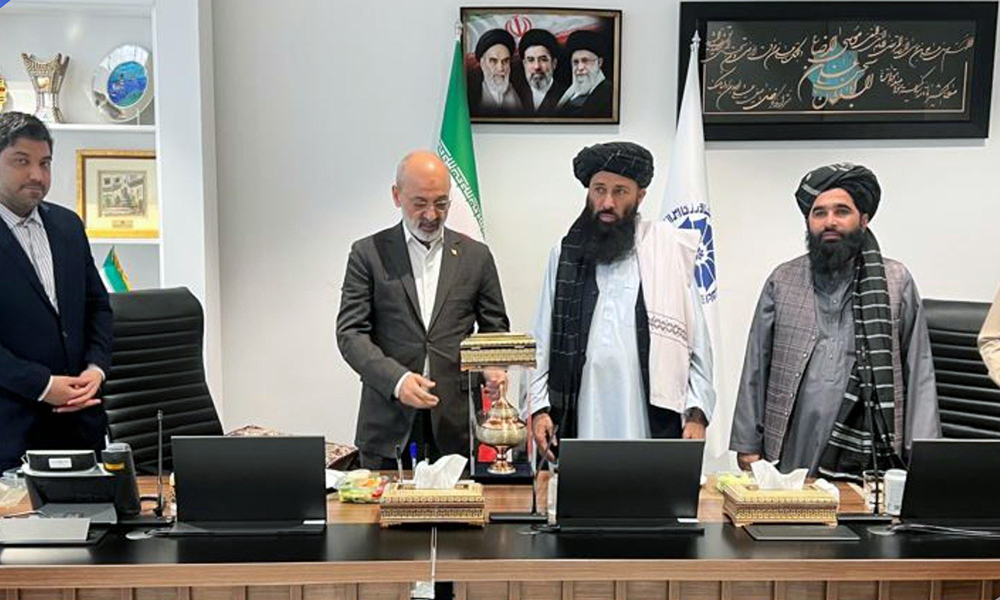
Afghanistan’s Standard and Quality Authority (ASQA) has held a series of meetings with key Iranian trade, accreditation and petroleum export institutions to strengthen bilateral cooperation and address technical barriers to trade.
The delegation, led by ASQA Director General Mullah Abdullah Haji Bashir and Director of Planning and Policy Mufti Mohammad Hamid, held separate discussions with representatives of several Iranian institutions during their ongoing official visit to the country.
In a meeting with members of the Iran Chamber of Commerce, the delegation discussed bilateral trade relations, standardization and ways to address existing challenges affecting commercial exchanges between the two countries.
Talks with the head of Iran’s National Accreditation Center focused on accreditation procedures and the possibility of mutually recognizing conformity assessment results, a move that could help facilitate trade by reducing duplication in testing and certification.
The ASQA delegation also met with officials from Iran’s Oil, Gas and Petrochemical Products Exporters’ Union to discuss challenges facing the export of Iranian petroleum products to Afghanistan and explore practical solutions to address them.
The latest meetings follow discussions held a day earlier between ASQA’s director general and representatives of Iran’s Standards Organization, focusing on strengthening cooperation in the field of standardization.
ASQA said the visit forms part of its efforts to remove technical barriers to trade, improve cooperation with international standards institutions and facilitate more efficient and mutually beneficial commercial exchanges.
Latest News
Islamic Finance Innovation and Knowledge Hub of Afghanistan inaugurated
Da Afghanistan Bank also highlighted the importance of such institutions in supporting the development and stability of Islamic banking in the country, saying it supports their activities.
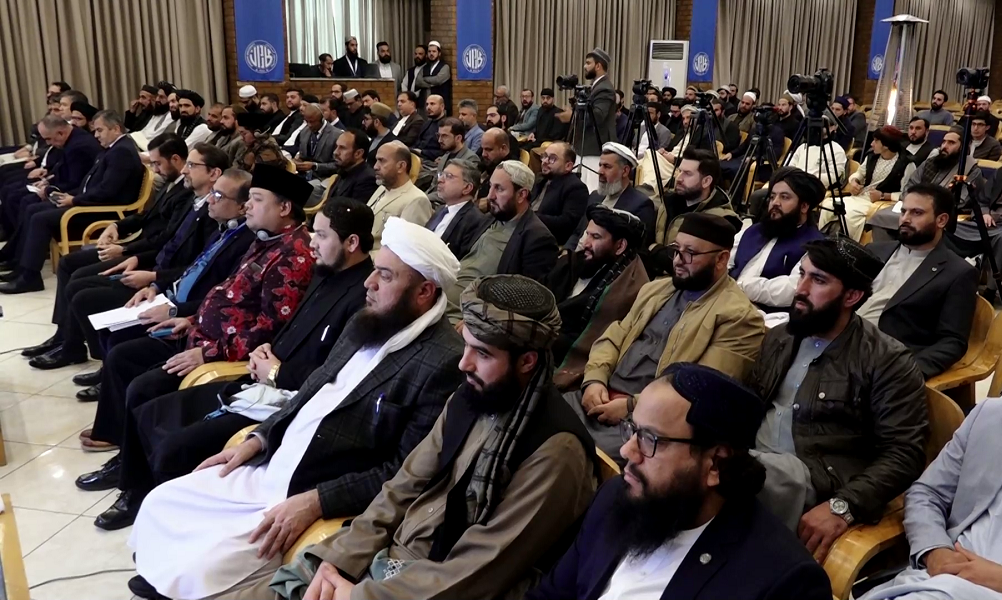
A new research hub dedicated to advancing Islamic banking and finance has been inaugurated in Afghanistan, with officials highlighting its potential role in strengthening the country’s financial system and supporting the transition from conventional to Islamic banking.
Officials from the United Nations Development Programme (UNDP) in Afghanistan said an active research institution dedicated to Islamic finance is particularly important as the country seeks to transition from conventional banking to an Islamic banking system.
Turan Saleh, head of UNDP in Afghanistan, said the country faces several economic challenges, including limited access to international markets, population growth, restricted access to financing for small businesses and electricity shortages. He said establishing such an institution under the current circumstances could play an important role in strengthening the country’s financial and banking system.
Saleh added that UNDP, on behalf of the United Nations family, supports the hub and hopes it will carry out systematic and sustainable research on Islamic finance.
Meanwhile, officials from the Ministry of Economy said Afghanistan holds significant economic potential, particularly in regional investment opportunities involving mining, electricity, transit and other development projects. They stressed that the country needs scientific and research institutions to help advance its financial programmes.
Abdul Latif Nazari, deputy minister of economy, said development models successfully implemented in other countries could also be considered in Afghanistan, particularly through institutions such as the new hub, with a focus on strengthening the country’s infrastructure, including financial infrastructure.
Da Afghanistan Bank also highlighted the importance of such institutions in supporting the development and stability of Islamic banking in the country, saying it supports their activities.
Lutfullah Khairkhwah, head of banking supervision at Da Afghanistan Bank, said Islamic finance remains a relatively underdeveloped field in Afghanistan, with limited research and discussion conducted on the subject.
The Islamic Finance Innovation and Knowledge Hub of Afghanistan is expected to work with banking and financial institutions to promote Islamic finance in the country’s financial transactions. It will also conduct research to support the development of structured policies and scientific studies aimed at strengthening Afghanistan’s Islamic financial system.
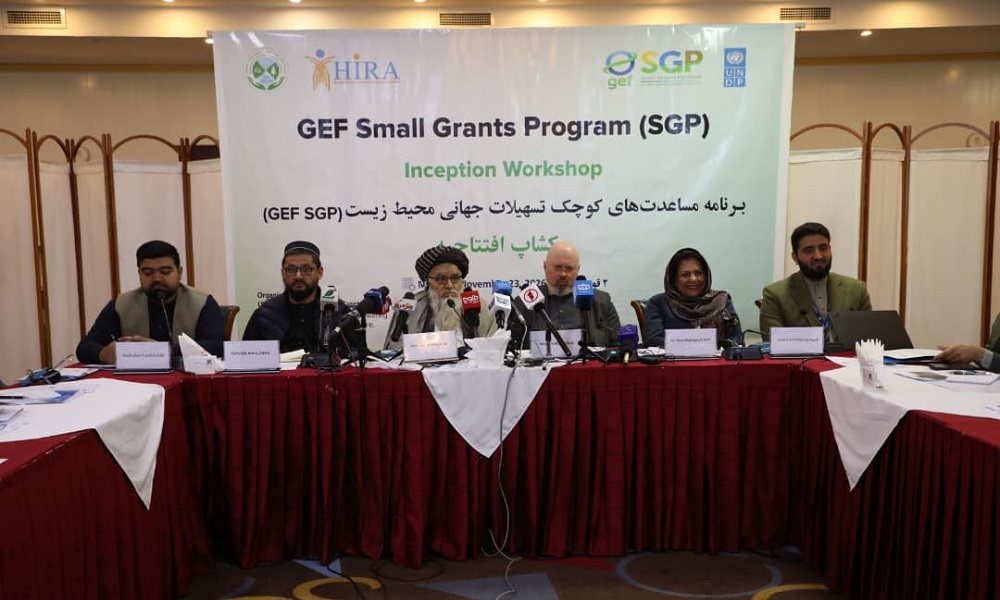
The Global Environment Facility (GEF) has resumed its Small Grants Programme in Afghanistan, reopening opportunities for community-led environmental projects and initiatives aimed at tackling climate change.
Speaking at the programme’s launch ceremony in Kabul, Matiul Haq Khalis, Director General of the National Environmental Protection Agency, described the initiative as an important source of support for local solutions to environmental challenges and greater public participation in conservation efforts.
Khalis said non-governmental organizations could play a key role in protecting natural resources, restoring forests and rangelands, managing water and soil resources, and mitigating the effects of climate change.
He noted that although Afghanistan contributes little to global greenhouse gas emissions, it is among the countries most vulnerable to climate change.
He also called for international environmental assistance to continue without political considerations.
Doel Mukerjee, UNDP Deputy Resident Representative for Afghanistan, also stressed the need for stronger international support, saying the country’s climate conditions had changed significantly since his first visits in 2008 and 2009.
He warned that the pace of climate-related changes demands faster and more decisive action.
The GEF and several other international organizations suspended environmental assistance and projects in Afghanistan in 2021, following the Islamic Emirate’s return to power. The decision drew criticism and prompted continued calls for the resumption of environmental cooperation.
The revival of the Small Grants Programme is expected to create new opportunities for local organizations and communities to implement environmental protection projects and help Afghanistan respond to the growing threats posed by climate change.

ASQA holds talks with Iranian trade and standards institutions
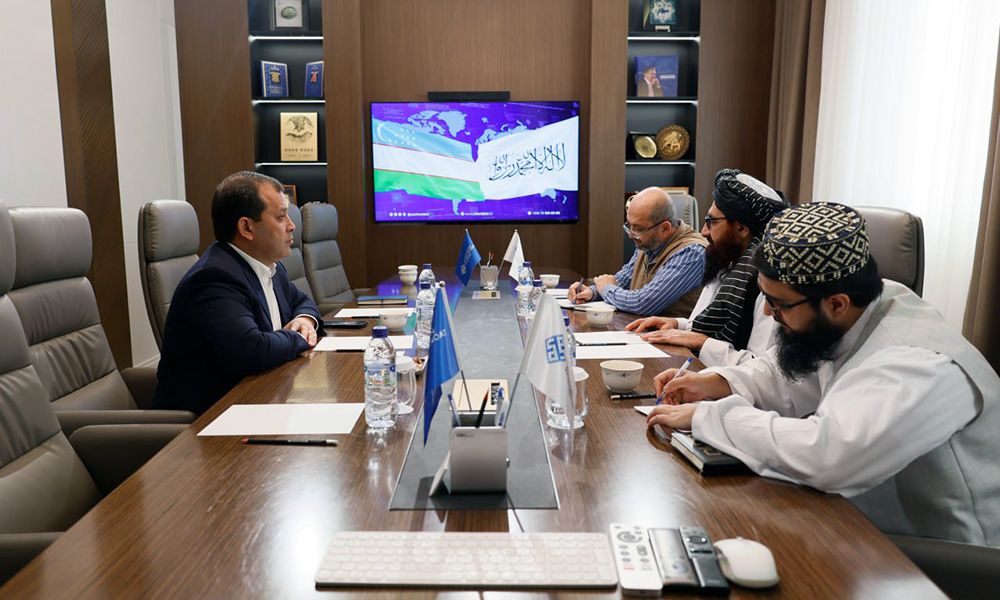
Uzbekistan and Afghanistan seek to expand trade and regional export links
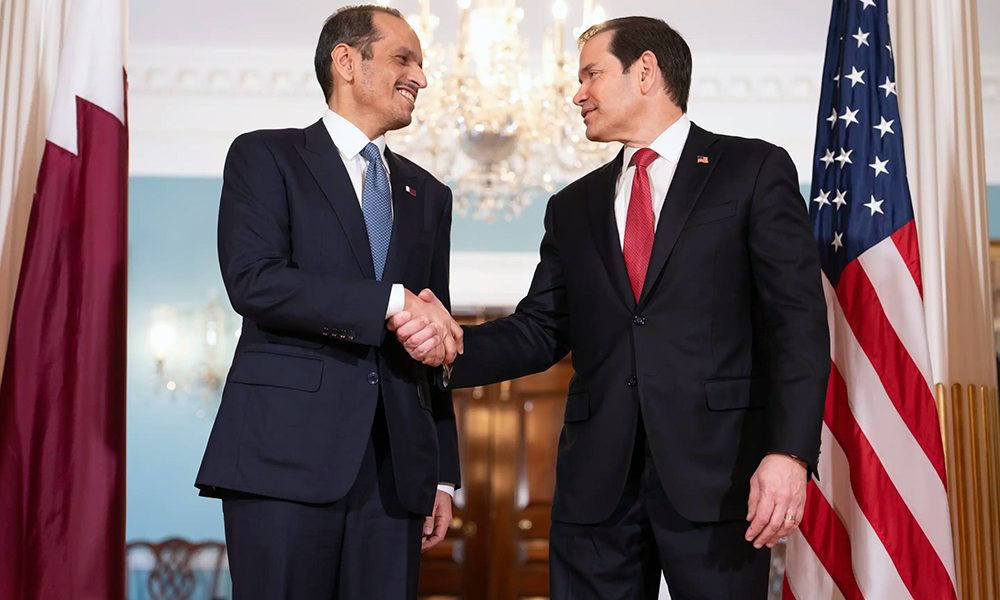
Qatar warns Middle East cannot afford renewed US-Iran escalation
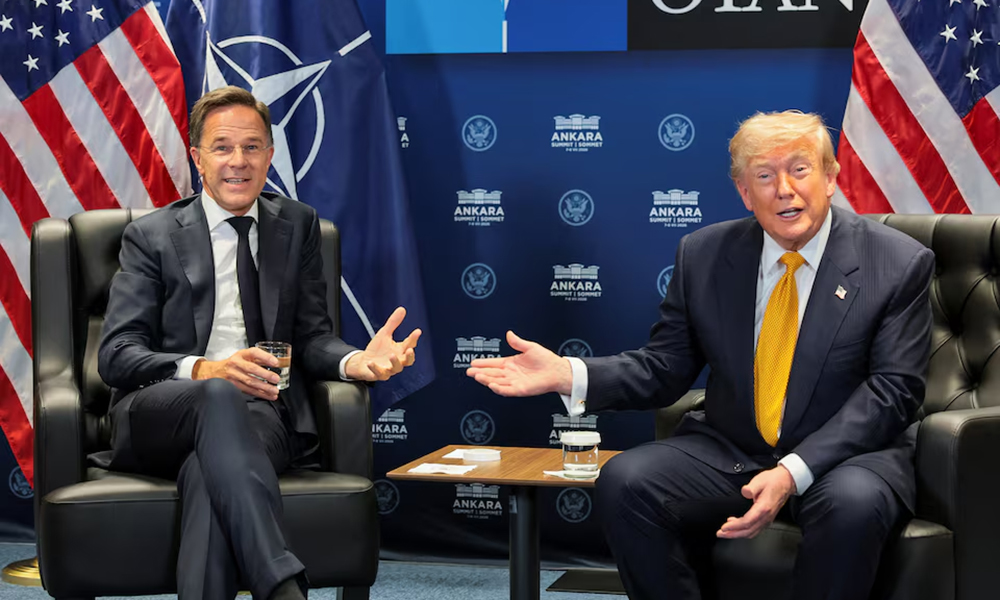
Trump to meet NATO Chief Mark Rutte in Florida amid tensions over Ukraine peace talks
Islamic Finance Innovation and Knowledge Hub of Afghanistan inaugurated
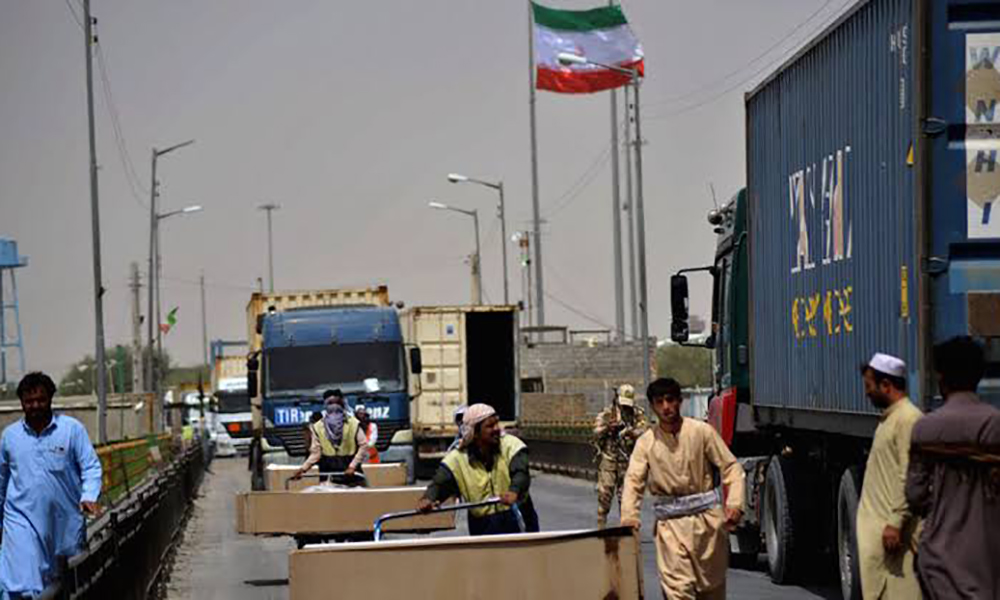
US sanctions and blockade measures disrupt Iran’s trade with Afghanistan and regional neighbors
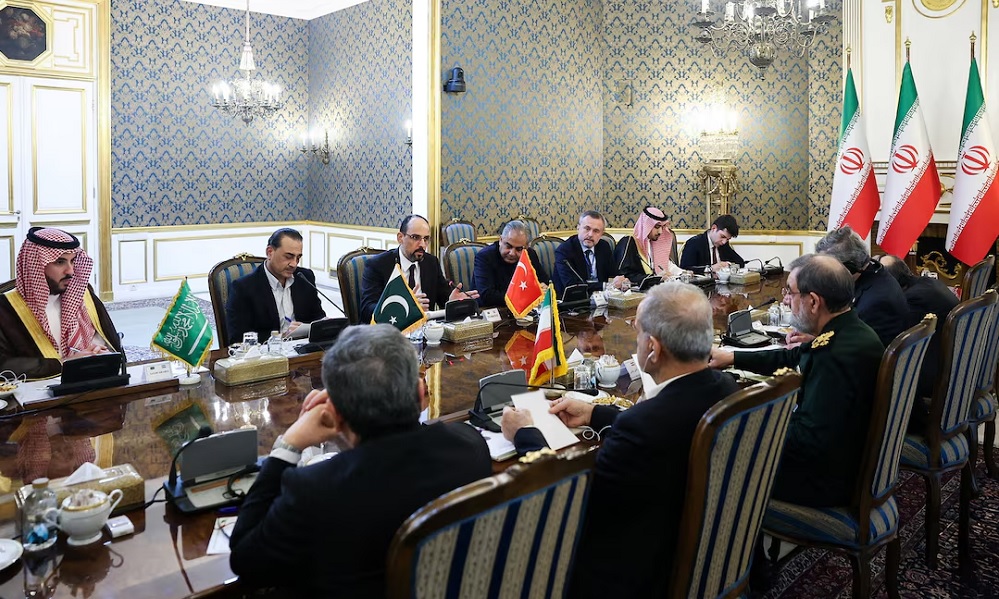
Saudi defence pact countries push for peace in Tehran as Houthis launch more attacks

England forward Kane crowned Ballon d’Or winner
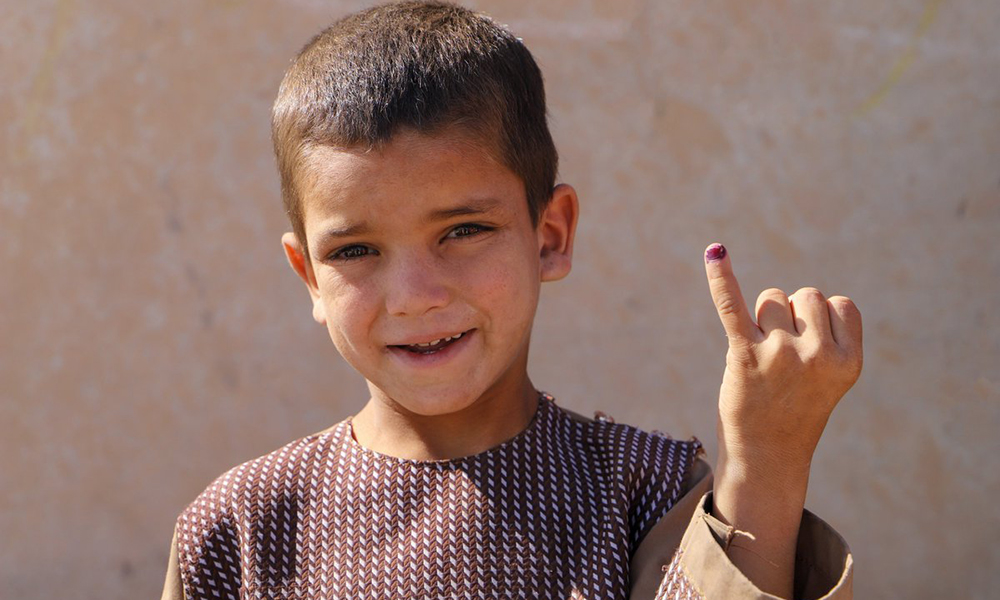
Afghanistan to launch nationwide polio vaccination campaign

WFP report notes high food and fuel costs continue to pressure Afghan households
Qatar warns Middle East cannot afford renewed US-Iran escalation
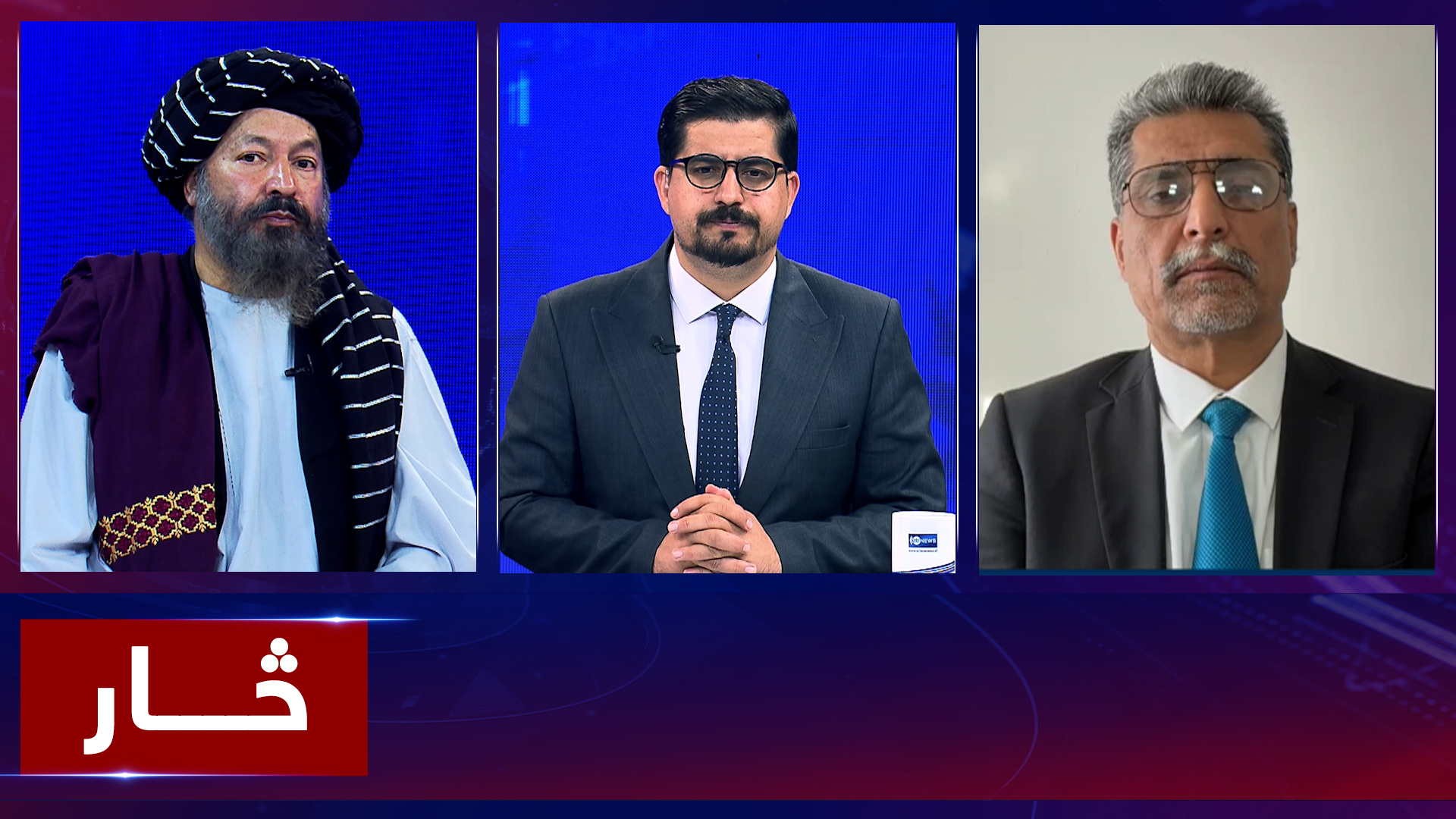
Saar: Return of millions of Afghans to their homeland
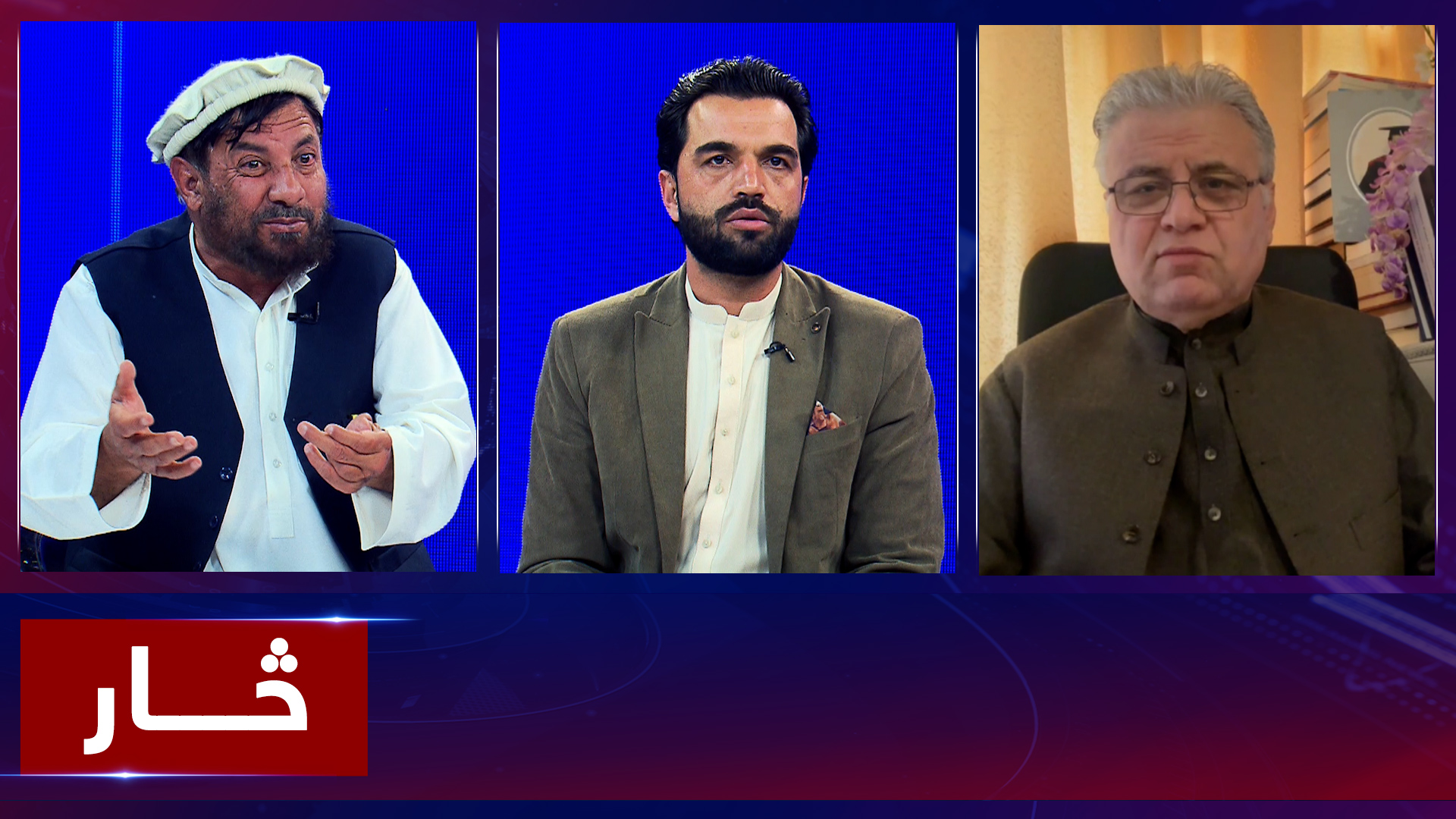
Saar: Pakistan FM’s remarks on Afghanistan
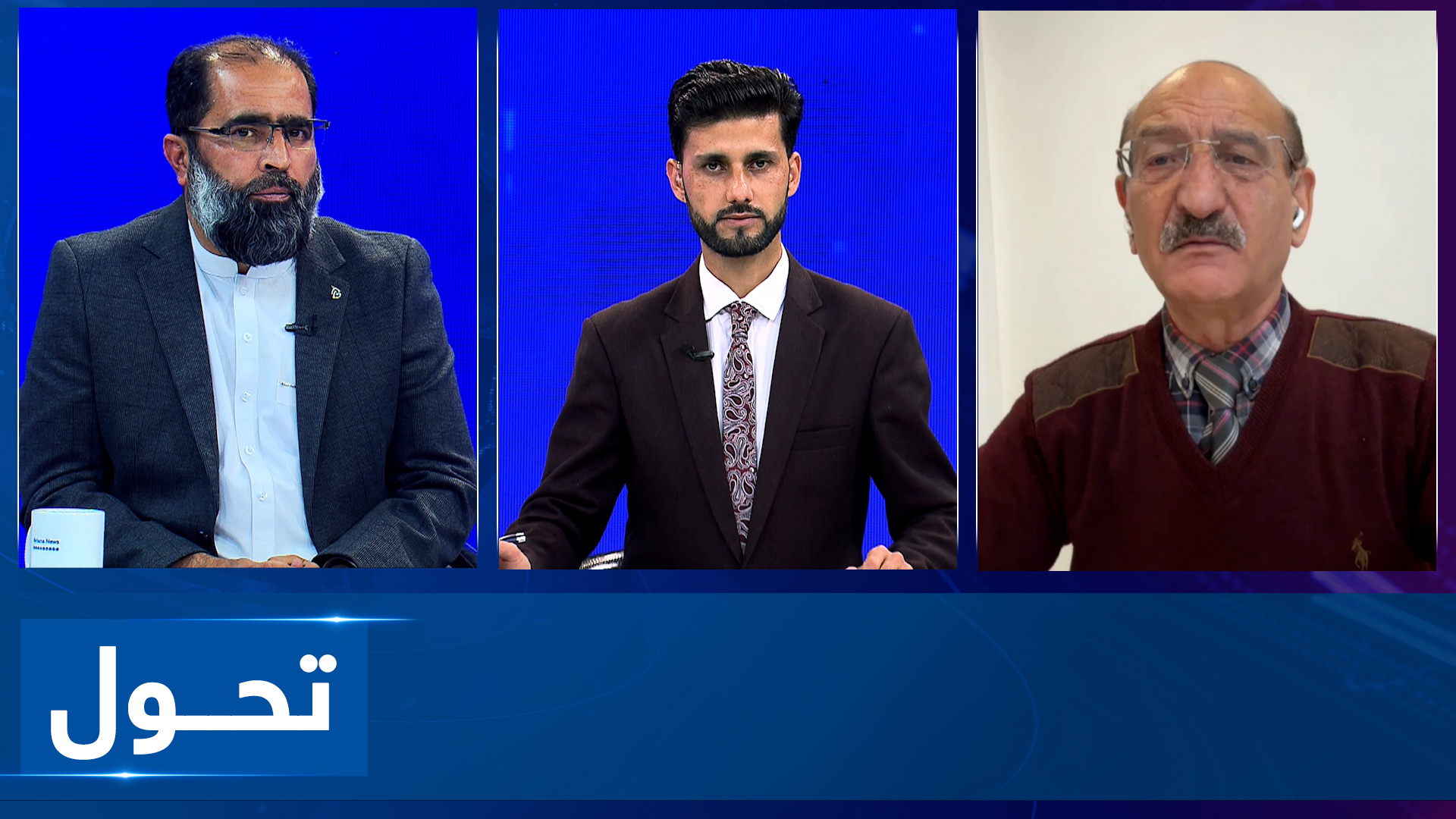
Tahawol: World Television Day discussed
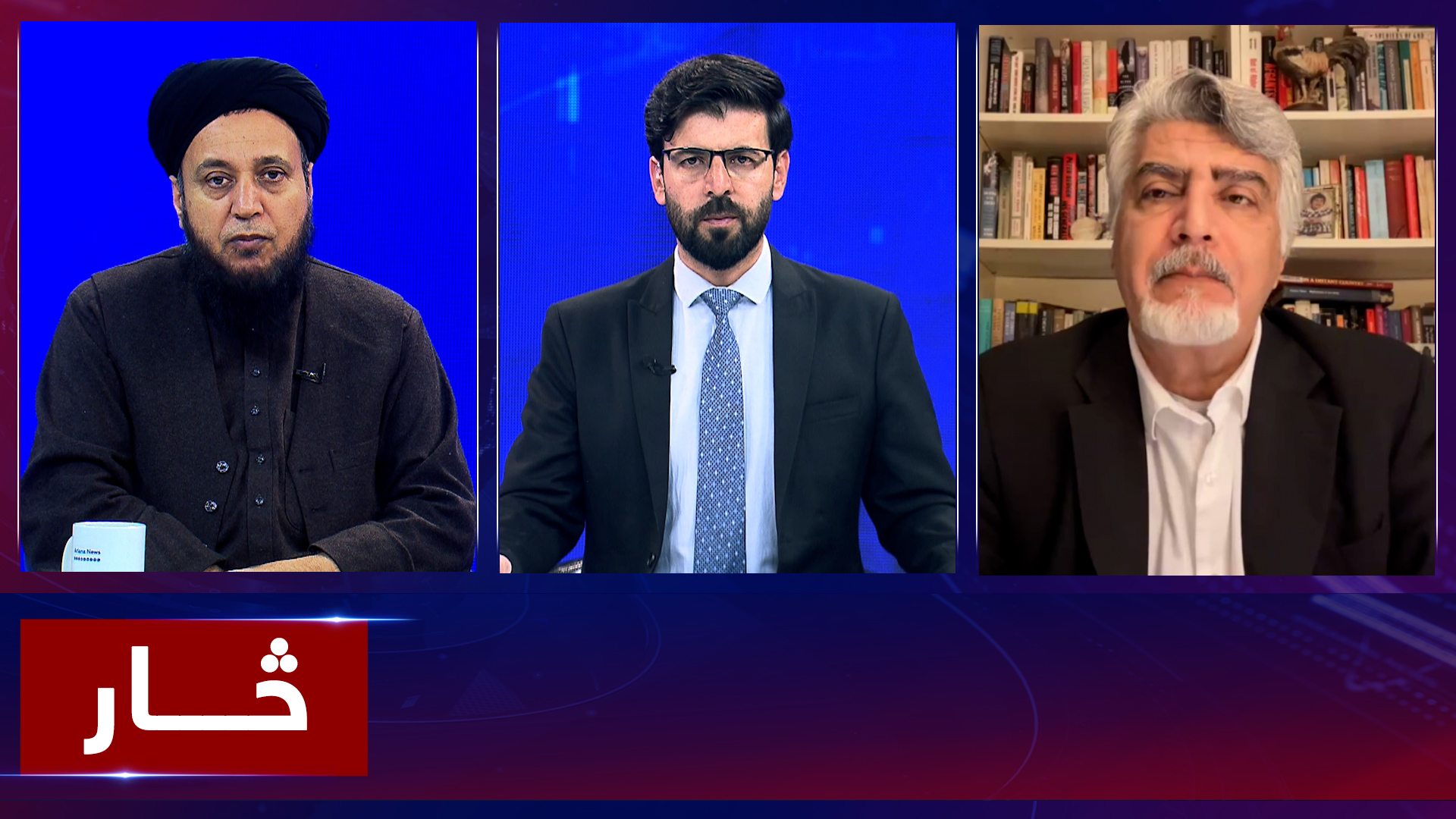
Saar: Efforts to resolve Afghanistan-Pakistan tensions in Moscow reviewed
-
 Sport5 days ago
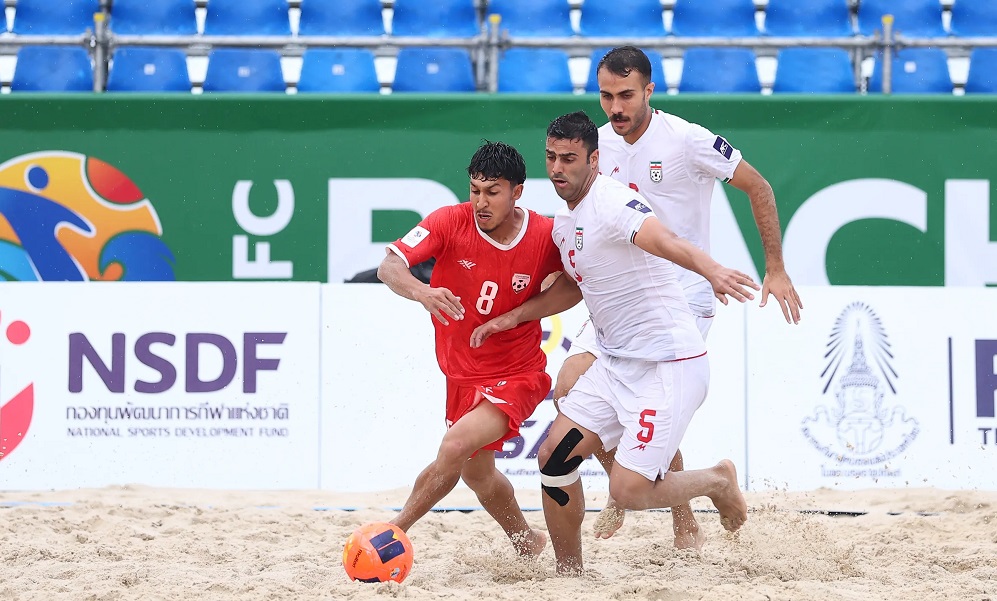
Afghanistan suffer 9-2 defeat to Iran in Beach Soccer Asian Cup opener
-
 Latest News3 days ago
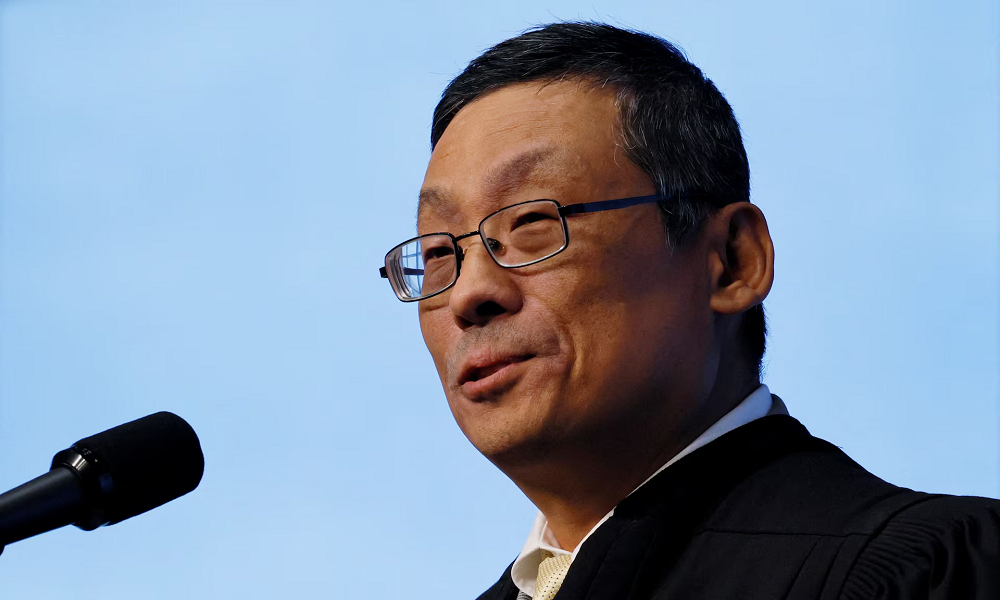
US judge questions Trump administration’s policies targeting refugees
-
 Latest News5 days ago
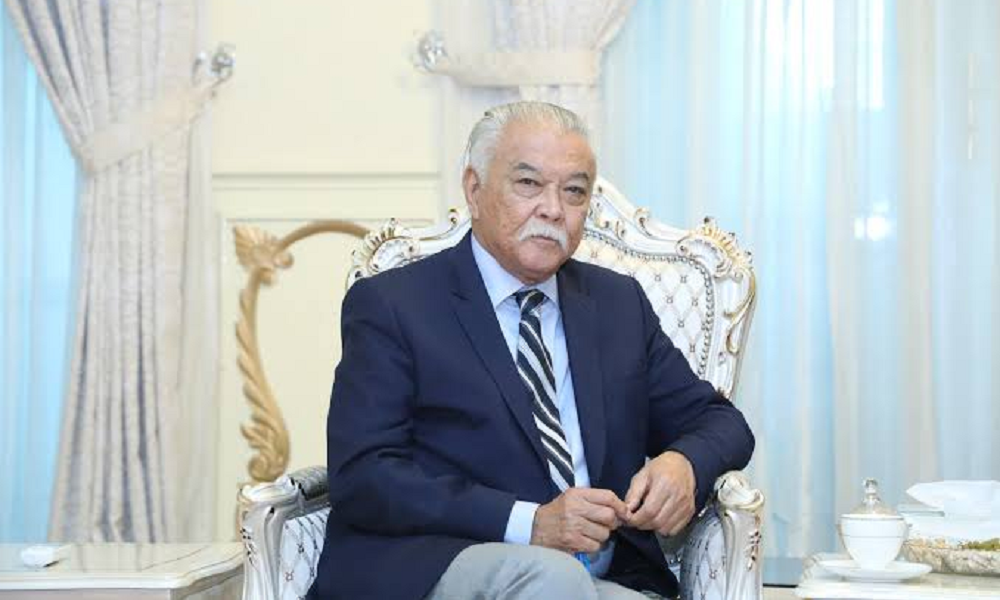
Sweden rejects asylum request of former Afghan ambassador, plans deportation to US: Le Monde
-
 Business4 days ago
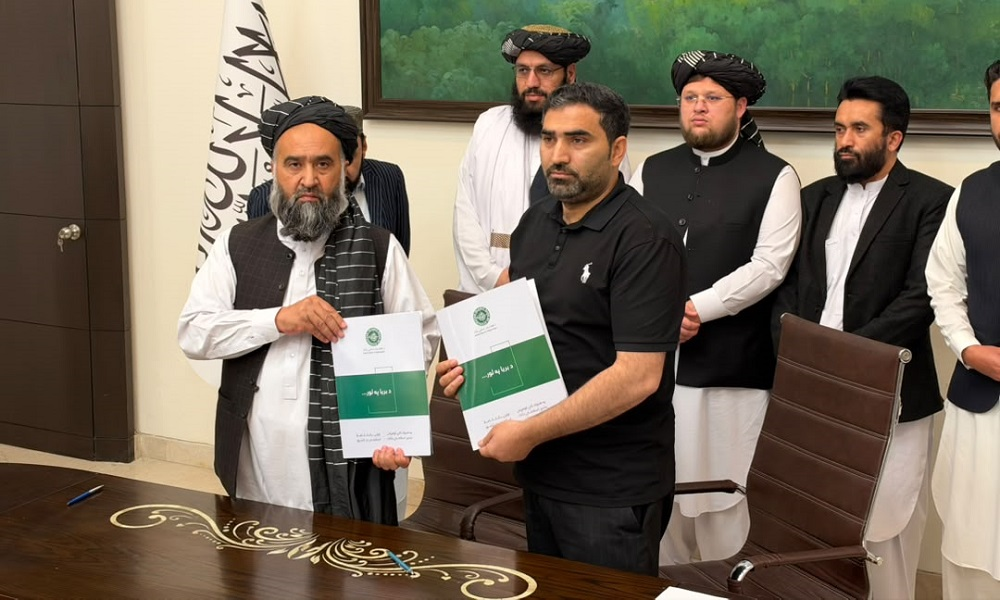
Afghan and Indian traders sign $250 million trade agreements in New Delhi
-
 Sport4 days ago
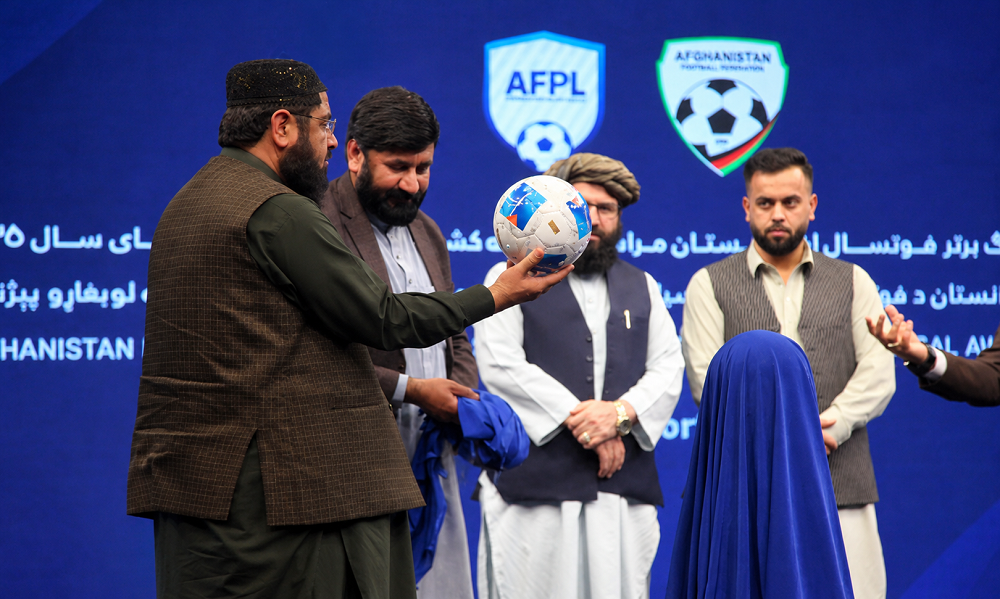
ATN hosts AFPL Season 5 draw and 2025 futsal awards ceremony
-
 World5 days ago
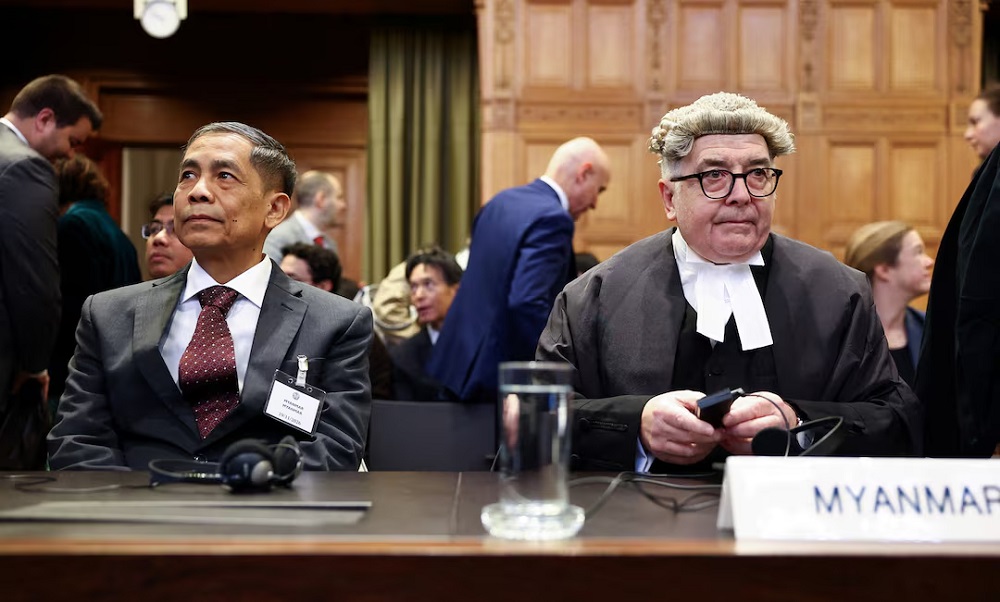
World Court finds Myanmar forces killed thousands of Rohingya, ruling ongoing
-
 Business4 days ago
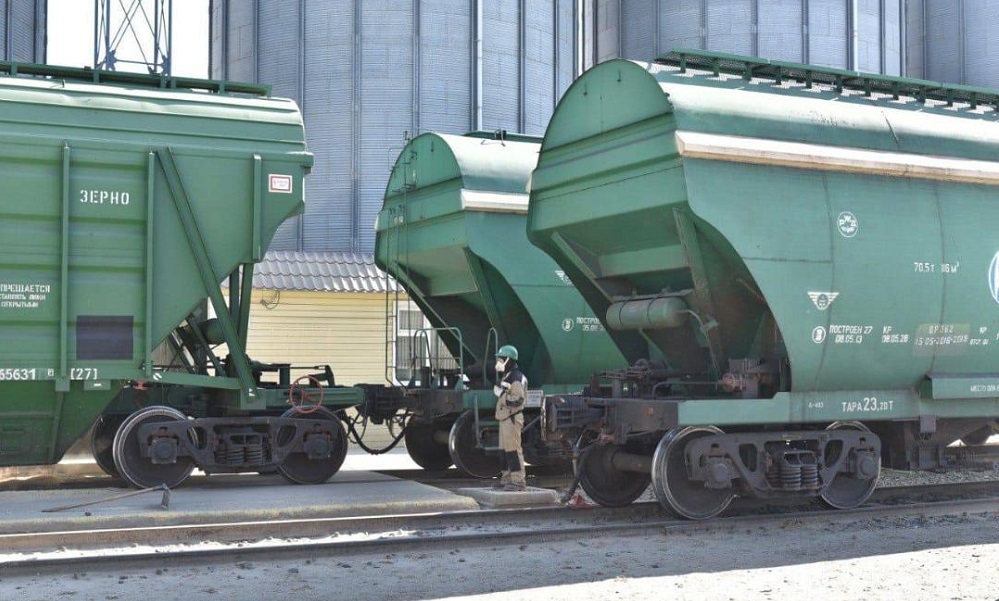
Kazakhstan increases grain exports to Afghanistan by 1.6 times
-
 World4 days ago
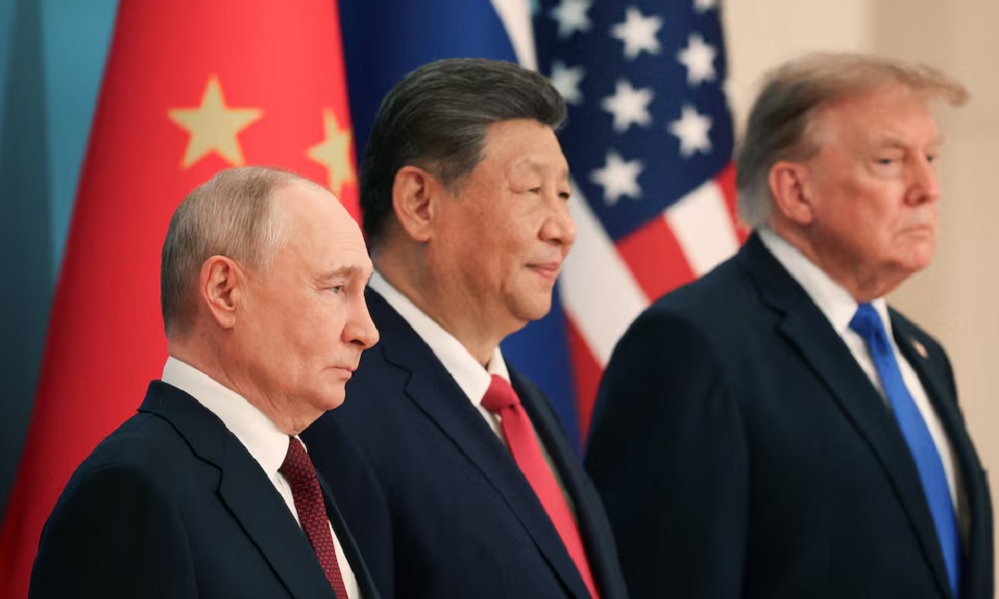
Trump, Xi and Putin release ‘peace declaration’ from unprecedented summit