
Latest News
Ghani stresses on judicial institutions

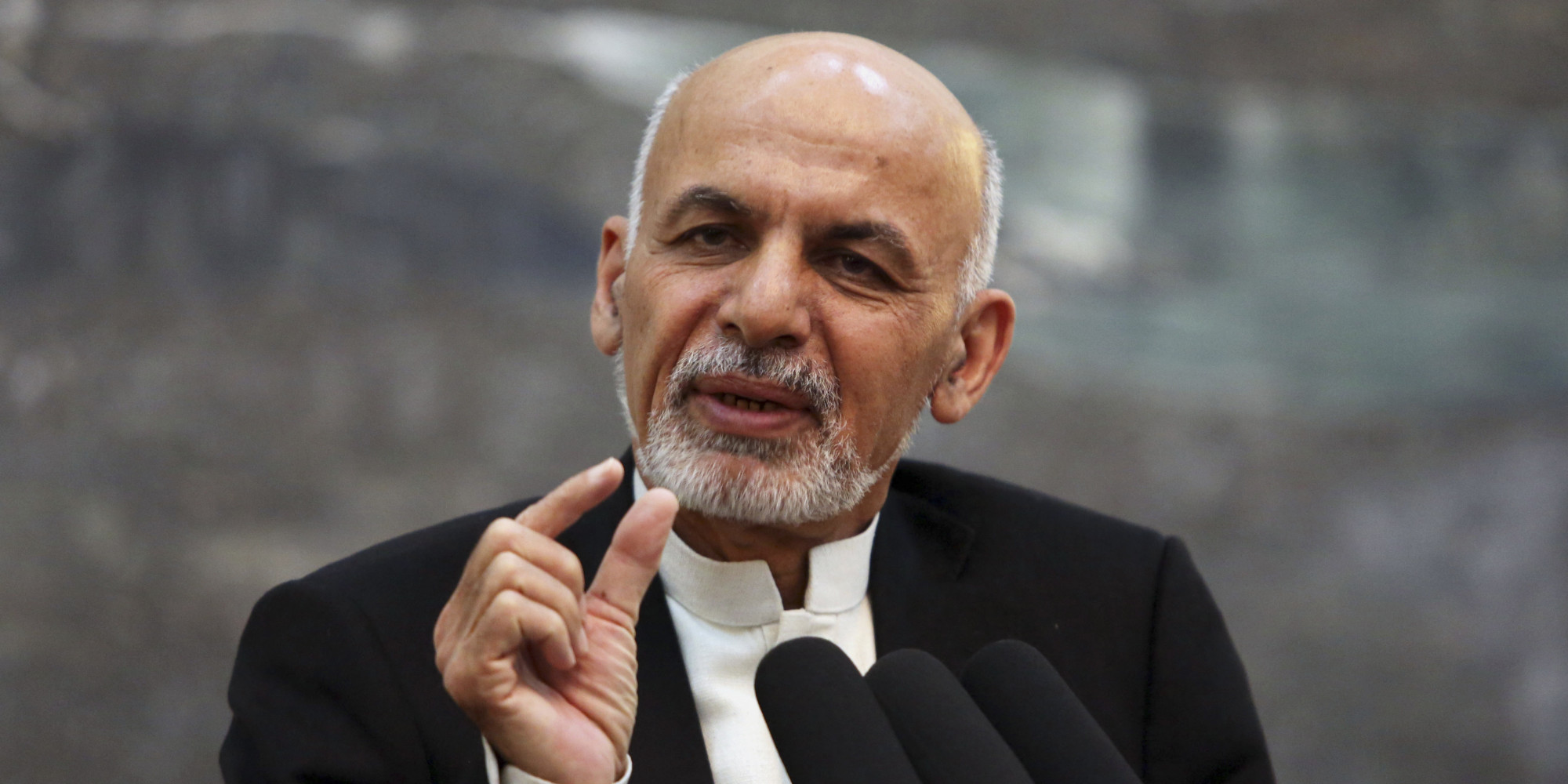

President Ashraf Ghani who talked about the beginning of hundred days of ministers emphasized that the judicial institutions should be reviewed.
President Ghani declared that the short-term and long-term programs should be separated for creating confidence among people.
Ghani stated that the short term programs must be implemented in the first hundred days and urged all ministers to be accountable to Afghan people.
He also noted that to wipe out the distance between religious scholars and the presidential citadel.
About eight months have been passed since the formation of cabinet; President Ghani stresses that an efficient and strong cabinet needs time.
Allegations of corruption have also marred the government, with government and security officials accusing parliamentarians of taking bribes in exchange for votes.
Ashraf Ghani was inaugurated as president of Afghanistan on 29 September, under difficult circumstances.
He inherited a government that is running out of money and losing ground to a rising insurgency.
His ability to confront those problems and other challenges as foreign troops withdraw will be shaped by the aftermath of the political contest that brought him to power.
Forming a national unity government with his election rival Abdullah Abdullah presents opportunities to stabilise the transition, preventing further erosion of state cohesiveness. Yet, it also poses risks, particularly of factionalism within Kabul, which could undermine urgently needed reforms.
Given the international role in developing the agreements that have created this new partnership, and the absence of mechanisms to resolve internal differences, the international community should serve as a guarantor of Kabul’s new political order and, if necessary, mediate any serious disputes that arise.
Political transitions in Afghanistan have always been fraught. The transfer of power in 2014 may yet prove the most peaceful handover of leadership in the country’s history, despite the tensions that emerged in the process.
Hamid Karzai now stands as the only Afghan leader to have voluntarily surrendered his office, and his legacy will be further strengthened if he uses his considerable influence to make the next administration a success and refrains from trying to control the new president.

Latest News
Afghanistan calls for global cooperation on climate change as country faces rising environmental risks
Spokesperson for the Islamic Emirate, said the government has developed broad and practical plans aimed at reducing the impacts of climate change.
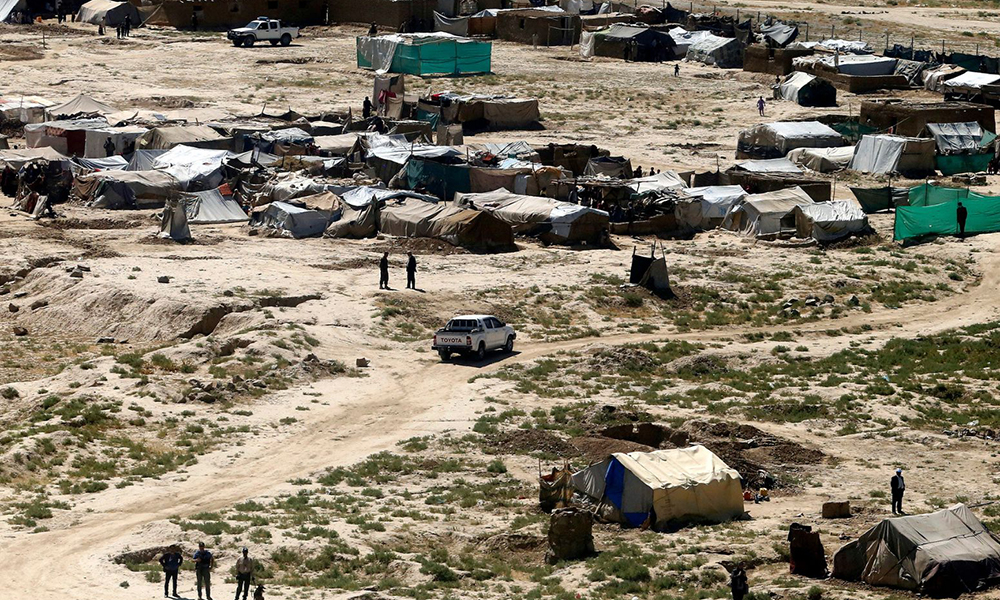
The Islamic Emirate of Afghanistan is urging international organizations to cooperate with Afghanistan in addressing climate change without political considerations, as the country continues to face increasing environmental challenges.
Zabihullah Mujahid, spokesperson for the Islamic Emirate, said the government has developed broad and practical plans aimed at reducing the impacts of climate change, particularly floods and droughts, which have repeatedly affected large parts of the country.
Afghanistan is among the world’s most climate-vulnerable nations, facing severe droughts, sudden floods, glacier melt, and shifting rainfall patterns that are increasingly disrupting livelihoods and agriculture.
Experts say the country’s heavy dependence on agriculture—combined with weak infrastructure, widespread poverty, and decades of conflict—has significantly increased its vulnerability to climate-related disasters.
According to analysts, climate change in Afghanistan is already contributing to population displacement, rising food insecurity, and a deepening humanitarian crisis. They emphasize the need to integrate climate resilience into national development planning, including agriculture, water management, energy, and urban development sectors.
Other specialists argue that preventive measures must be implemented before disasters such as droughts, floods, and extreme heat events occur, in order to reduce both human and financial losses linked to emergency response and recovery.
Officials also note that the impacts of climate change are felt nationwide, but regions such as the north, northwest, west, southwest, and central highlands are particularly at risk.
The Islamic Emirate maintains that stronger international engagement is essential to help Afghanistan build resilience against climate-related challenges and protect vulnerable communities across the country.
Latest News
Islamic Emirate pursuing constructive regional diplomacy
According to Mujahid, diplomatic efforts are continuing to reduce tensions and improve bilateral relations between the two sides.
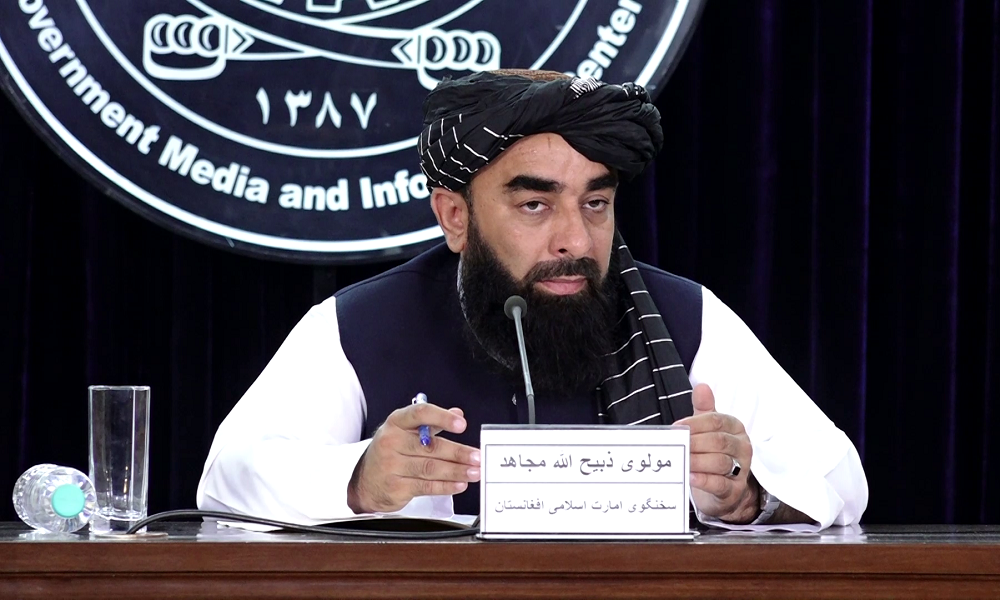
The spokesman for the Islamic Emirate of Afghanistan (IEA) says Kabul is committed to maintaining balanced and constructive relations with all neighboring countries and has actively pursued this policy since returning to power.
Zabihullah Mujahid said the Islamic Emirate’s relations with most countries in the region remain positive, noting that Afghanistan currently enjoys strong ties with Uzbekistan, Iran, China and Turkmenistan.
He added that relations with Tajikistan are also relatively positive and that efforts are underway to further strengthen bilateral cooperation.
Speaking about Pakistan, Mujahid said relations between Kabul and Islamabad were initially positive following the Islamic Emirate’s return to power, but tensions later emerged due to what he described as “Pakistan’s actions and violations.”
He stressed that the Islamic Emirate was not responsible for initiating the tensions and reiterated Kabul’s desire to maintain good relations with all neighboring countries, particularly Pakistan.
According to Mujahid, diplomatic efforts are continuing to reduce tensions and improve bilateral relations between the two sides.
Meanwhile, political analysts say that although the Islamic Emirate has yet to receive broad formal international recognition, regional cooperation with Afghanistan in trade, transit and economic sectors continues to expand steadily.
Nearly five years after the Islamic Emirate returned to power, Russia remains the only country to have officially recognized the government. Kabul, however, maintains that it has fulfilled the conditions necessary for international recognition, while the international community continues to emphasize issues related to counterterrorism and human rights.
Latest News
Hajj Pilgrims perform stoning ritual at Jamrat al-Aqaba in smooth operation
Over the decades, the Hajj pilgrimage has faced several major tragedies, largely linked to crowd crushes, extreme heat, and tent fires during peak rituals.
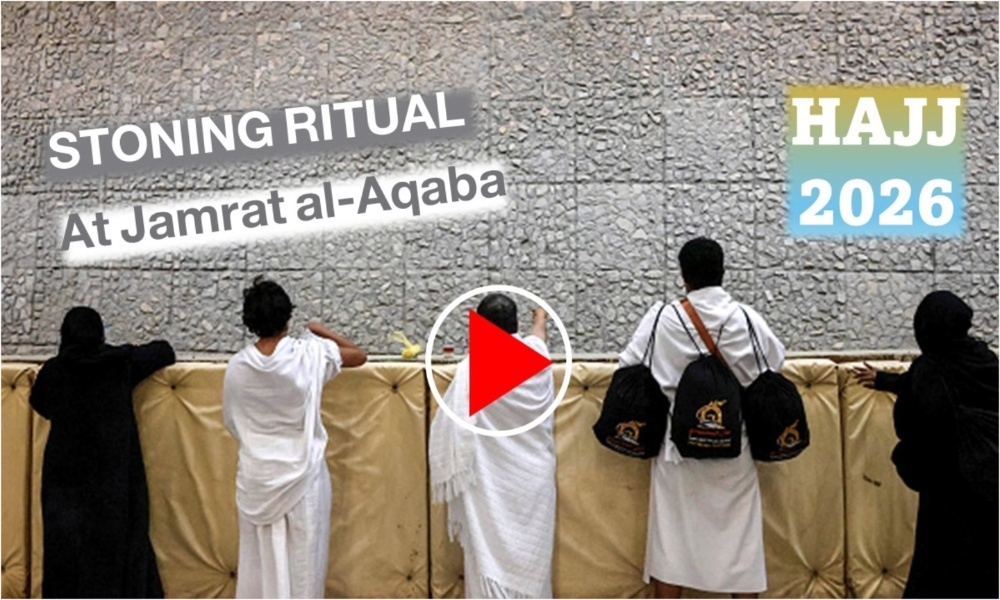
Large numbers of Hajj pilgrims began performing the stoning ritual in Mina from the early hours of the first day of Eid al-Adha, casting seven pebbles at the largest pillar, Jamrat al-Aqaba, amid smooth and orderly movement in line with the approved crowd-management plan.
Pilgrims carried out the ritual in an organised manner across the levels of the Jamarat Bridge, with no overcrowding or pushing reported. Security, medical, ambulance, sanitation, and civil defence teams were fully deployed throughout the area, while security personnel regulated the flow of pilgrims at entrances, exits, and surrounding routes.
Movement toward the Jamarat Bridge and surrounding courtyards remained gradual and well-coordinated, with pilgrims travelling in managed groups distributed across different levels according to the operational plan.
After completing the ritual, they returned smoothly to their accommodation sites, while roads across Mina experienced steady and flexible traffic flow for both vehicles and pedestrians throughout the day.
Careful crowd control
Over the decades, the Hajj pilgrimage has faced several major tragedies, largely linked to crowd crushes, extreme heat, and tent fires during peak rituals. In response, Saudi authorities have invested heavily in expanding infrastructure and improving crowd-management systems to reduce risks and enhance pilgrim safety.
One of the deadliest incidents occurred in 1990, when 1,426 pilgrims died in a stampede inside a pedestrian tunnel in Mina due to overcrowding and ventilation failure.
In 2015, another major disaster struck during the stoning ritual at Jamarat, where at least 2,000 pilgrims were killed in a crowd crush, making it one of the worst incidents in Hajj history.
Extreme weather has also taken a heavy toll. During the 2024 Hajj season, more than 1,300 pilgrims reportedly died amid an intense heatwave, with temperatures exceeding 50°C, leading to widespread cases of heatstroke and dehydration.
Earlier disasters also prompted major safety reforms, including the Mina tent fires of 1975 and 1997.
The 1975 blaze, triggered by a gas cylinder explosion, killed around 200 people, while the 1997 fire claimed more than 340 lives.
Following these incidents, authorities replaced traditional tents with modern fire-resistant structures as part of broader safety upgrades.


Afghanistan calls for global cooperation on climate change as country faces rising environmental risks

Tahawol: Kabul Pursuing Constructive Regional Diplomacy

Islamic Emirate pursuing constructive regional diplomacy

Saar: Afghanistan, Russia sign military cooperation agreement

Afghanistan expands oil production as investment in Amu Darya fields grows

New Afghanistan-China transport corridor launched via Turkmenistan

Afghanistan signs $46 million deal to develop standard laboratory complexes

Germany to launch online visa system for Afghan study and work applicants in Pakistan

Afghanistan launches first 5G trial in Kabul to boost telecom services

Large blast near Beit Shemesh part of pre-planned test: Israeli defense firm
Tahawol: Kabul Pursuing Constructive Regional Diplomacy
Saar: Afghanistan, Russia sign military cooperation agreement

Saar: IEA seeking Sharia-based global engagement

Tahawol: Islamic Emirate defense minister’s visit to Russia

Saar: Calls to expand Afghanistan-Qatar ties discussed
-
 Business5 days ago
Major pharma firms eye investment in Afghanistan
-
 Sport2 days ago
Afghanistan announce squad for India series
-
 Latest News4 days ago
Deadly shooting near Kabul’s Sarai Shahzada leaves four dead
-

 Sport4 days ago
IPL 2026 Playoffs Confirmed: RCB, GT, SRH and RR reach top four
-
 Latest News1 day ago
‘We will never bow our heads before infidels,’ says IEA Supreme Leader
-
 Regional5 days ago
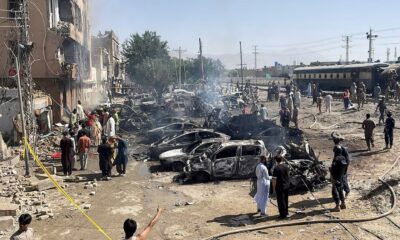
At least 24 killed in deadly train bombing in Pakistan’s Balochistan
-

 Latest News5 days ago
IEA Supreme Leader urges unity, preservation of Islamic system in Eid al-Adha message
-
 Latest News4 days ago
Moscow expects UNAMA mission in Afghanistan to continue under certain conditions: Kabulov