
Business
Hairatan railway port sees over 280 wagon arrivals daily from Central Asia

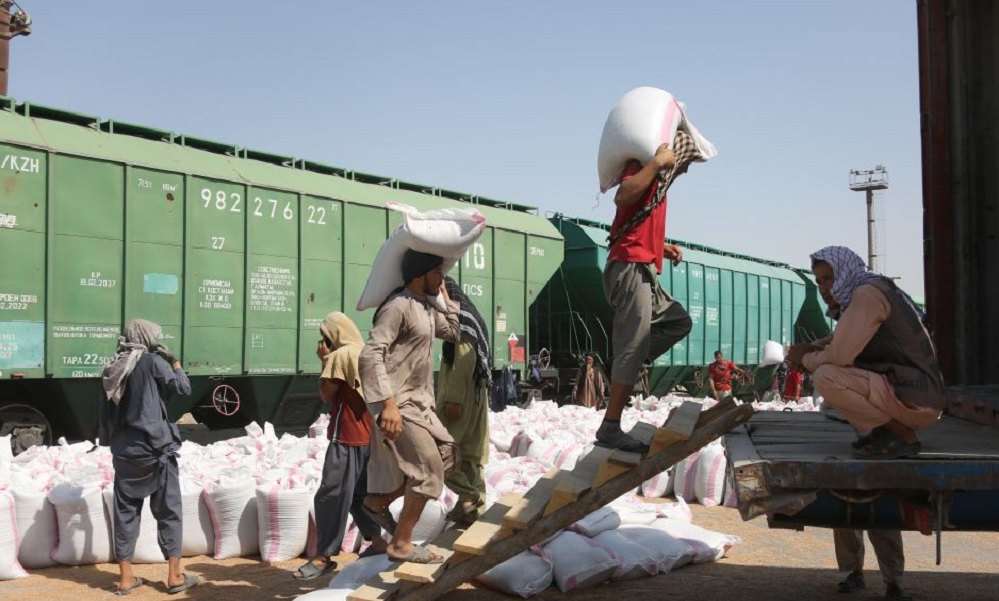
The Hairatan railway port in northern Afghanistan receives between 280 and 300 freight wagons daily from Central Asian countries, highlighting its growing role in connecting Afghanistan to regional and international markets.
The 75-kilometer Hairatan–Mazar-e-Sharif railway links Afghanistan with Uzbekistan and provides a key route for transporting goods from Central Asia, China and other international markets into the landlocked country.
Sayed Qadim Karimi, head of railway transportation at Hairatan port, told China’s Xinhua news agency that trade activity had increased this year, with an average of 280 to 300 wagons arriving at the port each day.
He said the railway transports a wide range of goods to Afghanistan, including clothing, medical equipment, machinery and electrical equipment, adding that trade with China had expanded in recent years.
Afghan traders say the railway connection has helped strengthen commercial ties with China and other regional countries while making it easier to transport imported goods.
“We transport our goods from China by freight train via Kazakhstan and Uzbekistan and receive them at Hairatan port,” businessman Ahmad Agha told Xinhua.
Agha said trade with Chinese businesses offered promising opportunities and expressed hope that further railway development would strengthen commercial ties with Kazakhstan, Russia and European countries.
He added that rising cargo volumes had created employment opportunities for local residents, with hundreds of workers handling containers at the port daily to support their families.
Another Afghan businessman, Ahmad Farid Fardan, who imports women’s clothing and colorful fabrics from China, said the railway connection had strengthened trade relations between the two countries.
Fardan expressed hope that expanding railway networks would help Afghanistan broaden its trade and economic relations with China and other countries in the region.
The railway’s role in China-Afghanistan trade dates back to 2016, when the first cargo train from China reached Hairatan as part of a pilot project. In 2019, Afghanistan sent its first export train to China, carrying several containers of talc powder.
The Hairatan railway remains an important transport link for Afghanistan’s import and export activities, offering access to regional markets and broader trade networks extending to Kazakhstan, Kyrgyzstan, Russia, China and Europe.



Business
Afghanistan-Iran trade through Abu Nasr Farahi crossing exceeds $1 billion
The governor of Iran’s South Khorasan Province, said 36,264 cargo trucks entered Afghanistan through the crossing in first 8 months of the year, transporting approximately 907,000 tonnes of goods.
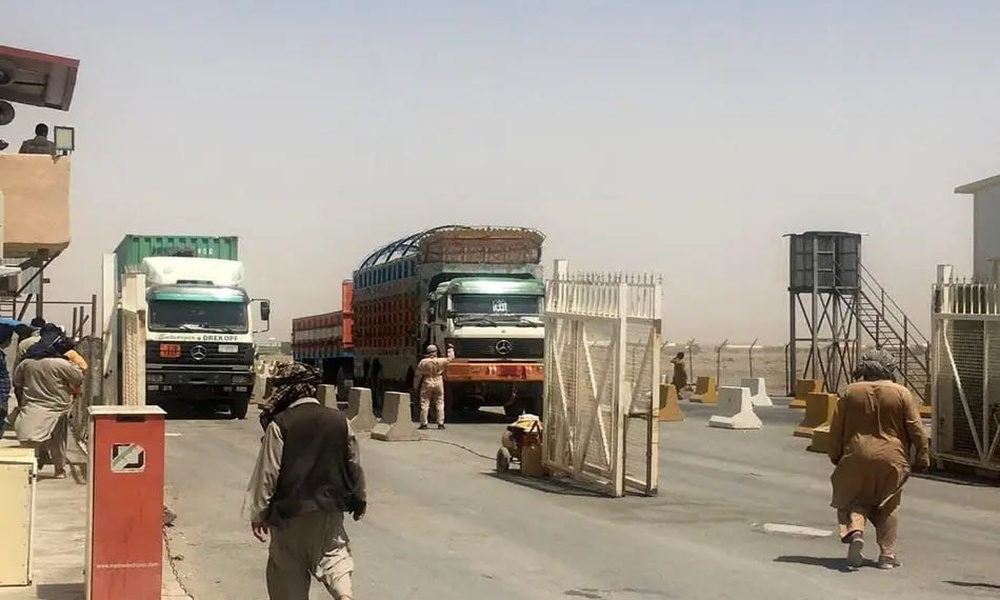
The value of trade between Afghanistan and Iran through the Abu Nasr Farahi border crossing exceeded $1 billion during the first eight months of the current year, reflecting the route’s importance to bilateral commerce.
According to Iran’s IRNA news agency, Seyed Mohammad Reza Hashemi, governor of Iran’s South Khorasan Province, said 36,264 cargo trucks entered Afghanistan through the crossing during the period, transporting approximately 907,000 tonnes of goods.
The border crossing also serves as an important route for Afghan exports, facilitating the movement of goods between the two neighbouring countries and supporting wider economic and commercial ties.
Business
ASQA strengthens regional cooperation through ISO Asia-Pacific meeting
Participants discussed approaches to developing and promoting international standards, as well as raising public awareness of their importance.
Afghanistan’s Standard and Quality Authority (ASQA) has reaffirmed its commitment to strengthening the country’s quality infrastructure through greater regional cooperation and engagement with the International Organization for Standardization (ISO).
ASQA representatives took part in the organisation’s monthly Asia-Pacific regional meeting, held online with officials and representatives from member countries.
The Afghan delegation was led by Mufti Baqi Billah Fazli, Director of Standards and Building Codes Drafting and Promotion, accompanied by technical experts and specialists from the directorate.
Participants exchanged experiences and discussed approaches to developing and promoting international standards, as well as raising public awareness of their importance.
Discussions also highlighted the role of standardization in supporting economic growth, improving the quality of products and services, and strengthening technical capabilities across member countries.
The meeting also included updates on the latest developments and ongoing activities of the ISO.
ASQA said it would continue to draw on the expertise of ISO member states, expand regional cooperation and strengthen Afghanistan’s national quality infrastructure to support sustainable economic development.
The authority’s participation forms part of its efforts to expand international engagement and align national standardization practices with regional and global developments.
Business
ASQA stresses standards compliance in Emirati Olive Company products
The authority said it would continue working with manufacturers and private-sector businesses to improve product quality and promote standardization.
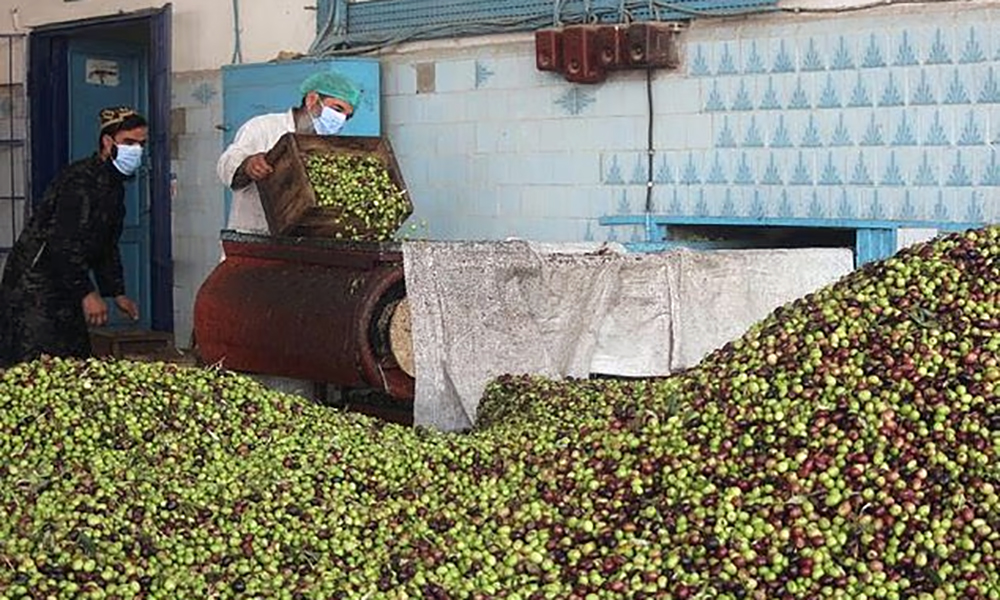
Afghanistan’s Standard and Quality Authority (ASQA) has emphasized the importance of enforcing quality standards in products manufactured by the Emirati Olive Company in Nangarhar province.
The emphasis was made during a coordination meeting between ASQA officials and company representatives, aimed at strengthening cooperation with the private sector, improving domestic product quality and ensuring compliance with established standards.
Mawlawi Abdul Aziz Haqqani, director of ASQA’s Eastern Zone Directorate, outlined the authority’s responsibilities and programmes, stressing the need to maintain quality standards throughout all stages of production, protect consumer safety and ensure that products entering the market meet required standards.
Company representatives raised their challenges and suggestions and reaffirmed their commitment to complying with applicable standards and improving product quality.
ASQA officials pledged continued cooperation with the company to address challenges and strengthen the implementation of quality standards in line with relevant laws and regulations.
The authority said it would continue working with manufacturers and private-sector businesses to improve product quality, safeguard consumer rights and promote standardization.

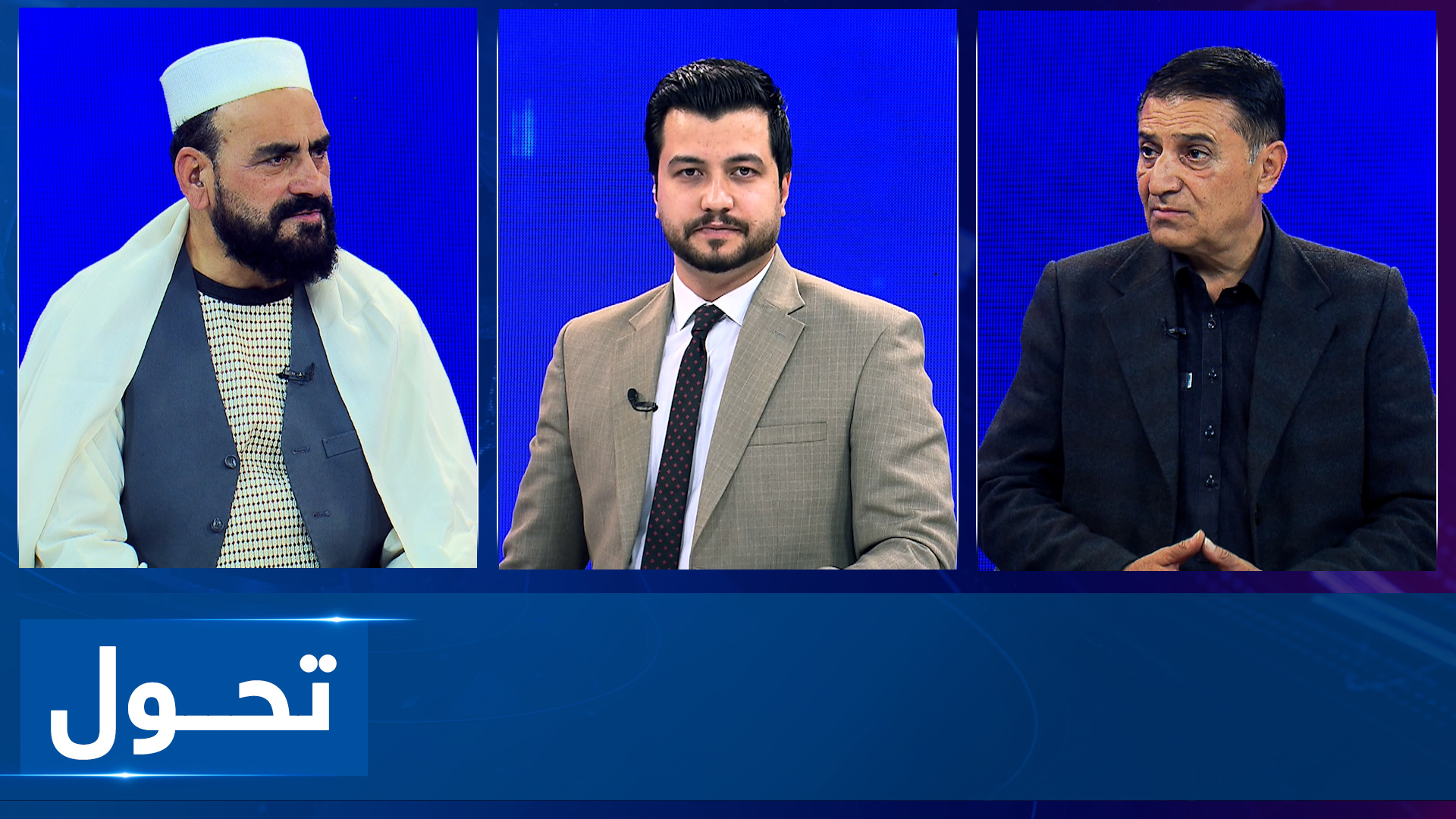
Tahawol: Afghanistan at the center of Putin-Shehbaz talks
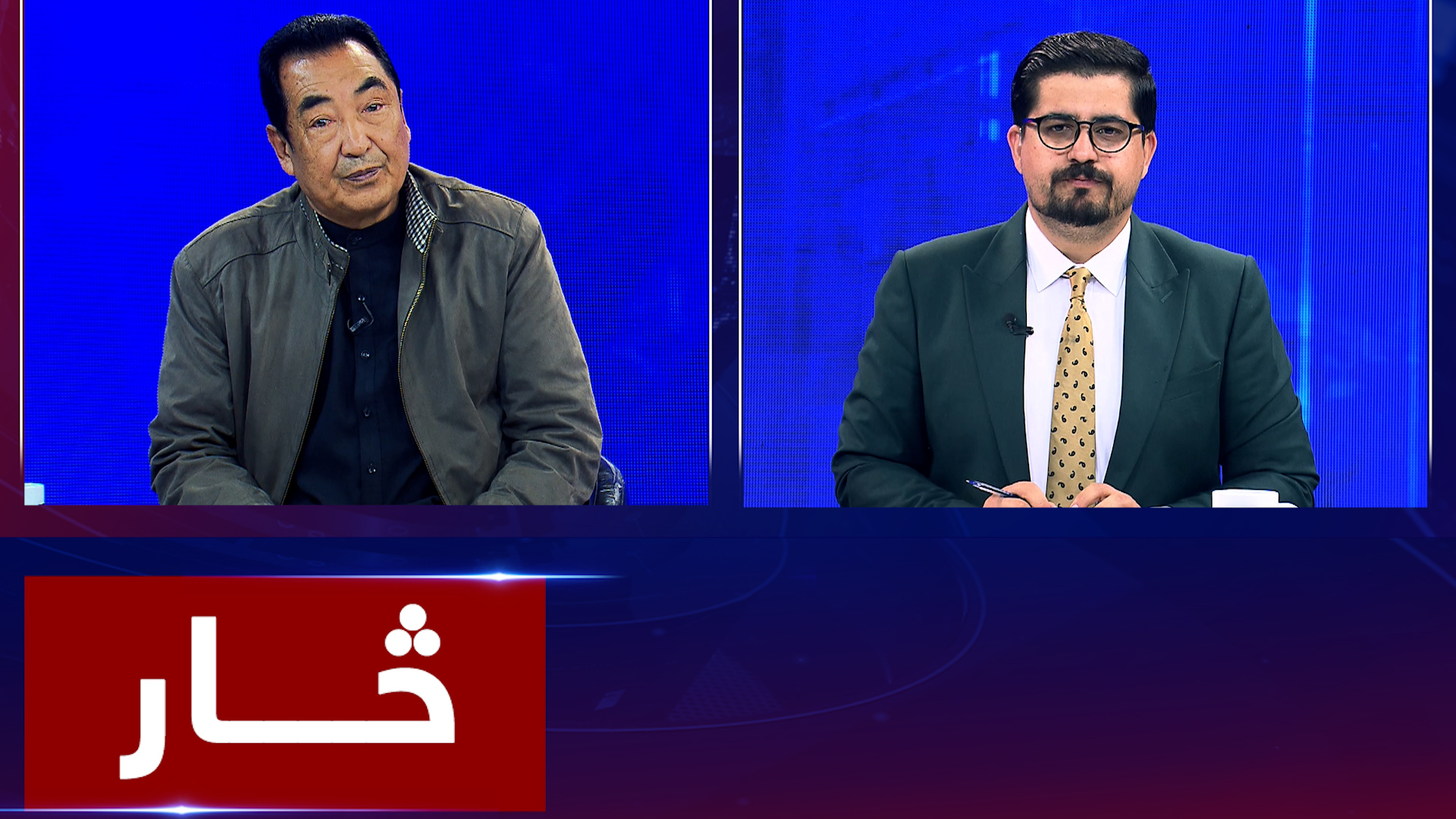
Saar: Russia-Pakistan talks focus on Afghanistan’s situation

Pakistan-Russia talks expected to address Afghanistan and regional cooperation
Afghanistan-Iran trade through Abu Nasr Farahi crossing exceeds $1 billion
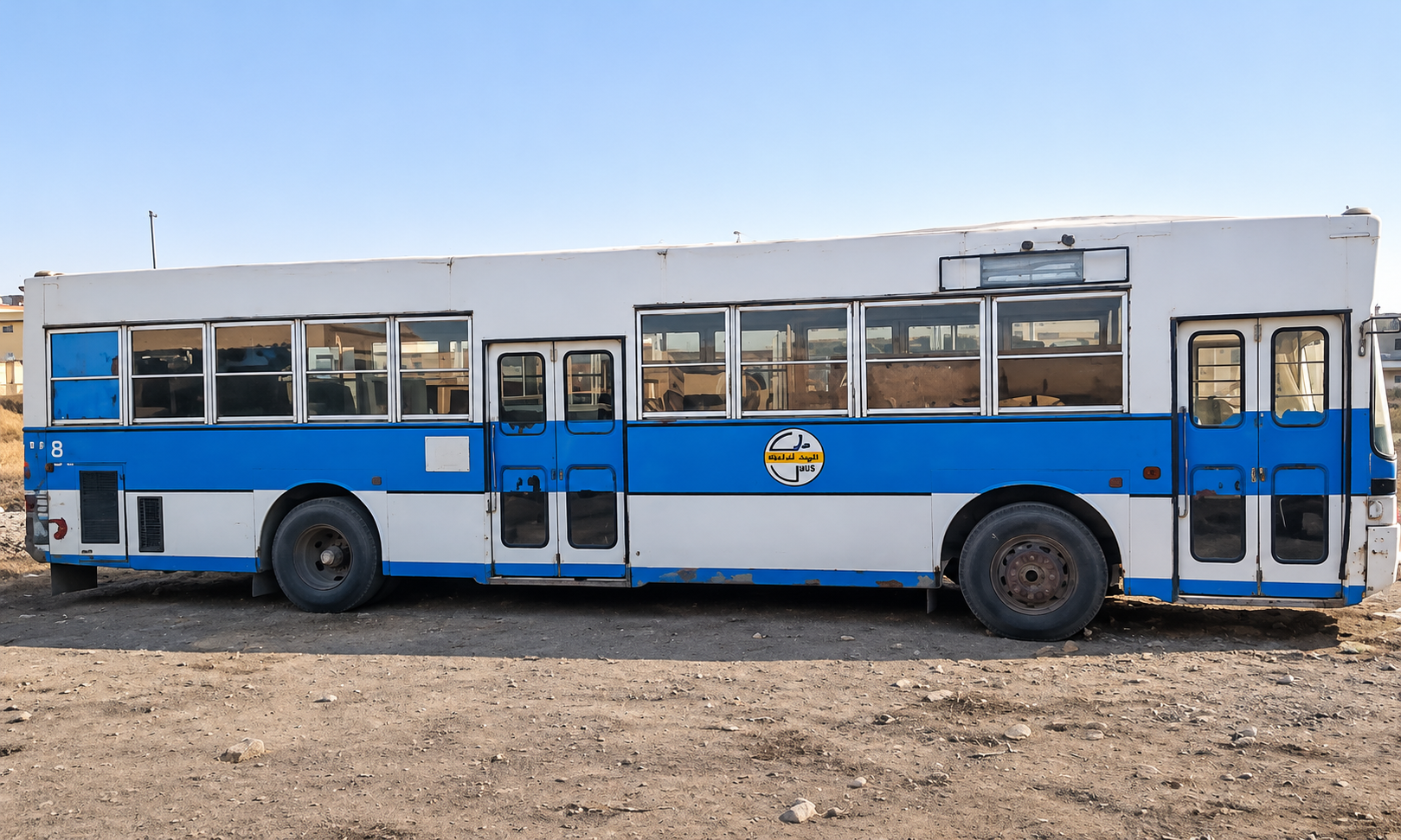
Kabul to introduce Japanese and Indian buses to ease traffic congestion
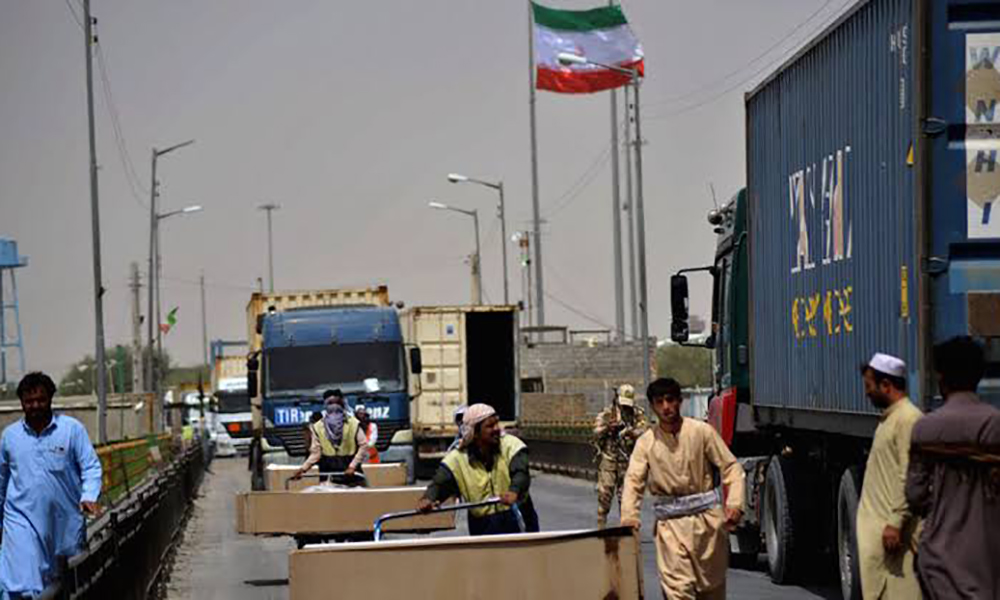
US sanctions and blockade measures disrupt Iran’s trade with Afghanistan and regional neighbors

Afghanistan futsal team thrash Panama 5-0 in flying start to Dakar Youth Olympics
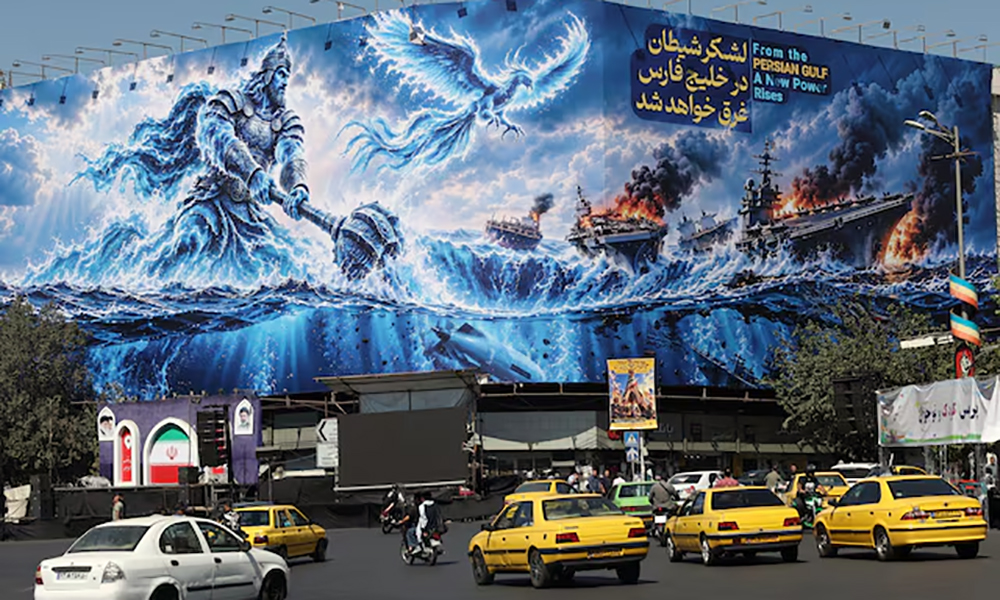
Iran defends two-day proposal for peace talks after US rejects conditions

Suhail unveiled as official mascot for FIBA Basketball World Cup 2027 in Qatar

Cristiano Ronaldo announces international retirement
Tahawol: Afghanistan at the center of Putin-Shehbaz talks
Saar: Russia-Pakistan talks focus on Afghanistan’s situation
Tahawol: Ongoing deadlock over Afghanistan’s UN seat discussed
Saar: UN warning regarding rising hunger in Afghanistan
Debate with Amir Khan Muttaqi, Foreign Minister of the Islamic Emirate of Afghanistan
-
 Business4 days ago
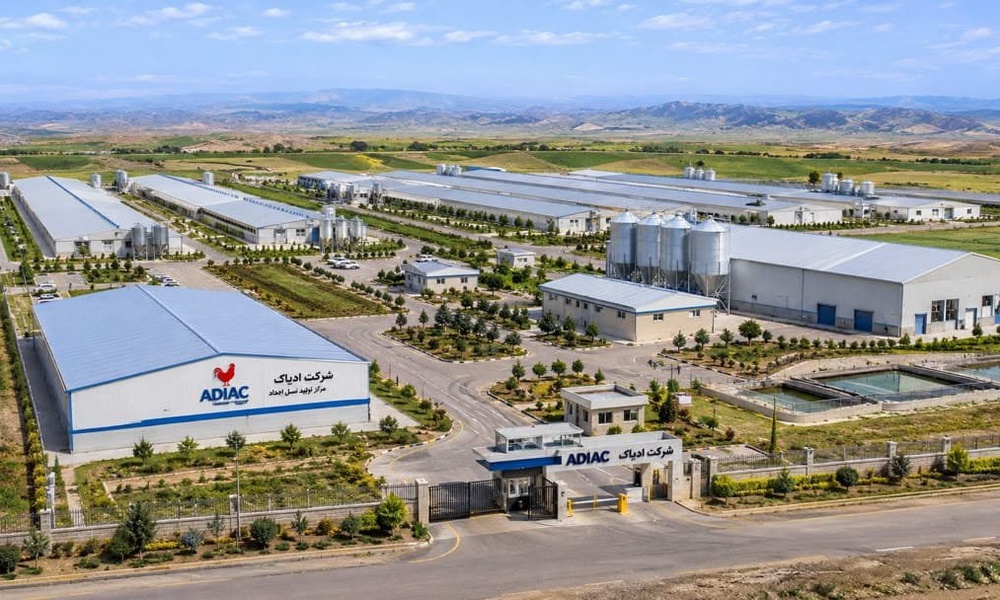
$7 million poultry farm opens in Herat, creating 600 jobs
-
 Business4 days ago
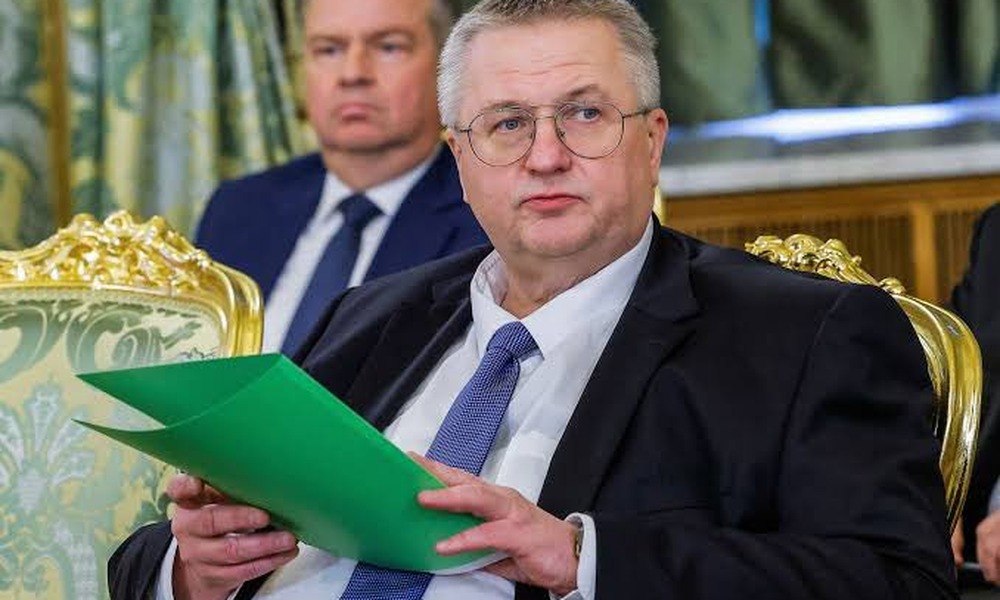
Russia agrees to supply Afghanistan with $200 million worth of goods
-
 Latest News5 days ago
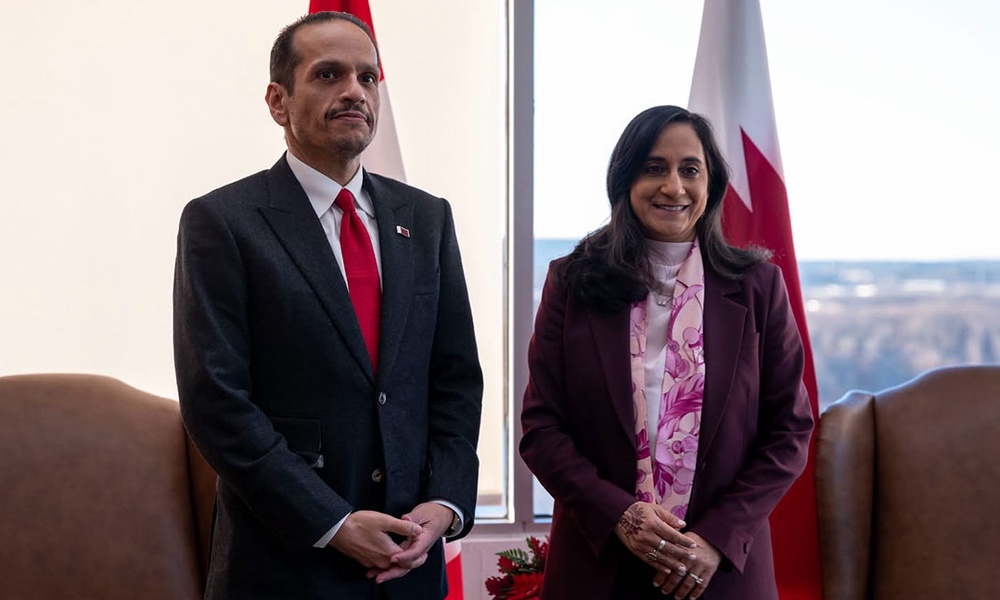
Qatar to protect Canada’s interests in Afghanistan under new agreement
-
 World4 days ago
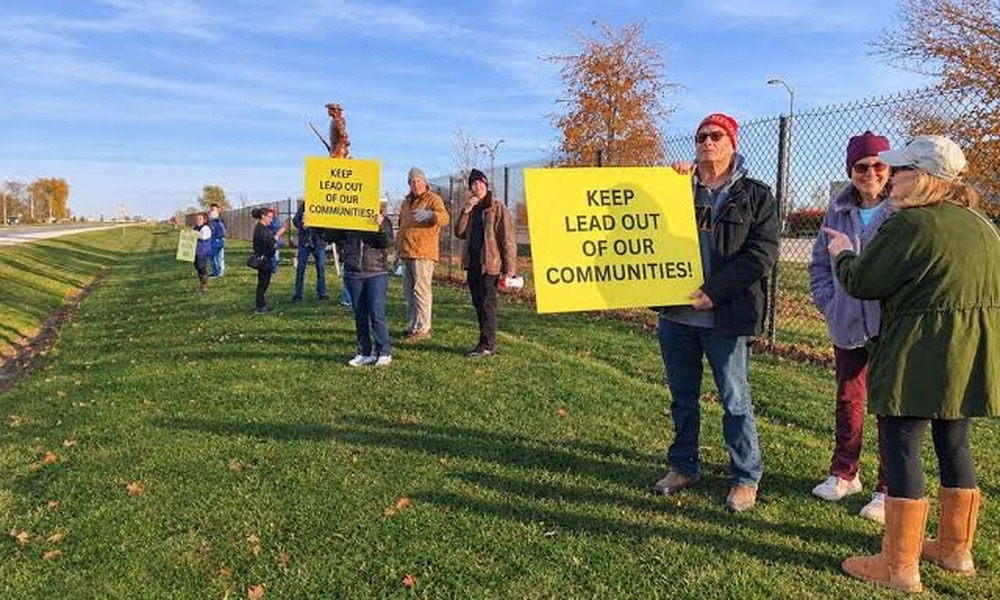
US Army schedules Iowa explosives detonation despite public outcry
-
 Latest News3 days ago
UN warns aid cuts threaten support services for Afghan women and girls
-
 Tahawol5 days ago
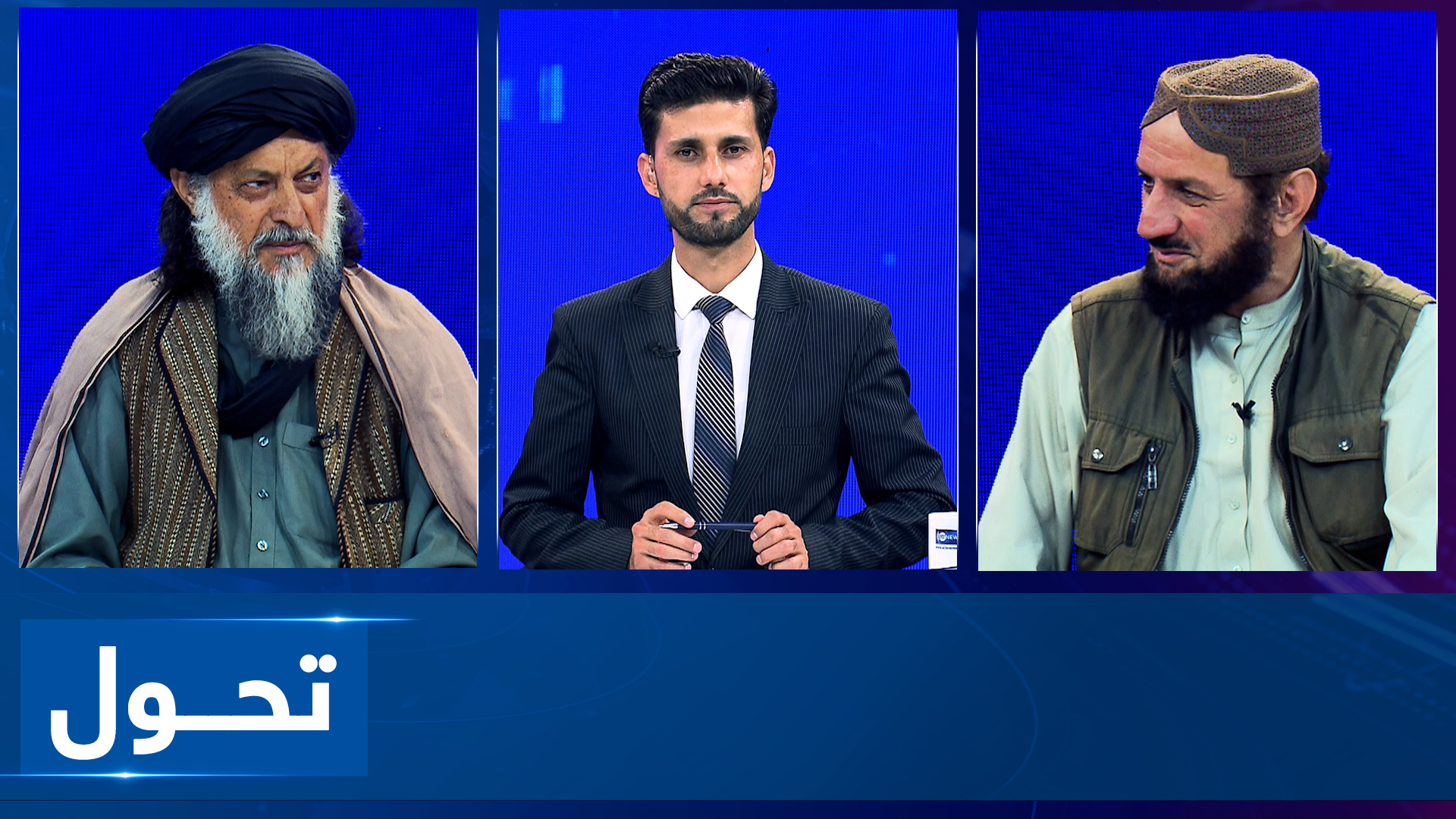
Tahawol: Discussion on shifting views within Pakistan
-
 Latest News3 days ago
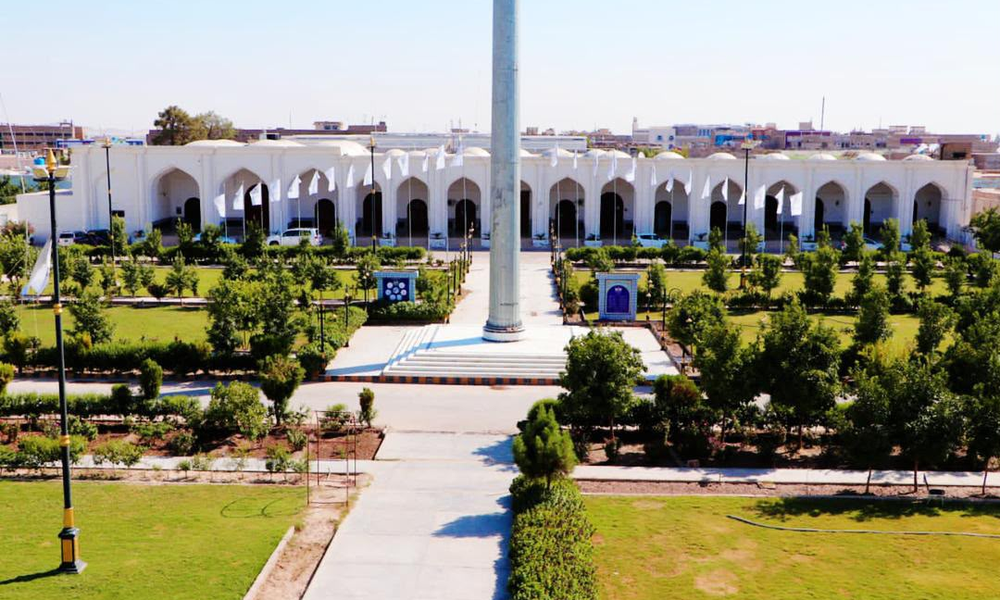
Joint security delegation visits Kandahar to strengthen coordination
-
 Latest News3 days ago
Afghan delegations may visit Russia in near future: Kabulov