
Latest News
IEA to preserve Bamiyan’s Buddha niches

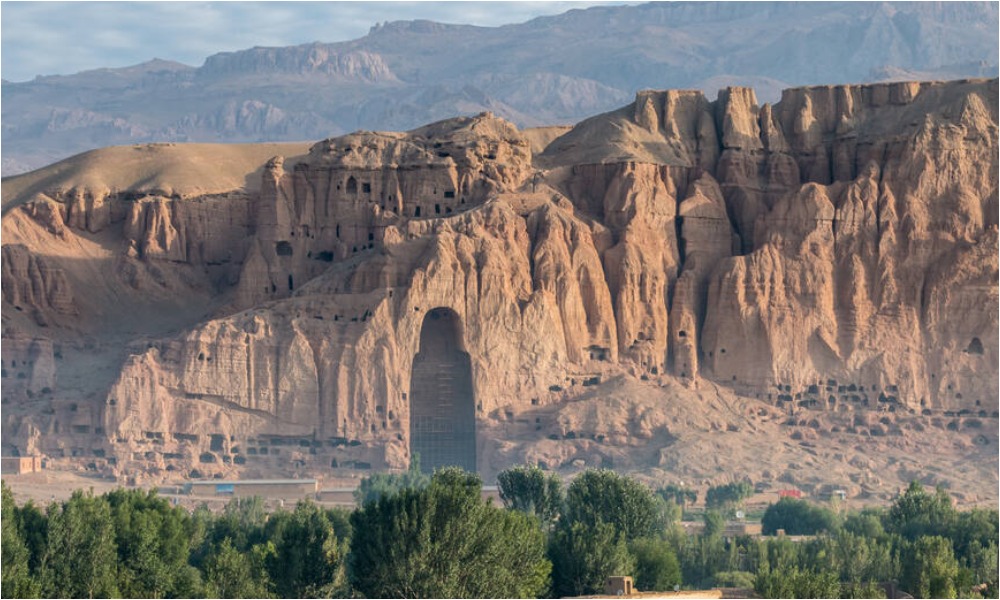
Islamic Emirate of Afghanistan (IEA) officials have said that they will preserve the empty niches of the two giant Buddhas in Bamiyan.
The Buddhas of Bamiyan were two 6th-century monumental statues – locally known as Salsal and Shamama – that were carved into the side of a cliff in Bamiyan.
The buddhas were destroyed by the IEA in March 2001. The IEA said the move had a specific purpose, noting that now the niches of Buddhas would be safeguarded, aimed at promoting the tourism sector of the country.
Mawlawi Saif-ul-Rahman Mohammadi, Head of Bamiyan’s Information and Culture Directorate, stated that local and foreign tourists can visit Bamiyan’s historical sites and Buddhas.
“As an Islamic Emirate’s official in Bamiyan, I am trying my best to preserve these priceless and historical monuments of our province,” Mohammadi said.
Another IEA member said that they destroyed the Buddhas based on religious ideology in 2001.
“The Islamic Emirate did not make a hasty decision at that time [2001], it was reviewed and researched based on Islamic laws and then they destroyed them,” he said.
The heights of Salsal [symbol of a male] and Shamama [symbol of a female] are 53 and 35 meters respectively.





Latest News
IEA intelligence officials highlight Sharia-based operations at research conference
The General Directorate of Intelligence was the first government institution for which special regulations were established by the leadership.

Abdul Haq Wasiq, head of the General Directorate of Intelligence of the Islamic Emirate of Afghanistan, and his deputy, Tajmir Jawad, have discussed the activities of their institution and the principles of the Islamic system at a scientific and research conference examining the impact of leadership decrees.
Wasiq said that following the Islamic Emirate’s return to power, the General Directorate of Intelligence was the first government institution for which special regulations were established by the leadership.
He added that the directorate operates under the established regulations and in accordance with Sharia, prevents what he described as cruel torture, combats crime and is committed to safeguarding human dignity.
Meanwhile, Tajmir Jawad said the Muslim community had lost significant spiritual strength following the loss of leadership under an Islamic system, adding that foreign ideas had influenced its thinking.
He stressed the need to strengthen Islamic thought and values and maintain the stability of the system.
Jawad further described the Islamic Emirate and Imamate as divine commands and religious obligations, saying that the advancement of Islam and the country depends on them.
Latest News
Pakistan FM urges Afghanistan to address security concerns of neighbors
Dar said Pakistan wanted Afghanistan to be fully integrated into the ECO framework and at peace with itself and its neighbours.
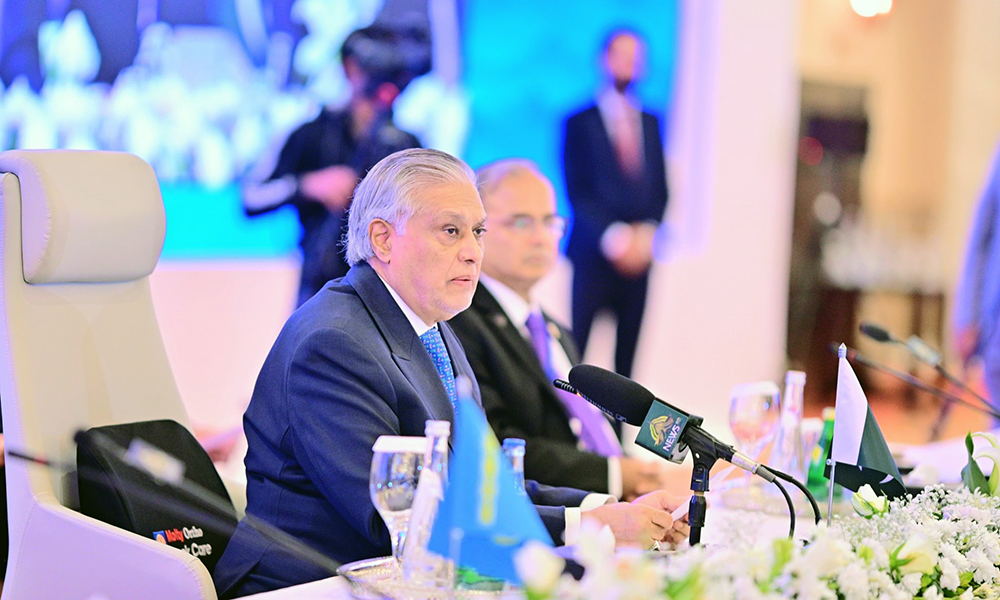
Pakistan Deputy Prime Minister and Foreign Minister Mohammad Ishaq Dar has called for a peaceful, prosperous and stable Afghanistan, while urging Afghan authorities to address the security concerns of neighbouring countries, particularly the threat of terrorism.
Dar made the remarks during the 30th meeting of the Economic Cooperation Organization (ECO) Council of Ministers in Islamabad.
Dar said Pakistan wanted Afghanistan to be fully integrated into the ECO framework and at peace with itself and its neighbours.
He added that such an outcome would benefit not only the Afghan people but also the wider region by opening important opportunities for trade, transit and economic cooperation.
The Pakistani foreign minister stressed that meaningful progress required Afghan authorities to address “the legitimate security concerns of neighbouring countries, particularly the threat of terrorism.”
He said a secure and stable environment was essential for sustained regional economic partnerships.
Pakistani officials have repeatedly claimed that attacks in their country are organized from Afghanistan. The Islamic Emirate, however, has rejected these allegations, saying Afghanistan is not responsible for Pakistan’s security failures.

Afghanistan’s state-owned Millie Bus Enterprise has held talks with Chinese bus manufacturer Higer on potential cooperation in the production and procurement of modern buses, including electric and hybrid models.
Mohammad Nabi Bahar, spokesperson for the General Directorate of State-Owned Corporations, said Abdul Baqi Muqim, General Director of the Millie Bus Enterprise, and an accompanying delegation visited Higer’s manufacturing plant in Suzhou, China.
During the visit, the Afghan delegation examined the company’s production facilities and gained first-hand insight into its manufacturing processes and product quality.
Higer officials expressed their readiness to cooperate with Afghanistan in supplying various types of buses for urban and high-speed transportation, including electric, hybrid and diesel-powered vehicles.
Higer is among China’s bus manufacturers, with its products used in several countries for passenger transportation and urban public transit.


Sorkh Poshan Khafi crowned ACL champions after unbeaten campaign
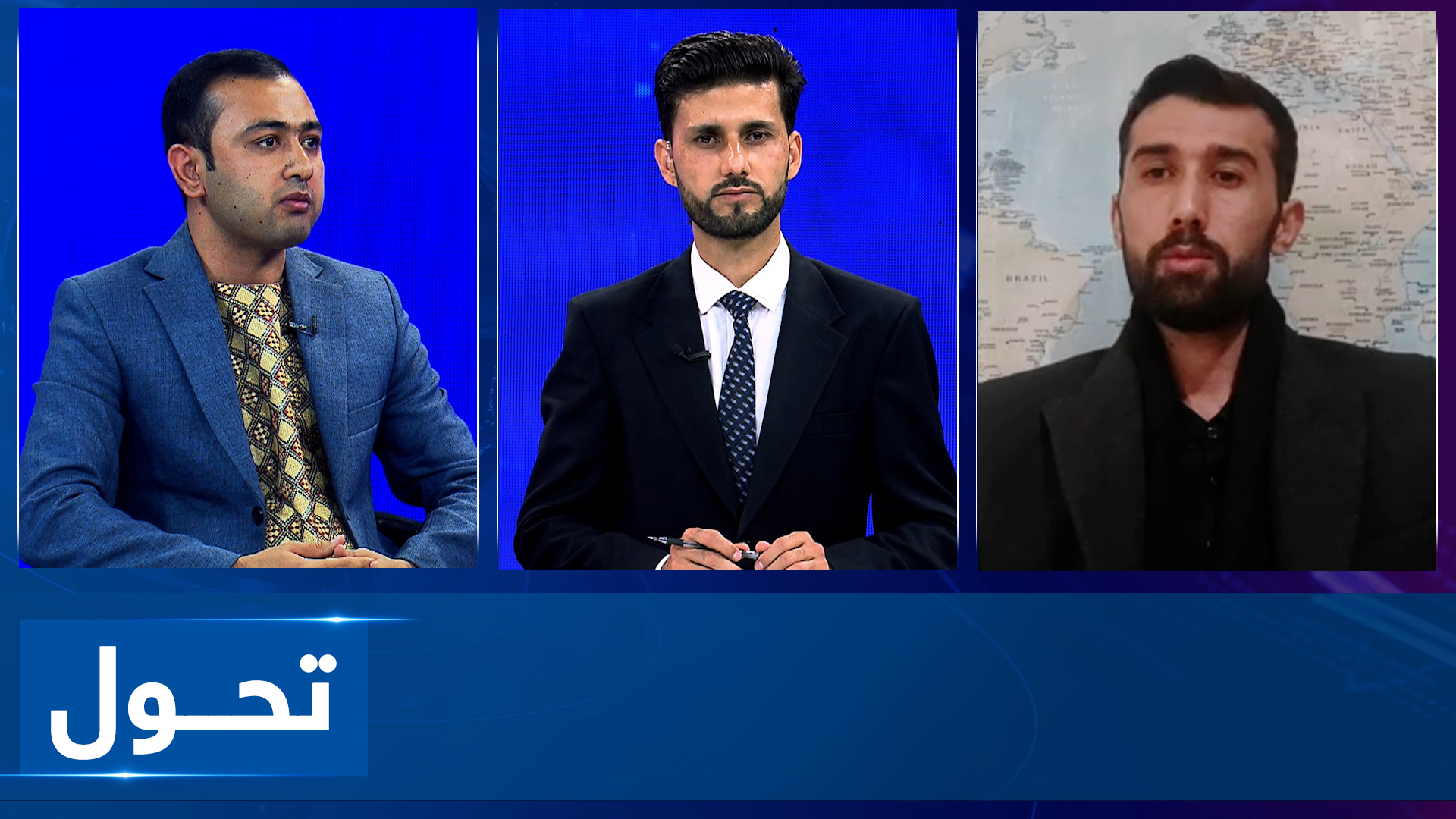
Tahawol: Afghanistan absent from ECO meeting
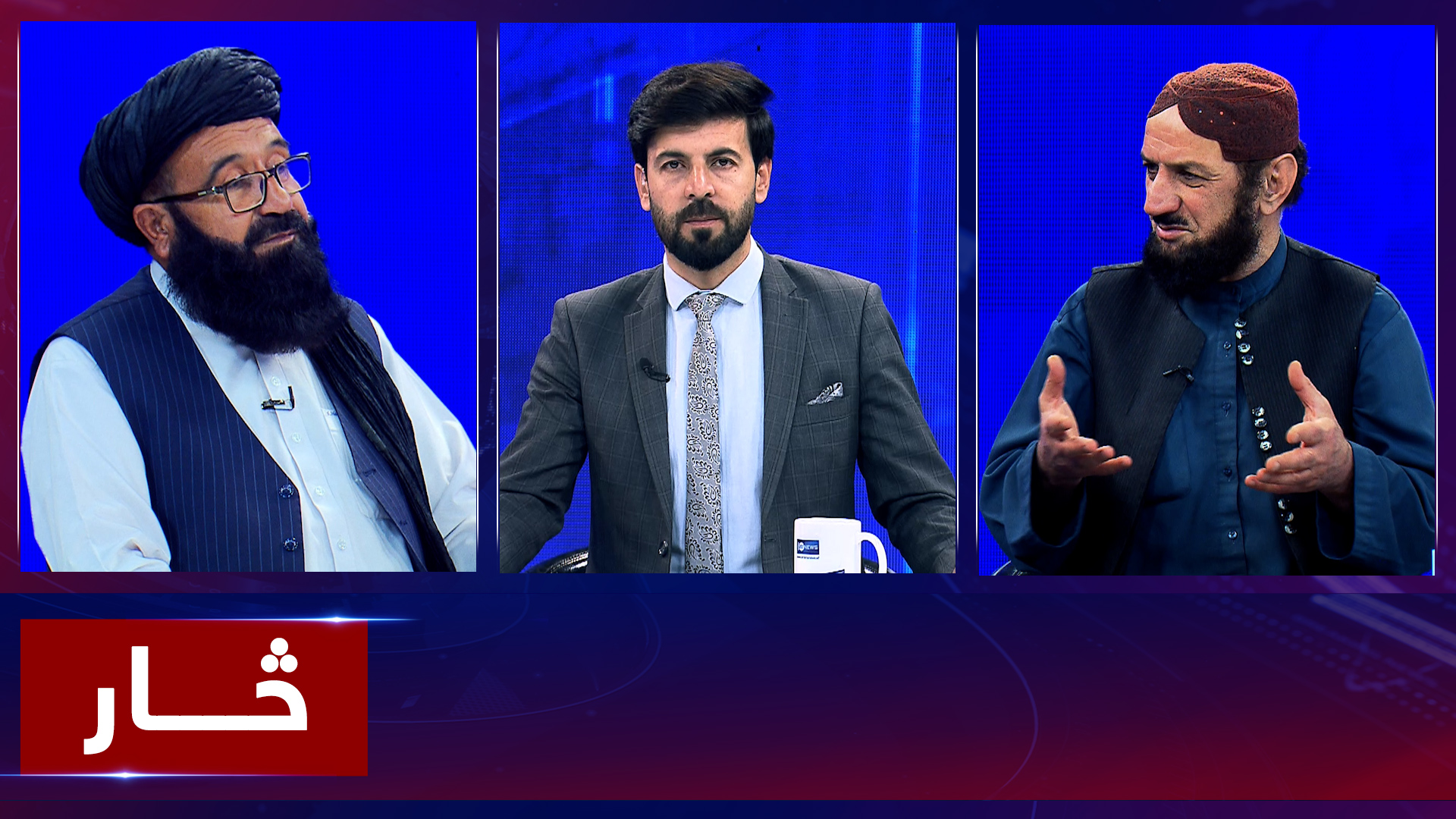
Saar: ECO meeting kicks off in Islamabad

IEA intelligence officials highlight Sharia-based operations at research conference
Pakistan FM urges Afghanistan to address security concerns of neighbors

Afghanistan finish runners-up after 6-0 defeat to Brazil in futsal final

Rubio heads to Central Asia while other US officials hit foreign policy hot spots

Violent protests spread across Europe as Albanian PM blames ‘foreign hand’

Governments take websites offline as critical cyber flaws trigger global alert

Afghanistan reach Brazil futsal tournament final after beating Cape Verde 4-2
Tahawol: Afghanistan absent from ECO meeting
Saar: ECO meeting kicks off in Islamabad
Tahawol: UK seeks to ease Kabul–Islamabad tensions
Saar: Iran–US tensions: an uncertain future
Tahawol: Concerns grow over worsening regional humanitarian crises discussed
-
 Business4 days ago
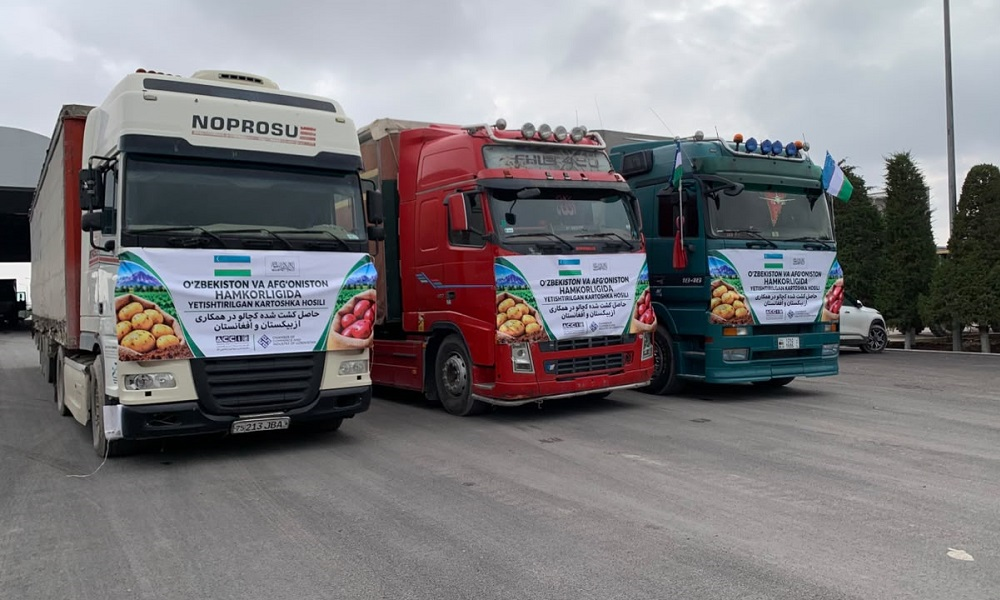
Afghanistan and Uzbekistan agree on export of 100,000 tons of Bamyan potatoes
-
 Latest News5 days ago
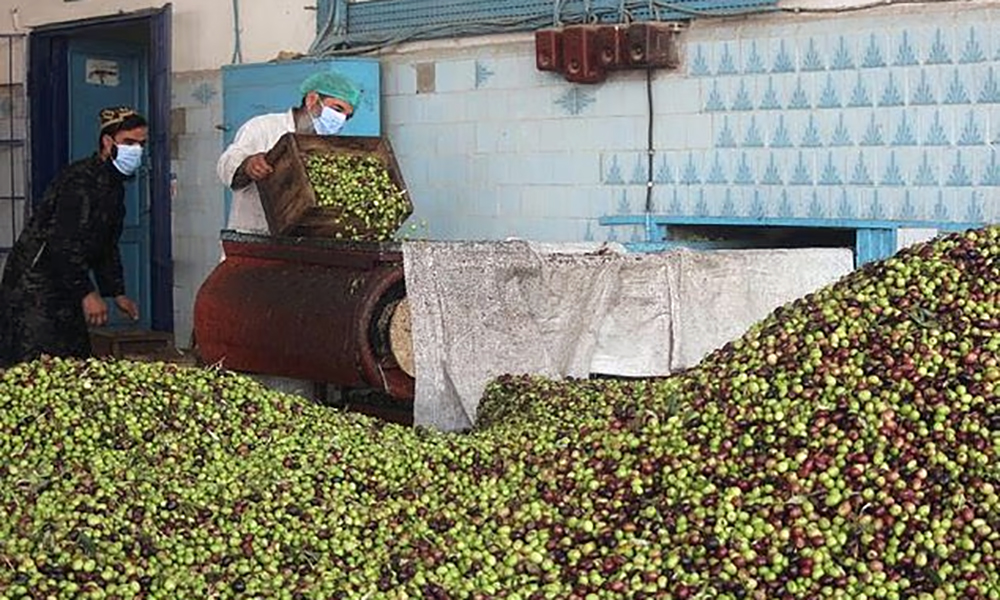
Olive farming offers new hope to Afghan farmers amid growing climate challenges
-
 Sport5 days ago
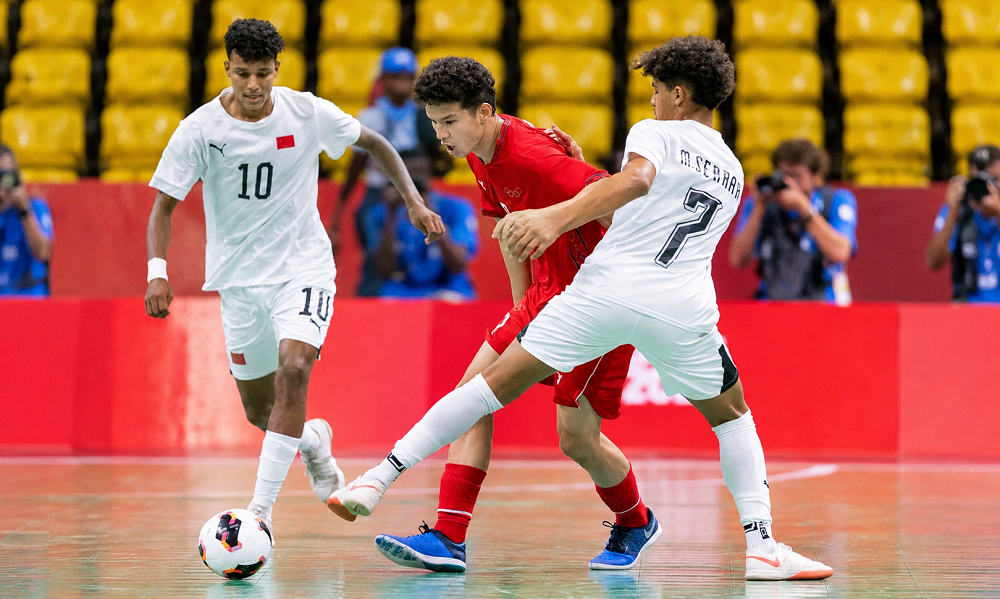
Afghanistan falls just short of Bronze at Dakar 2026 Youth Olympic Games
-
 Latest News3 days ago
ICC halts probe into alleged crimes by US troops in Afghanistan
-
 Sport4 days ago
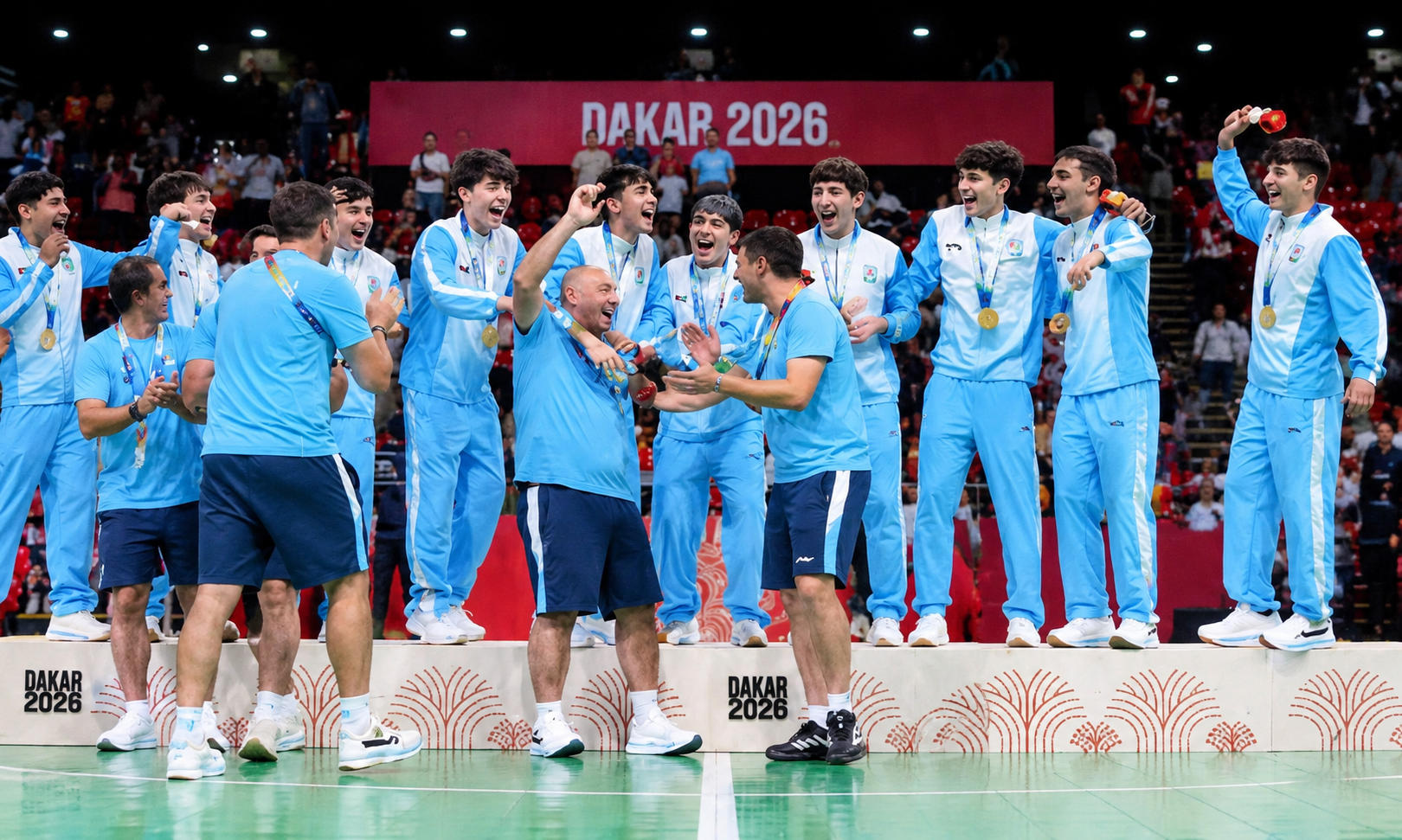
Argentina clinch futsal gold after defeating Portugal in Dakar 2026 final
-
 Sport4 days ago
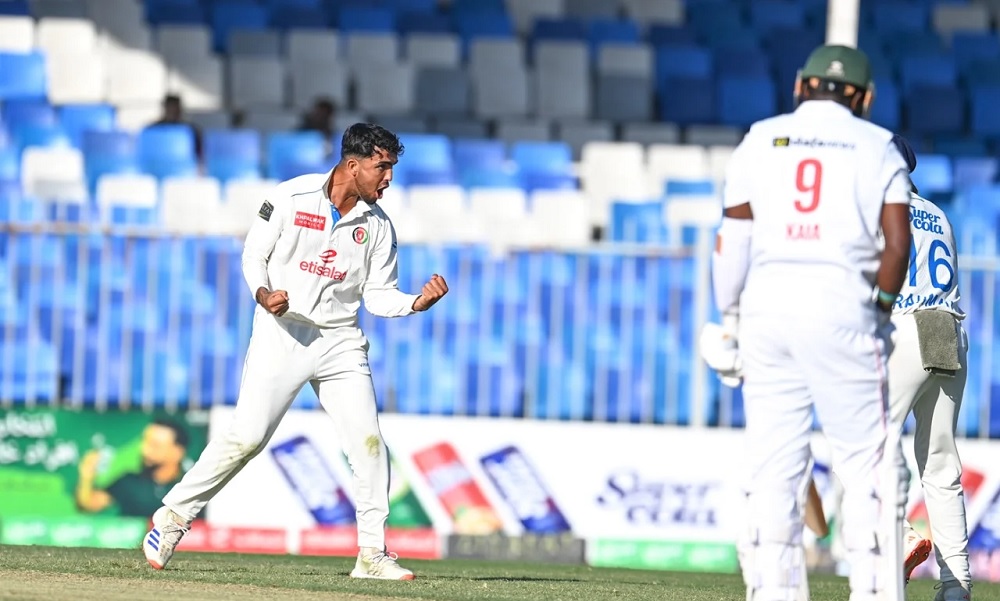
Debutant Naseer Khan strikes four as Afghanistan fight back against Zimbabwe in second Test
-
 Business5 days ago
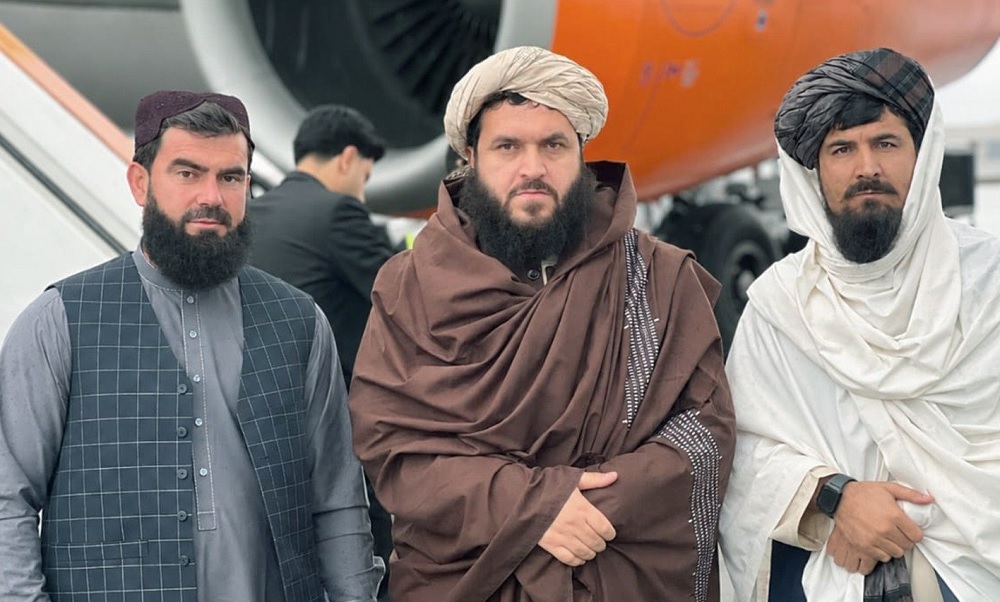
Afghan deputy commerce minister travels to India for trade fair in Delhi
-
 Latest News5 days ago
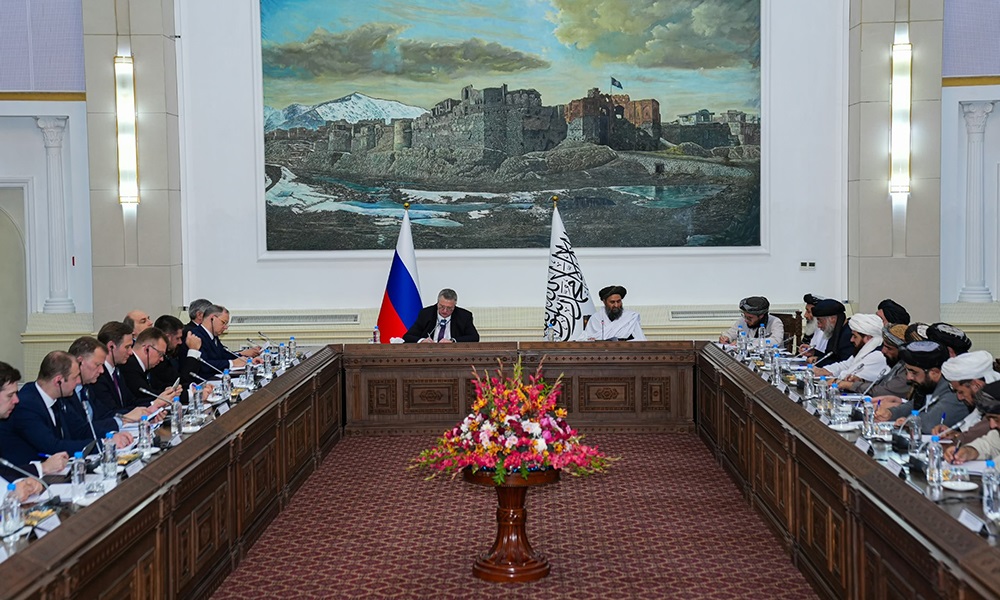
Afghanistan invites Russian companies to invest in mining, industry and infrastructure