
Regional
Iran and US trade threats after Houthi attacks escalate regional conflict

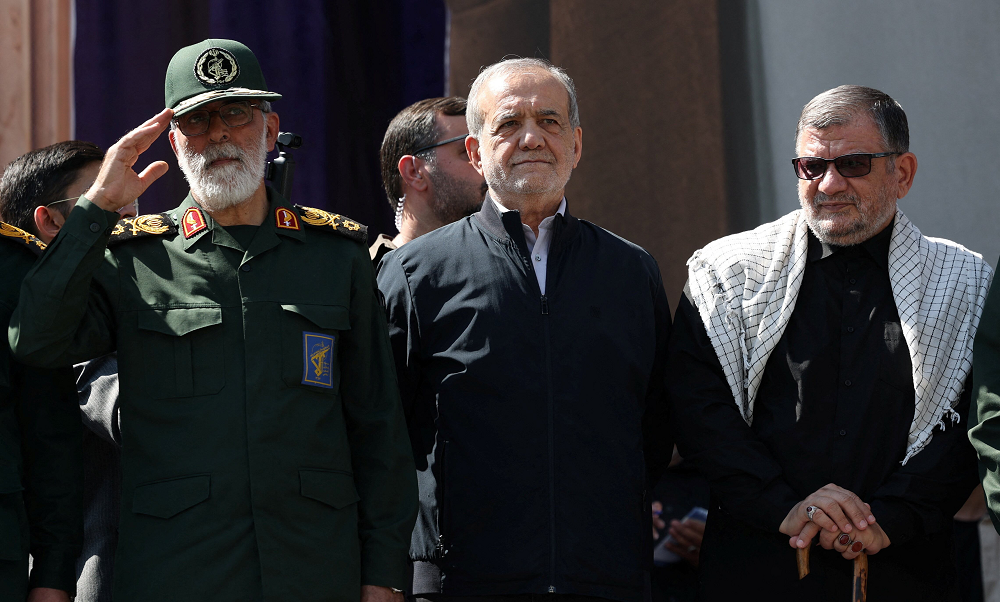
Iran and the United States exchanged new threats on Sunday, with President Donald Trump warning Iran would fail economically or face its leadership being wiped out if it didn’t make a deal, and the Iranian military saying it would retaliate harshly to any fresh attack.
The conflict has looked stalemated for months, with no sign either side was ready for concessions even as it has deepened a global energy crisis, cratered swathes of Iran’s economy and spilled over into new regional escalations, Reuters reported.
In a phone call with a Fox News reporter, Trump said Iran’s leaders should make a deal, rot economically or be wiped out, the reporter said.
However, with Iran’s President Masoud Pezeshkian expected in New York this week for the United Nations General Assembly, Trump said he would be open to meeting him, the Fox reporter added.
Trump has repeatedly made vague threats of major military escalations during the conflict that began with US and Israeli strikes on February 28, without carrying them out.
Earlier, Iran’s military central command said any new attack would trigger sustained retaliation against US bases and interests and that Washington’s regional allies would be considered parties to the conflict.
The Iranian military added that it had information that an attack was being prepared, without elaborating on what that information might be.
HOUTHIS TARGET RIYADH
US Gulf allies have already been badly scarred by a war that the US and Israel launched with no warning, bringing their cities under Iranian fire and hammering their economies with the crucial Strait of Hormuz waterway blockaded.
On Saturday their predicament worsened further, with Yemen’s Iran-backed Houthi group launching missile and drone strikes at the Saudi capital after having made sudden military gains in Yemen’s reignited civil war earlier this month.
Reuters video showed a massive plume of black smoke billowing from the area of Riyadh’s main international airport following booms overnight.
The US State Department issued a security alert citing the Houthi hostilities. It said there was potential for unforeseen escalation in the Middle East, and Americans should exercise more vigilance and be aware of possible flight cancellations and airspace closures.
Saudi Arabia did not comment on the incident, though a Saudi-led coalition fighting the Houthis said it had foiled other attacks on the kingdom.
Recent escalation by the Houthis has forced Riyadh into a painful dilemma: continue airstrikes on the group to stop it seizing more Yemeni territory or step back in the hopes of averting drone strikes on critical infrastructure.
ENERGY EXPORTS BLOCKADED
The Houthi gains along the coast mean the group’s forces now sit on the Bab el-Mandeb Strait, giving them easier control over shipping travelling between the Red Sea and Asia and the ability to blockade the crucial waterway.
With Iran already having blockaded most shipping in the Strait of Hormuz, the oil-rich Gulf’s energy exports are now almost entirely cut off from global markets, adding to pressure on oil prices.
A US blockade of Iranian ports is meanwhile stopping Iran from selling its own oil, contributing to major problems in the Islamic Republic’s economy.
Despite the economic damage, there is little sign of a return to the interim ceasefire agreement that was struck in June but fell apart in July amid disputes over its terms.
Iran reiterated on Sunday that it would not reopen the Strait of Hormuz until the terms of that June agreement, as it interpreted them, were met.
Iranian Parliament Speaker Mohammad Baqer Qalibaf said Iran would have to keep on fighting as well as negotiating, to push back its enemies and to consolidate any gains with diplomacy.


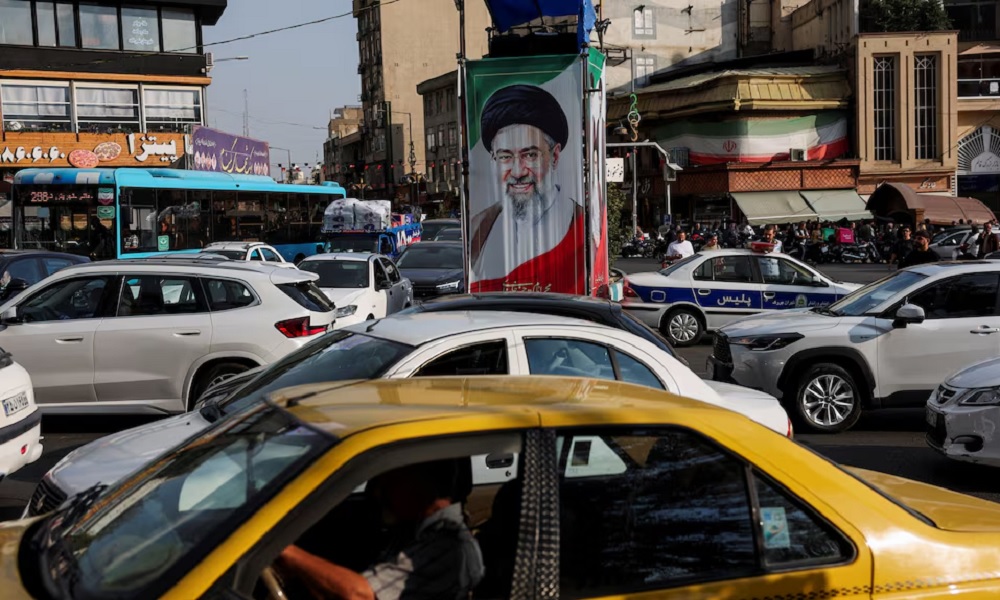
Iran has sent the United States a nuclear proposal via Qatar, to be discussed only after Washington meets Tehran’s seven demands, a senior Iranian official told Reuters on Thursday.
The official, who spoke on condition of anonymity, said the US was reviewing the proposal but declined to provide further details.
Mediators have intensified efforts to end the war between Iran and the United States amid fears it could reignite after the US midterm elections, with Trump on Tuesday declining to rule out a resumption of combat operations after the vote and Iran planning wider retaliation if war resumes.
Iran’s top security official Mohsen Rezaei had said earlier on Thursday, during a visit to Russia: “On the issue of diplomacy, we have announced seven conditions to the Americans. As long as they do not execute our seven conditions, we will neither open the Strait of Hormuz nor have negotiations”.
Iran has demanded the lifting of US sanctions, the release of frozen Iranian assets and war reparations, among other conditions, while Washington has said nuclear issues must be part of any initial negotiations.
The US and Israel attacked Iran on February 28, and Iran responded with strikes on Israel and Gulf states that host US bases. Conflict also erupted in Lebanon between Iran-backed Hezbollah and Israel, and more recently spread to Yemen, from where the Iran-aligned Houthis have struck energy facilities, airports and other targets in Saudi Arabia.
Regional
Iran says US voted ‘No to War’ after Republican midterm losses
The comments came after US President Donald Trump acknowledged that the war with Iran and rising petrol prices had contributed to the Republicans’ poor election performance.
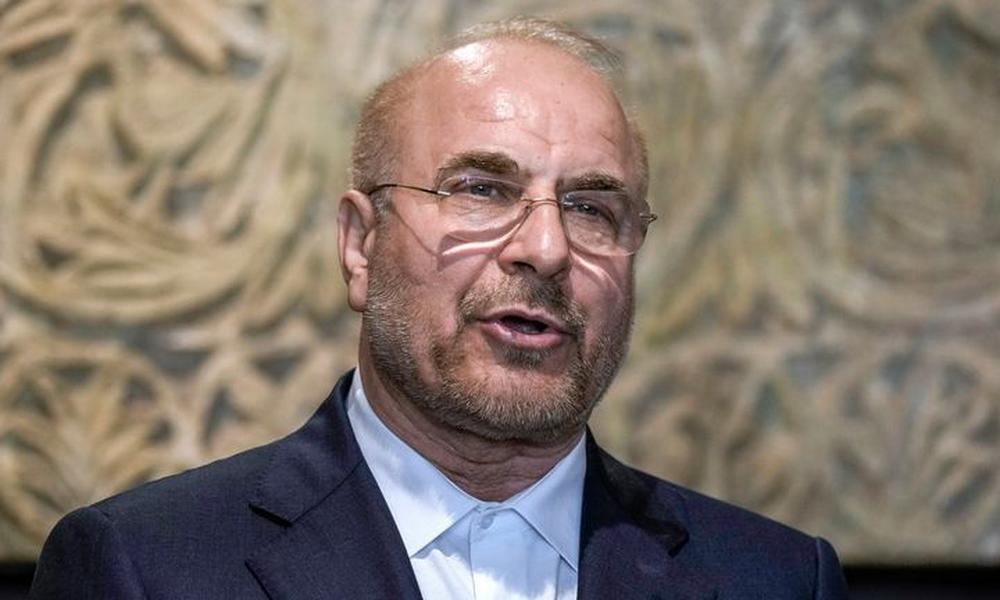
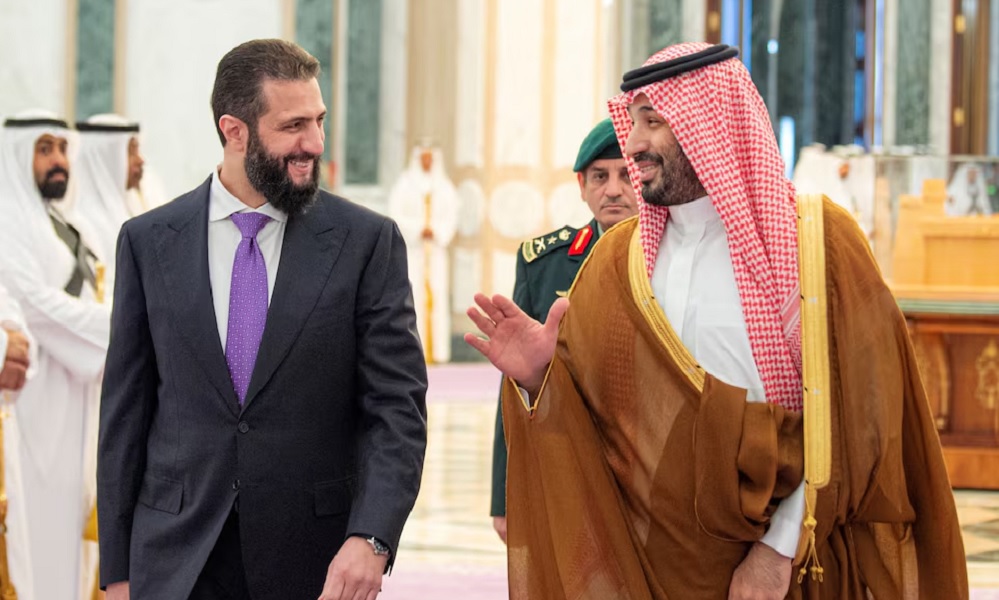
Saudi Arabia and Syria signed a cooperation agreement between the two countries’ defense ministries on Wednesday, Saudi state news agency SPA reported, as Yemen’s Iran-aligned Houthi group continues its missile and drone attacks on the kingdom.
The agreement was signed during a visit by Syrian President Ahmed al-Sharaa to Riyadh, where he met Saudi Crown Prince Mohammed bin Salman. It was their second meeting in Saudi Arabia in less than a month, according to Reuters.
No details were provided on what the agreement entails. Reuters reported last month that Syria was carefully weighing providing military assistance to Saudi Arabia amid the kingdom’s escalating war against the Houthis in Yemen.
A Syrian diplomat said at the time that any request for military cooperation or exchange of expertise “would take place exclusively through official channels and within the framework of the bilateral agreements governing relations between our two brotherly countries.”
Saudi Arabia has been requesting assistance far and wide, from the US to Europe and the Middle East, for both defensive and offensive support in a renewed war against the Houthis.
The two countries also signed several other agreements during Sharaa’s visit to Saudi Arabia. The kingdom has been providing financial assistance to Syria and played a key role in re-establishing Damascus’ ties with world powers after the overthrow of Bashar al-Assad.
The Saudi Fund for Development signed six agreements with Syria’s Finance Ministry on Wednesday for the provision of concessional development loans worth over $403 million to support development and service sectors in Syria, the Syrian ministry said.

Iran sent nuclear proposal to the US via Qatar, senior Iranian official tells Reuters
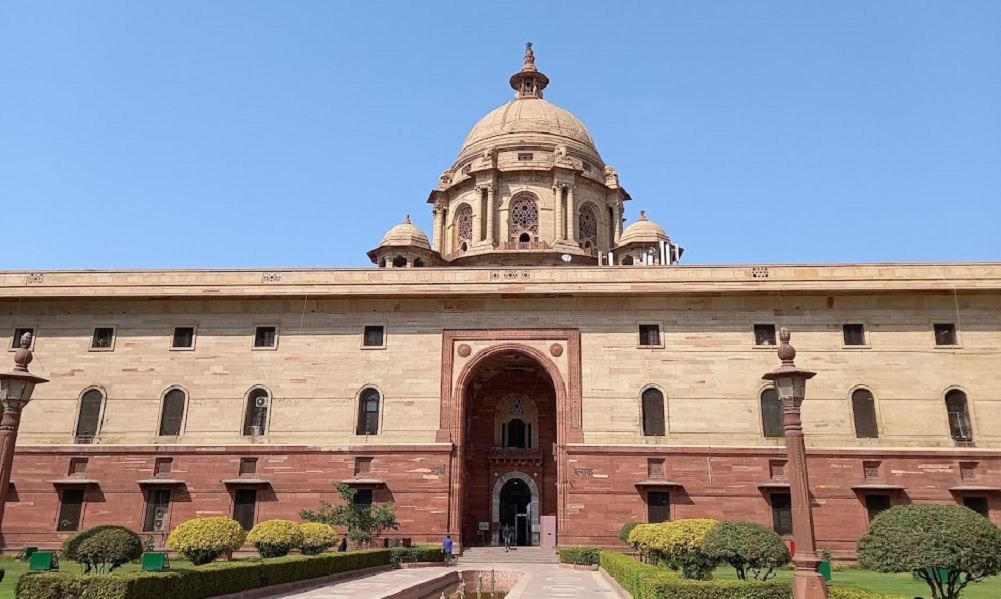
India makes visas mandatory for Afghan Hindus and Sikhs to continue their stay
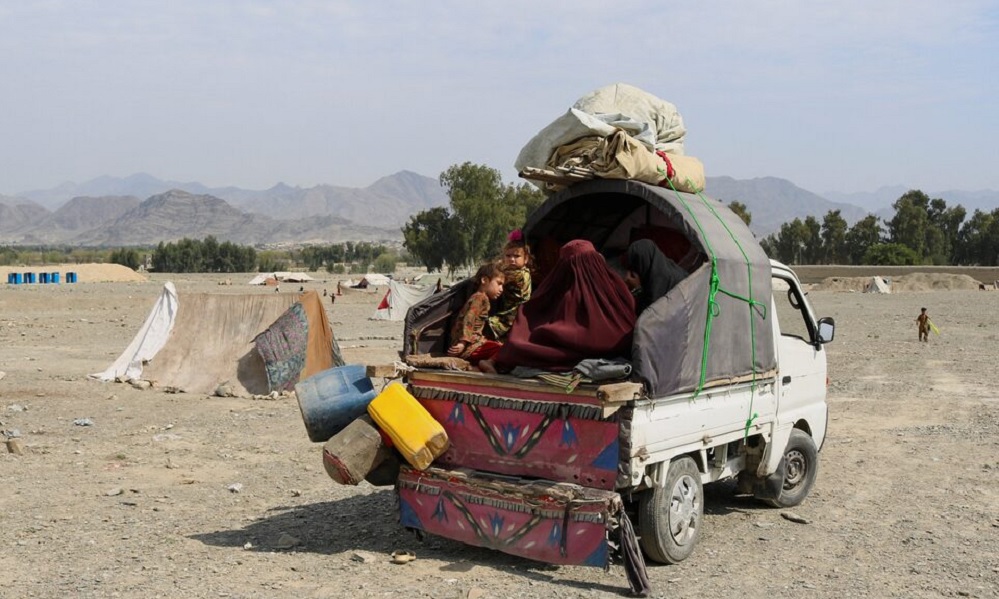
90 million displaced people at risk from climate threats, UN refugee agency says
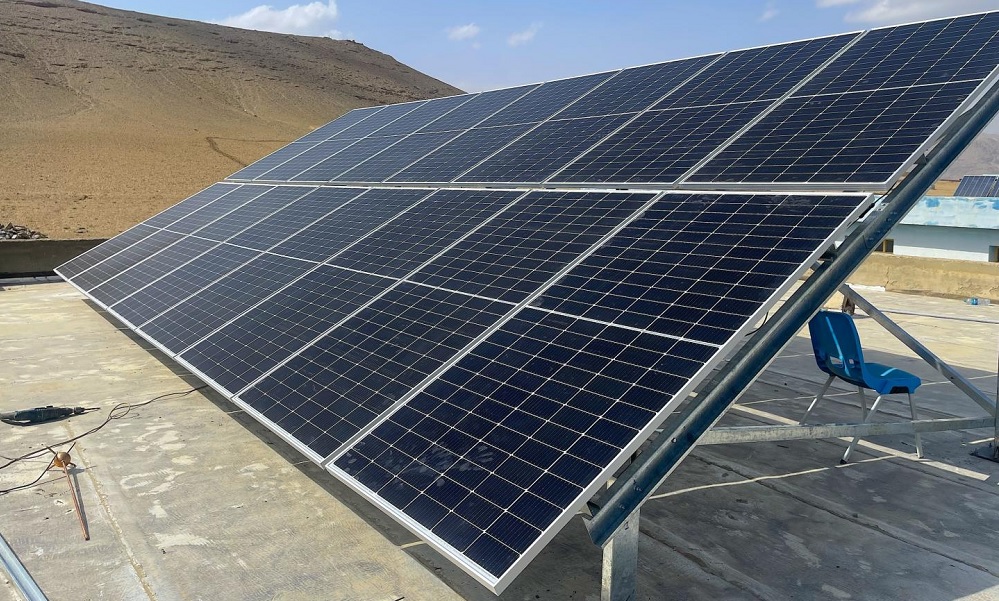
Afghanistan has potential to generate 220 GW of solar power: UNDP
Tahawol: Calls for stronger joint action against terrorism discussed

Afghanistan finish runners-up after 6-0 defeat to Brazil in futsal final

Trump says US will not attack Iran before midterm elections in November

Trump says US may strike Iran’s ‘Pickaxe Mountain’ nuclear facility

Afghan futsal coach: Brazil tournament is first step towards new goals and World Cup

WHO calls for greater mental health support in Afghanistan
Tahawol: Calls for stronger joint action against terrorism discussed
Saar: Impact of closing trade routes between Kabul-Pakistan discussed

El-Sayed’s historic victory opens a new chapter for Muslim Americans
Tahawol: Russia’s Moscow Format for Afghan issues discussed
Saar: Afghanistan’s second invitation to Global Climate Summit discussed
-
 Sport4 days ago
Afghanistan futsal team thrash Panama 5-0 in flying start to Dakar Youth Olympics
-
 Sport4 days ago
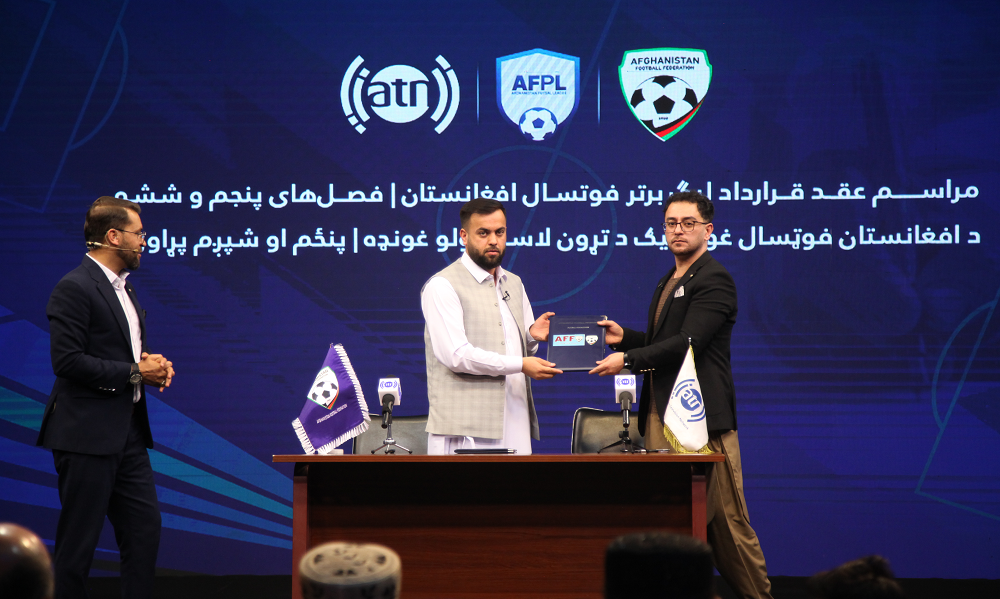
ATN signs deal to broadcast Afghanistan Futsal Premier League seasons 5 and 6
-
 Sport5 days ago
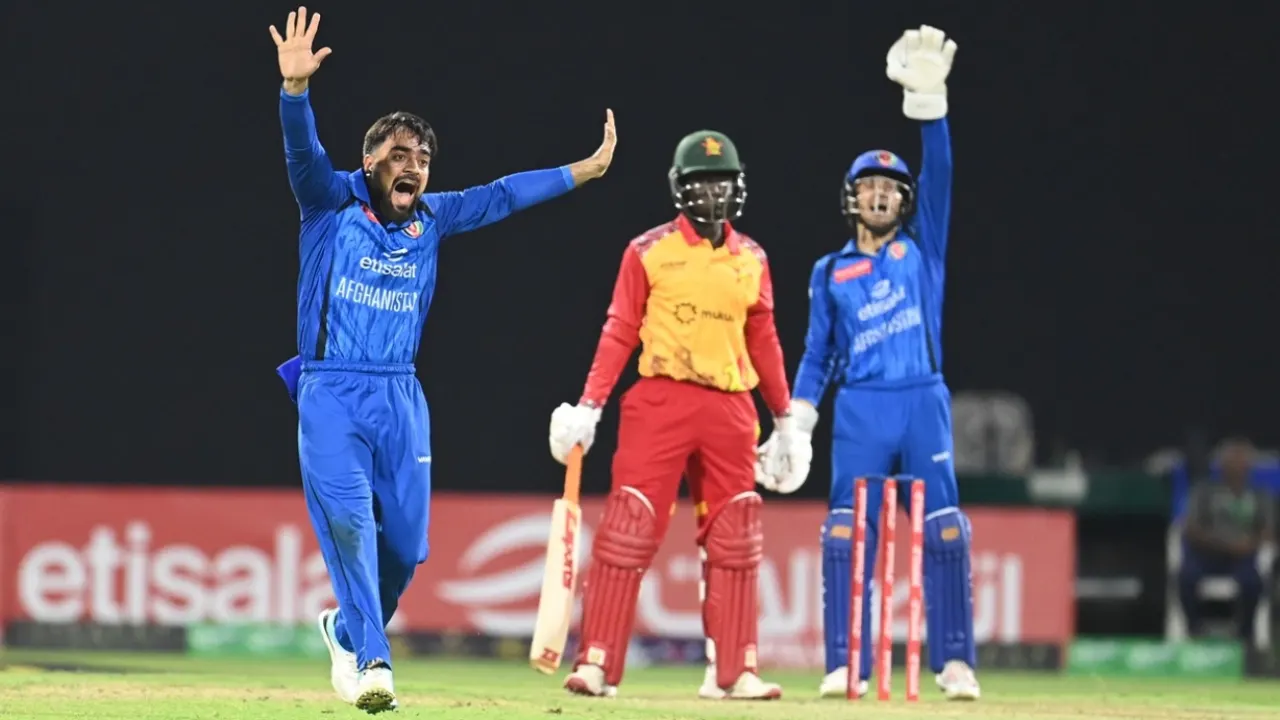
Afghanistan target T20I clean sweep against Zimbabwe in Sharjah
-
 World3 days ago
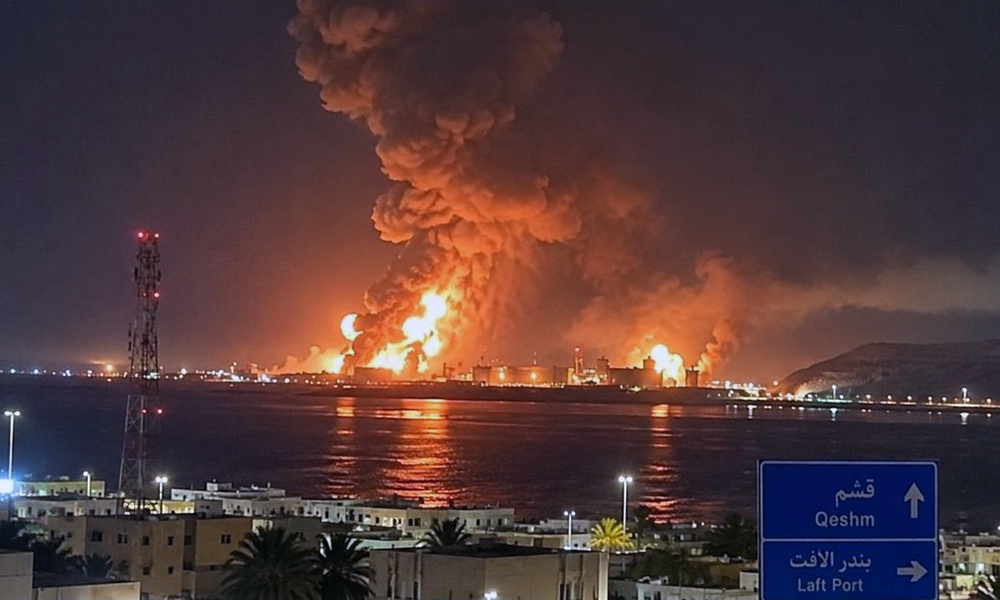
US carries out ‘defensive’ strikes on Iran’s Qeshm Island, officials say
-
 Sport4 days ago
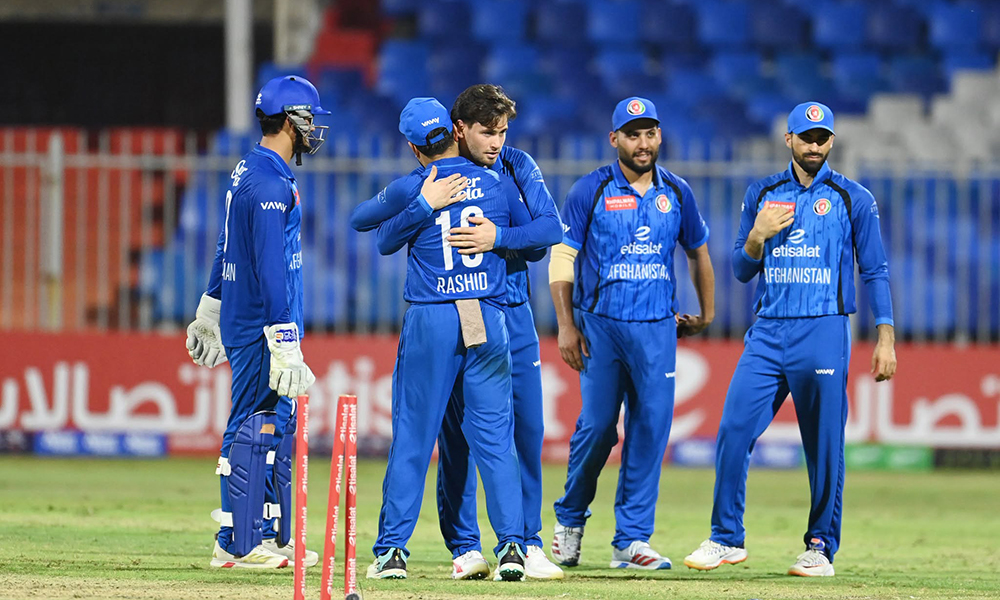
Afghanistan achieve their highest ICC Men’s ODI team ranking
-
 Latest News4 days ago
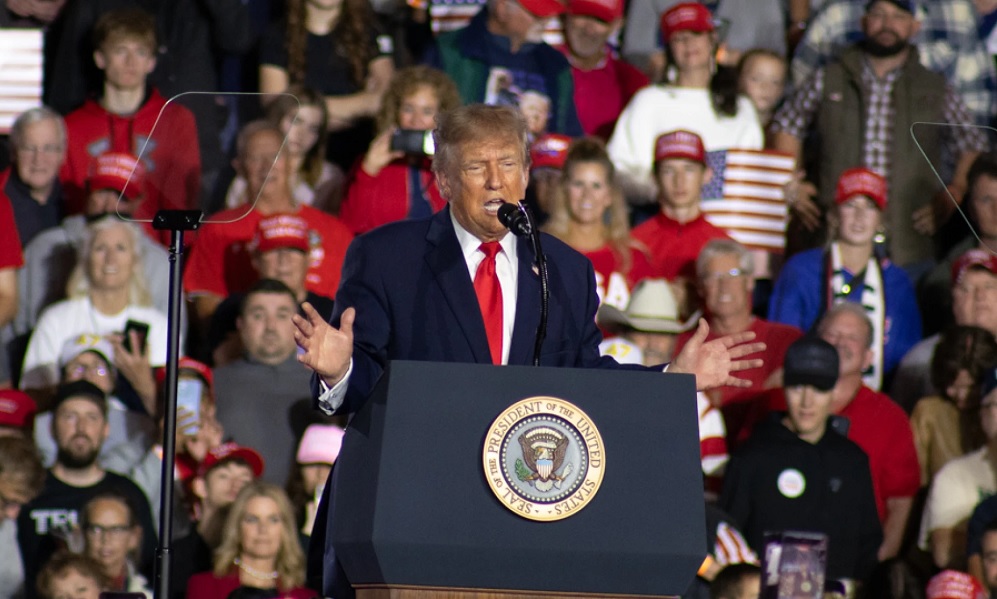
Trump claims he could have won Afghanistan war in three weeks
-

 Latest News5 days ago
Pakistan welcomes US offer to facilitate dialogue with Afghanistan, while Kabul rejects Islamabad’s allegations
-
 World4 days ago
Trump White House maps path to govern without Congress if Democrats win: report