
Business
Pakistan’s kinno exports falter as tensions with Afghanistan continue

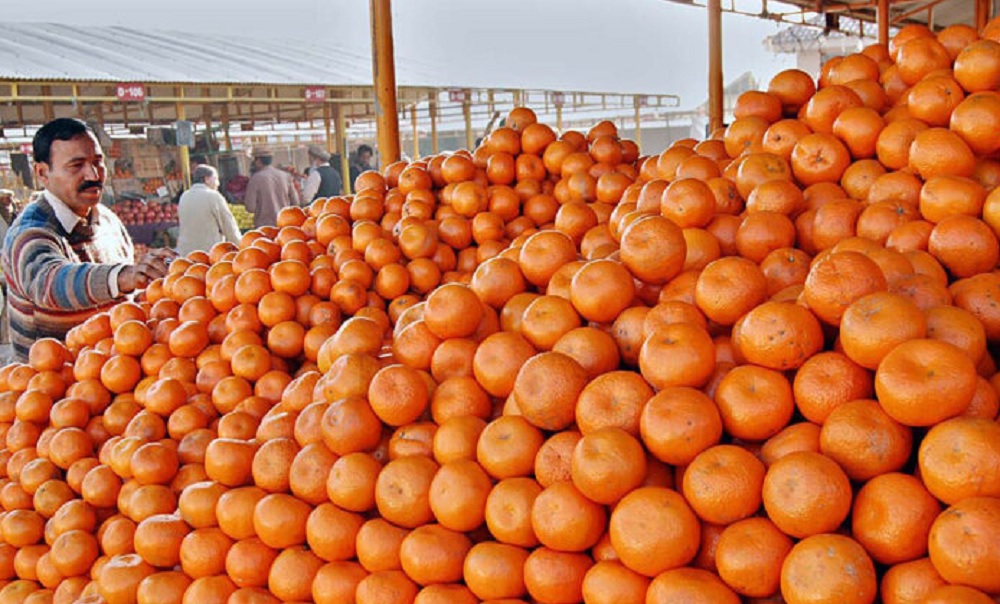
Pakistan’s kinno exports remain far below potential as regional tensions, high freight costs and weak government support continue to choke the citrus trade.
Despite being a leading global citrus producer, Pakistan is expected to export just 400,000–450,000 tonnes of kinno in the 2025–26 season, compared with an estimated capacity of 700,000–800,000 tonnes.
Exports in 2024–25 stood at around 350,000–400,000 tonnes, mainly to Russia, the UAE, Saudi Arabia, Afghanistan, Indonesia and Central Asia. While better fruit quality this season has raised hopes, persistent crossing disruptions—especially with Afghanistan—and transport bottlenecks have offset gains.
Growers say prices have collapsed sharply, forcing panic sales. Rates for large kinno have fallen from over Rs120 per kg early in the season to as low as Rs75, while smaller fruit is selling for Rs35–40 per kg amid weak demand.
Industry leaders warn the crisis is crippling processing units and jobs. More than 100 factories reportedly failed to open this season, with dozens more shutting down as exports stall. Cold storages in Sargodha are nearly full, putting fruit worth millions of dollars at risk of spoilage, while growers fear losses of up to Rs10 billion.
Exporters are urging the government to urgently resolve issues, subsidise logistics, and help access alternative markets, warning that prolonged inaction could devastate farmers, workers and the wider economy.




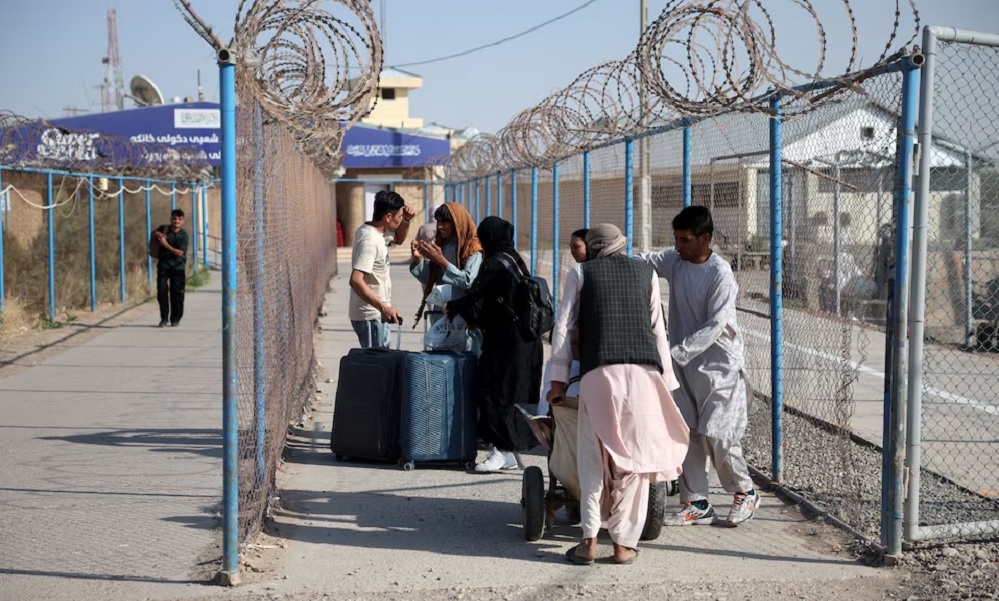
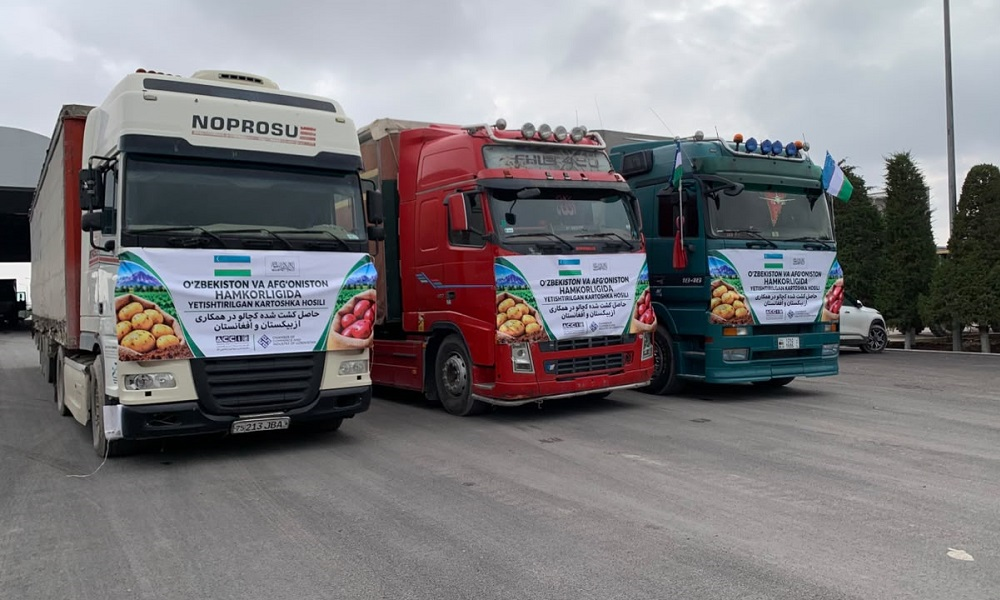
Cooperation between the Afghanistan Chamber of Commerce and Investment and the Uzbekistan Chamber of Commerce has paved the way for exporting potatoes from Bamyan province to the Uzbek market.
In this regard, Sayed Karim Hashemi, President of the Afghanistan Chamber of Commerce and Investment, and Doran Vahabov, President of the Uzbekistan Chamber of Commerce, have agreed on the export of 100,000 tons of Bamyan potatoes to Uzbekistan. Work is underway to finalize the export agreement.
Meanwhile, the first shipment of potatoes, consisting of eight trucks, has departed for the Uzbek city of Termez through the Hairatan Port.
The chambers of commerce of both countries, in cooperation with local authorities in Bamyan, have facilitated connections between traders and farmers and coordinated the purchasing, marketing, and transportation of the produce. This initiative is expected to expand market opportunities for Bamyan farmers and strengthen trade between Afghanistan and Uzbekistan.
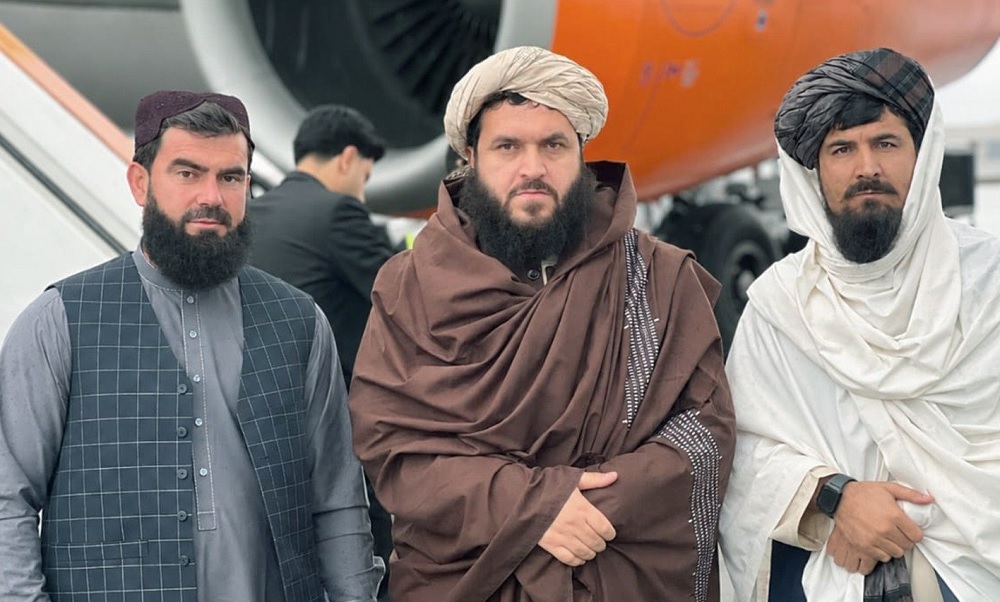
Afghanistan’s Deputy Minister of Industry and Commerce, Ahmadullah Zahid, has travelled to India to attend the India International Trade Fair (IITF) 2026 in New Delhi.
The ministry said Zahid is scheduled to meet senior Indian government officials, trade representatives and investors during the visit.
Discussions are expected to focus on expanding bilateral trade and economic relations, increasing trade between the two countries, exploring new markets for Afghan products and identifying opportunities for joint investment.
The ministry said the visit aims to strengthen trade cooperation, promote Afghanistan’s production and export potential, and create new opportunities for economic engagement between Kabul and New Delhi.
The 45th India International Trade Fair (IITF) 2026 takes place from November 13 to November 27 in New Delhi.
Business
Afghanistan hosts dialogue on Islamic microfinance to expand access to Sharia-compliant financial services
Participants also explored practical solutions and future steps to strengthen the sector, emphasizing the importance of cooperation, knowledge-sharing and better coordination among relevant institutions.
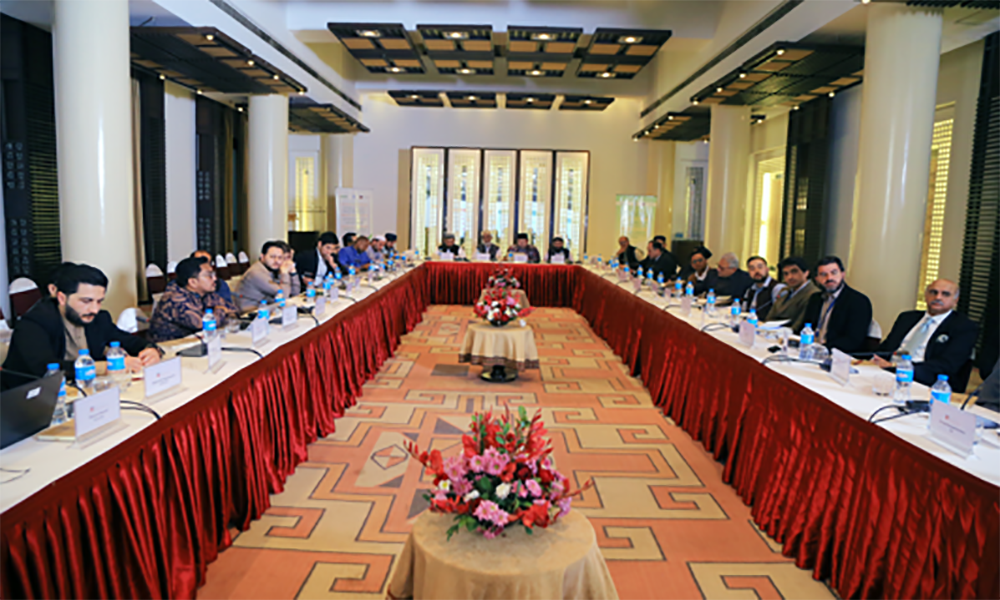
A dialogue on Islamic microfinance was held in Kabul on Wednesday, bringing together representatives of financial institutions, government authorities, international partners and Afghanistan’s microfinance sector to discuss ways of expanding inclusive financial services in the country.
The event was organized by The Liaison Office in coordination with the Afghanistan Microfinance Association (AMA), Da Afghanistan Bank (DAB) and the Indonesian Embassy in Kabul.
Participants discussed opportunities and challenges facing the development of Islamic microfinance services, with a focus on expanding access to financial products that comply with Islamic Sharia principles.
Representatives of AMA, Da Afghanistan Bank and the Indonesian Ambassador to Afghanistan delivered keynote remarks, highlighting the current situation of the microfinance sector, international experiences and opportunities for developing diverse Islamic financial products.
Two panel discussions focused on major challenges facing microfinance institutions, including structural barriers to growth, limited access to capital, funding and liquidity constraints, difficulties in securing guarantees, and the long-term sustainability of Islamic microfinance services.
Participants also explored practical solutions and future steps to strengthen the sector, emphasizing the importance of cooperation, knowledge-sharing and better coordination among relevant institutions.
The dialogue concluded with calls for stronger collaboration among financial institutions and development partners to improve access to inclusive, sustainable and Sharia-compliant financial services across Afghanistan.


Arman FC cruise to 5-0 victory over Istiqlal Kabul in ACL match
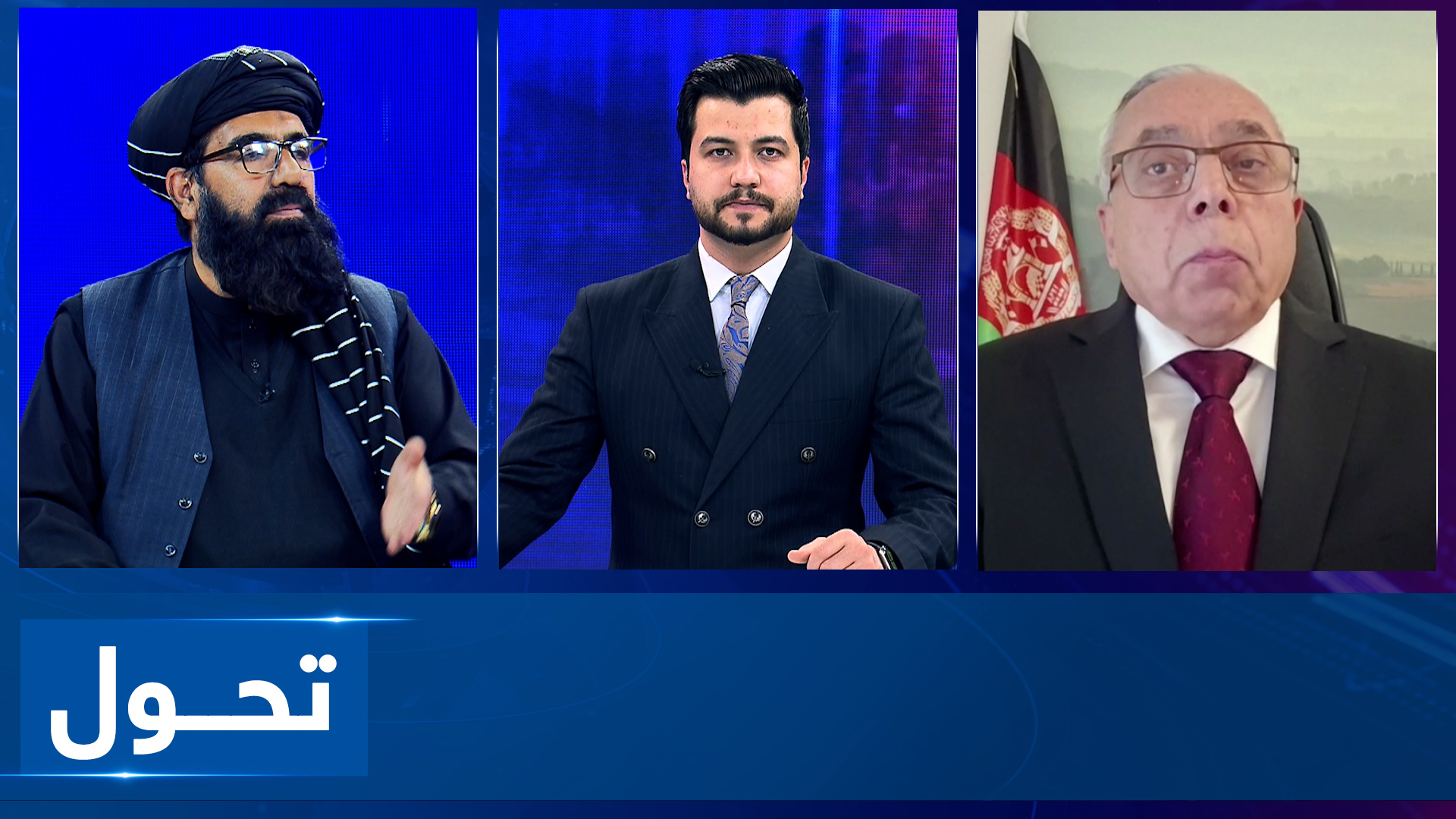
Tahawol: UK seeks to ease Kabul–Islamabad tensions
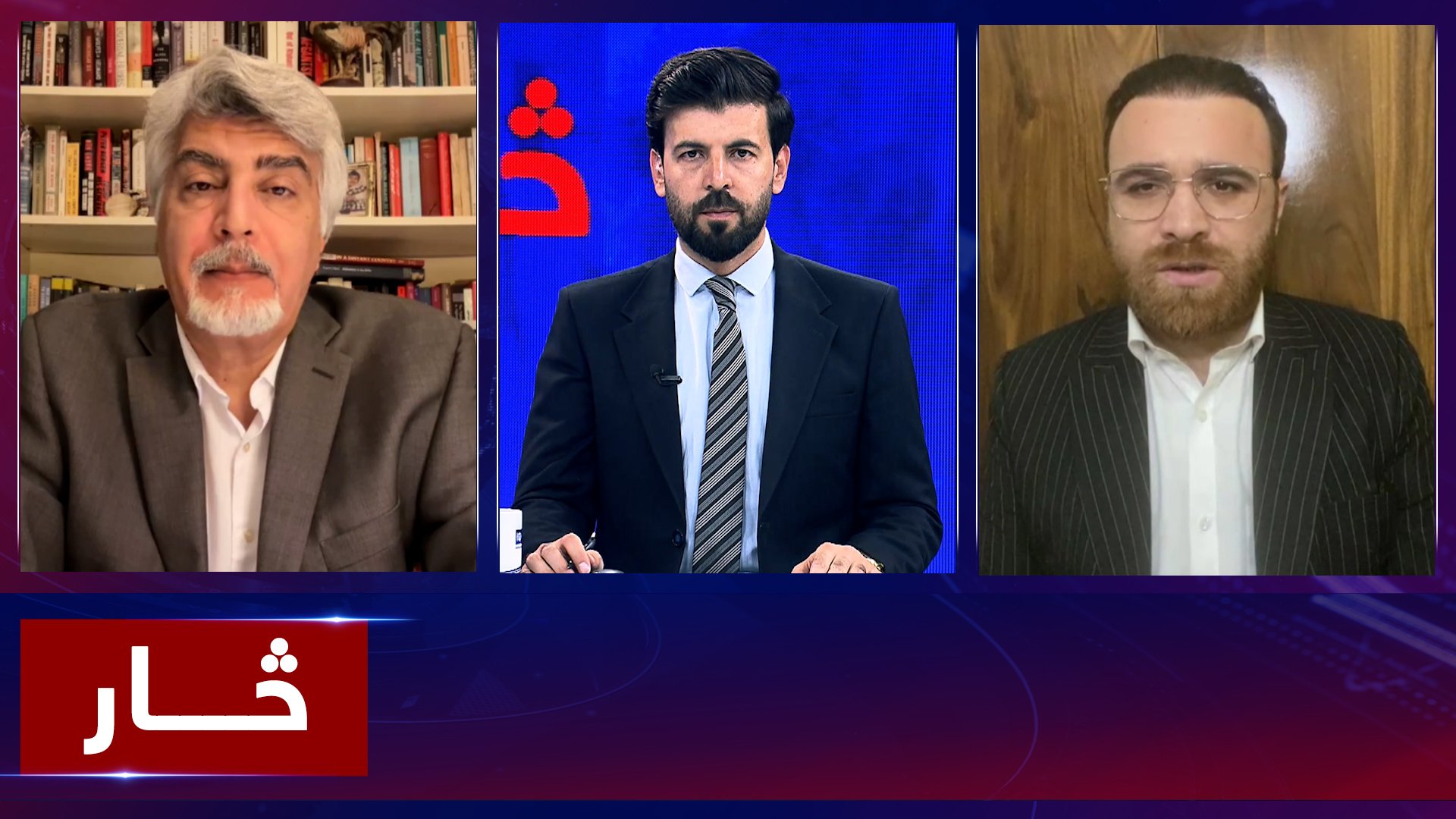
Saar: Iran–US tensions: an uncertain future
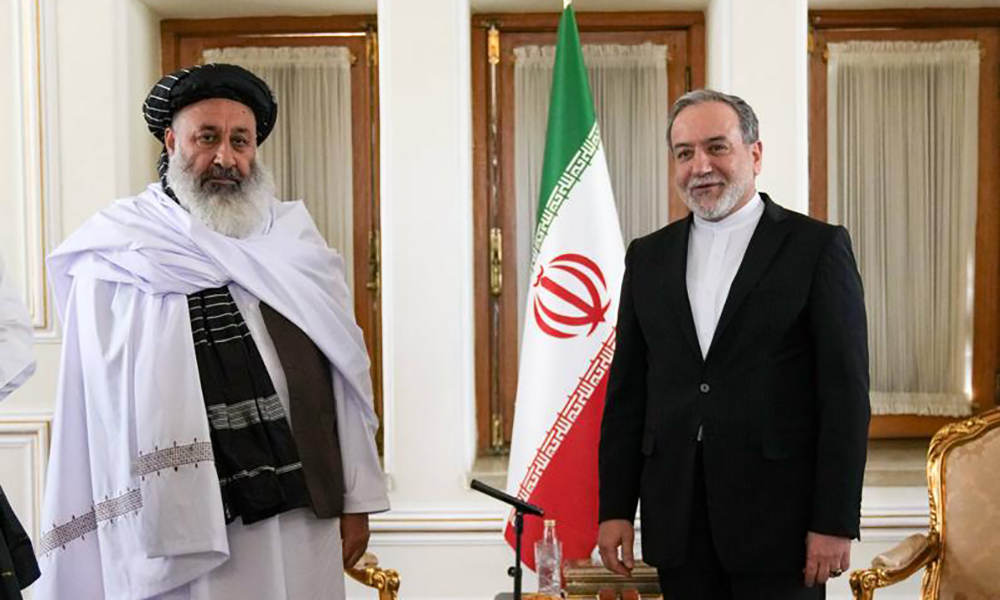
Afghanistan and Iran agree to expand trade cooperation and upgrade border infrastructure
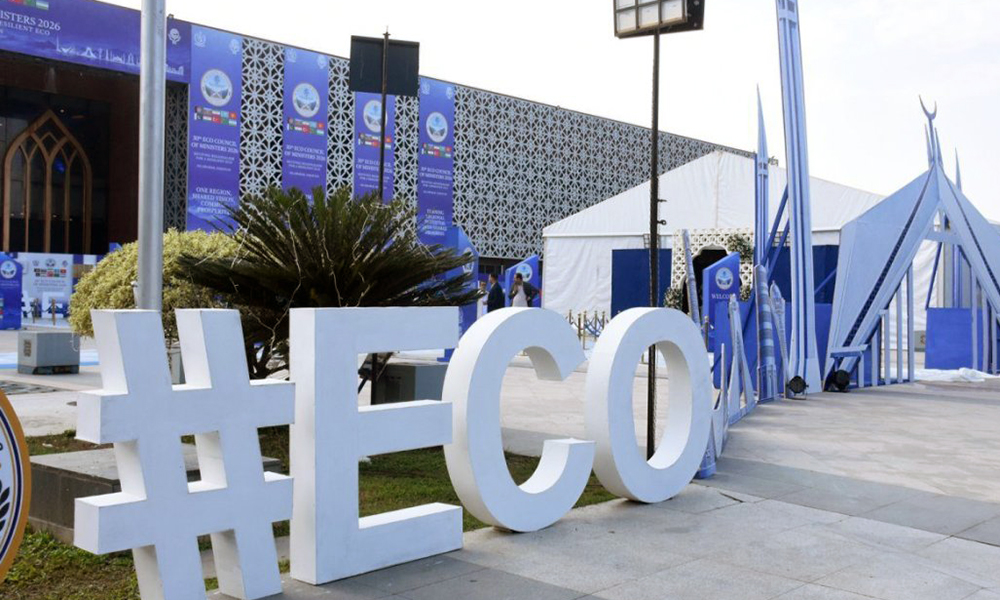
Afghanistan’s absence from ECO foreign ministers’ meeting raises questions

Afghanistan finish runners-up after 6-0 defeat to Brazil in futsal final

Trump says US may strike Iran’s ‘Pickaxe Mountain’ nuclear facility

Rubio heads to Central Asia while other US officials hit foreign policy hot spots

Violent protests spread across Europe as Albanian PM blames ‘foreign hand’

Governments take websites offline as critical cyber flaws trigger global alert
Tahawol: UK seeks to ease Kabul–Islamabad tensions
Saar: Iran–US tensions: an uncertain future
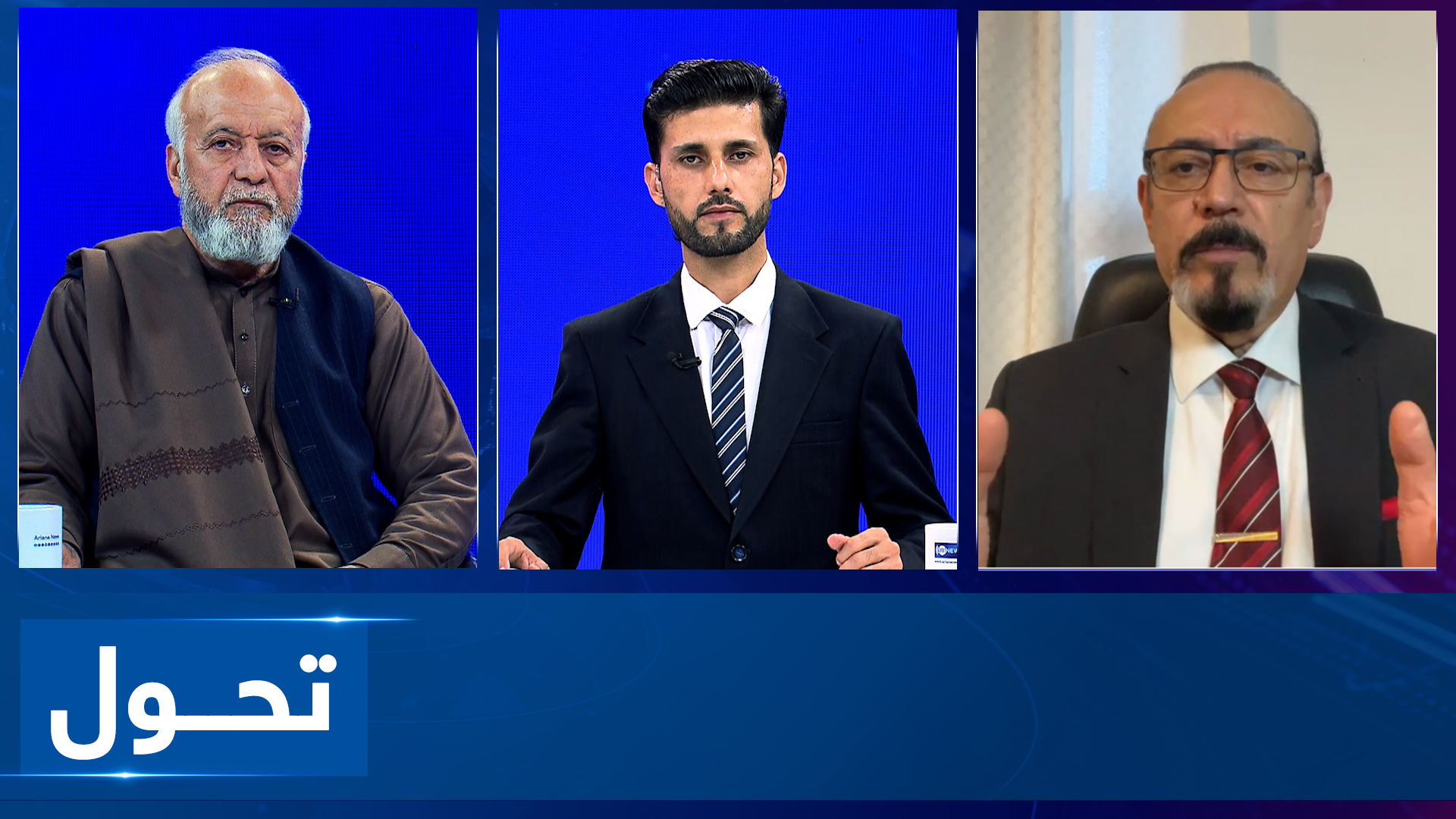
Tahawol: Concerns grow over worsening regional humanitarian crises discussed
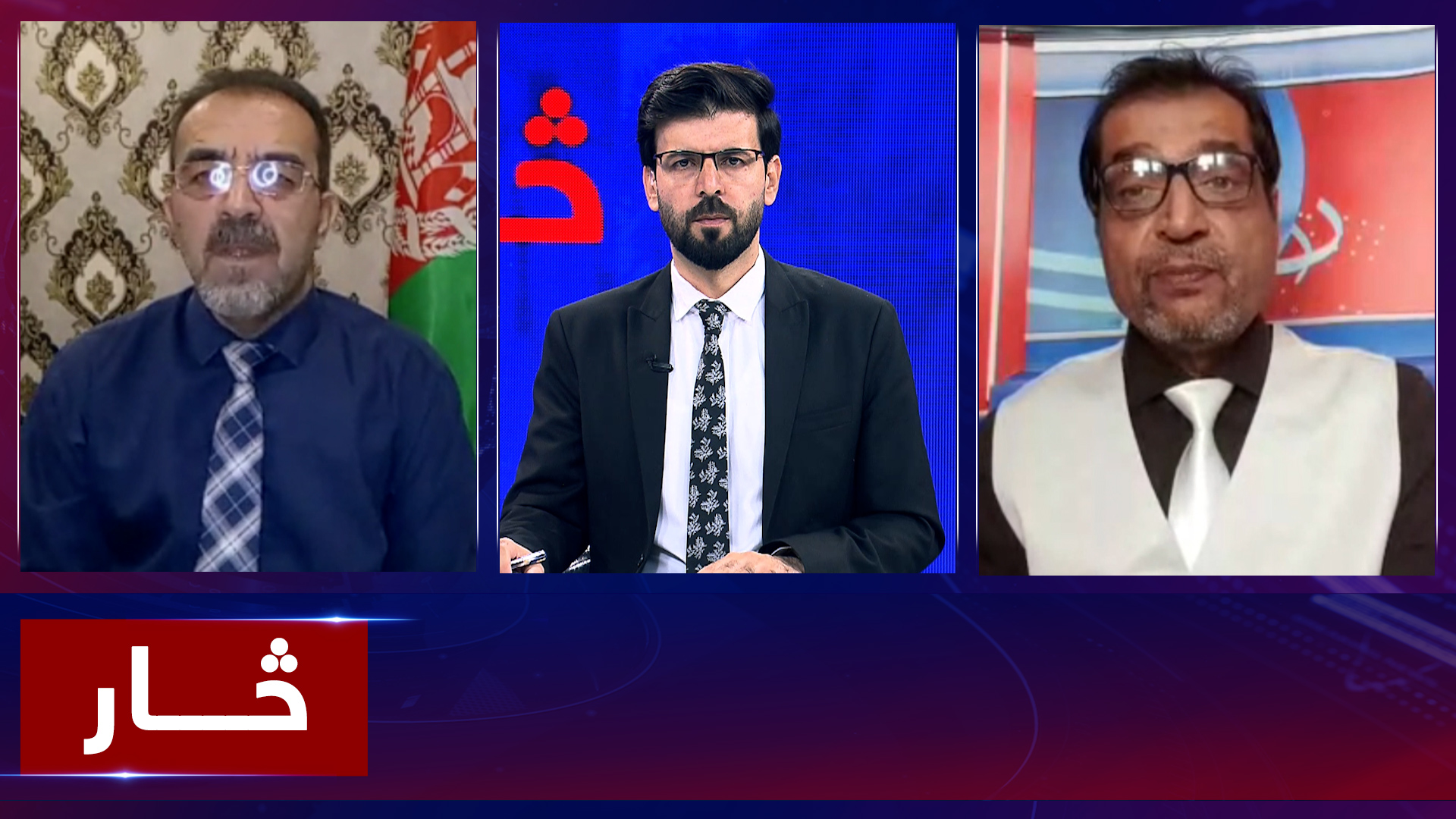
Saar: Forced deportation of Afghan refugees from Iran and Pakistan discussed

Tahawol: Russia’s special attention to situation in Afghanistan discussed
-
 Latest News5 days ago
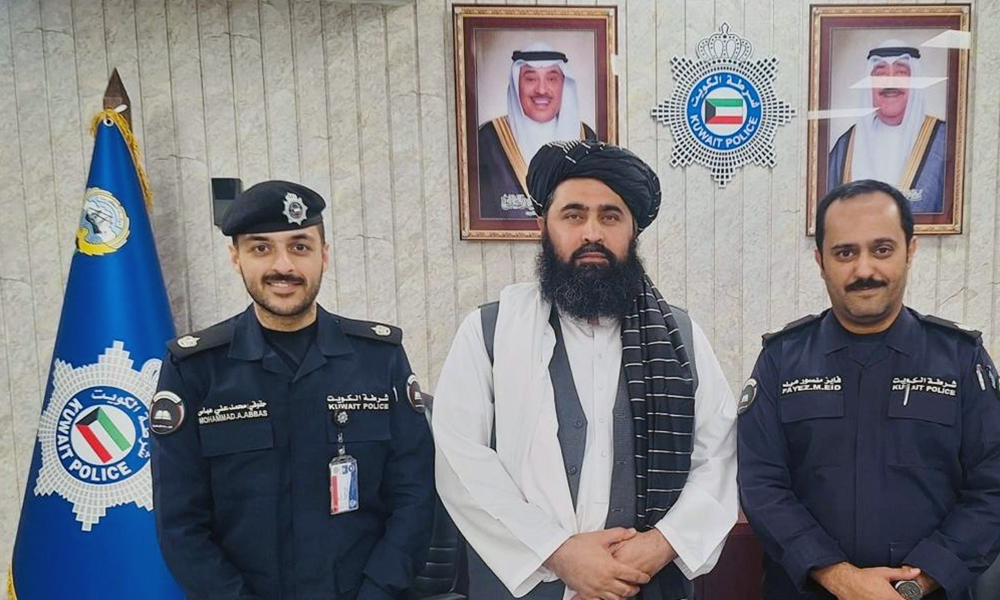
Afghan embassy in Kuwait discusses situation of Afghan prisoners with Kuwaiti officials
-
 Business5 days ago
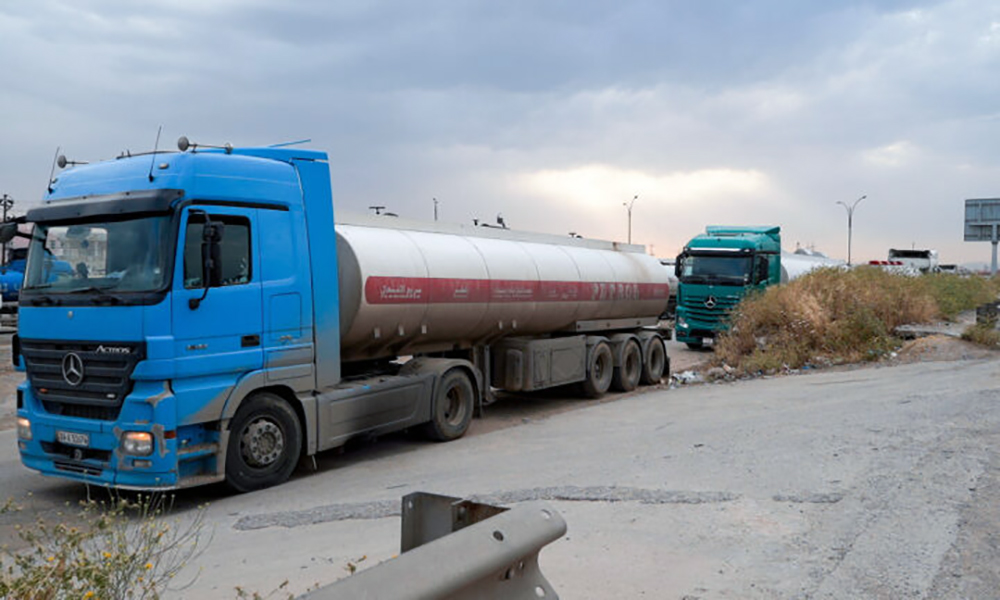
Iraqi intelligence report alleges oil smuggling network supplying Afghanistan and Turkey through Iran
-

 Latest News5 days ago
Russian deputy prime minister to visit Kabul with high-level economic delegation
-
 Latest News4 days ago
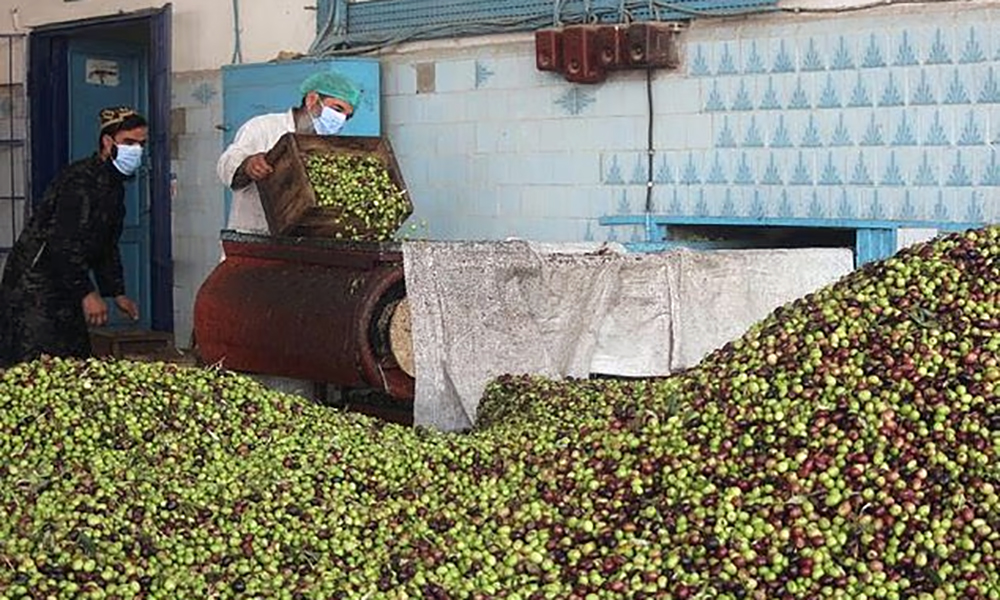
Olive farming offers new hope to Afghan farmers amid growing climate challenges
-
 Latest News5 days ago
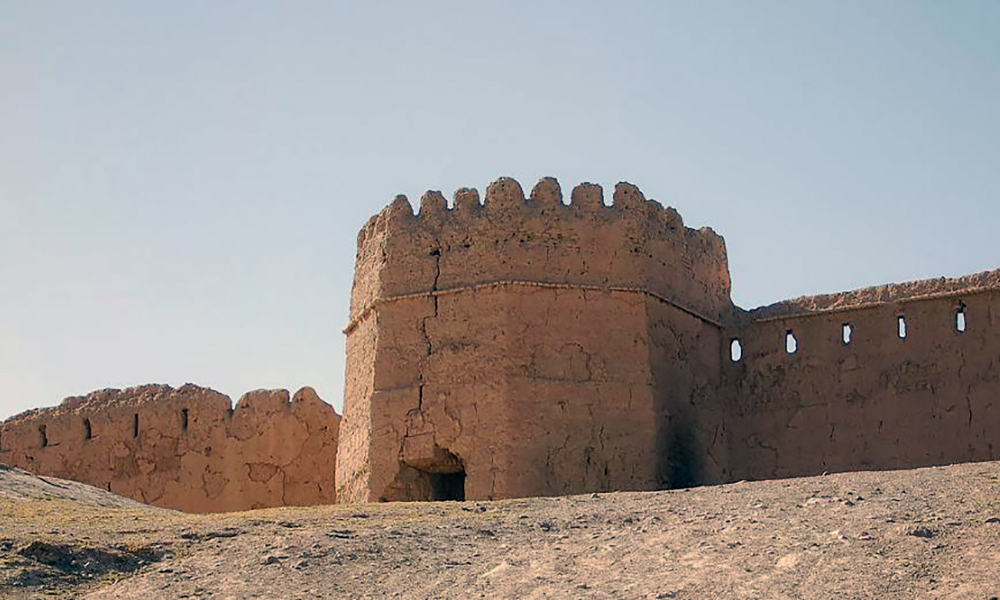
Ancient treasures unearthed at Kabul’s historic Bala Hissar
-
Business3 days ago
Afghanistan and Uzbekistan agree on export of 100,000 tons of Bamyan potatoes
-
 Sport5 days ago
Historic first for Rahmat Shah after ICC rankings update
-
 Latest News5 days ago
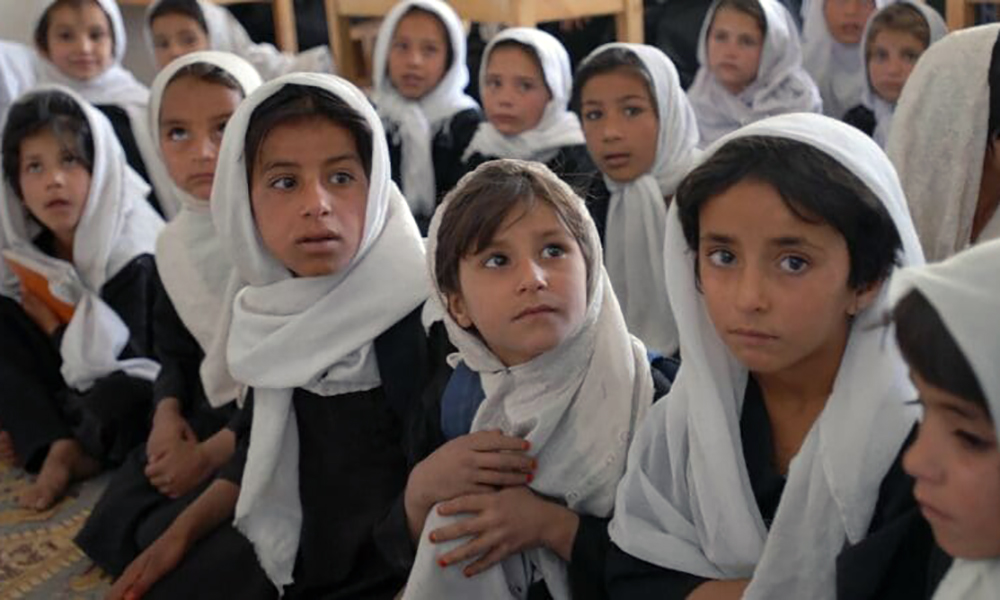
UNESCO warns Afghanistan risks losing an entire generation of professionals as girls’ education ban continues