
Regional
Saudi warplanes struck militias in Iraq during war – Reuters

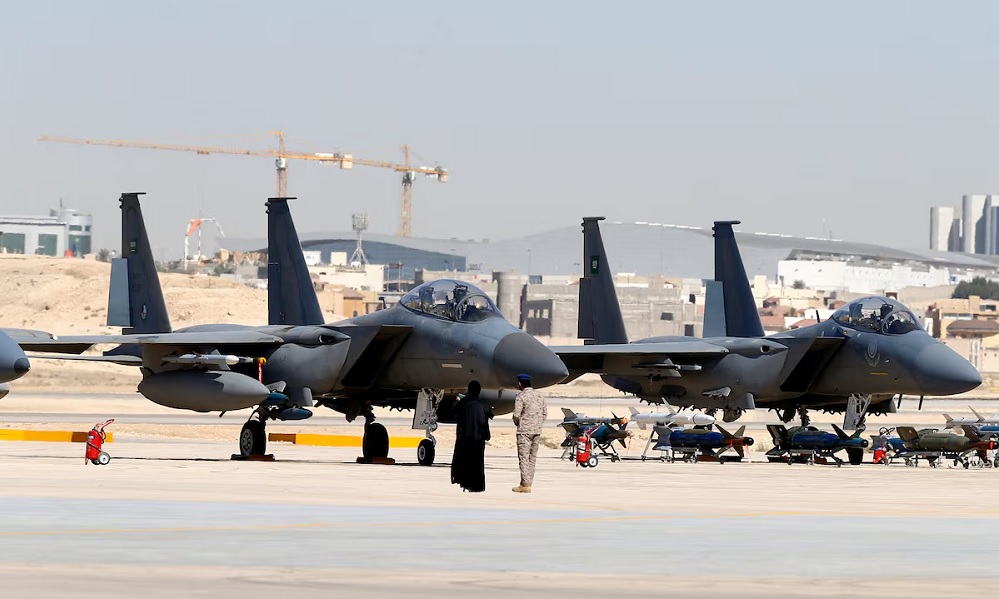
Saudi fighter jets bombed targets linked to powerful Tehran-backed Shi’ite militias in Iraq during the Iran war, while retaliatory strikes were also launched from Kuwait into Iraq, Reuters reported citing multiple sources familiar with the matter.
The strikes are part of a broader pattern of military responses around the Gulf that remained largely hidden during a conflict that began with U.S.-Israeli attacks on Iran and has spread to the wider Middle East.
For this report, Reuters spoke to three Iraqi security and military officials, a Western official, and two people briefed on the matter, one of them in the U.S.
The Saudi strikes were carried out by Saudi air force fighter jets on Iran-linked militia targets near the kingdom’s northern border with Iraq, one Western official and the person briefed on the matter said. The Western official said some strikes took place around the time of the April 7 U.S.-Iran ceasefire.
They targeted sites from which drone and missile attacks were launched at Saudi Arabia and other Gulf states, the sources said.
Citing military assessments, the Iraqi sources said rocket attacks were launched on at least two occasions from Kuwaiti territory on Iraq. One set of strikes hit militia positions in southern Iraq in April, killing several fighters and destroying a facility used by Iran-backed militia Kataib Hezbollah for communications and drone operations, they said.
Reuters could not determine whether the rockets from Kuwait were fired by the Kuwaiti armed forces or the U.S. military, which has a large presence there. The U.S. military declined to comment. The Kuwaiti information ministry and the Iraqi government did not immediately respond to requests for comment.
SAUDI ARABIA ALSO HIT IRAN
A Saudi foreign ministry official said Saudi Arabia sought de-escalation, self-restraint and the “reduction of tensions in pursuit of the stability, security and prosperity of the region,” but did not address the issue of strikes on Iraq. A spokesperson for Iraq’s Kataib Hezbollah also did not immediately respond to a request for comment.
On Tuesday, Reuters reported that Saudi Arabia launched strikes directly on Iran during the war in retaliation for attacks on the kingdom, the first time Riyadh is known to have hit Iranian soil. The UAE also carried out similar strikes on Iran, three people familiar with the matter said.
But hundreds of the drones that targeted the Gulf emanated from Iraq, all the sources said.
Militia-linked Telegram channels repeatedly posted statements during the war claiming attacks on targets in Gulf states, including Saudi Arabia and Kuwait. Reuters could not independently confirm their authenticity.
Sustained attacks from a second front in Iraq prompted Saudi Arabia and Kuwait to lose patience with the militias, which collectively command tens of thousands of fighters and arsenals including missiles and drones.
Kuwait summoned Iraq’s representative in the country three times during the war to protest cross-border attacks, as well as the storming of the Kuwaiti consulate in the city of Basra on April 7. Saudi Arabia also summoned Iraq’s ambassador on April 12 to protest attacks.
IRAQ-GULF TIES DEFINED BY SUSPICION
Gulf Arab relations with Iraq have long been defined by suspicion. Ties were severely damaged in 1990 when Iraqi President Saddam Hussein’s forces invaded Kuwait and fired Scud missiles at Saudi Arabia, and they remained strained for decades.
The 2003 U.S.-led invasion of Iraq deepened Gulf concerns by empowering Shi’ite political factions and armed groups closely tied to Tehran, turning Iraq into a key node in Iran’s regional network of proxies.
Gulf states have repeatedly accused Baghdad of failing to rein in those groups, which operate with significant autonomy and have launched attacks across borders.
A China-brokered détente between Iran and Saudi Arabia in 2023 had offered hope for broader regional stabilisation. But the outbreak of war has severely tested those gains, drawing Gulf states into a conflict they had sought to avoid and exposing the limits of diplomatic progress made in recent years.
In March, Saudi Arabia and Kuwait had warned Baghdad via diplomatic channels to curb rocket and drone attacks by pro-Iranian groups against Gulf states, according to two Iraqi security officials and a government security adviser.
Iraqi forces say they intercepted some attempted attacks, including the seizure of a rocket launcher west of Basra intended to strike Saudi energy facilities.
But Iran-backed militias continue to fly surveillance drones along Iraq’s borders with Kuwait and Saudi Arabia, conducting reconnaissance and feeding intelligence to Iran, according to four Iraqi security sources and a person briefed on the matter.
“They are gathering information on what has been damaged, what is still working. They are preparing for the next strike,” the person briefed on the matter said.

Regional
Saudi Arabia says debris from intercepted missiles falls in Mecca region
The missiles were launched towards the region and intercepted and destroyed, Saudi Arabia’s civil defence said in a statement.
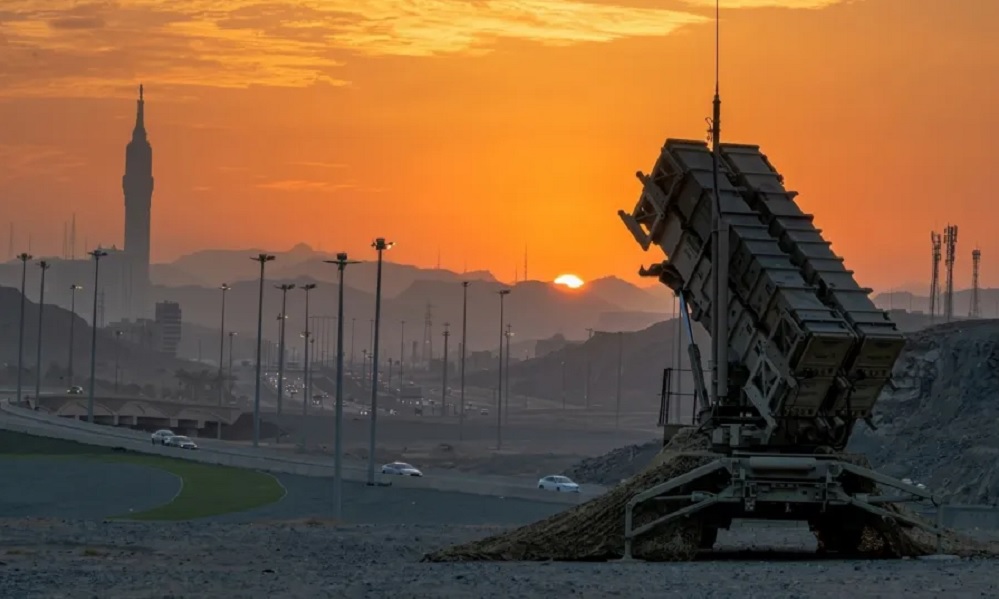
Saudi Arabia said debris from two ballistic missiles intercepted by its air defences fell in the Mecca region on Wednesday, as the kingdom and Yemen’s Iran-aligned Houthis continued to trade attacks in an escalating conflict.
Saudi state television identified the locations as Sabuhah village, about 35 km (22 miles) northeast of the Grand Mosque in Mecca, and Wadi al-Maghmas, about 21 km east of the mosque, Reuters reported.
The missiles were launched towards the region and intercepted and destroyed, Saudi Arabia’s civil defence said in a statement.
The Houthis have repeatedly denied Saudi accusations that they target Mecca and Medina, Islam’s two holiest cities, saying their military operations are directed at military and strategic targets elsewhere in Saudi Arabia.
Mecca, home to sites sacred to Muslims worldwide, is the focal point of the annual hajj pilgrimage, one of the five pillars of Islam, which millions of Muslims undertake each year.
“This hostile targeting of civilian objects constitutes a flagrant violation of international humanitarian law and reflects the dangerous hostile approach pursued by the Houthi militia,” Saudi Arabia’s civil defence said early on Thursday.
The Houthis seized Yemen’s capital Sanaa in 2014, prompting Saudi Arabia to intervene militarily the following year in support of the internationally recognised government.
A UN-brokered truce in 2022 largely froze the conflict, but hostilities resumed earlier this year, with the Houthis launching missile and drone attacks on Saudi territory and Riyadh carrying out airstrikes in Yemen.
The latest escalation has threatened the strategic Bab el-Mandeb Strait, a key shipping route linking the Red Sea and the Gulf of Aden.
Regional
Iran defends two-day proposal for peace talks after US rejects conditions
Iran defended a proposal on Monday to restart peace talks in as few as two days as the most reasonable offer on the table, after US Secretary of State Marco Rubio called some of Iran’s conditions “outrageous and ridiculous”.
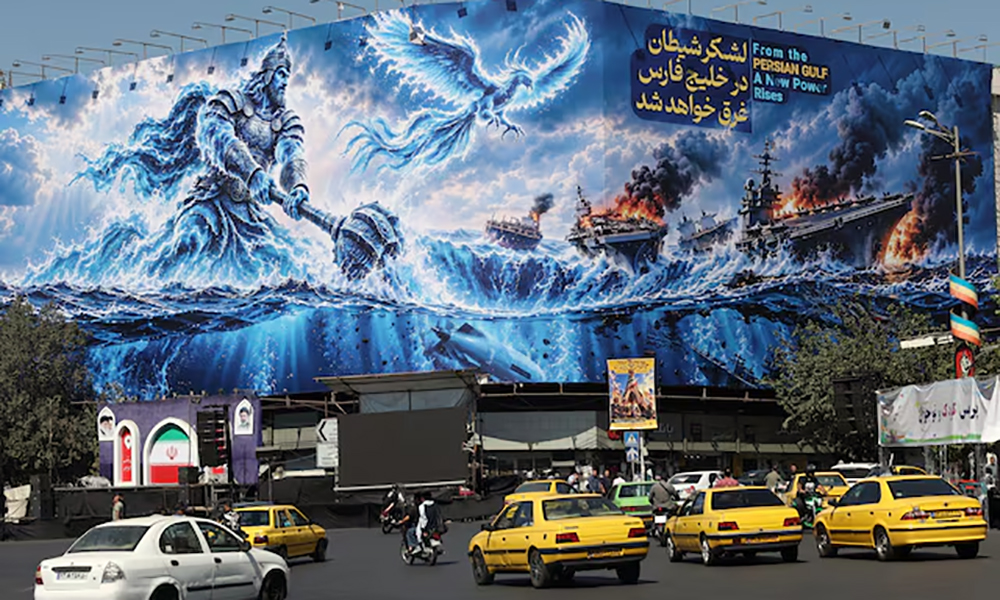
Iran defended a proposal on Monday to restart peace talks in as few as two days as the most reasonable offer on the table, after US Secretary of State Marco Rubio called some of Iran’s conditions “outrageous and ridiculous”, Reuters reported.
“Is it unreasonable that Iran demands that US illegal sanctions and its naval blockade must be lifted before negotiations start and that the war should end on all fronts?” Foreign Ministry spokesman Esmaeil Baghaei told a weekly press conference in response to Rubio’s remarks.
Iran defended a proposal on Monday to restart peace talks in as few as two days as the most reasonable offer on the table, after US Secretary of State Marco Rubio called some of Iran’s conditions “outrageous and ridiculous”.
“Is it unreasonable that Iran demands that US illegal sanctions and its naval blockade must be lifted before negotiations start and that the war should end on all fronts?” Foreign Ministry spokesman Esmaeil Baghaei told a weekly press conference in response to Rubio’s remarks.
Regional
Explosions heard in areas in southern Iran, Iranian media report
Earlier on Saturday, Tasnim news agency said two missiles struck Qeshm Island with no official information on possible damage.
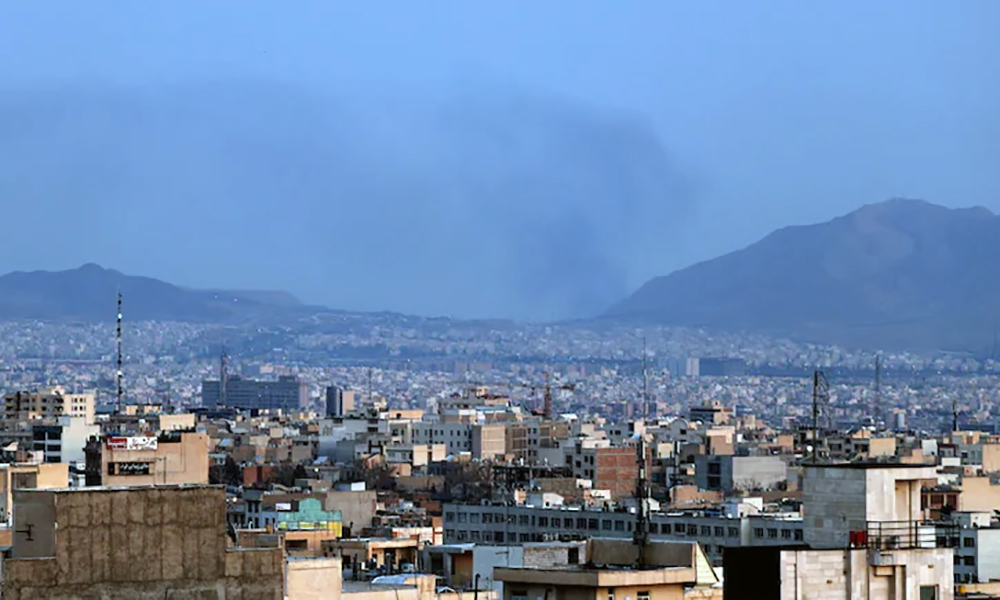
Explosions were heard on Saturday evening in several areas in southern Iran, including on Qeshm Island in the Strait of Hormuz, Iranian state television reported.
Iran’s state TV suggested that the explosions might be linked to Iranian military activities in the strategic waterway, which has become subject to repeated attacks on commercial shipping since the war erupted between the US and Iran in February.
It said Iranian officials have not confirmed any missile strikes on the areas, while the semi-official Tasnim news agency cited a source as saying that the explosions heard on Qeshm Island were not related to missile strikes.
Iran’s Revolutionary Guards Navy said early on Sunday that two oil tankers were on fire after hitting mines as they attempted to pass through an “unauthorized route” in the strait. It was not immediately clear if the incidents referred to by the IRGC were linked to the sound of explosions heard in southern Iranian areas.
Iran has hit vessels it says have violated its restrictions on passage through the waterway, as it seeks to assert control over the strait and exert pressure on Washington.
Earlier on Saturday, Tasnim news agency said two missiles struck Qeshm Island with no official information on possible damage.
The reported explosions come days after the US carried out strikes on the island. A US official said those strikes were limited and not a resumption of major combat operations.
The US military said on Saturday evening that its forces disabled a commercial vessel that tried to get through the US blockade of Iran.
The US Central Command said one of its aircraft fired at the vessel’s stern and disabled the ship after it attempted to violate the blockade.
Countries in the region had been anticipating that US President Donald Trump, who has held off on strikes on Iran during the weeks leading up to Tuesday’s midterm elections, could restart attacks once the voting was over. Iran has repeatedly said it would respond to new attacks by striking at US and Israeli targets in neighboring countries.

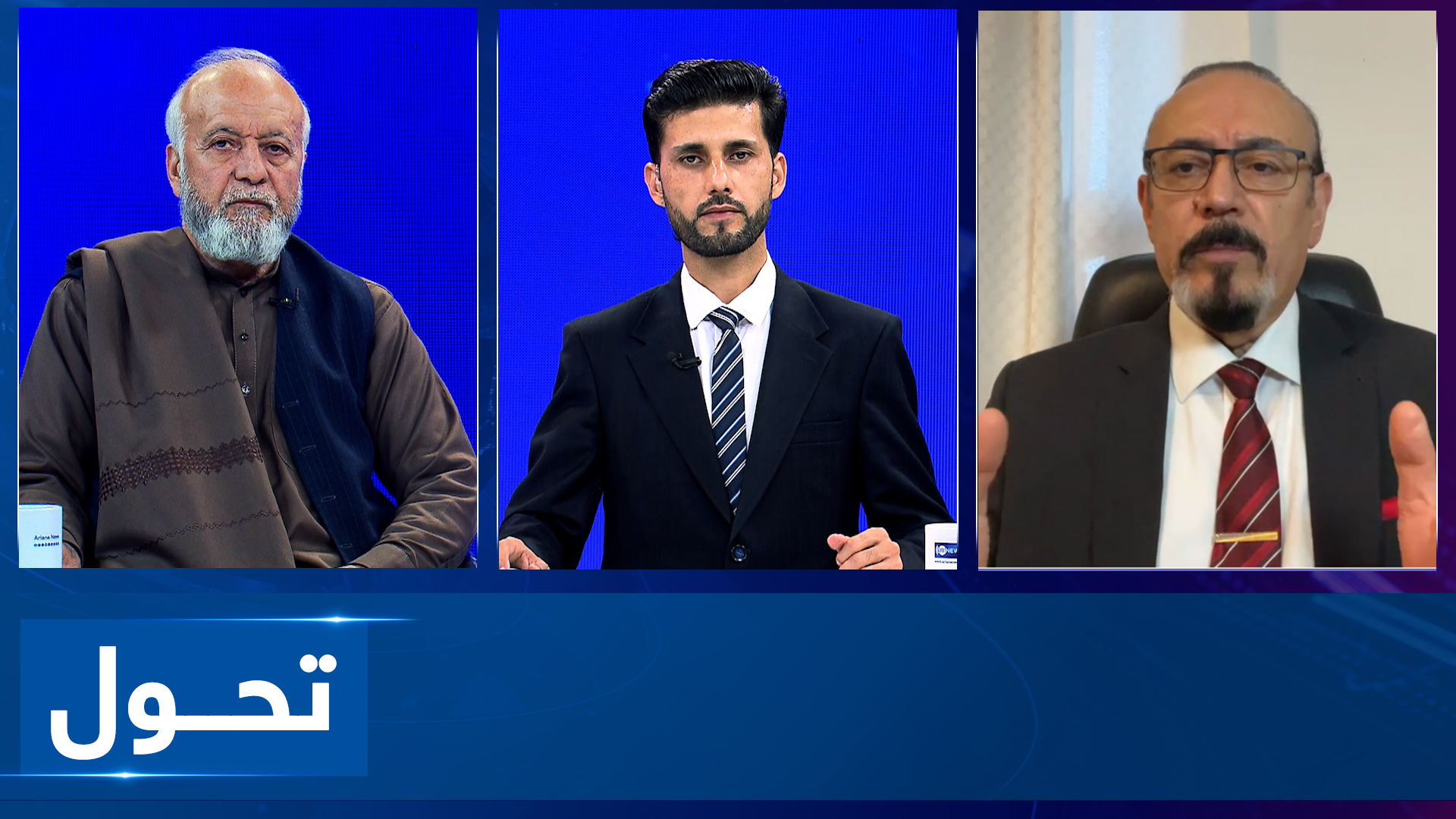
Tahawol: Concerns grow over worsening regional humanitarian crises discussed
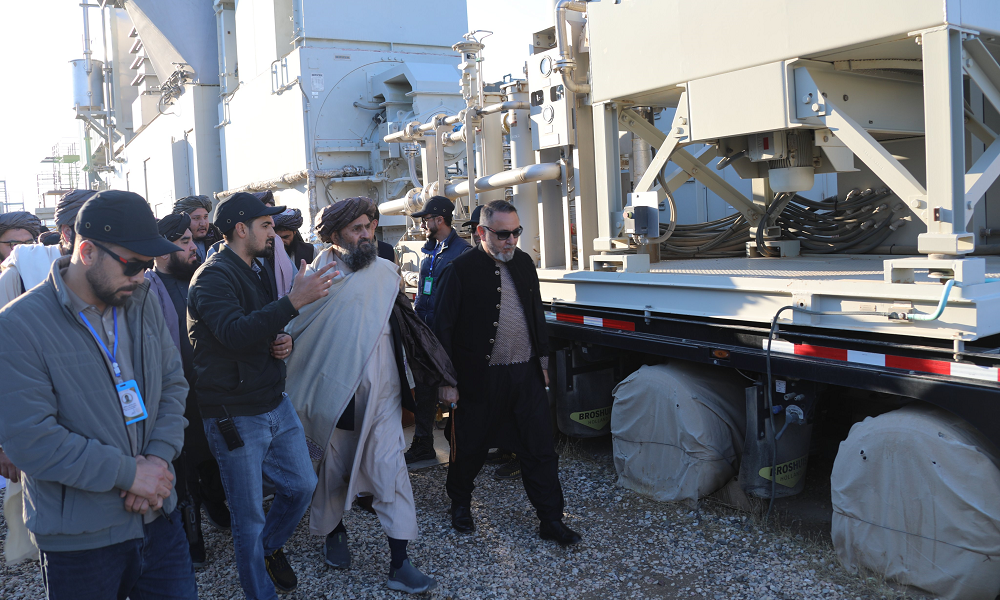
Bayat Power’s 40-megawatt gas-fired turbine resumes operations in Jawzjan
Saar: Forced deportation of Afghan refugees from Iran and Pakistan discussed

Afghanistan trail Zimbabwe by 180 runs at stumps on day two of second Test
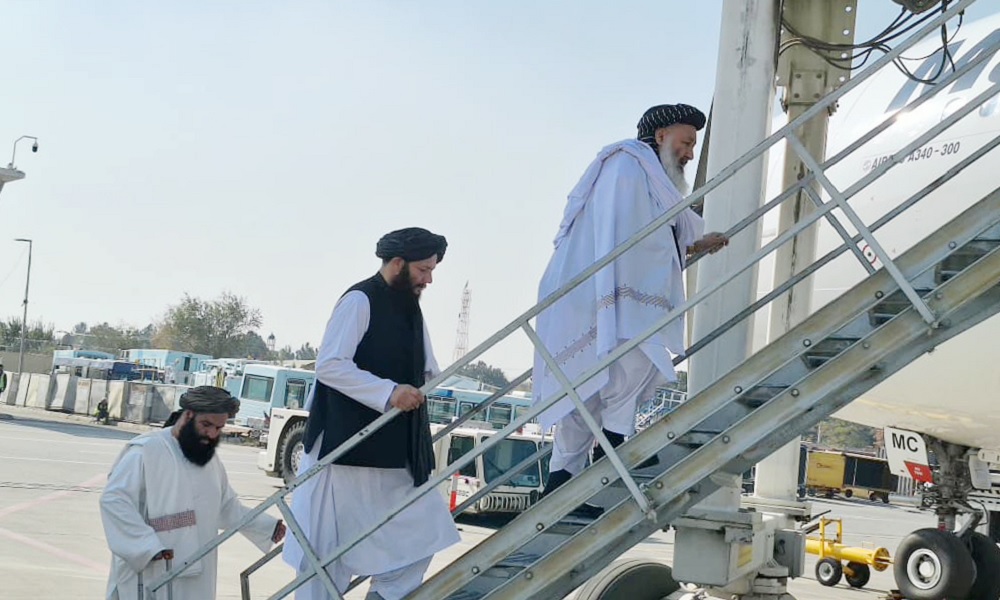
Afghanistan’s finance minister travels to Iran for official visit

Afghanistan finish runners-up after 6-0 defeat to Brazil in futsal final

Trump says US may strike Iran’s ‘Pickaxe Mountain’ nuclear facility

Rubio heads to Central Asia while other US officials hit foreign policy hot spots

Violent protests spread across Europe as Albanian PM blames ‘foreign hand’

Governments take websites offline as critical cyber flaws trigger global alert
Tahawol: Concerns grow over worsening regional humanitarian crises discussed
Saar: Forced deportation of Afghan refugees from Iran and Pakistan discussed
Tahawol: Russia’s special attention to situation in Afghanistan discussed
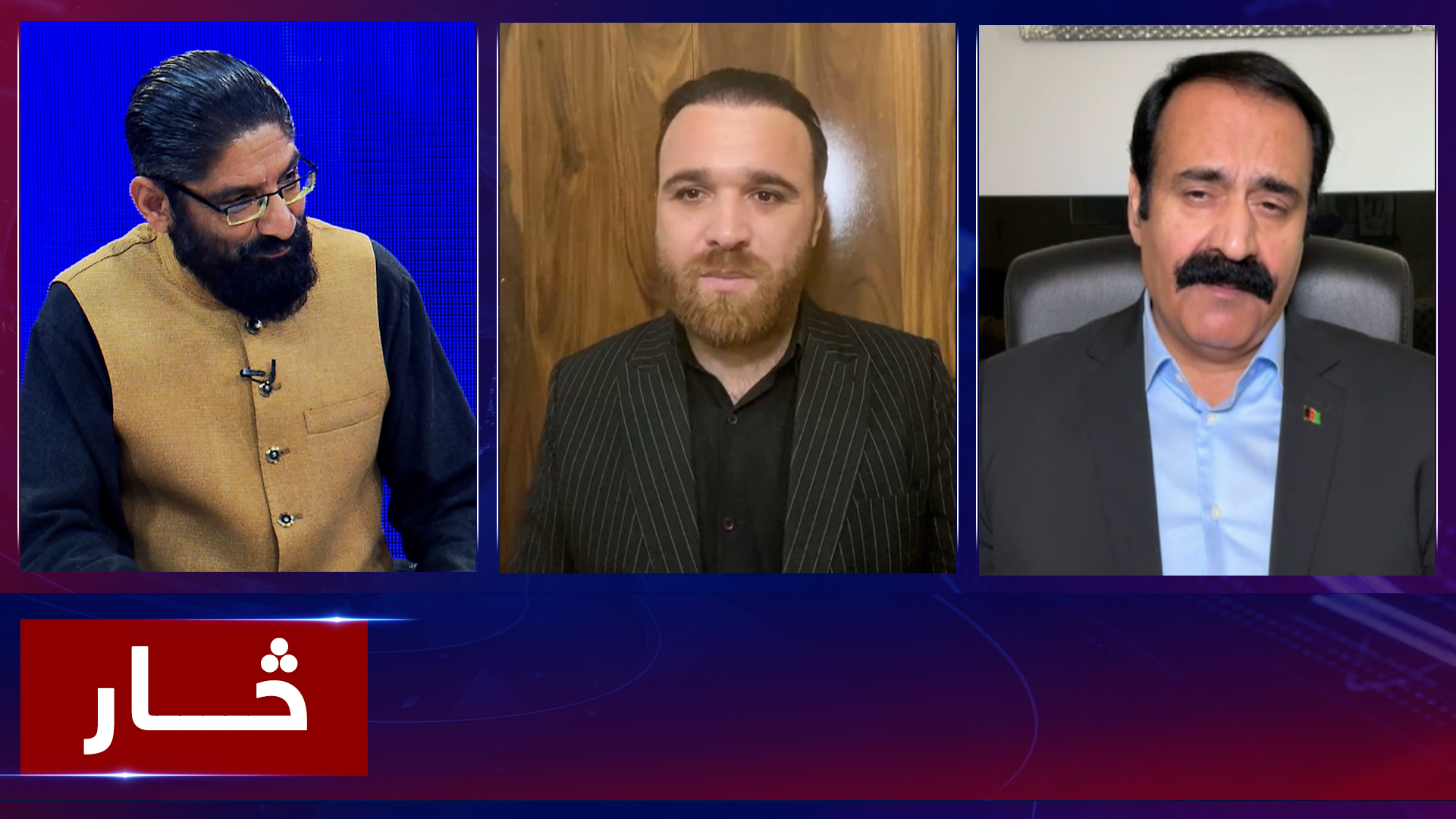
Saar: Discussion on US’s humiliating defeat in Afghanistan
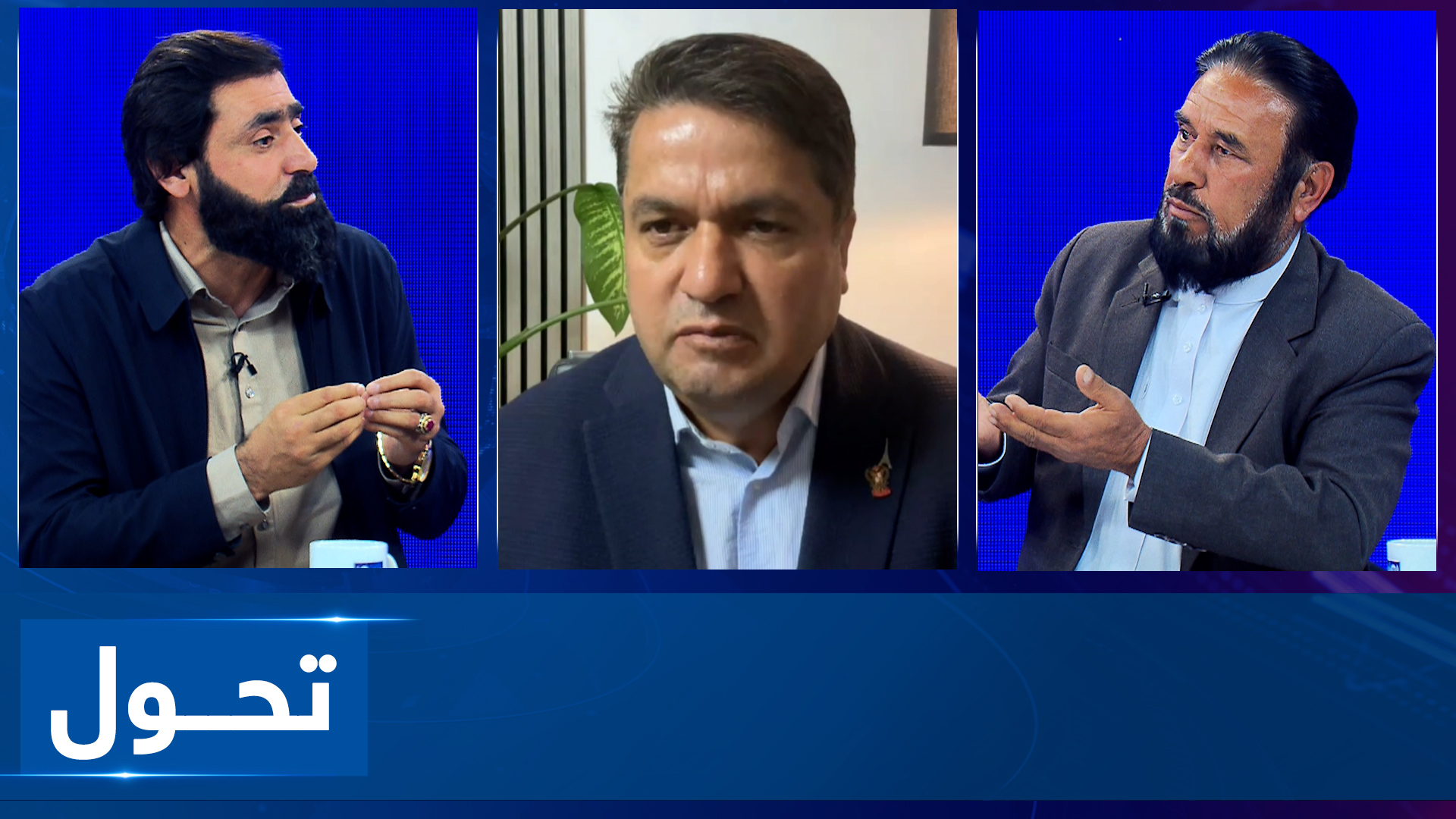
Tahawol: High-level Russian delegation’s visit to Kabul discussed
-
 Sport4 days ago
Omar Zawak thrash Istiqlal Kabul 5-1 in ACL
-
 World5 days ago
Trump says further US attacks on Iran ‘highly unlikely’ as peace talks gain momentum
-
 Latest News4 days ago
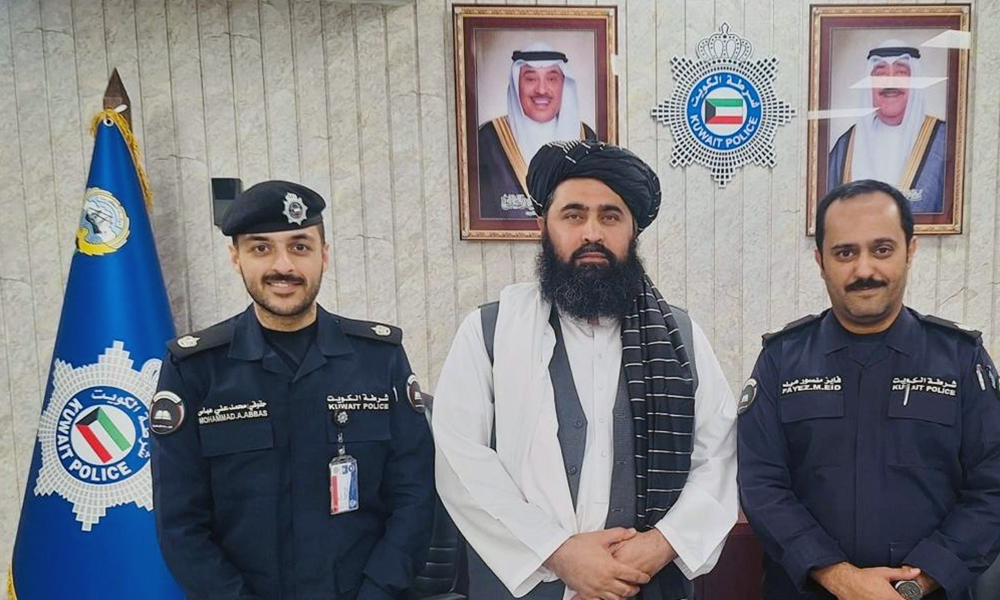
Afghan embassy in Kuwait discusses situation of Afghan prisoners with Kuwaiti officials
-
 Health5 days ago
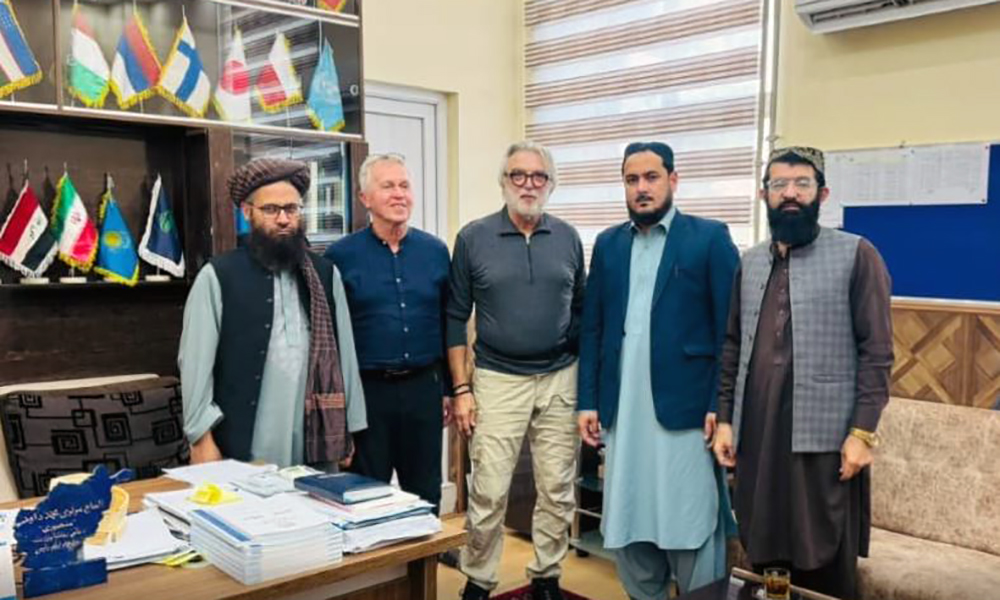
German medical team launches free surgical mission at Bamiyan provincial hospital
-
 Business4 days ago
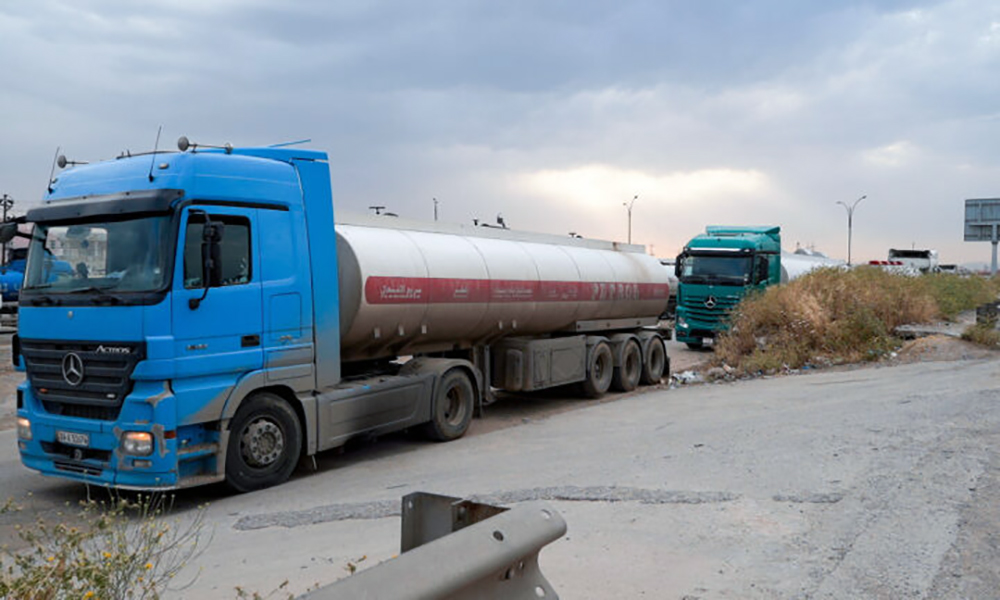
Iraqi intelligence report alleges oil smuggling network supplying Afghanistan and Turkey through Iran
-

 Latest News5 days ago
IEA rejects US travel warning, says no threat to foreign nationals in Afghanistan
-
 Business5 days ago
$30 million pharmaceutical investment launched in Herat as new production line opens
-
 Latest News5 days ago
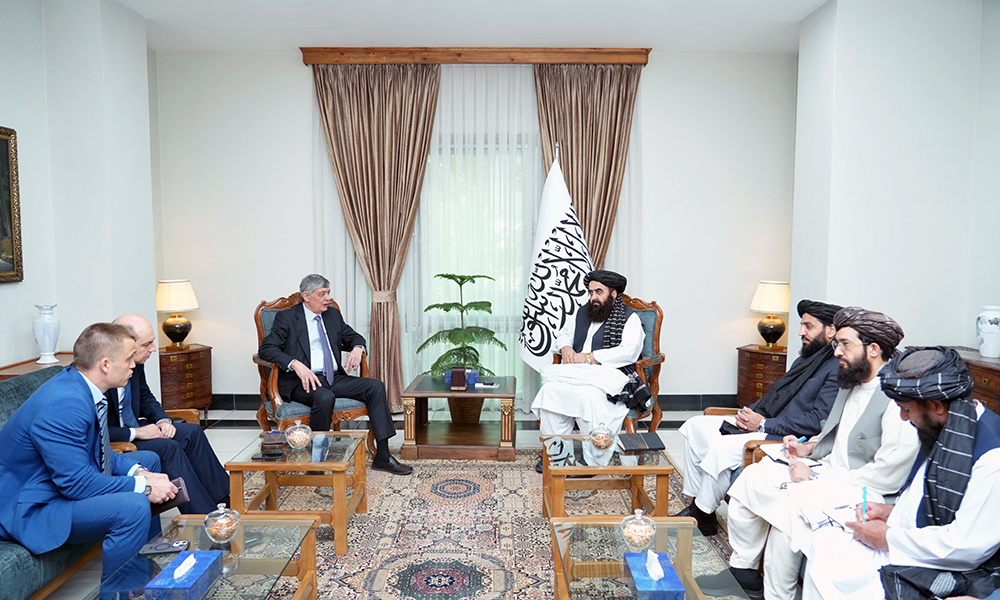
Afghanistan and Russia discuss expanding economic ties and boosting bilateral trade