
Regional
Syria weighs military aid for Saudi Arabia amid Yemen war: Reuters

Syria is carefully considering providing military assistance to key ally Saudi Arabia amid an escalating war against the Iran-backed Houthis in Yemen, Reuters reported citing a US official and a Syrian military official.
Options being considered include defensive aid to protect the kingdom from attacks, or deployment of forces in an offensive capacity to help Saudi-backed Yemeni troops fight the Houthis, the sources said.
The US official said Saudi Arabia had requested that Syria deploy forces to fight the Houthis – an assertion denied by the Syrian president’s media adviser, Ahmad Zaidan, in a post on X following the publication of this story.
In response to a request for comment to the Syrian foreign ministry, a Syrian diplomat said Syria stood firmly with Saudi Arabia in the face of Houthi attacks but that the government’s primary focus was on domestic priorities such as recovery from the country’s civil war.
“Should Saudi Arabia request any military cooperation or exchange of expertise, this would take place exclusively through official channels and within the framework of the bilateral agreements governing relations between our two brotherly countries,” the diplomat said in a statement.
The Saudi government media office and Yemen’s information minister did not respond to requests for comment.
Saudi Arabia has been requesting assistance far and wide, from the US to Europe and the Middle East, for both defensive and offensive support in a renewed war against the group that follows weeks of Houthi missile and drone attacks on the kingdom.
The war is being led on the ground by a patchwork of Yemeni government forces with Saudi air support. They have made limited advances since the campaign was launched on Monday.
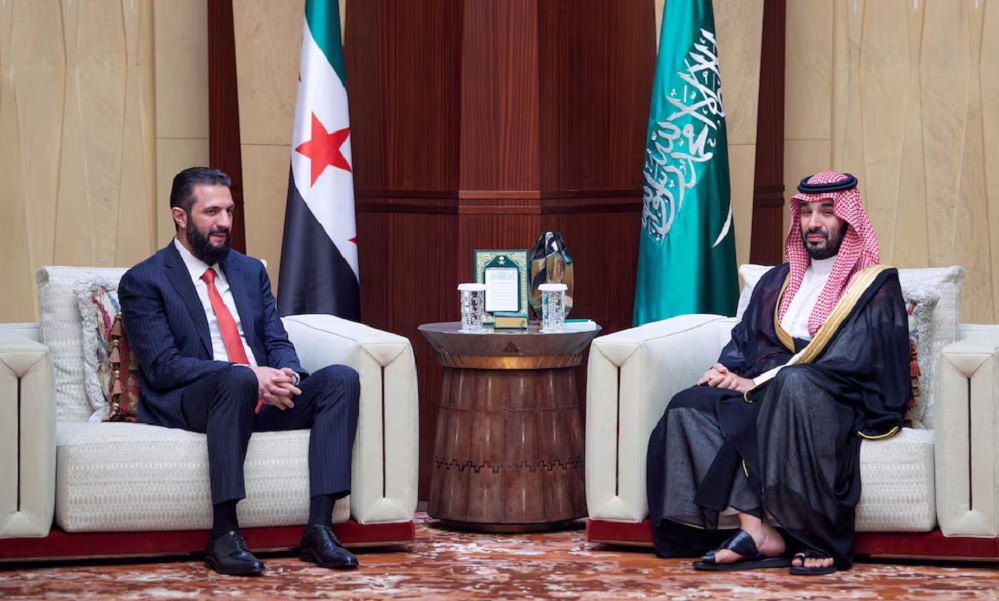
Syrian President Ahmed al-Sharaa made a public visit to Riyadh on Tuesday and met Saudi Crown Prince Mohammed bin Salman, also known as MbS. He discussed potential Syrian military assistance for the kingdom, among other matters, the US official said.
Footage broadcast by Syrian state media showed that he was escorted back to his plane by Saudi Defense Minister Khalid bin Salman, a brother of the crown prince who has overseen the Yemen file.
DEPLOYMENT COULD DEEPEN TENSIONS WITH NEIGHBOURS
Syrian fighters from opposition groups that battled former leader Bashar al-Assad in the country’s civil war have in past years been recruited as mercenaries for other conflicts, notably Libya’s internal conflict and the Russia-Ukraine war.
But for Damascus, any potential deployment carries risks.
The militias that made up the armed opposition are now under the nascent Syrian state, which has adopted a policy of avoiding engagement in conflict, including the Iran war, to focus on recovery from the 14-year Syrian civil war.
The state is still piecing together its army from the various militia groups from the former rebel coalition that toppled Assad, which included many hardline Sunni Islamist and foreign fighters, and trying to contain tensions with minorities including the Alawites, a Shi’ite offshoot to which Assad belonged.
A conflict between that army and the Houthis, who are also adherents of an offshoot of Shi’ite Islam, could have divisive religious undertones that the Syrian leadership and its Western partners want to avoid, the US official said.
It is for this reason that it previously rejected a US request to help fight Hezbollah in Lebanon.
Involvement in a battle against the Iran-backed Houthis could also be viewed as a hostile act by Iran and its allies Hezbollah in Lebanon and militias in Iraq, with which the Syrian rebels-turned-rulers have a history of conflict.
KEEN TO SHOW SUPPORT
At the same time, Sharaa is keen to show the country’s support for Saudi Arabia and MbS, who played a decisive role helping the former jihadist gain international legitimacy, including by brokering a May 2025 meeting between Sharaa and US President Donald Trump.
Saudi Arabia has also provided financial assistance to Syria and a Syrian show of support could result in that increasing, the US official said.
“A new Syria sending defensive personnel of a very small number to the most holy places in the Islamic world, alongside technical support to neutralise incoming drones, would be tremendously and positively symbolic,” said H.A. Hellyer, senior associate fellow at the Royal United Services Institute in London.
“But anything beyond, particularly in terms of Syrian boots on the ground, I think would be a wholly different proposition, and one I think Damascus would avoid, given the priorities they need to focus on in Syria,” he said.

Regional
Araqchi says Iran wants diplomacy to end war, Trump says terms unacceptable
The foreign minister said Iran’s red lines included keeping its highly enriched uranium in the country, though he said a “fair solution” was still possible.
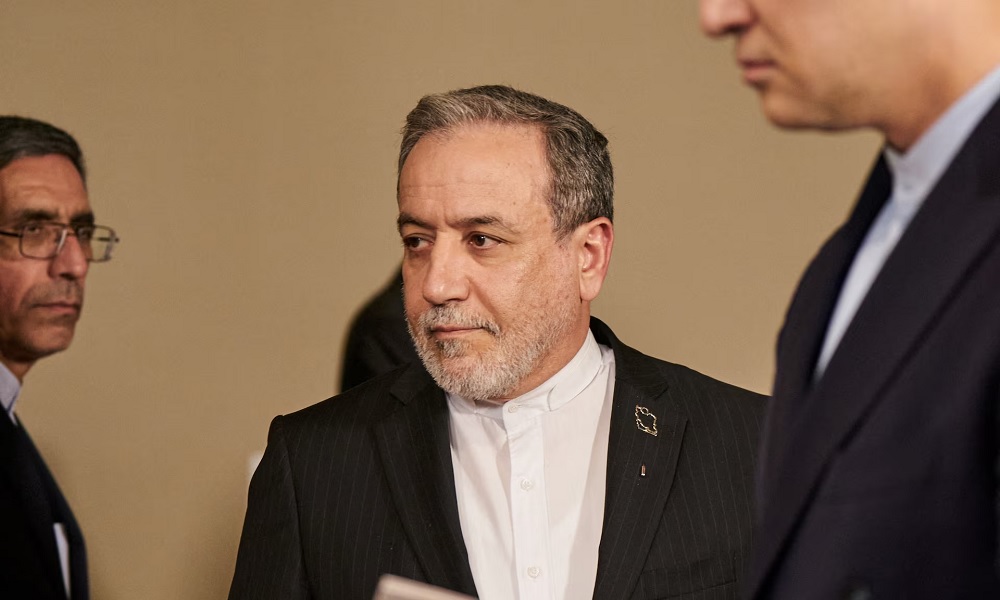
Iran’s Foreign Minister Abbas Araqchi said Tehran still hoped diplomacy could end its war with the United States, while US President Donald Trump said Iran wanted a deal but one that was not acceptable to him.
Araqchi told the state-owned Iran newspaper that messages continued to be exchanged between Iran and Washington through mediators, and that Tehran was seeking “an agreement that would ensure there was no further war”, Reuters reported.
He also said Iran wanted guarantees that Washington was serious about negotiations before proceeding further, adding that Iran had discussed with mediators the form and nature of confidence-building measures.
The remarks came as diplomatic efforts continued to try to end a conflict that has destabilised the Middle East, disrupted shipping, driven up global energy prices and drawn in countries across the region.
The foreign minister said Iran’s red lines included keeping its highly enriched uranium in the country, though he said a “fair solution” was still possible.
Authorities have previously mentioned “feasible formulas” to resolve the dispute between Tehran and Washington over the matter, including diluting the highly enriched uranium stockpile under the supervision of the International Atomic Energy Agency.
The IAEA estimates that Iran had 440.9 kg of uranium enriched to 60% when Israel and the US attacked Iranian nuclear facilities in June 2025. How much of that has survived is unclear.
“I believe a fair solution can be reached on the issue of nuclear material, one that is based on our national interests while also meeting the country’s needs,” Araqchi said.
Trump, in a press conference on Friday, said: “They want to make a deal, but they don’t want to make a deal that’s acceptable to me.”
The United States and Israel attacked Iran on February 28, prompting Tehran to strike Israel and Gulf states hosting US military bases.
Qatari and Iranian officials met on Tuesday in talks aimed at “bridging perspectives and narrowing the gap between proposals presented on the ground,” a spokesperson for Qatar’s foreign ministry said.
Regional
US strikes Iranian military site as Gulf states report fresh attacks
The IRGC claimed earlier it had struck a US military radar system at Bahrain’s Sheikh Isa Air Base using drones.
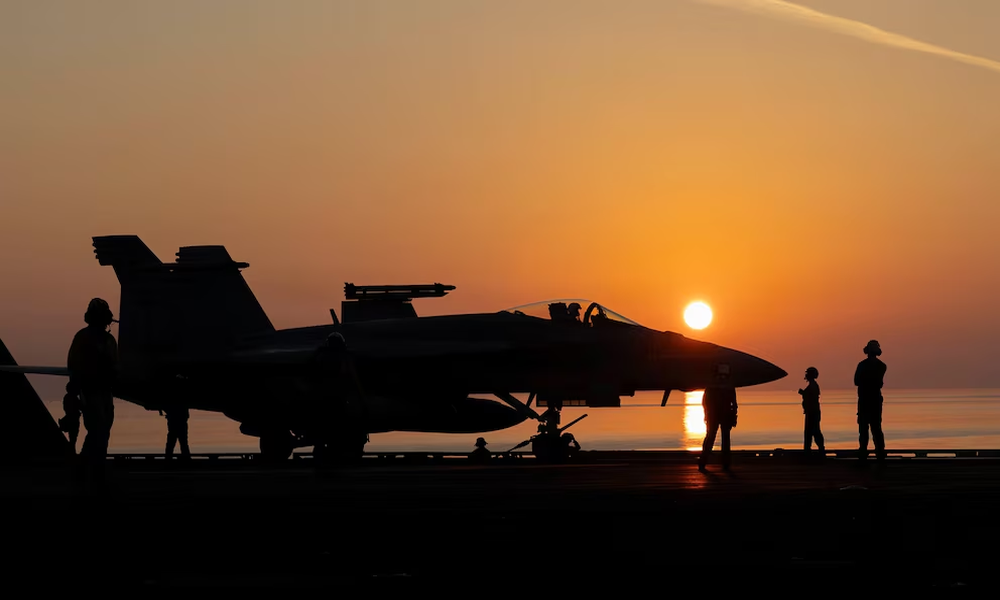
US warplanes struck an Iranian military installation on Qeshm Island in the Strait of Hormuz on November 17, as Bahrain and Kuwait reported fresh aerial attacks and diplomatic efforts continued to prevent further escalation across the Gulf.
A US military official told Reuters that American aircraft targeted a site belonging to Iran’s Islamic Revolutionary Guard Corps (IRGC), in response to attacks on US personnel and military assets.
Ahmad Nafisi, deputy governor of Iran’s Hormozgan province, confirmed the strikes on Qeshm Island but said residential areas, businesses and critical infrastructure had not been damaged. He did not provide details of casualties or damage to military facilities.
Earlier, the IRGC claimed it had struck a US military radar system at Bahrain’s Sheikh Isa Air Base using drones. It described the attack as retaliation for what it called repeated violations of Iranian airspace by American military drones.
However, US Central Command rejected the claim, saying the incoming drones had been intercepted without causing damage to American equipment or injuring US personnel.
Bahrain, which hosts the US Navy’s Fifth Fleet, reported further aerial interceptions in the early hours of November 18, accusing Iran of continuing attacks against the kingdom. The Interior Ministry issued two emergency alerts instructing residents to seek shelter before announcing that the threat had passed.
Kuwait’s military also reported that its air defence systems were engaging hostile drones, although it did not identify their origin or provide details of casualties or damage.
Shipping tensions escalate in Strait of Hormuz
The latest military exchanges coincided with further reports of attacks on commercial shipping in the Strait of Hormuz, a critical international energy and trade route.
Iran’s Revolutionary Guards said a tanker caught fire after striking a mine near Oman’s Ghanam Island while travelling along a route that Tehran had not authorized. The statement did not identify the vessel or provide information about its crew.
Iranian forces also reported fires aboard other vessels in the strait, although Reuters said it could not independently verify the claims.
Separately, the United Kingdom Maritime Trade Operations (UKMTO) agency reported that the crew of a tanker attacked north of Oman’s port of Khasab could not be accounted for.
The vessel, which was first attacked on November 16, reportedly sustained a second strike and caught fire again.
Diplomatic efforts continue
Despite the renewed military activity, diplomatic efforts to contain the conflict continued, with Qatar and Oman maintaining contacts aimed at reducing tensions between Washington and Tehran.
Qatari Foreign Ministry spokesman Majed Al Ansari said on November 17 that mediation efforts to narrow differences between the two sides were ongoing.
He warned that further escalation threatened maritime navigation, the global economy and the prospects of reaching an agreement, urging all parties to exercise restraint.
Iranian Foreign Minister Abbas Araghchi also travelled to Oman, where he met Sultan Haitham bin Tarik and Foreign Minister Badr Albusaidi.
Oman’s Foreign Ministry said the discussions focused on efforts to de-escalate tensions and create conditions for a peaceful resolution to the crisis.
In Ankara, Turkish Foreign Minister Hakan Fidan called for the reopening of the Strait of Hormuz and a swift, positive conclusion to negotiations between the United States and Iran.
Fidan urged Tehran to demonstrate its willingness to resolve the dispute, stressing the importance of restoring safe maritime navigation and addressing the security concerns of neighbouring countries.
The conflict began on February 28 with US-Israeli strikes against Iran. Washington has maintained a blockade of Iranian ports, while Tehran continues to restrict shipping through the Strait of Hormuz.
Disagreements over maritime access and the US blockade remain major obstacles to diplomatic efforts to end the conflict.
Regional
Oman and Iran discuss restoring shipping through Strait of Hormuz
Oman’s Foreign Ministry said the talks focused on protecting maritime corridors and ensuring the continued movement of commercial shipping.
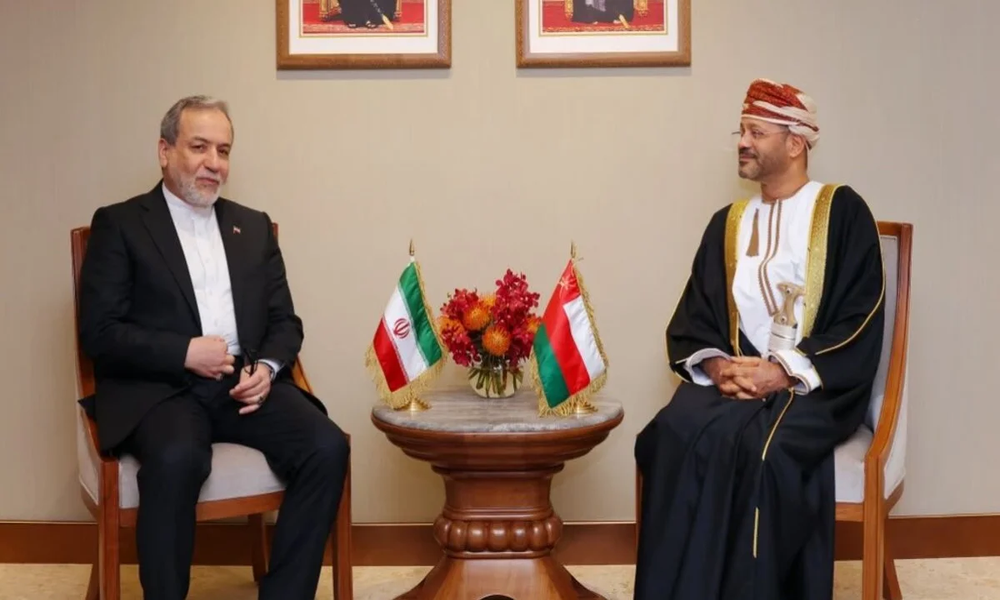
Oman and Iran have held talks on safeguarding maritime routes and restoring the smooth flow of international shipping and trade as disruption in the strategically important Strait of Hormuz continues to threaten global energy supplies.
The discussions took place during a visit to Oman by Iranian Foreign Minister Abbas Araqchi on Tuesday, November 17. He met Oman’s Foreign Minister Badr Albusaidi, with both sides discussing ways to revive diplomatic channels and prevent further escalation of the crisis.
In a statement, Oman’s Foreign Ministry said the talks focused on protecting maritime corridors and ensuring the continued movement of commercial shipping.
The two ministers also discussed revitalising dialogue and negotiation channels, with the aim of expanding common ground between the parties involved and preventing the crisis from widening.
Oman, which lies along the southern coast of the Strait of Hormuz, has played an important mediating role since the conflict began with US and Israeli attacks on Iran on February 28.
The waterway has become a major flashpoint in the conflict, with attacks on commercial vessels increasing as Iran continues to disrupt shipping and Washington maintains a naval blockade against Tehran.
The Strait of Hormuz is one of the world’s most important maritime chokepoints. Before the conflict, it carried approximately one-fifth of global oil and gas supplies, making its continued disruption a serious concern for energy markets and international trade.
Tensions have also extended to maritime infrastructure. Iran reportedly attacked shipping navigation systems on Oman’s Didamar Island last week, raising concerns about the security of facilities needed to maintain and restore commercial shipping through the Gulf.
With exports increasingly affected, regional producers have been exploring alternative arrangements, including ship-to-ship transfers off the coasts of Oman and the United Arab Emirates. The US military has also been assisting commercial vessels navigating the strait.
Oman and Iran have previously held discussions over managing maritime traffic through the waterway, including talks in August. Before the war, commercial vessels generally transited freely through the internationally recognised shipping route.
The latest diplomatic engagement comes as efforts to end the conflict continue, with the future of the Strait of Hormuz emerging as a central issue in negotiations.
Any prolonged disruption could have far-reaching consequences for global oil supplies, shipping costs and the wider economy, particularly as the conflict continues to spread across the Middle East.

Turkmenistan records nearly $100 million in trade deals with Afghan, UAE buyers

Islamic Emirate disputes UN report on Afghanistan opium cultivation

Afghanistan to attend Tehran ECO summit after exclusion from Islamabad meeting

Türkiye defends Mecca defence pact, points to its previous military role in Afghanistan

AfD leader calls for return of 2.6 million foreigners from Germany
US sanctions and blockade measures disrupt Iran’s trade with Afghanistan and regional neighbors
Saudi defence pact countries push for peace in Tehran as Houthis launch more attacks

England forward Kane crowned Ballon d’Or winner
Afghanistan to launch nationwide polio vaccination campaign

Afghanistan urges polio vaccination as cases reach 42
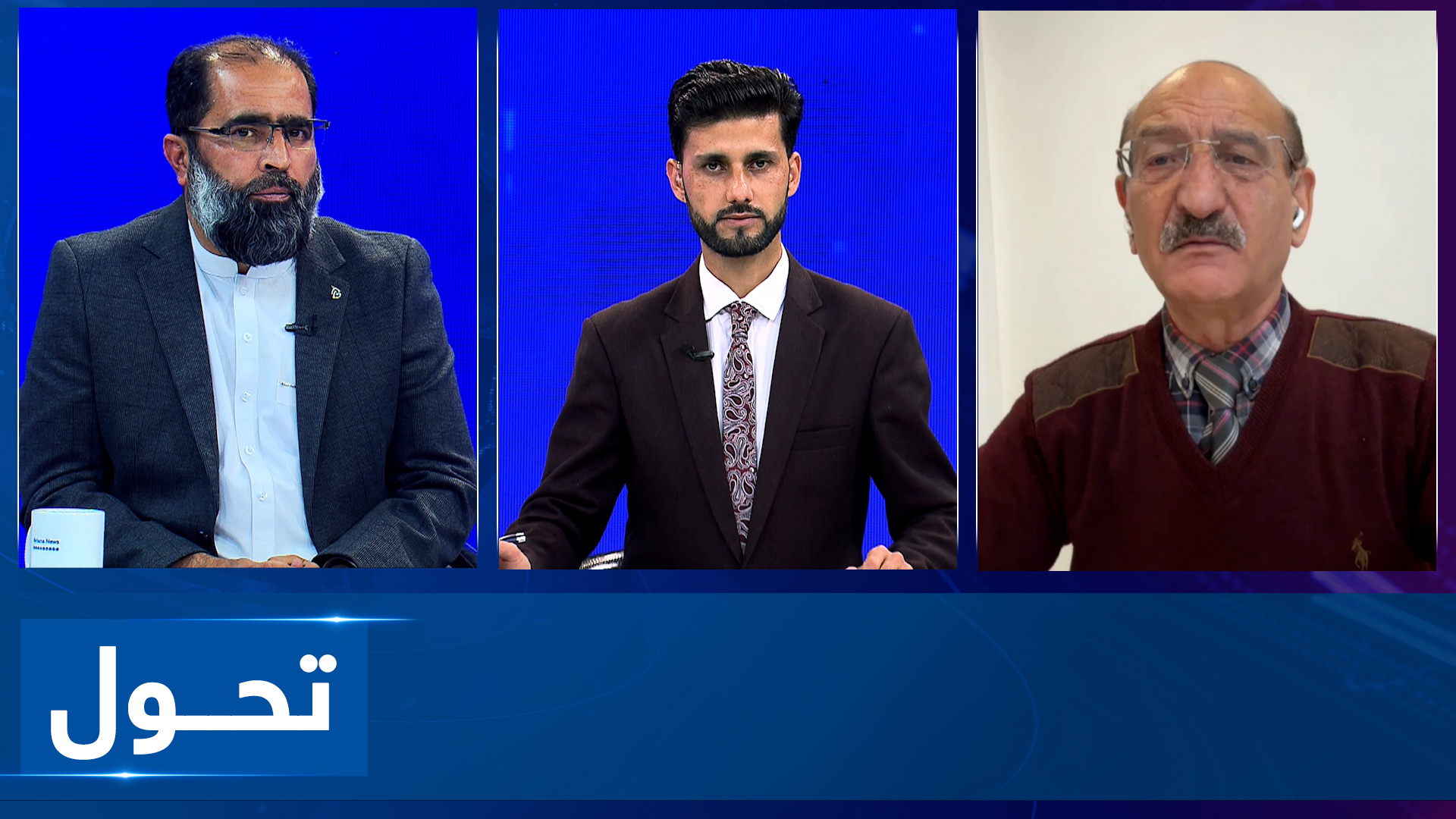
Tahawol: World Television Day discussed
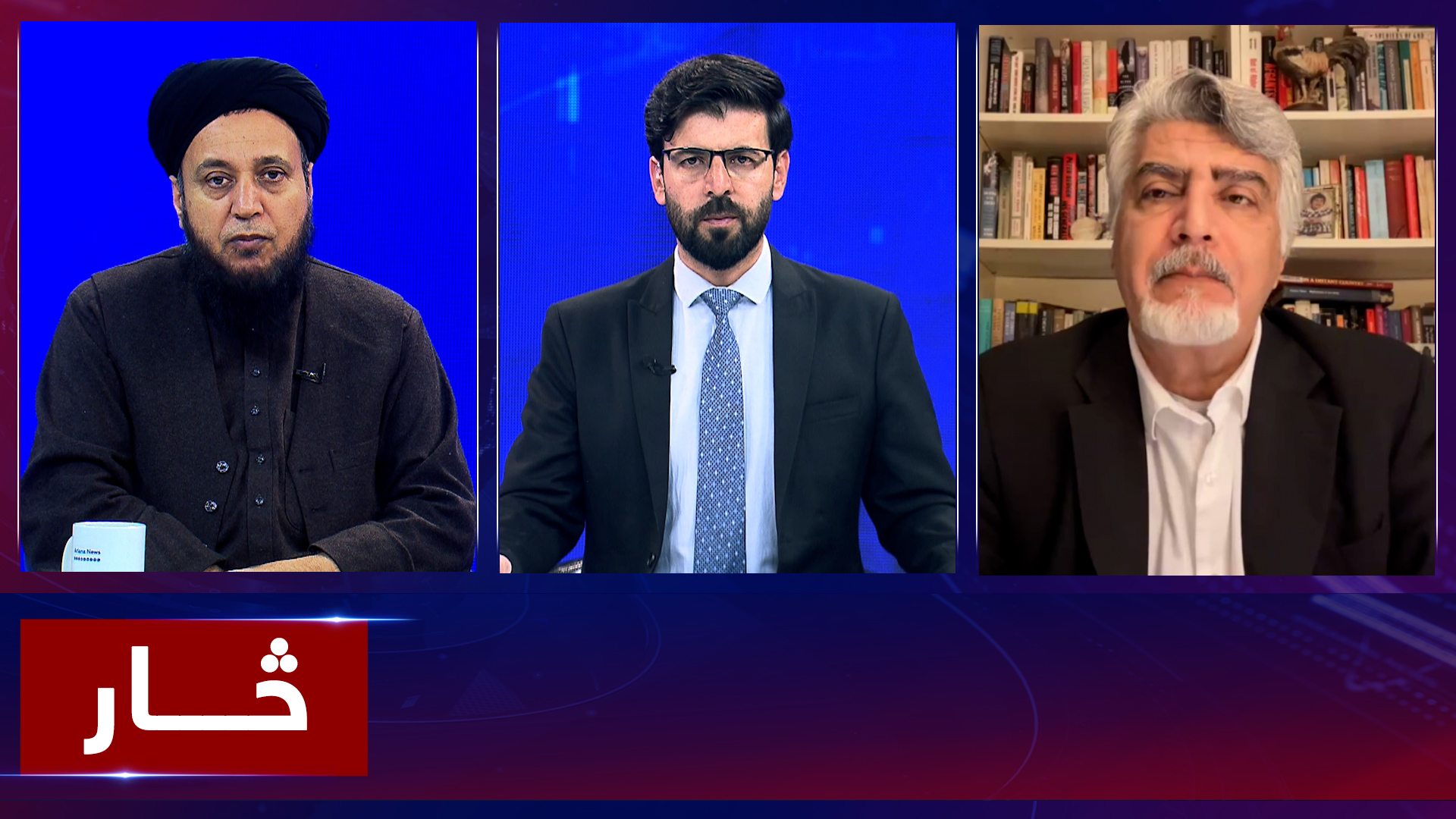
Saar: Efforts to resolve Afghanistan-Pakistan tensions in Moscow reviewed

Tawsia: Afghanistan’s key economic highlights of the week discussed
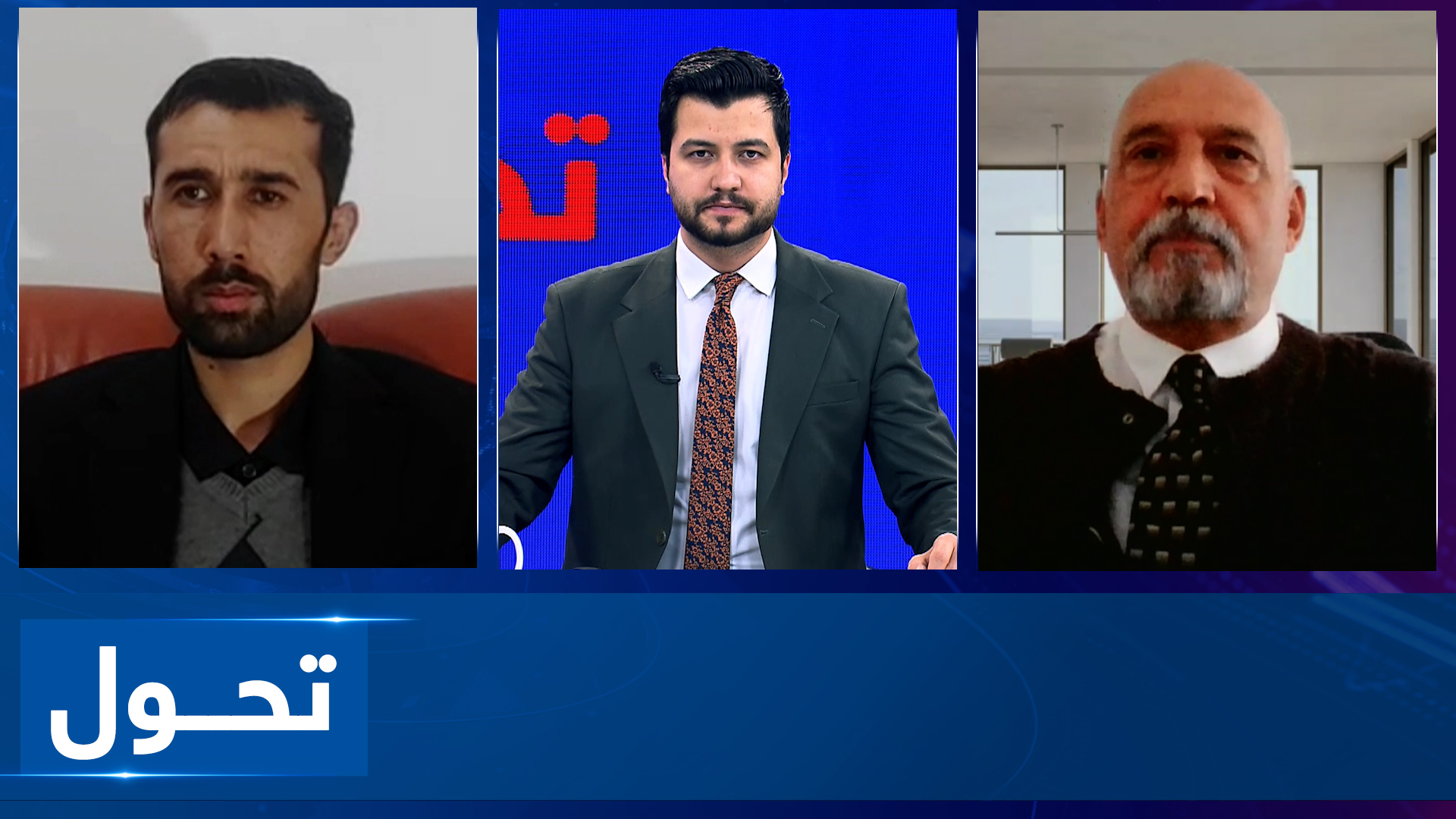
Tahawol: Kazakhstan’s call for practical international engagement with Afghanistan
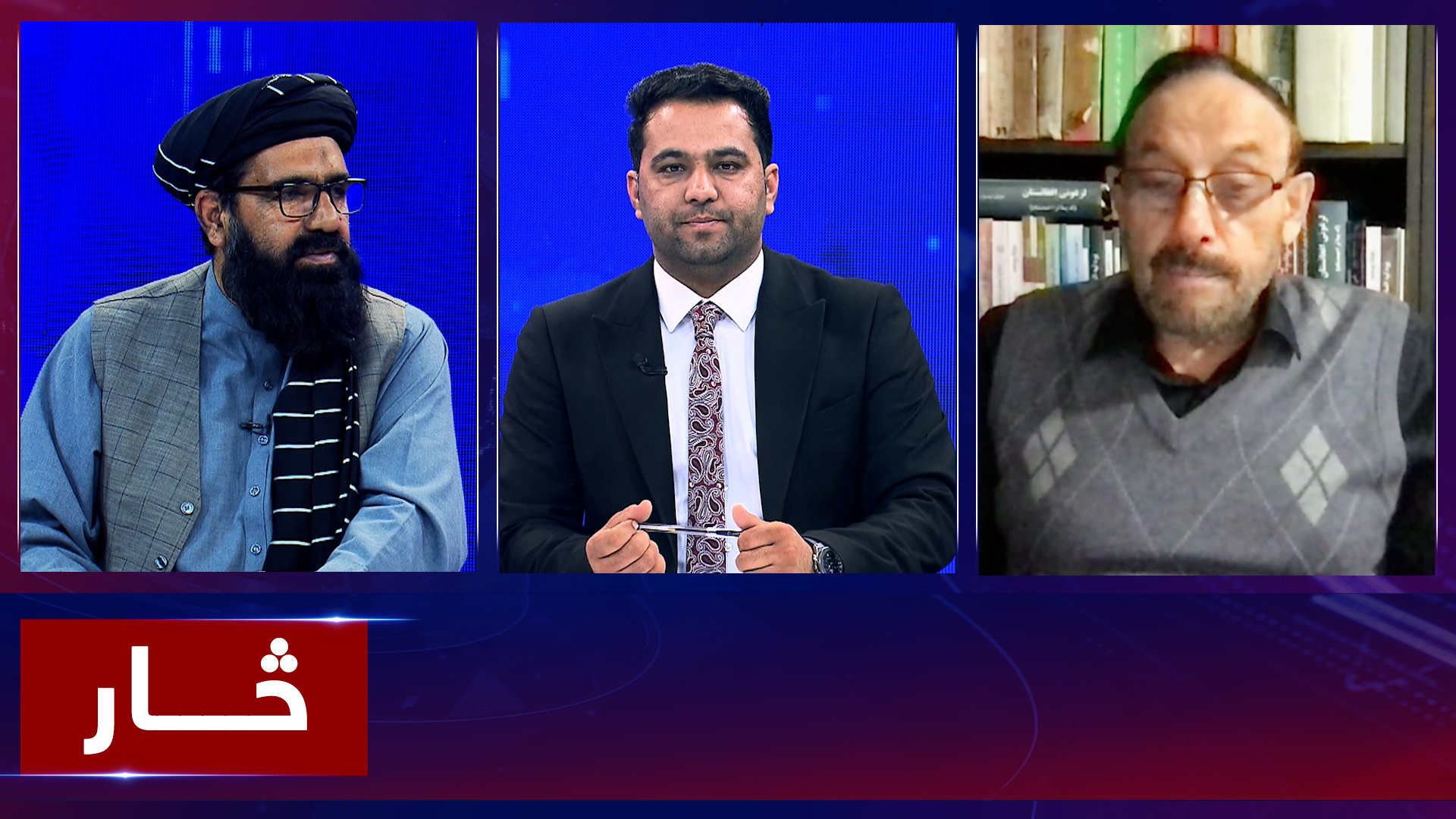
Saar: Afghanistan and UN: 80 years of diplomatic relations discussed
-
 Sport4 days ago
ATN to broadcast AFC Awards honoring Asia’s football stars
-
Regional4 days ago
US strikes Iranian military site as Gulf states report fresh attacks
-

 Latest News4 days ago
Afghanistan’s economy grows despite rising food insecurity and water crisis: World Bank
-
 Business4 days ago
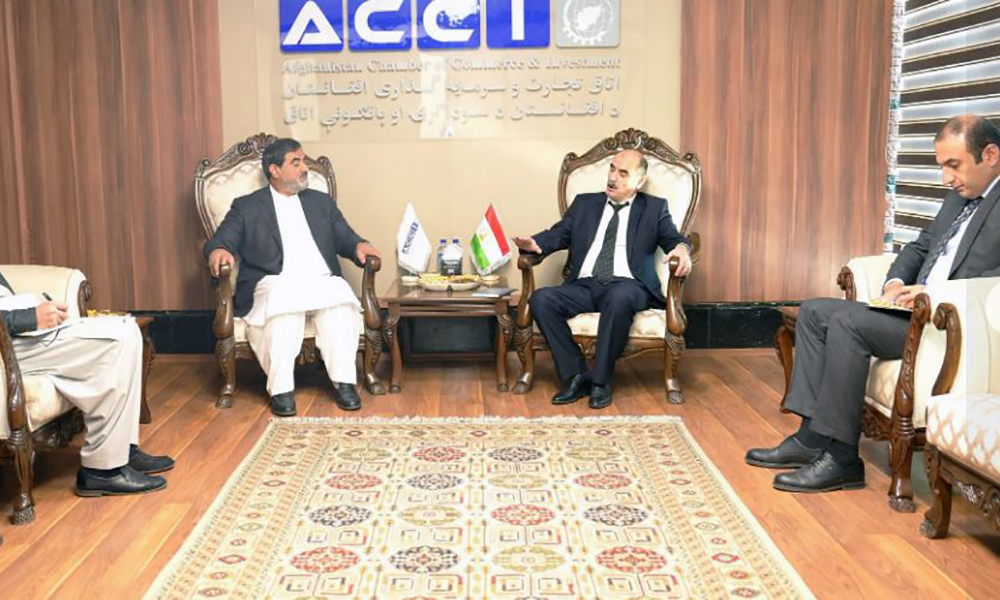
Tajikistan seeks to establish joint market along border with Afghanistan
-
 Sport5 days ago
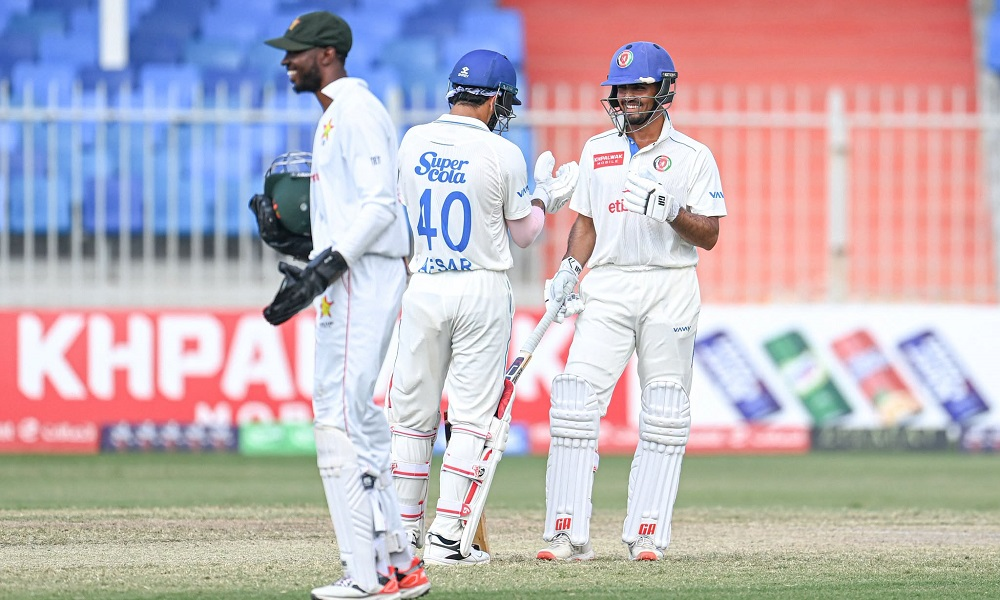
Zimbabwe beat Afghanistan by 57 runs in second Test
-
 Latest News3 days ago
Two Afghan nationals convicted over sexual assault of 14-year-old girl on UK train
-

 Latest News4 days ago
Pakistan invites Turkmenistan to join CASA-1,000 power project
-
 Sport3 days ago
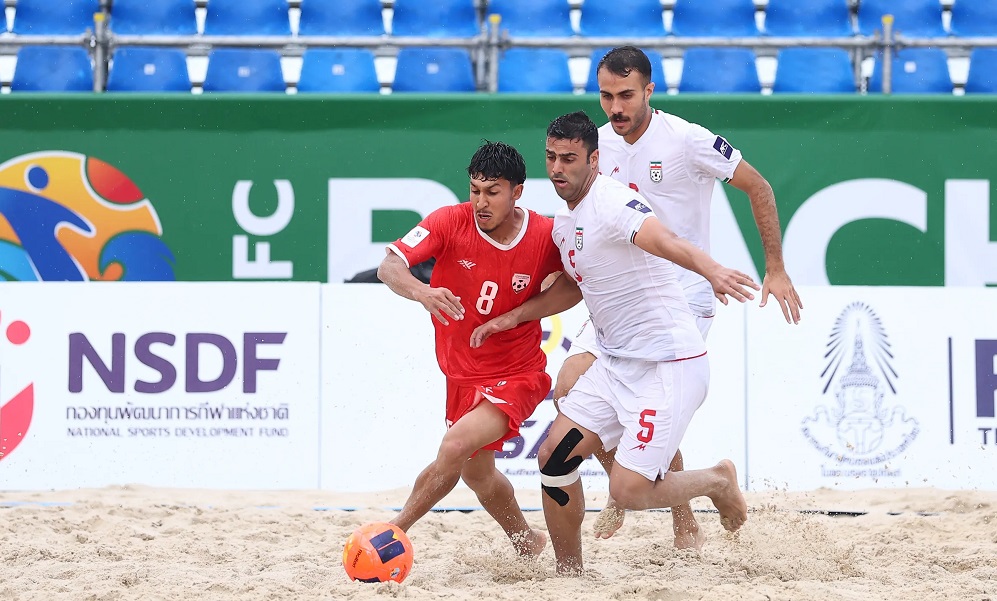
Afghanistan suffer 9-2 defeat to Iran in Beach Soccer Asian Cup opener