
Regional
Trump says Iran deal ‘largely negotiated’, dispute over strait reopening

A “largely negotiated” memorandum of understanding on an Iran peace deal would reopen the Strait of Hormuz, U.S. President Donald Trump said on Saturday, although the Iranian Fars news agency disputed that claim.
Trump posted on social media that the emerging agreement would reopen the strait, the vital shipping passage whose closure has upended global energy markets since the U.S. and Israel launched the war on Iran in February. He did not say what else would be included in an agreement.
“Final aspects and details of the Deal are currently being discussed, and will be announced shortly,” Trump wrote on Truth Social.
But Fars reported early on Sunday that the agreement would allow Iran to manage the strait and that Trump’s assertion on the strait was “inconsistent with reality.”
IRAN’S NUCLEAR PROGRAM IN FOCUS
U.S. news website Axios reported late on Saturday that the U.S. and Iran were close to a deal that would reopen the Strait of Hormuz with no tolls during a 60-day ceasefire extension, while Iran would be able to freely sell oil and negotiations would be held on curbing Iran’s nuclear program.
In exchange, the U.S. would lift its blockade on Iranian ports and issue some sanctions waivers on Iranian oil, Axios said, citing a U.S. official.
The draft agreement also includes commitments from Iran never to pursue nuclear weapons and to negotiate over a suspension of its uranium enrichment program and the removal of its stockpile of highly enriched uranium, the Axios report said.
The New York Times reported that the proposed deal includes an “apparent commitment” by Iran to give up its highly enriched uranium. Details of how Iran would cede that stockpile would be left for a subsequent round of talks, the newspaper said, citing two unidentified U.S. officials.
Trump, while offering various war aims during the three-month-old conflict, has repeatedly said the U.S. struck Iran to prevent it from obtaining nuclear weapons. Iran has denied it is pursuing nuclear weapons and says it has a right to enrich uranium for civilian purposes.
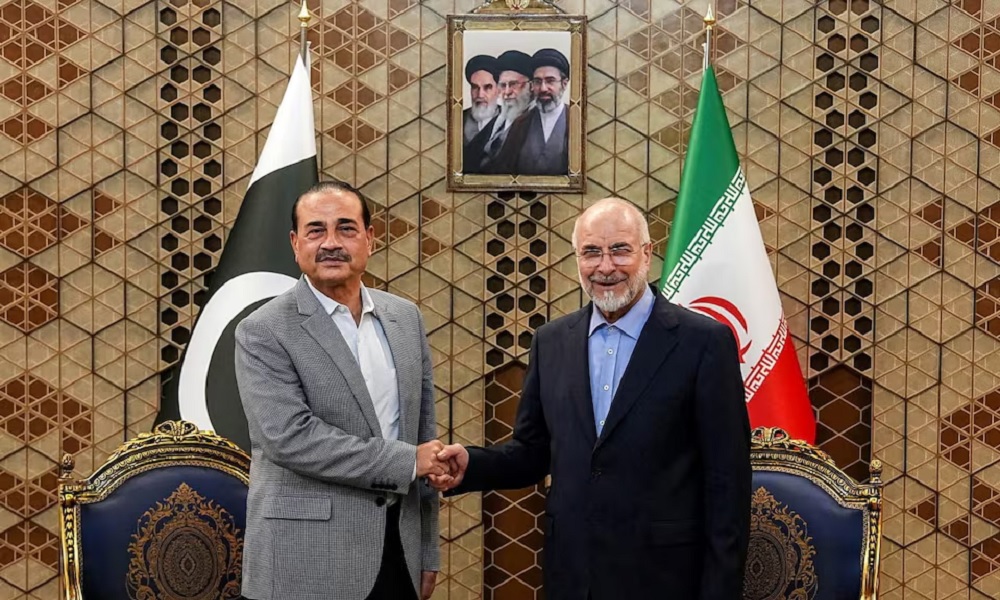
Iran said on Saturday that it was working toward a memorandum of understanding on ending the war after its top officials met with Asim Munir, the army chief of Pakistan, which has sought to be a mediator.
The Pakistani army said the negotiations had resulted in “encouraging” progress. Two Pakistani sources involved in the talks said the deal being negotiated is “fairly comprehensive to terminate the war.”
Sources have told Reuters the proposed framework would unfold in three stages: formally ending the war, resolving the crisis in the Strait of Hormuz and launching a 30-day window for negotiations on a broader agreement, which can be extended.
One of the Pakistani sources said that if the U.S. accepts the memorandum, further talks could take place after the Eid holiday ends on Friday.
Trump, whose approval ratings have been hit by the war’s impact on U.S. energy prices, said on Friday he would not attend his son’s wedding this weekend, citing Iran among the reasons he planned to stay in Washington.
‘ISSUES STILL NEED TO BE DISCUSSED,’ IRAN SAYS
Trump spoke on Saturday with leaders from Saudi Arabia, Qatar, the United Arab Emirates, Jordan, Egypt, Turkey and Pakistan. The leaders encouraged Trump to agree to the emerging framework, Axios reported.
A call with Israeli Prime Minister Benjamin Netanyahu also went “very well,” Trump wrote on Truth Social.
Pakistan has aimed to narrow differences between Iran and the U.S. after weeks of war have left the vital Hormuz waterway closed to most shipping despite a nervous ceasefire.
“The trend this week has been towards a reduction in disputes, but there are still issues that need to be discussed through mediators. We will have to wait and see where the situation ends in the next three or four days,” said Iranian Foreign Ministry spokesperson Esmail Baghaei.
Iran has demanded supervision of the strait, an end to the U.S. blockade on its ports and the lifting of sanctions on Iranian oil sales.
Baghaei said the issue of the U.S. blockade on Iran’s shipping was important, but that its priority was ending the threat of new U.S. attacks and the ongoing conflict in Lebanon, where Iran-allied Hezbollah militants are fighting Israeli troops who have moved into the south.
Pakistan’s army chief Munir left Tehran on Saturday after talks with Iran’s top negotiator Mohammad Baqer Qalibaf and Foreign Minister Abbas Araqchi.
Qalibaf said Iran’s armed forces had rebuilt their capabilities during the ceasefire and that, if the U.S. “foolishly restarts the war,” the consequences would be “more forceful and bitter” than at the start of the conflict.
Despite weeks of conflict, Iran has preserved its stockpile of near-weapons-grade enriched uranium as well as missile, drone and proxy capabilities.




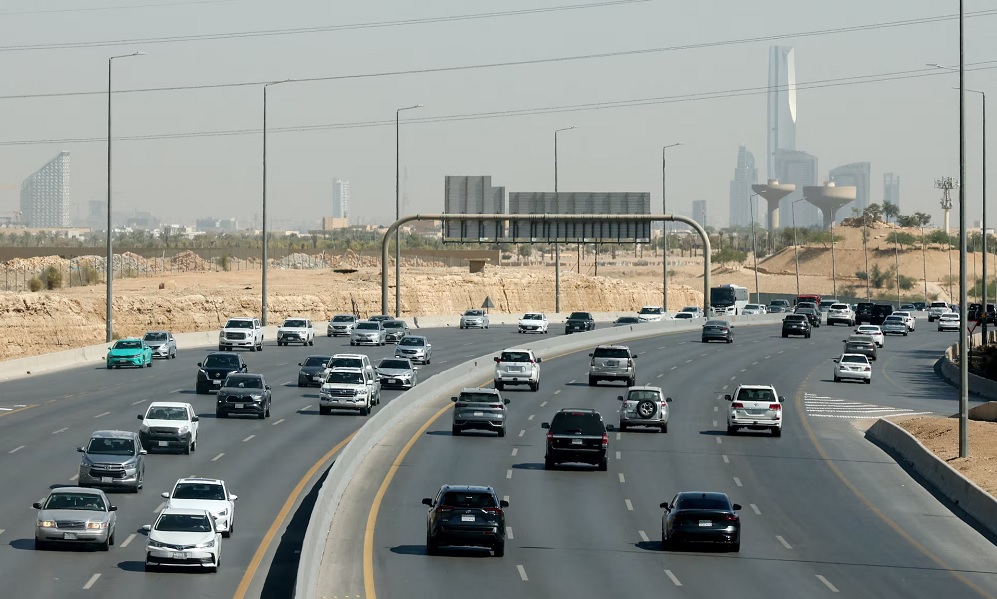
The Saudi-led coalition fighting Yemen’s Iran-aligned Houthis said on Sunday it had intercepted two Houthi ballistic missiles launched towards the Saudi capital Riyadh and three drones in the kingdom’s oil-rich Eastern Province.
The Houthis, who control most of the populous parts of Yemen, have intensified attacks on the Saudi capital in recent days. A Houthi attack last week damaged an administrative building of the state oil company Saudi Aramco in Riyadh’s financial hub, Reuters reported.
The Eastern Province, the economic powerhouse of Saudi Arabia, has been subject to multiple attacks by Houthis in the past few weeks.
It contains the majority of the kingdom’s oil and gas reserves and is home to Aramco’s headquarters, which suffered extensive damage in an attack in October.
The Houthis have stepped up strikes on Saudi airports, ports and oil facilities, while Saudi Arabia has ramped up airstrikes on Houthi targets in Yemen in response.
Regional
Saudi Arabia says debris from intercepted missiles falls in Mecca region
The missiles were launched towards the region and intercepted and destroyed, Saudi Arabia’s civil defence said in a statement.
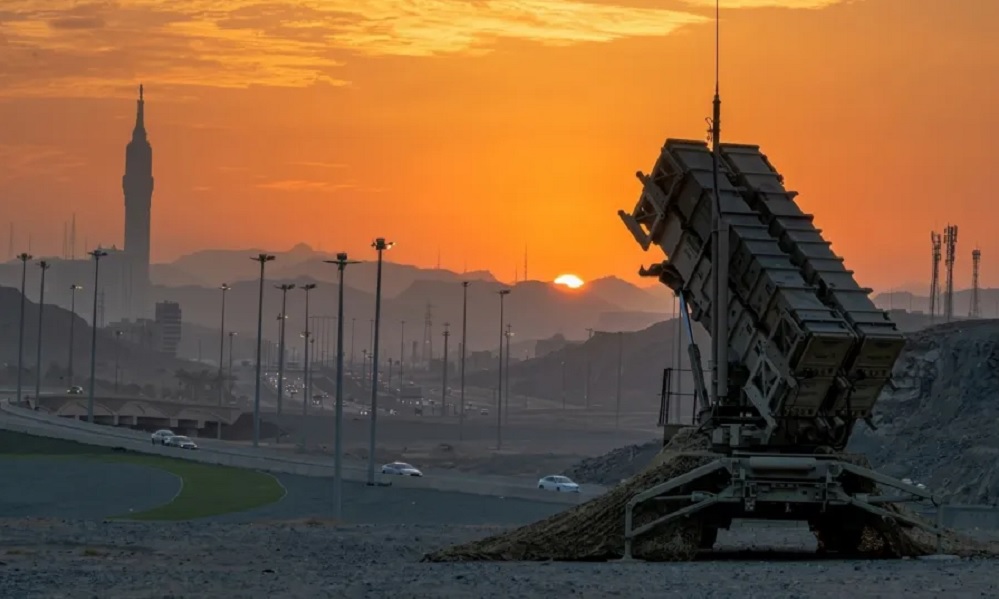
Saudi Arabia said debris from two ballistic missiles intercepted by its air defences fell in the Mecca region on Wednesday, as the kingdom and Yemen’s Iran-aligned Houthis continued to trade attacks in an escalating conflict.
Saudi state television identified the locations as Sabuhah village, about 35 km (22 miles) northeast of the Grand Mosque in Mecca, and Wadi al-Maghmas, about 21 km east of the mosque, Reuters reported.
The missiles were launched towards the region and intercepted and destroyed, Saudi Arabia’s civil defence said in a statement.
The Houthis have repeatedly denied Saudi accusations that they target Mecca and Medina, Islam’s two holiest cities, saying their military operations are directed at military and strategic targets elsewhere in Saudi Arabia.
Mecca, home to sites sacred to Muslims worldwide, is the focal point of the annual hajj pilgrimage, one of the five pillars of Islam, which millions of Muslims undertake each year.
“This hostile targeting of civilian objects constitutes a flagrant violation of international humanitarian law and reflects the dangerous hostile approach pursued by the Houthi militia,” Saudi Arabia’s civil defence said early on Thursday.
The Houthis seized Yemen’s capital Sanaa in 2014, prompting Saudi Arabia to intervene militarily the following year in support of the internationally recognised government.
A UN-brokered truce in 2022 largely froze the conflict, but hostilities resumed earlier this year, with the Houthis launching missile and drone attacks on Saudi territory and Riyadh carrying out airstrikes in Yemen.
The latest escalation has threatened the strategic Bab el-Mandeb Strait, a key shipping route linking the Red Sea and the Gulf of Aden.
Regional
Iran defends two-day proposal for peace talks after US rejects conditions
Iran defended a proposal on Monday to restart peace talks in as few as two days as the most reasonable offer on the table, after US Secretary of State Marco Rubio called some of Iran’s conditions “outrageous and ridiculous”.
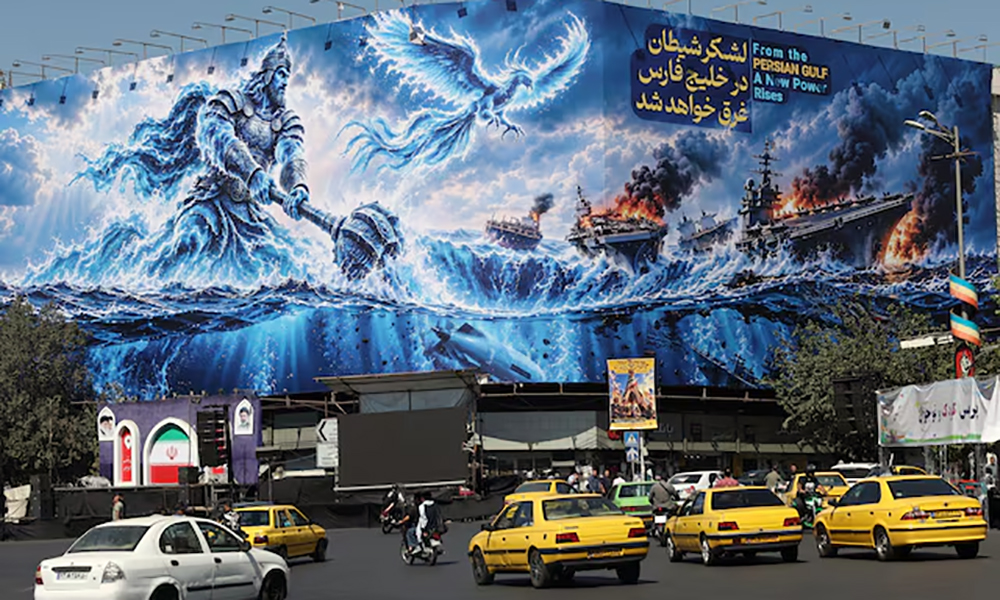
Iran defended a proposal on Monday to restart peace talks in as few as two days as the most reasonable offer on the table, after US Secretary of State Marco Rubio called some of Iran’s conditions “outrageous and ridiculous”, Reuters reported.
“Is it unreasonable that Iran demands that US illegal sanctions and its naval blockade must be lifted before negotiations start and that the war should end on all fronts?” Foreign Ministry spokesman Esmaeil Baghaei told a weekly press conference in response to Rubio’s remarks.
Iran defended a proposal on Monday to restart peace talks in as few as two days as the most reasonable offer on the table, after US Secretary of State Marco Rubio called some of Iran’s conditions “outrageous and ridiculous”.
“Is it unreasonable that Iran demands that US illegal sanctions and its naval blockade must be lifted before negotiations start and that the war should end on all fronts?” Foreign Ministry spokesman Esmaeil Baghaei told a weekly press conference in response to Rubio’s remarks.


Arman FC cruise to 5-0 victory over Istiqlal Kabul in ACL match
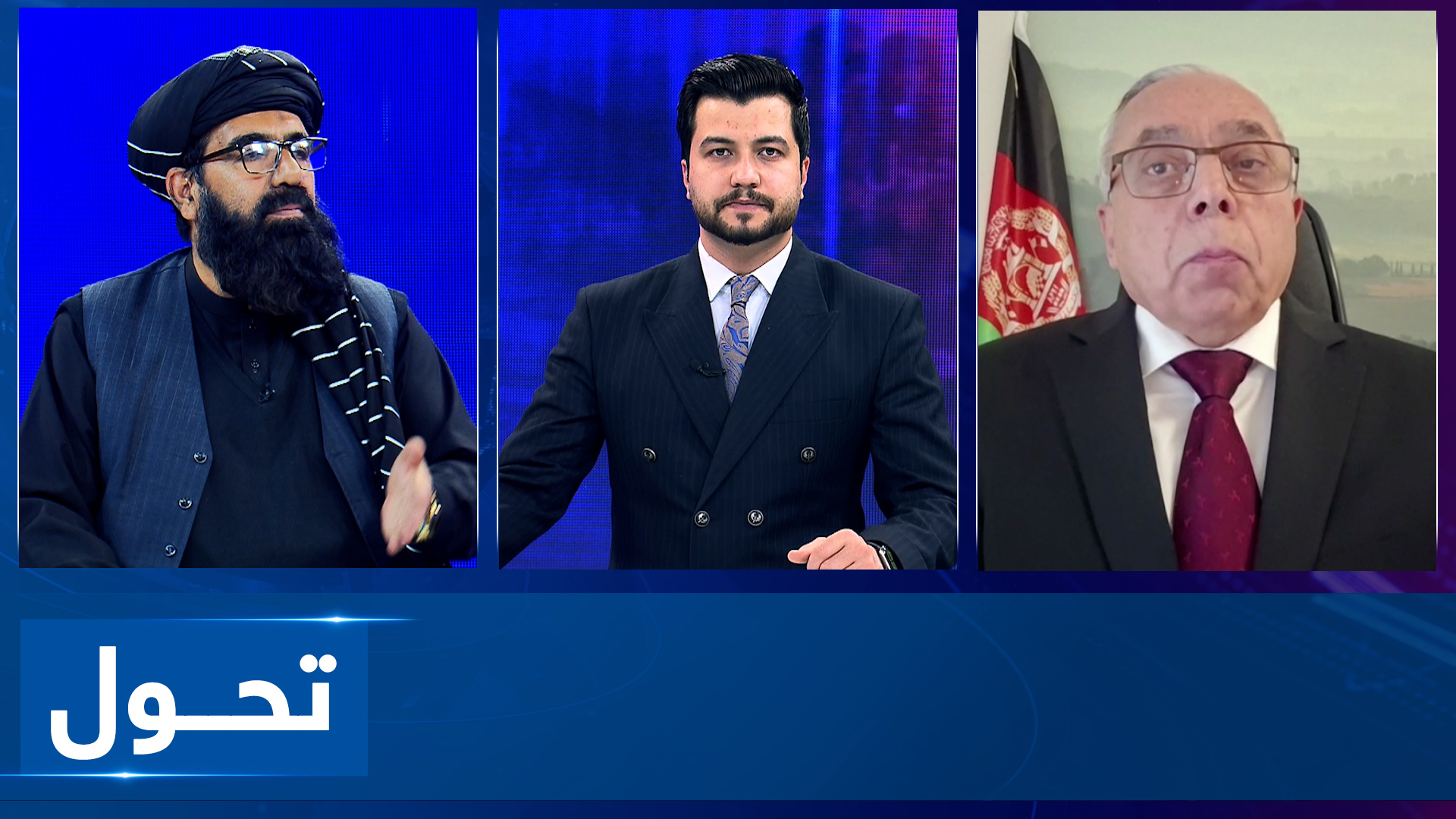
Tahawol: UK seeks to ease Kabul–Islamabad tensions
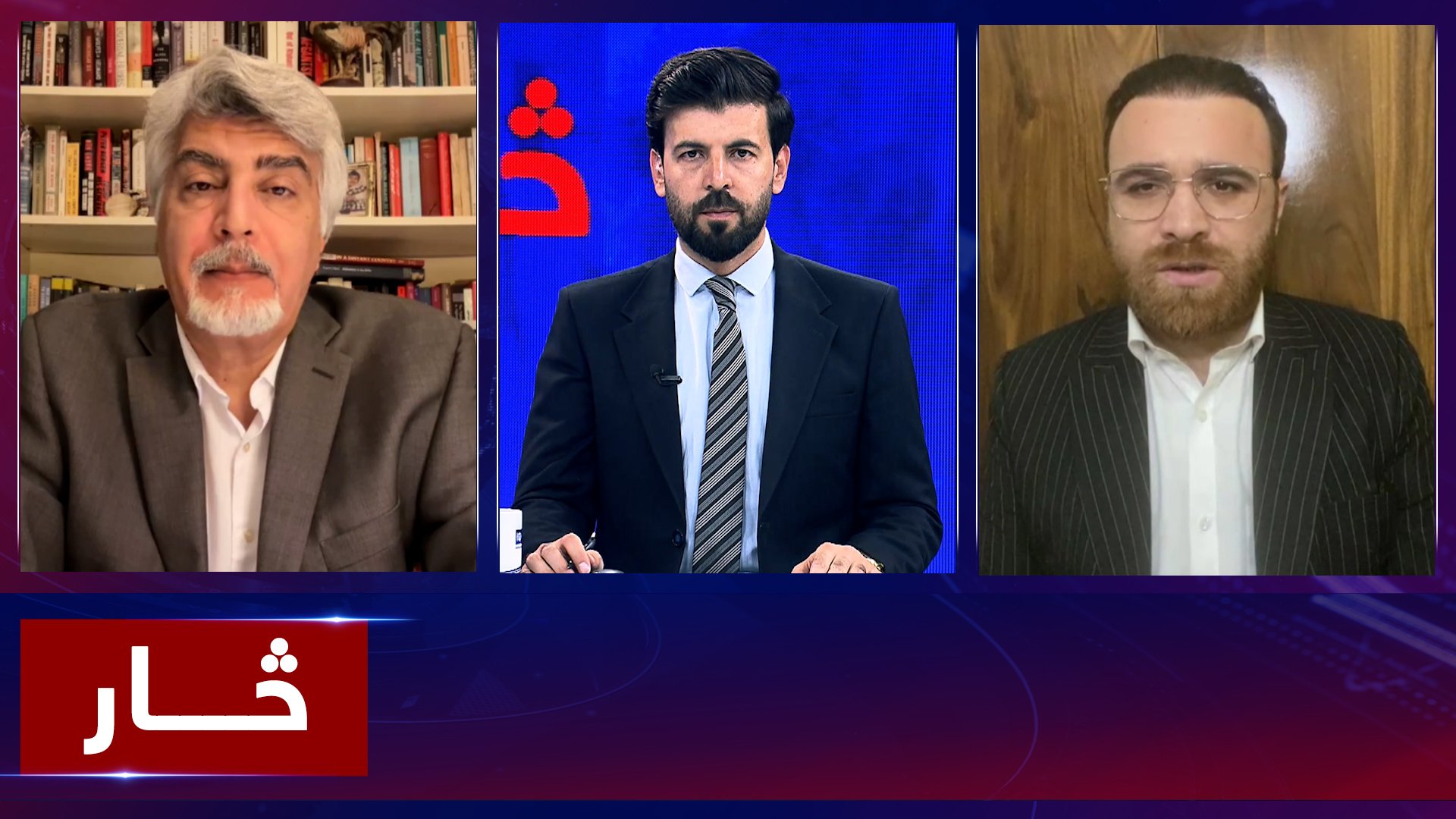
Saar: Iran–US tensions: an uncertain future
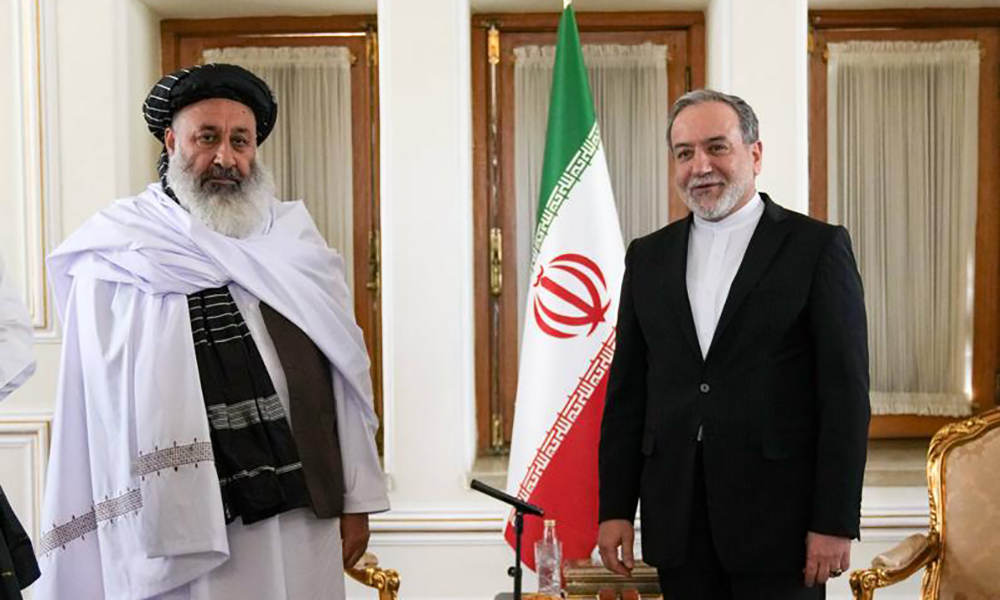
Afghanistan and Iran agree to expand trade cooperation and upgrade border infrastructure
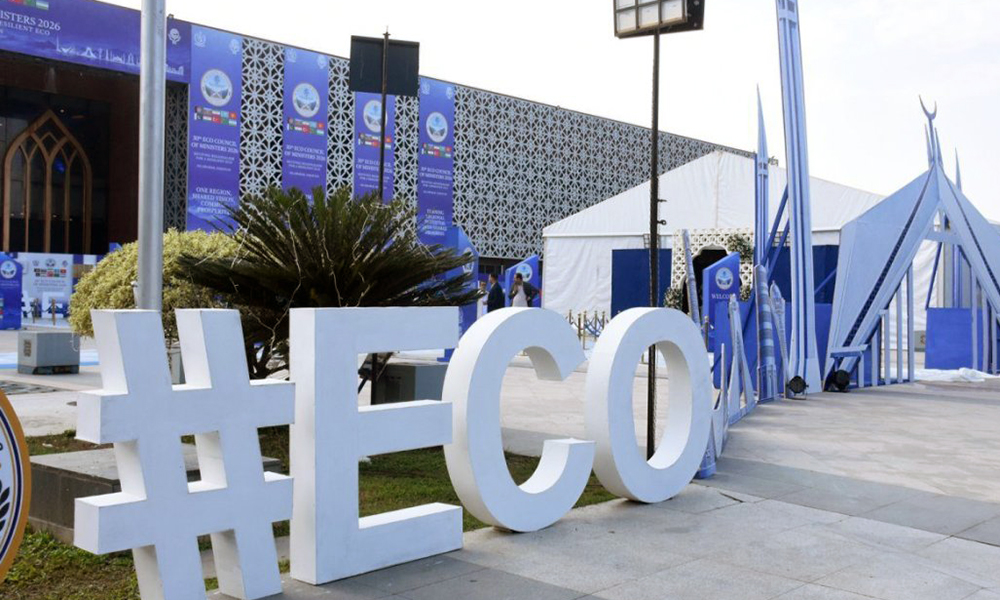
Afghanistan’s absence from ECO foreign ministers’ meeting raises questions

Afghanistan finish runners-up after 6-0 defeat to Brazil in futsal final

Trump says US may strike Iran’s ‘Pickaxe Mountain’ nuclear facility

Rubio heads to Central Asia while other US officials hit foreign policy hot spots

Violent protests spread across Europe as Albanian PM blames ‘foreign hand’

Governments take websites offline as critical cyber flaws trigger global alert
Tahawol: UK seeks to ease Kabul–Islamabad tensions
Saar: Iran–US tensions: an uncertain future
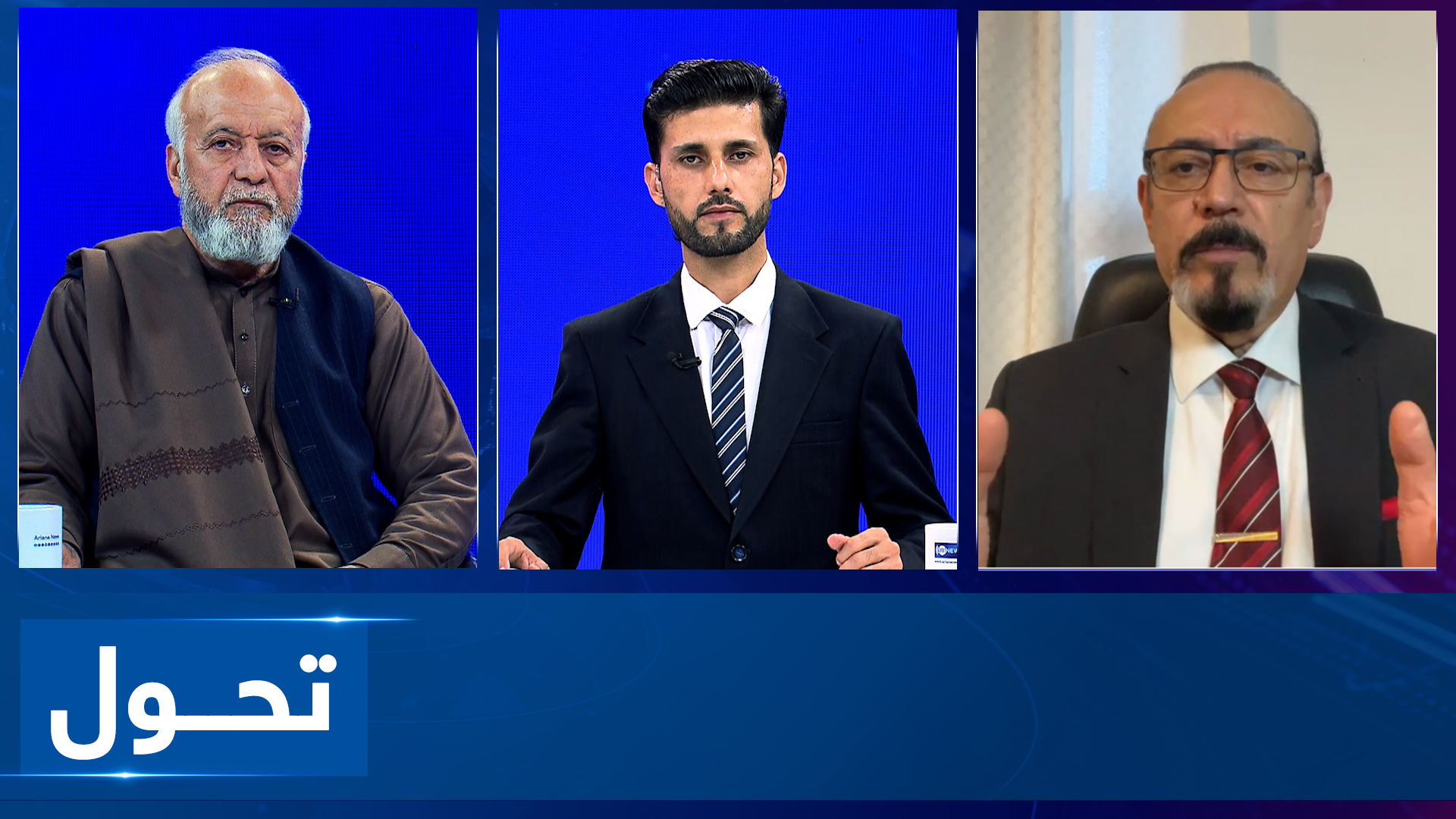
Tahawol: Concerns grow over worsening regional humanitarian crises discussed
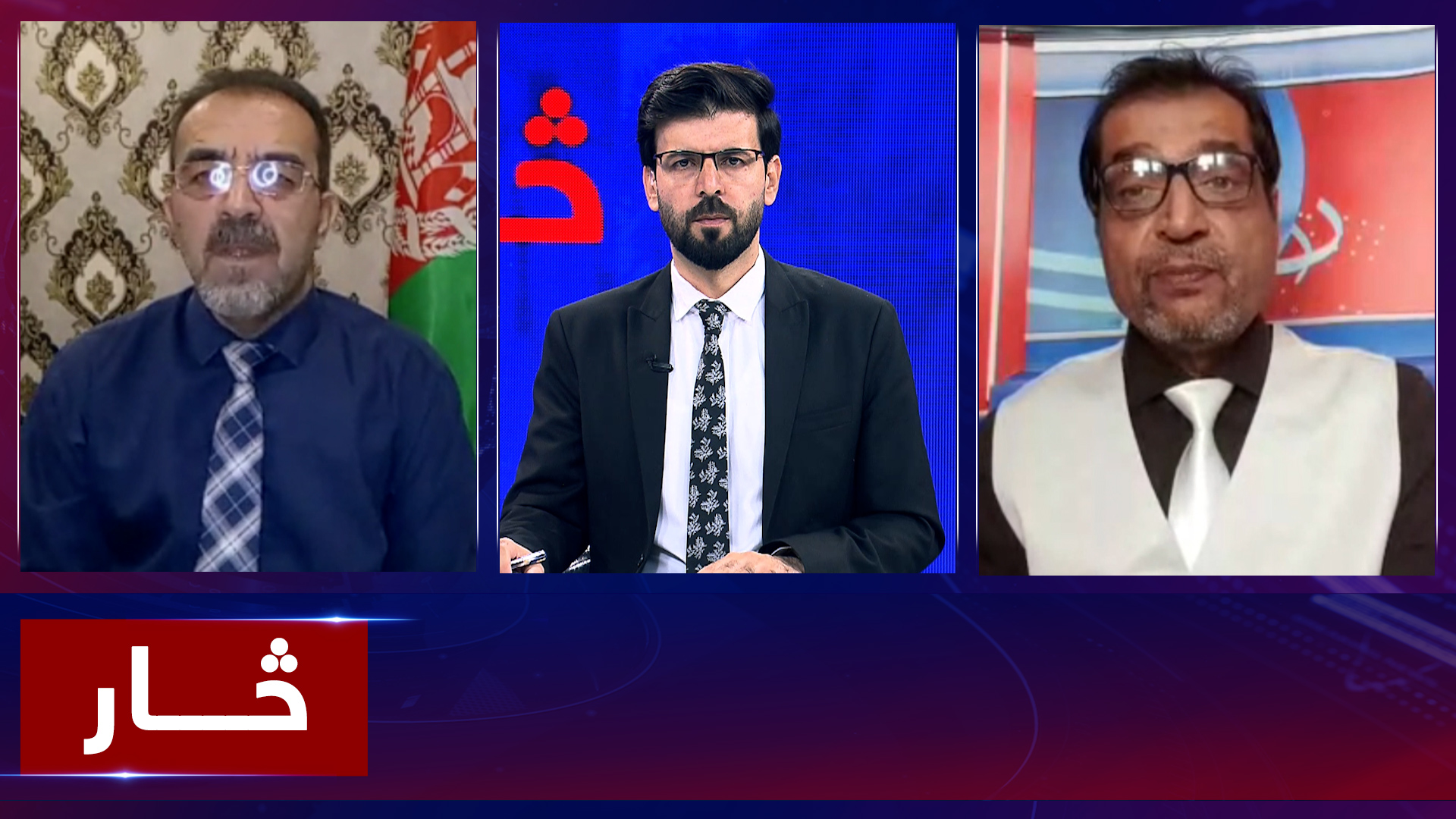
Saar: Forced deportation of Afghan refugees from Iran and Pakistan discussed
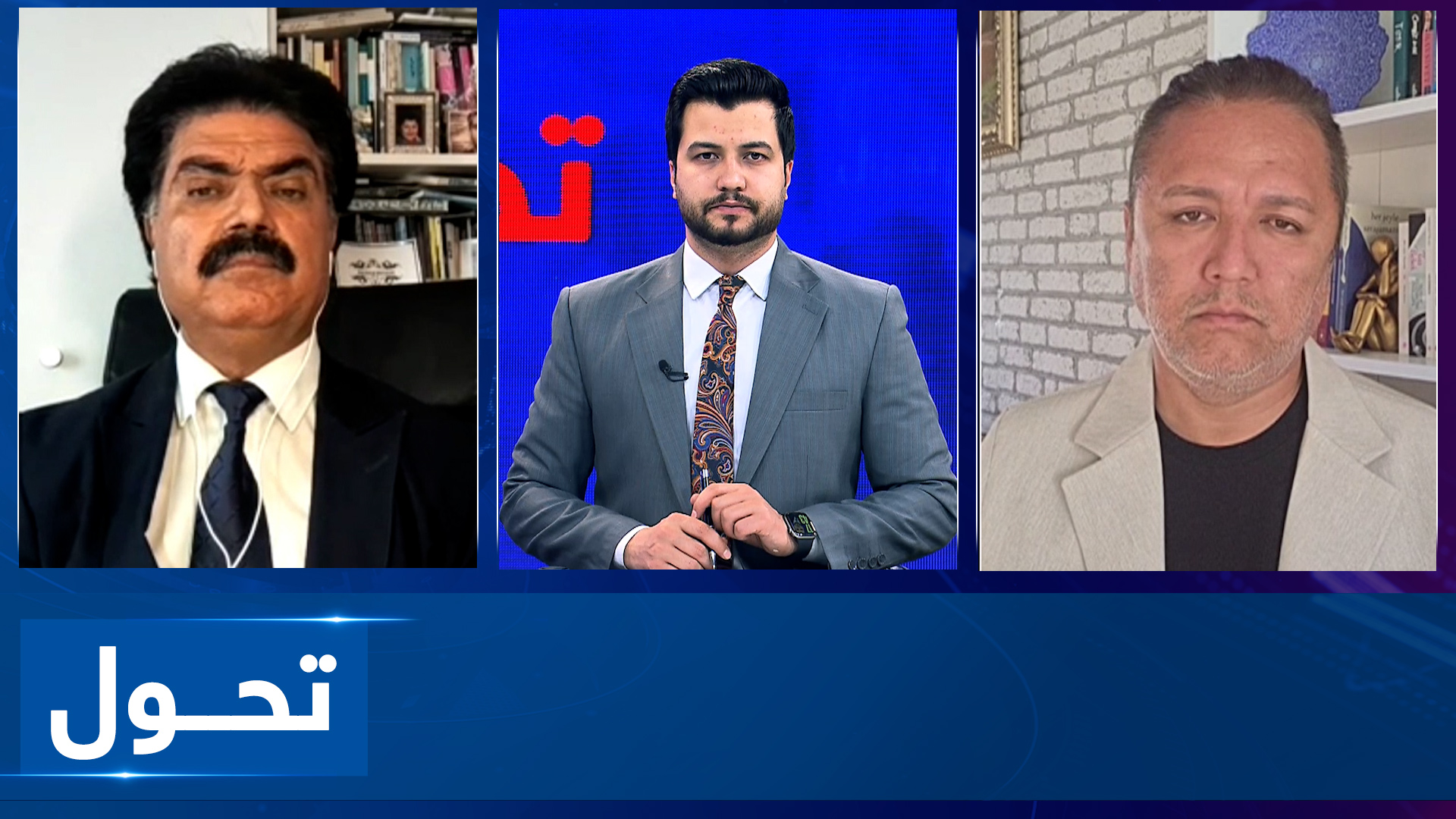
Tahawol: Russia’s special attention to situation in Afghanistan discussed
-
 Latest News5 days ago
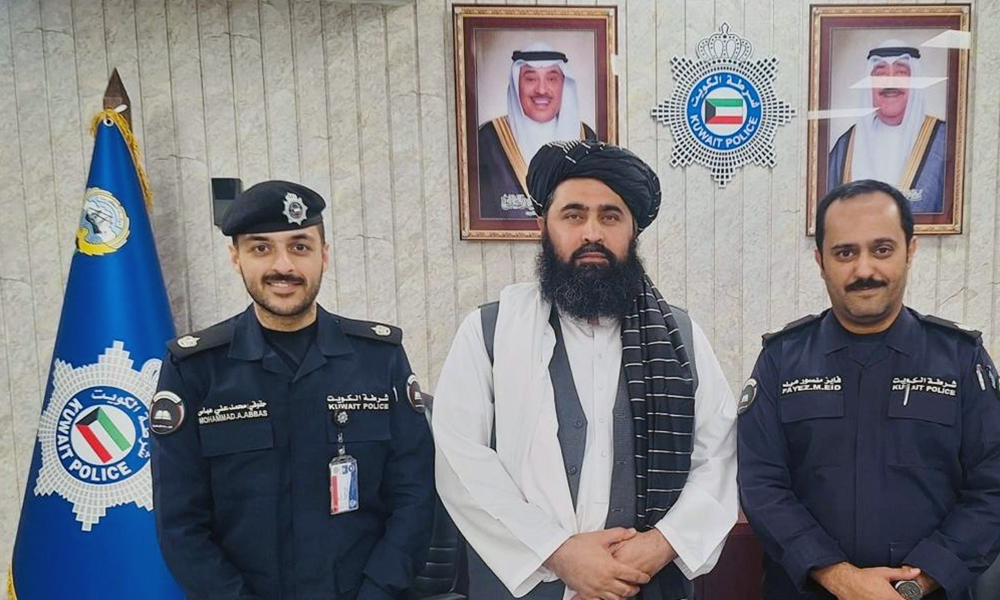
Afghan embassy in Kuwait discusses situation of Afghan prisoners with Kuwaiti officials
-
 Business5 days ago
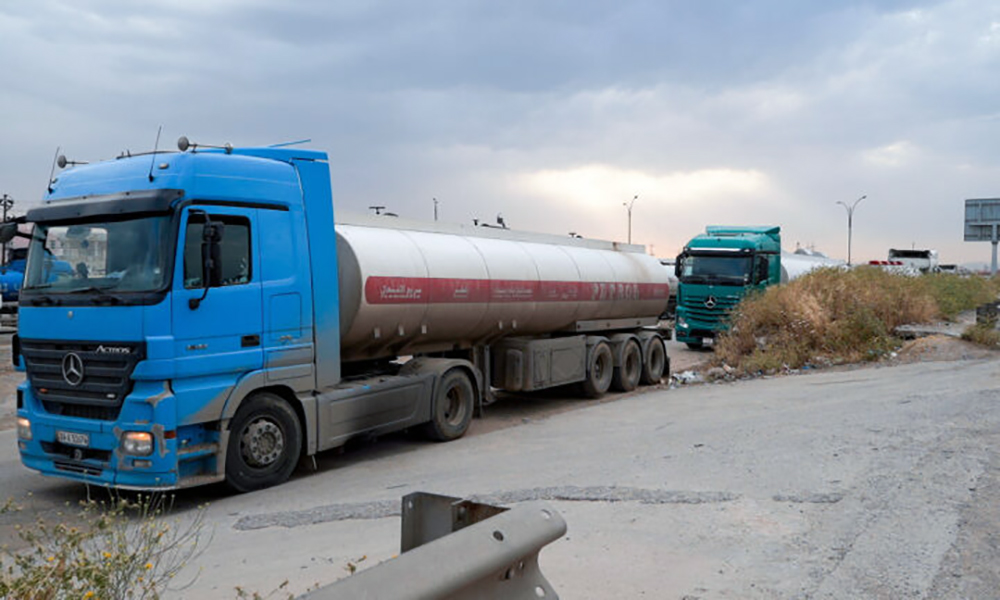
Iraqi intelligence report alleges oil smuggling network supplying Afghanistan and Turkey through Iran
-

 Latest News5 days ago
Russian deputy prime minister to visit Kabul with high-level economic delegation
-
 Latest News4 days ago
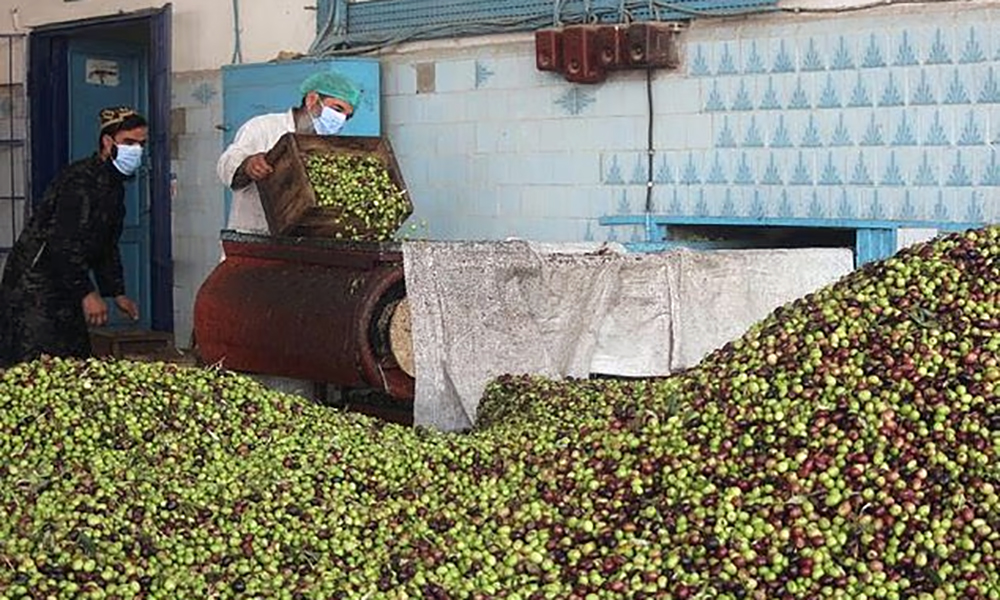
Olive farming offers new hope to Afghan farmers amid growing climate challenges
-
 Latest News5 days ago
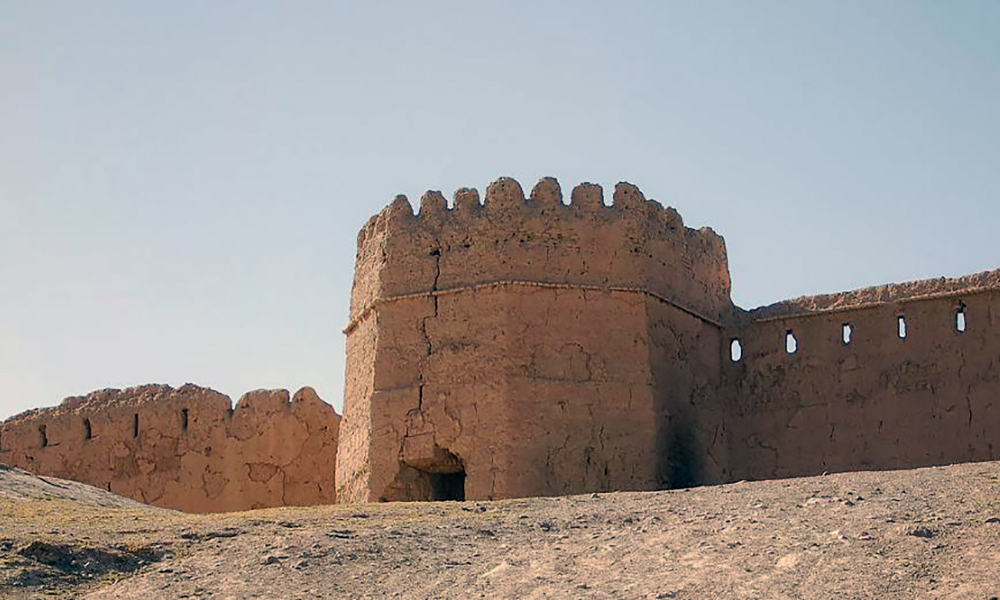
Ancient treasures unearthed at Kabul’s historic Bala Hissar
-
 Business3 days ago
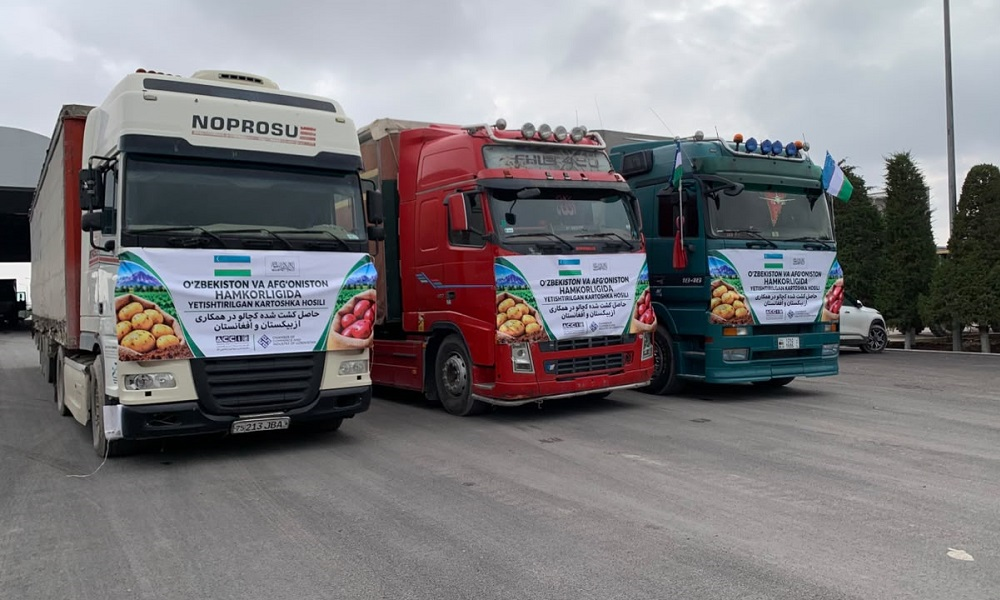
Afghanistan and Uzbekistan agree on export of 100,000 tons of Bamyan potatoes
-
 Sport5 days ago
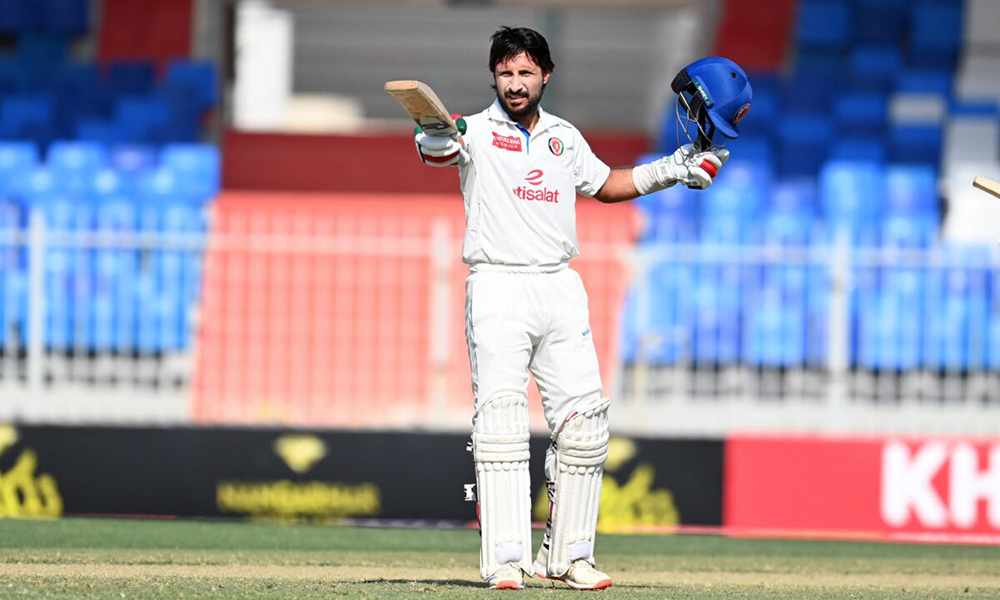
Historic first for Rahmat Shah after ICC rankings update
-
 Latest News5 days ago
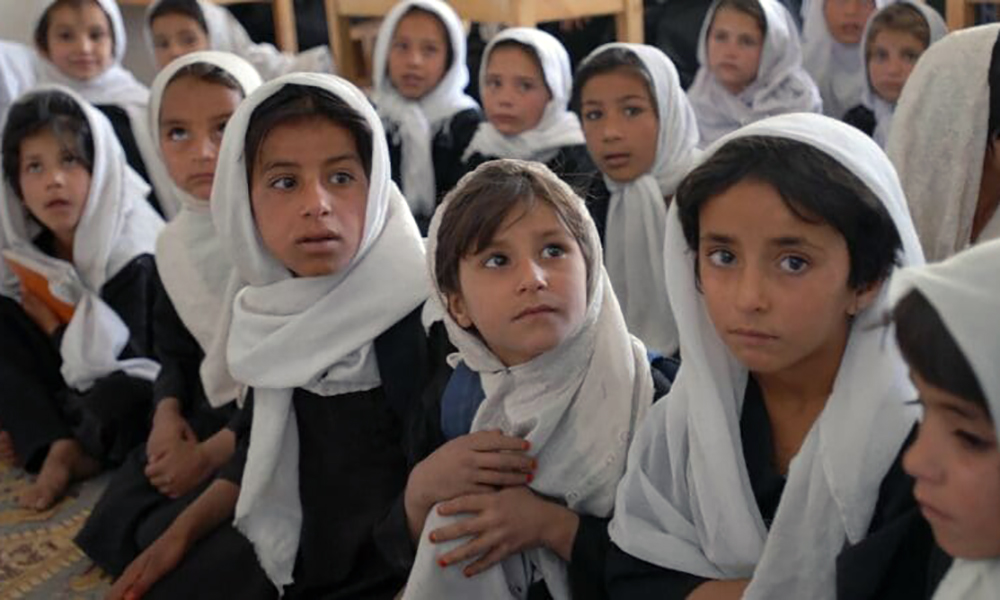
UNESCO warns Afghanistan risks losing an entire generation of professionals as girls’ education ban continues