
Latest News
UN Security Council asks for Guterres’ advice on dealing with IEA

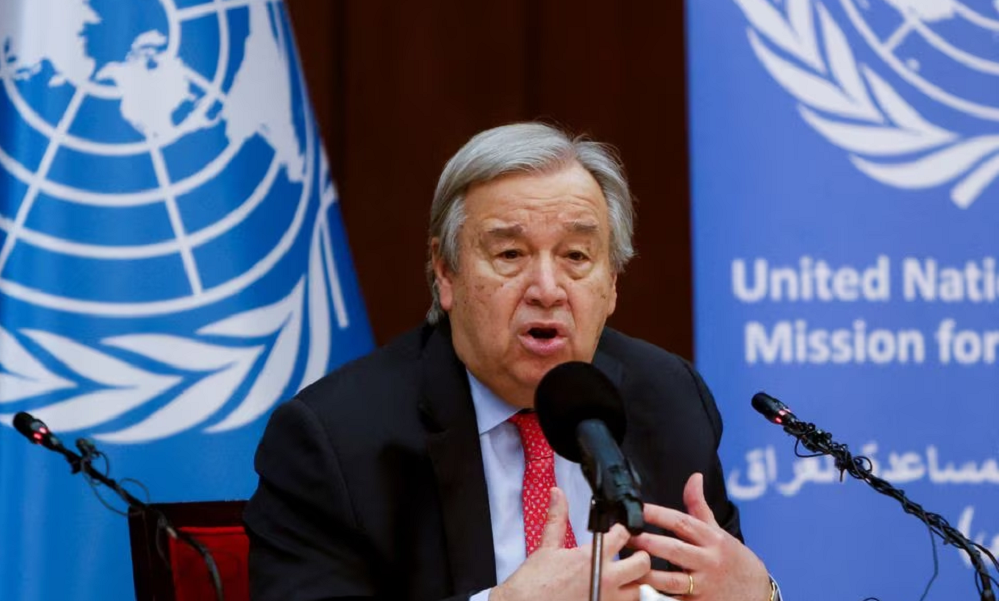
The United Nations Security Council on Thursday asked Secretary-General Antonio Guterres to provide an independent assessment on how to deal with the Islamic Emirate of Afghanistan (IEA) and combat challenges including restrictions on women and girls.
The 15-member council unanimously adopted a resolution that requires Guterres to submit a report to it in mid-November with “forward-looking recommendations for an integrated and coherent approach among relevant political, humanitarian, and development actors, within and outside of the United Nations,” Reuters reported.
IEA says it respects women’s rights in accordance with Islamic law.
IEA has banned women and girls from attending high school and university and from working in non-governmental organizations (NGOs). IEA officials, however, have repeatedly said that the education ban is not permanent.
“The council is taking a careful and measured response to a difficult crisis with outside expertise and fresh thinking and essentially saying that a business as usual approach is not sufficient to Afghanistan,” Nusseibeh told reporters.
The Security Council expressed concern in the resolution at the lack of progress made by the IEA on its expectations.
It emphasized “the importance of the full, equal and meaningful participation of women, and upholding human rights, including those of women, children, minorities, and persons in vulnerable situations.”
The United Nations has made its single-largest country aid appeal ever, asking for $4.6 billion in 2023 to deliver help in Afghanistan, where it says two-thirds of the population – some 28 million people – need it to survive.

Latest News
COP31 opens in Türkiye: World leaders urged to turn climate promises into action
The summit provides an important platform for vulnerable countries, including Afghanistan, to highlight climate-related challenges and seek greater international cooperation and support.
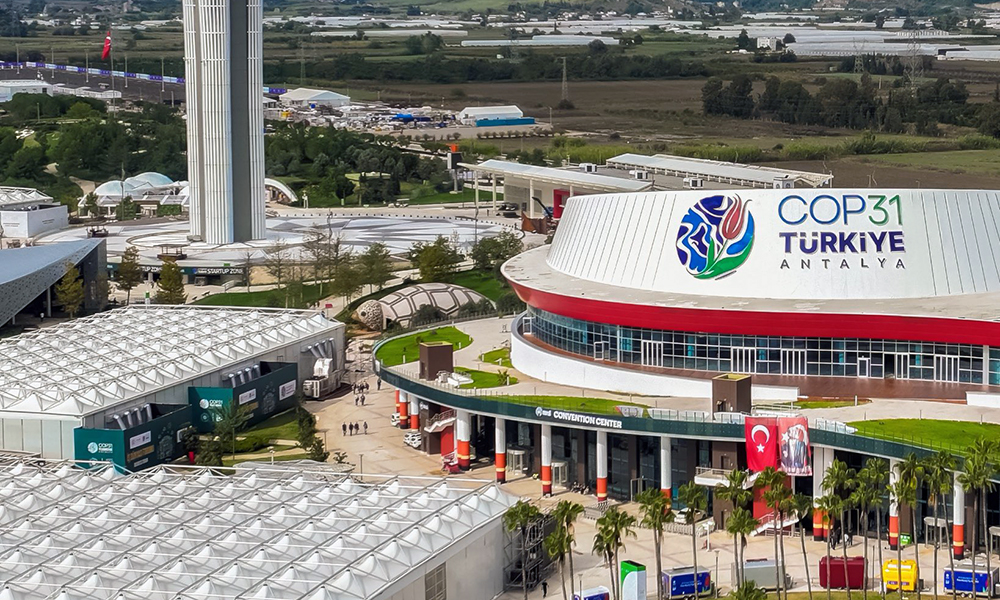
The 31st United Nations Climate Change Conference (COP31) opened in Antalya, Türkiye, on Monday, November 9, bringing together government leaders, senior officials, scientists, researchers, entrepreneurs and civil society representatives from around the world.
The two-week conference, scheduled to run until November 20, aims to strengthen international cooperation, build mutual trust and turn climate commitments into practical and measurable action.
United Nations Secretary-General António Guterres has warned that climate change poses an existential threat to humanity, urging countries to take urgent and collective action to protect human lives.
Guterres stressed that the world can no longer afford endless discussions or shifting responsibility, calling on all countries to do more to address the growing climate crisis.
Meanwhile, Turkish President Recep Tayyip Erdoğan said Türkiye wants COP31 to go beyond political declarations and produce concrete decisions that can be implemented to tackle climate challenges.
Erdoğan said more than 600 events have been planned during the conference, showcasing solutions in areas including clean energy, waste management, climate finance and climate-resilient cities.
He emphasized that the real test of the summit would be whether international commitments are translated into tangible results.
The conference comes amid growing concerns over the worldwide impacts of climate change, including prolonged droughts, devastating floods, extreme heat and unusual rainfall patterns.
Afghanistan remains among the countries highly vulnerable to climate change, despite contributing only a small share of global greenhouse gas emissions. An Afghan delegation has also been invited to participate in COP31.
The summit provides an important platform for vulnerable countries, including Afghanistan, to highlight climate-related challenges and seek greater international cooperation and support.
The first UN climate change conference, COP1, was held in Berlin, Germany, in 1995. Since then, the annual gatherings have become a major international forum for negotiating global climate policies and addressing environmental challenges.
Latest News
UNAMA chief praises Afghanistan’s push towards clean and affordable energy
She called for these initiatives to be scaled up, saying a key objective of the energy gathering was to identify ways to expand and build on successful projects already underway.
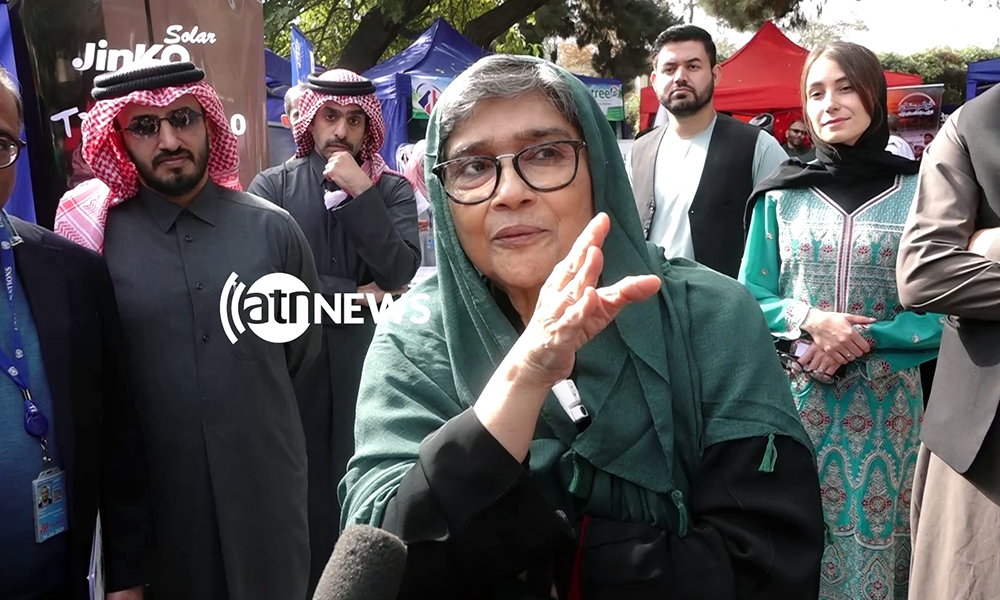
The head of the United Nations Assistance Mission in Afghanistan (UNAMA), Rabab Fatima, has praised Afghanistan’s efforts to expand access to clean and affordable energy, highlighting the role of local entrepreneurs, manufacturers and international partners.
Speaking during a tour of exhibitors at Afghanistan Energy Week 2026, held under the theme “Development Through Energy”, Fatima commended the Afghanistan Chamber of Commerce and Industries (ACCI), the UN Development Programme (UNDP) and the wider UN family for bringing together Afghan and international stakeholders.
She said the event provided an important platform for public institutions, financial institutions, businesses and development partners to discuss practical solutions for advancing the country’s energy sector.
Fatima also welcomed the participation of Afghan women entrepreneurs working to promote clean and affordable energy, as well as the growing presence of local distributors, producers and manufacturers of solar panels and other green energy technologies.
“I was particularly pleased to see the Afghan women, entrepreneurs here who are doing their bit in advancing clean and affordable energy,” she said.
She described the exhibition as an encouraging start to Afghanistan’s transition towards more affordable and sustainable energy, stressing the need to expand successful initiatives.
Referring to recent visits to Bamiyan and Jalalabad, Fatima said she had seen promising solar energy projects being used by government institutions and UN agencies to support programmes in healthcare, markets and agriculture.
She called for these initiatives to be scaled up, saying a key objective of the energy gathering was to identify ways to expand and build on successful projects already underway.
“The purpose and objective of this meeting here is to see how we can scale up many of the good initiatives that we see here today,” she said.
Fatima expressed confidence that Afghanistan Energy Week would not be the last such event, emphasising the importance of continued cooperation to advance the country’s clean energy ambitions.
Latest News
OIC and UNICEF discuss expanding humanitarian and development cooperation in Afghanistan
According to the OIC Kabul Mission, the meeting took place at their office in Kabul on Sunday, November 8, 2026.
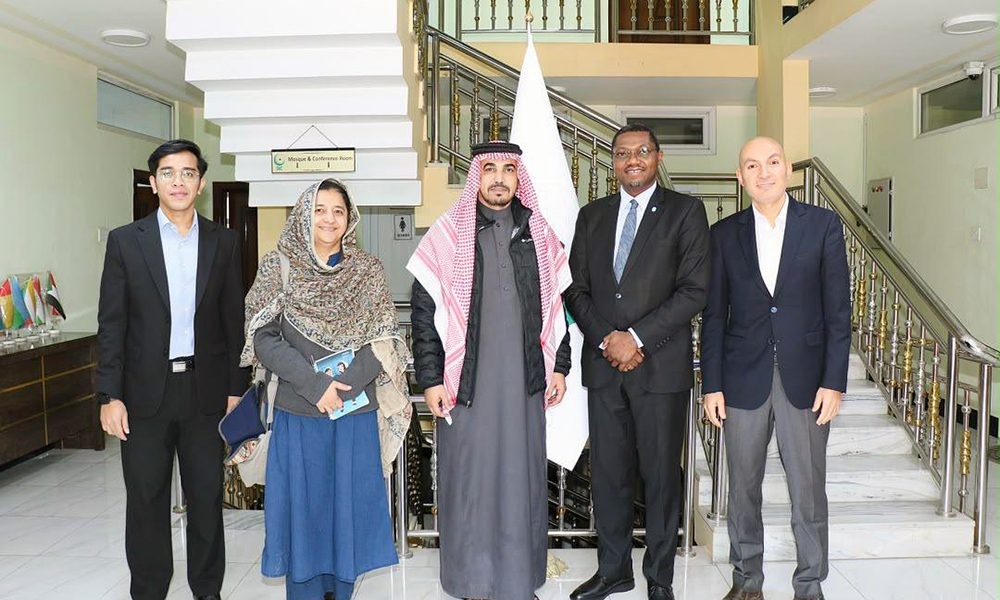
The Director General of the Organisation of Islamic Cooperation (OIC) Mission in Kabul, Ambassador Dr. Mohammed Saeed Alayyash, has met with UNICEF Representative in Afghanistan, Tajudeen Oyewale, to discuss humanitarian and development cooperation.
According to the OIC Kabul Mission, the meeting took place at their office in Kabul on Sunday, November 8, 2026.
During the meeting, both sides exchanged views on issues of mutual interest and discussed areas of shared concern.
The discussions also highlighted the importance of maintaining engagement and strengthening cooperation between the OIC and UNICEF in addressing Afghanistan’s humanitarian needs and development priorities.
The meeting reflects continued engagement between international organisations working on humanitarian and development issues in Afghanistan.

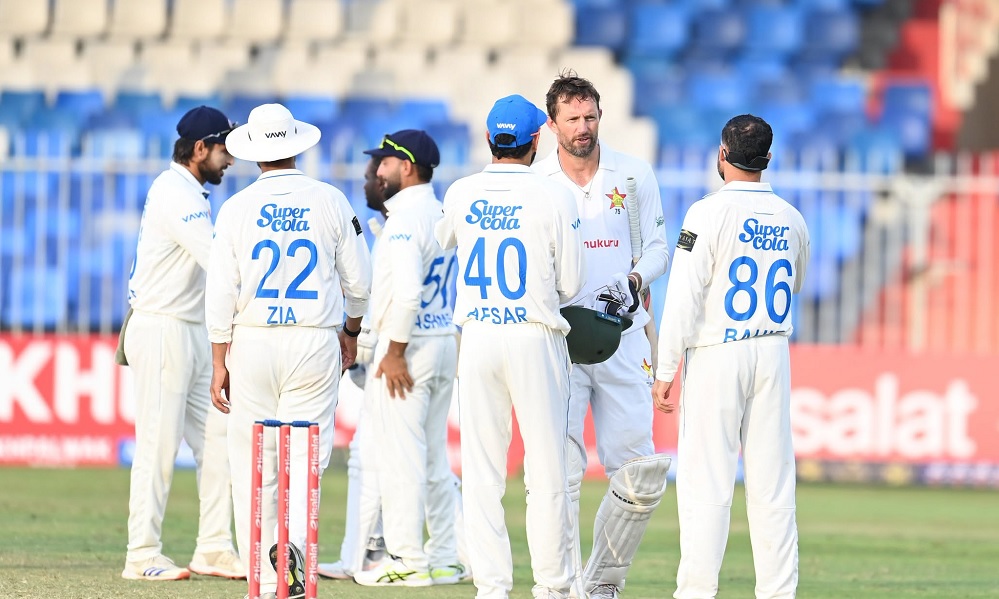
First Test between Afghanistan and Zimbabwe ends in a draw
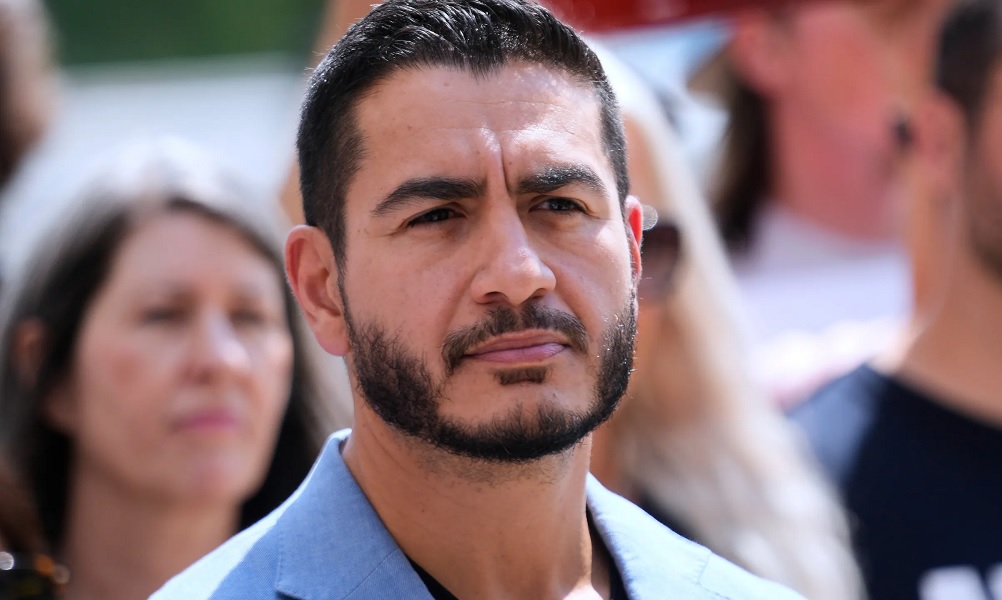
First Muslim US senator-elect El-Sayed calls for review of aid to Pakistan

Portugal beat Afghanistan 2-0 in Dakar Youth Olympics futsal semi-finals
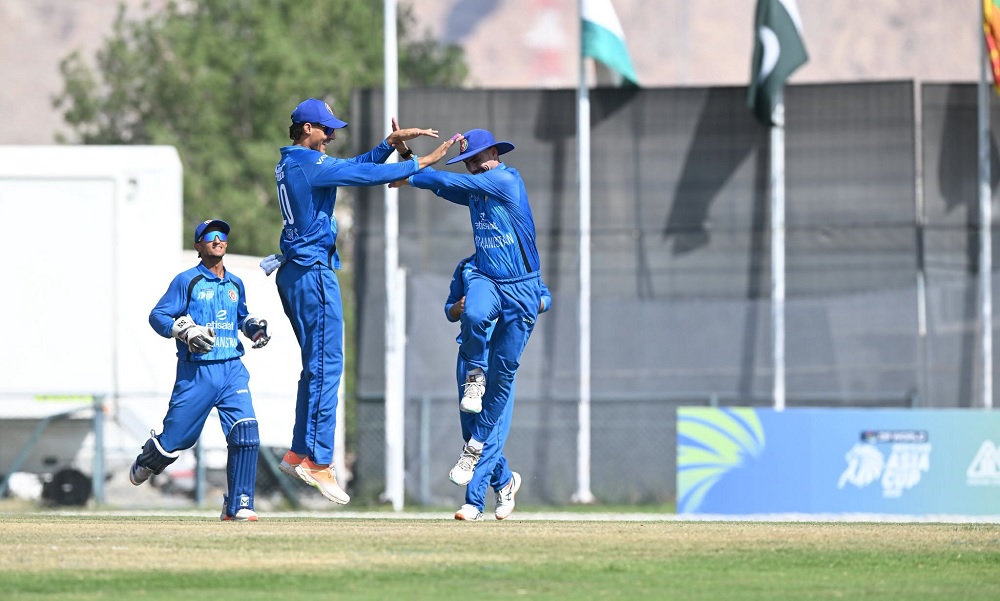
Afghanistan beat Sri Lanka by 106 runs in Under-19s Asia Cup
COP31 opens in Türkiye: World leaders urged to turn climate promises into action

Afghanistan finish runners-up after 6-0 defeat to Brazil in futsal final

Trump says US may strike Iran’s ‘Pickaxe Mountain’ nuclear facility

Afghan futsal coach: Brazil tournament is first step towards new goals and World Cup

Houthis warn airlines to avoid Saudi airports after deadly Riyadh attack

Pakistan deploys military to Peshawar after emergency rule declared
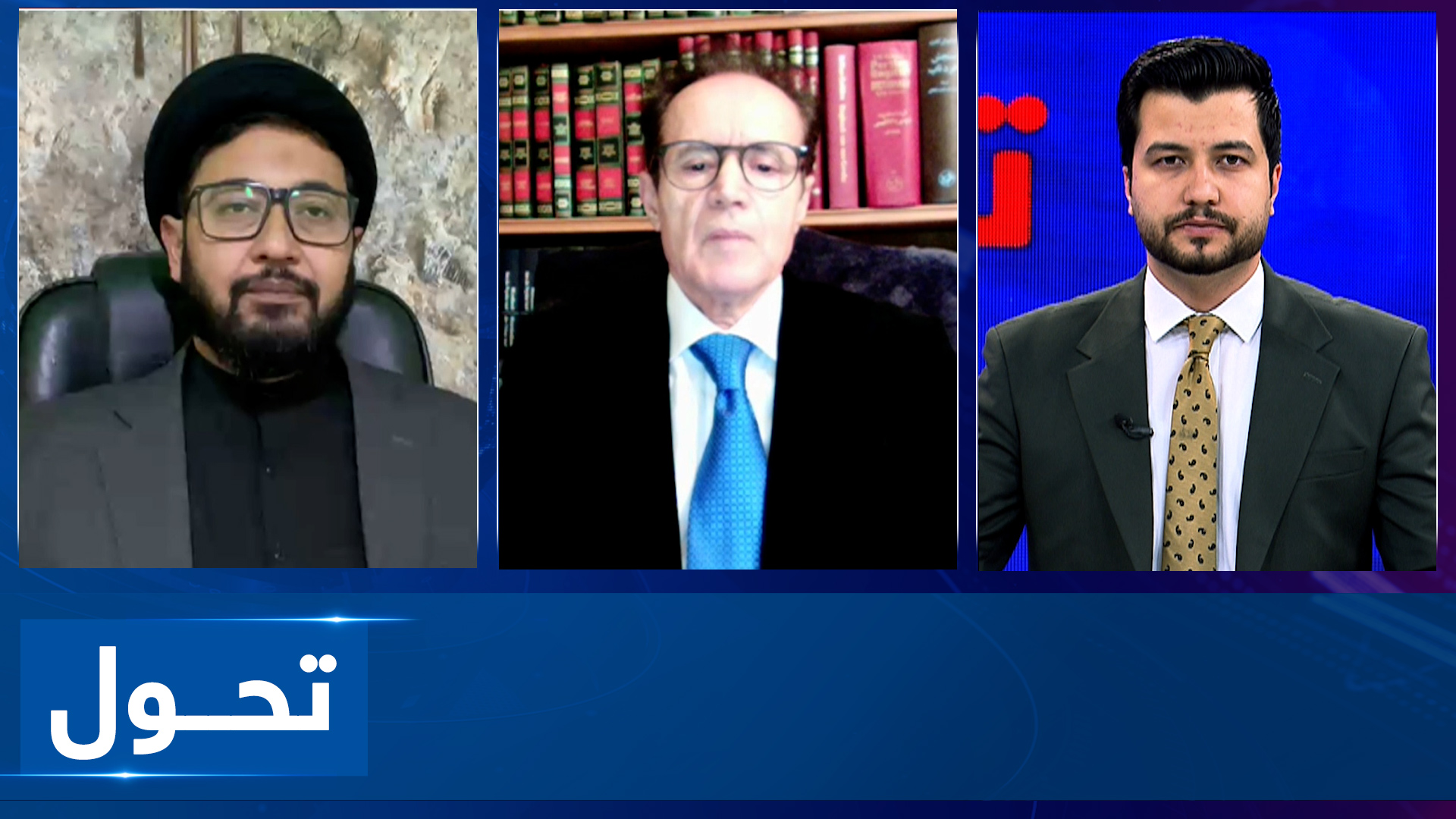
Tahawol: Geopolitical developments in the Middle East
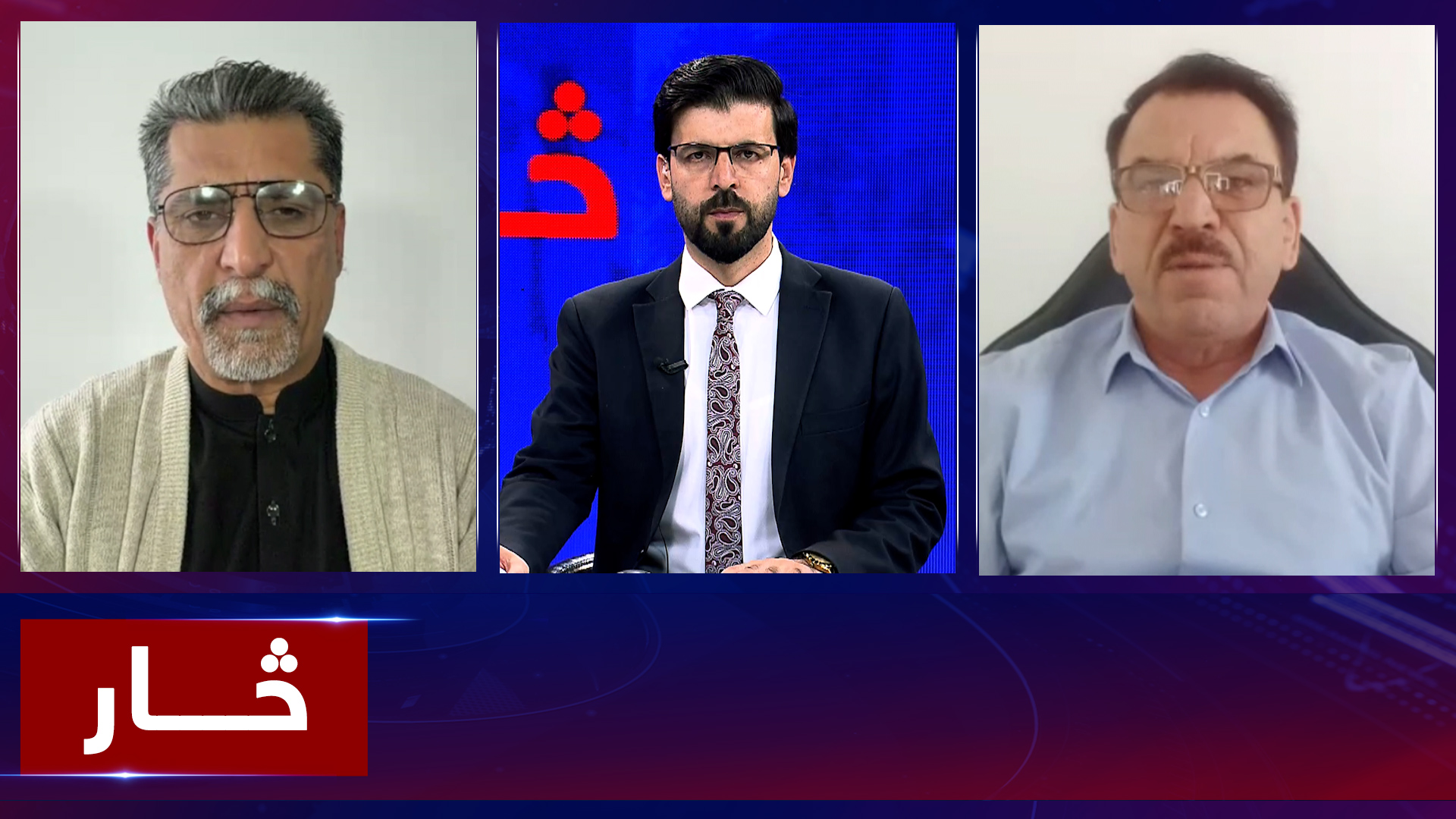
Saar: EU’s engagement with Afghanistan
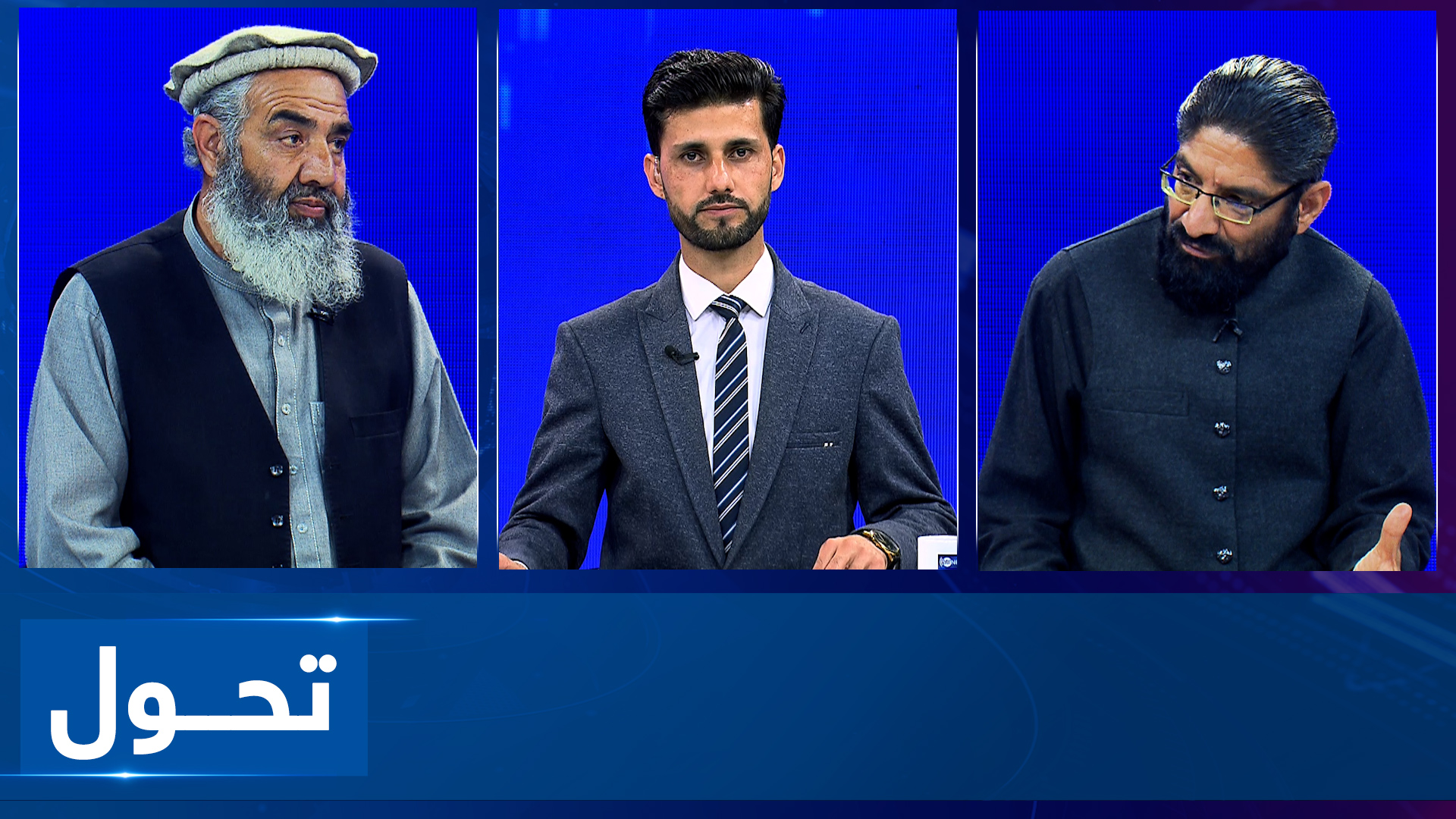
Tahawol: Afghanistan’s participation in Shanghai Plus security meeting discussed
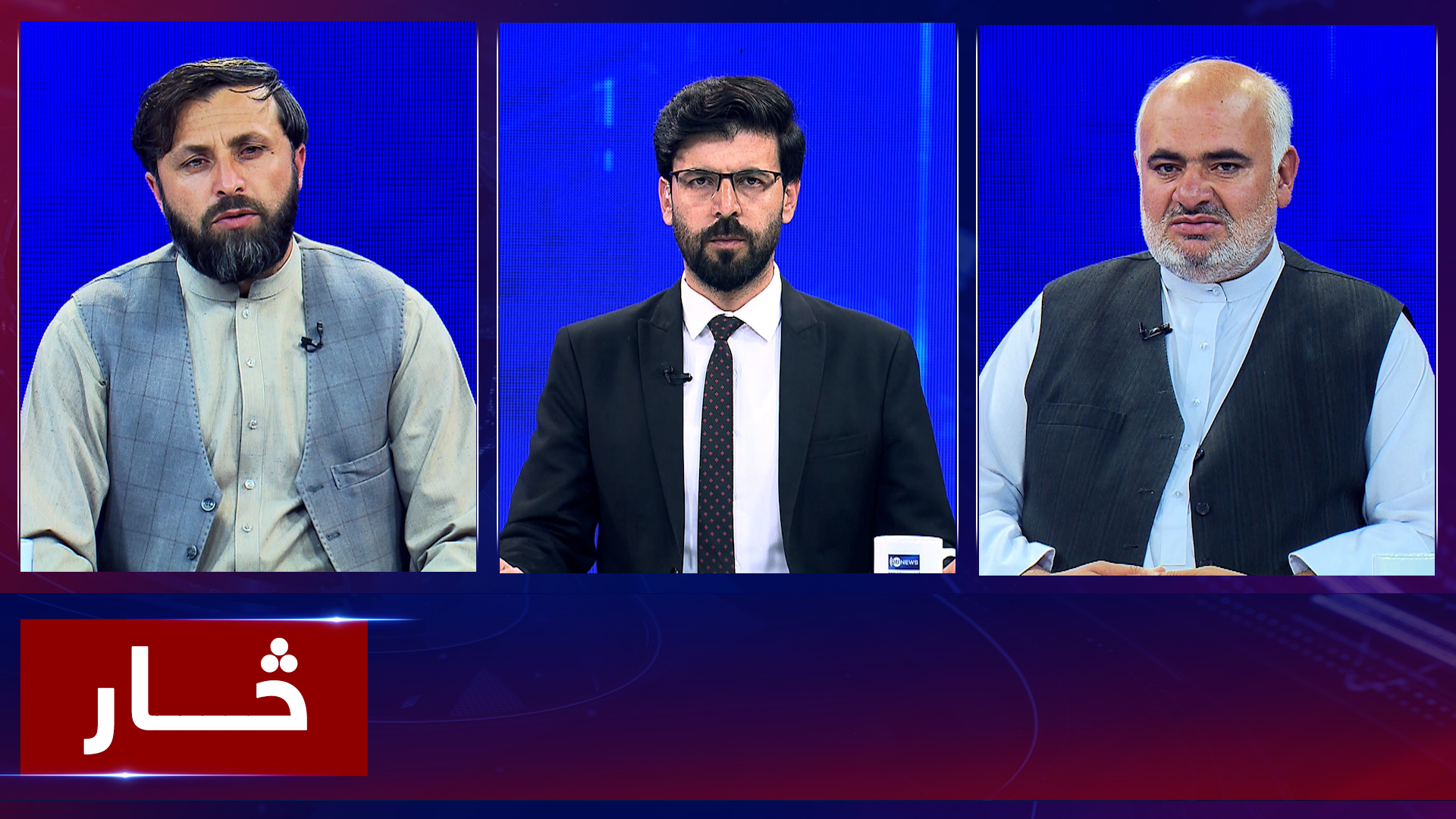
Saar: Afghanistan’s declining humanitarian aid funding discussed
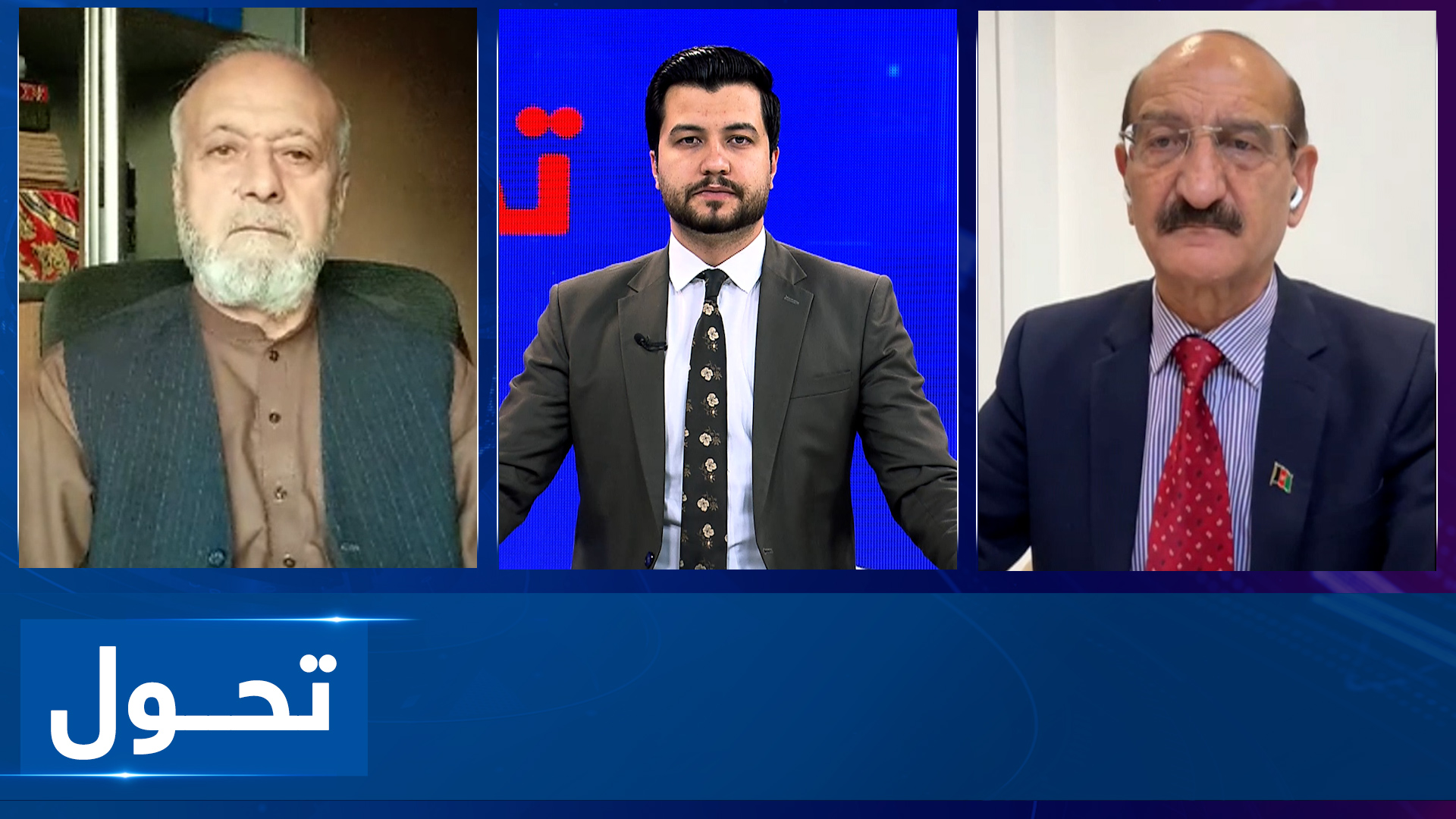
Tahawol: Calls for stronger joint action against terrorism discussed
-
 Sport5 days ago
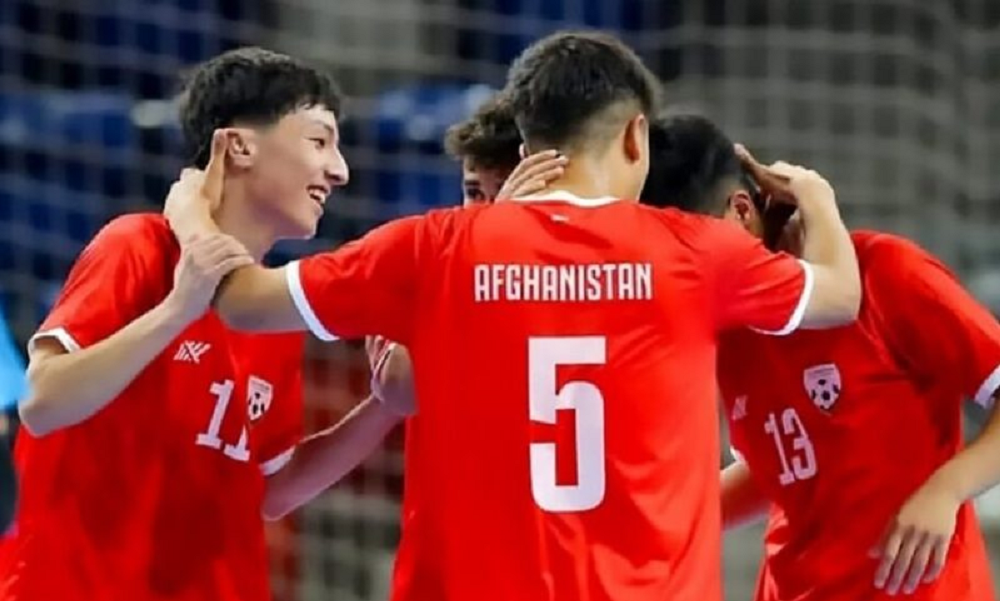
Afghanistan suffer narrow defeat against Argentina at Dakar Youth Olympics
-

 International Sports5 days ago
Cristiano Ronaldo announces international retirement
-
 Regional5 days ago
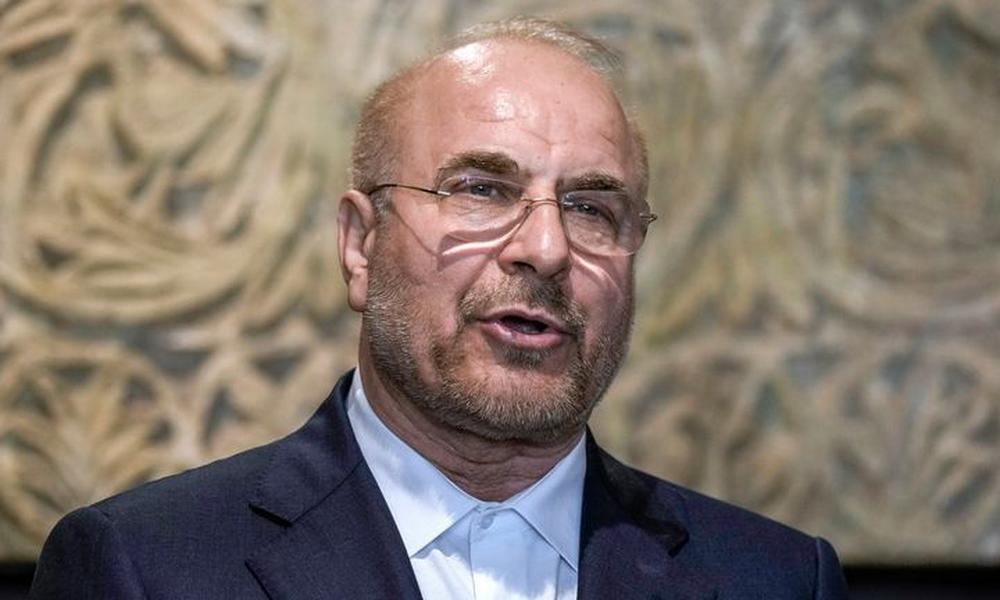
Iran says US voted ‘No to War’ after Republican midterm losses
-
 Regional5 days ago
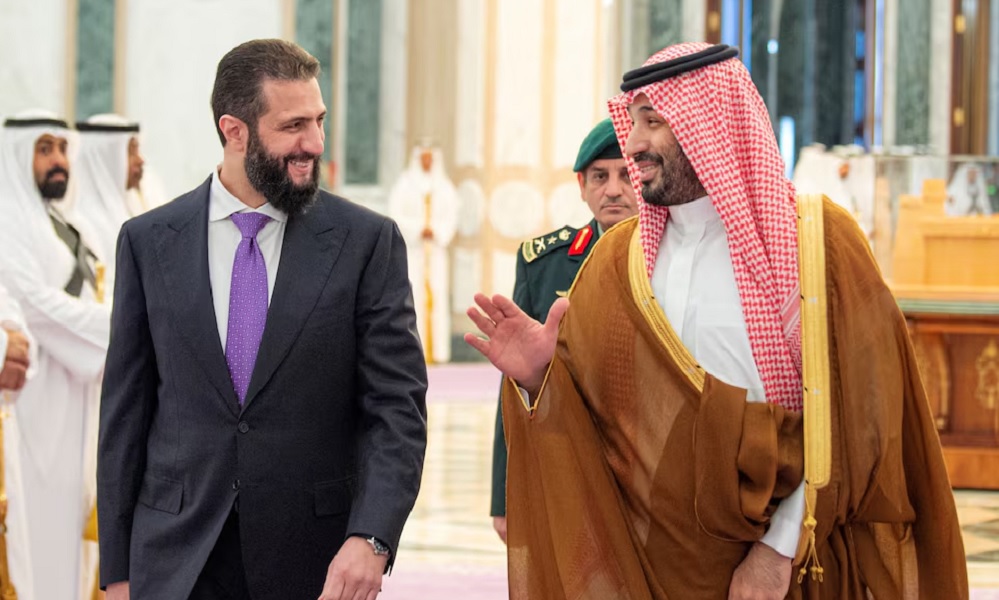
Saudi, Syrian defence ministries sign cooperation agreement
-
 World5 days ago
White House declares ‘Trump is still your president’ after Republicans suffer sweeping midterm defeats
-
 Latest News5 days ago
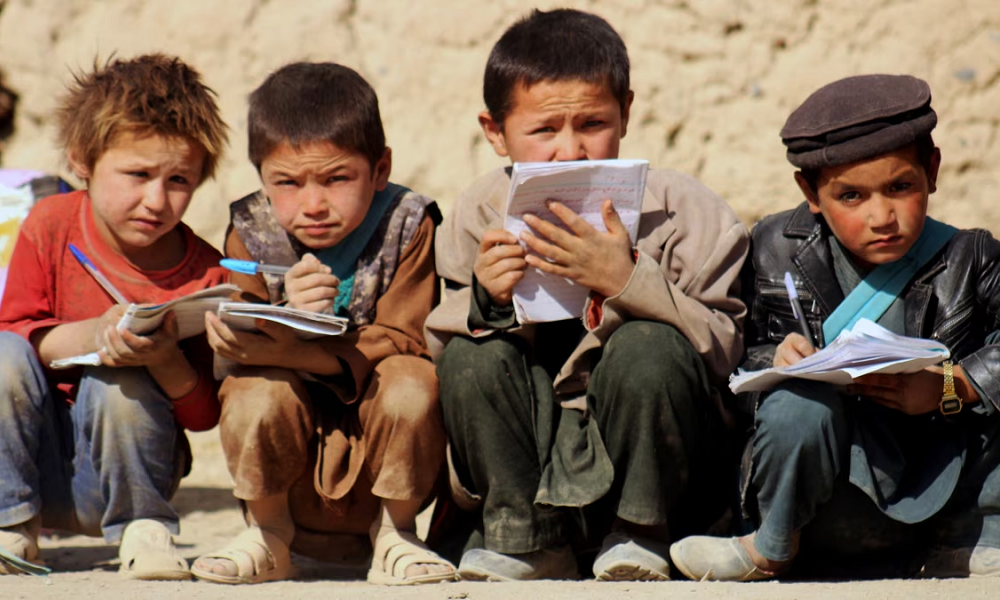
More than half of Afghan primary school-age children out of school: UN report
-
 Regional4 days ago
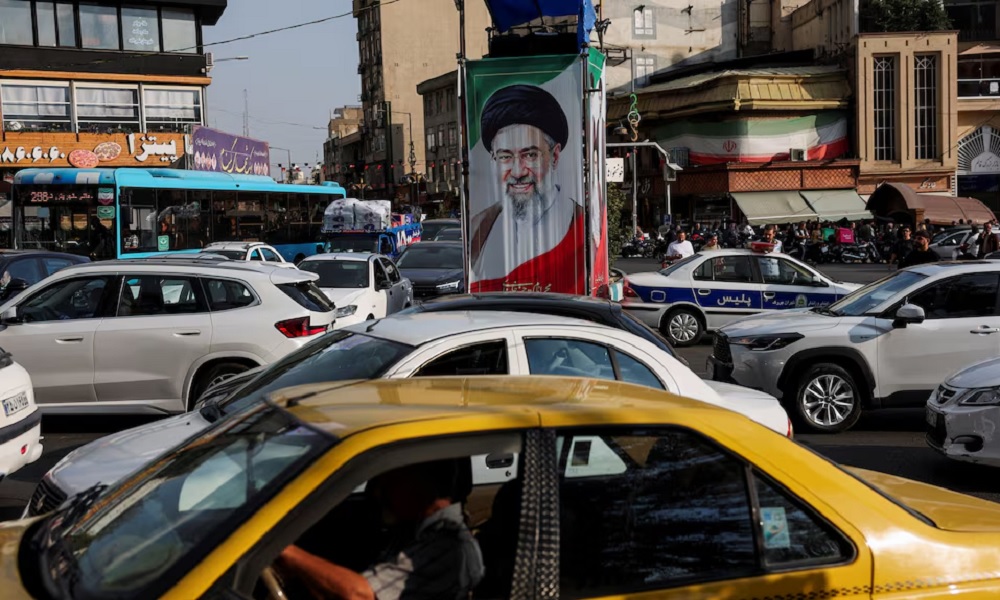
Iran sent nuclear proposal to the US via Qatar, senior Iranian official tells Reuters
-
 Sport3 days ago
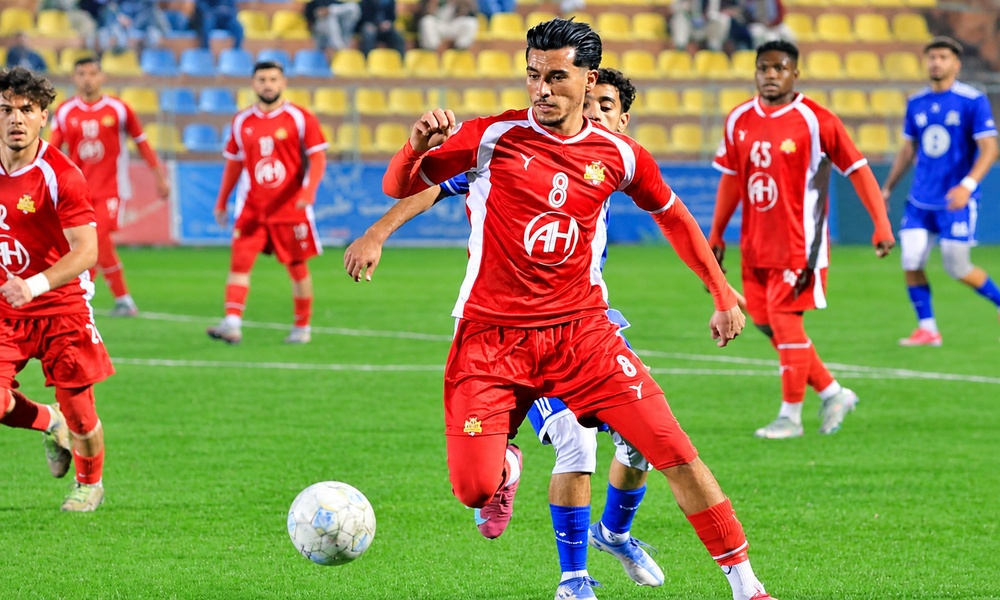
Abu Muslim Farah claim convincing 3-0 win over Omar Zawak in ACL