
Latest News
World Bank predicts Afghan economic growth 3.3% this year

 Afghanistan’s economy grew by an estimated 2.9 percent in 2019, driven mainly by strong agricultural growth following recovery from drought, but lingering political uncertainty dampens private confidence and investment, says the World Bank.
Released today, “Navigating a Sea of Uncertainty”, the latest edition of the twice-a-year Afghanistan Development Update examines recent key economic developments and focuses on the impacts of current uncertainties around the outcome of the September 2019 presidential election, levels of future international civilian and security support, and the prospect of a peace agreement with the Taliban. The Update also includes a special topic reflecting on achievement of development outcomes since 2001.
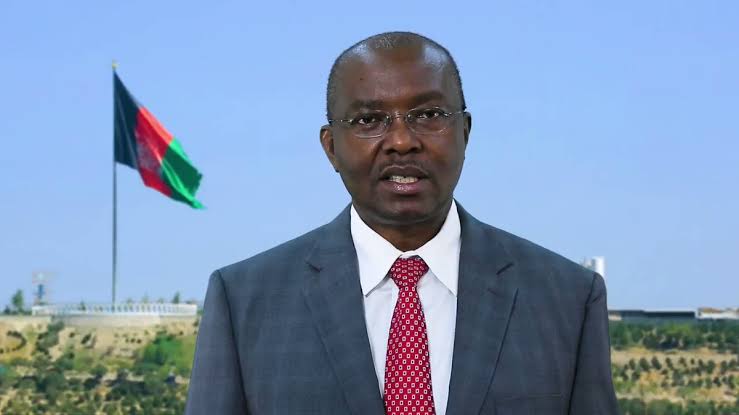
“Growth picked up in Afghanistan in 2019. This is good news, but insecurity and political uncertainty are holding back the Afghan economy,” said World Bank Country Director for Afghanistan Henry Kerali. “Afghanistan needs to ramp up the pace of reforms to generate faster growth necessary to improve the living standards of its people and reduce poverty.”
The report notes that as drought impacts further recede and private sector confidence improves following the conclusion of the presidential election, growth is expected to accelerate to 3.3 percent in 2020. Over the medium-term, growth is projected to hover around 4 percent provided that the security situation does not further deteriorate and that international aid support continues. Growth prospects are subject to other significant downside risks, including further political instability, unexpected cuts in foreign aid, and adverse regional developments.
 Domestic revenue collection reached a new high of 14.5 percent of GDP in 2019, up from 13.3 percent in 2018. Strong revenue performance reflected both progress in establishing a robust tax system and substantial one-off revenues, including transfers from the Da Afghanistan Bank.
The potential for much-faster growth exists but remains dependent on continued support from the international community and the Afghan government’s commitment to pushing business environment and anti-corruption reforms, the report says.
“The international community needs to maintain its support to Afghanistan over the medium-term to sustain the country’s recent development progress and help realize its long-term growth and self-reliance prospects. In this effort, the Afghan government needs to assure its international partners that progress is being made on governance and that aid resources are used efficiently,” said Kerali.
To improve confidence in the short-term, the Development Update notes the need for Government to accelerate improvements in the business environment and anti-corruption reforms.

Latest News
ANP leader calls for reopening of Afghanistan-Pakistan trade routes
Khan said residents of frontier communities had the right to trade and travel, urging Pakistani authorities to take practical measures to restore cross-frontier movement.
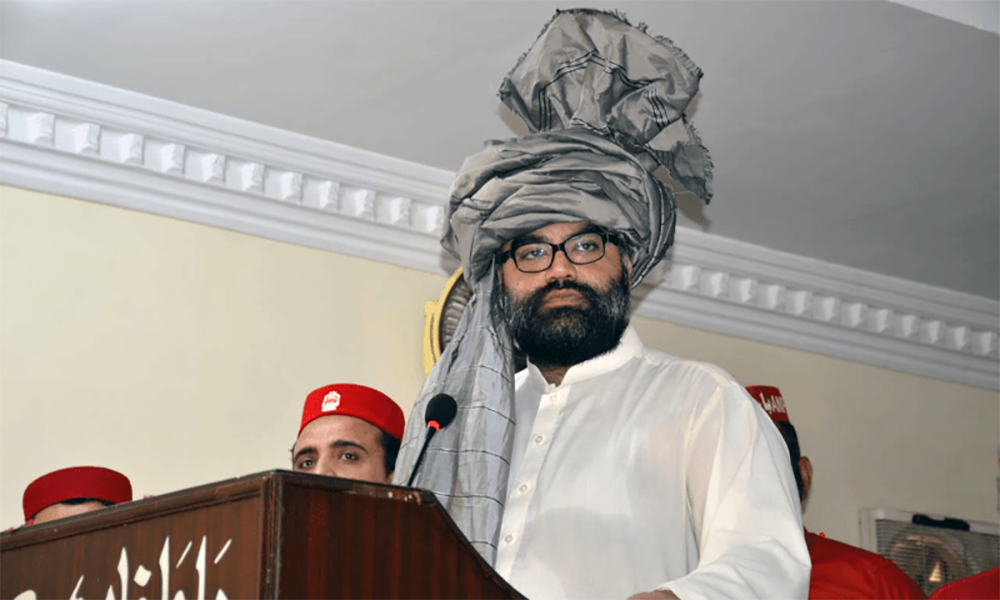
Aimal Wali Khan, a senior leader of Pakistan’s Awami National Party (ANP), has called for the immediate reopening of trade and travel crossings between Afghanistan and Pakistan, warning that their continued closure is causing serious economic hardship for communities on both sides of the Durand Line.
Speaking at a party-organized public gathering in Chaman, Balochistan, Khan said the closure of crossings had severely affected traders and the livelihoods of residents in frontier regions.
He called for the reopening of routes connecting Pashtun areas, including Chaman, Bajaur, Mohmand, Waziristan and Chitral, stressing that people’s economic opportunities should not be held hostage to political disputes.
Khan said residents of frontier communities had the right to trade and travel, urging Pakistani authorities to take practical measures to restore cross-frontier movement.
He warned that prolonged closures were deepening economic difficulties for local populations and called for a resolution that takes into account the interests and livelihoods of communities on both sides of the Durand Line.
Latest News
SNEAKO claims US authorities questioned him for eight hours after Afghanistan visit
During his stay in Kabul, the streamer met several Islamic Emirate officials, including Anas Haqqani.
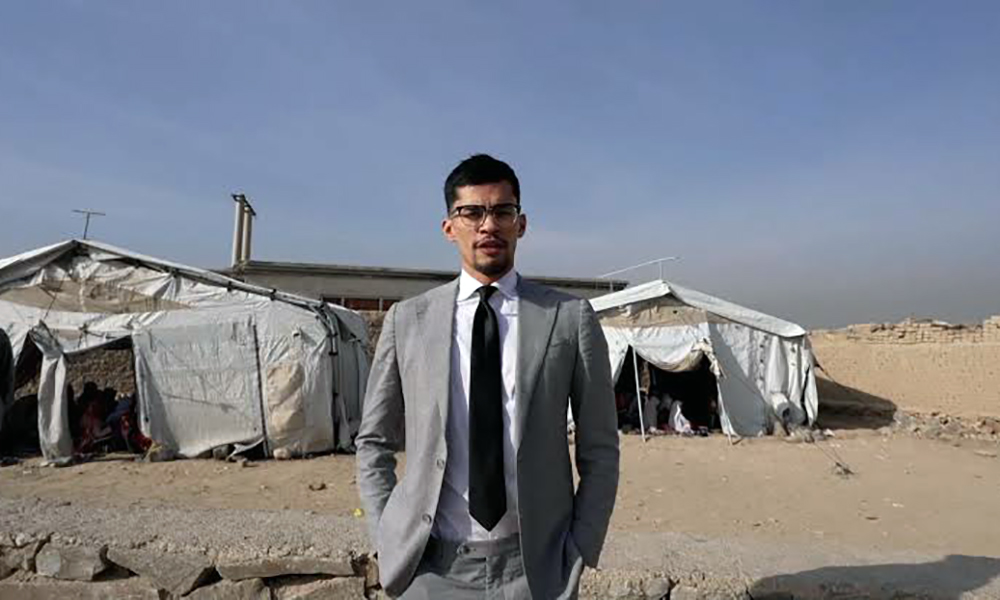
American YouTuber and online streamer SNEAKO says he was questioned by US authorities for eight hours after returning from a three-day visit to Afghanistan, during which he met several officials of the Islamic Emirate.
SNEAKO claimed that authorities also seized his electronic devices and that he had been without access to his mobile phone for 48 hours. He said the Federal Bureau of Investigation (FBI) was reviewing the device.
During his stay in Kabul, the streamer met several Islamic Emirate officials, including Anas Haqqani.
The reported questioning followed calls by a US figure for a federal investigation into SNEAKO’s livestreams from Afghanistan, raising questions about his meetings and interactions with Islamic Emirate officials.
SNEAKO has not provided further details about the questioning or the status of any investigation. US authorities have not publicly confirmed the reported interrogation or the seizure of his devices.
Latest News
UNHCR: 6.6 million Afghans have returned from Iran and Pakistan in three years
Zia Hayat, UNHCR spokesperson in Afghanistan, said the scale of returns represented an increase of approximately 15 to 20 percent in the country’s population.

The United Nations High Commissioner for Refugees (UNHCR) says an estimated 6.6 million Afghans have returned from Iran and Pakistan over the past three years, placing significant pressure on Afghanistan’s already limited infrastructure and resources.
Zia Hayat, UNHCR spokesperson in Afghanistan, said the scale of returns represented an increase of approximately 15 to 20 percent in the country’s population.
Speaking in an interview, Hayat described the figures as “really significant and quite stark”, saying the number of returnees was comparable to the entire population of countries such as Denmark or Singapore.
“This is really significant because it’s happening in a country that perhaps doesn’t have the infrastructural capacity to handle such a massive number,” he said.
Hayat said an estimated 1.4 million Afghans had returned to the country so far this year, primarily from Iran and Pakistan.
He added that daily return figures fluctuate considerably, ranging from hundreds to thousands of people.
Hayat said UN agencies were coordinating their response to ensure returning Afghans receive assistance at border crossings and support after travelling to urban centres.
He said the assistance includes programmes aimed at helping returnees reintegrate into communities and rebuild their lives in Afghanistan.
The continued influx of returnees has increased demand for essential services, housing, employment and other resources, highlighting the challenges facing Afghanistan as it seeks to accommodate millions of people returning from neighbouring countries.

ANP leader calls for reopening of Afghanistan-Pakistan trade routes
SNEAKO claims US authorities questioned him for eight hours after Afghanistan visit
UNHCR: 6.6 million Afghans have returned from Iran and Pakistan in three years
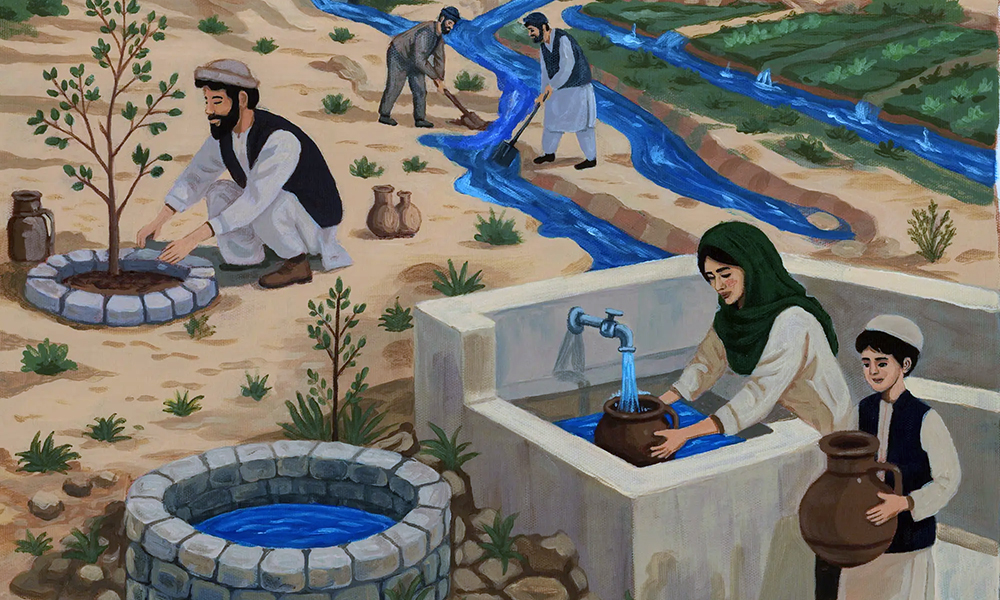
World Bank warns Afghanistan faces mounting economic and water security challenges

Mujahid welcomes OIC efforts to expand engagement with Afghanistan

US sanctions and blockade measures disrupt Iran’s trade with Afghanistan and regional neighbors
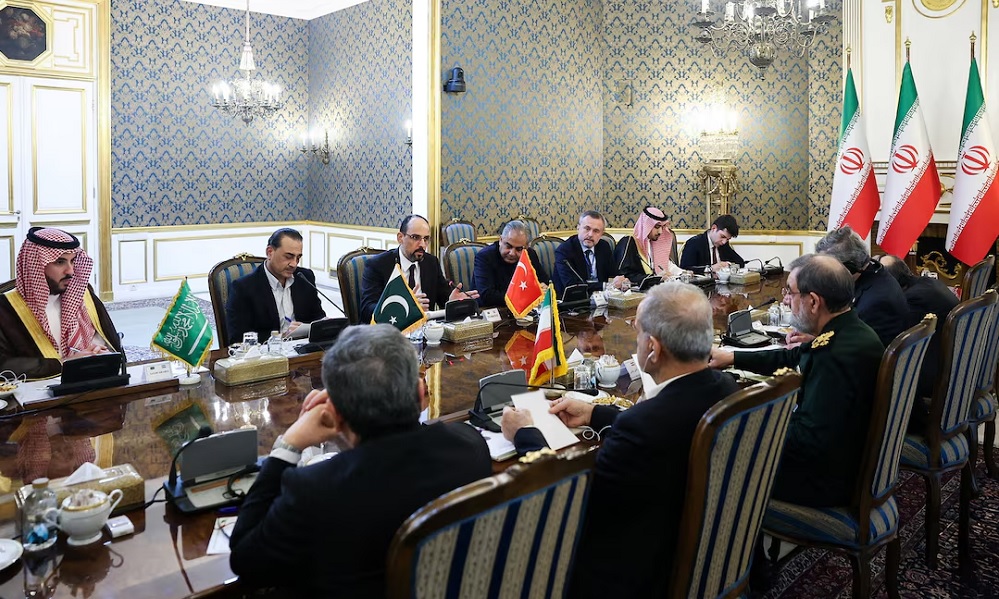
Saudi defence pact countries push for peace in Tehran as Houthis launch more attacks

England forward Kane crowned Ballon d’Or winner

Afghanistan to launch nationwide polio vaccination campaign

WFP report notes high food and fuel costs continue to pressure Afghan households

Saar: Pakistan FM’s remarks on Afghanistan
Tahawol: World Television Day discussed
Saar: Efforts to resolve Afghanistan-Pakistan tensions in Moscow reviewed

Tawsia: Afghanistan’s key economic highlights of the week discussed
Tahawol: Kazakhstan’s call for practical international engagement with Afghanistan
-
 Sport5 days ago
ATN to broadcast AFC Awards honoring Asia’s football stars
-
 Latest News4 days ago
Two Afghan nationals convicted over sexual assault of 14-year-old girl on UK train
-
 Sport4 days ago
Afghanistan suffer 9-2 defeat to Iran in Beach Soccer Asian Cup opener
-
 Business4 days ago
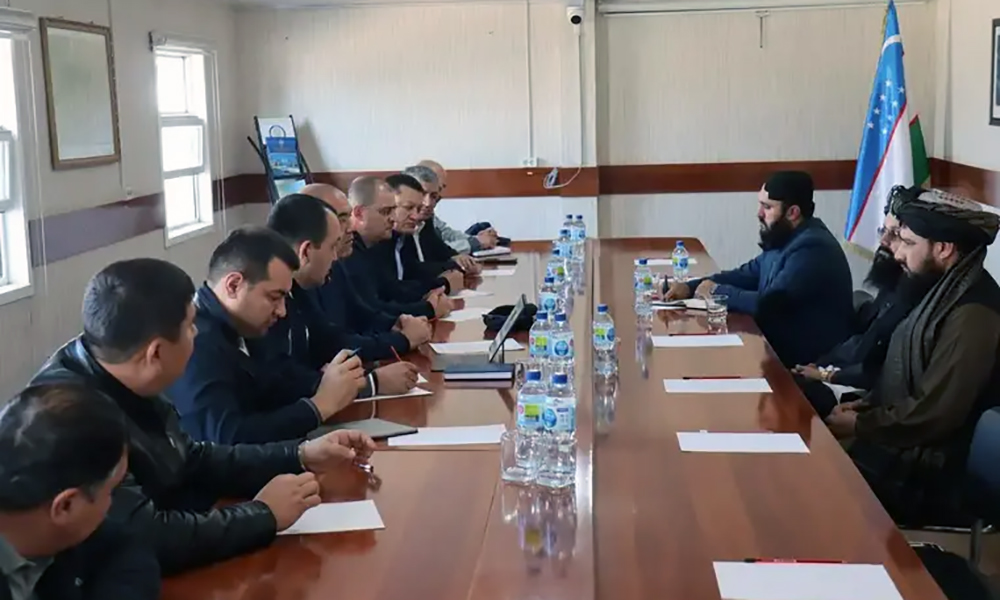
Afghanistan and Uzbekistan agree to expand railway cooperation and boost freight traffic
-
 Science & Technology4 days ago
North Korea shows off AI chatbot at IT exhibition
-
 Latest News4 days ago
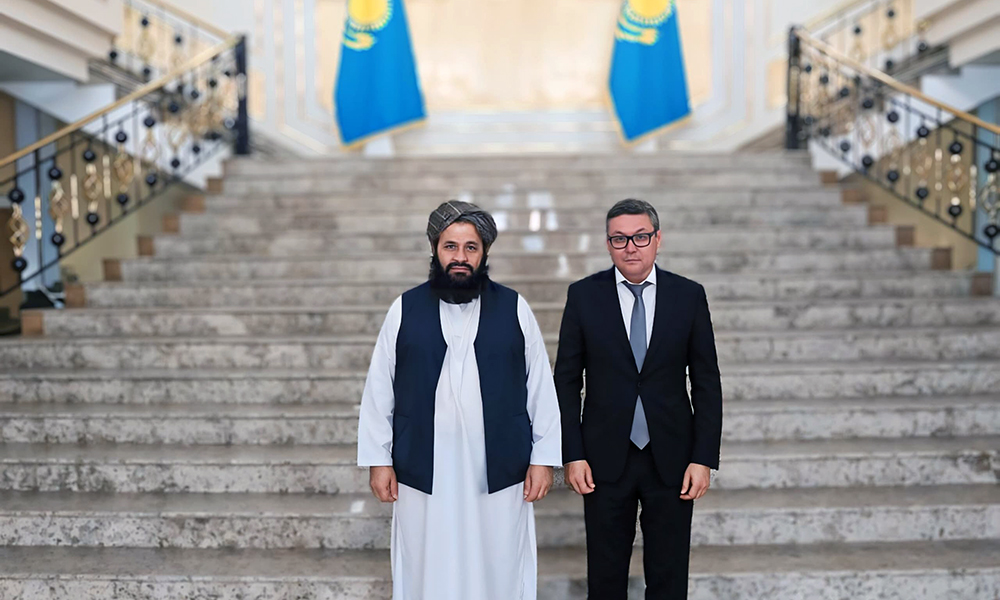
Kazakhstan steps up efforts to support Afghanistan’s stability and economic recovery
-
 Latest News2 days ago
US judge questions Trump administration’s policies targeting refugees
-
 Latest News4 days ago
Sweden rejects asylum request of former Afghan ambassador, plans deportation to US: Le Monde