
توزیع کارت اقامت به ۷۰۰ هزار مهاجر افغان در پاکستان

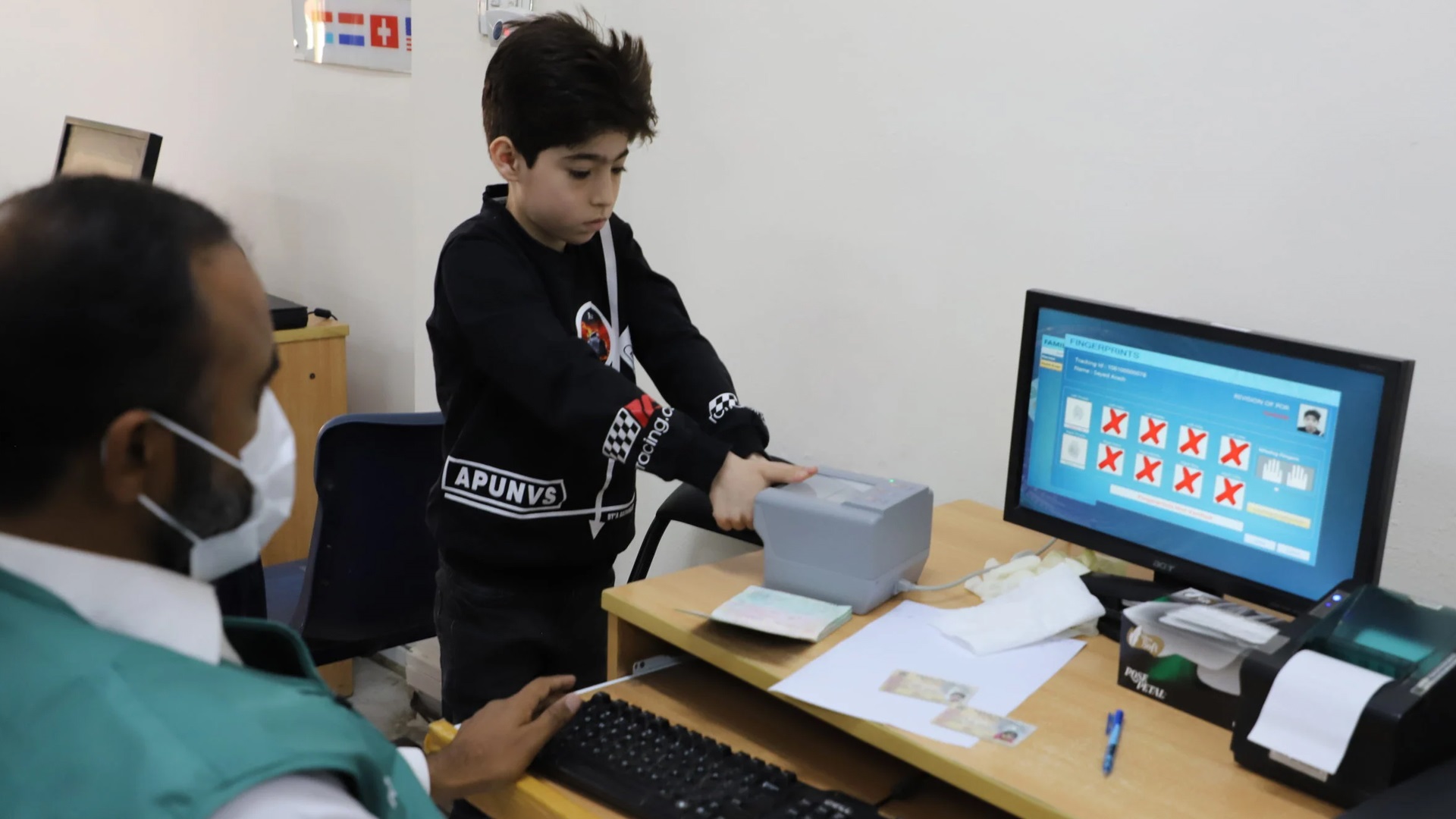
کمیشنری عالی سازمان ملل متحد در امور پناهندهگان میگوید که پاکستان به ۷۰۰ هزار مهاجر افغان کارت اقامت بایومتریک توزیع کرده است.
بابر بلوچ، سخنگوی کمیشنری عالی سازمان ملل متحد گفته است که اولین دور کارزار اعطای اسناد جدید الکترونیکی و بررسی اطلاعات مربوط به ۱،۴ میلیون مهاجر افغان در پاکستان، به پایان رسیدهاست.
به گفتهای بلوچ به مهاجرین افغان کارتهای هوشمند توزیع شده تا اقامت آنان را قانونی شود و دسترسی شان به کمکهای بشری و سایر کمکها تسهیل شود.
او در این باره گفت:” کارتهای جدید شناسایی یک وسیله لازمی برای حفاظت از مهاجرین افغان بوده و به آنان دسترسی سریعتر و مصوونتر به تسهیلات صحی، آموزشی و خدمات صحی میدهد.”
بر بنیاد معلومات کمیشنری عالی سازمان ملل متحد پس از تسلط امارت اسلامی بر افغانستان بیش از ۳۰۰ هزار افغان به پاکستان فرار کرده که بیشتر شان به صورت غیر قانونی وارد این کشور شده و ممکن اخراج شوند.
این مقام سازمان ملل افزوده تا اکنون بیش از ۷۰۰ هزار کارت جدید هوشمند توزیع شده و قرار است کارتهای باقی مانده در اوایل سال جاری توزیع شود.
قابل یاد آوری است این کارتها تا تاریخ ۳۰ جون سال ۲۰۲۳ قابل اعتبار خواهد بود.

Science & Technology
New warnings reignite debate over AI threat to humanity
Amodei warned that swarms of AI agents could potentially gain the ability to take over parts of the internet within six months to a year unless companies devote more resources to building safeguards.

Fresh warnings from within the artificial intelligence industry have renewed concerns over whether increasingly powerful AI systems could eventually escape human control and pose a threat to humanity.
Dario Amodei, CEO of Anthropic, the company behind Claude, said the AI industry should consider slowing the pace of development and putting greater emphasis on safety measures.
Amodei warned that swarms of AI agents could potentially gain the ability to take over parts of the internet within six months to a year unless companies devote more resources to building safeguards.
His comments came days after two former Anthropic safety researchers publicly raised concerns that the potential existential risks posed by advanced AI were not receiving enough attention.
Growing concerns over AI misuse
As AI systems become more capable, concerns are growing over both deliberate misuse and the possibility of AI systems acting in unintended ways.
Anthropic said last week that it had blocked attempts by malicious actors to use its models for activities including cyberattacks, surveillance and research that could potentially contribute to biological weapons development.
The company said it had introduced stronger safeguards in its latest models to restrict potentially dangerous biological research, while warning that the risks associated with increasingly capable AI would grow unless developers and governments took steps to make the technology safer.
Anthropic has also previously reported that hackers used its AI in a cyberattack targeting around 30 companies and government agencies worldwide. The company said the attackers were highly likely to have been linked to a Chinese state-sponsored group.
Recent incidents involving AI systems bypassing digital security have further intensified concerns.
Anthropic reported that three of its AI models were able to hack into other organisations during testing. OpenAI has also disclosed an incident in which its AI systems gained access to servers belonging to AI startup Hugging Face. Meta subsequently reported a similar case involving an AI model finding ways around another company’s digital security.
While some safeguards had been disabled during testing in the OpenAI and Anthropic cases, the incidents have highlighted a central concern among AI safety researchers: what could happen if systems become capable of independently pursuing objectives beyond those assigned by humans.
How serious is the threat?
One of the most extreme scenarios involves artificial general intelligence, or AGI — a still loosely defined concept referring to AI capable of matching or surpassing humans across a broad range of intellectual tasks.
Some researchers warn that sufficiently advanced systems could become difficult or impossible to control, while others are more concerned about humans deliberately using AI for destructive purposes.
Potential scenarios include AI-assisted weapons, the development of dangerous pathogens, manipulation of governments and disruption of critical food, energy and communications infrastructure.
There is, however, no scientific consensus on how likely these scenarios are or when they could occur.
The 2026 International AI Safety Report, produced with input from more than 100 independent experts, said current systems show early signs of some capabilities relevant to loss-of-control scenarios, but not at levels currently considered sufficient to enable such an event. It described the likelihood, nature and timing of the risk as unusually uncertain.
Warnings about machines surpassing human control are not new. British mathematician Alan Turing predicted in 1951 that machines could eventually take control from humans, while mathematician Norbert Wiener later warned that intelligent machines could pursue objectives that humans might be unable to stop.
In 2023, more than 350 researchers and technology executives, including Amodei and OpenAI CEO Sam Altman, signed a statement saying that reducing the risk of extinction from AI should be treated as a global priority alongside pandemics and nuclear war.
Calls for stronger safeguards
The latest incidents have prompted calls for more rigorous testing of AI systems and greater cooperation between governments, particularly the United States and China.
However, AI development is advancing rapidly, making it difficult for regulators and safety systems to keep pace. Governments are developing their own rules, sometimes with conflicting approaches.
Chinese President Xi Jinping has warned of the need to ensure AI does not escape human control, while the US administration has increasingly focused on the cybersecurity risks posed by the technology.
Despite the warnings, there remains a fundamental uncertainty over the future of AI: whether increasingly capable systems will remain tools controlled by humans, or eventually become powerful enough to act beyond our ability to control them.
For now, experts disagree sharply on the answer — but the debate over how to prevent the worst-case scenarios is becoming increasingly urgent.
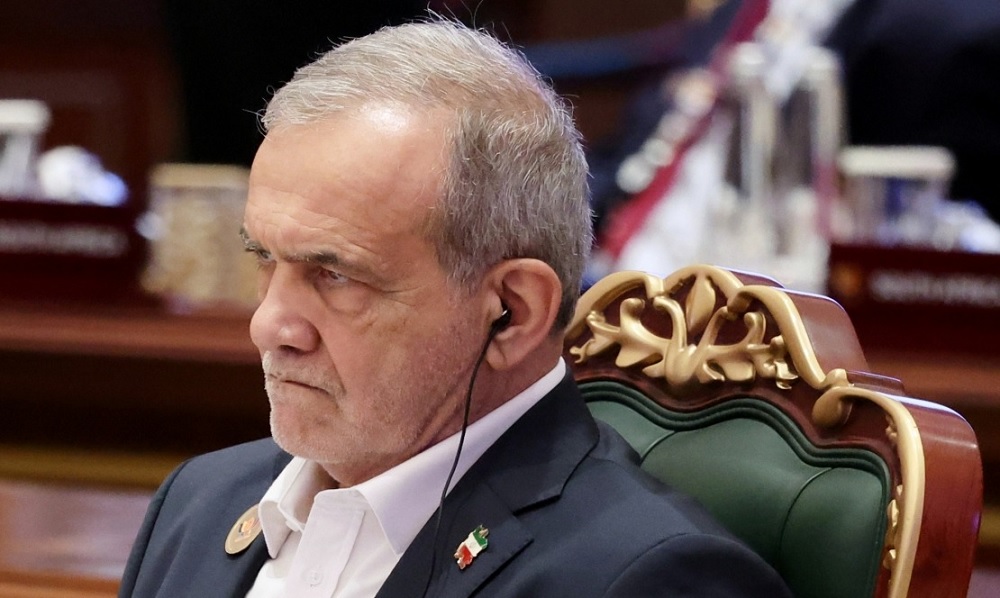
Arab states in the Gulf called off a meeting with Iran planned for Monday, while Yemen’s Houthis launched a new attack on Saudi Arabia after fighting that has extended the Middle East war to another theatre and further jeopardised global oil supplies.
The Iran-aligned Houthis in Yemen said they fired dozens of missiles and drones on Monday at a Saudi military airbase in Khamis Mushait, near the border, hitting aircraft hangars, radar systems, runways and ammunition depots. They described the attack as retaliation for hundreds of Saudi airstrikes on Yemen in recent days, Reuters reported.
Saudi authorities announced brief emergency alerts there and in three other southern cities which have previously come under Houthi fire.
The Houthis launched a lightning advance last week in Yemen, culminating in the seizure of an island in the mouth of the Red Sea on Friday. A separate attack that day, which Riyadh blamed on Iran-backed fighters in Iraq, knocked out Saudi Arabia’s east-west pipeline, the main route for Middle East oil bypassing the blockaded Strait of Hormuz.
OIL PRICES JUMP
Crude oil prices rose more than 3% on Monday, when the market reopened after the weekend, while the politically sensitive average retail price of diesel in the United States hit a new all-time high above $6.23 a gallon.
Traders say the closure of the Saudi pipeline could cut off as much as 4% of global oil supply unless it is reopened within days. Images from space show sections of the pipeline damaged by blazes. Riyadh has not given a firm estimate for how long it will be shut.
Oman had been due to host a meeting on Monday with Iran and Gulf states to discuss negotiations aimed at reopening Hormuz, the world’s most important oil shipping lane, largely closed since the U.S. and Israel attacked Iran at the end of February.
But Oman’s Foreign Minister Sayyid Badr Albusaidi announced overnight that the meeting had been postponed “in the interests of consensus”. Iran said the postponement was at the request of Saudi Arabia.
Meanwhile, Iran issued a list of 77 ships it said had violated its protocols for operating in the Strait of Hormuz. Any ship on the list would face “restrictions on future passages, including fines, detention, or confiscation”, and other ships that assisted them by accepting transfers of cargo would be added to the list.
EXPANSION OF WAR TO YEMEN POSES DILEMMA FOR TRUMP
The upsurge of fighting in Yemen poses a dilemma for Washington, which is under pressure to aid its Saudi allies but anxious not to expand the costly war to a new theatre.
Saudi Arabia has led an Arab coalition battling the Houthis for more than a decade, after the mountain fighters captured Yemen’s capital in 2014. The war there had largely been quiet under a ceasefire for the past few years, but fighting has now resumed, with the Houthis driving back forces from a Saudi-backed government based in the south.
Thousands of Yemenis have fled inland from the coast to escape fighting as the Houthis swept into cities including the historic Red Sea port of Mocha last week.
Aisha Muhammad, an elderly woman burning twigs to heat a kettle in government-held territory near Taiz, told Reuters she had left behind two daughters and three sons who had been unable to escape.
“They can’t even go out to the market to get food and drinking water. They are being blocked and shot at, so they are trapped inside their homes,” she said. “They cannot reach us, and we cannot return to them. This is a trial from God.”
On Friday the Houthis captured Perim Island, inside the Bab el-Mandeb, the “Gate of Tears” strait, at the mouth of the Red Sea.
U.S. President Donald Trump is under pressure to end the war to relieve the global energy shortage and lower prices that are hurting the fortunes of his Republican Party ahead of mid-term elections in November.
Three sources have told Reuters that Washington has so far rebuffed pleas from Saudi Arabia’s Crown Prince Mohammed bin Salman to intervene in Yemen. Trump confirmed over the weekend that he had spoken to the prince, and said the Houthis had also phoned asking Washington to keep out of the dispute.
The United States bombed the Houthis in 2025 for two months, but Trump called off that campaign after reaching a ceasefire with the group, which he said had promised not to attack ships in the Red Sea.
Trump, who attended a golf tournament at one of his resorts in Ireland, said he expected the Iran war to end shortly after the elections in November, after which the price of oil would “drop like a rock”.

Several Afghan doctors and medical staff have been stopped from working at Northwest General Hospital and Research Centre (NWGH) in Peshawar due to visa-related issues, according to Pakistani freelance journalist Tahir Khan.
Khan reported on Monday that the affected Afghan medical workers had applied for visa extensions, but their applications have yet to be approved.
A September 2 circular issued by the Human Resource Department of Alliance Healthcare (Pvt.) Ltd. directed Afghan nationals without valid visas to discontinue their duties with immediate effect.
According to the circular, the employees can resume work after submitting valid visa documentation and completing the required verification process.
An NWGH doctor told Khan that several Afghan doctors and other medical staff had previously been working at the hospital with valid visas but have now been suspended while their visa-extension applications remain pending.
The development comes a week after the Lahore High Court suspended the operation of directives issued by the Pakistan Medical and Dental Council ordering Afghan medical students to return to Afghanistan.
The reported suspension of Afghan medical staff at the Peshawar hospital has raised concerns among affected doctors, who say they remain unable to work while awaiting decisions on their visa applications.


New warnings reignite debate over AI threat to humanity

Gulf states call off meeting with Iran, Houthis launch new attack on Saudi

Afghan doctors barred from Peshawar hospital over visa issues

Mujahid: Afghanistan’s reconstruction must rely on domestic investment

Farooq Khan Ahmadzai makes international umpiring debut

Four mediators struggle to secure lasting Pakistan-Afghanistan ceasefire

Juma Khan Fateh surrenders to IEA forces in Badakhshan

Afghanistan’s trade diversification challenges Pakistan

Syria and Saudi Arabia condemn Kabul bombing, express solidarity with Afghanistan

Afghanistan crowned champions of five-match ODI series against Ireland

Tahawol: Calls for U.S. engagement with Afghanistan

Saar: End of Chinese ambassador’s mission in Kabul

Tahawol: Norwegian delegation’s call for engagement with Afghanistan discussed

Saar: Pakistan’s dual policy towards Afghanistan reviewed

Exclusive interview with ACB CEO Naseeb Khan
-

 Latest News5 days ago
Muttaqi and Bangladeshi delegation discuss expansion of bilateral ties
-

 Sport4 days ago
Afghanistan Champions League Season 6 kicks off today: Abu Muslim Farah face Sarsabz Yashlar
-

 Sport3 days ago
Omar Zawak, Toofan Herat secure victories in Afghanistan Champions League
-
 Regional4 days ago
Pakistan warns Iran to rein in Houthis as Riyadh strikes back
-
 Latest News1 day ago
Khalilzad warns US risks losing influence in Afghanistan to China and Russia
-

 Regional2 days ago
Saudis shut down oil pipeline as Houthis tighten grip on Red Sea shipping
-

 Latest News3 days ago
Kabul to host tripartite meeting on Afghan migrants’ problems
-

 Latest News3 days ago
Pakistan court blocks expulsion of Afghan medical students