
Latest News
US judge temporarily blocks deportation of detained Afghans
The lawmakers urged Secretary of State Marco Rubio and Homeland Security Secretary Markwayne Mullin to intervene.


A US federal judge has temporarily blocked the Trump administration from deporting detained Afghan nationals to Afghanistan or Pakistan, following warnings that their lives could be at risk.
US District Judge Valerie Caproni issued the order in New York on Tuesday, suspending deportations until Saturday, according to the Associated Press (AP).
More than 80 detained Afghans have reportedly contacted human rights organizations and immigration lawyers after receiving notices from Immigration and Customs Enforcement (ICE) indicating they could be deported via Pakistan.
Those affected reportedly include women, former Afghan security personnel, religious minorities and people whose relatives served alongside US forces. Many fled Afghanistan after the Islamic Emirate returned to power in 2021.
The proposed transfers have drawn criticism from 66 members of the US Congress, who warned that deportees could face persecution, torture or death.
The lawmakers urged Secretary of State Marco Rubio and Homeland Security Secretary Markwayne Mullin to intervene.
Afghanistan’s Foreign Ministry also expressed serious concern over reports of the planned transfers to Pakistan. Deputy spokesman Zia Ahmad Takal urged Washington to protect the rights and legitimate interests of the individuals involved.
Human rights groups welcomed the court’s decision as a temporary reprieve, warning that Afghans returned to Afghanistan could face arbitrary detention, executions and other forms of retaliation.
The ruling does not resolve the wider legal and humanitarian concerns, with advocates continuing efforts to prevent the deportations.


Latest News
OIC highlights diplomatic efforts and continued support for Afghanistan
The ambassador further discussed the organization’s initiatives and activities aimed at supporting Afghanistan across different sectors.
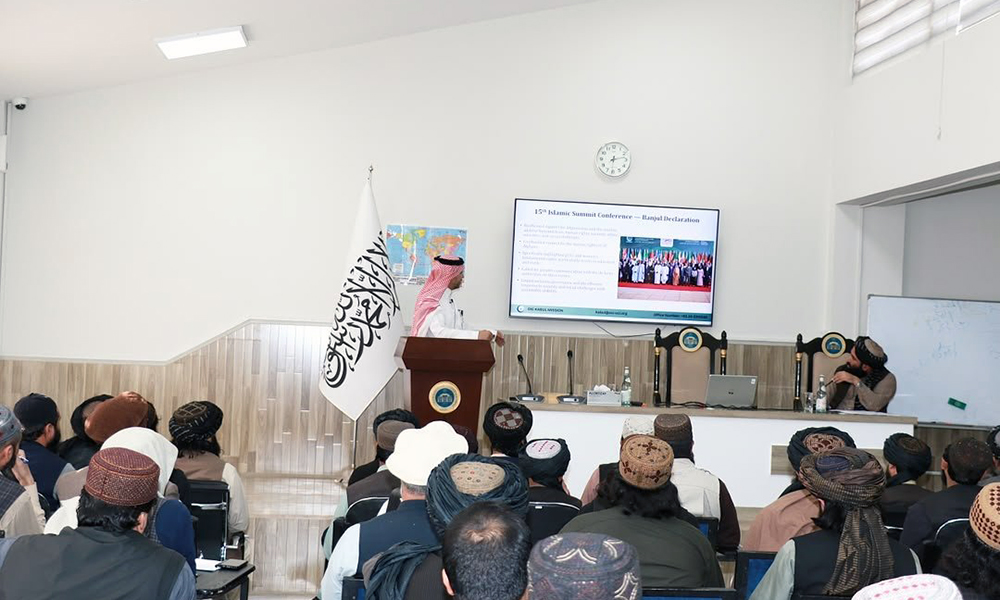
The Organization of Islamic Cooperation (OIC) has highlighted its diplomatic engagement and efforts to support Afghanistan during an academic lecture delivered at the Diplomatic Institute of Afghanistan’s Ministry of Foreign Affairs.
Ambassador Dr. Mohammed bin Saeed Al-Ayash, Director General of the OIC Office in Afghanistan, delivered the lecture on “Diplomacy and the Efforts of the Organization of Islamic Cooperation in Afghanistan.
According to Zia Ahmad Takal, Director of Public Communication at the Ministry of Foreign Affairs of the Islamic Emirate of Afghanistan, the event was attended by ministry employees and officials from various government institutions.
During his presentation, Al-Ayash discussed key mechanisms of public and multilateral diplomacy, outlining the history of the OIC, its various institutions and organizational structure.
He also reviewed decisions concerning Afghanistan adopted at OIC summits and meetings of foreign ministers, highlighting the role of the organization’s office in Kabul in following up on their implementation.
The ambassador further discussed the organization’s initiatives and activities aimed at supporting Afghanistan across different sectors.
The session concluded with an interactive discussion, during which participants raised questions, shared their perspectives and exchanged views on several diplomatic and institutional issues.
The lecture provided an opportunity to discuss the OIC’s diplomatic mechanisms and its engagement with Afghanistan through multilateral cooperation.
Latest News
Afghanistan-Pakistan tensions threaten Central and South Asian trade ambitions
Uzbekistan and Pakistan have also set an ambitious target of increasing annual bilateral trade to $2 billion within five years.
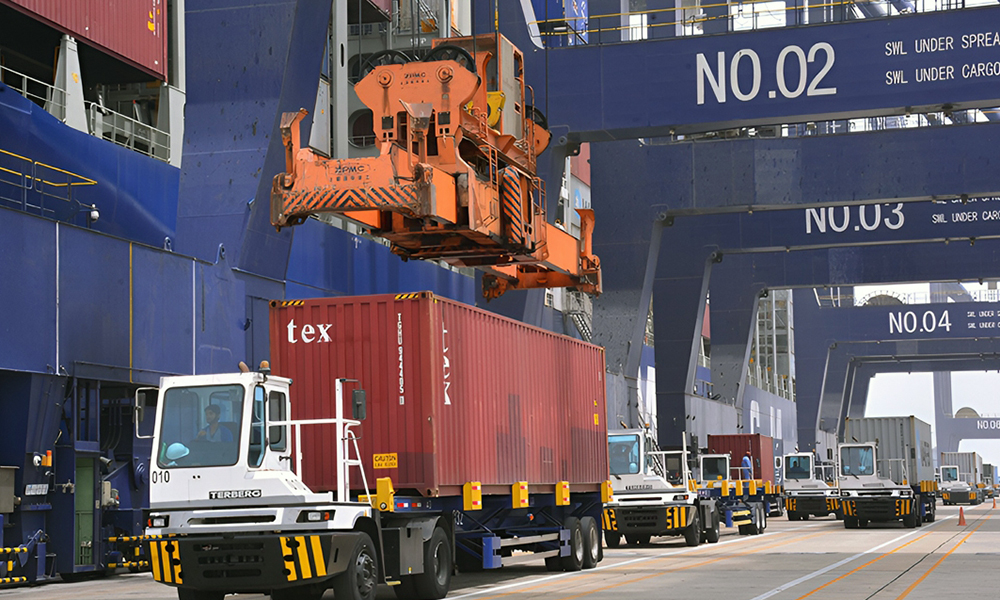
Rising tensions between Afghanistan and Pakistan are threatening efforts to expand trade and transport links between Central and South Asia, putting ambitious regional economic targets at risk.
According to a report by Eurasianet, strained relations between Islamabad and Afghanistan’s Islamic Emirate authorities are undermining plans to strengthen commercial ties between Pakistan and Central Asian countries.
Kazakhstan lowers trade expectations
Kazakhstan has adopted a more cautious outlook on trade with Pakistan, with officials estimating the potential for bilateral trade growth at around $645 million.
The figure emerged during November 1 talks in Astana between Kazakh Deputy Prime Minister Serik Zhumangarin and Pakistani Investment Minister Qaiser Ahmed Sheikh, falling short of earlier expectations that annual trade could exceed $1 billion.
Uzbekistan’s $2 billion target faces hurdles
Uzbekistan and Pakistan have also set an ambitious target of increasing annual bilateral trade to $2 billion within five years.
However, existing trade figures highlight the challenge. In 2024, Pakistan exported $129 million worth of goods to Uzbekistan, while Uzbek exports to Pakistan reached $257 million. Trade showed little growth in 2025.
Afghanistan tensions complicate regional connectivity
Eurasianet identifies the ongoing tensions between Kabul and Islamabad as a major obstacle to developing reliable transport corridors linking Central Asian markets with Pakistani seaports.
Pakistan has promoted its ports as strategic gateways for landlocked Central Asian economies, offering access to international shipping routes. However, security concerns and strained relations with Afghanistan threaten the reliability of these connections.
The diplomatic divide was also evident during the October meeting of the Moscow Format, where disagreements between Afghan and Pakistani representatives over terrorism-related terminology prevented the participants from issuing a joint statement.
Despite continued efforts to strengthen economic cooperation, the developments highlight how security tensions between Afghanistan and Pakistan could undermine broader plans to connect Central and South Asian markets and expand regional trade.
Latest News
Lavrov says Moscow Format remains key platform for Afghanistan talks
The Moscow Format brings together Russia, China, Iran, Pakistan, India and Central Asian countries to discuss political, security and economic developments concerning Afghanistan.
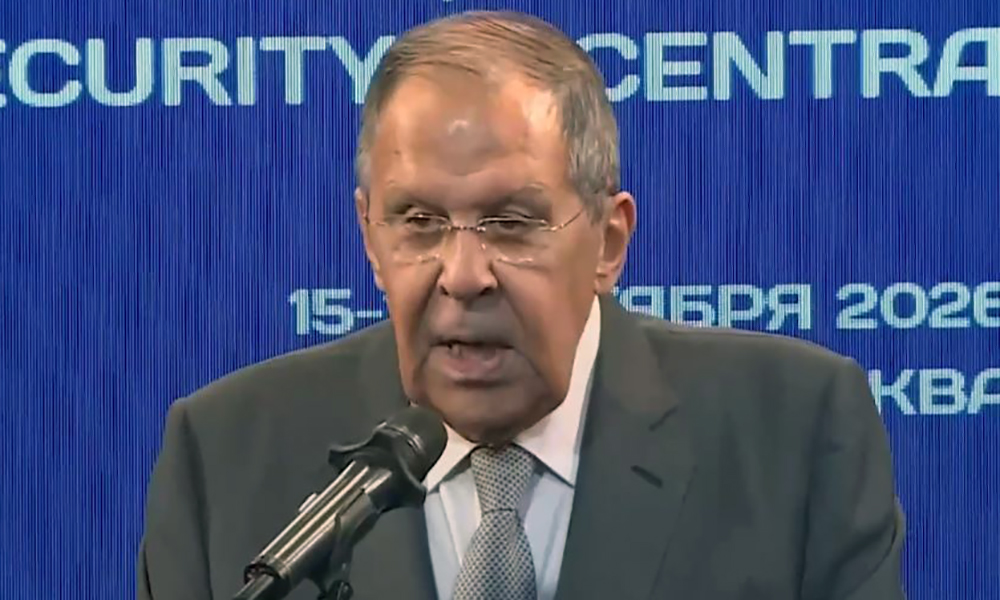
Russian Foreign Minister Sergey Lavrov has described the Moscow Format of Consultations as the leading regional platform for building consensus on Afghanistan, calling for greater cooperation among neighbouring countries to address security and political challenges.
Speaking at the Fourth Minsk International Conference on Eurasian Security in Belarus on Tuesday, November 3, Lavrov said the eighth meeting of the Moscow Format had taken place in the Russian capital the previous month, with a high-level delegation from Afghanistan in attendance.
“Today, the most representative platform for developing a regional consensus on Afghanistan is the so-called Moscow Format of Consultations,” Lavrov said.
He stressed that countries in the region should take the lead in addressing Afghanistan-related challenges, arguing that cooperation and dialogue among regional states cannot be replaced by outside powers.
Regional cooperation on Afghanistan
The Moscow Format brings together Russia, China, Iran, Pakistan, India and Central Asian countries to discuss political, security and economic developments concerning Afghanistan.
The eighth meeting, held in Moscow in October 2026, included representatives from participating countries and a high-level Afghan delegation.
However, disagreements between Afghan and Pakistani representatives over terminology related to terrorism prevented participants from issuing a joint statement.
Moscow calls for broader Eurasian security framework
Lavrov also used his address to call for a broader Eurasian security architecture based on mutual respect, sovereign equality and guarantees of security for all countries.
He said regional conflicts should be addressed by tackling their underlying causes and through cooperation among the countries directly concerned.
The Russian foreign minister reiterated Moscow’s opposition to an expanded military presence by countries outside the region in strategically sensitive areas.
His remarks highlight Afghanistan’s continued importance in Russia’s regional diplomatic priorities, as Moscow seeks to strengthen cooperation on security, political stability and economic connectivity across Eurasia.

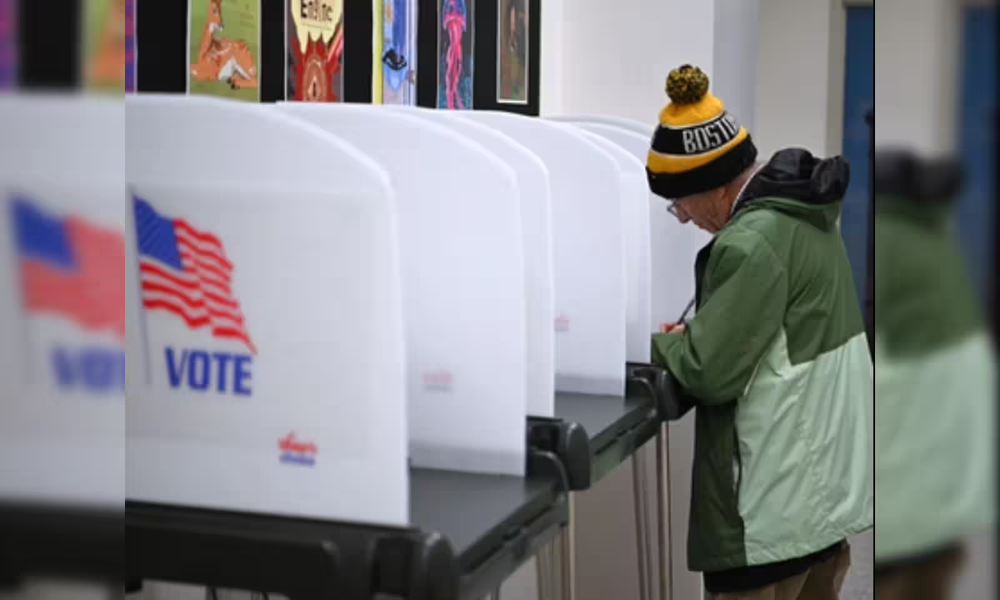
Democrats seize control of Congress in major setback for Trump
OIC highlights diplomatic efforts and continued support for Afghanistan
US judge temporarily blocks deportation of detained Afghans
Afghanistan-Pakistan tensions threaten Central and South Asian trade ambitions
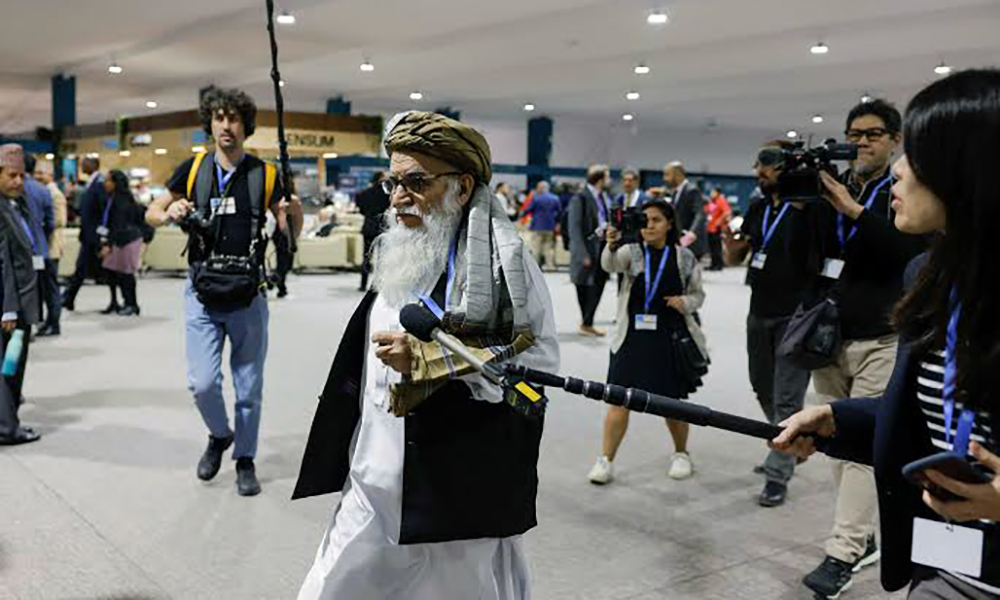
IEA to attend UN climate summit for second time since returning to power

Cricket Bonanza: Afghanistan set for packed international schedule

Afghanistan finish runners-up after 6-0 defeat to Brazil in futsal final

Trump says US will not attack Iran before midterm elections in November

Lionel Messi bids tearful farewell to Argentina after 3-0 win over Benin

Afghan futsal coach: Brazil tournament is first step towards new goals and World Cup
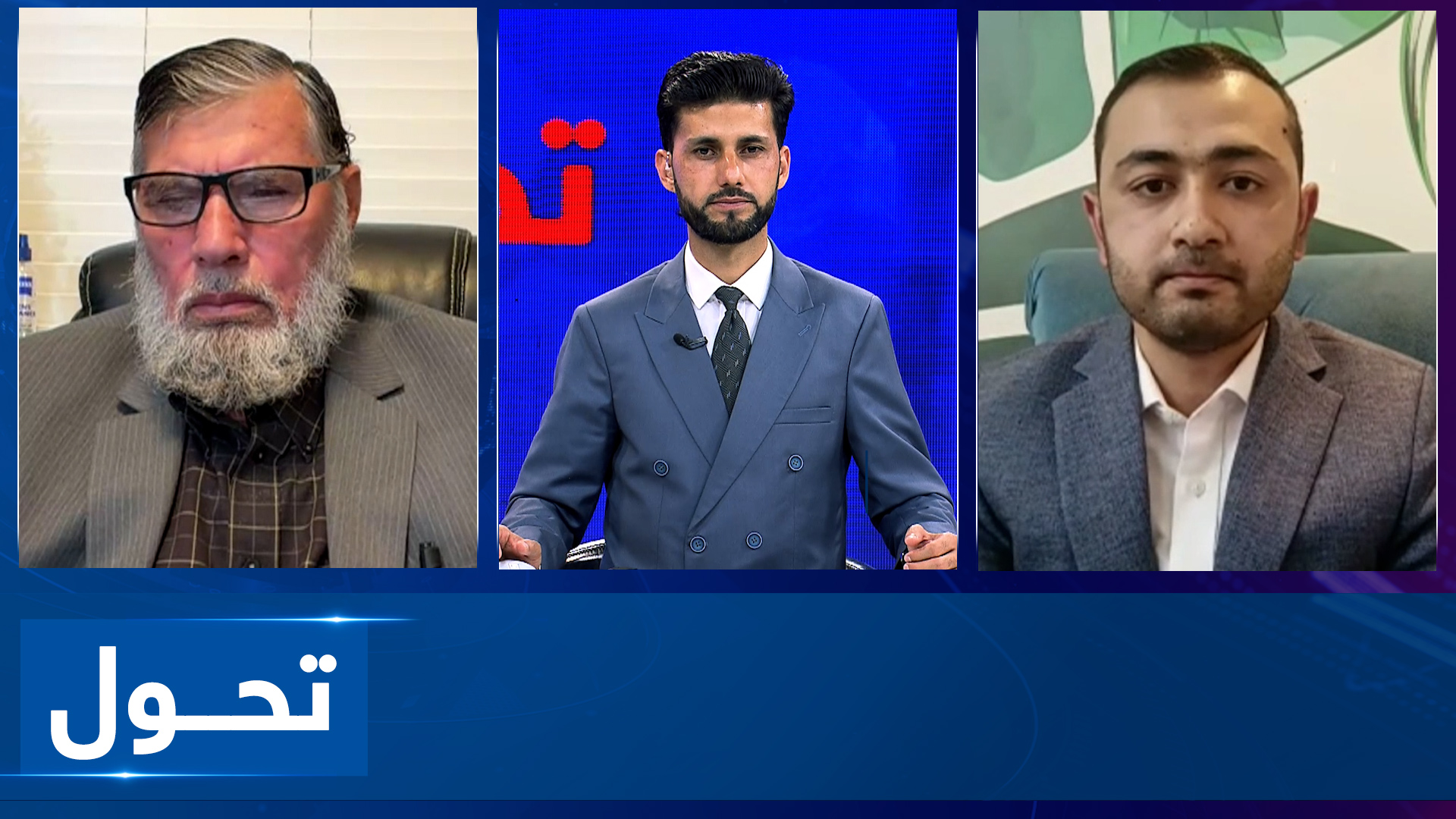
Tahawol: Iran hosts quadrilateral talks on Afghanistan discussed
Saar: Deportation of undocumented Afghans from France discussed
Tahawol: calls for dialogue between Kabul and Islamabad
Saar: Trump’s remarks on Afghanistan war
Tahawol: US offers to ease Kabul-Islamabad tensions
-
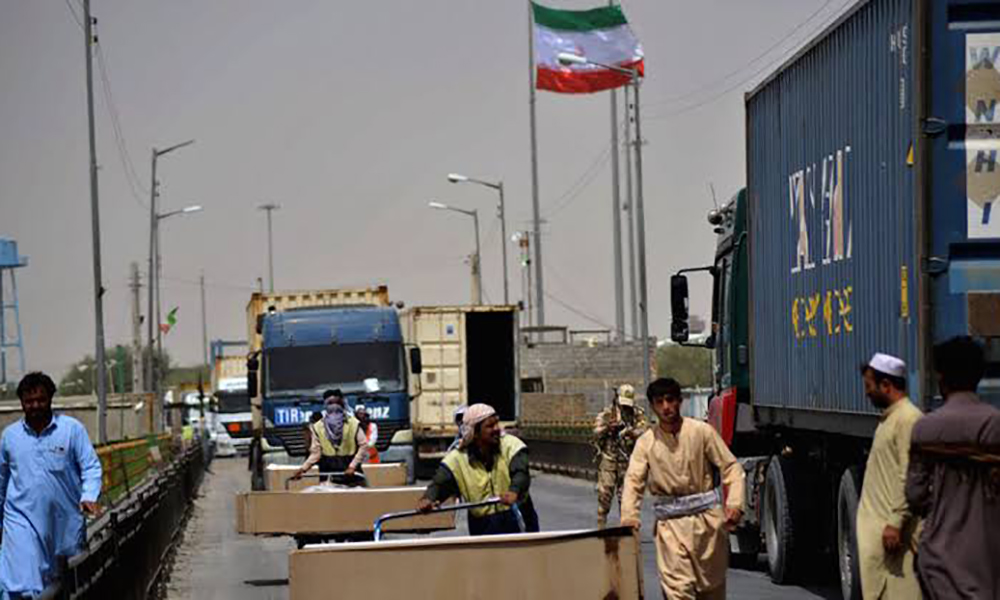 Business4 days ago
US sanctions and blockade measures disrupt Iran’s trade with Afghanistan and regional neighbors
-
 Sport3 days ago
Afghanistan crowned 2026 Hong Kong Sixes champions after beating Australia in final
-
 Sport4 days ago
Afghanistan storm into Hong Kong Sixes final after beating Scotland
-
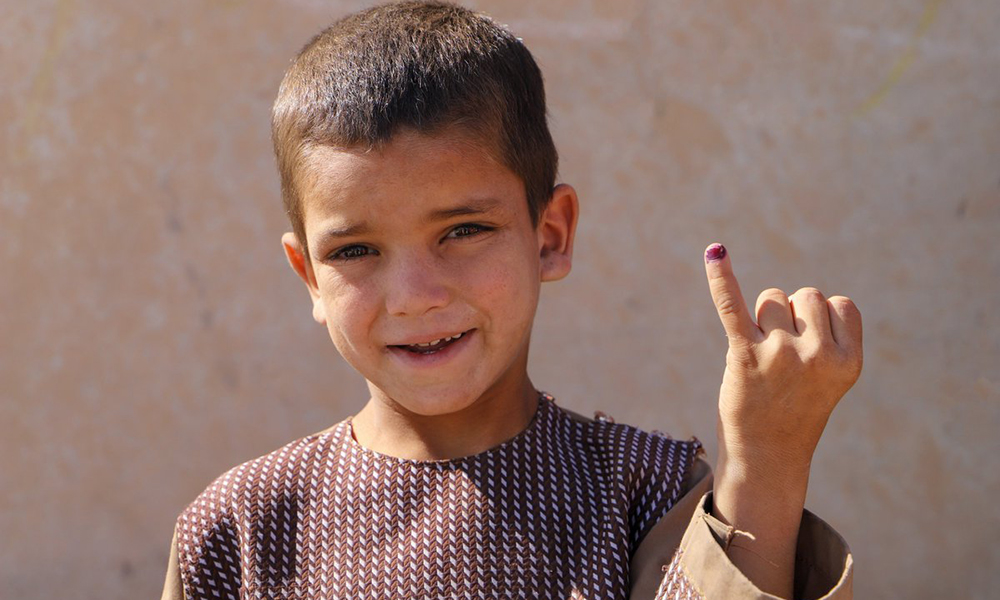 Health5 days ago
Afghanistan to launch nationwide polio vaccination campaign
-
 Latest News4 days ago
UNHCR: 6.3 million Afghans have returned since 2023, 60 percent reportedly forced to return
-
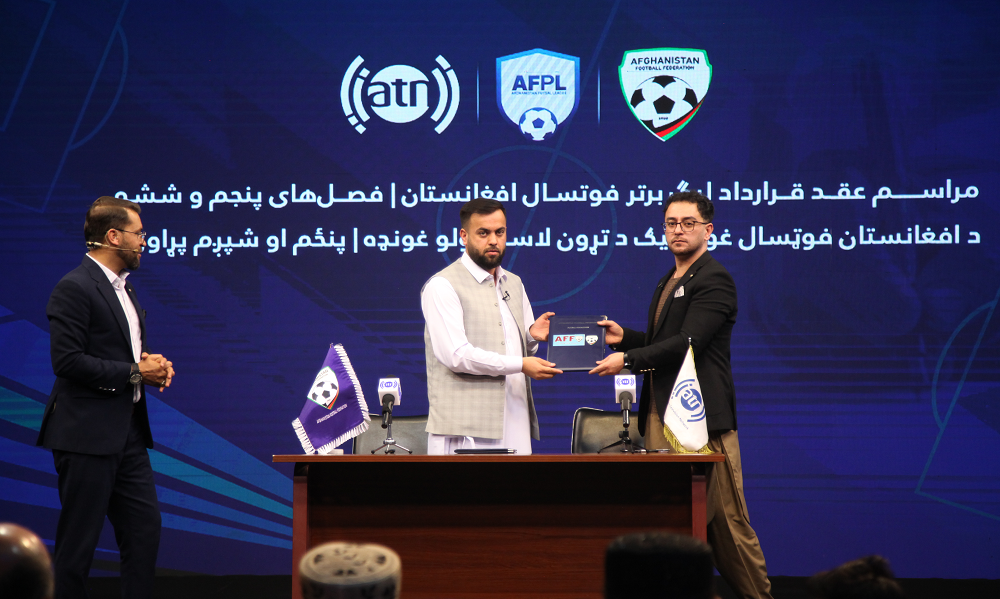 Sport2 days ago
ATN signs deal to broadcast Afghanistan Futsal Premier League seasons 5 and 6
-
 Latest News5 days ago
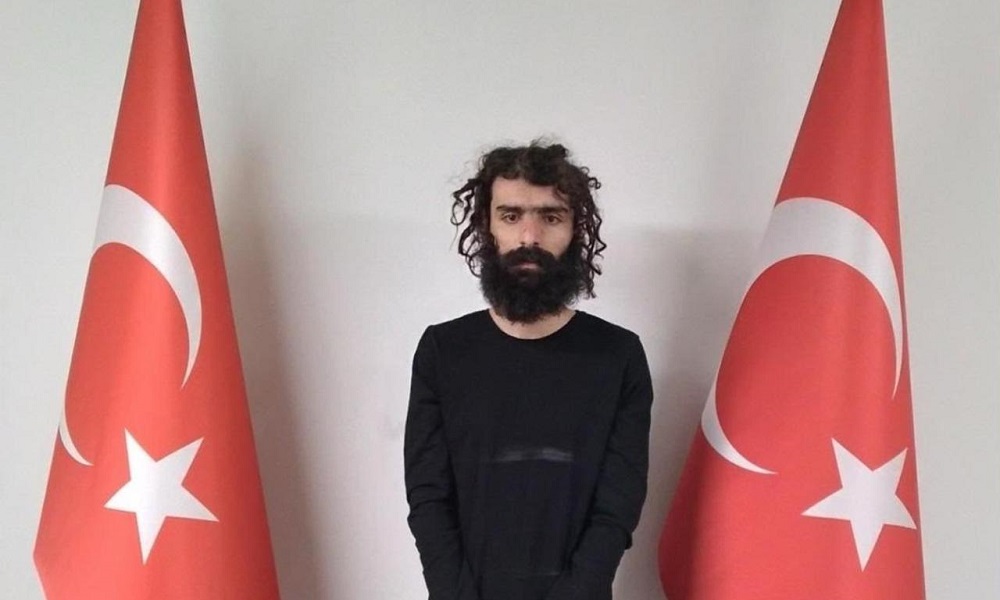
Turkish intelligence captures suspected Daesh operative in Afghanistan-Pakistan region
-
 Sport3 days ago
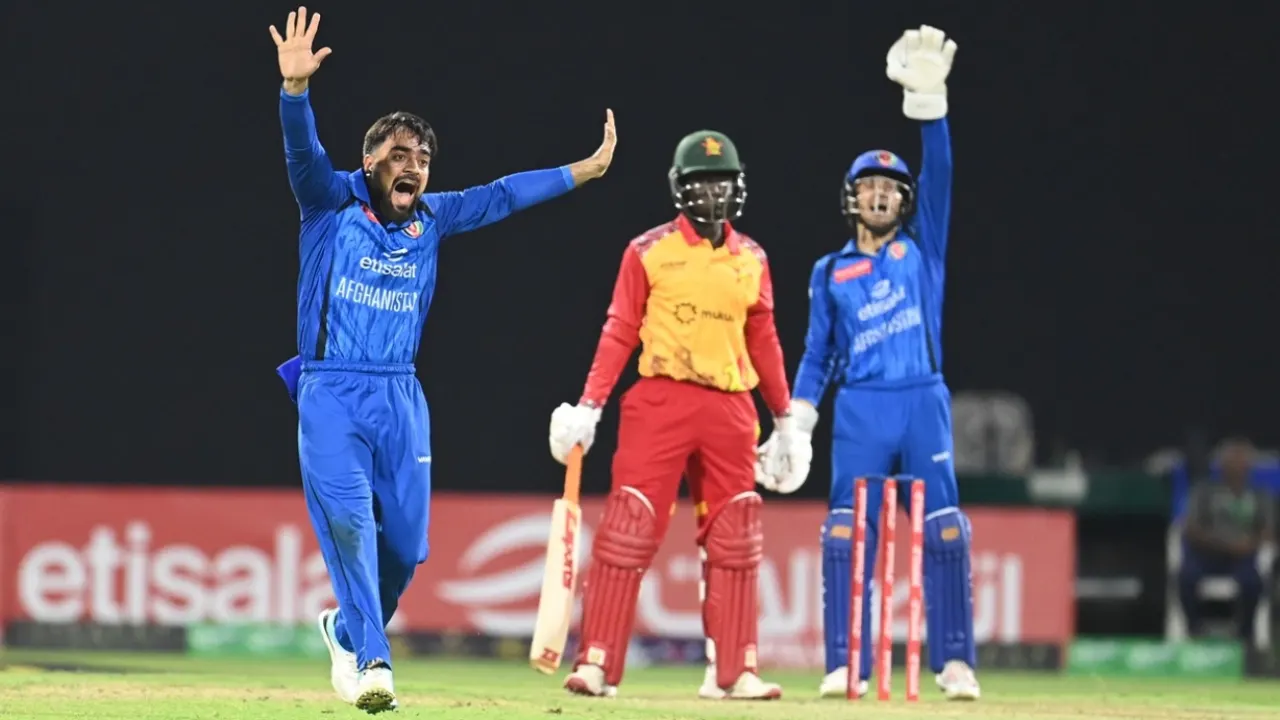
Afghanistan target T20I clean sweep against Zimbabwe in Sharjah