
Regional
Officials from Mecca pact countries to meet Iranian officials in Tehran
Pakistan’s military media wing and Turkey’s Foreign Ministry did not immediately respond to requests for comment.

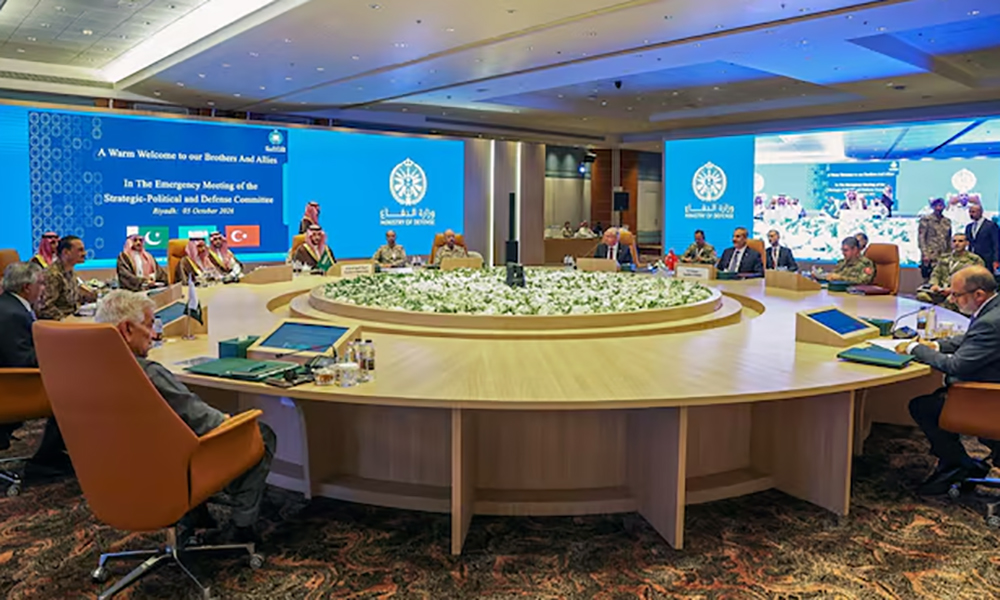
Top officials from Mecca Pact countries Saudi Arabia, Turkey and Pakistan are to meet Iran’s leaders in Tehran on Monday in their first high-level contact since the kingdom became a pressure point in the wider Iran conflict, Reuters reported.
Saudi Arabia will be represented by Defence Minister Prince Khalid bin Salman, Pakistan by army chief Field Marshal Asim Munir, and Turkey by intelligence chief Ibrahim Kalin, Saudi and Iranian officials said.
Attacks by Yemen’s Iran-aligned Houthis have spiralled in recent weeks and rhetoric between Washington and Tehran has grown more heated. Both countries have also drawn up plans to restart the wider war, possibly after the US midterm elections on November 3.
Monday’s planned talks will be the first high-level contact between Iran and all members of the three-nation bloc since Saudi Arabia was drawn deeper into the conflict. Under the Mecca Joint Defence Agreement signed in August, an armed attack on one member is considered an attack on all.
Iranian Foreign Ministry spokesperson Esmaeil Baghaei said on Monday discussions on regional security would include “Israel’s expansionist policies, developments in the Palestinian territories and Lebanon, and the repercussions of US and Israeli military action against Iran.”
Baghaei said the meeting, proposed during a visit by Munir to Tehran last week, could be a first step towards establishing regional security mechanisms based on the interests of countries in the region.
Qatari mediators met Iranian officials in Tehran on Sunday in a push to de-escalate regional tensions, Reuters reported. Qatar has, for months, played a mediating role between Tehran and Washington.
A senior Iranian official said the meeting was initiated by Pakistan, during Munir’s visit to Tehran, as he met Iranian President Masoud Pezeshkian and other senior officials. During the visit, Iranian officials told him there would be no talks with Washington until Tehran’s demands were met, according to Iranian media.
Earlier mediation efforts involving both Pakistan and Qatar helped produce an interim peace agreement in June, but the deal quickly unravelled as fighting between Iran and the United States resumed weeks later.
The deputy secretary of Iran’s top security body, Ali Baqeri-Kani, told state TV that Saudi Defence Minister Prince Khalid, Pakistan’s Munir and Turkish intelligence chief Ibrahim Kalin would visit Tehran for consultations with Iran’s Supreme National Security Council on regional security.
Saudi Deputy Minister for Public Diplomacy Rayed Krimly said the meeting is part of ongoing efforts by the Mecca Pact countries to de-escalate the current crisis, promote diplomatic solutions, and support mediation efforts led by Qatar and Pakistan.”The visit also underscores the pivotal role of the Mecca Pact states in fostering regional security and stability, and their commitment to working with all nations in the region toward achieving this goal,” Krimly posted on X.
Pakistan’s military media wing and Turkey’s Foreign Ministry did not immediately respond to requests for comment.
Saudi Arabia intercepted another wave of missiles and drones on Sunday as fighting with the Houthis continued unabated.
Ministers from the Mecca Pact countries held an emergency meeting in Riyadh earlier this month and agreed to ensure the “rapid deployment” of military forces and capabilities in Saudi Arabia.
The Houthi attacks have become an increasingly destabilising element in the US-Israeli conflict with Iran, turning US ally Saudi Arabia into a pressure point in the wider war.
Tensions between Washington and Tehran have sharpened in recent days. President Donald Trump said on Friday the US may carry out another military operation against Iran and Iran’s leaders have said that a renewed US military campaign would be met with a stronger response than before.
Iranian security officials have told Reuters that Tehran has drawn up detailed plans to hit Gulf undersea cables if the United States and Israel attack again. A US intelligence memo this week warned that Iranian plots against American personnel had reached “advanced stages”.
The war, now nearly eight months old, has weighed on President Donald Trump’s approval ratings ahead of the midterms.
The Mecca agreement’s first article says the parties shall use “all necessary means” to eliminate threats to one another’s territorial integrity, sovereignty or internationally recognised borders, according to a text seen by Reuters.
Efforts by Turkey’s parliament to ratify the agreement began last week and are still underway, while Pakistan approved the pact last week.

Regional
Iran defends two-day proposal for peace talks after US rejects conditions
Iran defended a proposal on Monday to restart peace talks in as few as two days as the most reasonable offer on the table, after US Secretary of State Marco Rubio called some of Iran’s conditions “outrageous and ridiculous”.
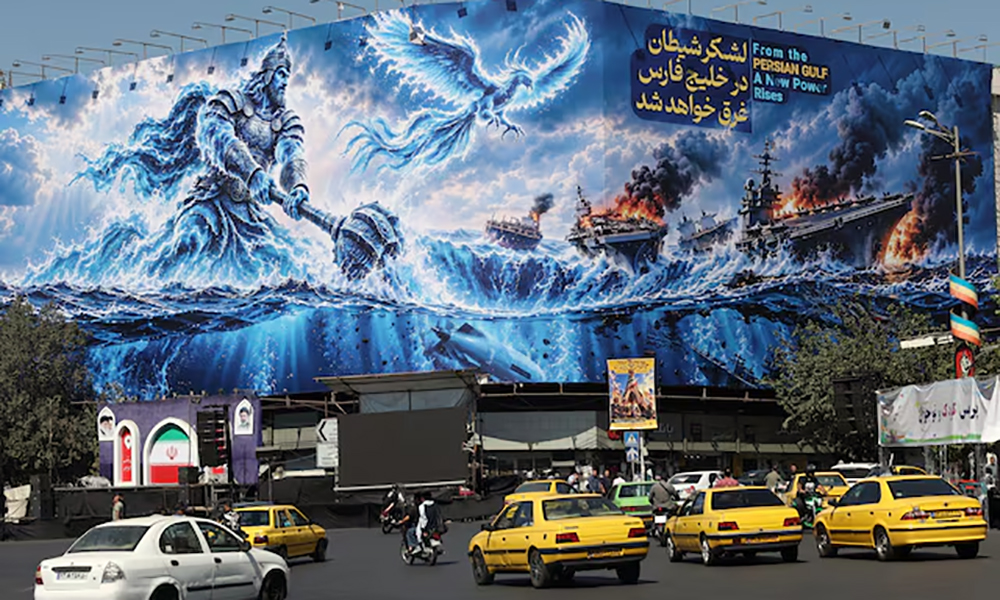
Iran defended a proposal on Monday to restart peace talks in as few as two days as the most reasonable offer on the table, after US Secretary of State Marco Rubio called some of Iran’s conditions “outrageous and ridiculous”, Reuters reported.
“Is it unreasonable that Iran demands that US illegal sanctions and its naval blockade must be lifted before negotiations start and that the war should end on all fronts?” Foreign Ministry spokesman Esmaeil Baghaei told a weekly press conference in response to Rubio’s remarks.
Iran defended a proposal on Monday to restart peace talks in as few as two days as the most reasonable offer on the table, after US Secretary of State Marco Rubio called some of Iran’s conditions “outrageous and ridiculous”.
“Is it unreasonable that Iran demands that US illegal sanctions and its naval blockade must be lifted before negotiations start and that the war should end on all fronts?” Foreign Ministry spokesman Esmaeil Baghaei told a weekly press conference in response to Rubio’s remarks.
Regional
Explosions heard in areas in southern Iran, Iranian media report
Earlier on Saturday, Tasnim news agency said two missiles struck Qeshm Island with no official information on possible damage.
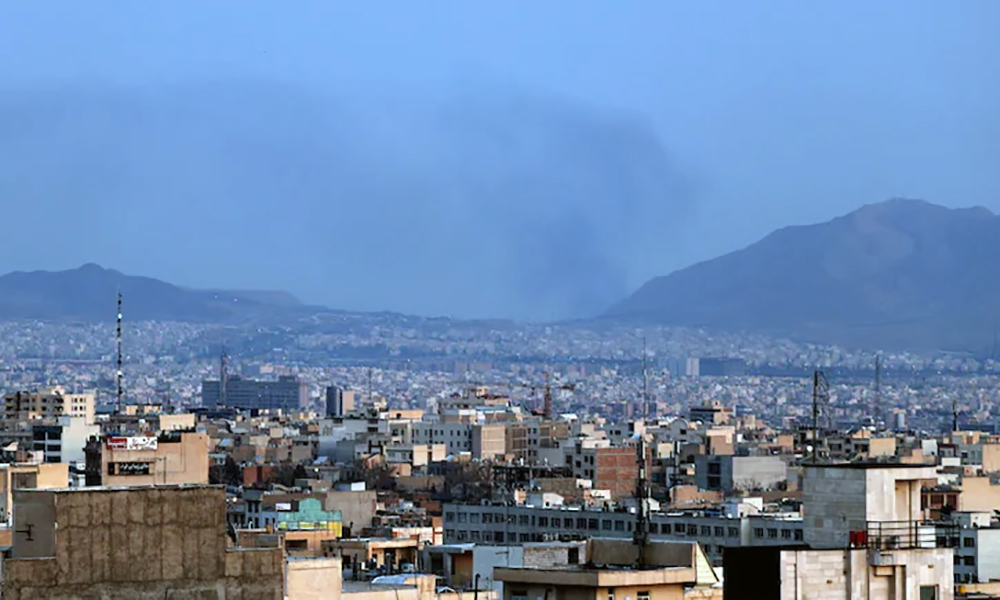
Explosions were heard on Saturday evening in several areas in southern Iran, including on Qeshm Island in the Strait of Hormuz, Iranian state television reported.
Iran’s state TV suggested that the explosions might be linked to Iranian military activities in the strategic waterway, which has become subject to repeated attacks on commercial shipping since the war erupted between the US and Iran in February.
It said Iranian officials have not confirmed any missile strikes on the areas, while the semi-official Tasnim news agency cited a source as saying that the explosions heard on Qeshm Island were not related to missile strikes.
Iran’s Revolutionary Guards Navy said early on Sunday that two oil tankers were on fire after hitting mines as they attempted to pass through an “unauthorized route” in the strait. It was not immediately clear if the incidents referred to by the IRGC were linked to the sound of explosions heard in southern Iranian areas.
Iran has hit vessels it says have violated its restrictions on passage through the waterway, as it seeks to assert control over the strait and exert pressure on Washington.
Earlier on Saturday, Tasnim news agency said two missiles struck Qeshm Island with no official information on possible damage.
The reported explosions come days after the US carried out strikes on the island. A US official said those strikes were limited and not a resumption of major combat operations.
The US military said on Saturday evening that its forces disabled a commercial vessel that tried to get through the US blockade of Iran.
The US Central Command said one of its aircraft fired at the vessel’s stern and disabled the ship after it attempted to violate the blockade.
Countries in the region had been anticipating that US President Donald Trump, who has held off on strikes on Iran during the weeks leading up to Tuesday’s midterm elections, could restart attacks once the voting was over. Iran has repeatedly said it would respond to new attacks by striking at US and Israeli targets in neighboring countries.
Regional
Pakistan’s leaders dread US Democrats’ win but its households are praying for it
Pakistan’s courtship of Trump, capped by its mediation in the Iran war, earned it a close relationship with his administration. That access has yet to deliver clear economic gains, and congressional scrutiny of Islamabad’s dealings with Trump’s inner circle now threatens the rewards its leaders hoped would follow.
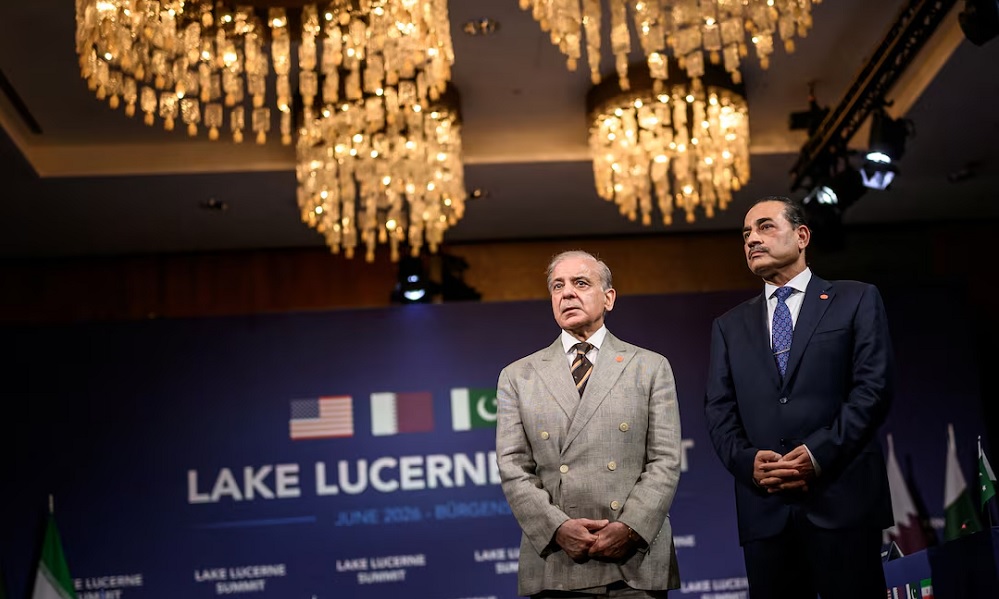
Pakistan’s leaders spent two years courting US President Donald Trump, but after the Democrats’ win in Tuesday’s congressional vote, they are preparing for scrutiny of their access to the White House.
Ordinary Pakistanis see the result differently. Many hope the shift in Washington will ease a cost-of-living crisis intensified by the US-Israel war on Iran, Reuters reported.
“We believe meaningful negotiations with the current US administration are not possible, and the ongoing bloodshed will not end until there is a change in [the US] government,” Karachi resident Sajjad Ali said.
“We want peace, economic improvement and a reduction in the rising oil prices.”
Asim Zafar, also from Karachi, said he hoped the results would rein in Trump. “It could bring changes in important policies and perhaps help prevent some of the injustices being committed against Muslim countries,” he said.
But for Pakistan’s government and powerful military leadership, analysts say, the outcome is far more worrying.
Pakistan’s courtship of Trump, capped by its mediation in the Iran war, earned it a close relationship with his administration. That access has yet to deliver clear economic gains, and congressional scrutiny of Islamabad’s dealings with Trump’s inner circle now threatens the rewards its leaders hoped would follow.
A BET ON ONE MAN
The courtship began early in Trump’s second term, with army chief Asim Munir — who Trump has repeatedly described as his “favourite field marshal” — as Islamabad’s main channel to the White House.
Their June 2025 lunch took place unusually without Pakistani civilian officials present, which put the military at the centre of the rapprochement.
According to Pakistan’s military, their talks went beyond security to cooperation in mining, energy and cryptocurrency.
Pakistan then joined Trump’s Board of Peace and nominated him for the Nobel Peace Prize, crediting him with helping end its May 2025 conflict with India. New Delhi denies US mediation halted hostilities.
Earlier this year, Iran mediation gave the courtship strategic substance: Islamabad relayed messages and hosted April talks between the US and Iran, but the eventual Islamabad Agreement quickly faltered.
For consumers, Pakistan’s rising diplomatic influence has offered little protection from the war’s costs while the payoff for the state has also been thin. The US Export-Import Bank approved $1.25 billion for Pakistan’s Reko Diq copper and gold project in December 2025. But Pakistan’s signature $10 billion request for a US Treasury facility remains unanswered.
DEALS UNDER SCRUTINY
Pakistan’s outreach, public and private, now carries political risk because several arrangements involve Trump’s family or close associates.
Islamabad has signed memoranda to explore payments in USD1, a stablecoin issued by the Trump-linked World Liberty Financial. At the signing in January, Finance Minister Muhammad Aurangzeb said innovation should be “aligned with regulation, stability, and national interest.”
It has also signed another memorandum to redevelop Manhattan’s Roosevelt Hotel, a deal negotiated by envoy Steve Witkoff, and placed a limited drone order with Powerus, whose investors include Trump’s sons Donald Jr. and Eric.
“There are no conflicts of interest,” White House spokeswoman Anna Kelly told Reuters in September, when asked about Powerus.
Husain Haqqani, a former Pakistani ambassador to Washington and senior fellow at the Abu Dhabi-based Anwar Gargash Diplomatic Academy, said Pakistan’s leaders had “built a transactional relationship” with Trump’s team. Some arrangements involving the president’s friends and relatives “might not last,” he said. “Pakistan seems totally unprepared for that scrutiny.”
Daniel Markey, a senior fellow at the Washington-based Stimson Center, warned that investigations could taint the wider relationship if dealings appeared driven by private interests.
From Pakistan’s perspective, there may still be cards left to play, analysts said.
The Atlantic Council’s Michael Kugelman said Pakistan’s counterterrorism cooperation and Iran diplomacy enjoyed bipartisan support, and Democrats would be more likely to blame problematic deals on Trump than on Pakistan.
But “the risk for Pakistan is that it put so many of its diplomatic eggs in the White House basket that it won’t have anything left for the Democrats,” Kugelman said.

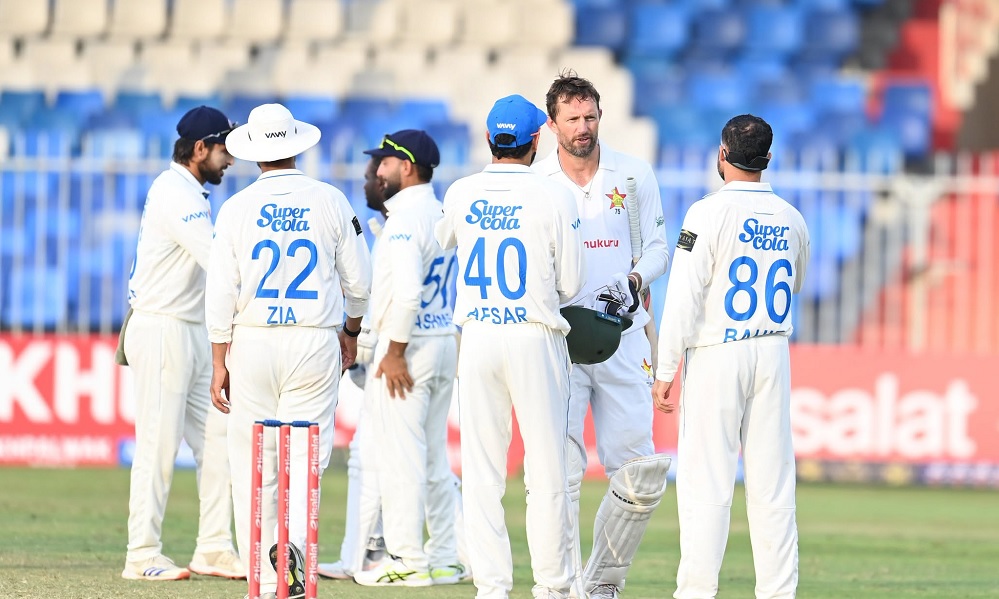
First Test between Afghanistan and Zimbabwe ends in a draw
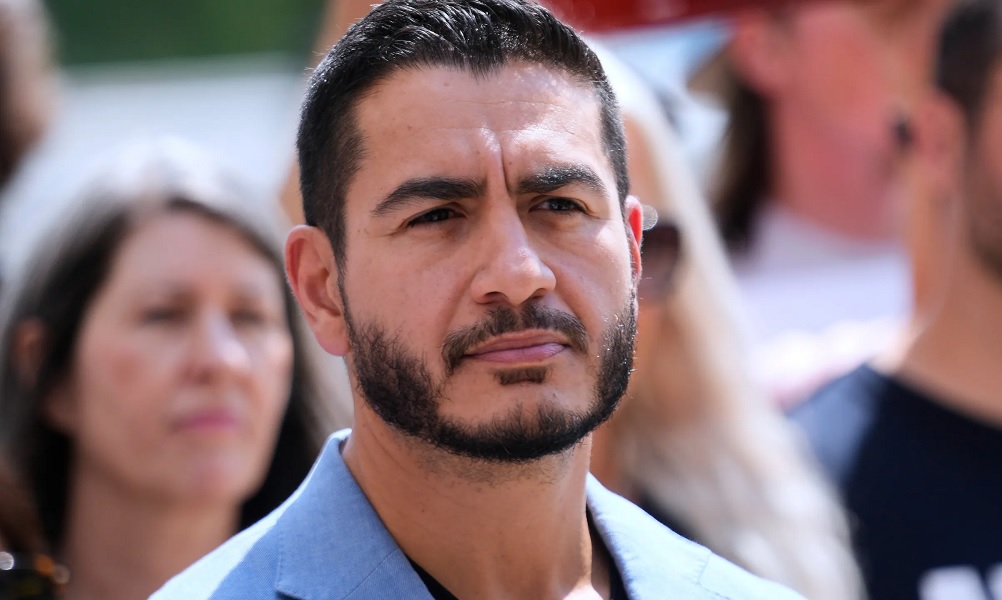
First Muslim US senator-elect El-Sayed calls for review of aid to Pakistan
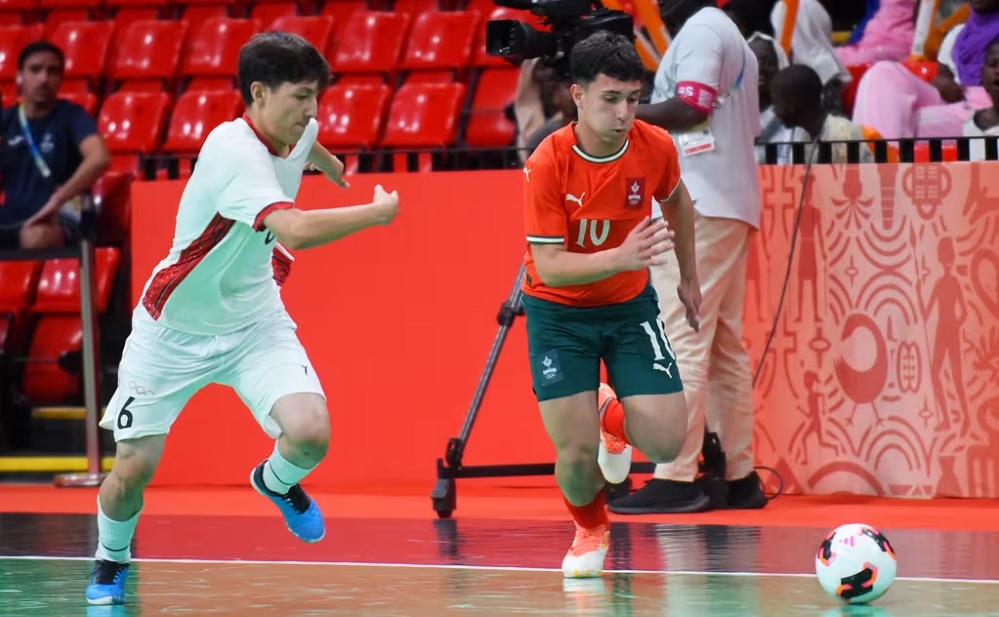
Portugal beat Afghanistan 2-0 in Dakar Youth Olympics futsal semi-finals
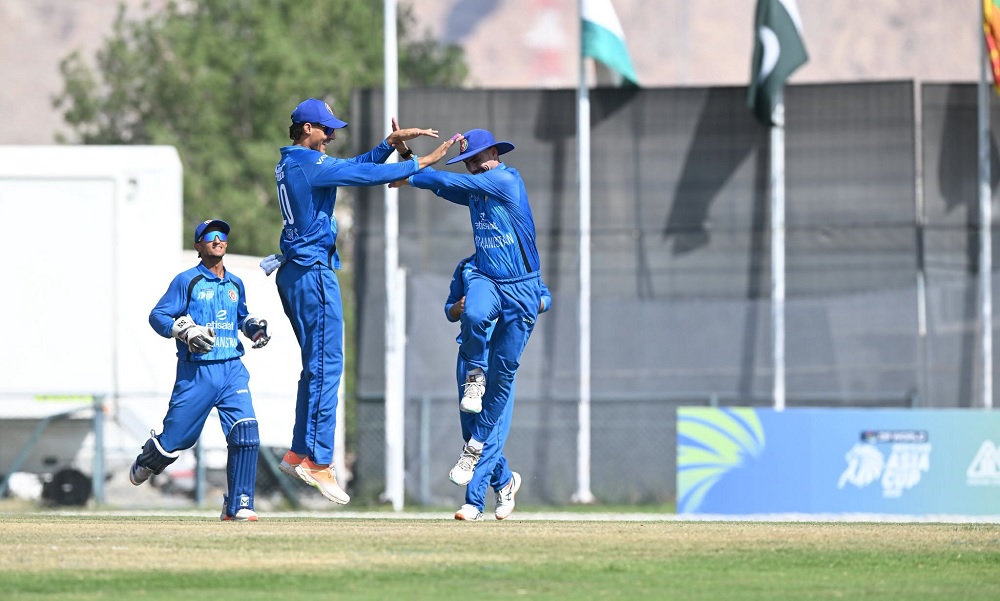
Afghanistan beat Sri Lanka by 106 runs in Under-19s Asia Cup
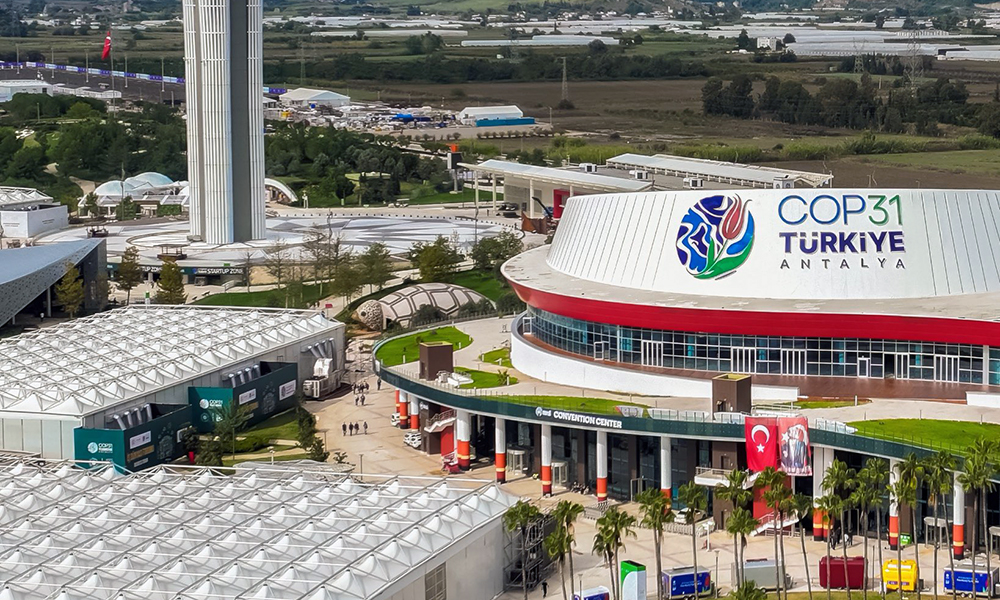
COP31 opens in Türkiye: World leaders urged to turn climate promises into action

Afghanistan finish runners-up after 6-0 defeat to Brazil in futsal final

Trump says US may strike Iran’s ‘Pickaxe Mountain’ nuclear facility

Afghan futsal coach: Brazil tournament is first step towards new goals and World Cup

Houthis warn airlines to avoid Saudi airports after deadly Riyadh attack

Pakistan deploys military to Peshawar after emergency rule declared
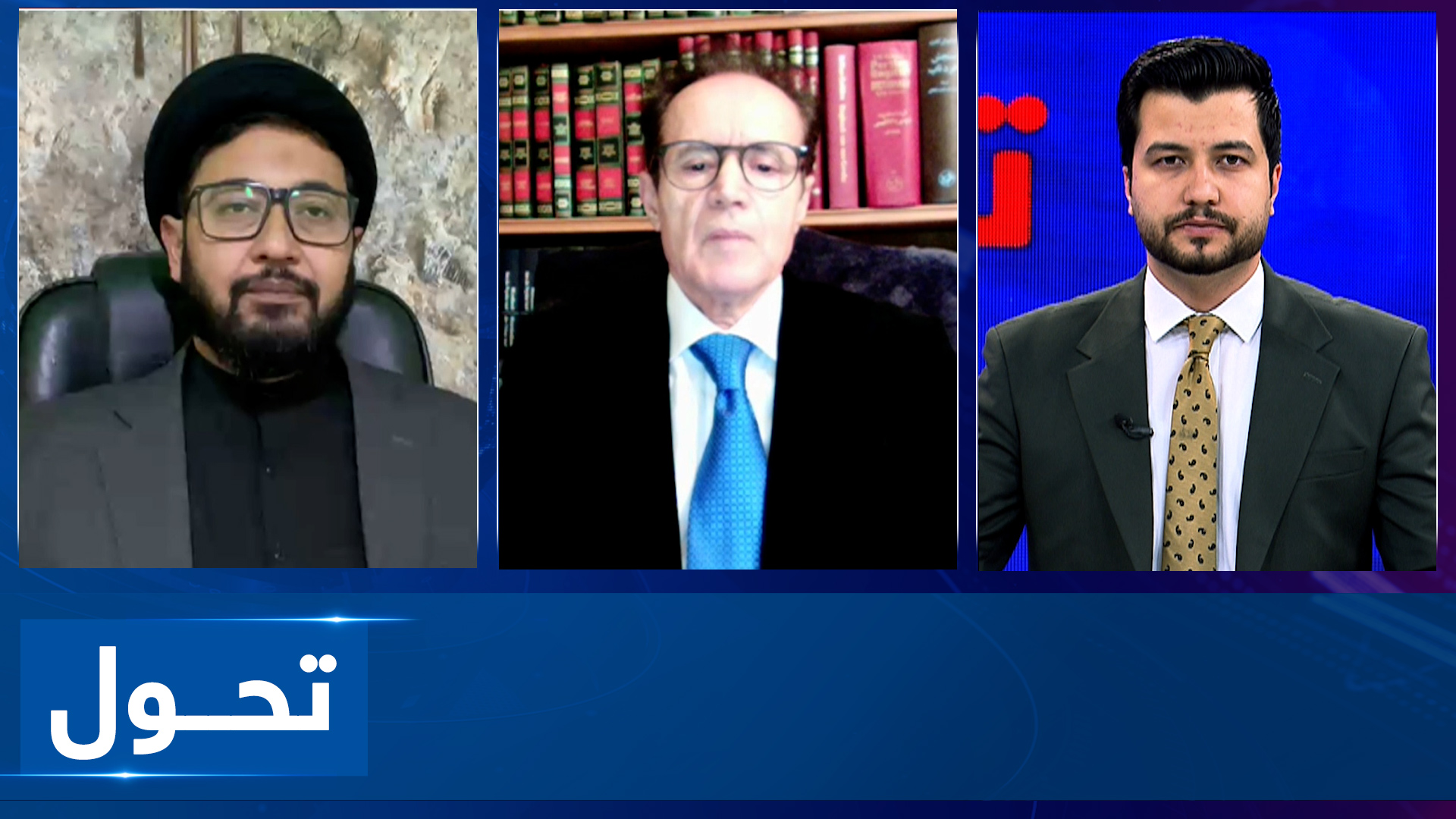
Tahawol: Geopolitical developments in the Middle East
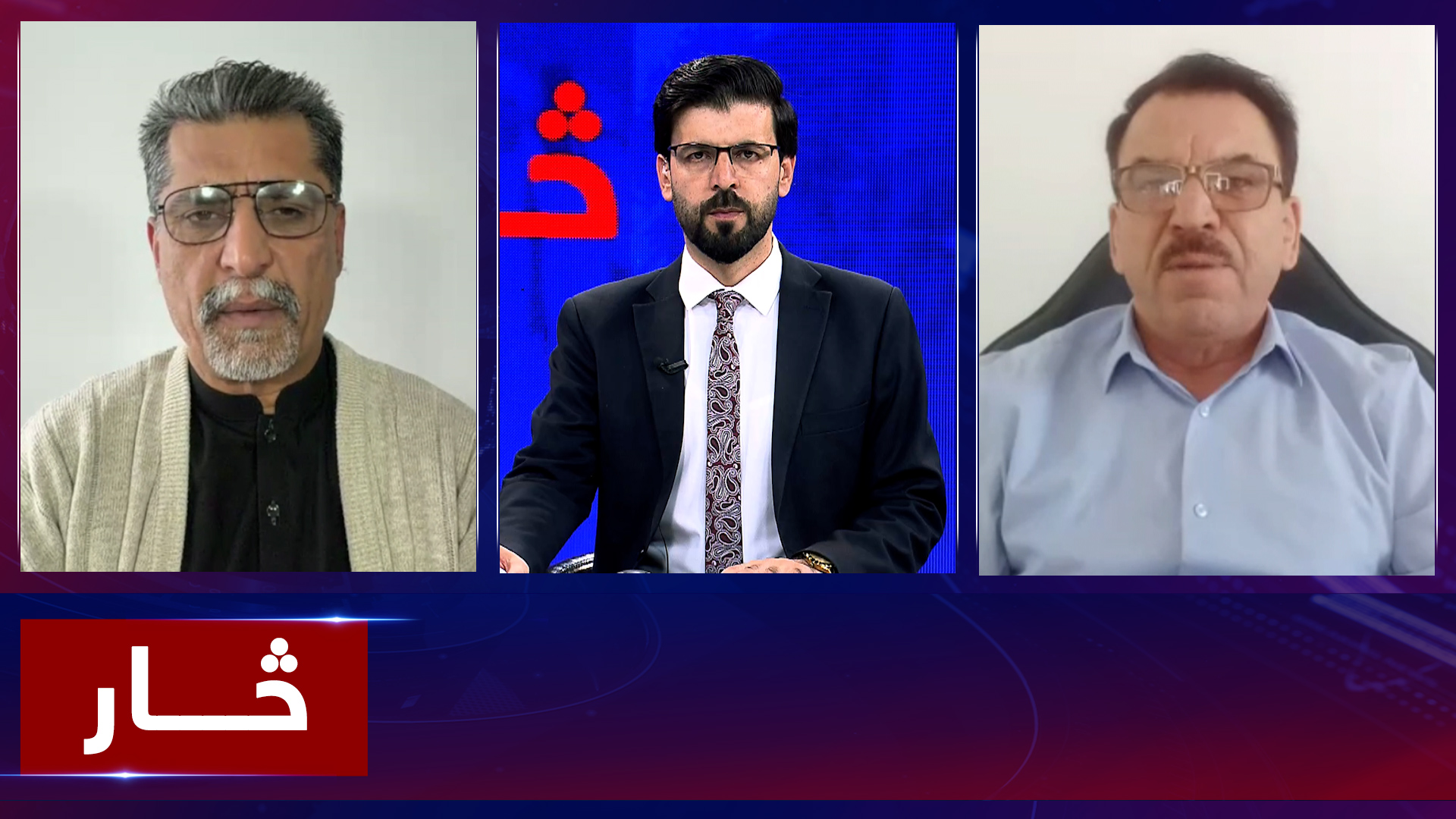
Saar: EU’s engagement with Afghanistan
Tahawol: Afghanistan’s participation in Shanghai Plus security meeting discussed
Saar: Afghanistan’s declining humanitarian aid funding discussed
Tahawol: Calls for stronger joint action against terrorism discussed
-
 Sport5 days ago
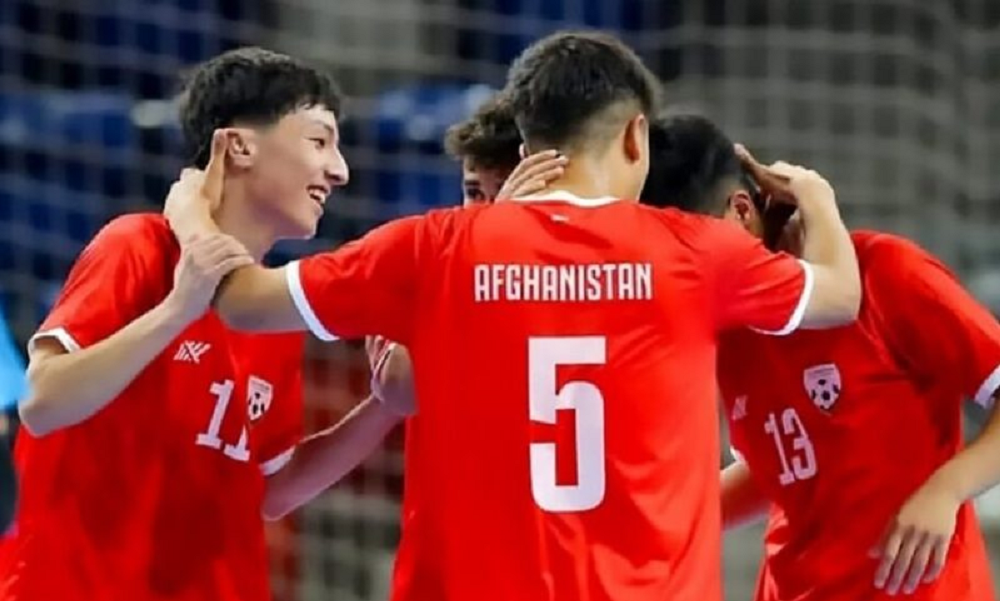
Afghanistan suffer narrow defeat against Argentina at Dakar Youth Olympics
-

 International Sports5 days ago
Cristiano Ronaldo announces international retirement
-
 Regional5 days ago
Iran says US voted ‘No to War’ after Republican midterm losses
-
 Regional5 days ago
Saudi, Syrian defence ministries sign cooperation agreement
-
 World5 days ago
White House declares ‘Trump is still your president’ after Republicans suffer sweeping midterm defeats
-
 Latest News5 days ago
More than half of Afghan primary school-age children out of school: UN report
-
 Regional4 days ago
Iran sent nuclear proposal to the US via Qatar, senior Iranian official tells Reuters
-
 Sport3 days ago
Abu Muslim Farah claim convincing 3-0 win over Omar Zawak in ACL