
Latest News
China coronavirus deaths rise to 17

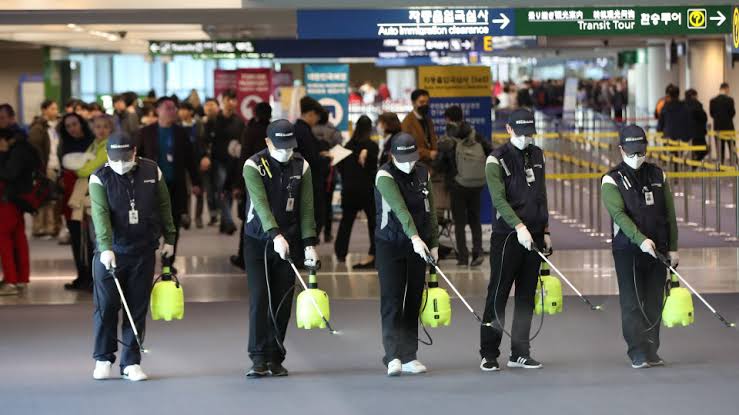

Deaths from China’s new virus rose to 17 on Wednesday with more than 571 cases confirmed, news agencies reported.
According to the report, China is putting on lockdown a city of 11 million people considered the epicentre of a new coronavirus outbreak that has killed 17 and infected nearly 600, as health authorities around the world scramble to prevent a global pandemic.
Health officials fear the transmission rate will accelerate as hundreds of millions of Chinese travel at home and abroad during week-long holidays for the Lunar New Year, which begins on Saturday.
The previously unknown virus strain is believed to have emerged late last year from illegally traded wildlife at an animal market in China’s central city of Wuhan.
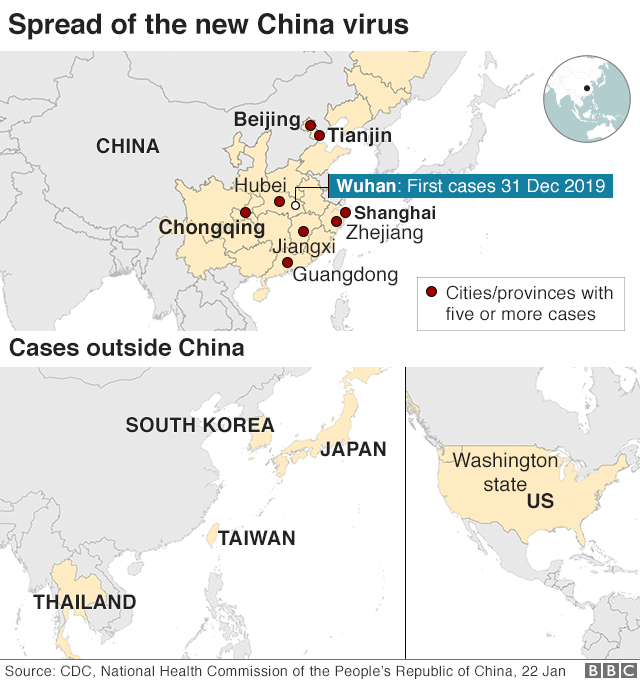
The virus has been reported in other major cities including Beijing, Shanghai and Hong Kong, and several other countries including the United States, stoking fears it is already spreading worldwide.
 Wuhan’s city government said it would shut down all urban transport networks and suspend outgoing flights from 10 a.m. (0200 GMT) on Thursday, state media said. Domestic media said some airlines were operating after the deadline, however.
State media broadcast images of one of Wuhan’s transport hubs, the Hankou rail station, nearly deserted, with gates blocked or barred. The government is urging citizens not to leave the city.
State media reported highway toll booths around Wuhan were closing down, which would effectively cut off road exits. Guards were patrolling major highways, one resident told Reuters.
As the city slipped into isolation, residents thronged into hospitals for checks and scrambled for supplies, clearing out supermarket shelves and queuing for petrol.
Authorities had confirmed 571 cases and 17 deaths by the end of Wednesday, China’s National Health Commission said. Earlier, it said another 393 suspected cases had been reported.
Of eight known cases worldwide, Thailand has confirmed four, while Japan, South Korea, Taiwan and the United States have reported one each.
 In a report on Wednesday, Imperial College London said it estimated a total of 4,000 cases of the coronavirus in Wuhan alone as of Jan. 18, an infection rate based on the number of cases reported in China and elsewhere.
VIRUS SPREADING In contrast with its secrecy over the 2002-03 Severe Acute Respiratory Syndrome (SARS) that killed nearly 800 people, China’s communist government has provided regular updates to avoid panic ahead of the holidays.
During a visit to Wuhan, Vice Premier Sun Chunlan said authorities needed to be open about the virus and efforts to contain it, the official Xinhua news agency said.
The World Health Organization (WHO) has said it will decide on Thursday whether to declare the outbreak a global health emergency, which would step up the international response.
Source: Reuters













Kazakhstan’s Foreign Minister Mukhtar Tileuberdi has called for pragmatic and coordinated international engagement with Afghanistan, saying the country’s long-term stability is closely linked to the security and sustainable development of Central Asia.
Speaking during the general debate of the 81st session of the United Nations General Assembly in New York on Friday, Tileuberdi said humanitarian assistance to Afghanistan remains essential but alone cannot break the cycle of poverty, displacement and dependency.
He said Kazakhstan supports a “pragmatic, coordinated and step-by-step” approach to international engagement with Afghanistan, with the United Nations playing a central role.
Tileuberdi also said Kazakhstan is working with the UN to operationalize the United Nations Regional Centre for the Sustainable Development Goals for Central Asia and Afghanistan in Almaty.
He said the success of the centre should be measured by the results and assistance it delivers to the region.


Abu Muslim Farah defeat Khurasan Faryab 2-0 in ACL season six

Saar: Concerns over Pakistan’s political crisis discussed

Afghanistan Champions League: Omar Zawak Herat beat Toofan Herat 1-0

Blast in Pakistan’s Dera Ismail Khan kills 11, injures 30

Ariana Afghan Airlines increases Kabul-Delhi cargo flights

Saudi energy group signs major Afghanistan deals covering gas exploration and pipeline plans

Trump floats idea of renaming Atlantic or Pacific Ocean

US hits Egyptian bank branches with Iran sanctions as war marks six months

Nepal flood rescue mission enters critical phase as thousands remain missing

Iranian clubs to face Gulf opponents at neutral venues in Asian Champions League Elite
Saar: Concerns over Pakistan’s political crisis discussed

Exclusive interview with Abdul Latif Mansoor, Minister of MRRD

Tawsia: Overview of Afghanistan’s iron mines

Tahawol: Discussion on fresh Pakistani airstrikes on Afghanistan

Saar: Calls for international support for Afghanistan discussed
-

 World5 days ago
CNN, MS NOW and Politico sue Trump, challenging White House ban
-

 Latest News3 days ago
Ariana Afghan Airlines ranks seventh among 45 Central Asian airlines
-

 Latest News5 days ago
UN reiterates call for respect for international law after Kunar airstrikes
-

 Regional4 days ago
US and Iran hold first talks since June after Trump’s ‘annihilation’ threat
-

 Latest News3 days ago
Silk Road highway in Wakhan corridor now reaches the China border
-

 Regional3 days ago
Iran airlines cancel flights as US sanctions hit
-

 Latest News5 days ago
Afghan Official: Pakistan’s airstrikes will not go unanswered
-
 Regional5 days ago
G7 foreign ministers call on Iran to stop arming Houthis