
Latest News
Ghani gives UNICEF’s polio unit boss 24 hours to leave Afghanistan

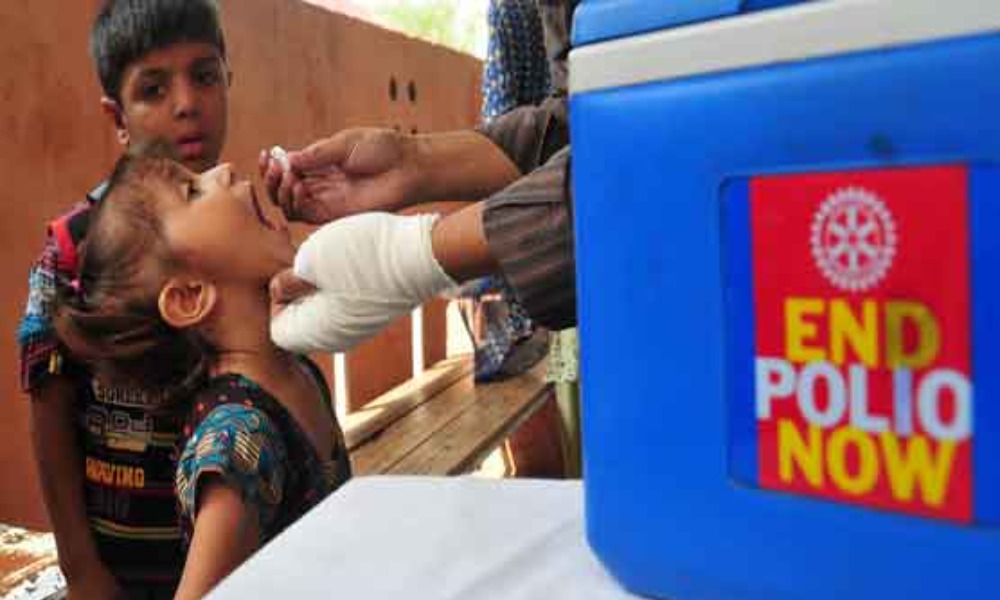
President Ashraf Ghani gave Mohammed Mohammedi, the head of the United Nations Children’s Fund’s (UNICEF) polio eradication team in Afghanistan, 24 hours to leave the country, a presidential spokesman said.
According to a Facebook post on Wednesday by Dawa Khan Menapal, Mohammedi was given notice to leave the country for “ignoring the president and for the lack of transparency in his work.”
Meanwhile the Ministry of Public Health said that UNICEF had spent $22 million on an awareness campaign around polio but failed to provide a report to government.
According to Masooma Ghafari, the deputy spokeswoman for the health ministry, there was still an increase in the number of cases despite money having been spent on polio campaigns.
“We need to bring changes in the section,” she said.
Ghani’s sudden move to have Mohammedi expelled drew sharp criticism from some analysts who felt the move would have a negative effect on aid coming in from international organizations.
“Unfortunately, President Ghani’s act with an international organization was startling, and the act will affect the planning of international organizations badly,” said Asif Mobaligh, an international affairs analyst.
Ghani chats to Bill and Melinda Gates about polio concerns
The sudden move to expel Mohammedi also comes just days after Ghani held a telephone conference call with Bill and Melinda Gates whose Foundation is a key donor in Afghanistan’s drive to rid the country of wild polio.
During the meeting the Gates and Ghani expressed their concerns over the surge in polio cases in Afghanistan due to restrictions imposed by the Taliban in areas under their control, the Presidential Palace said in a statement after the virtual meeting.
“The two sides also held a comprehensive discussion on reforming the polio vaccine implementation process and increasing facilities in this regard,” the statement read.
Bill and his wife Melinda run the Bill and Melinda Gates Foundation – a funding organization. Polio eradication is one of their top priorities.
The virtual meeting on Monday night came after the Afghan Ministry of Public Health claimed that more than 3.5 million children have been deprived of anti-polio vaccinations due to Taliban restrictions.
Lancet reports 2020 was a bad year for polio
Earlier this month, the world’s leading medical journal, The Lancet, reported that there is growing concern about the effect the COVID-19 pandemic could have on global efforts to eradicate the disease.
Polio vaccination campaigns in Afghanistan were stopped in March last year for several months before being restarted in August.
Speaking to The Lancet, Mohammedi said the decision to halt vaccinations had been “a precautionary measure” as they did not want to contribute towards the spread of COVID-19.
“We didn’t want to replace one virus with another,” he said.
In 2020, 56 polio cases were reported in Afghanistan; in 2019 the number was 29.
UNICEF however estimates that last year, about 50 million children in Afghanistan and Pakistan missed out on vaccines because of the disruption in immunisation due to the pandemic.
Abdul Quayum Pokhla, director of the Regional Emergency Operation Centre for polio in
Kandahar, meanwhile told The Lancet that “2020 was another bad year not just for the south, but for the whole country.”
He said: “The virus spread not just to endemic areas in Afghanistan, but to some free zones. We’ve missed so many children and it will lead to reduced immunity. We are expecting more cases – the virus is circulating in the environment.”
UNICEF states that since 2018, approximately one million children just in southern Afghanistan have missed out on polio vaccinations because of insecurity.
“When it comes to a rise in polio cases, does it make a difference to have 50 or 100 cases? It’s the same root causes,” Mohammedi said.
“We have issues with access and this lack of access has been underestimated by the polio programme. For more than two and a half years some areas have had no access [to vaccines] but the strategy is the same”.
He said “polio is not a priority except for people working for the programme. We have donors that have become massively passive. We need active donors. The UN talks about polio as
if it’s a priority, but it’s not at all. If it were a top priority, the game would change.


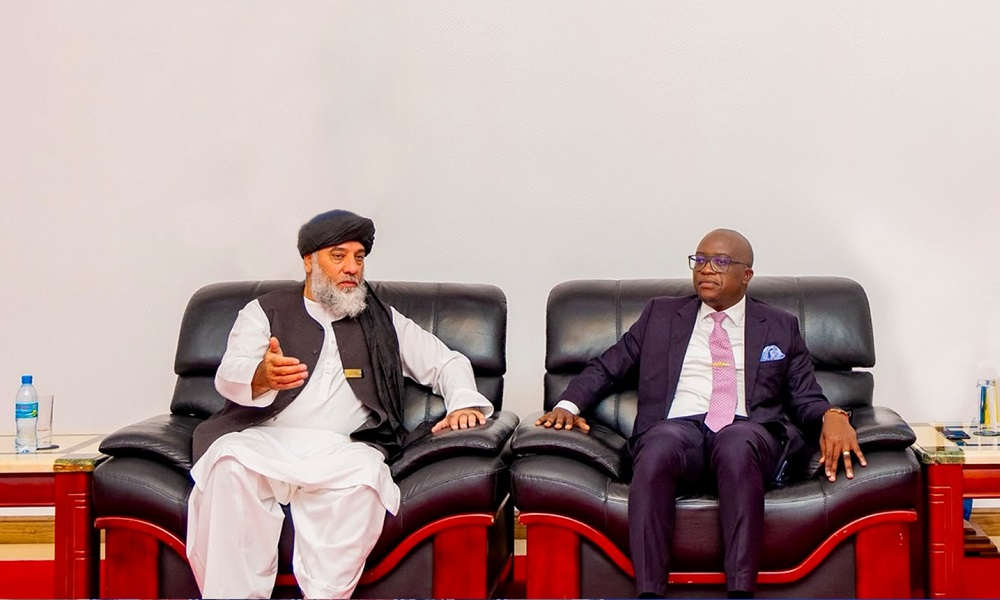
Nooruddin Azizi, the Minister of Industry and Commerce of the Islamic Emirate of Afghanistan, has emphasized expanding bilateral cooperation in the processing and export of mineral products during a meeting with Antony Mavunde, Tanzania’s Minister of Minerals.
The Ministry of Industry and Commerce says the meeting was held on the sidelines of Tanzania’s 7th Investment Conference, where the two sides discussed investment opportunities, the expansion of bilateral trade, and the exchange of expertise in the mining sector.
According to the ministry, Azizi highlighted Afghanistan’s extensive mineral resources and stressed the Islamic Emirate’s policy of processing minerals domestically. He said this approach could create employment opportunities and facilitate the export of higher value-added mineral products to international markets.
The management of exports of rare and valuable minerals was also among the topics discussed during the meeting.
The two sides further discussed expanding exports of Afghan agricultural products and carpets to Tanzania, as well as holding trade exhibitions in Kabul and Tanzania, and agreed to follow up on these matters.
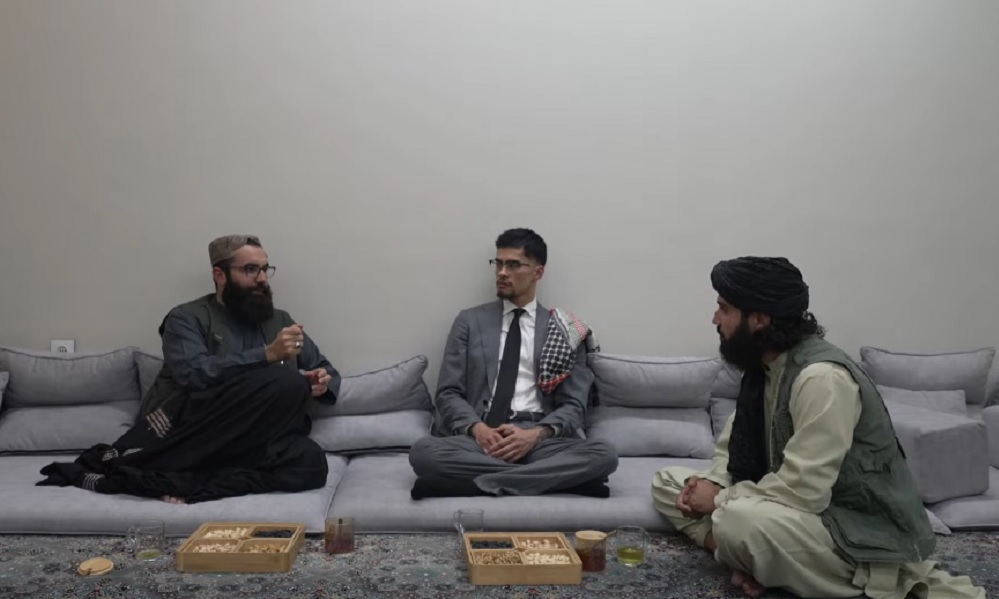
Anas Haqqani, a senior member of the Islamic Emirate, has stressed in an interview with American YouTuber Sneako that Bagram Air Base belongs to Afghanistan and its people, and that the United States has no right to claim it as its own.
Responding to a question about Bagram’s significance and US President Donald Trump’s remarks about the air base, Haqqani said Bagram holds a special place in Afghanistan’s history and was once celebrated in poetry and historical accounts as a symbol of the country’s beauty.
He added that during the presence of the Soviet Union and later US forces, Bagram’s image changed, turning the area into a symbol of violence, destruction and imprisonment.
Referring to the memories of thousands of prisoners held at the base, Haqqani said traces of their presence remain on Bagram’s walls. He also spoke about people being killed and tortured at the base, asking whether Bagram belongs to Afghanistan or the United States.
Answering his own question, he stressed: “This is our right; it is not the right of the Americans or American politicians.”
Haqqani also criticized foreign interference in Afghanistan, saying Afghans had not gone to other countries, but that foreign forces had come to their country.
“We hope Afghanistan will not once again become a victim of the policies of others. We want to live normal lives, and we want our children and the new generation to be able to study and enjoy life normally. Every time the policies of others have been imposed on our country, problems have arisen,” he said.
In the interview, Haqqani also described Islam as a religion of peace and justice, saying it recognizes the rights of followers of all religions.
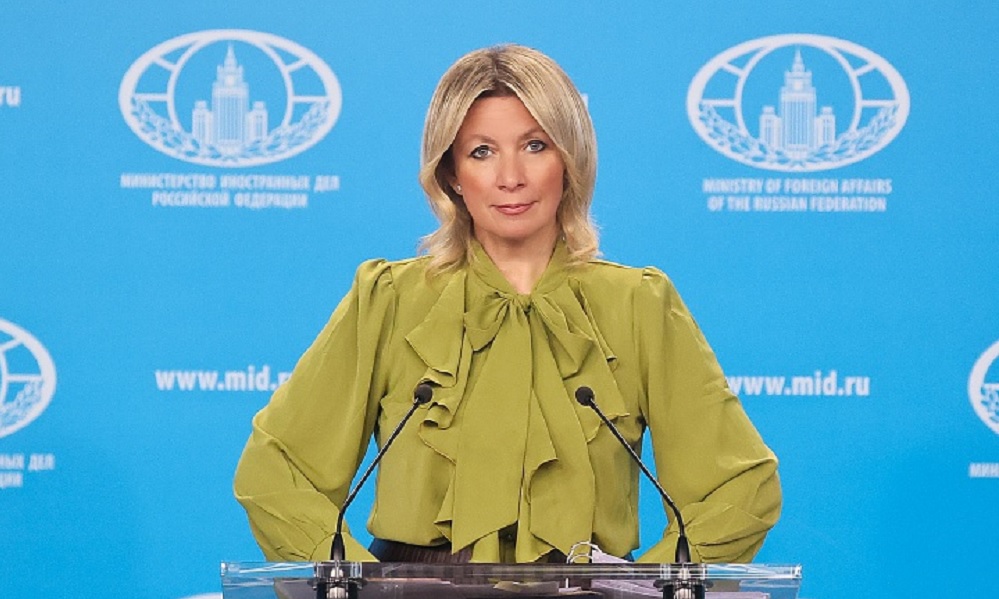
Russia is ready to facilitate negotiations between Kabul and Islamabad if both sides request its assistance, Russian Foreign Ministry spokesperson Maria Zakharova said on Friday, as tensions between the two neighboring countries continue.
Speaking at a press conference, Zakharova said Moscow was closely monitoring developments in the Pakistan-Afghanistan conflict and consistently supported resolving the dispute through political and diplomatic means.
She said dialogue was essential to maintaining peace between the two neighboring countries and ensuring regional security.
Zakharova also described stabilizing Afghanistan and eliminating terrorism from its territory, particularly the threat posed by the Islamic State’s Khorasan branch (ISIS-K), as shared goals.
She stressed that international terrorism must be fought collectively, without hidden agendas or double standards.
Emphasizing the principle of “regional solutions to regional problems,” the Russian spokesperson said counterterrorism efforts should take into account local circumstances and the interests of all parties. She added that such efforts should go hand in hand with removing obstacles to Afghanistan’s socioeconomic development and strengthening the role of state institutions in ensuring security.
Zakharova described Pakistan as one of Russia’s key partners in combating terrorism in South Asia, including Afghanistan, and said Moscow maintained close dialogue and coordination with Islamabad on the issue.
She also said Russia gives priority to the Moscow Format of Consultations on Afghanistan, which brings together Russia, Afghanistan, Pakistan, India, Iran, China and the Central Asian countries.

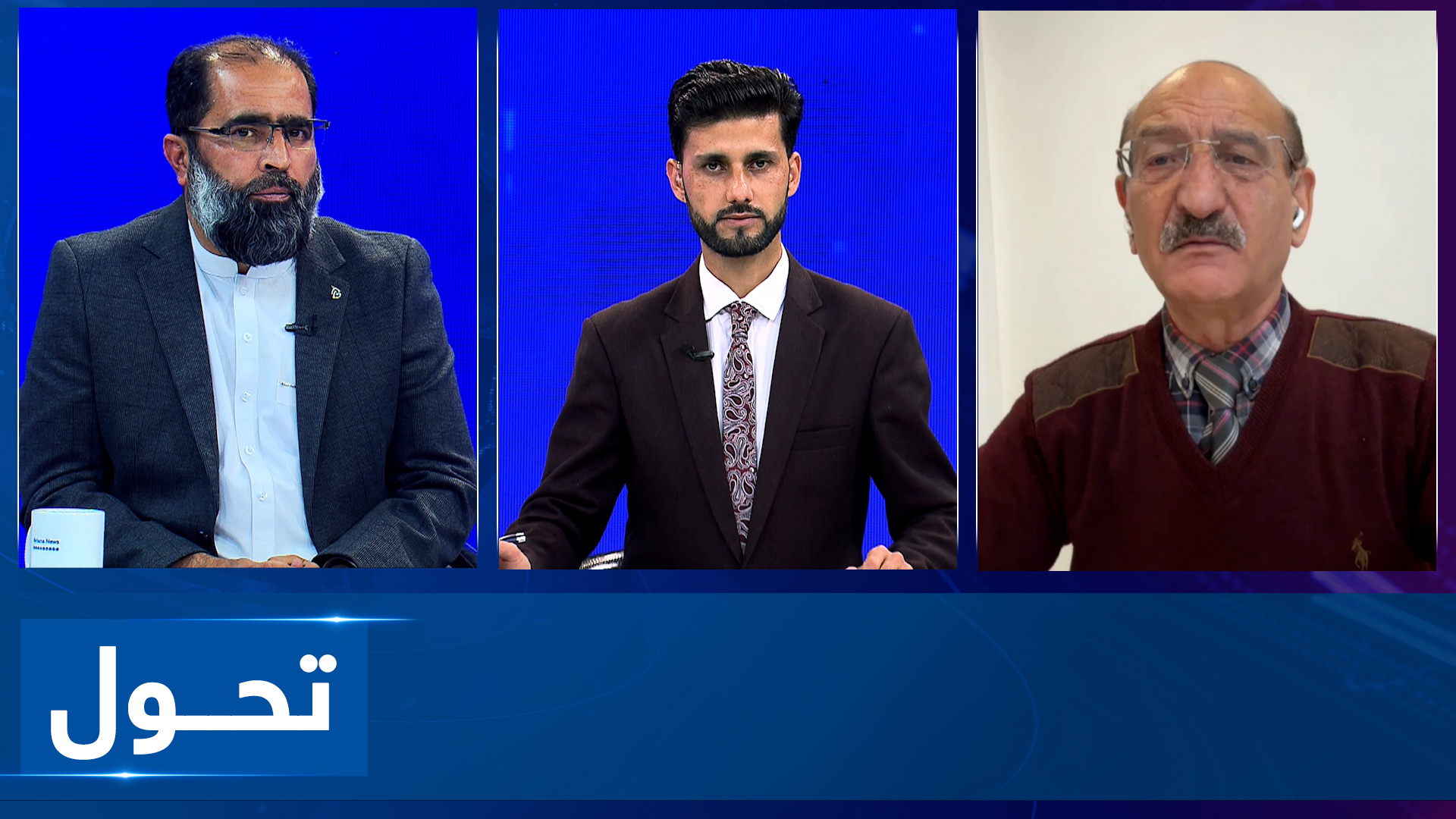
Tahawol: World Television Day discussed
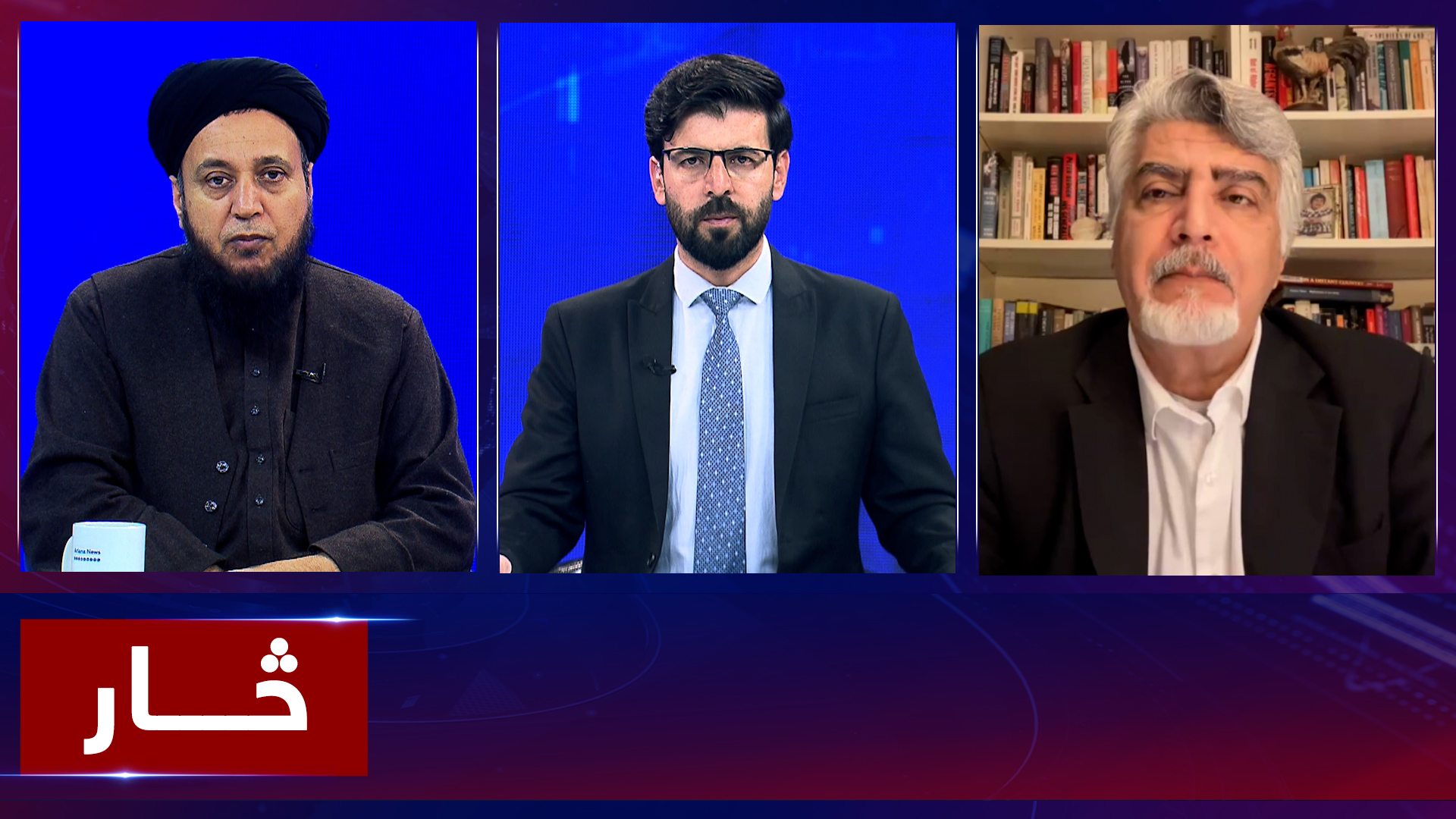
Saar: Efforts to resolve Afghanistan-Pakistan tensions in Moscow reviewed
Afghanistan and Tanzania stress expanding cooperation in mining and trade
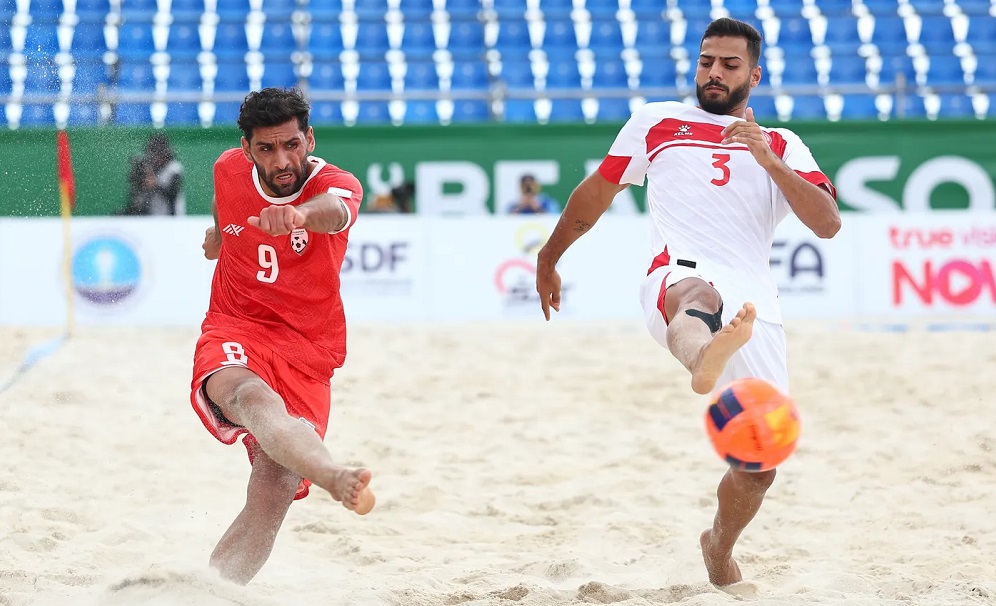
Lebanon defeat Afghanistan 5-0 in Beach Soccer Asian Cup
Bagram belongs to Afghanistan, not the United States: Anas Haqqani

US sanctions and blockade measures disrupt Iran’s trade with Afghanistan and regional neighbors

Pakistan exporters suffer billions in losses as Afghanistan trade halt continues

Saudi defence pact countries push for peace in Tehran as Houthis launch more attacks
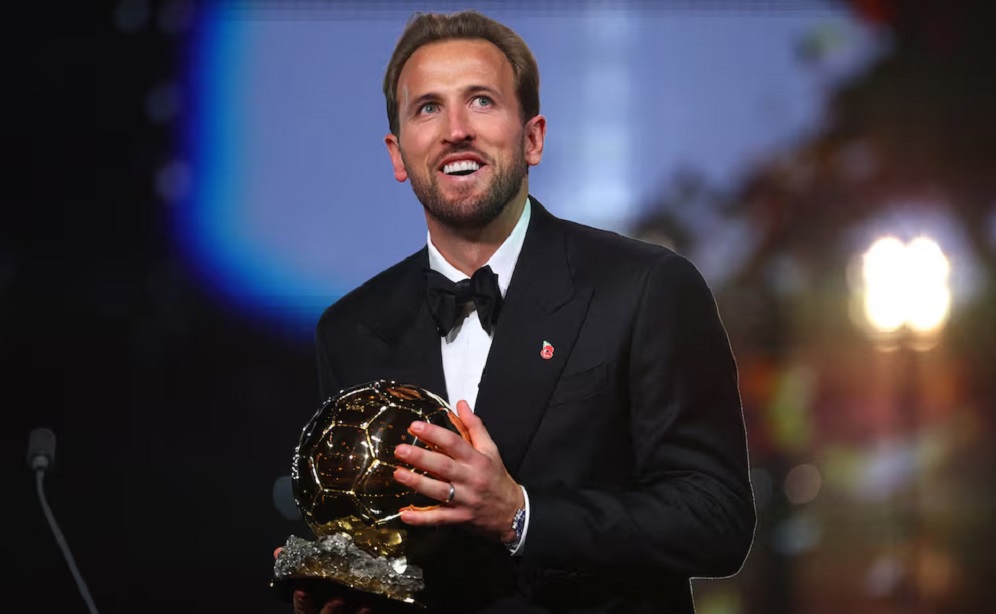
England forward Kane crowned Ballon d’Or winner

Afghanistan urges polio vaccination as cases reach 42
Tahawol: World Television Day discussed
Saar: Efforts to resolve Afghanistan-Pakistan tensions in Moscow reviewed
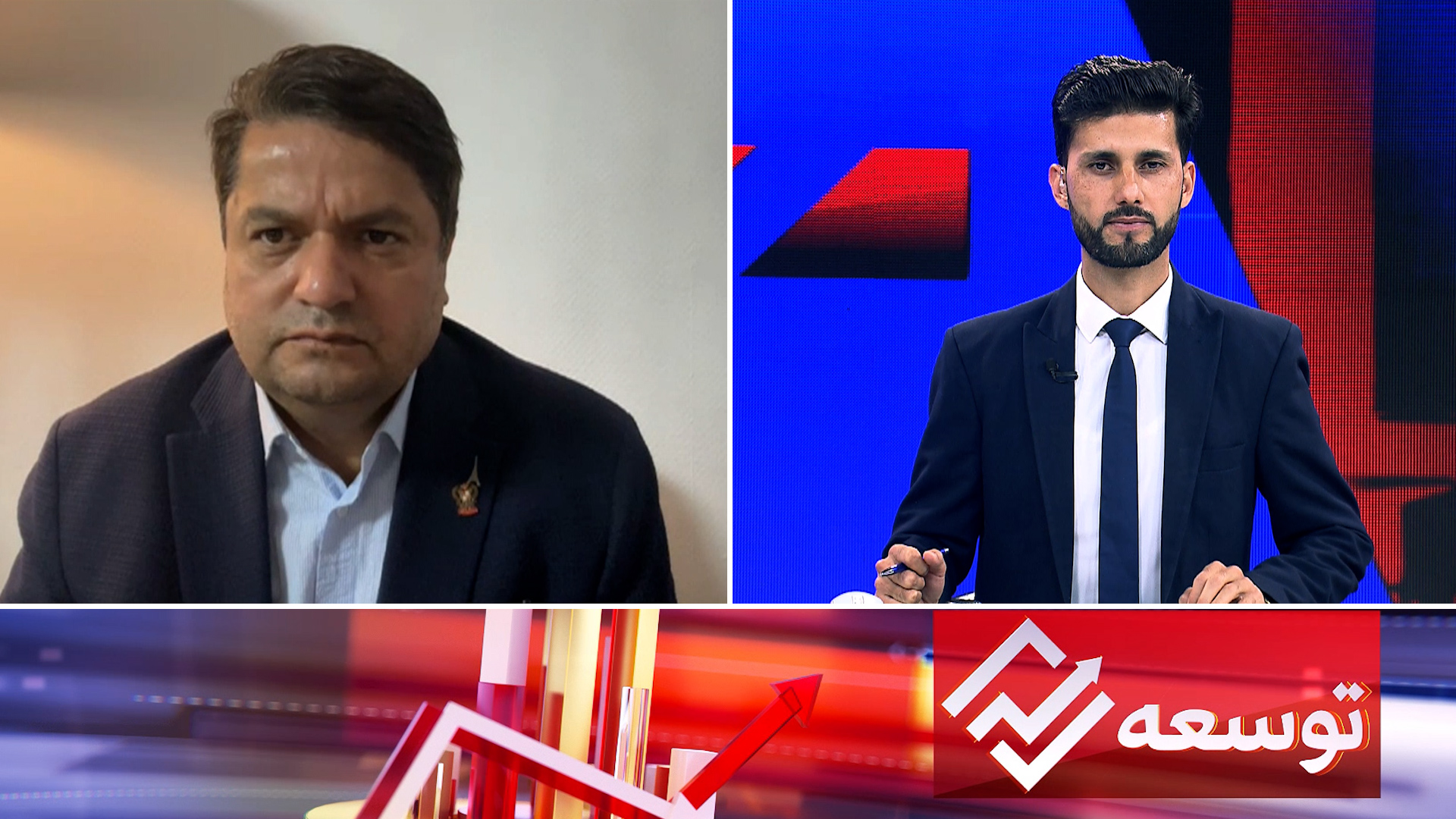
Tawsia: Afghanistan’s key economic highlights of the week discussed
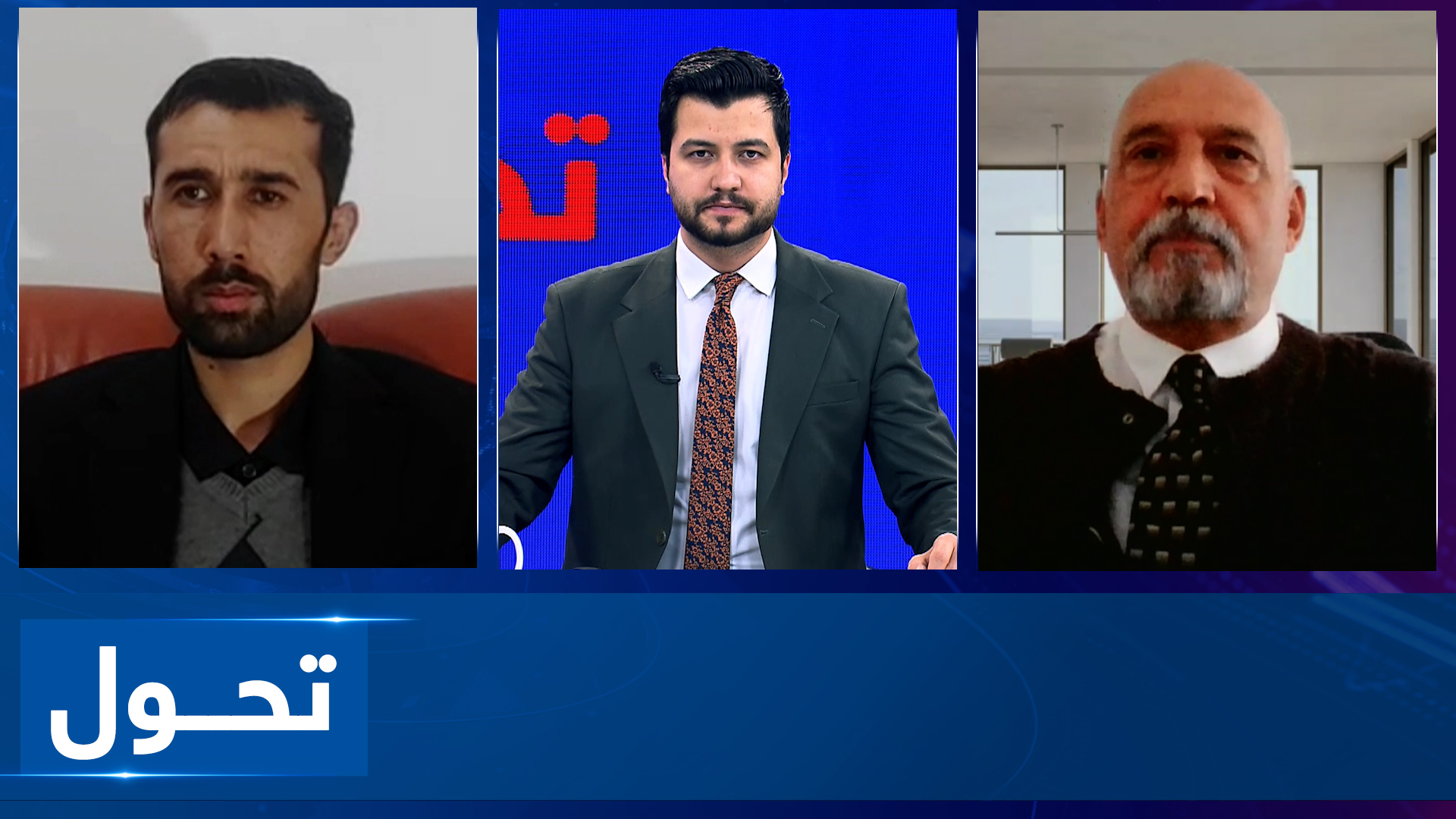
Tahawol: Kazakhstan’s call for practical international engagement with Afghanistan
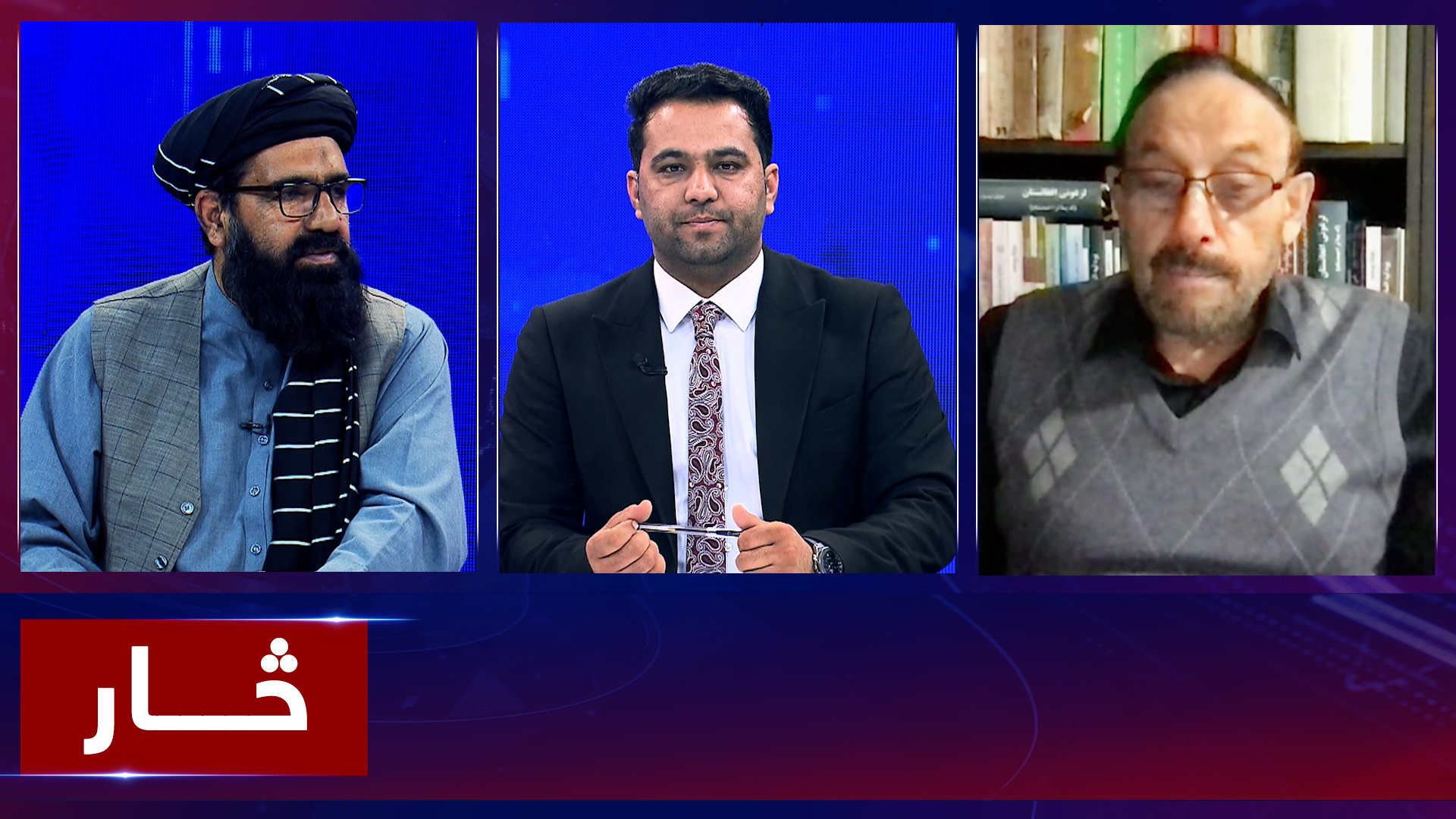
Saar: Afghanistan and UN: 80 years of diplomatic relations discussed
-
 Sport4 days ago
ATN to broadcast AFC Awards honoring Asia’s football stars
-
 Regional4 days ago
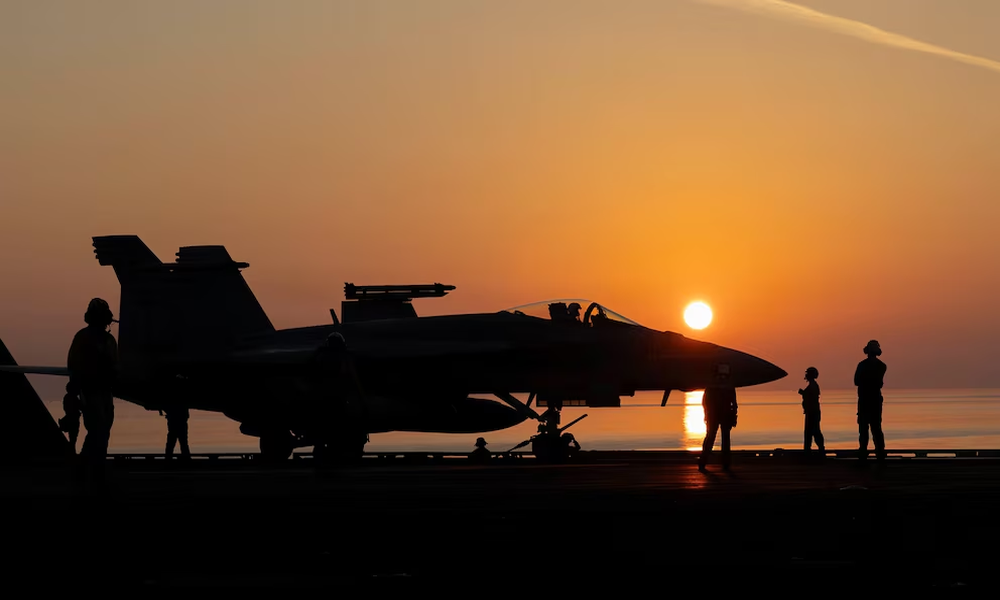
US strikes Iranian military site as Gulf states report fresh attacks
-
 Business5 days ago
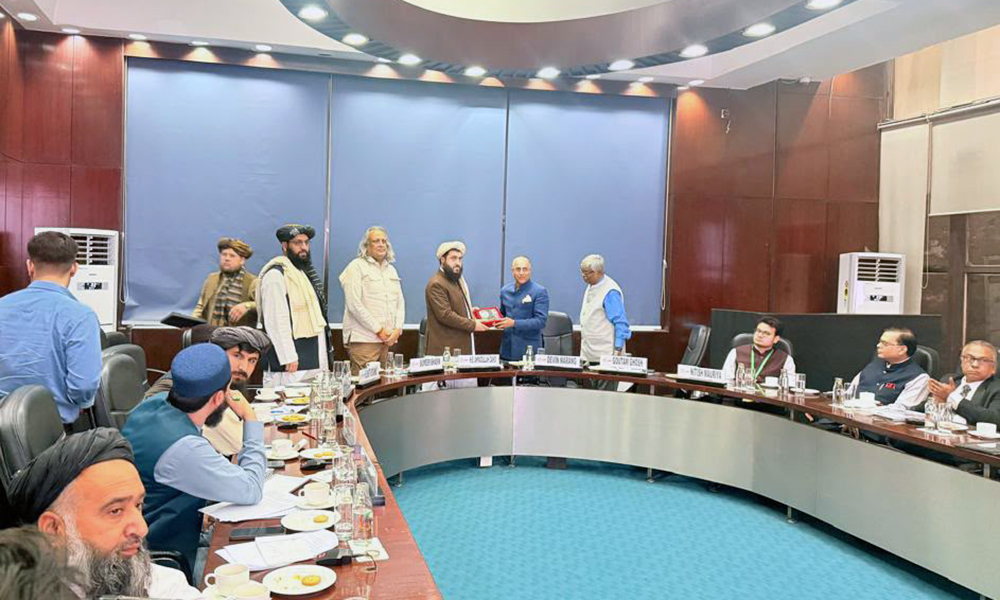
Afghanistan, India discuss expanding trade and investment ties
-
 Regional5 days ago
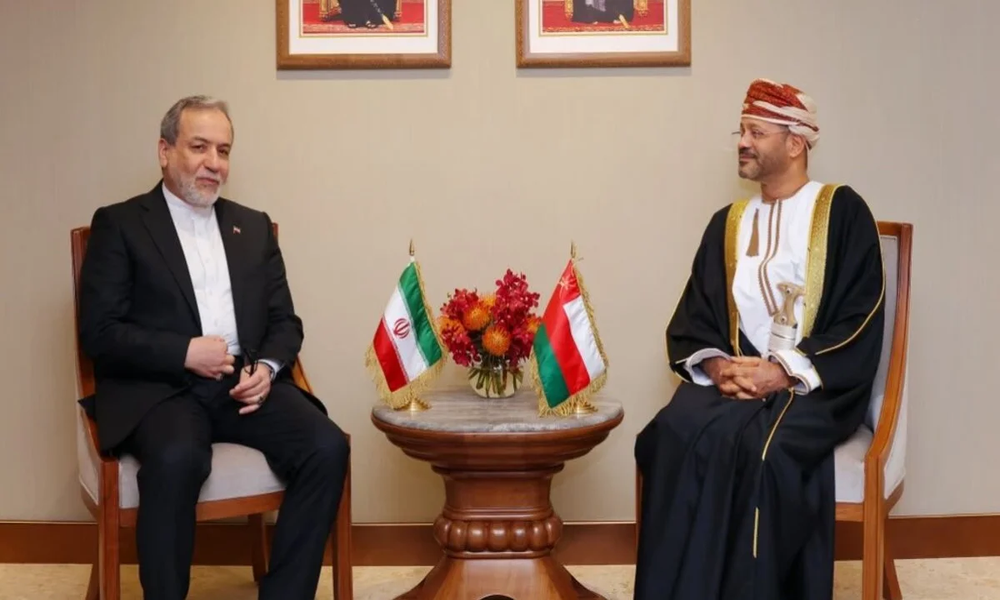
Oman and Iran discuss restoring shipping through Strait of Hormuz
-
 Latest News4 days ago
Afghanistan’s economy grows despite rising food insecurity and water crisis: World Bank
-
 Latest News5 days ago
IEA leader says he will not allow Muslims to fight to protect his power
-

 Latest News5 days ago
Germany reportedly approves visas for four new Afghan diplomats
-
 Sport5 days ago
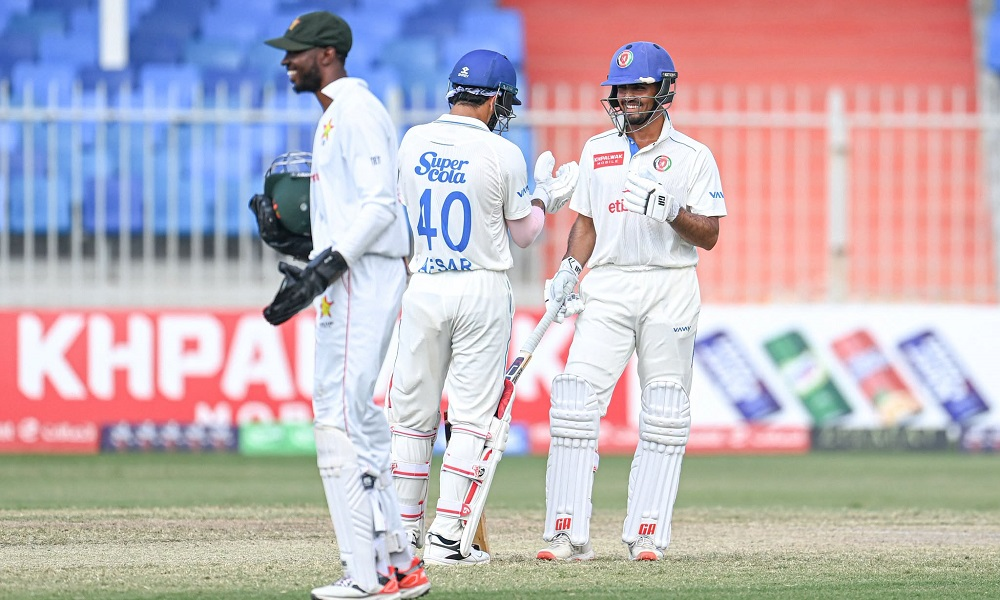
Zimbabwe beat Afghanistan by 57 runs in second Test