
توزیع کارت اقامت به ۷۰۰ هزار مهاجر افغان در پاکستان

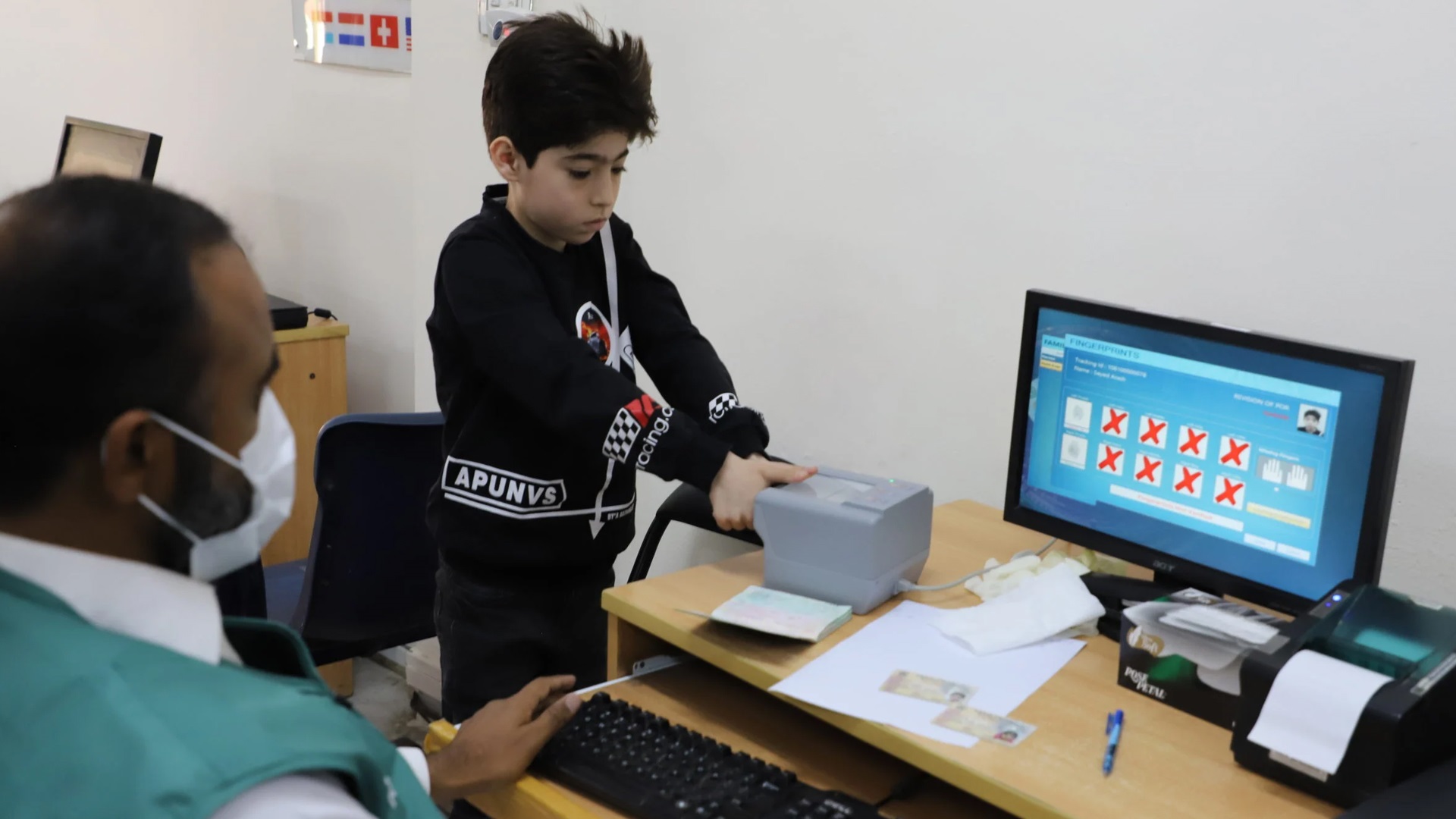
کمیشنری عالی سازمان ملل متحد در امور پناهندهگان میگوید که پاکستان به ۷۰۰ هزار مهاجر افغان کارت اقامت بایومتریک توزیع کرده است.
بابر بلوچ، سخنگوی کمیشنری عالی سازمان ملل متحد گفته است که اولین دور کارزار اعطای اسناد جدید الکترونیکی و بررسی اطلاعات مربوط به ۱،۴ میلیون مهاجر افغان در پاکستان، به پایان رسیدهاست.
به گفتهای بلوچ به مهاجرین افغان کارتهای هوشمند توزیع شده تا اقامت آنان را قانونی شود و دسترسی شان به کمکهای بشری و سایر کمکها تسهیل شود.
او در این باره گفت:” کارتهای جدید شناسایی یک وسیله لازمی برای حفاظت از مهاجرین افغان بوده و به آنان دسترسی سریعتر و مصوونتر به تسهیلات صحی، آموزشی و خدمات صحی میدهد.”
بر بنیاد معلومات کمیشنری عالی سازمان ملل متحد پس از تسلط امارت اسلامی بر افغانستان بیش از ۳۰۰ هزار افغان به پاکستان فرار کرده که بیشتر شان به صورت غیر قانونی وارد این کشور شده و ممکن اخراج شوند.
این مقام سازمان ملل افزوده تا اکنون بیش از ۷۰۰ هزار کارت جدید هوشمند توزیع شده و قرار است کارتهای باقی مانده در اوایل سال جاری توزیع شود.
قابل یاد آوری است این کارتها تا تاریخ ۳۰ جون سال ۲۰۲۳ قابل اعتبار خواهد بود.


Astronomers have discovered a white dwarf star surrounded by two distinct rings of planetary debris, offering new insights into what may happen to planetary systems, including our own, when their host stars reach the end of their lives.
The star, identified as J1328−1450, is located about 1,600 light-years from Earth in the constellation Virgo. Observations made using the European Southern Observatory’s Very Large Telescope in Chile revealed an unusual arrangement of dust and gas around the star.
According to researchers, the debris appears to form two separate rings, a structure not previously observed around any of the 21 white dwarfs known to have surrounding planetary debris.
The scientists believe that two relatively large rocky bodies may have survived the star’s transformation into a white dwarf and could be responsible for shaping the surrounding material. One of these objects may be roughly the size of Pluto, while the other is smaller.
Researchers say the discovery provides further evidence that some rocky planetary bodies can survive the dramatic changes that occur when a star exhausts its fuel and expands into a red giant.
The findings, published in the journal *Nature Astronomy*, suggest that the original star may once have hosted a planetary system. During its expansion, it likely engulfed some of its innermost planets, while more distant objects survived.
Over time, gravitational forces may have pulled some of these surviving bodies closer to the white dwarf, tearing them apart and scattering their material into surrounding rings of dust and gas.
Astronomers also found differences in the chemical composition of the two rings, particularly in their magnesium content, suggesting that they may have originated from different rocky bodies or from different layers of a disrupted object.
The discovery could offer a glimpse into the distant future of our own solar system. Scientists estimate that in about five billion years, the Sun will expand into a red giant before shedding its outer layers and becoming a white dwarf.
During this process, Mercury and Venus are expected to be engulfed, while the fate of Earth remains uncertain. More distant planets, including Jupiter and Saturn, are expected to have a greater chance of surviving.
Researchers say that, after the Sun becomes a white dwarf, surviving planets, moons and asteroids could also be pulled towards it and broken apart by its intense gravitational force.
They suggest that the newly observed system may represent one possible stage in the far-distant future of our solar system.
Latest News
UN official warns Afghanistan’s humanitarian crisis could threaten regional stability and security
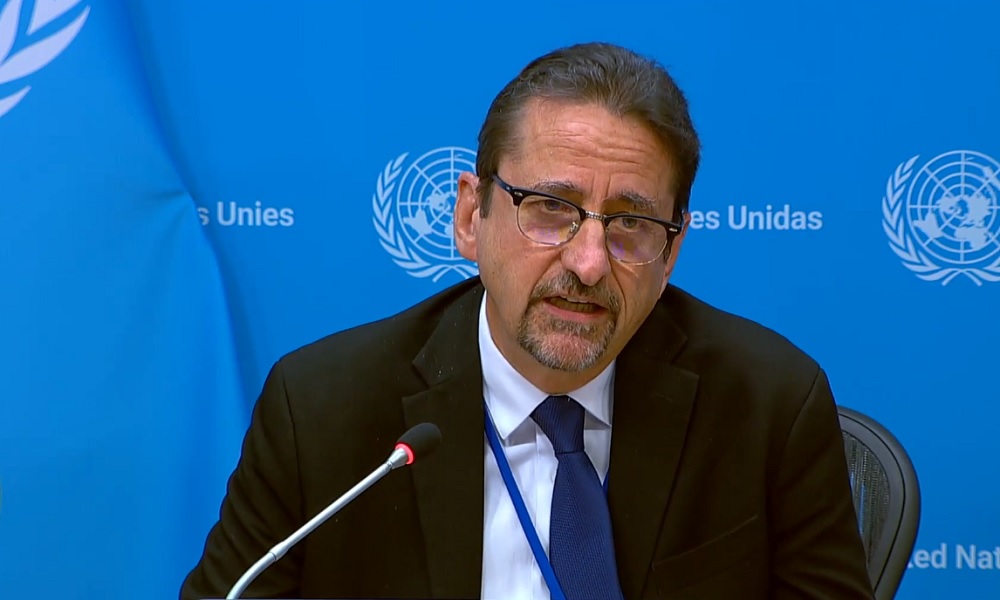
A senior United Nations official has warned that Afghanistan’s deepening humanitarian crisis could have consequences beyond the country’s borders, potentially affecting regional security, stability and migration routes.
Bruno Lemarquis, the UN Deputy Special Representative of the Secretary-General for Afghanistan and Resident and Humanitarian Coordinator, said on Friday that the country was at a “difficult crossroad” more than five years after the Islamic Emirate returned to power.
He said relative stability and security were being undermined by a fragile economy, restrictions on fundamental rights and growing humanitarian needs.
Lemarquis described restrictions on women and girls as “severe and sweeping,” saying they continue to face barriers to education, employment and participation in public life.
He noted that more than 2.6 million girls have been deprived of secondary education since 2021, while female university enrollment currently stands at zero.
The UN official also highlighted the impact of the mass return of Afghan migrants, saying approximately 6.7 million Afghans have returned to the country since 2020, many of them forcibly expelled from neighbouring countries, particularly Pakistan and Iran.
He said the large-scale returns were placing additional pressure on Afghanistan’s already overstretched public services, stressing that returnees urgently need legal documentation, protection and employment opportunities.
Lemarquis also raised concerns over a reported increase in opium poppy cultivation, citing a UN report that found production had risen by 330 percent in 2025 following a sharp decline after the 2022 ban imposed by the Islamic Emirate.
He said efforts to prevent poppy cultivation must be accompanied by viable alternative livelihoods for farmers.
Meanwhile, humanitarian needs in Afghanistan are expected to rise further in 2027 amid mass returns, regional instability and extreme weather risks associated with El Niño.
However, international humanitarian funding has continued to decline. According to Lemarquis, assistance reached $2 billion in 2023, fell to $1 billion in 2025 and has amounted to only $570 million so far in 2026.
He warned that funding shortages were threatening essential services, with around 40 percent of primary healthcare facilities expected to close between 2025 and 2026, potentially affecting 700 of the country’s 1,900 health posts.
Describing the consequences as “very, very, very significant,” Lemarquis urged the international community not to turn its back on Afghanistan.
“And there is a saying in Afghanistan that is ‘What is happening in Afghanistan is not staying in Afghanistan,’” he said.
“The consequences could go beyond the Afghanistan border, potentially affecting regional security, regional stability and migration pathways.”
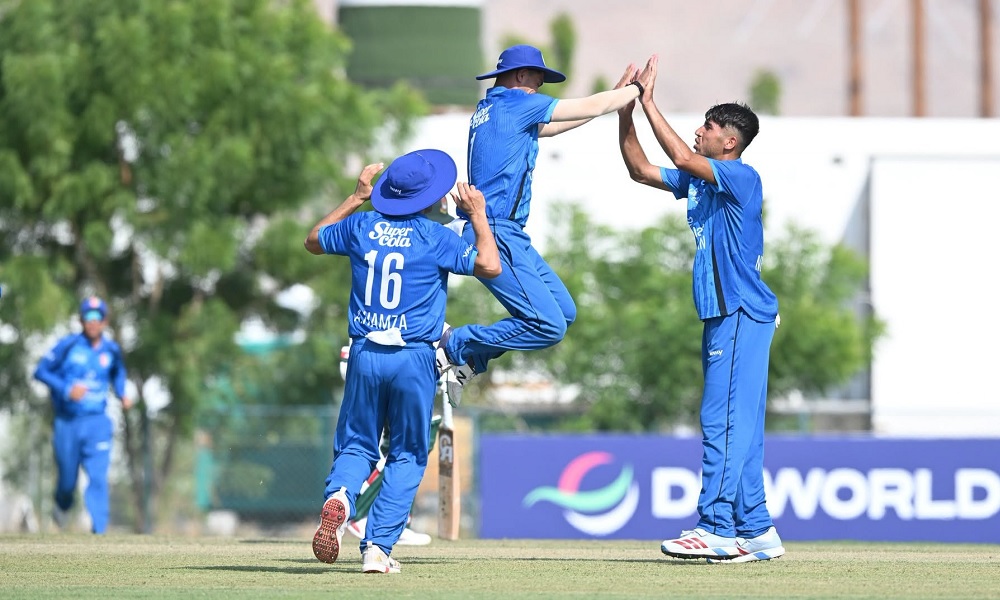
Afghanistan’s Under-19 cricket team secured a dominant 10-wicket victory over Malaysia in their second match of the Asia Cup on Saturday, recording their second consecutive win in the tournament.
After winning the toss, Afghanistan elected to bowl and dismissed Malaysia for just 42 runs in 22.3 overs. Noor Ali Niazi led the bowling attack with an impressive six-wicket haul and was named Player of the Match.
Afghanistan chased down the target without losing a wicket, reaching 43 runs in just three overs to seal a comprehensive victory.
Afghanistan will face Sri Lanka in their third match of the tournament on Monday.

Astronomers discover white dwarf surrounded by two rings of planetary debris
UN official warns Afghanistan’s humanitarian crisis could threaten regional stability and security
Afghanistan U-19 crush Malaysia by 10 wickets for second straight Asia Cup win
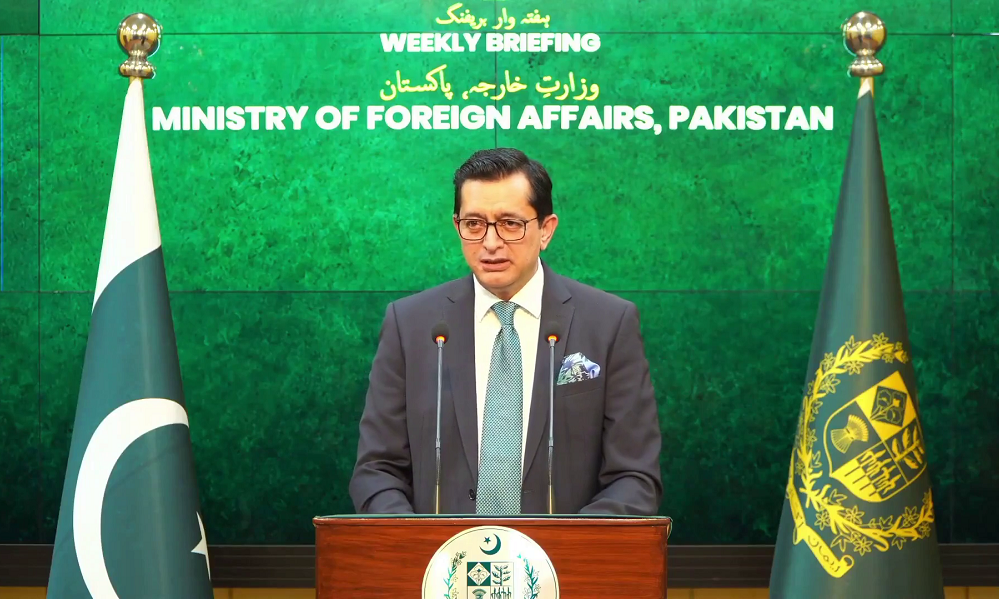
Pakistan reviews US plan to deport Afghans through its territory

Pakistan’s Bank Alfalah exits Afghanistan after 20 years

Afghanistan finish runners-up after 6-0 defeat to Brazil in futsal final

Trump says US will not attack Iran before midterm elections in November

Trump says US may strike Iran’s ‘Pickaxe Mountain’ nuclear facility

Afghan futsal coach: Brazil tournament is first step towards new goals and World Cup

WHO calls for greater mental health support in Afghanistan
Tahawol: Calls for stronger joint action against terrorism discussed
Saar: Impact of closing trade routes between Kabul-Pakistan discussed

El-Sayed’s historic victory opens a new chapter for Muslim Americans
Tahawol: Russia’s Moscow Format for Afghan issues discussed
Saar: Afghanistan’s second invitation to Global Climate Summit discussed
-
 Sport5 days ago
Afghanistan futsal team thrash Panama 5-0 in flying start to Dakar Youth Olympics
-
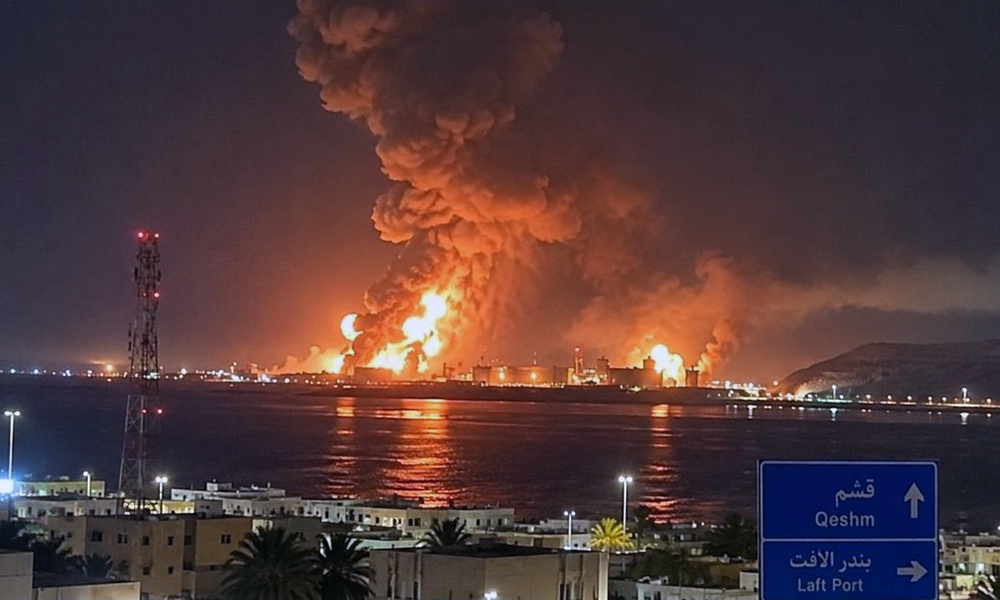 World4 days ago
US carries out ‘defensive’ strikes on Iran’s Qeshm Island, officials say
-
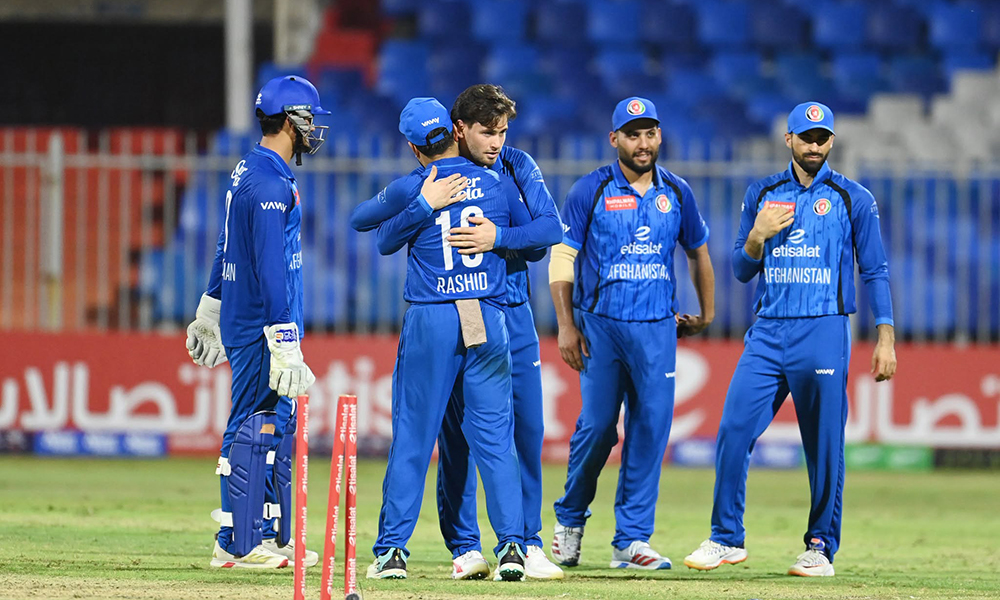 Sport5 days ago
Afghanistan achieve their highest ICC Men’s ODI team ranking
-
 Sport2 days ago
Afghanistan suffer narrow defeat against Argentina at Dakar Youth Olympics
-
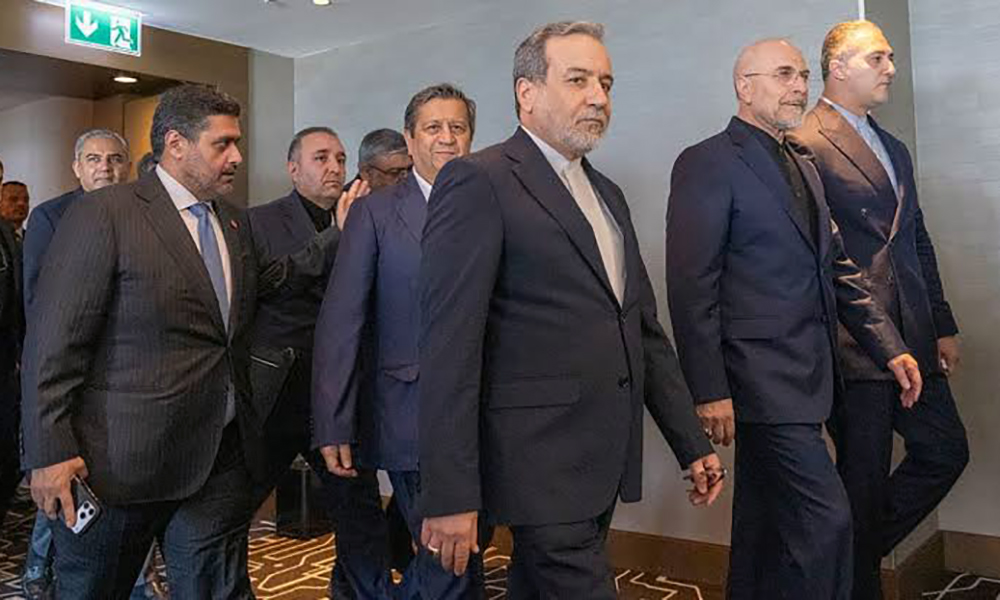 Regional4 days ago
Iran says contacts over ending war continue after talks finish with no breakthrough
-
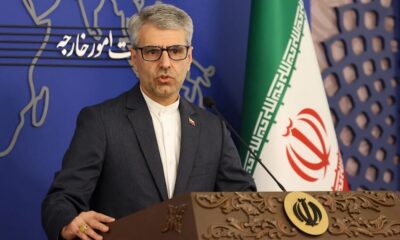
 Latest News4 days ago
Iran plans new four-nation meeting on Afghanistan amid regional diplomatic efforts
-
 Latest News3 days ago
US judge temporarily blocks deportation of detained Afghans
-
 Tahawol5 days ago
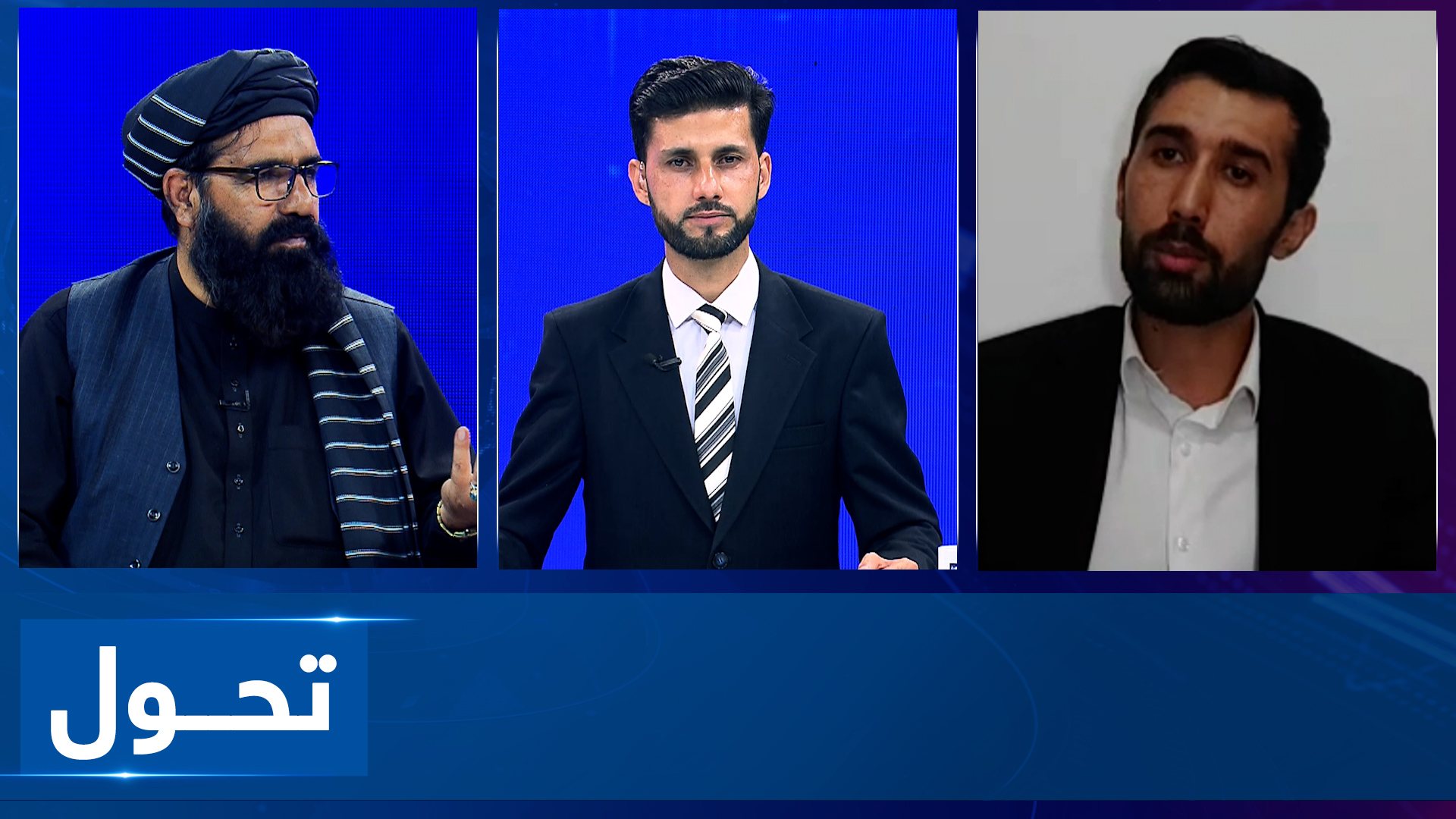
Tahawol: calls for dialogue between Kabul and Islamabad