
Saar: US diplomat’s trip to Qatar, Pakistan on Afghanistan discussed


Sport
Debutant Naseer Khan strikes four as Afghanistan fight back against Zimbabwe in second Test
Zimbabwe were well placed at 201 for one after nearly 58 overs, but Naseer triggered a middle-order collapse, taking three wickets in eight overs. Zimbabwe lost 3 for 12 during that period, and slipped from 201 for 1 to 250 for 5 at stumps.
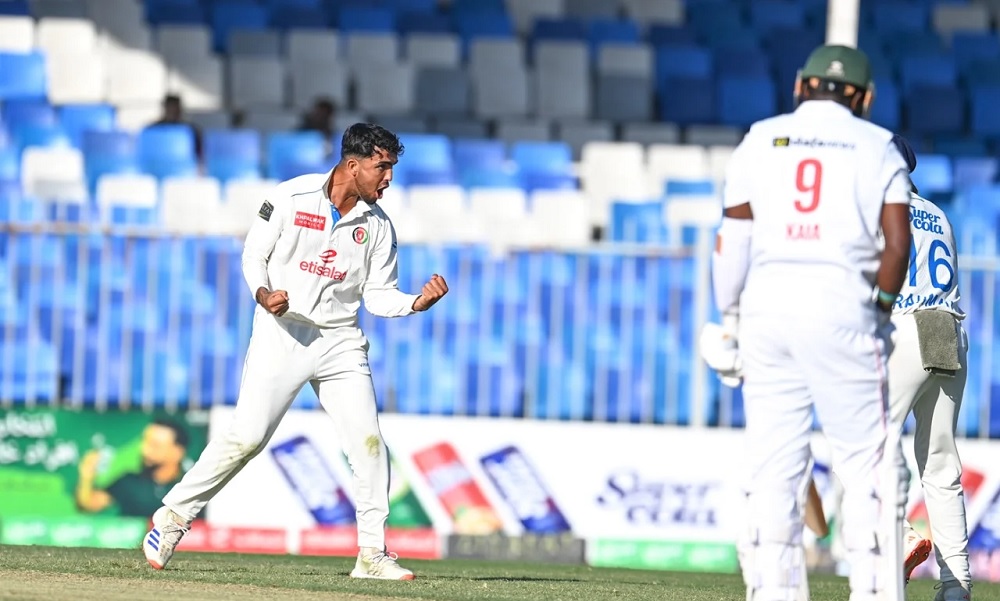
Afghanistan fought back against Zimbabwe on the opening day of the second Test in Sharjah, with debutant left-arm spinner Naseer Khan Maroofkhil claiming four wickets to halt Zimbabwe’s strong start.
Zimbabwe were well placed at 201 for one after nearly 58 overs, but Naseer triggered a middle-order collapse, taking three wickets in eight overs. Zimbabwe lost 3 for 12 during that period, and slipped from 201 for 1 to 250 for 5 at stumps.
After winning the toss and opting to bat, Zimbabwe made a solid start through Innocent Kaia and Ben Curran, who put together a 98-run opening partnership. Naseer broke the stand with his first delivery after lunch, trapping Curran lbw for 44.
Kaia then combined with Brendan Taylor for another strong partnership, adding 102 runs for the second wicket. Both batters reached half-centuries before Naseer turned the game around.
Kaia, batting on 96, was trapped lbw while attempting a slog sweep. In his next over, Naseer dismissed Zimbabwe captain Brian Bennett for a duck before Ziaur Rahman took a tumbling catch to remove Wessly Madhevere, who was caught at long-off after attempting to loft a delivery that stayed low.
Zimbabwe lost further momentum as Taylor and Antum Naqvi adopted a cautious approach following the three quick wickets. The pair added just 21 runs in nine overs before Naqvi struck a six off Naseer.
Taylor moved into the 90s with a boundary off Naseer, but Ziaur Rahman ended Naqvi’s 44-ball stay on eight runs, having him caught at first slip.
Taylor remained unbeaten on 96 at stumps, while Tafadzwa Tsiga was not out as Zimbabwe closed the day at 250 for five, leaving the second Test finely poised.
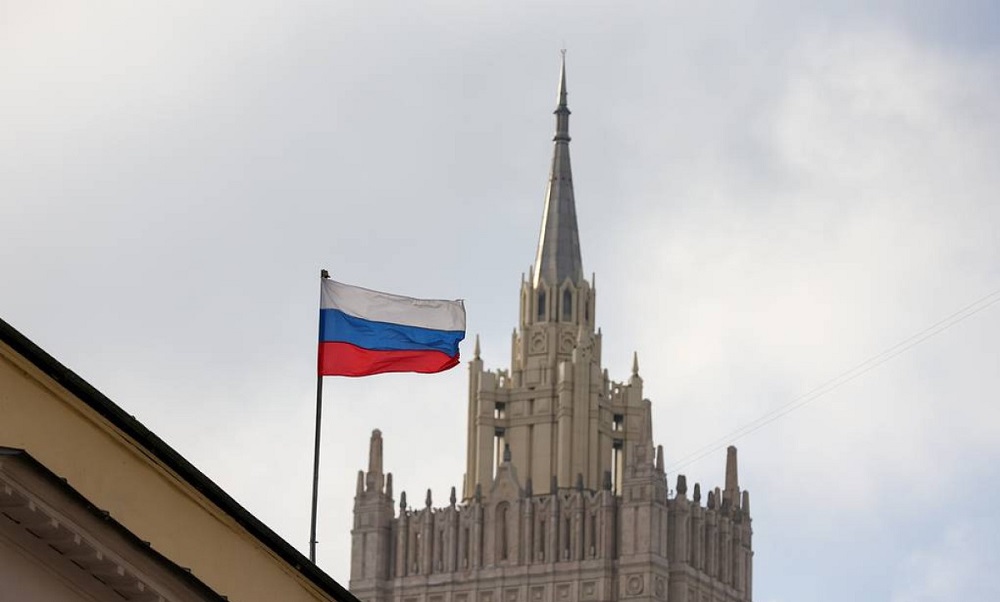
Russia’s Foreign Ministry has called a United Nations report on Afghan opiates “tailor-made political propaganda” saying such publications do not help combat drug trafficking in Afghanistan.
The ministry said that the UN Office on Drugs and Crime (UNODC) report, published in late October, recorded an increase in the cultivation, production and distribution of Afghan opiates for the first time since the Islamic Emirate of Afghanistan (IEA) imposed a ban in 2022.
The Russian Foreign Ministry said the report, which the IEA has already rejected as politically motivated, appears unbalanced and relies on indirect evidence, including satellite images that are open to different expert interpretations.
According to UN estimates cited in the report, the area under poppy cultivation increased from 10,200 hectares in 2025 to 43,300 hectares in 2026, while opium production rose from 300 tonnes to 1,470 tonnes.
The ministry acknowledged that Afghanistan’s drug problem still exists and said authorities in Kabul are aware of the issue. It added that Afghan security forces conduct almost daily operations in various parts of the country to destroy drug laboratories and seize narcotics.
According to the statement, more than 7.4 tonnes of various narcotics and over 4.7 tonnes of precursor chemicals were seized in Afghanistan over the past week, while two drug laboratories were dismantled.
Climate Change
Urgent climate finance pleas at COP31 face a non-urgent response
For many developed nations, facing international and domestic unrest as citizens protest against the rising cost of living, their focus has narrowed.
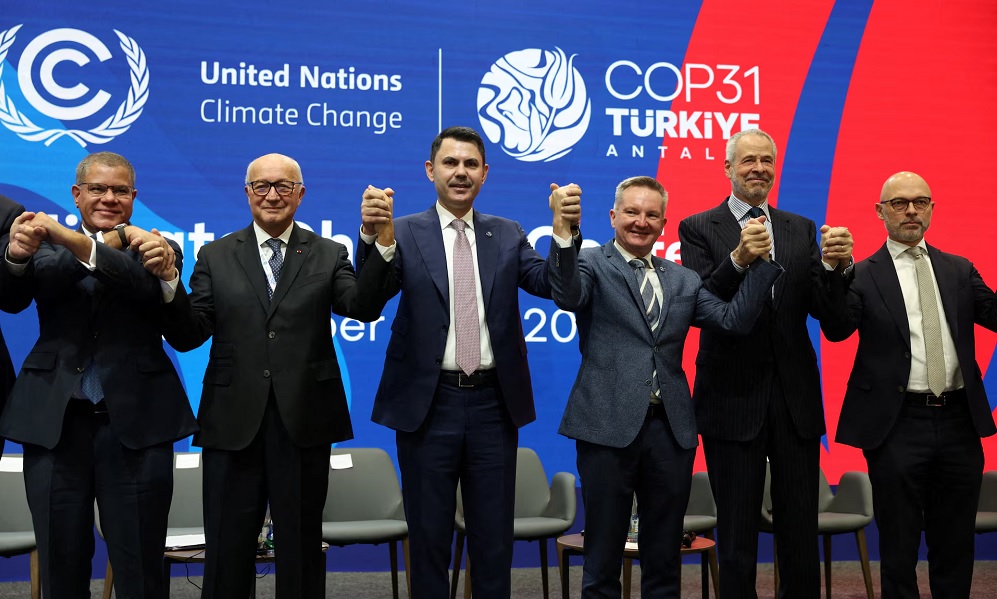
Urgent pleas for cash from poor nations most exposed to the kind of climate-related disasters that have marked this year risk meeting a sluggish response at Turkey’s COP31 talks as Western governments put national security and living costs first.
Two years ago, rich countries agreed at UN climate talks they would triple climate funding for poorer countries to $300 billion per year by 2035 versus a previous 2020 target. Also by 2035, financing from all public and private sources combined would be $1.3 trillion annually, Reuters reported.
The rich countries met their 2020 target two years late.
Since then, climate action has slipped down the political agenda for Western governments as US President Donald Trump has withdrawn international funding, while wars in Ukraine and the Middle East have added to inflationary pressures and the need to spend on security.
Vulnerable small island nations say the cash they need to repair damage and to guard against future climate-related crises is again arriving too slowly and their own budgets have shrunk.
“Like many small island developing states, we remain in a perpetual climate disaster recovery mode,” Solomon Islands Prime Minister Matthew Wale told the conference. “We cannot build resilience while our fiscal space erodes.”
Even when money is available, technical hurdles set by lenders can stretch the administrative capacity of small states.
For many developed nations, facing international and domestic unrest as citizens protest against the rising cost of living, their focus has narrowed.
Britain, which has sought to be a leader in addressing climate change, said in July savings made from switching some climate finance contributions from grants to loans would be used to help fund a cap on domestic bus fares.
Meanwhile, defence spending has climbed significantly.
The Stockholm International Peace Research Institute estimated in April that world military expenditure reached $2.89 trillion in 2025, up 2.9% in real terms from 2024.
Marshall Islands President Hilda Heine said military defence ultimately was the smaller concern.
“We are told there is no money, but as spending on war grows, the greatest security threat we face remains underfunded. I appeal to you: Find money for life, not death,” she said in her speech to the conference in the Turkish Mediterranean city of Antalya on Wednesday.
COP31 SEEKING IMPLEMENTATION, NOT NEW TARGETS
As they respond to the contemporary mood, host country Turkey and lead negotiator Australia have emphasised making previous pledges work, rather than securing a new headline target at the conference, which continues until the end of next week.
“COP31 must respond to the global moment and send a clear message to accelerate implementation,” Australia’s COP31 negotiating president Chris Bowen said. He also said finance must be “faster, simpler and fairer”.
Analysis by previous COP host Brazil published earlier this week found that $137 billion was mobilised in 2024, a slight increase on 2023, but that direct aid and future commitments to multilateral funds were lower.
Current trends suggested provision would fall $840 billion short of the $1.3 trillion goal, it said.
“Geopolitical tensions, constrained fiscal space in many developing countries and the high cost of capital where it is most needed are among the obstacles,” the report said.
By way of solutions, it urged measures such as risk-sharing and clearer links between national plans and budgets.
Some smaller nations have taken novel steps to find cash and to spur richer nations to match it.
The Solomon Islands pledged $400,000 from its own pocket on Thursday, saying it was determined to show leadership and calling on rich countries to do the same.
The Bahamas committed $75 million to protect and restore its seagrass meadows, which store carbon, to try to persuade investors to fund verified carbon projects.
UNCLOGGING THE SYSTEM TO GET MONEY FLOWING
Both public and private funding provide climate finance grants, loans, aid and investment in measures ranging from renewable energy to flood defences.
Multilateral development banks are a conduit for finance that leverages capital provided by shareholder countries to increase lending power and they say they are delivering. Their lending reached record levels in 2025, according to the European Investment Bank.
But, they could do more, according to Washington-based think tank the Center for Global Development and recipients of the finance have said the development banks should make access easier.
Addressing that, a group of multilateral funds told the COP31 talks they would rely more on one another’s assessments in co-financed operations rather than having to go through multiple overlapping processes.
For private investors, the most obvious issue is the risk of investing in an instrument that does not guarantee returns.
Given how unforthcoming the world’s richer governments have been, the private sector is ever more important.
“Our clients see opportunities in the energy transition, but they need reliable power, predictable costs and confidence in customer demand before they invest,” HSBC Chief Sustainability Officer Julian Wentzel said. “COP31 needs to help create that confidence.”

Debutant Naseer Khan strikes four as Afghanistan fight back against Zimbabwe in second Test

Russia calls UN report on Afghan opium ‘political propaganda’
Urgent climate finance pleas at COP31 face a non-urgent response
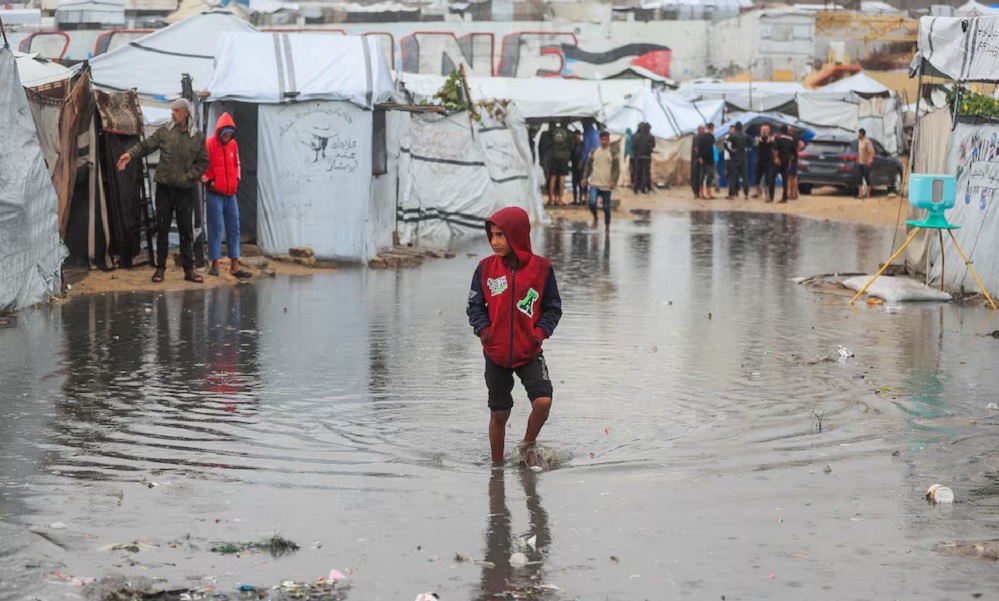
Respiratory illnesses rise in Gaza with worst to come as winter floods arrive, WHO says
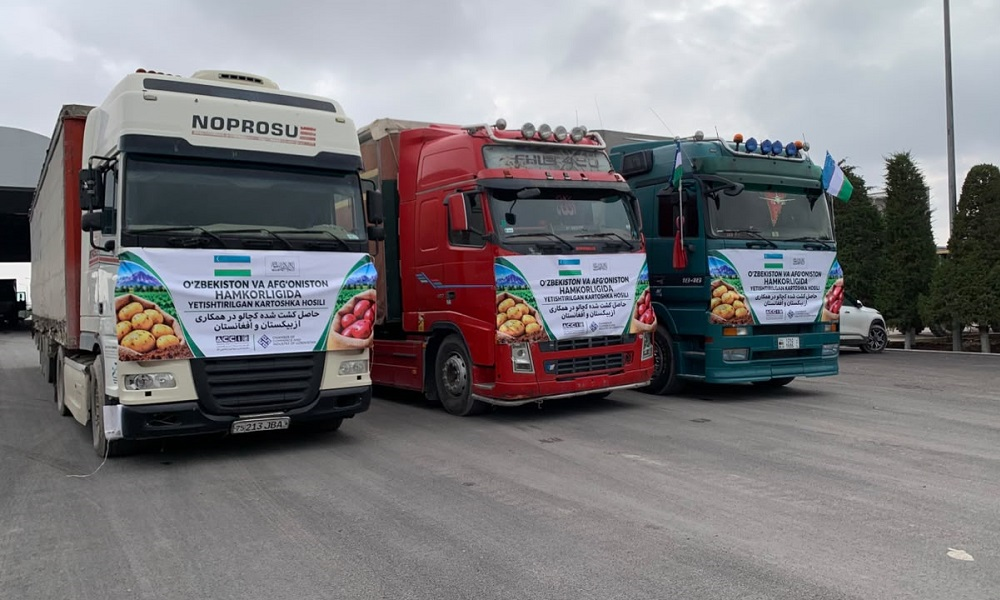
Afghanistan and Uzbekistan agree on export of 100,000 tons of Bamyan potatoes

Afghanistan finish runners-up after 6-0 defeat to Brazil in futsal final

Trump says US may strike Iran’s ‘Pickaxe Mountain’ nuclear facility

Rubio heads to Central Asia while other US officials hit foreign policy hot spots

Violent protests spread across Europe as Albanian PM blames ‘foreign hand’

Governments take websites offline as critical cyber flaws trigger global alert
Tahawol: Russia’s special attention to situation in Afghanistan discussed
Saar: Discussion on US’s humiliating defeat in Afghanistan
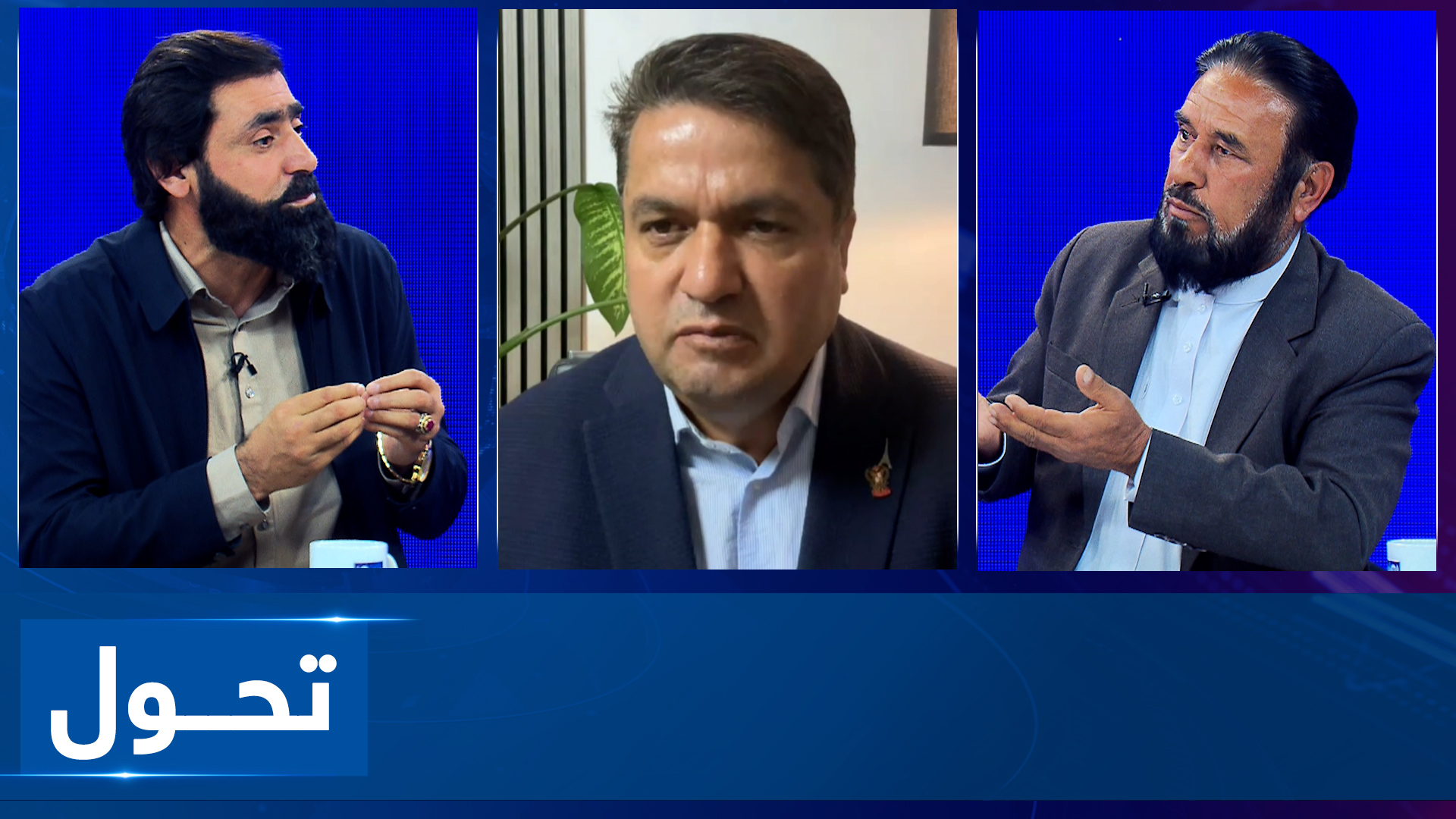
Tahawol: High-level Russian delegation’s visit to Kabul discussed
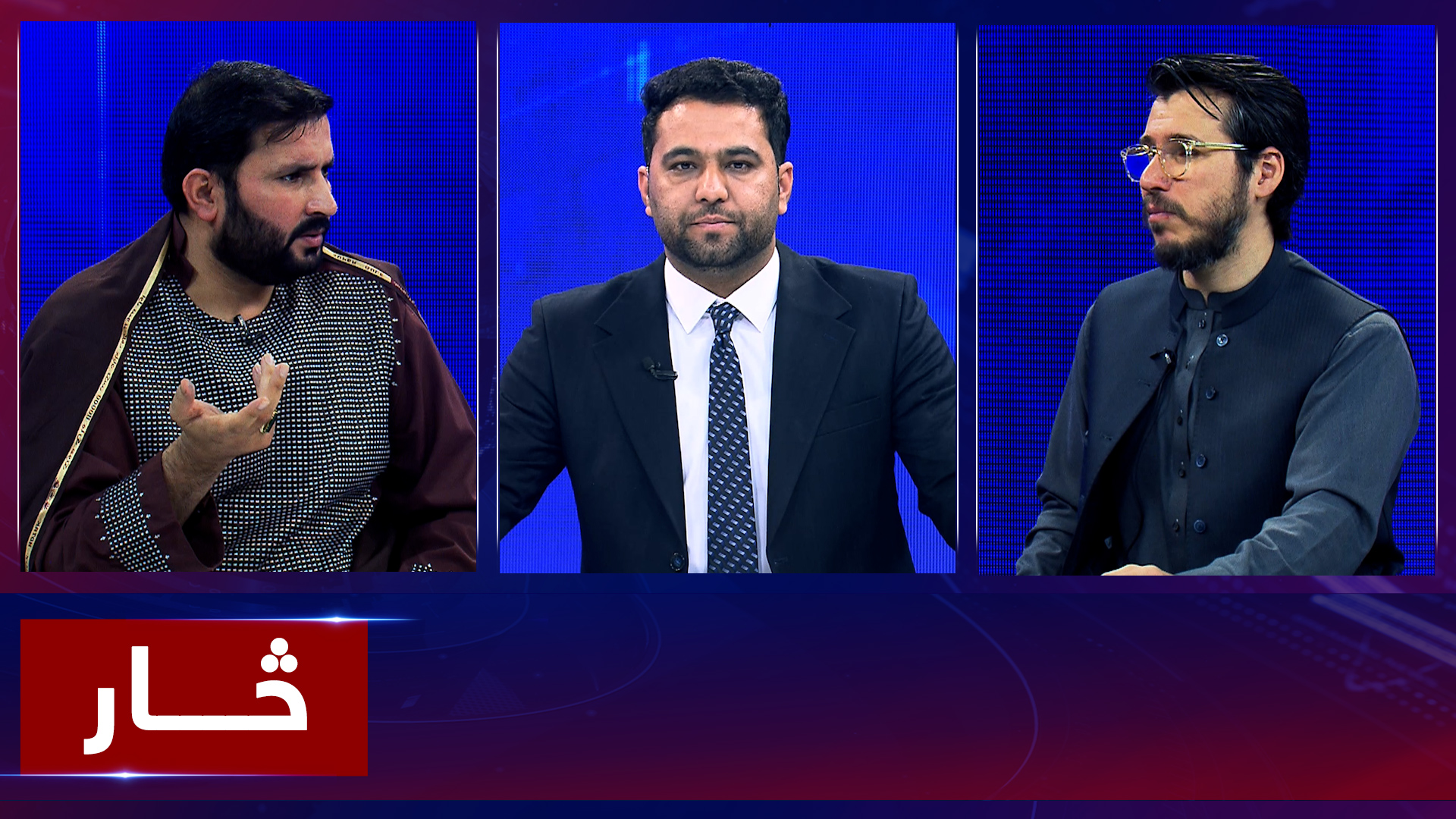
Saar: Afghanistan’s situation in focus at CSTO discussed

Tahawol: Efforts to halt deportation of Afghan refugees from US discussed
-
 Sport5 days ago
Portugal beat Afghanistan 2-0 in Dakar Youth Olympics futsal semi-finals
-
 World4 days ago
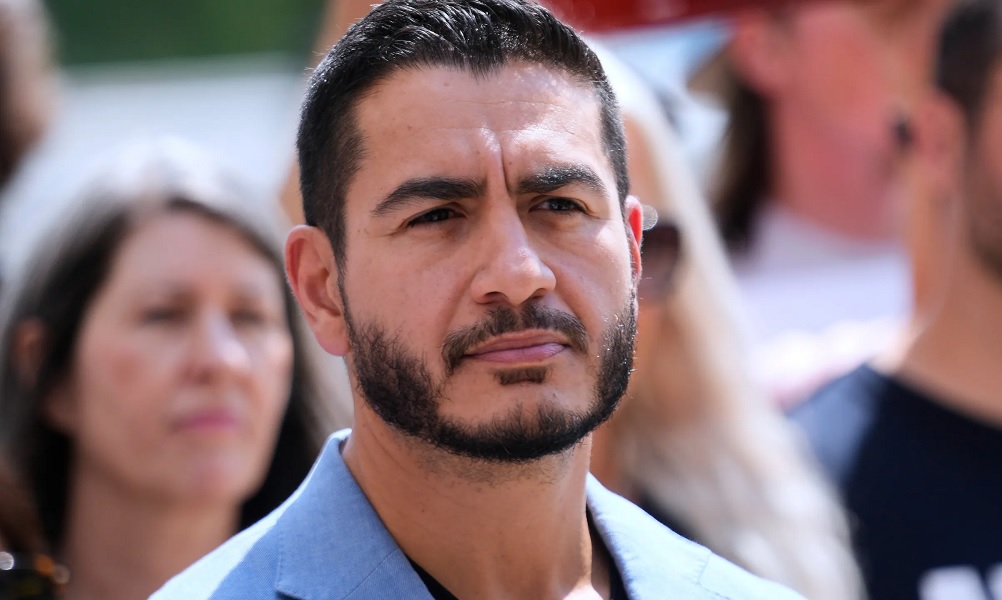
First Muslim US senator-elect El-Sayed calls for review of aid to Pakistan
-
 Regional5 days ago
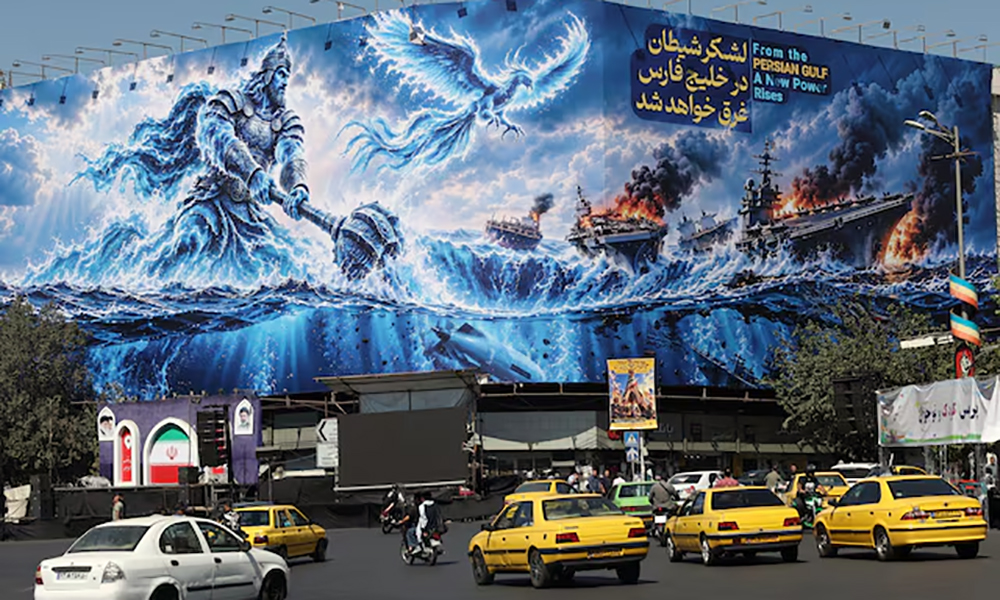
Iran defends two-day proposal for peace talks after US rejects conditions
-
 Business5 days ago
Afghanistan approves new foreign investment policy in bid to attract international investors
-
 Sport4 days ago
Omar Zawak thrash Istiqlal Kabul 5-1 in ACL
-

 World4 days ago
Trump says further US attacks on Iran ‘highly unlikely’ as peace talks gain momentum
-
 Sport4 days ago
First Test between Afghanistan and Zimbabwe ends in a draw
-
 Latest News5 days ago
UN pledges to expand cooperation with Afghanistan as over 8 million migrants return home