
Latest News
Qatari officials and UN envoy discuss 4th Doha meeting on Afghanistan

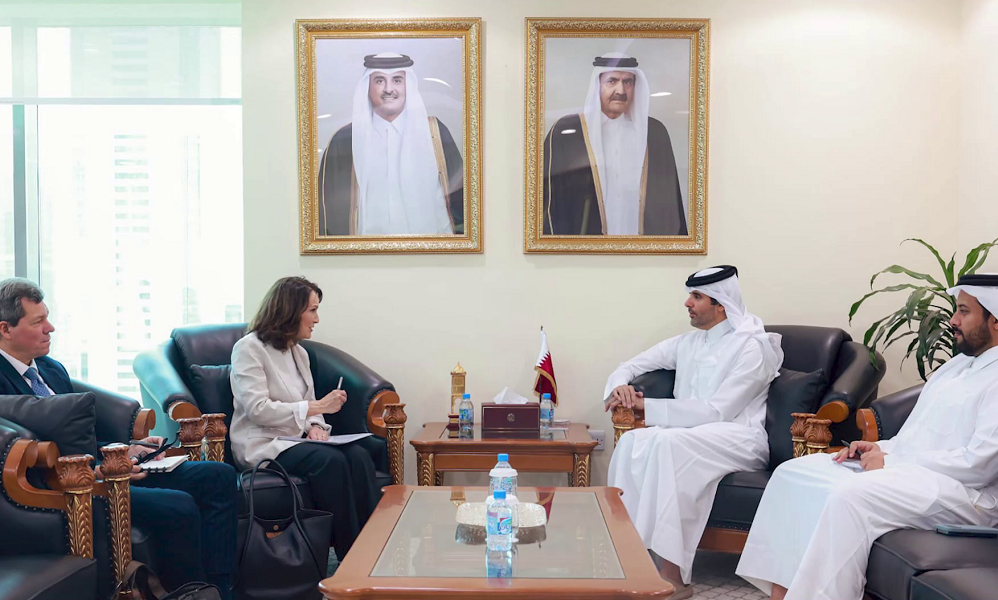
Qatar’s Ministry of Foreign Affairs officials on Friday met with Georgette Gagnon, the Deputy Special Representative of the UN Secretary-General for Afghanistan, and discussed preparations for the fourth round of the Doha meeting on Afghanistan.
However, the ministry’s statement did not mention a specific date for when the fourth Doha meeting would be held.
According to the statement, the meeting will be hosted by Qatar and held under the supervision of the United Nations.
Meanwhile, some experts expressed optimism about the Doha process, saying that Qatar’s support for a political solution in Afghanistan through the UN could be constructive.
Khalil Ahmad Nadim, a political expert, said: “Qatar plays a very important role because it acts as a protector of U.S. interests and serves as a bridge between the Islamic Emirate and other countries. Qatar is trying to facilitate the fourth meeting between the Taliban and the UN, which could benefit Afghanistan, as these talks might lead to an understanding with the Afghan government.”
Three previous rounds of the Doha meetings were also hosted by Qatar under the name of the “Doha Process,” in which special representatives from various countries and international organizations participated. The delegation of the IEA also attended the most recent meeting in this process.



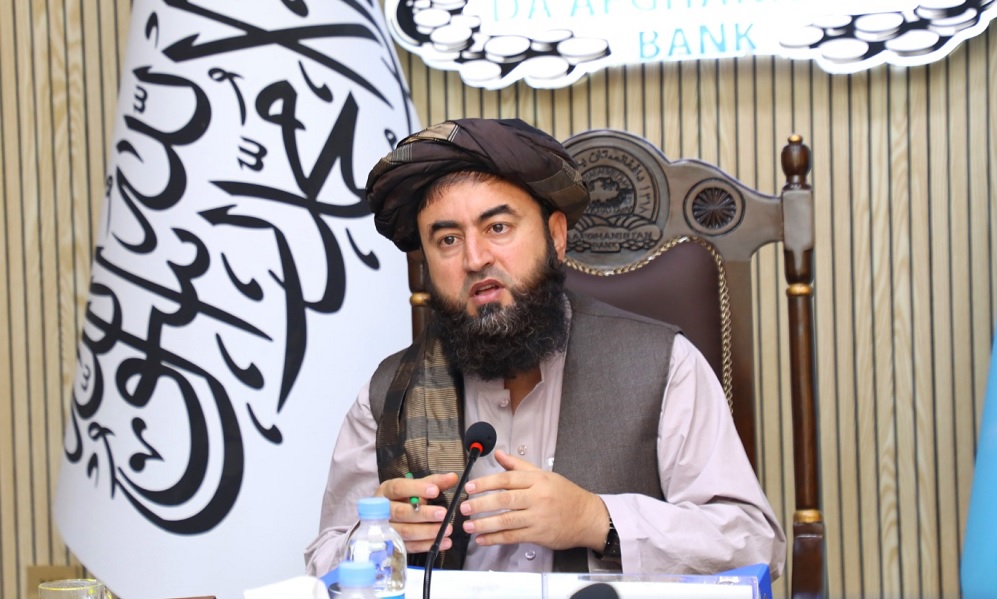
Da Afghanistan Bank (DAB) says public deposits in the country’s banks have increased this year, with significant progress also recorded in the banking sector.
Sediqullah Khalid, First Deputy Governor of DAB, made the remarks at a meeting of the bank’s Supreme Council, saying the increase in deposits reflects greater stability in the banking sector and increased public confidence in the country’s banking system.
The meeting discussed the country’s monetary policies, the current condition of the banking sector, the development of Islamic banking, the expansion of electronic banking, and broader public access to financial services.
Khalid emphasized the implementation of effective monetary policies, assessment of the banking sector, continued efforts to develop Islamic banking, expansion of electronic banking, and improving public access to financial services.
He also highlighted the stability of the Afghan afghani, saying that despite global economic challenges, the currency had maintained its stability over the past year compared with many regional and international currencies.
According to Khalid, the stability of the afghani reflects the effectiveness of DAB’s well-calibrated and targeted monetary policies.
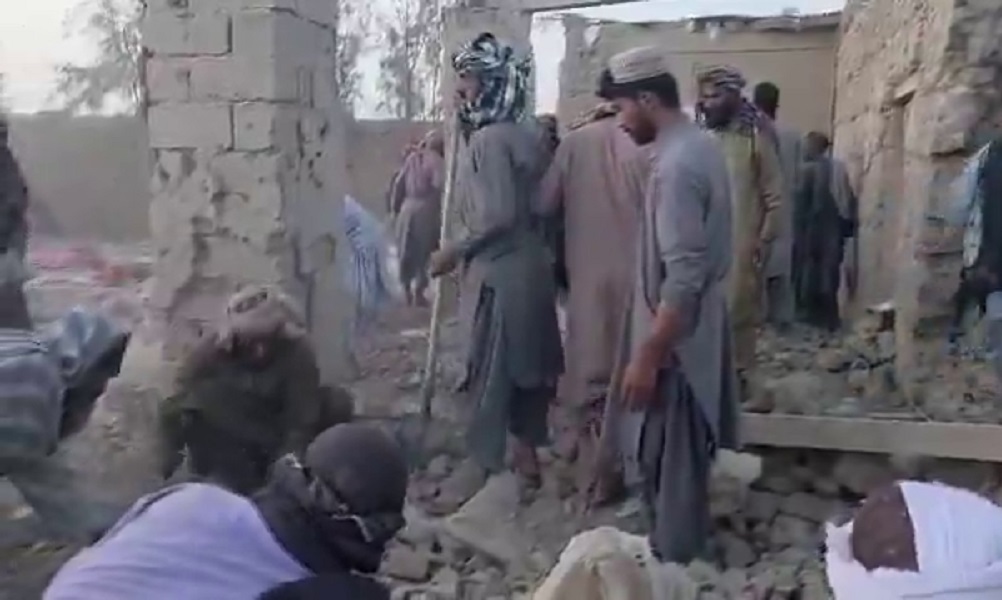
The Islamic Emirate of Afghanistan (IEA) said on Thursday Pakistani aircraft carried out airstrikes on civilian homes in Kunar and Helmand provinces last night, killing nine Afghan civilians, including women and children.
IEA spokesman Zabihullah Mujahid said on X that the strikes targeted the Chogam area of Shultan district in Kunar and the Safar area of Garmser district in Helmand.
According to Mujahid, 11 other people were injured and three homes were destroyed in the attacks.
He condemned the strikes as an act of aggression and a crime, saying they violated all accepted principles.
The Helmand governor’s office also said that four civilians were killed and six others were injured following a Pakistani military airstrike on the Safar area of Garmser district in the province.
Latest News
US extends Qatar camp stay for more than 1,000 Afghans
A US official, speaking on condition of anonymity, confirmed the extension.
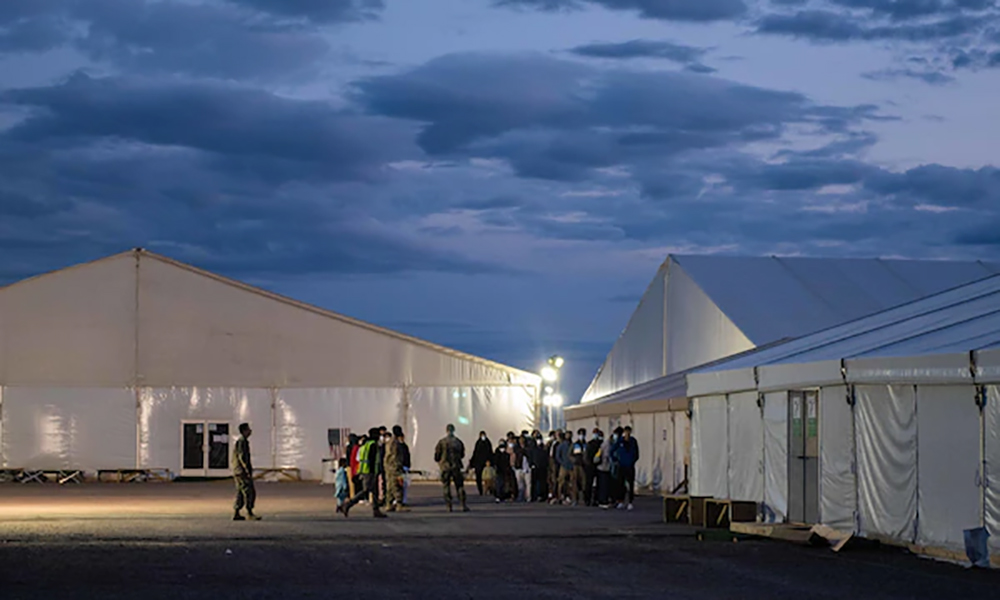
The US administration has extended the operation of a camp in Qatar housing more than 1,000 Afghans who supported US forces during the war in Afghanistan, as well as relatives of American service members.
The United States has agreed to keep Camp As Sayliyah open for another nine months after it had been scheduled to close at the end of the US fiscal year, according to The Associated Press.
A US official, speaking on condition of anonymity, confirmed the extension.
The decision affects 1,039 Afghans, many of whom worked as interpreters or in other roles supporting US forces between 2001 and 2021. Many have remained in Qatar for more than a year while Washington considers options for their resettlement.
US Secretary of State Marco Rubio told Congress in June that Washington was discussing possible arrangements for resettling the Afghans in third countries. AP has previously reported that the Democratic Republic of Congo was among the countries considered by the administration.
The US State Department said it continues to seek a solution that would ensure the safety of those remaining at the camp while addressing US security concerns.
The department has also described the camp as part of a legacy of the Biden administration’s Afghan resettlement effort, a characterization disputed by some former US officials and refugee advocates.
According to figures cited by AfghanEvac, more than 70 percent of the camp’s residents are women and children. The organization has been advocating for the resettlement of Afghans who have remained in limbo following the US withdrawal from Afghanistan in 2021.
Shawn VanDiver, a US Navy veteran and head of AfghanEvac, welcomed the nine-month extension but said a permanent solution was still needed.
Despite the extension, the residents have not been given a clear pathway to the United States. AfghanEvac says only five Afghans from the camp have been admitted to the US since October 2025.
Advocates have warned that without alternative resettlement arrangements, some residents could eventually face the possibility of returning to Afghanistan.
The State Department said it would use the nine-month extension to continue exploring options for the voluntary resettlement of all Camp As Sayliyah residents.


Da Afghanistan Bank reports increase in public bank deposits

Pakistani airstrikes kill nine Afghan civilians, injure 11

Passengers foil bid to crash Dubai-Tel Aviv flight, Israel says, after co-pilot stabs pilot

Tahawol: Improvement in Afghanistan-China relations discussed

Saar: Expanding ties with regional and global countries discussed

Saudi energy group signs major Afghanistan deals covering gas exploration and pipeline plans

Iranian clubs to face Gulf opponents at neutral venues in Asian Champions League Elite

Khalilzad: Afghanistan ready to attract major investment

Ariana Television Network secures exclusive rights to Afghanistan’s 2026/27 cricket series

El Niño likely to intensify, may become strongest ever recorded, WMO says
Tahawol: Improvement in Afghanistan-China relations discussed
Saar: Expanding ties with regional and global countries discussed

Tahawol: Absence of Afghanistan’s envoy at UNGA discussed

Saar: Assessment of war between Afghanistan and US discussed

Saar: Afghanistan’s image at UNGA
-

 Sport4 days ago
Afghan bodybuilder Ali Bilal finishes runner-up at Mr Olympia for third straight year
-

 Latest News4 days ago
Afghanistan says 28 killed, 32 captured in Nuristan operation
-
 World4 days ago
Trump rejects Iranian proposal to open Hormuz and end fighting
-

 Sport5 days ago
Afghanistan Champions League: Omar Zawak Herat beat Toofan Herat 1-0
-

 Latest News5 days ago
Khalilzad questions Pakistan’s commitment to Afghan welfare
-
 Latest News4 days ago
UNDP, UN Women launch financing initiative for Afghan women entrepreneurs
-
 Sport3 days ago
Afghanistan vs India Asian Games quarter-final abandoned without a toss
-

 Business5 days ago
Ariana Afghan Airlines increases Kabul-Delhi cargo flights