
New government appointments announced across Afghanistan
IEA Spokesperson Zabihullah Mujahid confirmed that 19 officials have been appointed to new positions in provincial administrations, ministries, and central government offices.

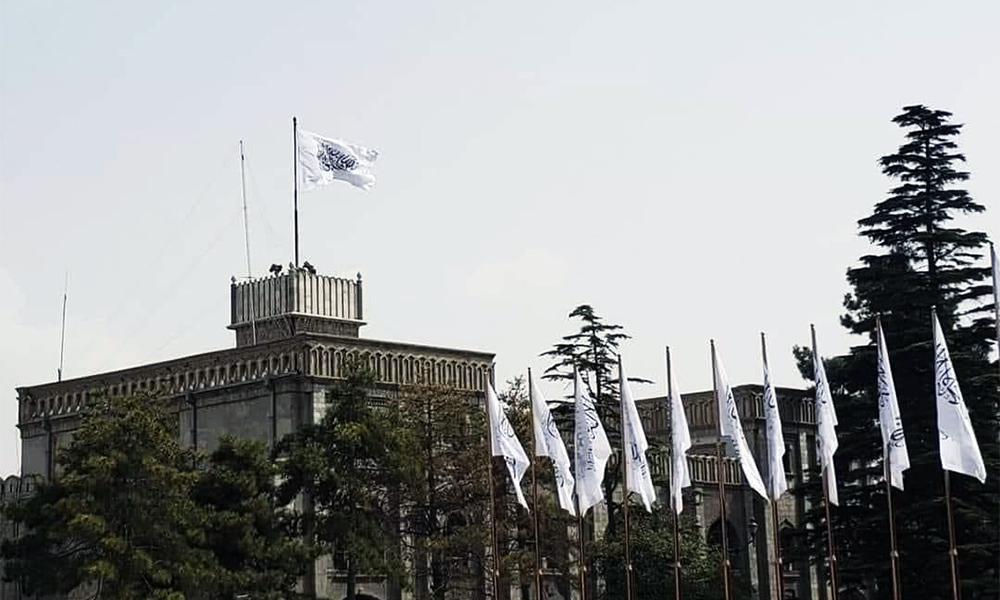
The Islamic Emirate has announced a series of new government appointments and reassignments across Afghanistan following a decree issued by its leader.
IEA Spokesperson Zabihullah Mujahid confirmed that 19 officials have been appointed to new positions in provincial administrations, ministries, and central government offices.
Under the changes, Aziz-ur-Rahman Mansoor, previously serving as Deputy Minister of Hajj and Religious Affairs, has been appointed Governor of Parwan province. Turjan Ahmadi, the former Deputy Governor of Nimroz, has been named the new Governor of Daikundi province. Several other governors, military commanders, and deputy ministers were also reassigned to different roles.
The reshuffle has sparked mixed reactions among observers. Some experts caution that repeatedly rotating the same officials may fall short of addressing Afghanistan’s complex economic, social, and public service challenges, arguing that the inclusion of new and specialized personnel could strengthen institutional performance.
Supporters of the changes, however, say the appointment of experienced officials helps ensure administrative continuity and prevents leadership gaps within government structures.
The Islamic Emirate said the latest appointments are intended to improve internal management, curb corruption, and enhance service delivery. Analysts note that a balance between experience and innovation may be key to improving the effectiveness of government institutions.





Latest News
Five years out of school: Amnesty raises alarm over Afghan girls’ education
Five years on, millions of Afghan girls remain out of secondary school and unable to return to their classrooms.

Amnesty International says five years have passed since millions of girls in Afghanistan were deprived of secondary education, warning that the continued restrictions are affecting the future and aspirations of an entire generation.
The organization’s South Asia regional office said Thursday, September 17, on X that five years without access to education represent five years of injustice and lost opportunities for Afghan girls.
Despite the restrictions, Amnesty said girls across Afghanistan continue to seek ways to pursue their education, including through online learning, protests and, for some, migrating abroad to continue their studies.
Amnesty International has called on the international community to stand with Afghan women and girls and urge the Islamic Emirate to reopen girls’ secondary schools as soon as possible.
Five years on, millions of Afghan girls remain out of secondary school and unable to return to their classrooms.
The Islamic Emirate, however, has described girls’ education above the sixth grade as an internal matter and said efforts are underway to address the issue.
Latest News
Afghanistan condemns alleged drone attack on Mecca
Balkhi also warned that any threat to the holy sites could deeply anger Muslims and contribute to further instability in the region.
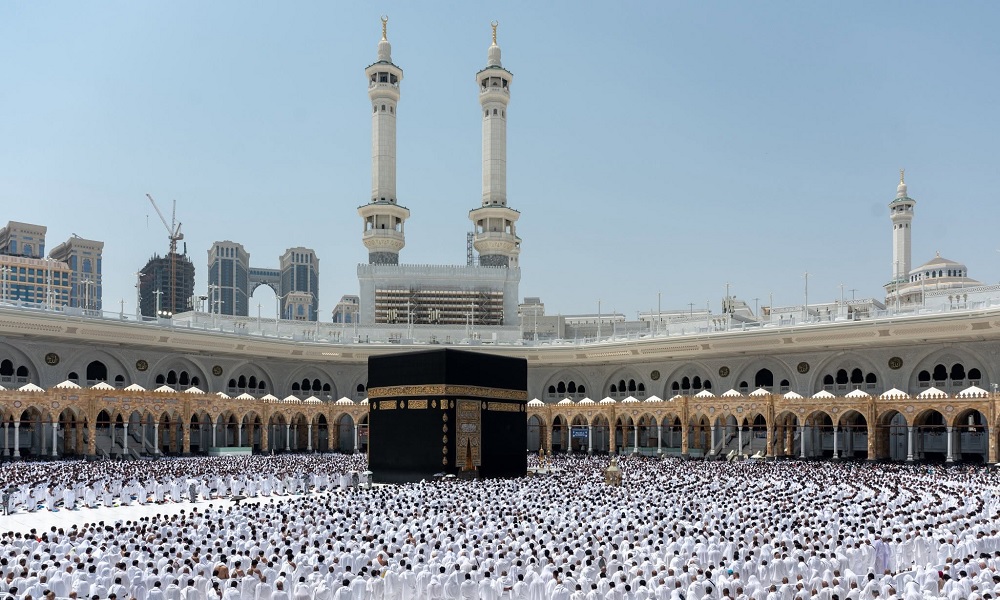
Afghanistan’s Ministry of Foreign Affairs has strongly condemned an alleged drone attack on Mecca, calling any threat to the Two Holy Cities an “unforgivable crime.”
“Any action against the Two Holy Cities that threatens the security and sanctity of these sacred sites is an unforgivable crime,” Abdul Qahar Balkhi, spokesperson for the ministry, said.
He stressed that the Two Holy Cities are sacred and highly respected sites shared by the Muslim world, and that their security and sanctity must be protected from conflicts, violence and military actions.
Balkhi also warned that any threat to the holy sites could deeply anger Muslims and contribute to further instability in the region.
Saudi Arabia’s air defences intercepted and destroyed a Houthi drone south of Mecca on Tuesday before it entered prohibited airspace over the holy city, said a spokesman for the Saudi-led military coalition fighting Yemen’s Iran-aligned Houthis.
A Houthi military source denied the group posed any threat to Mecca or other holy sites, in comments carried by the Houthi-run SABA news agency on Tuesday.


Saar: Outcome of UN Security Council meeting on Afghanistan discussed

Five years out of school: Amnesty raises alarm over Afghan girls’ education

Afghanistan condemns alleged drone attack on Mecca

Quetta commissioner calls for stronger coordination on Afghan refugee repatriation

US sentences Afghan man to 20 year in case linked to 2021 Kabul airport bombing

Four mediators struggle to secure lasting Pakistan-Afghanistan ceasefire

Afghanistan’s trade diversification challenges Pakistan

Syria and Saudi Arabia condemn Kabul bombing, express solidarity with Afghanistan

Saudi energy group signs major Afghanistan deals covering gas exploration and pipeline plans

ATN secures exclusive rights to broadcast T20I series in India across Afghanistan
Saar: Outcome of UN Security Council meeting on Afghanistan discussed

Tahawol: Afghanistan’s readiness for US relations discussed

Saar: UN Security Council meeting on Afghanistan discussed

Tahawol: Afghanistan at the center of UN discussions

Saar: Afghanistan’s relations with regional countries discussed
-

 Sport4 days ago
Zadran calls on Afghan fans to rally behind team against India
-
 Latest News4 days ago
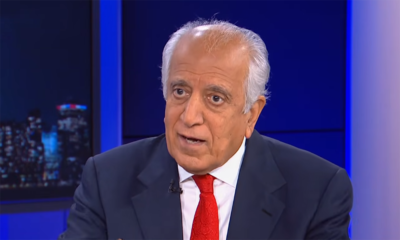
Khalilzad warns US risks losing influence in Afghanistan to China and Russia
-
 Business4 days ago
EU and FAO launch €5m programme to strengthen Afghanistan’s agrifood sector
-
 World4 days ago
Houthi advance in Yemen puts U.S. in a new bind
-

 Regional4 days ago
Iran and UAE back joint BRICS statement urging restraint in war
-

 Sport4 days ago
India beat Afghanistan by seven wickets in first T20I
-
 Latest News3 days ago
Helmand governor, UNAMA discuss province’s key challenges
-
 Latest News3 days ago
Muttaqi defends Afghanistan’s policies, calls for stronger international ties