
Business
Uzbekistan launches exchange-based trade system with Afghanistan to boost bilateral commerce
The system is designed to simplify transactions by using secure financial instruments and bank guarantees, which significantly lower risks for both parties.

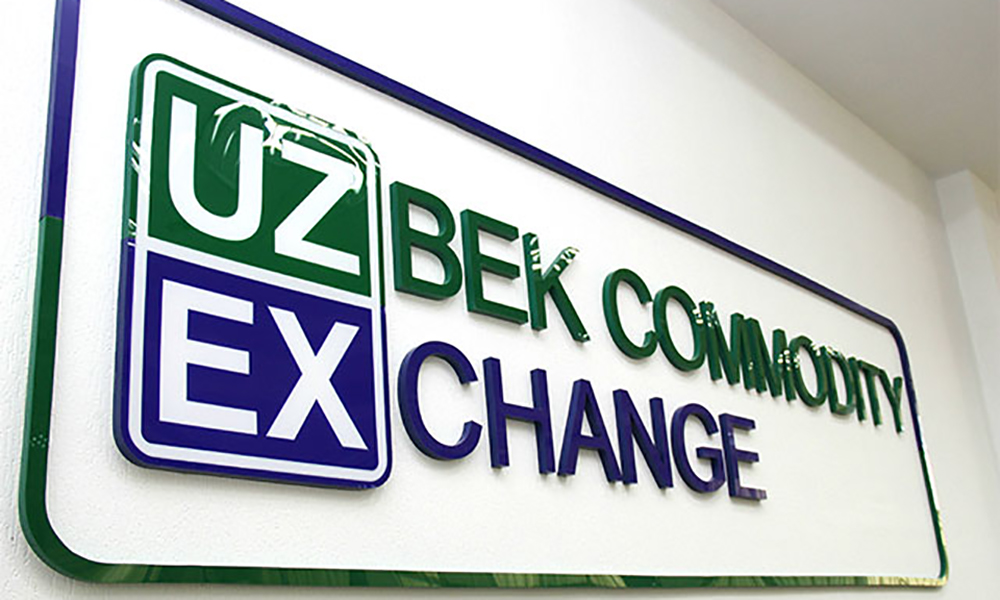
Uzbekistan has rolled out a new exchange-based trade system with Afghanistan, a move aimed at enhancing economic ties between the two nations. Initiated by the Uzbekistan Chamber of Commerce and Industry, the new mechanism utilizes the existing infrastructure of the Uzbekistan Commodity Exchange (UzEX), allowing exporters to engage in direct trade with the Afghan market while reducing additional banking costs.
The system is designed to simplify transactions by using secure financial instruments and bank guarantees, which significantly lower risks for both parties. Under the new framework, settlements are based on these guarantees, ensuring a smoother and more reliable flow of goods and payments.
According to Davron Vakhabov, Chairman of the Chamber of Commerce and Industry of Uzbekistan, the system was conceived following a directive from President Shavkat Mirziyoyev in September 2025. The President called for integrating the UzEX platform with a private Afghan bank to facilitate the supply of goods to Afghanistan, strengthening bilateral commerce.
To participate in the new trade mechanism, Uzbek exporters must register on the UzEX platform and list their products for exchange trading. Afghan buyers can then execute transactions through an Afghan bank, making an initial payment of 10% of the contract value. Upon successful agreement, the Uzbek supplier ships the goods, accompanied by the necessary documentation. The remaining 90% of the payment is held in bank accounts until the goods reach the Afghan border, at which point the funds are released to the seller.
In an additional layer of financial security, a private Afghan bank places funds in five Uzbek banks—Trustbank, Uzpromstroybank, Infinbank, Asaka Bank, and Agrobank—ensuring that payments are guaranteed for goods delivered.
Vakhabov emphasized that both the Chamber of Commerce and Industry and UzEX are fully committed to assisting Uzbek entrepreneurs in accessing the Afghan market. The introduction of this exchange-based system is expected to strengthen trade between the two countries, fostering economic growth and cooperation in the region.





Business
Afghanistan, Kuwait explore new investment and trade opportunities
The Afghan Embassy in Kuwait said the talks focused on Afghanistan’s security and stability, economic potential and available investment opportunities.
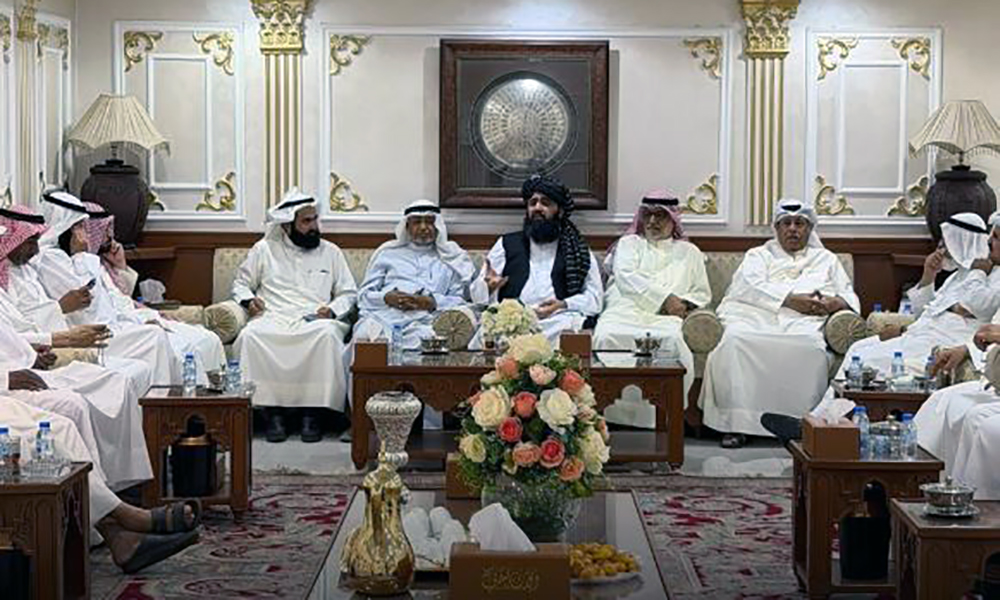
Afghanistan and Kuwait have discussed expanding trade and investment cooperation during a meeting between Afghanistan’s Chargé d’Affaires in Kuwait, Mohammad Shafiq Khatib, and prominent Kuwaiti investor Ajeej Khalaf, along with a number of businessmen and investors.
The Afghan Embassy in Kuwait said the talks focused on Afghanistan’s security and stability, economic potential and available investment opportunities.
The sides stressed the importance of strengthening trade and economic ties and expanding investment cooperation between the two countries.
Khatib invited Kuwaiti businessmen and investors to visit Afghanistan, explore investment opportunities and consider investing in various sectors of the Afghan economy.
The meeting comes as Afghanistan seeks to attract more foreign investment and strengthen economic and commercial ties with regional and international partners.
Business
Azizi: Afghanistan ready to attract Chinese and Uzbek investment
On the sidelines of the conference, Azizi and his delegation visited an exhibition showcasing Uzbek products and manufactured goods.
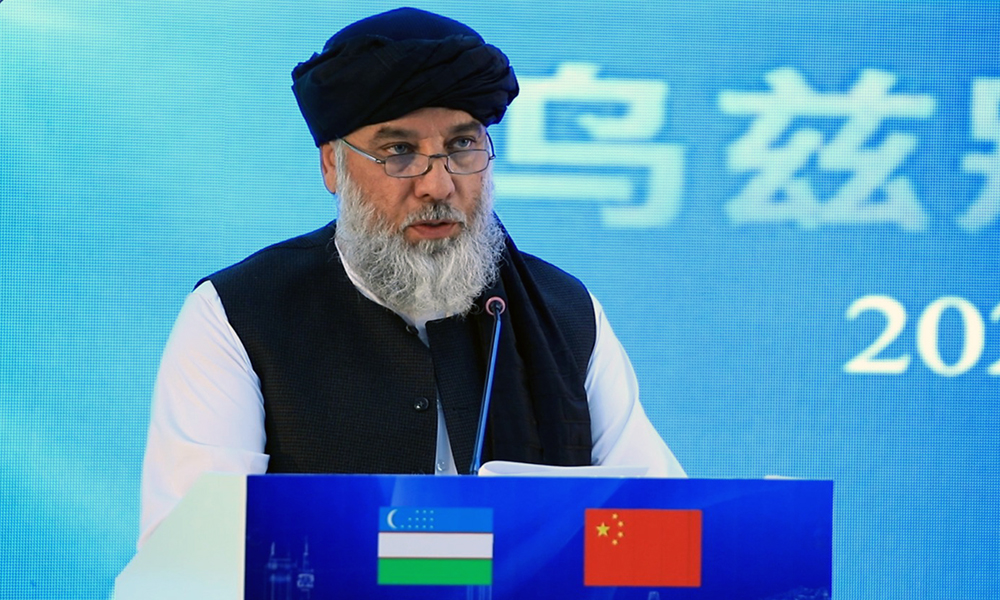
Afghanistan is ready to attract investment from Chinese and Uzbek companies across key sectors of the economy, Minister of Industry and Commerce Nooruddin Azizi said at a trade conference in Uzbekistan’s Termez.
Speaking at the Surkhandarya–China Trade Conference, Azizi said recent exchanges between Afghan, Uzbek and Chinese officials and business delegations had opened new opportunities for trade, transit and investment.
He described China as a key economic partner and an important player in strengthening regional connectivity, while emphasizing the need to increase Afghan exports to regional markets, particularly China.
Azizi said Afghanistan was prepared to facilitate investment by Chinese and Uzbek companies in mining, agriculture, food processing, energy, manufacturing, machinery and economic infrastructure.
He also called for the development of new transit corridors linking Central Asia with China, saying Afghan exports could be transported through Uzbekistan’s trade networks to China and other regional markets.
The minister said joint investment and the processing of Afghanistan’s raw materials inside the country could create sustainable and mutually beneficial economic opportunities across the region.
Officials from Afghanistan, Uzbekistan and China, as well as private-sector representatives, attended the conference.
Balkh Governor Mohammad Yousuf Wafa highlighted the longstanding friendly relations between Afghanistan and Uzbekistan and the investment opportunities available in Balkh province.
On the sidelines of the conference, Azizi and his delegation visited an exhibition showcasing Uzbek products and manufactured goods.
Business
Uzbekistan, Kazakhstan target Afghanistan in push to expand regional trade
According to Uzbek media, the initiative was discussed during the Uzbek-Kazakh Business Forum in Tashkent.
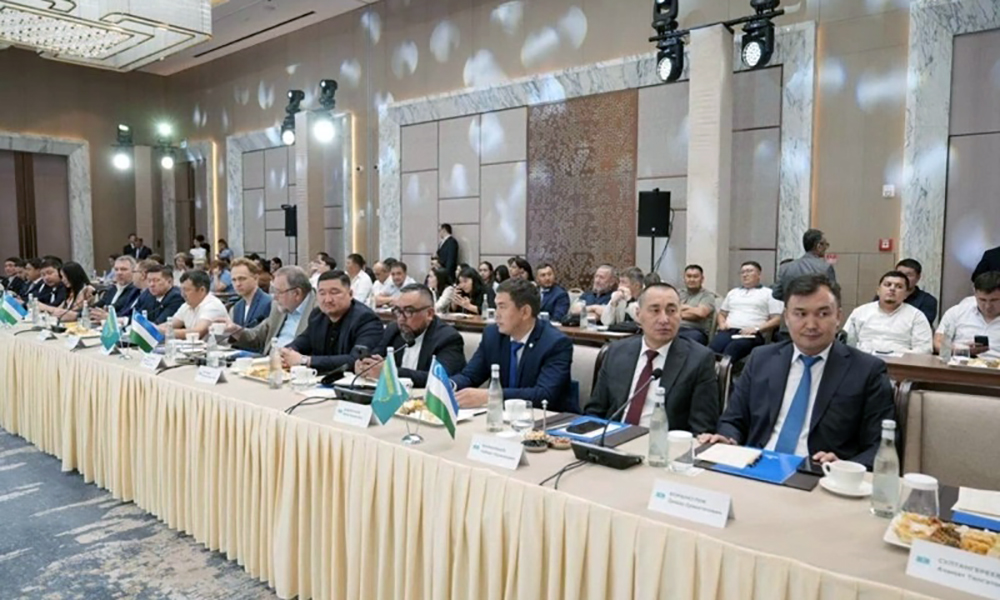
Uzbekistan and Kazakhstan are seeking to deepen economic cooperation and jointly expand into new regional markets, including Afghanistan, as part of broader efforts to strengthen trade and investment across Central Asia and the Middle East.
According to Uzbek media, the initiative was discussed during the Uzbek-Kazakh Business Forum in Tashkent, where business leaders and trade associations from both countries explored opportunities to promote their products in third-country markets, particularly Afghanistan, Syria and Iraq.
Afghanistan featured prominently in the discussions, with participants noting that Kazakhstan’s exports to Afghanistan reached nearly $500 million during the first seven months of 2025—almost matching the country’s total exports to Afghanistan for all of 2024. Officials said the long-term goal is to increase exports to $3 billion.
The forum also highlighted growing imports of mineral raw materials from Afghanistan. Participants discussed a proposed agreement to supply Afghan zinc ore to the Almalyk Mining and Metallurgical Complex in Uzbekistan.
Beyond Afghanistan, delegates examined emerging business opportunities in Syria and Iraq, where reconstruction efforts are expected to drive demand for food products, construction materials and industrial goods.
The forum also focused on improving regional logistics. Officials discussed using available capacity on Turkish freight trucks transiting Uzbekistan, a move expected to reduce transport costs and improve access to regional markets.
At the conclusion of the forum, both sides agreed to organise joint business missions to third-country markets, including Aleppo, Syria, in late September and Erbil, Iraq, in early October, with the aim of strengthening commercial partnerships and identifying new investment opportunities.
The discussions reflect growing economic cooperation between Uzbekistan and Kazakhstan as both countries seek to expand regional connectivity, diversify exports and strengthen trade links with neighbouring markets, including Afghanistan.


Darwish Rasooli named captain as Afghanistan unveil Asian Games squad

Juma Khan Fateh surrenders to IEA forces in Badakhshan

Afghanistan Supreme Court says rights of almost 119,000 women addressed over five years

Seven killed in temple stampede in India

Afghanistan floods affect more than 97,000 people so far this year

Pakistan’s governance system has ‘collapsed’: Mohsin Naqvi

Spain sweep FIFA World Cup player awards after historic triumph

First Chinese transit shipment arrives in Herat via Iran’s railway corridor

Afghanistan exports first stone shipment to US in $100,000 trade milestone

AFC confirms clubs for 2026/27 competitions; draw set for August 18

Tahawol: U.S. non-recognition of IEA

Saar: Tensions between Iran and the United States

Debate with Nooruddin Azizi, Minister of Industry and Commerce

Saar: Marking IEA’s fifth anniversary in Afghanistan discussed

Tawsia: $420M investment in TAPI gas distribution network in Herat discussed
-
 Latest News4 days ago
HesabPay unveils new visa card and digital payment app in Kabul
-

 International Sports4 days ago
AFC Champions League Elite draw nears as Al-Nassr seeded above Al-Hilal
-
 Latest News4 days ago
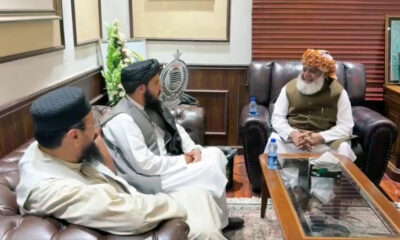
Afghan envoy invites Fazlur Rehman to embassy event marking IEA’s return to power
-
 Sport5 days ago
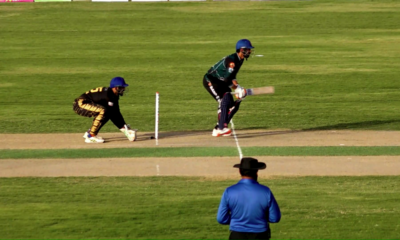
Kabul Premier League: Abasin Defenders thrash Band-e Amir Stars by 163 runs
-
 Regional4 days ago
Iran says no progress on reviving interim peace deal with US
-

 Sport4 days ago
Afghanistan clinch Ireland series with record ODI score
-

 Latest News4 days ago
Afghanistan’s future depends on inclusive progress and sustained international engagement: UNAMA
-
 Latest News4 days ago
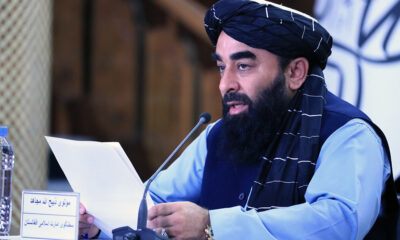
Mujahid rejects UN sanctions monitoring team’s report on foreign militant groups in Afghanistan