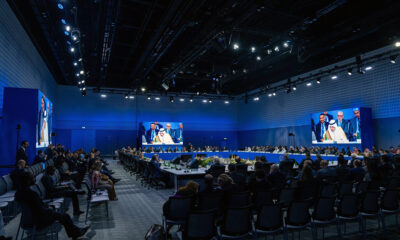

The meeting brought together regional finance ministers, central bank governors and international financial institutions to discuss economic challenges and policy priorities.
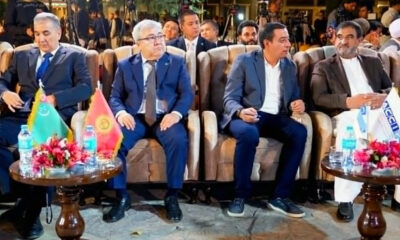

The event also featured business-to-business meetings, providing Afghan and foreign companies with opportunities to discuss potential joint investments and commercial partnerships.
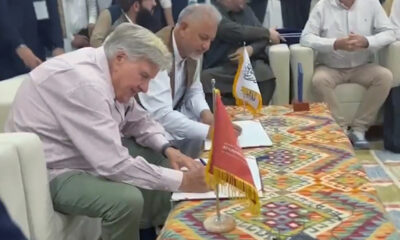

Under the MoU, the Austrian company will cooperate in carpet design, marketing and efforts to expand access to international markets, particularly in Europe.
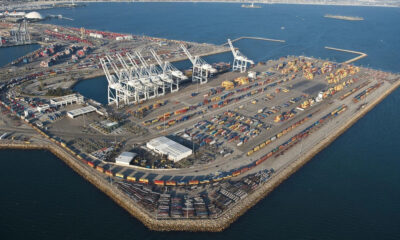

The talks also covered expanding industrial cooperation, establishing a joint industrial park and increasing bilateral trade to $10 billion.
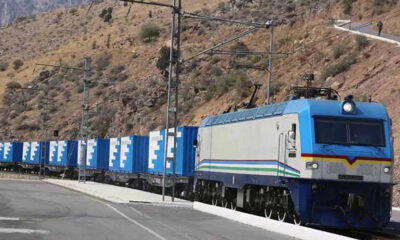

Russia’s main exports to Afghanistan include natural gas, petrol, diesel, wheat, wheat flour, sunflower oil and other agricultural products.
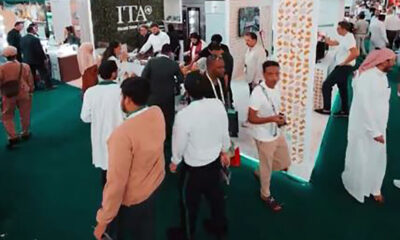

At two international exhibitions last year, Afghan businesses supported by the programme secured more than $25 million in trade prospects.

Turkmenistan regards TAPI as a key project for diversifying its gas exports and strengthening regional economic cooperation.
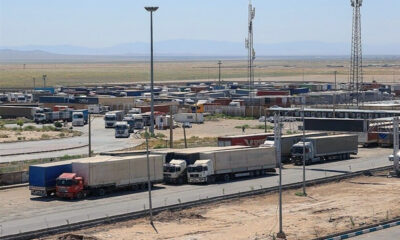

Modoudi invited machinery manufacturing companies in Iran to establish operations in the area.

He said that conditions had improved across the economy, trade, transit and international relations.

Mujahid added that Afghanistan’s long-term development should ultimately be driven by the efforts, capital and resources of Afghans themselves.
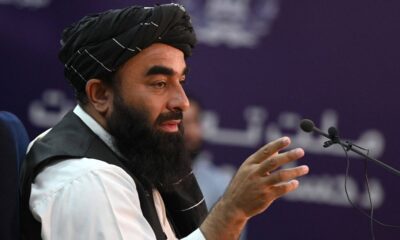

According to figures from Afghanistan’s Ministry of Foreign Affairs, the Islamic Emirate currently has 40 active diplomatic missions in different countries.
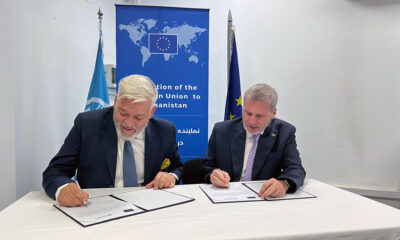

FAO Representative in Afghanistan Richard Trenchard said agrifood businesses had shown potential to grow and create jobs despite difficult conditions.
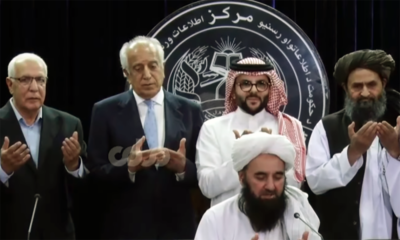

The agreements cover exploration across the Kushk and Tirpul contract area in Herat, spanning approximately 23,317 square kilometers.
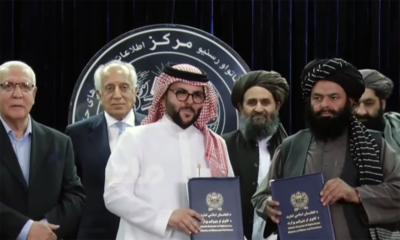

Describing the agreement as a “positive and promising development,” Khalilzad said Afghans have endured decades of war and now face substantial economic needs.
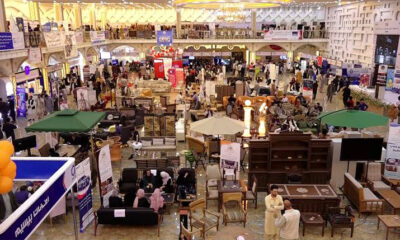

Representatives from more than 20 countries are expected to attend, including Russia, India, Türkiye and Japan.


The Hairatan railway route handled the largest share, with 464,767 tonnes, followed by Khaf–Herat with 137,687 tonnes, Torghundi with 62,015 tonnes, and Aqina with 39,831 tonnes.
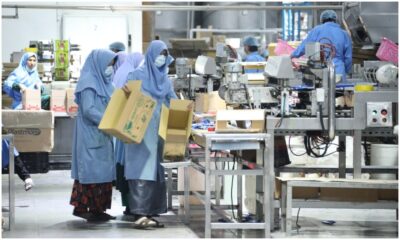

According to Fitrat, the investments have so far generated direct employment for more than 4,000 people.
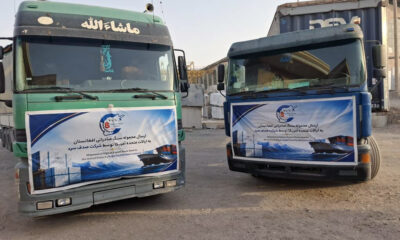

The export was coordinated through the Herat Chamber of Industries before being shipped to the U.S.
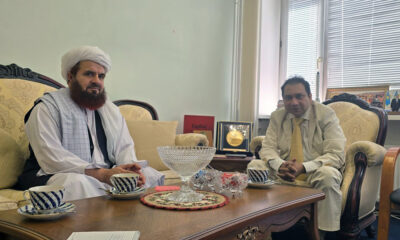

Afghanistan's Ambassador to Russia, Gul Hassan Hassan, met with Bangladesh's Ambassador, Mohammad Nazrul Islam, to discuss ways to enhance cooperation between the two countries.

During the meeting, officials of the Islamic Emirate also announced that new investors will be exempt from paying taxes for five years.
| Country | Selling in AFS | |
|---|---|---|
| 1 USD |  | 65.20 |
| 1 EUR |  | 72.25 |
| 1 PND |  | 85 |
| 1 AED |  | 17.25 |
| 1 TRY |  | 1.33 |
| 1000 INR |  | 723 |
| 1000 IRR |  | 0.24 |
| 1000 PKR |  | 229 |