
Latest News
Five Years On: IEA touts economic growth despite international isolation
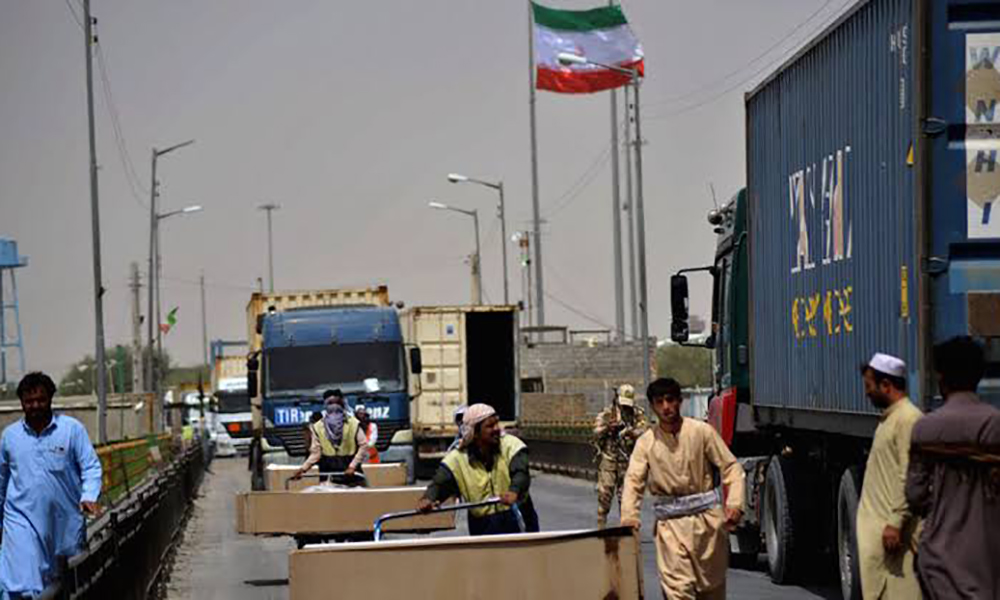
He said that conditions had improved across the economy, trade, transit and international relations.

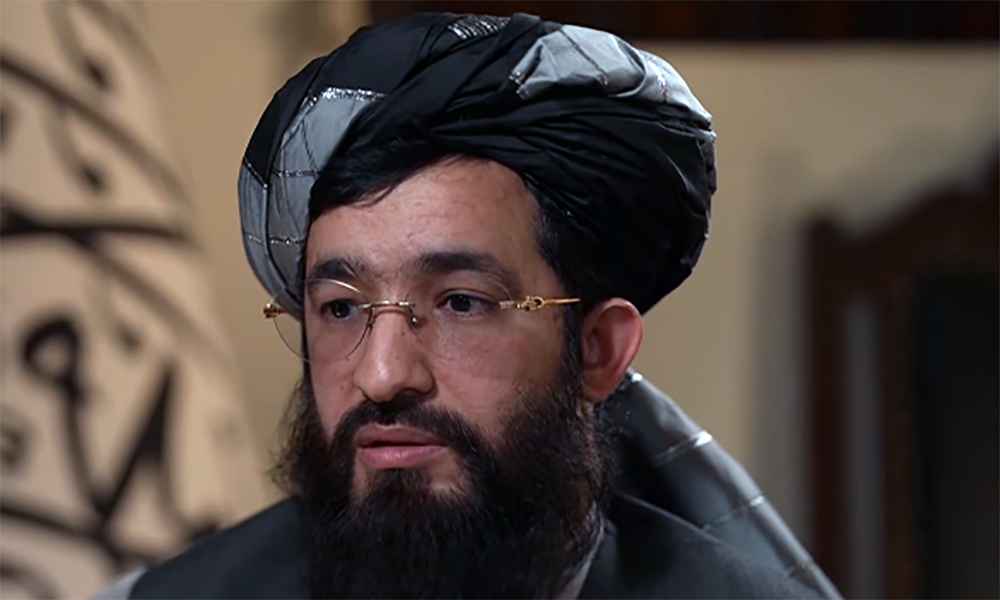
Five years after returning to power, the Islamic Emirate of Afghanistan (IEA) is highlighting what it describes as progress in security, economic activity and infrastructure development, while Afghanistan continues to face economic challenges, limited diplomatic recognition and international concerns over restrictions on women and girls.
In an interview with CBS, IEA Foreign Ministry Spokesman Abdul Gahar Balkhi said the end of the foreign military presence was the administration’s main achievement, pointing to calmer streets, fewer security checkpoints and ongoing infrastructure projects in Kabul.
He said that conditions had improved across the economy, trade, transit and international relations.
He claimed Afghanistan’s exports had increased from about $750 million in 2020 to nearly $2 billion, while the number of operating factories had risen from around 1,500 to approximately 6,000.
Afghanistan, however, continues to face severe economic and humanitarian challenges, including widespread hunger and unemployment.
Diplomatic recognition of the IEA administration also remains limited.
Balkhi told CBS that formal recognition was less important than practical diplomatic engagement, pointing to the presence of foreign ambassadors, diplomatic exchanges and trade relations with other countries.
Restrictions on women’s education remain a major source of international criticism. Public schooling for girls from grade seven onward remains suspended.
Balkhi rejected claims that the IEA had issued more than 100 decrees targeting women. He said the restrictions on secondary education were a suspension rather than a permanent ban, and pointed to homeschooling, religious schools and online education as alternatives.
“There is no such thing as secret schools. There’s homeschooling options,” he said.
“There’s madrasa options. There’s online options,” he said, adding that “you would call it a secret school, but we call it homeschooling.”
On counterterrorism commitments under the Doha Agreement, Balkhi told CBS that Afghan territory would not be allowed to serve as a base for attacks against the United States or other countries.
Asked about the 2022 U.S. drone strike in Kabul that killed al-Qaeda leader Ayman al-Zawahiri, Balkhi said Afghan officials could not confirm the identity of the person killed, while maintaining that the IEA was committed to its security pledges.
Balkhi also said the IEA wanted formal diplomatic relations with all countries, including the United States, and would welcome the reopening of the U.S. Embassy in Kabul.
Relations with Washington remain complicated by disagreements over frozen Afghan central bank assets and U.S. demands concerning military equipment left behind during the 2021 withdrawal.
“That is the assets of the state of Afghanistan. It’s not the money of the current government or the previous government or the governments before it,” Balkhi said in relation to the frozen assets.
“That money, freezing that money, is not to the benefit of the people of Afghanistan and it certainly isn’t to the benefit of the United States,” he added.
Balkhi also rejected any proposal to exchange military equipment for Afghanistan’s frozen financial reserves, arguing that both were assets belonging to the Afghan state.
“We have no intention of dealing on the assets of the state of Afghanistan,” he said.
He did however call for greater diplomatic engagement with Afghanistan, saying it could contribute to economic recovery and regional stability.
“We want formal diplomatic ties with every single country of the world, including the United States of America.
“In the world that we live in, in a globalized world, the prosperity and development of countries depends on interactions with each other, for the greater benefit of humanity,” he said.
He went on to say that it’s the IEA’s policy to “welcome all countries, including the United States of America, if they wish to invest in the mineral sector, in the gas sector, whatever sector that they feel is mutually beneficial.”
In conclusion, Balkhi stated: “We no longer have war and we can work towards the development of the country and stabilize it for our future generations.”

Latest News
Mujahid: Pakistan not willing to resolve tensions with Afghanistan through dialogue
He reiterated that Afghanistan was not responsible for the emergence of the current tensions, adding that the Islamic Emirate remains committed to resolving disputes through dialogue and diplomatic engagement.
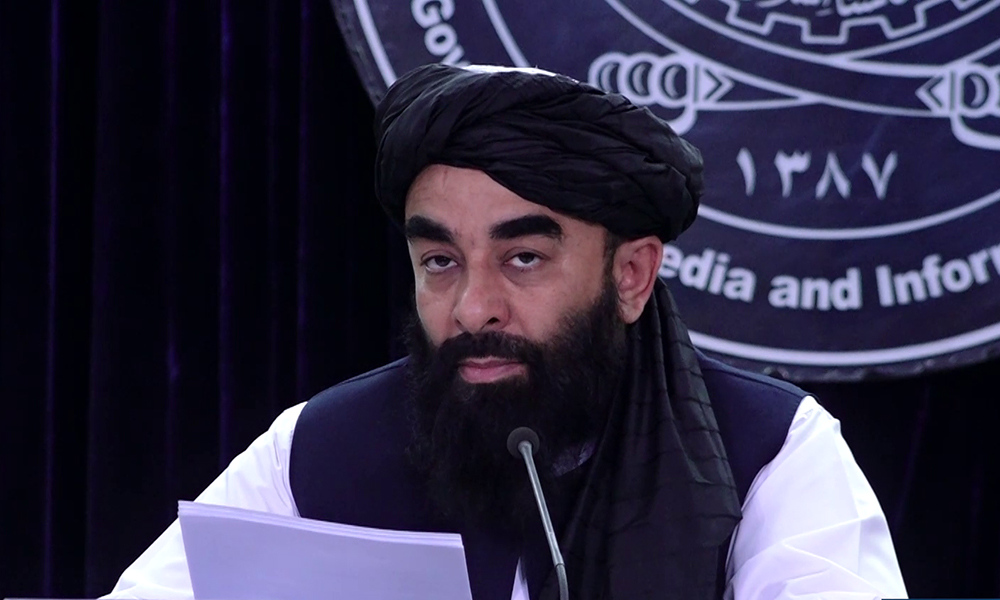
Zabihullah Mujahid, spokesperson for Afghanistan’s Islamic Emirate, says Kabul has made its final efforts to resolve tensions with Pakistan through dialogue, but these efforts have so far failed to produce tangible results.
Speaking to a local radio station, Mujahid confirmed that messages have been exchanged between Kabul and Islamabad. However, he said diplomatic initiatives by mediating countries and Islamic Emirate officials to ease tensions between the two neighbouring countries have also proved unsuccessful.
Mujahid attributed the lack of progress to what he described as Pakistan’s “wrong policies,” claiming that Islamabad has shown little willingness to resolve its differences with Kabul through peaceful negotiations.
He reiterated that Afghanistan was not responsible for the emergence of the current tensions, adding that the Islamic Emirate remains committed to resolving disputes through dialogue and diplomatic engagement.
His remarks come amid continued tensions between Afghanistan and Pakistan, as diplomatic efforts to ease bilateral differences have yet to produce a lasting breakthrough.
Latest News
Badakhshan governor urges youth to reject opposition groups and calls for national unity
Najib concluded by describing the current system as a common home for all Afghans and called on citizens to maintain unity, preserve stability and prevent further conflict and bloodshed.
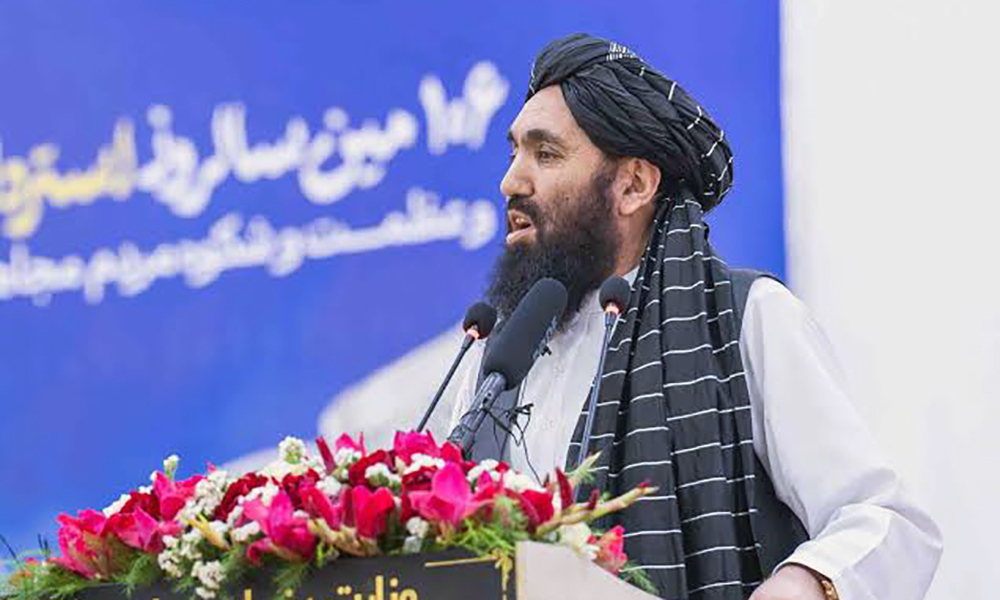
Rahmatullah Najib, the governor of Badakhshan, has urged young Afghans to reject what he described as foreign propaganda and recruitment efforts by opposition groups, calling for national unity, stability and an end to violence.
Speaking at a meeting on the implementation of Sharia and public coordination within the framework of the Islamic Emirate’s administration in Badakhshan, Najib claimed that foreign countries were attempting to influence Afghan youth and encourage them to oppose the current administration.
He stressed that human life, particularly the lives of Muslims, should be protected and not sacrificed. He also said that armed activities carried out in the name of jihad without what he considers a legitimate religious objective should not be regarded as jihad.
Najib alleged that some Afghan youths had been influenced by propaganda originating from across the Durand Line and encouraged to fight against the Islamic Emirate. He questioned the motives of those opposing the current administration and challenging its system.
The governor further accused foreign powers of supporting opposition groups in an attempt to undermine Afghanistan’s values and stability. Referring to the former presence of US and Western forces in Afghanistan, he said their efforts to establish democracy had failed despite the resources and capabilities at their disposal.
He also accused Pakistan of supporting groups opposed to the Islamic Emirate rather than addressing its own domestic challenges. Najib claimed that some young Afghans were taken to border areas and left with limited opportunities to return, exposing them to serious risks.
He maintained that the Islamic Emirate’s administration was capable of confronting its opponents and addressing threats to public security.
Najib concluded by describing the current system as a common home for all Afghans and called on citizens to maintain unity, preserve stability and prevent further conflict and bloodshed.
Latest News
Afghan ambassador says several countries may follow Russia in recognizing IEA
Hassan also said official invitations had been extended to the Islamic Emirate’s leadership, with invitations for its officials to visit several countries.
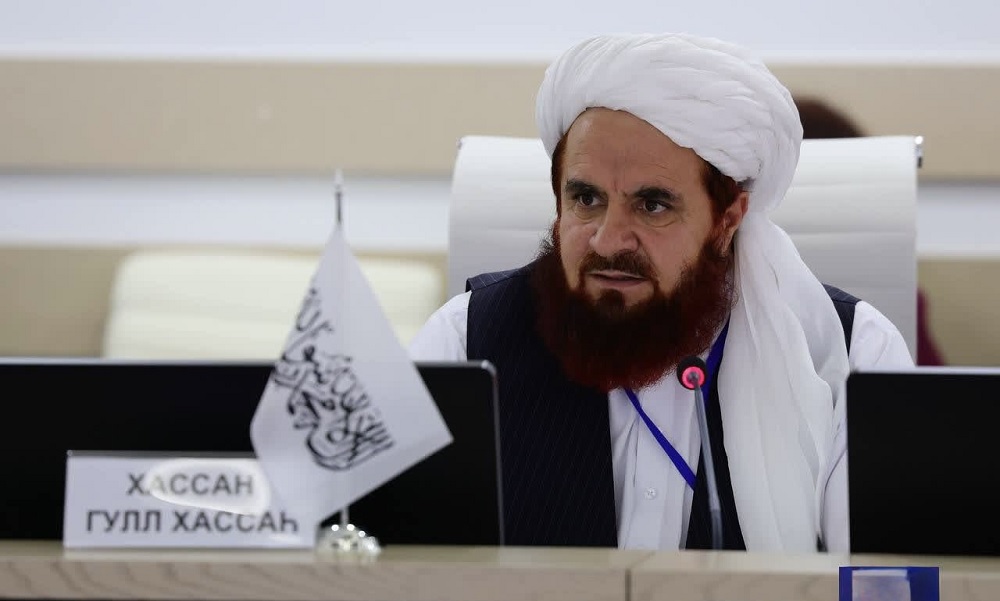
Gul Hassan Hassan, Afghanistan’s ambassador to Russia, has said that several countries are interested in expanding their relations with Afghanistan and that some are reportedly close to recognizing the Islamic Emirate.
Speaking at a meeting at the headquarters directorate in Ghazni province, Hassan said Central Asian countries, Russia, China and several other nations were seeking to strengthen cooperation with Afghanistan in economic, political, trade, education and healthcare sectors.
He added that some countries, which he did not identify, were close to following Russia’s move in recognizing the Islamic Emirate.
Hassan also said official invitations had been extended to the Islamic Emirate’s leadership, with invitations for its officials to visit several countries.
Meanwhile, he said a high-level Russian delegation is expected to visit Afghanistan in the near future to discuss economic issues and bilateral cooperation.


Mujahid: Pakistan not willing to resolve tensions with Afghanistan through dialogue
Badakhshan governor urges youth to reject opposition groups and calls for national unity

Afghan ambassador says several countries may follow Russia in recognizing IEA

UNHCR: 6.3 million Afghans have returned since 2023, 60 percent reportedly forced to return
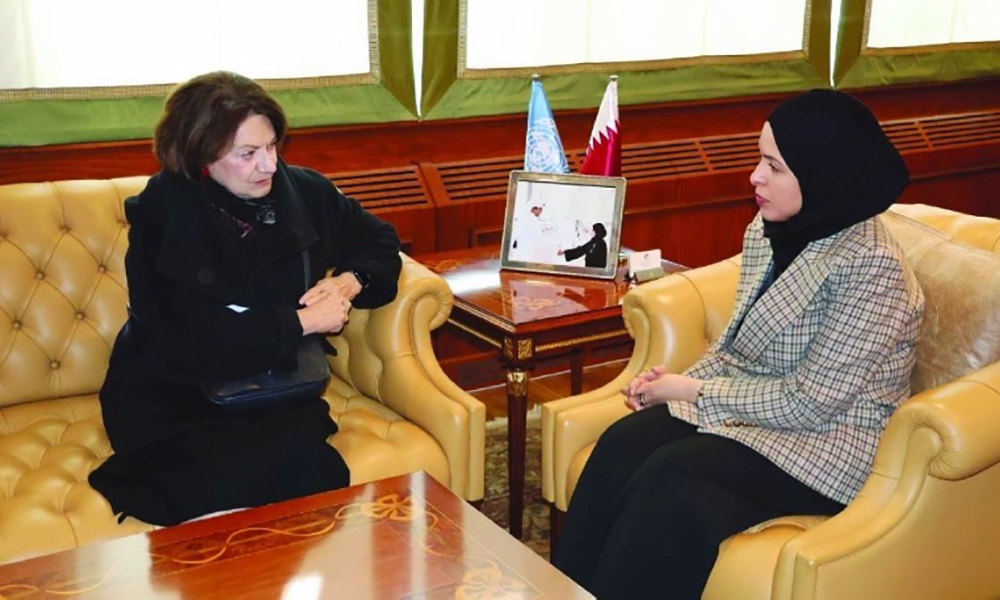
Qatar reaffirms support for Afghanistan’s stability in meeting with senior UN official

Cricket Bonanza: Afghanistan set for packed international schedule

ACB announces Afghanistan squads for Bangladesh, Zimbabwe series

Afghanistan finish runners-up after 6-0 defeat to Brazil in futsal final

Afghanistan to face Pakistan, India and Australia at 2027 Cricket World Cup

India, Pakistan summon top diplomats over border incident
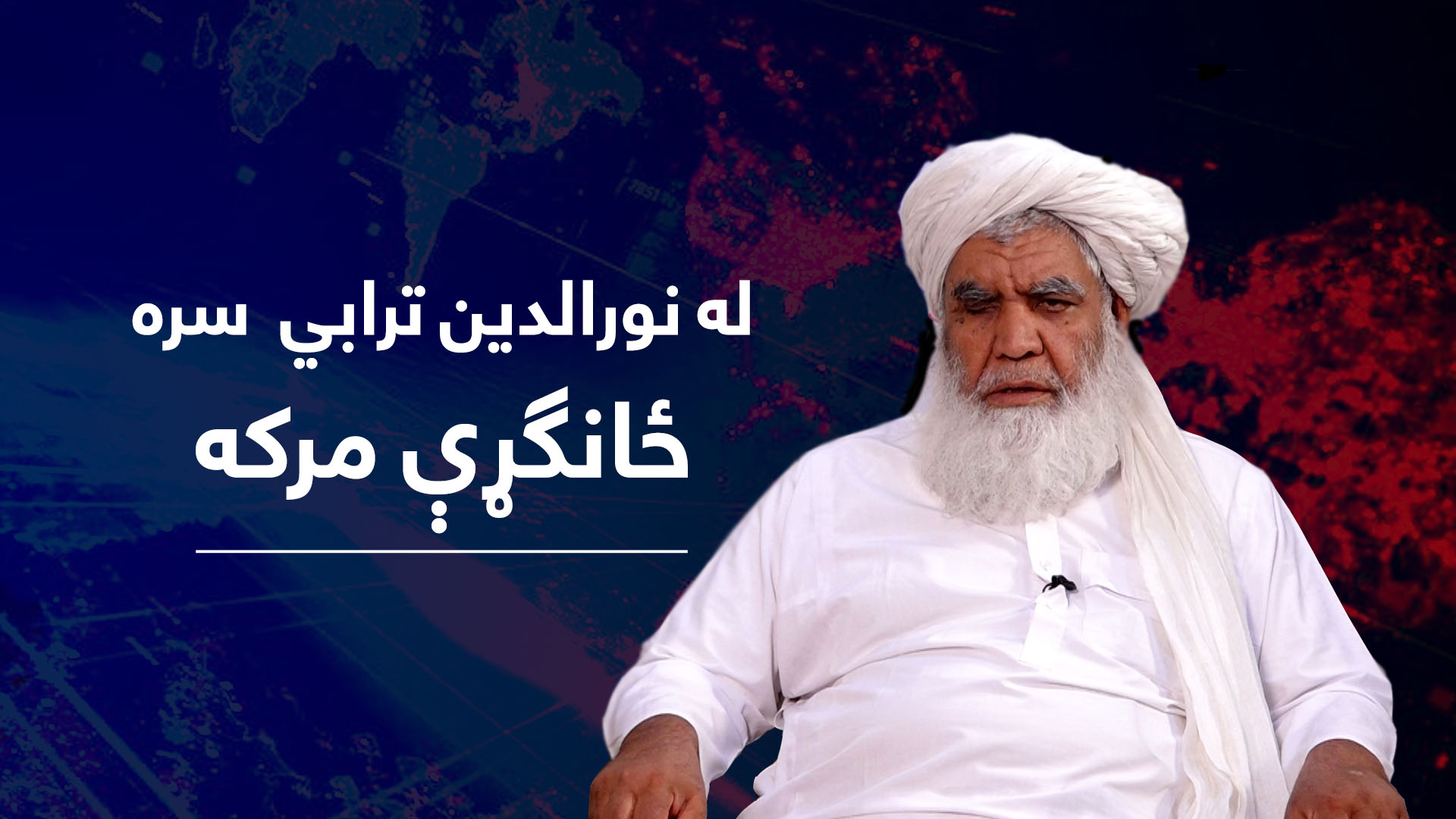
Exclusive interview with Nooruddin Turabi, Director General of ANDMA
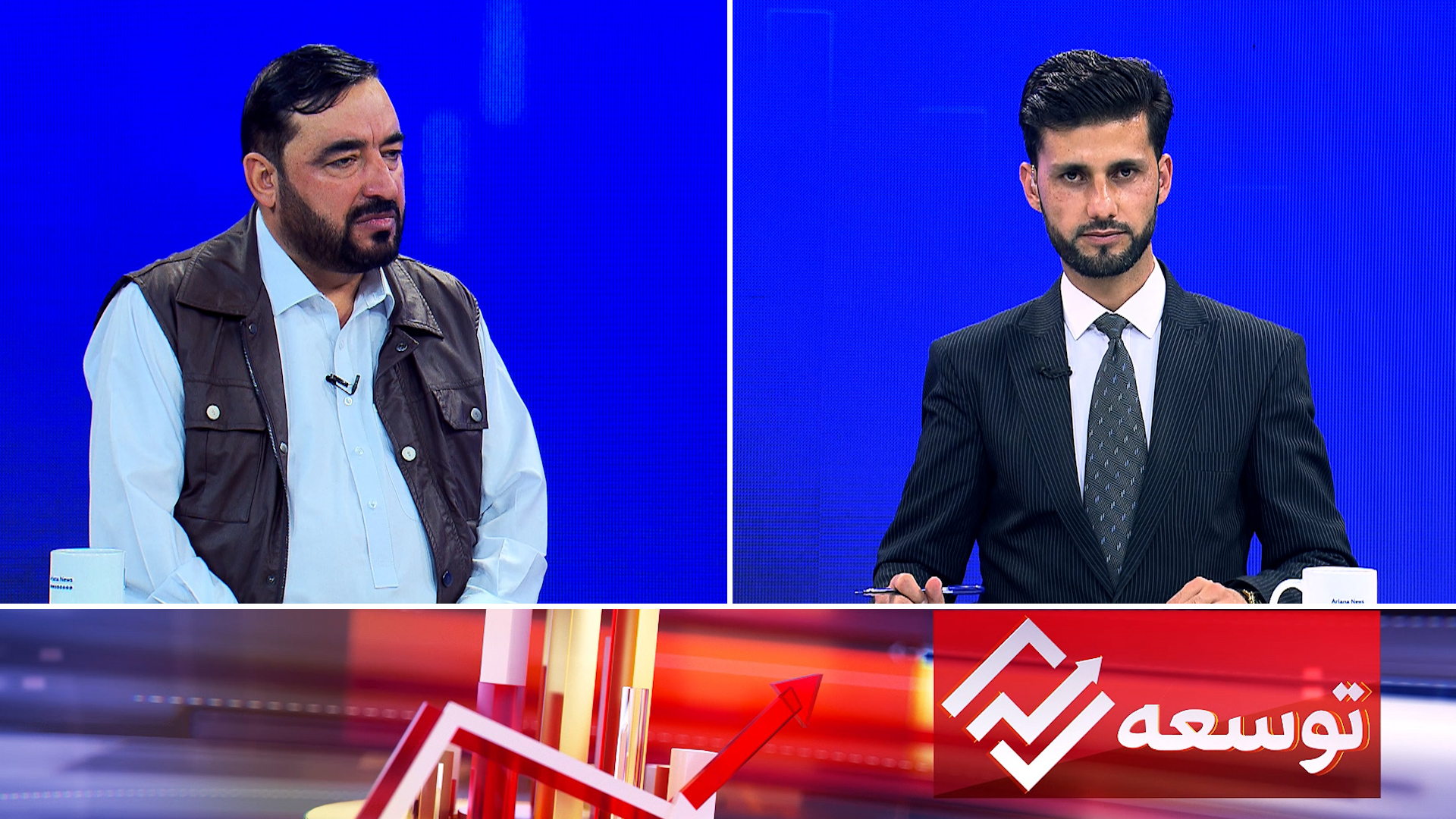
Tawsia: Afghanistan’s mining potential for economic growth discussed
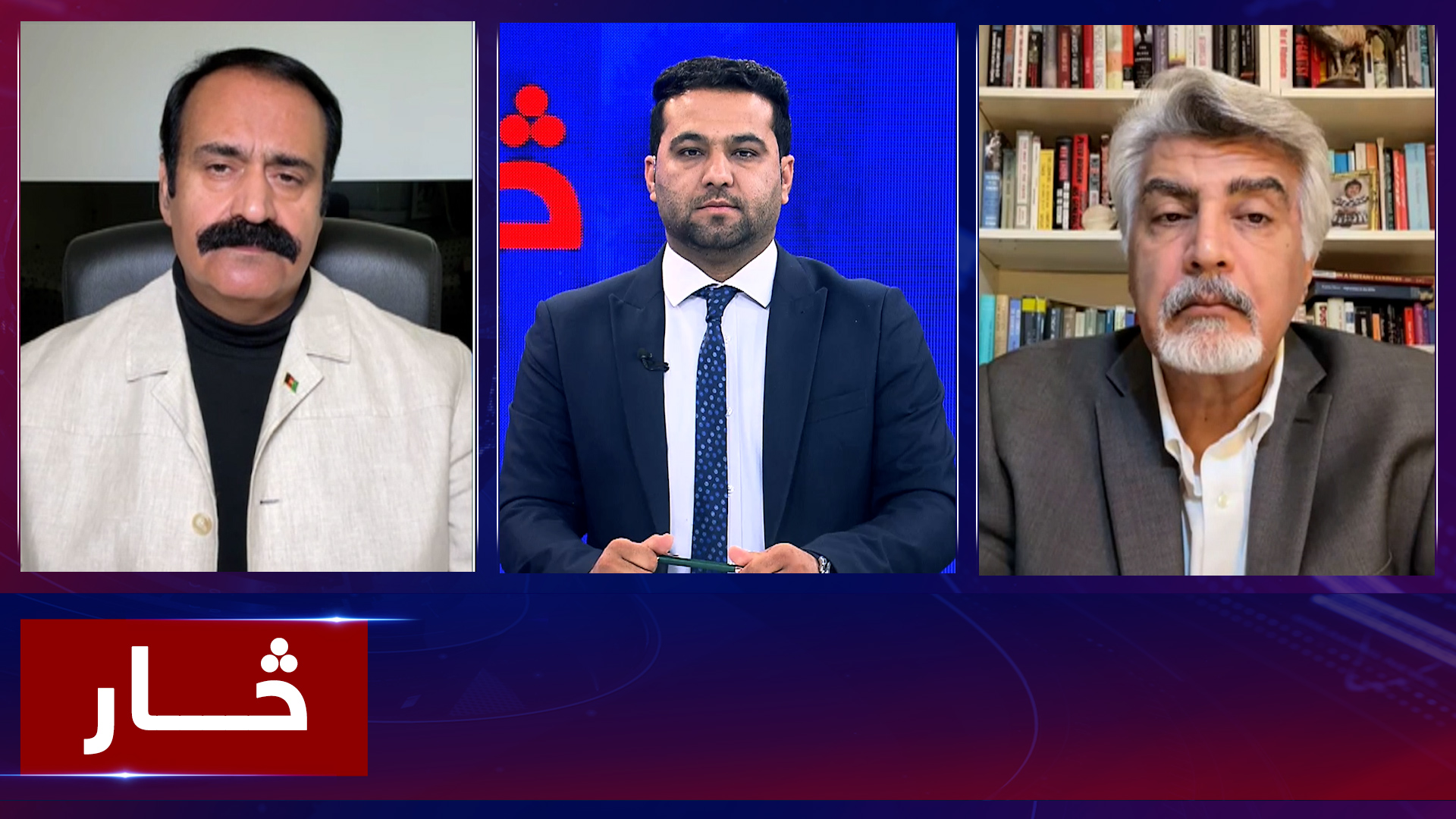
Saar: Regional coalition against Israel-US discussed
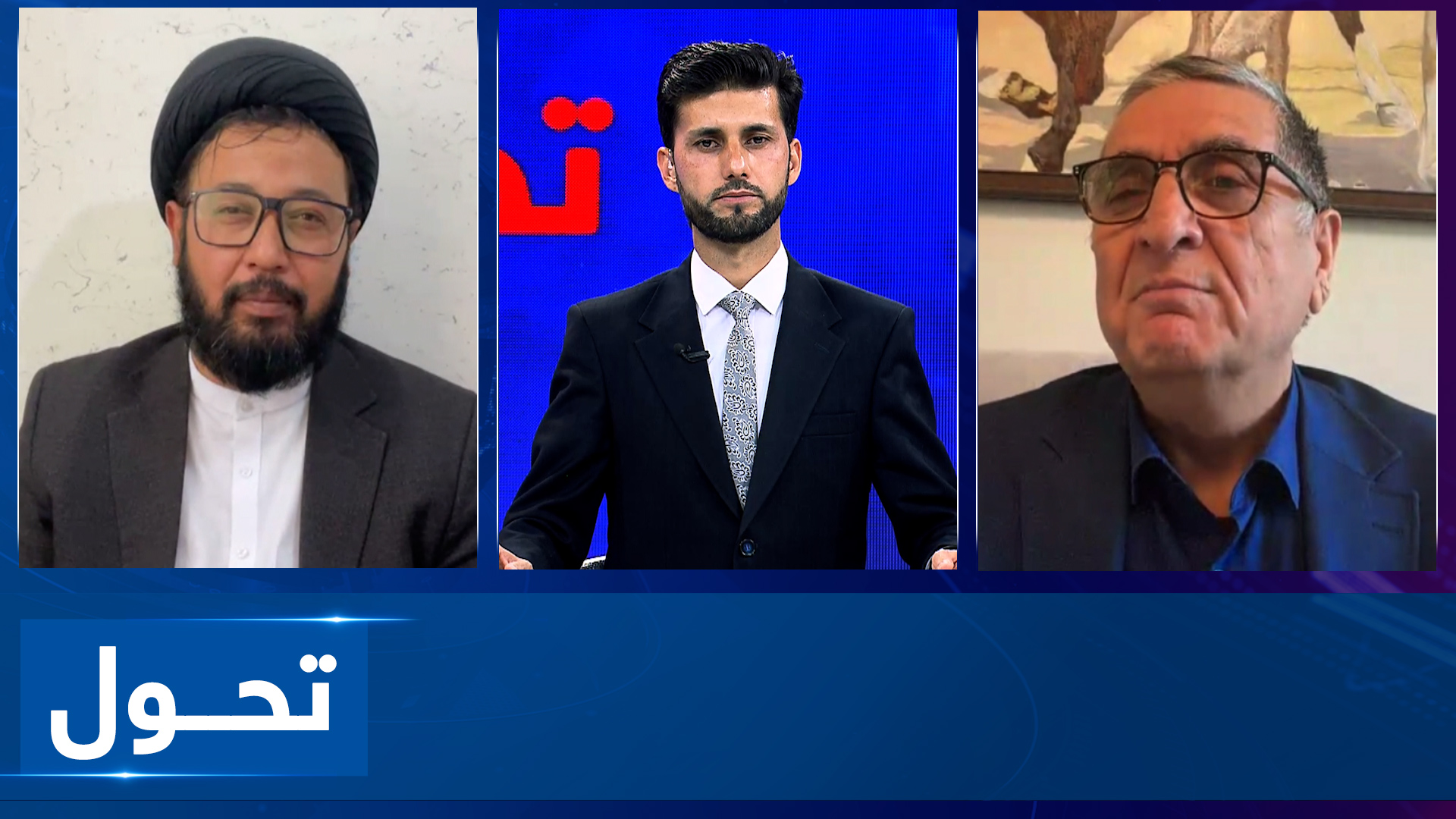
Tahawol: Interest in joining pro-Russian forces discussed
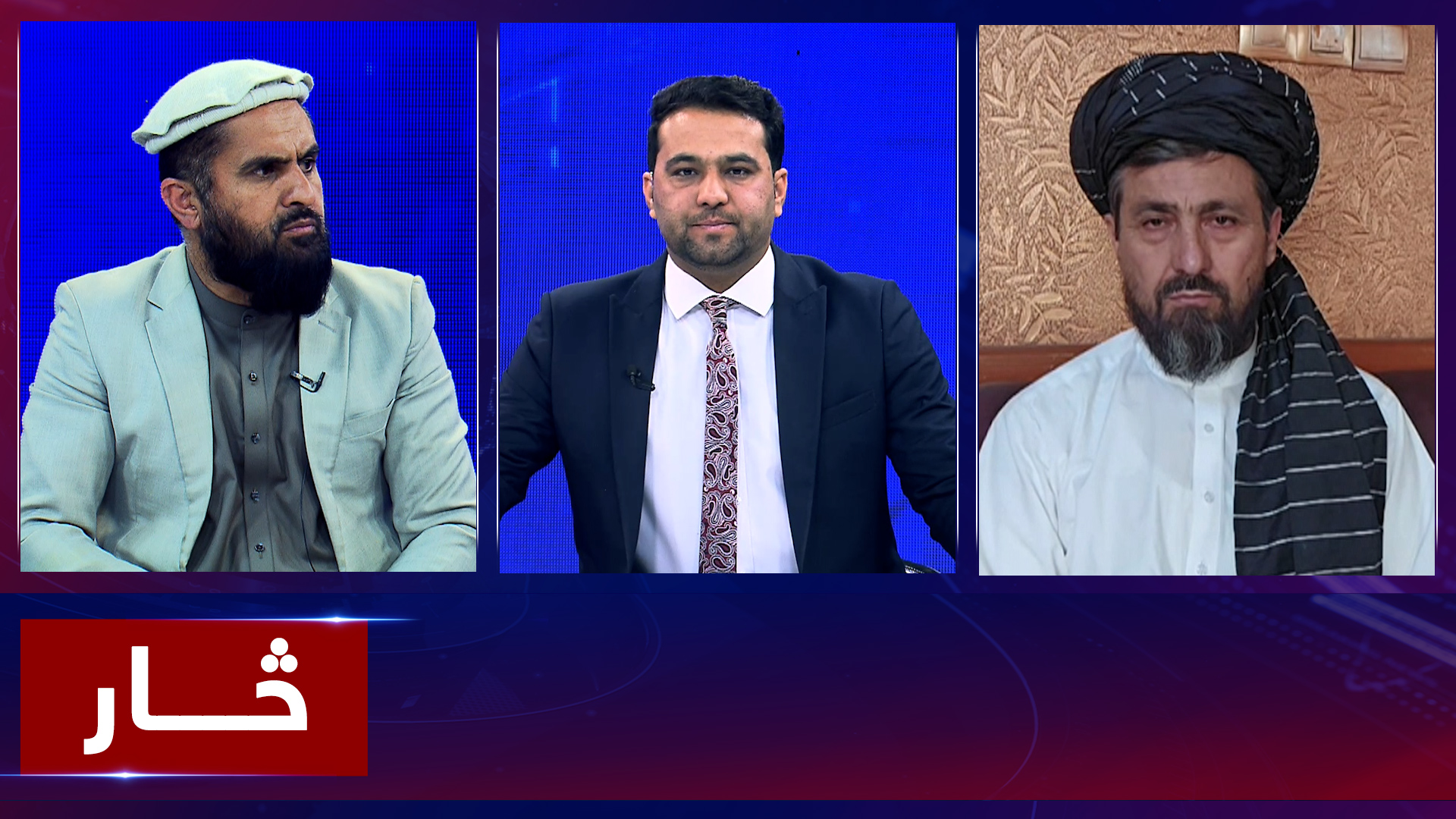
Saar: Refugee returns to Afghanistan ahead of winter discussed
-
 Sport4 days ago
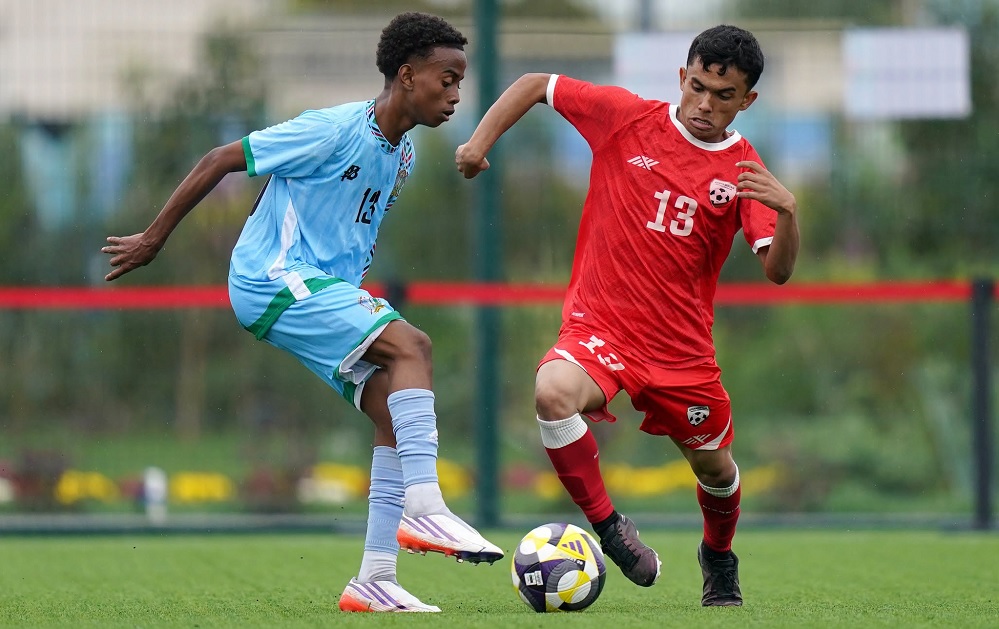
Afghanistan advance to Tier C at FIFA U-15 World Cup and Festival
-
 Regional4 days ago
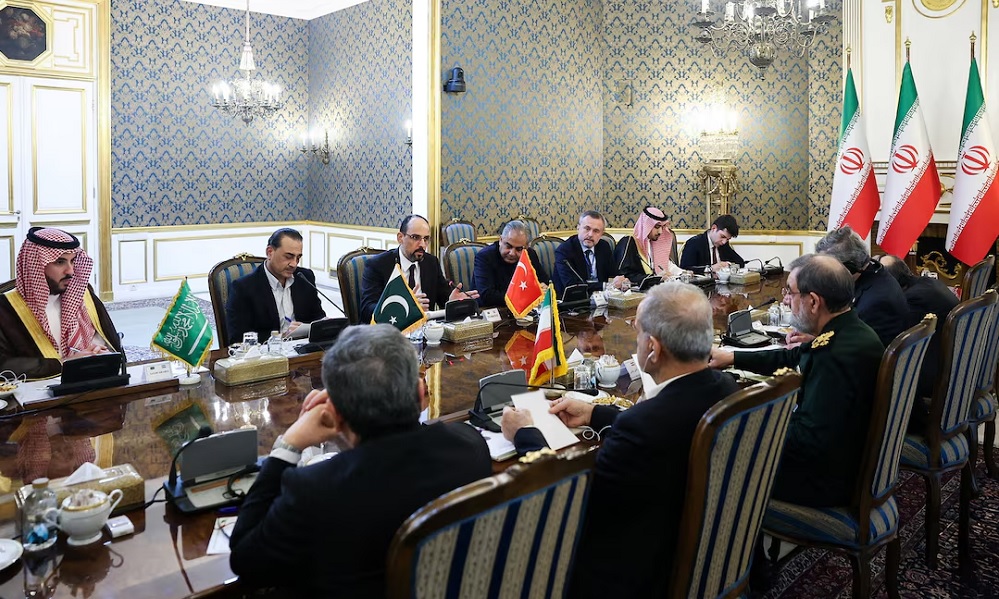
Saudi defence pact countries push for peace in Tehran as Houthis launch more attacks
-
 Latest News4 days ago
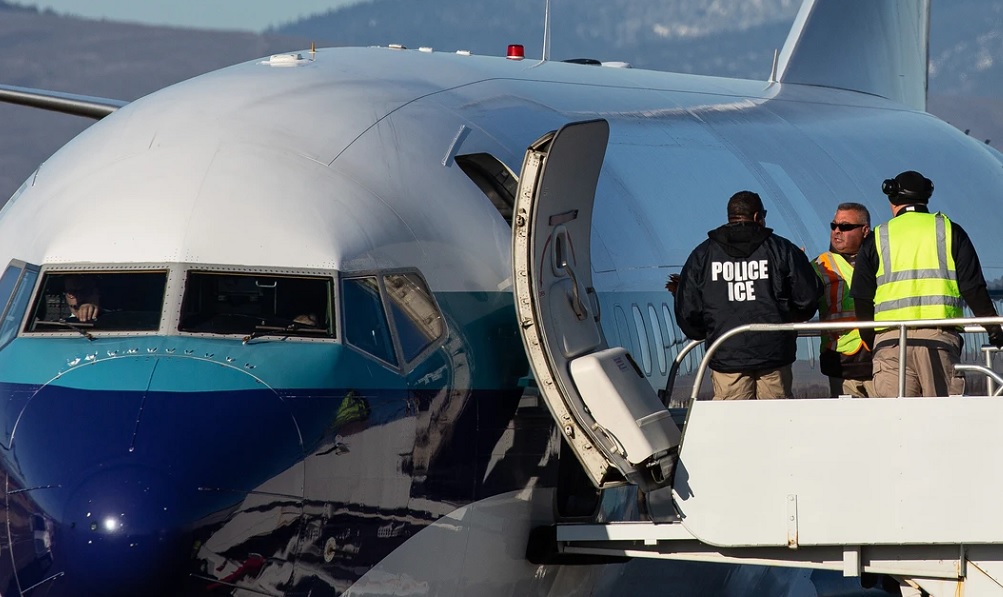
US plans to deport some Afghan migrants to Pakistan: Bloomberg
-
 Regional5 days ago
Iran says outcome of Israeli elections ‘makes no difference’
-
 Sport4 days ago
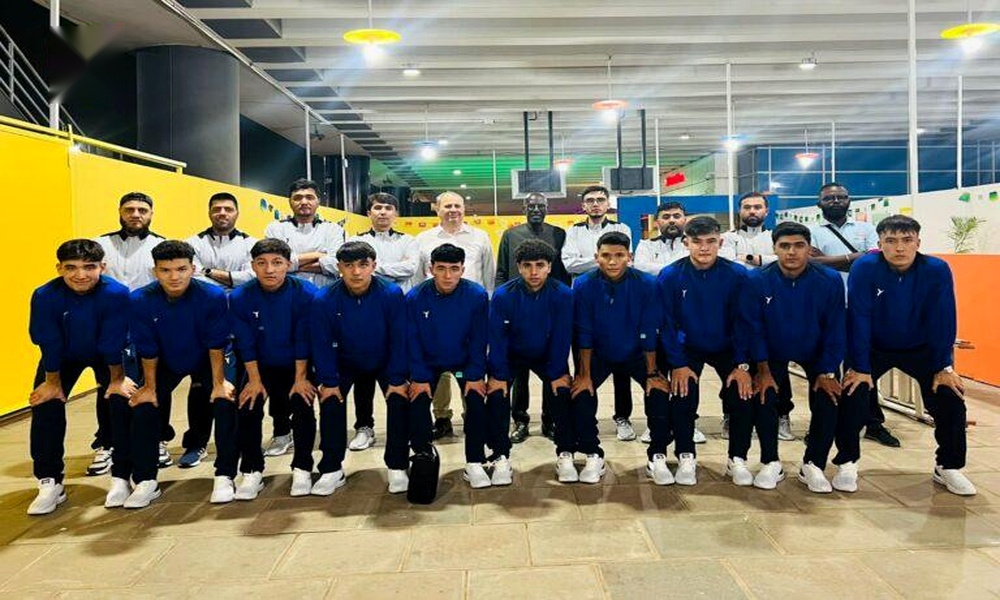
Afghanistan U-18 futsal team in Senegal ahead of Youth Olympic Games
-
 Sport4 days ago
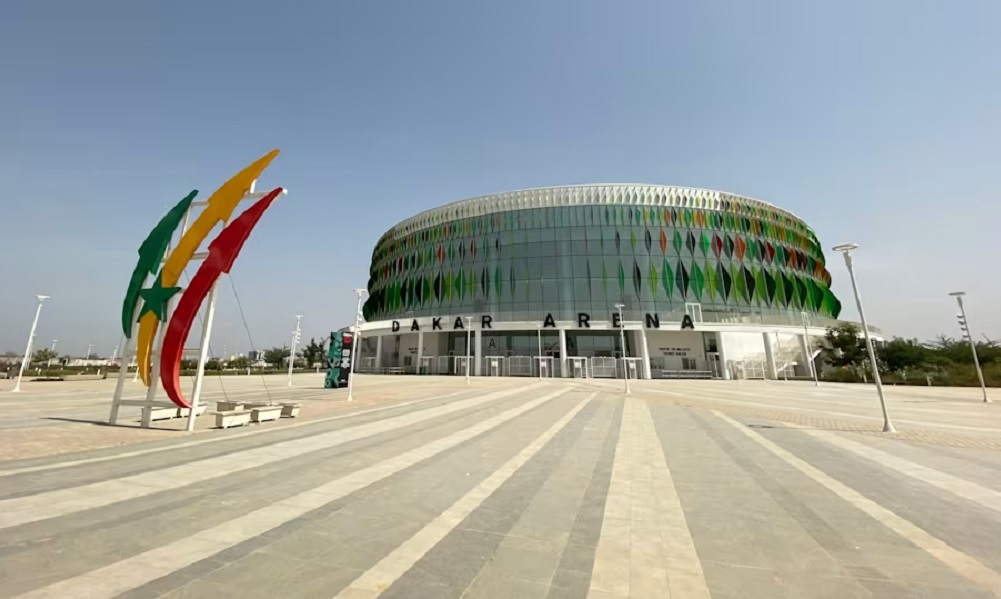
ATN to bring historic Dakar 2026 Youth Olympics to Afghan audiences
-
 Sport2 days ago
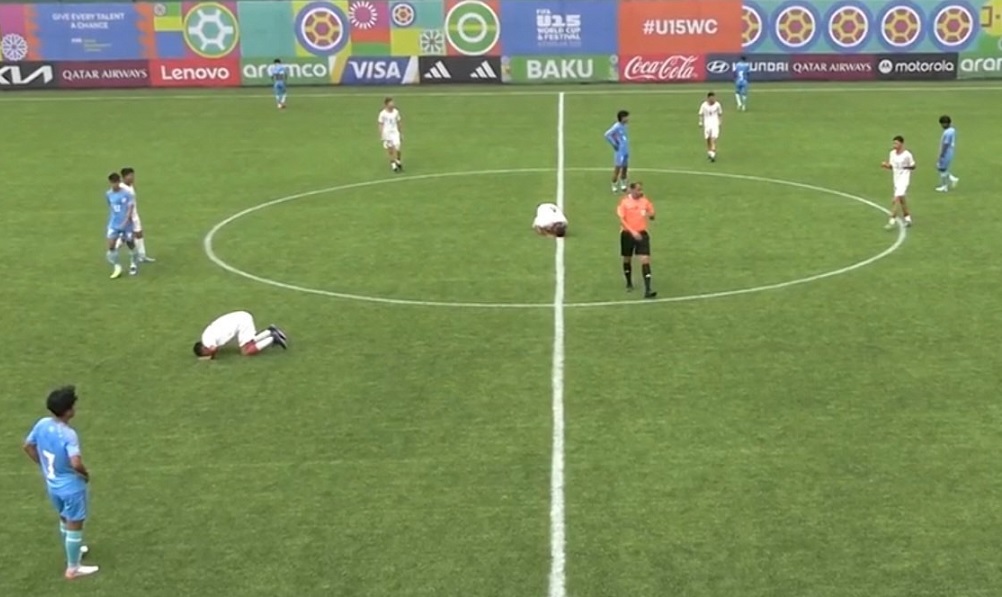
Afghanistan beat India 2-1 at FIFA U-15 World Cup & Festival
-
 International Sports4 days ago
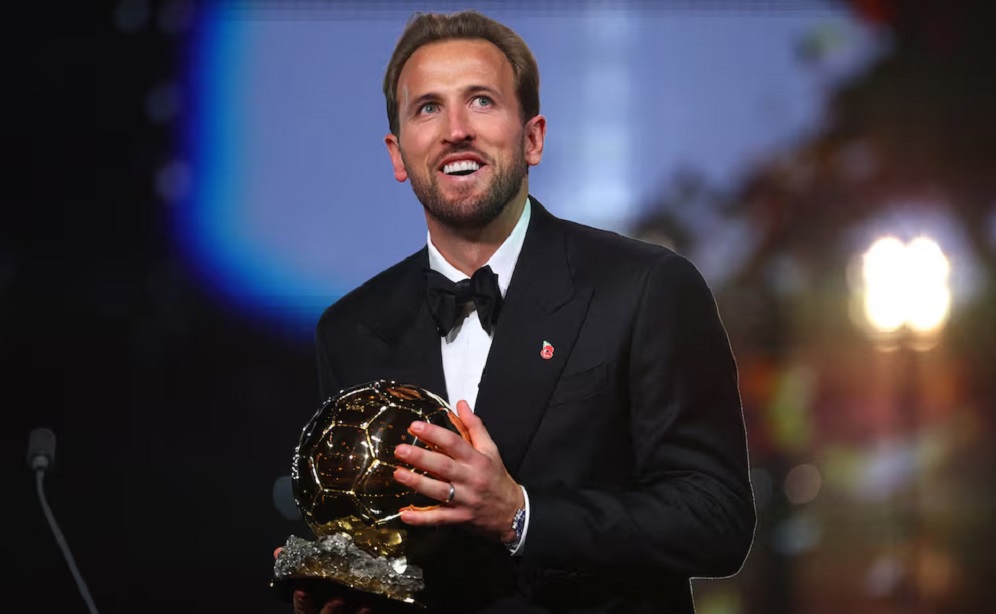
England forward Kane crowned Ballon d’Or winner