
Regional
Saudis shut down oil pipeline as Houthis tighten grip on Red Sea shipping
The 1,200-kilometre (745-mile) pipeline running across the Arabian Peninsula had helped Saudi Arabia to bypass a shipping logjam in the Strait of Hormuz, where tanker traffic has slowed to a trickle due to the war between the U.S. and Iran.


Saudi Arabia has shut down its East-West pipeline after the vital oil conduit came under aerial attack in the widening Middle East war.
The world’s largest crude oil exporter temporarily closed the pipeline after a drone attack that both Baghdad and Riyadh said had originated in Iraq, where Iranian-backed militias operate. Iraq dismissed a military commander on Saturday in response to the attack, Reuters reported.
The 1,200-kilometre (745-mile) pipeline running across the Arabian Peninsula had helped Saudi Arabia to bypass a shipping logjam in the Strait of Hormuz, where tanker traffic has slowed to a trickle due to the war between the U.S. and Iran.
The Saudi energy ministry said it had shut the pipeline as a precaution. The line has been moving 4 million to 5 million barrels per day in recent months, amounting to 4% to 5% of global supply, according to ship tracking companies and analysts.
The attack comes as Iran-aligned Houthi rebels in Yemen tightened their grip in the Red Sea, which combined with the Strait of Hormuz disruptions has put an energy squeeze on both sides of the Arabian Peninsula and sent global oil prices back above $100 per barrel.
Four Yemeni government sources told Reuters that Houthis had seized the strategic island of Perim on Friday at the mouth of the Red Sea, in the Bab el-Mandeb Strait.
The dual attacks reported on Friday – on the pipeline and Perim island – could represent a dangerous escalation while diplomatic efforts to end the war have stalled.
Saudi Arabia has asked Washington for military help with the Houthis, sources said, at a time when higher fuel prices during the war have already exacted a political toll on U.S. President Donald Trump and his Republican Party ahead of November congressional elections.
The East-West pipeline was hit on Thursday morning in Saudi Arabia’s Riyadh and Medina regions, the Saudi energy ministry said.
It was not immediately clear who was responsible for the strikes. Satellite images showed black smoke rising from an area of the pipeline south of Medina. The attack resulted in some injuries and damage that was being assessed, the Saudi foreign ministry said without detailing the impact on exports.
The cashiered Iraqi military commander had led operations in Maysan province, according to Saturday’s statement by the Iraqi prime minister’s office. Maysan province, which borders Iran in southeastern Iraq, has long been regarded as an area where Iran-backed Shi’ite militias operate and maintain influence.
Saudi Arabia has opted against retaliation so far following a request from the Iraqi prime minister, the Saudi foreign ministry said in a statement, while adding the kingdom reserves the right to “take all measures necessary” to protect its interests. Iraq’s government condemned attacks.
Saudi crude supply fell to the lowest levels in more than three decades, the International Energy Agency said on Friday, partly due to attacks on ships transiting Bab el-Mandeb by Houthi-linked groups.
Iraq responded by ordering the closure of the Shalamcheh border crossing between Iraq and Iran as a precautionary measure, two security sources told Reuters. The crossing serves as one of the main routes for imports to Iraq of vegetables and other food supplies from Iran.
The two sources said a widescale operation was under way to find those responsible for the pipeline attack.
COUNTERATTACK PLANNED
If the Houthis gain control of the Bab el-Mandeb Strait, their backer Iran could gain a critical advantage in its war with the U.S.
Yemeni government forces indicated they would try to retake areas captured by the Houthis — mountain fighters who withstood years of devastating Saudi airstrikes during Yemen’s civil war — in their lightning offensive this week along the Red Sea coastline.
Reuters reported on Thursday that the dramatic Houthi advance down Yemen’s Red Sea coast came with direct guidance from Iran’s Revolutionary Guards.
Iran told the Houthis last week to escalate their attacks on Saudi Arabia and promised more funding, weapons and senior officers to help them do so, two Iranian sources said.
Iran describes the Houthis as an ally but publicly denies giving them military direction, saying they are “not a proxy”.
The Houthi military spokesperson, Yahya Saree, said maritime navigation remained safe for all shipping except Saudi vessels subject to a previously announced ban.
SAUDIS SEEK HELP
Saudi Crown Prince Mohammed bin Salman called Trump at least twice on Thursday to request U.S. military help in fighting the Houthis, two sources familiar with the matter told Reuters on Friday, confirming an earlier report by Axios.
Washington told Riyadh it was not willing to take direct military action for now but would help with intelligence sharing and targeting, the two sources said.
The White House did not address a Reuters question on any phone calls between the two leaders, but a senior administration official speaking on the condition of anonymity said Washington was in continuous dialogue with Saudi Arabia and the Yemeni government.

Regional
Saudi defence pact countries push for peace in Tehran as Houthis launch more attacks
Saudi Arabia said the visit was intended to open negotiating channels to “prevent the return of military escalation”.

Top officials from Saudi Arabia, Turkey and Pakistan met Iranian officials in Tehran on Monday in a bid to de-escalate the Middle East conflict, as Yemen’s Houthis launched new attacks on Saudi Arabia and Egypt approved defence support for the Gulf kingdom.
The talks were the first high-level contact between Iran and the three nations — which signed the Mecca mutual defence pact in August — since a war that began with US and Israeli strikes on Iran also spread to Saudi Arabia and Yemen, Reuters reported.
Saudi Arabia said the visit was intended to open negotiating channels to “prevent the return of military escalation”.
It was represented by Defence Minister Prince Khalid bin Salman, younger brother of Crown Prince Mohammed bin Salman; Pakistan by army chief Field Marshal Asim Munir; and Turkey by intelligence chief Ibrahim Kalin, Saudi and Iranian officials said.
Iranian state media published pictures of Iranian President Masoud Pezeshkian, Foreign Minister Abbas Araqchi and Mohsen Rezaei, secretary of the Supreme National Security Council, attending the meetings. At the conclusion, the four states agreed to continue talks with a view to strengthening cooperation in peace and security, state media reported.
Pakistan and Qatar have led mediation efforts in the war.
Earlier efforts helped produce an interim peace agreement in June, but fighting between Iran and the US soon resumed. Conflict then flared between the Iran-aligned Houthis and US ally Saudi Arabia, opening a new front.
US AND IRAN THREATEN NEW ATTACKS
The wider fighting has restricted shipping through the energy chokepoint of the Strait of Hormuz, pushed up global oil and gas prices, left Gulf states facing missile and drone attacks, and caused a new humanitarian crisis in Yemen.
Tensions between Washington and Tehran have sharpened recently, with President Donald Trump saying on Friday the US may strike Iran again. Iranian security officials told Reuters Tehran had drawn up detailed plans to attack Gulf undersea cables if the US and Israel attack again.
The war, which earlier in the year also reignited fighting between Israel and the Iran-backed Lebanese Hezbollah militia, has eroded Trump’s approval ratings ahead of the US midterm elections that decide control of Congress.
Iranian security chief Rezaei said the visit by the three countries had shown that “American threats have little impact on countries around the world”. He spoke of a “new and positive atmosphere” in the region.
Iranian Foreign Ministry spokesperson Esmaeil Baghaei had earlier said the meeting, proposed when Munir visited Tehran last week, could be a first step towards establishing regional security mechanisms.
A senior Pakistani security official said the focus was on building a regional non-aggression network. The agenda also included US-Iran talks, Houthi attacks on Saudi Arabia, the Strait of Hormuz and a US blockade of Iranian ports, they said.
Another Pakistani official said Munir, with a go-ahead from Trump to try diplomacy, had presented Iran with a solution to the conflict that would offer something to both the US and Iran, without giving details.
The Mecca pact states and Qatar could act as guarantors if it was accepted, the official added.
An Iranian official had earlier said there would be no discussion of Iran’s nuclear programme at Monday’s meeting, and the issue would not be addressed until Tehran’s demands for ending the war were met.
Those conditions include ending a US blockade of Iranian ports and lifting sanctions on Iranian oil exports. US Vice President JD Vance has said Iran must reduce nuclear enrichment to end the war.
Pakistan’s military media office and Turkey’s Foreign Ministry did not immediately respond to requests for comment.
PARLIAMENT APPROVES EGYPTIAN DEFENCE SUPPORT FOR SAUDIS
Saudi Arabia has intensified strikes against the Houthis since they captured strategic areas along Yemen’s Red Sea coast last month, advancing against Saudi-backed government forces. The Houthis have hit Saudi airports, ports and oil facilities.
On Monday, the Houthis said they had attacked pumping stations on Saudi Arabia’s East-West pipeline as well as Riyadh airport, which said it had resumed operations at two terminals a day earlier. There was no immediate Saudi confirmation of the Houthi attacks.
Parliament in Egypt, which has said it is considering joining the Mecca pact, on Monday authorised the Egyptian military to help defend Saudi Arabia, a major financial and political partner for Cairo.
The Mecca Joint Defence Agreement says signatories shall use “all necessary means” to eliminate threats to one another’s territorial integrity, sovereignty or internationally recognised borders, according to a text seen by Reuters.
The pact’s members held an emergency meeting in Riyadh this month and agreed to ensure the “rapid deployment” of military forces and capabilities in Saudi Arabia.
Efforts by Turkey’s parliament to ratify the agreement began last week and are still under way, while Pakistan approved the pact last week.
Regional
Iran says outcome of Israeli elections ‘makes no difference’
Tuesday’s legislative elections will take place amid mounting threats by Israel and the United States to renew attacks on Iran after they launched their war in late February.
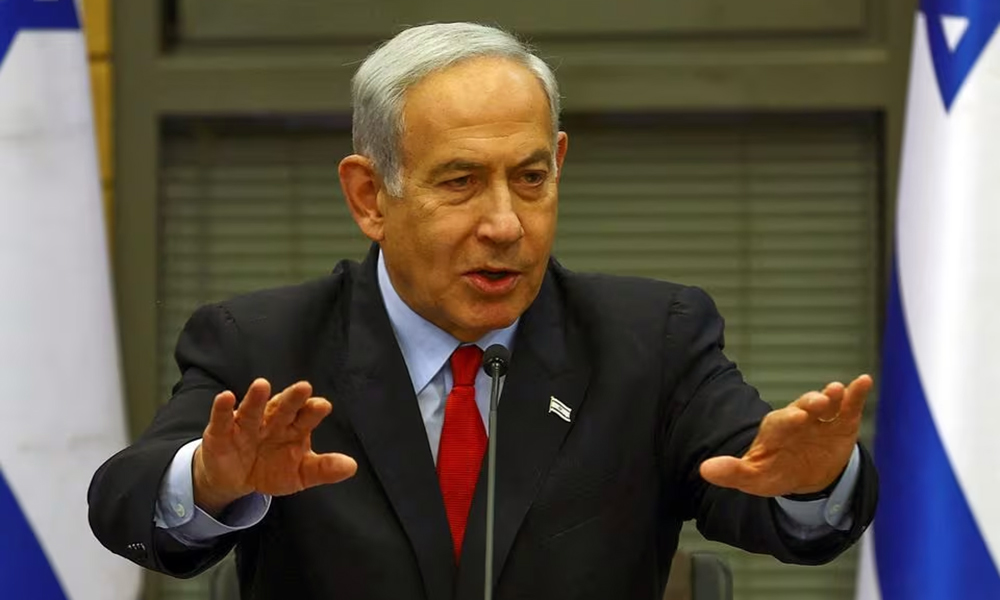
Iran’s foreign ministry said Monday that the outcome of the Israeli elections in which Prime Minister Benjamin Netanyahu is facing a tight race will make “no difference”, AFP reported.
“It makes no difference to us who, in these elections, takes the helm of a regime that has brought nothing but violence and massacres to our region,” said ministry spokesman Esmaeil Baqaei in a weekly press briefing.
Tuesday’s legislative elections will take place amid mounting threats by Israel and the United States to renew attacks on Iran after they launched their war in late February.
Netanyahu has in recent days repeatedly said the only way to remove the threat posed by Iran is to topple its government.
On Sunday, he told Israel’s Channel 14 that he had “instructed the Mossad and the IDF to overthrow the Iranian regime”.
Baqaei dismissed Netanyahu’s remarks as “empty threats” and a “sign of desperation”.
Regional
Officials from Mecca pact countries to meet Iranian officials in Tehran
Pakistan’s military media wing and Turkey’s Foreign Ministry did not immediately respond to requests for comment.
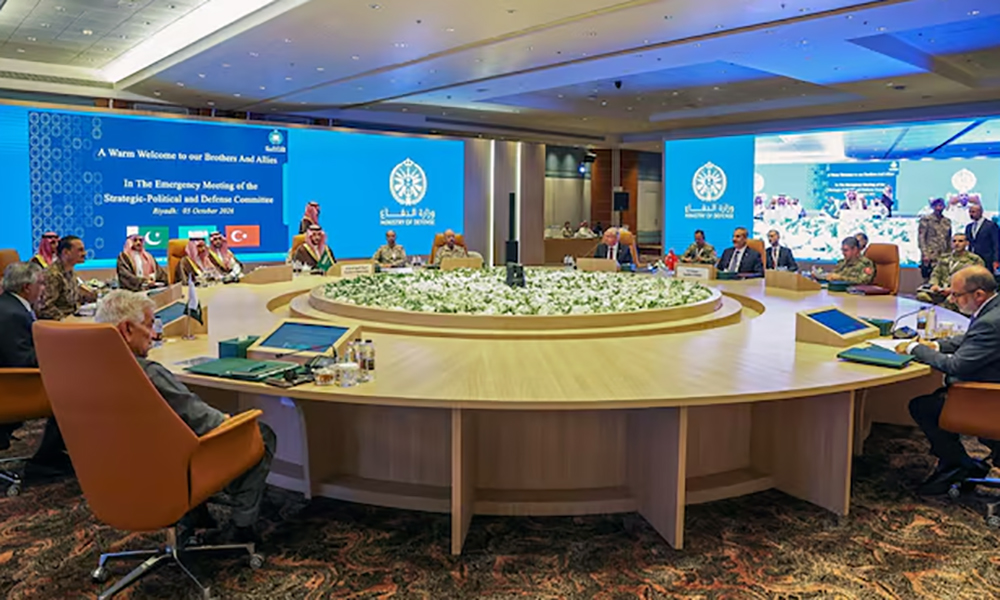
Top officials from Mecca Pact countries Saudi Arabia, Turkey and Pakistan are to meet Iran’s leaders in Tehran on Monday in their first high-level contact since the kingdom became a pressure point in the wider Iran conflict, Reuters reported.
Saudi Arabia will be represented by Defence Minister Prince Khalid bin Salman, Pakistan by army chief Field Marshal Asim Munir, and Turkey by intelligence chief Ibrahim Kalin, Saudi and Iranian officials said.
Attacks by Yemen’s Iran-aligned Houthis have spiralled in recent weeks and rhetoric between Washington and Tehran has grown more heated. Both countries have also drawn up plans to restart the wider war, possibly after the US midterm elections on November 3.
Monday’s planned talks will be the first high-level contact between Iran and all members of the three-nation bloc since Saudi Arabia was drawn deeper into the conflict. Under the Mecca Joint Defence Agreement signed in August, an armed attack on one member is considered an attack on all.
Iranian Foreign Ministry spokesperson Esmaeil Baghaei said on Monday discussions on regional security would include “Israel’s expansionist policies, developments in the Palestinian territories and Lebanon, and the repercussions of US and Israeli military action against Iran.”
Baghaei said the meeting, proposed during a visit by Munir to Tehran last week, could be a first step towards establishing regional security mechanisms based on the interests of countries in the region.
Qatari mediators met Iranian officials in Tehran on Sunday in a push to de-escalate regional tensions, Reuters reported. Qatar has, for months, played a mediating role between Tehran and Washington.
A senior Iranian official said the meeting was initiated by Pakistan, during Munir’s visit to Tehran, as he met Iranian President Masoud Pezeshkian and other senior officials. During the visit, Iranian officials told him there would be no talks with Washington until Tehran’s demands were met, according to Iranian media.
Earlier mediation efforts involving both Pakistan and Qatar helped produce an interim peace agreement in June, but the deal quickly unravelled as fighting between Iran and the United States resumed weeks later.
The deputy secretary of Iran’s top security body, Ali Baqeri-Kani, told state TV that Saudi Defence Minister Prince Khalid, Pakistan’s Munir and Turkish intelligence chief Ibrahim Kalin would visit Tehran for consultations with Iran’s Supreme National Security Council on regional security.
Saudi Deputy Minister for Public Diplomacy Rayed Krimly said the meeting is part of ongoing efforts by the Mecca Pact countries to de-escalate the current crisis, promote diplomatic solutions, and support mediation efforts led by Qatar and Pakistan.”The visit also underscores the pivotal role of the Mecca Pact states in fostering regional security and stability, and their commitment to working with all nations in the region toward achieving this goal,” Krimly posted on X.
Pakistan’s military media wing and Turkey’s Foreign Ministry did not immediately respond to requests for comment.
Saudi Arabia intercepted another wave of missiles and drones on Sunday as fighting with the Houthis continued unabated.
Ministers from the Mecca Pact countries held an emergency meeting in Riyadh earlier this month and agreed to ensure the “rapid deployment” of military forces and capabilities in Saudi Arabia.
The Houthi attacks have become an increasingly destabilising element in the US-Israeli conflict with Iran, turning US ally Saudi Arabia into a pressure point in the wider war.
Tensions between Washington and Tehran have sharpened in recent days. President Donald Trump said on Friday the US may carry out another military operation against Iran and Iran’s leaders have said that a renewed US military campaign would be met with a stronger response than before.
Iranian security officials have told Reuters that Tehran has drawn up detailed plans to hit Gulf undersea cables if the United States and Israel attack again. A US intelligence memo this week warned that Iranian plots against American personnel had reached “advanced stages”.
The war, now nearly eight months old, has weighed on President Donald Trump’s approval ratings ahead of the midterms.
The Mecca agreement’s first article says the parties shall use “all necessary means” to eliminate threats to one another’s territorial integrity, sovereignty or internationally recognised borders, according to a text seen by Reuters.
Efforts by Turkey’s parliament to ratify the agreement began last week and are still underway, while Pakistan approved the pact last week.

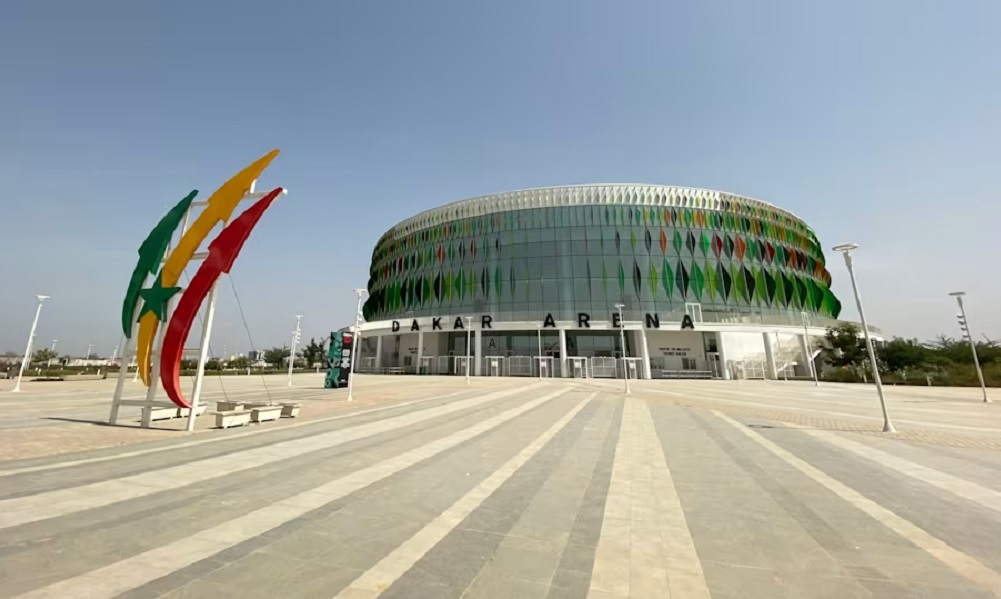
ATN to bring historic Dakar 2026 Youth Olympics to Afghan audiences

England forward Kane crowned Ballon d’Or winner
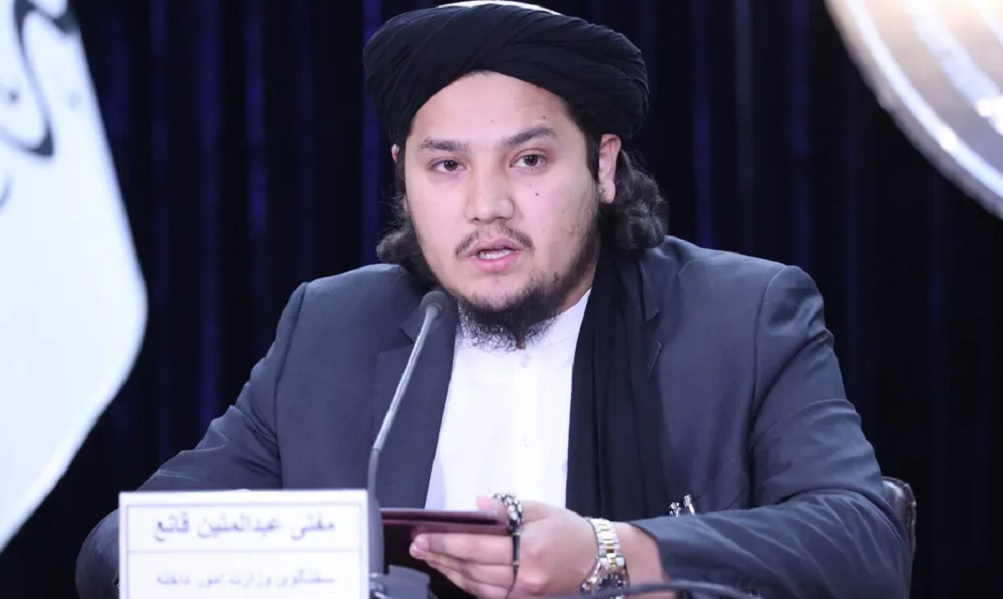
Afghanistan calls for action against drug production in Pakistan
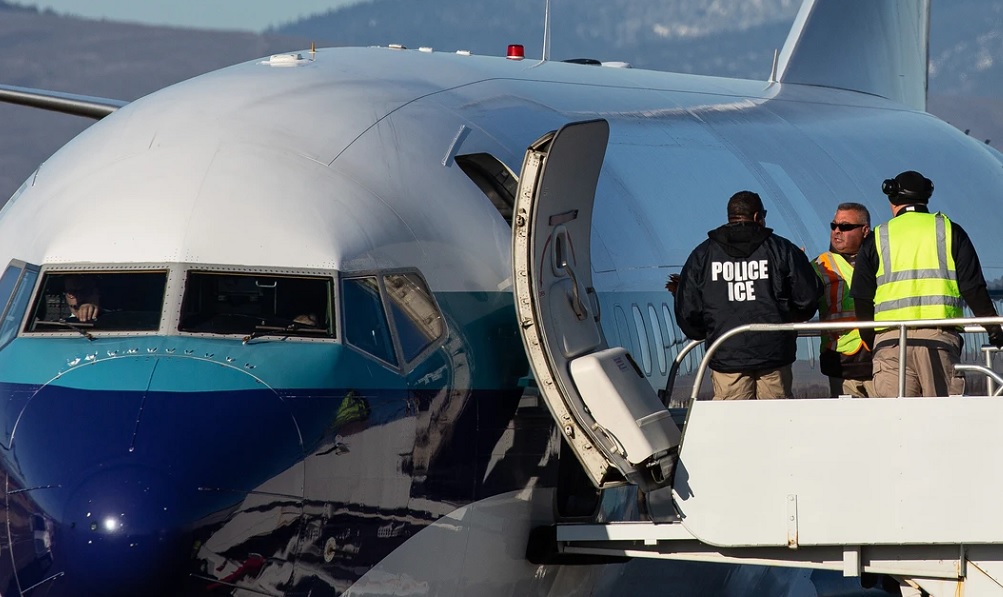
US plans to deport some Afghan migrants to Pakistan: Bloomberg

Afghanistan advance to Tier C at FIFA U-15 World Cup and Festival

Cricket Bonanza: Afghanistan set for packed international schedule

Afghanistan on climate front line as Kabul faces groundwater warning

ACB announces Afghanistan squads for Bangladesh, Zimbabwe series

Afghanistan to face Pakistan, India and Australia at 2027 Cricket World Cup

Four members of one family killed in Helmand in Pakistan airstrike
Saar: Pakistan threatening strikes on Afghanistan

Iran says outcome of Israeli elections ‘makes no difference’
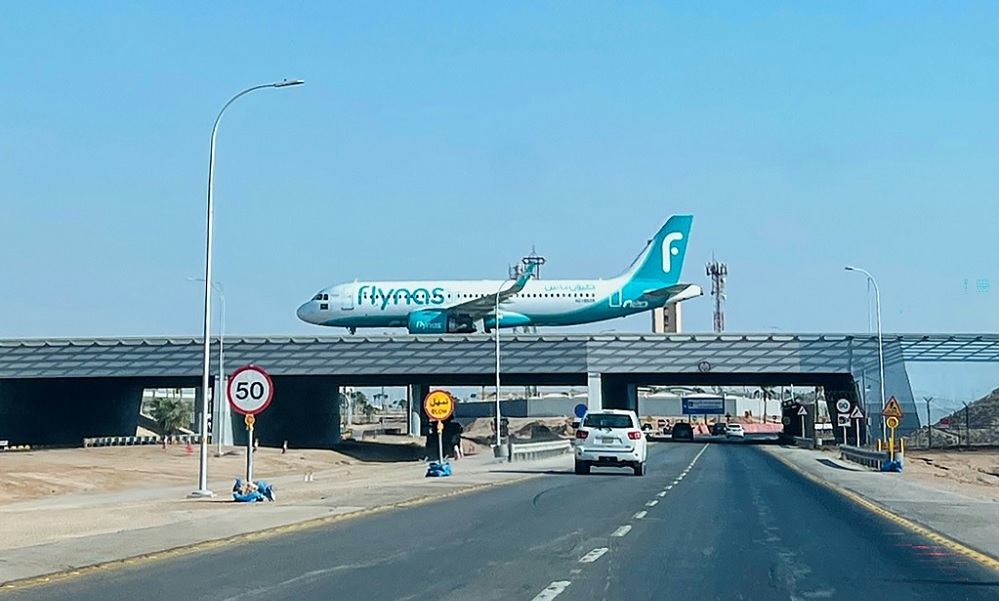
Houthis attack Saudi Arabia before high-stakes talks in Tehran
Tahawol: Ukraine war and ongoing peace efforts
Saar: Obama’s remarks on Iran war
-
 Latest News5 days ago
Afghanistan’s new Wakhan road to China faces major hurdles
-
 Latest News3 days ago
US Central Asia strategy faces challenges linked to Afghanistan’s political and security situation
-
 Business4 days ago
Pakistan exporters suffer billions in losses as Afghanistan trade halt continues
-
 Sport3 days ago
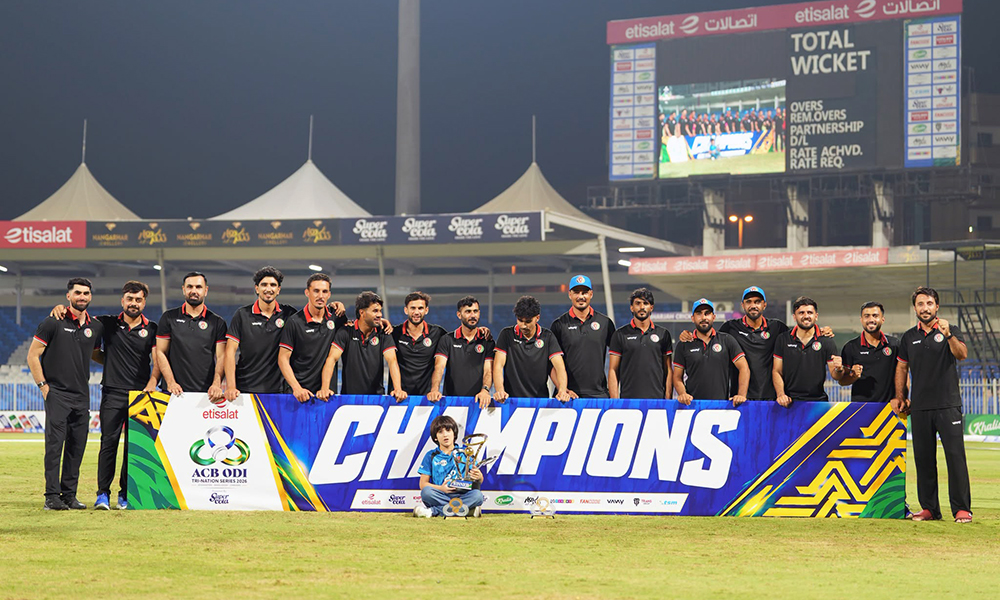
Afghanistan defeat Zimbabwe to win Tri-Series ahead of 2027 Cricket World Cup
-

 Business4 days ago
IMF forecasts 1.3 percent regional economic contraction in 2026
-
 Business3 days ago
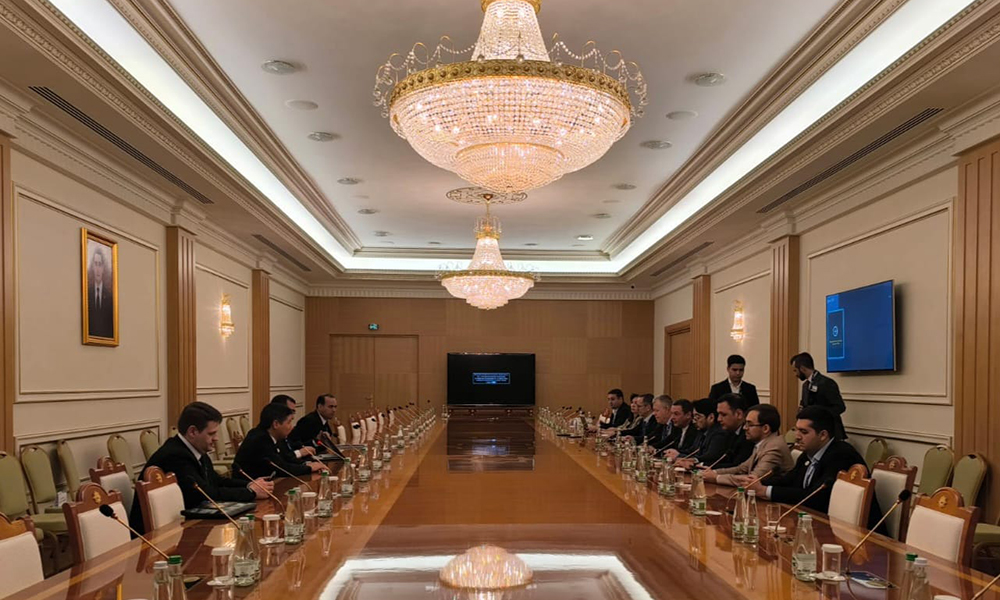
Turkmenistan targets 80 billion cubic meters of gas production in 2026
-
 Latest News4 days ago
Khalilzad warns of worsening relations between Afghanistan and Pakistan
-
 Sport2 days ago
Afghanistan rise above England to match their highest-ever ODI ranking