
John Aylieff, Afghanistan Country Director for the World Food Programme (WFP), said acute malnutrition among women and children had deteriorated significantly.
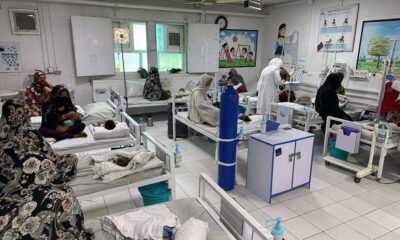

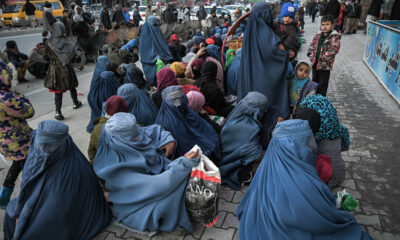
The UN agencies said acute malnutrition is increasingly defining Afghanistan’s humanitarian crisis, with mothers and children among those most affected.
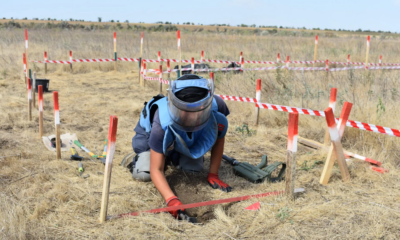

UNAMA urged people not to touch unfamiliar or suspicious objects and to report them immediately to the relevant authorities.
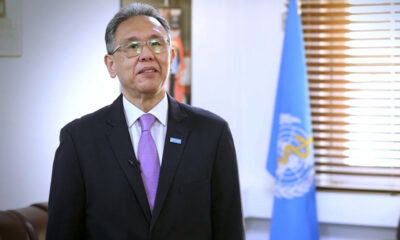

World Mental Health Day is observed annually on October 10 to raise awareness of mental health challenges, reduce stigma and encourage access to appropriate care and...
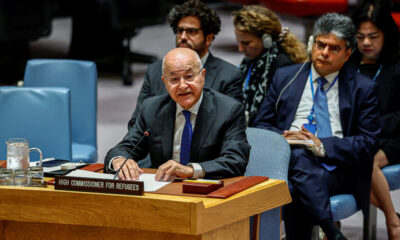

UNHCR expects the population under its mandate to reach 131.2 million by year end, up from 129.4 million at the end of last year.
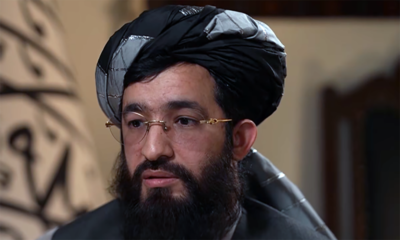

He said that conditions had improved across the economy, trade, transit and international relations.
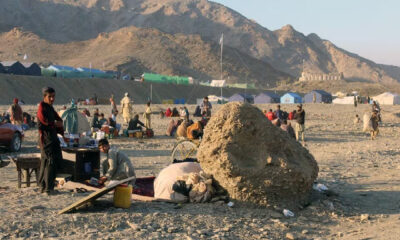

The UN documented 399 civilian casualties in Afghanistan between 1 April and 30 June, including 57 deaths and 342 injuries.
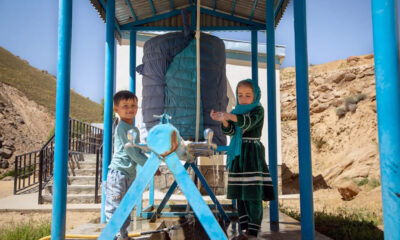

In Parun, the capital of Nuristan province, 23 people were killed in flooding, while water services for around 1,000 families were disrupted.
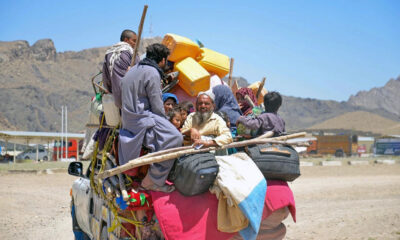

The NRC chief expressed concern over declining humanitarian assistance and a shortage of funding for the organization’s operations in Afghanistan.
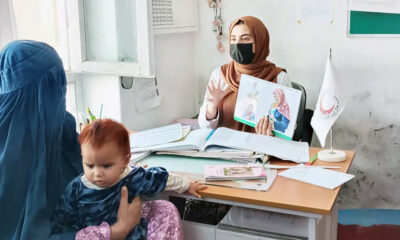

The closures reduced access to healthcare for an estimated 3.3 million Afghans and disrupted services including maternal healthcare and family planning.
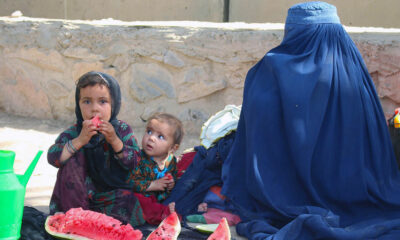

The organisation said Afghanistan remains one of the world’s most challenging humanitarian environments, with millions of people struggling to meet their basic needs.
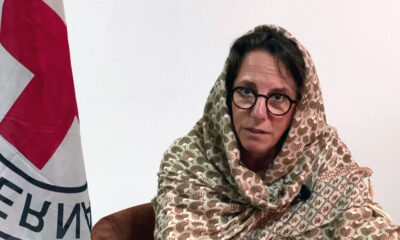

The UN has also said that a decline in international aid has forced the closure of about 100 clinics providing treatment for malnourished children across Afghanistan.
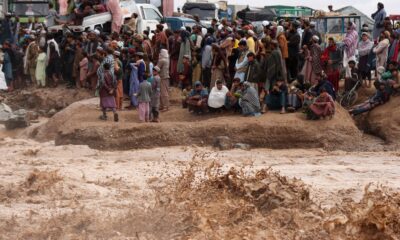

At least 97 people have died and 331 have been injured, while more than 12,000 homes have been damaged or destroyed.
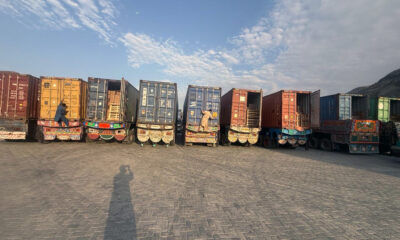

The security tensions have contributed to repeated clashes and the continued closure of the crossing to regular commercial activity.
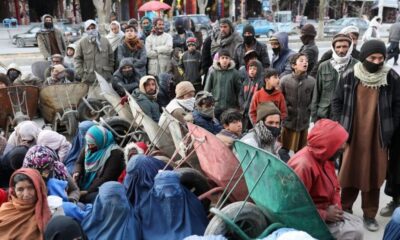

The organization has called for urgent attention to the impact of the funding cuts, warning that Afghanistan continues to face severe humanitarian and healthcare challenges.
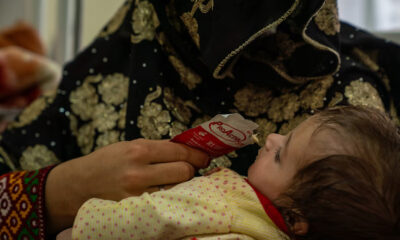

The international humanitarian organization said 21.9 million people in Afghanistan will need humanitarian assistance in 2026.
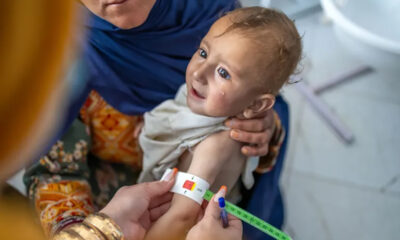

The organisation, which has worked in Afghanistan since 1976, currently operates programmes in nine provinces and works with partners in another 11.
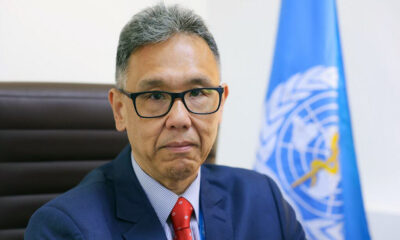

Speaking to Ariana News, WHO Representative in Afghanistan said cuts in humanitarian assistance have placed the country's health sector under increasing pressure.
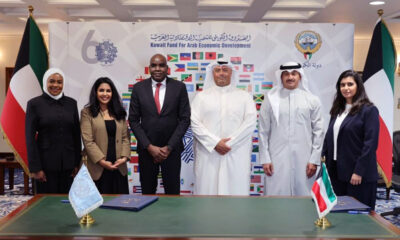

Under the agreements, $2.5 million will be allocated to the Afghanistan Humanitarian Fund and another $2.5 million to the Syria Humanitarian Fund.
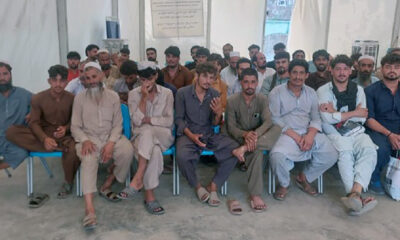

The ministry said the returnees were registered at reception and transit centres before being transported to their home provinces with assistance from partner organisations.
| Country | Selling in AFS | |
|---|---|---|
| 1 USD |  | 65.25 |
| 1 EUR |  | 72.70 |
| 1 PND |  | 85 |
| 1 AED |  | 17.25 |
| 1 TRY |  | 1.33 |
| 1000 INR |  | 723 |
| 1000 IRR |  | 0.25 |
| 1000 PKR |  | 232 |