
Latest News
UNICEF warns 3.7 million Afghan children face heightened malnutrition risk as peak wasting season approaches
Children under the age of two are the hardest hit, accounting for 83 percent of severe acute malnutrition cases and 77 percent of moderate acute malnutrition cases.

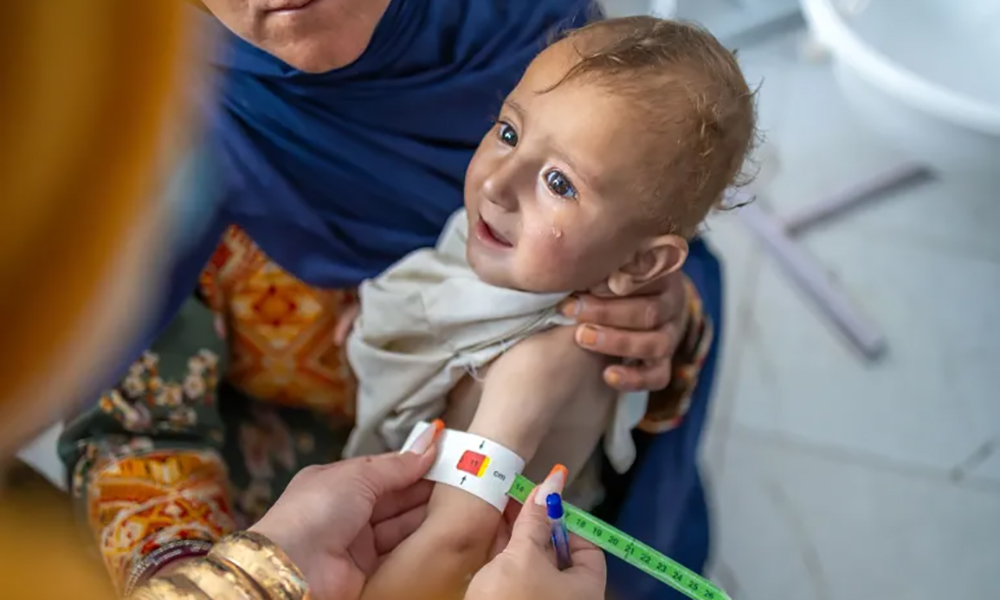
UNICEF has warned that 3.7 million children under the age of five in Afghanistan are at increased risk of malnutrition as worsening food and nutrition insecurity threatens to deepen the country’s child health crisis ahead of the annual peak wasting season.
In a new report released on Sunday, Too Little, Too Late: The Diet Crisis Facing Young Children in Afghanistan, UNICEF said child food and nutrition insecurity is one of the main drivers of undernutrition, urging immediate action to protect children’s diets before conditions deteriorate further.
For the first time, UNICEF has measured child malnutrition alongside the lived experience of food and nutrition insecurity among the same group of children across all 34 provinces. The assessment identified early warning signs such as reduced dietary diversity, skipped meals, children eating less than they need and going hungry.
The report comes as Afghanistan enters the peak wasting season between July and September. According to the latest Nutrition Cluster data, wasting has already worsened in 26 of the country’s 34 provinces compared with 2025, signalling an earlier and more severe crisis than expected.
Children under the age of two are the hardest hit, accounting for 83 percent of severe acute malnutrition cases and 77 percent of moderate acute malnutrition cases.
“Young children in Afghanistan are being pushed closer to malnutrition before the peak season has even begun,” said UNICEF Representative in Afghanistan Dr. Tajudeen Oyewale.
“This new evidence gives us an opportunity to act before children reach the point of severe malnutrition. When families begin reducing meals or cutting back on nutritious foods, it is not only a sign of hardship. It is a warning that a child may soon become dangerously wasted. Treatment saves lives, but we must also invest in prevention, starting with the diets of the youngest children and pregnant women.”
UNICEF said worsening malnutrition is being driven not only by poor diets and increasing food insecurity but also by disease outbreaks, low immunisation coverage, inadequate water, sanitation and hygiene services, as well as growing funding and supply shortages.
The agency warned that children living in severely food-insecure households are up to six times more likely to suffer from wasting during peak malnutrition periods.
Wasting is a severe and potentially life-threatening form of malnutrition in which a child becomes dangerously thin for their height, often due to inadequate food intake, illness or a combination of both.
UNICEF is calling for urgent investment to expand preventive nutrition programmes, including its First Foods Initiative for children aged six to 23 months, while strengthening health, nutrition, water, sanitation, education and social protection services.
With the peak wasting season fast approaching, UNICEF said the window to prevent more children from becoming severely malnourished is rapidly closing and called for urgent, flexible funding to help reach vulnerable families before food insecurity turns into a life-threatening emergency.






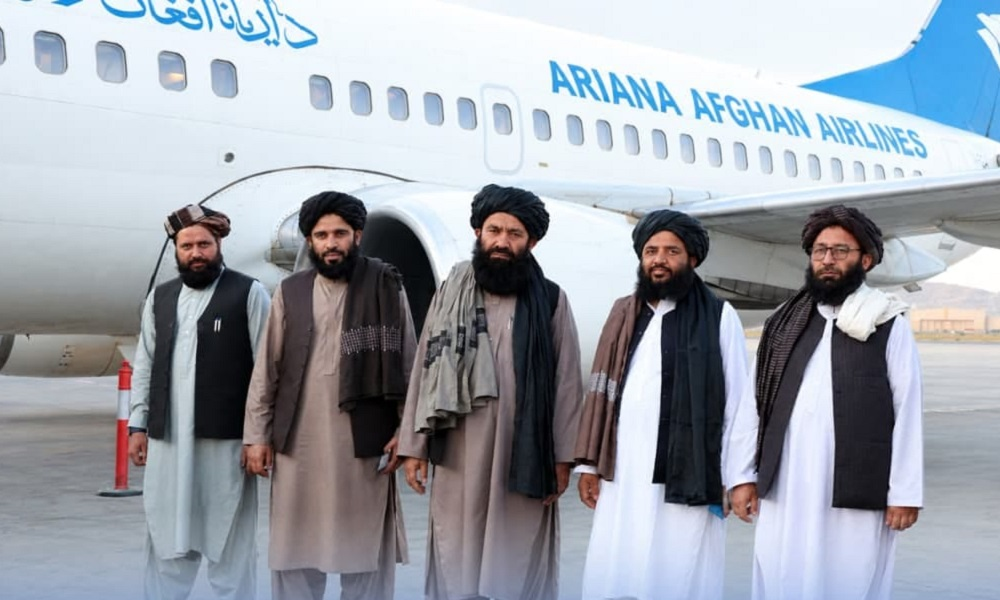
Mohammad Younus Akhundzada, the Islamic Emirate’s Minister of Energy and Water, departed for Riyadh, the capital of Saudi Arabia, on Saturday to attend the 17th World Energy Forum.
Ministerial-level representatives from around 100 countries are expected to participate in the forum to discuss energy cooperation, opportunities, and the exchange of experiences.
The Ministry of Water and Energy said Afghanistan’s participation in the forum provides an opportunity to strengthen relations with countries around the world, exchange expertise, and attract international cooperation in the energy sector.
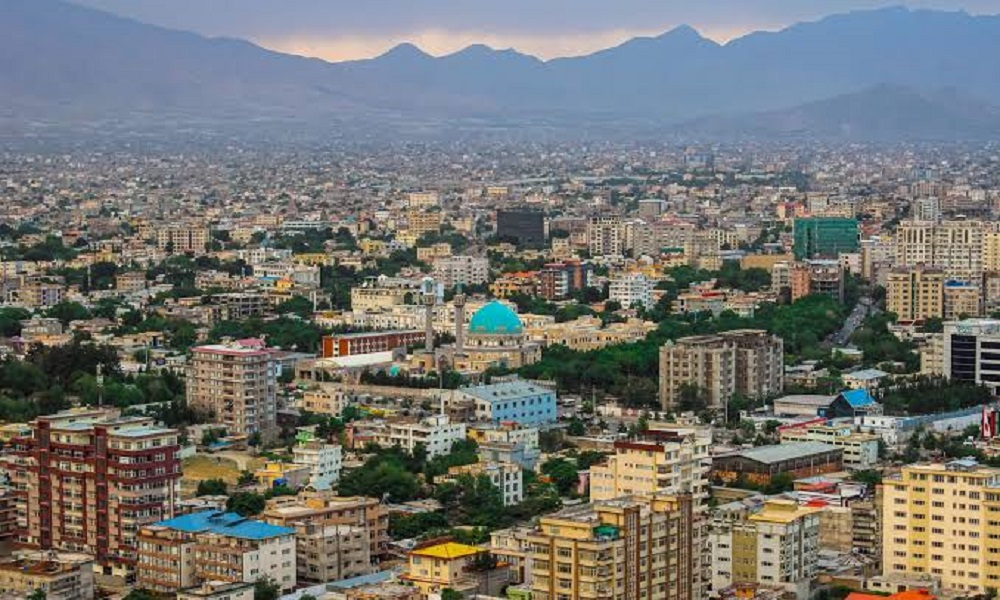
The US Department of State has placed Afghanistan in Tier 3 in its 2026 Trafficking in Persons Report, citing concerns over forced labor, child exploitation and inadequate protection for trafficking victims.
The report says Afghanistan has failed to fully meet the minimum standards for eliminating human trafficking and has not made significant efforts to do so.
It also highlights the vulnerability of families, particularly children, to trafficking and exploitation amid poverty, economic hardship and the return of migrants from neighboring countries.
Afghanistan continues to face economic challenges and growing humanitarian needs, while large numbers of Afghan migrants have returned from neighboring countries. Experts say raising public awareness, creating job opportunities and providing support to vulnerable families are essential to preventing human trafficking and child exploitation.
Meanwhile, the Islamic Emirate has previously issued a decree declaring human trafficking contrary to Islamic Sharia and called for action against the practice. Officials have also said the rights of Afghans are protected in accordance with Islamic Sharia and Afghan traditions.
Latest News
Iranian lawmaker praises Afghanistan’s support, accuses Pakistan of ‘hypocrisy’
Zanganeh claimed that a post published under the name of Pakistan’s parliamentary speaker during negotiations between Tehran and Washington had been written by Americans.
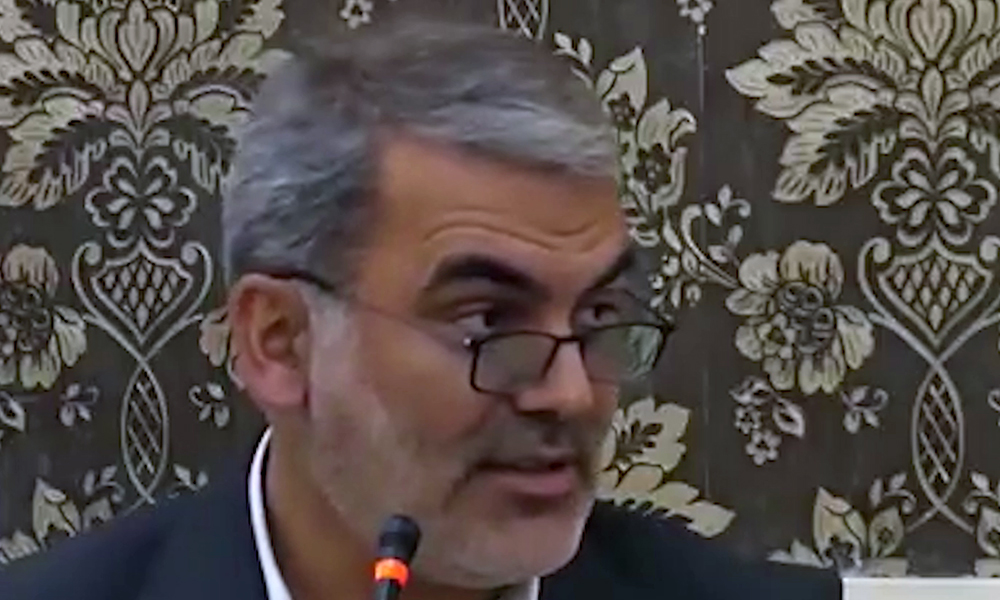
Mohsen Zanganeh, head of the Iranian Parliament’s Economic Commission, has praised Afghanistan’s support for Iran during the conflict between Iran and the United States, while criticizing Pakistan’s conduct during the crisis.
Zanganeh claimed that a post published under the name of Pakistan’s parliamentary speaker during negotiations between Tehran and Washington had been written by Americans. According to the Iranian lawmaker, US Special Envoy Steve Witkoff was responsible for drafting the post.
He described Pakistan’s alleged conduct as “hypocrisy” and expressed appreciation for the friendship and support shown by Afghans towards Iran.
Zanganeh’s remarks highlight the differing political perspectives emerging in the region as neighbouring countries respond to developments involving Iran and the United States.


Energy and Water Minister heads to Saudi Arabia for World Energy Forum

Saar: Ongoing expulsion of Afghan refugees from Iran and Pakistan discussed

Afghanistan trail Bangladesh by 135 runs at stumps on Day Two

Afghanistan placed in Tier 3 in US human trafficking report

WHO calls for greater mental health support in Afghanistan

EU and FAO launch €5m programme to strengthen Afghanistan’s agrifood sector

Omar Zawak, Toofan Herat secure victories in Afghanistan Champions League

Houthi advance in Yemen puts U.S. in a new bind

Cricket Bonanza: Afghanistan set for packed international schedule

New warnings reignite debate over AI threat to humanity
Saar: Ongoing expulsion of Afghan refugees from Iran and Pakistan discussed

Tahawol: CSTO meeting on Afghanistan reviewed

Saar: Guterres’s talks with Pakistani officials on Afghanistan discussed

Tahawol: Consequences of US war in Afghanistan reviewed

Saar: Expulsion of Afghan refugees from Pakistan discussed
-

 Latest News5 days ago
Ariana Afghan Airlines ends 15-year control of ticketing and operational systems by Pakistani firm
-
 World5 days ago
▶️Saudi Arabia, Turkey, Pakistan activate Mecca defense pact
-
 Regional5 days ago
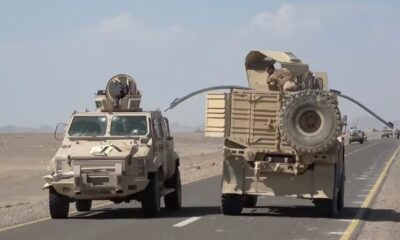
Yemeni government forces seize strategic strait from Houthis
-
 Latest News5 days ago
IEA rejects ICC arrest warrants, says Afghanistan does not recognize court
-

 Sport4 days ago
Aino Mina Kandahar defeat Istiqlal Kabul 3–2
-
 Health4 days ago
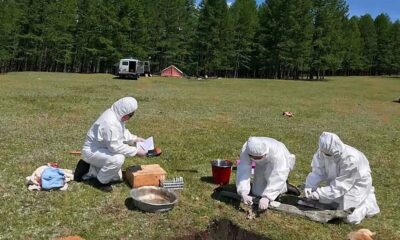
Russia investigates suspected pneumonic plague; Trump ready to ‘help’
-

 Latest News5 days ago
Thirty US states seek access to Afghan assets for 9/11 victims
-
 Latest News5 days ago
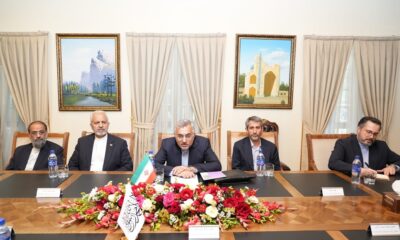
Iran offers cooperation on Herat-Mazar railway, mining and power generation