
Latest News
India says Kabul-Delhi air corridor remains operational despite regional challenges
Indian Ministry of External Affairs spokesperson Randhir Jaiswal said the air corridor continues to facilitate trade between the two countries and remains an important link for Afghan exports and imports.

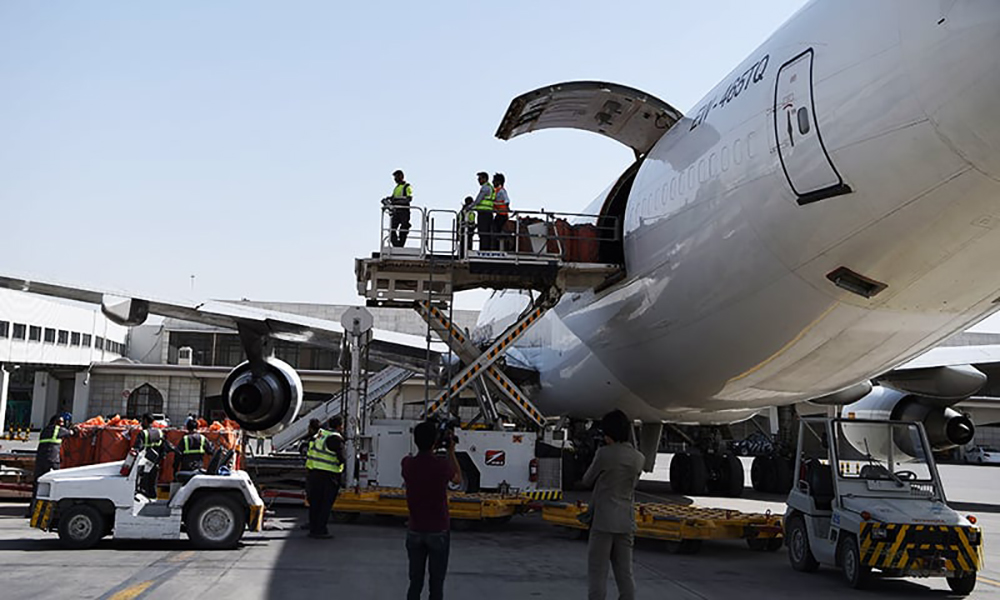
India has reaffirmed that the Kabul-Delhi air corridor remains fully operational, ensuring the uninterrupted movement of commercial goods between Afghanistan and India despite ongoing regional trade and transit challenges.
Speaking at a press briefing, Indian Ministry of External Affairs spokesperson Randhir Jaiswal said the air corridor continues to facilitate trade between the two countries and remains an important link for Afghan exports and imports.
Jaiswal’s remarks followed the recent visit to India by Afghanistan’s Minister of Agriculture, Irrigation and Livestock, Ataullah Omari, who held talks aimed at strengthening agricultural cooperation and expanding bilateral trade.
According to the Indian foreign ministry, Omari met with India’s Minister of Agriculture, Minister of Food Processing Industries and senior officials from the Ministry of External Affairs. The discussions focused on boosting agricultural collaboration, enhancing food processing initiatives and exploring opportunities to increase trade between the two countries.
The Kabul–Delhi air corridor has played a significant role in maintaining commercial ties since its launch in 2017, allowing Afghan exporters to ship high-value products such as fresh and dried fruits, nuts, saffron and medicinal herbs directly to Indian markets while reducing reliance on overland transit routes.
India has increasingly sought to preserve its economic relationship with Afghanistan by supporting alternative trade and connectivity channels. In addition to humanitarian assistance, New Delhi has continued to engage with Afghan authorities on issues related to trade, agriculture and development, despite broader regional logistical challenges.
The latest discussions underscore both countries’ interest in expanding economic cooperation and ensuring that trade continues uninterrupted, with agriculture remaining a key pillar of the bilateral relationship.


Latest News
Pakistan-Russia talks expected to address Afghanistan and regional cooperation
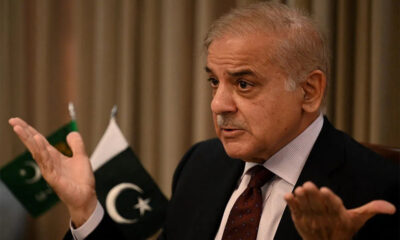
Sharif is expected to meet Russian President Vladimir Putin, with talks focusing on expanding bilateral trade, energy and defence cooperation, as well as the revival of Pakistan Steel Mills.
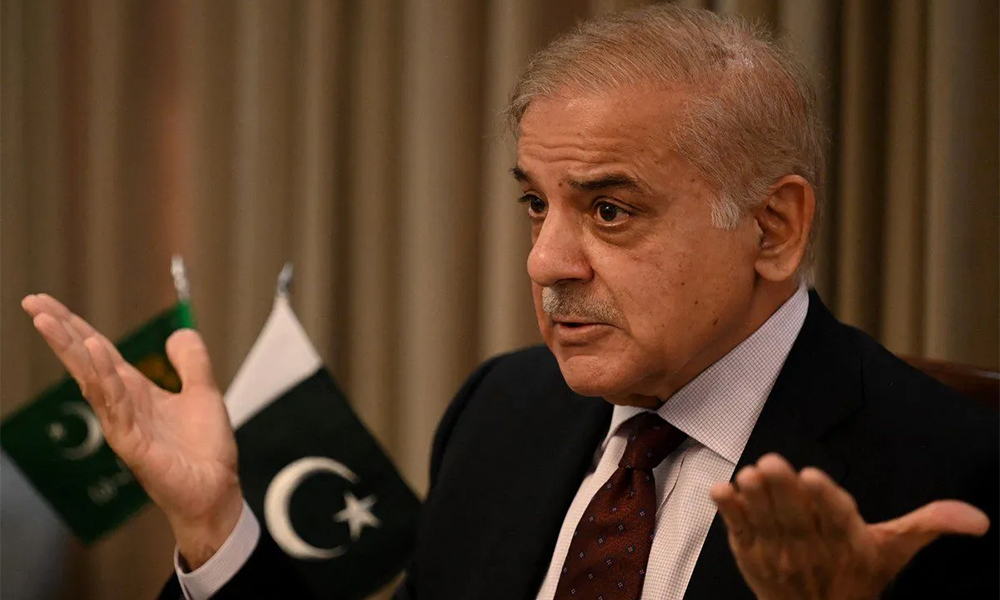
Pakistan’s Prime Minister Shehbaz Sharif is set to begin a three-day visit to Russia on Monday, with discussions expected to cover bilateral relations, regional developments and issues concerning Afghanistan, according to Pakistani media reports.
Sharif is expected to meet Russian President Vladimir Putin, with talks focusing on expanding bilateral trade, energy and defence cooperation, as well as the revival of Pakistan Steel Mills.
Relations between Moscow and Islamabad have increasingly focused on economic, transport and infrastructure cooperation in recent years. However, Afghanistan’s role in regional connectivity and the wider implications of such partnerships remain important considerations.
Afghan analysts say regional trade and transport initiatives cannot reach their full potential without Afghanistan’s participation and stability. They point to the country’s strategic geographical position as a vital link between regional markets and a key transit corridor connecting Central and South Asia.
They argue that sustainable regional cooperation requires greater engagement with Kabul and efforts to address the challenges facing trade and transport connectivity across the region.
Russia, which is the only country to have formally recognized the Islamic Emirate of Afghanistan, has also recently sought to mediate between Kabul and Islamabad amid escalating tensions between the two neighbours.
It remains unclear how prominently Pakistan-Afghanistan relations will feature in the upcoming talks between Sharif and Putin, or whether the two leaders will discuss the need to resolve bilateral disputes and maintain stability in Afghanistan as part of broader regional cooperation.
Latest News
Kabul to introduce Japanese and Indian buses to ease traffic congestion
Each bus can carry more than 100 passengers per trip, providing additional public transport capacity for commuters.
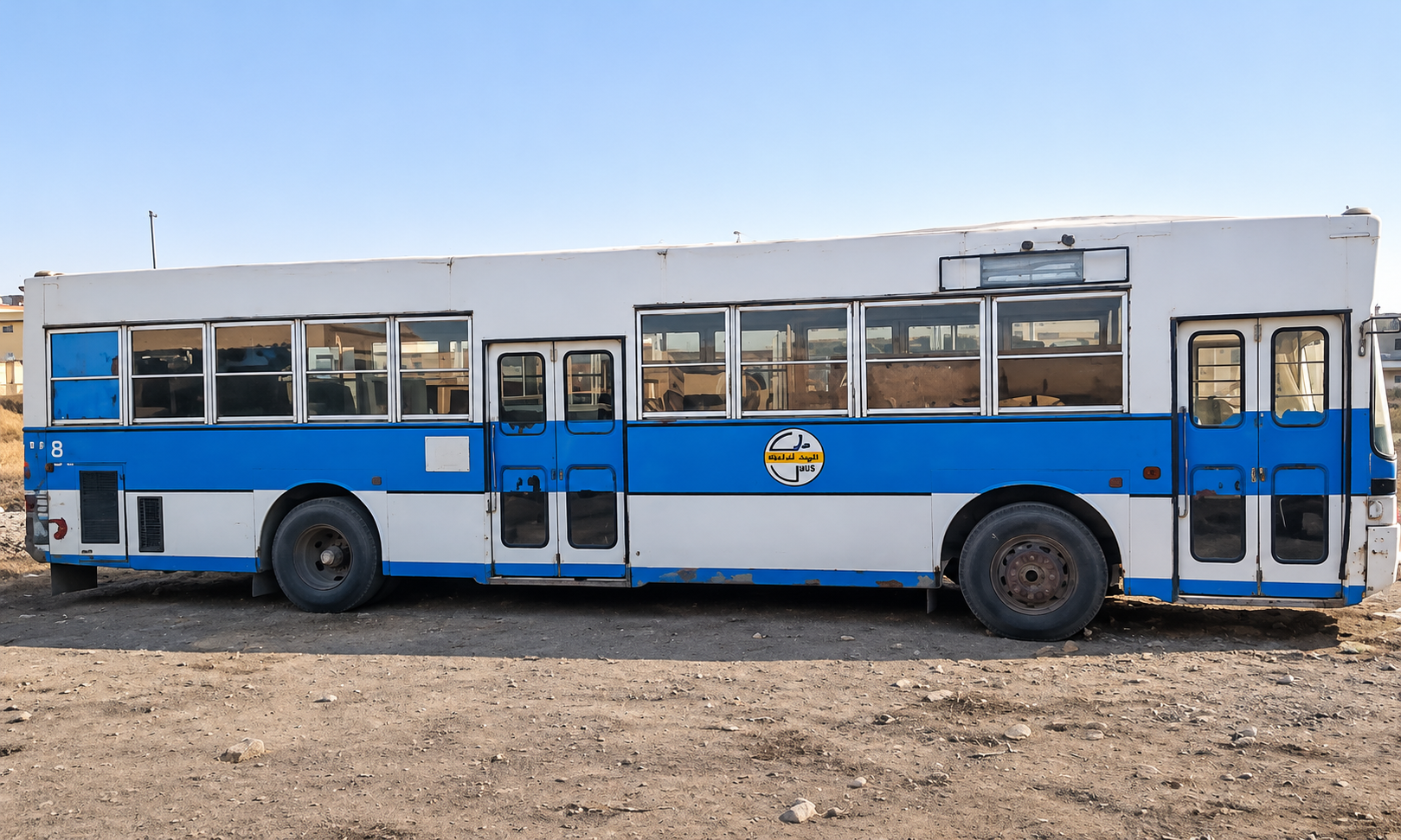
Afghanistan’s state-owned Milli Bus Company plans to introduce large-capacity Japanese Isuzu and Indian Tata buses on several routes in Kabul as part of efforts to improve public transportation and ease traffic congestion in the capital.
Mohammad Nabi Bahar, spokesperson for the General Directorate of State-Owned Companies, said the buses will operate daily between 2:00 PM and 6:00 PM, serving passengers travelling from the Deh Afghanan and Pamir Cinema areas.
Each bus can carry more than 100 passengers per trip, providing additional public transport capacity for commuters.
The initiative aims to ease pressure on Kabul’s busy roads, reduce traffic congestion and improve access to affordable and convenient public transportation for residents.
Latest News
Afghanistan recovers more than four million jeribs of government land
The recovery process involved examining relevant ownership documents and evidence, with final decisions issued by the commission or the relevant special court.

Afghanistan’s Commission for the Prevention of Land Grabbing and Restitution of Grabbed Lands has verified and recovered more than four million jeribs of government-owned land across the country since beginning its operations, the Ministry of Justice says.
Ministry spokesperson Barakatullah Rasooli said the recovered properties include barren land, agricultural areas and townships, with significant portions located in Kabul, Balkh, Nangarhar, Ghazni, Wardak, Kandahar, Helmand, Jawzjan, Samangan, Zabul, Faryab, Baghlan, Parwan and Kunduz provinces.
Rasooli said the recovery process involved examining relevant ownership documents and evidence, with final decisions issued by the commission or the relevant special court.
He added that documentation relating to millions of additional jeribs of land is currently being reviewed in various parts of the country.
Final decisions on the ownership and status of these properties will be made once the investigations have been completed, he said.
The commission was established to identify illegally occupied government land, investigate ownership claims and facilitate the restitution of public properties.

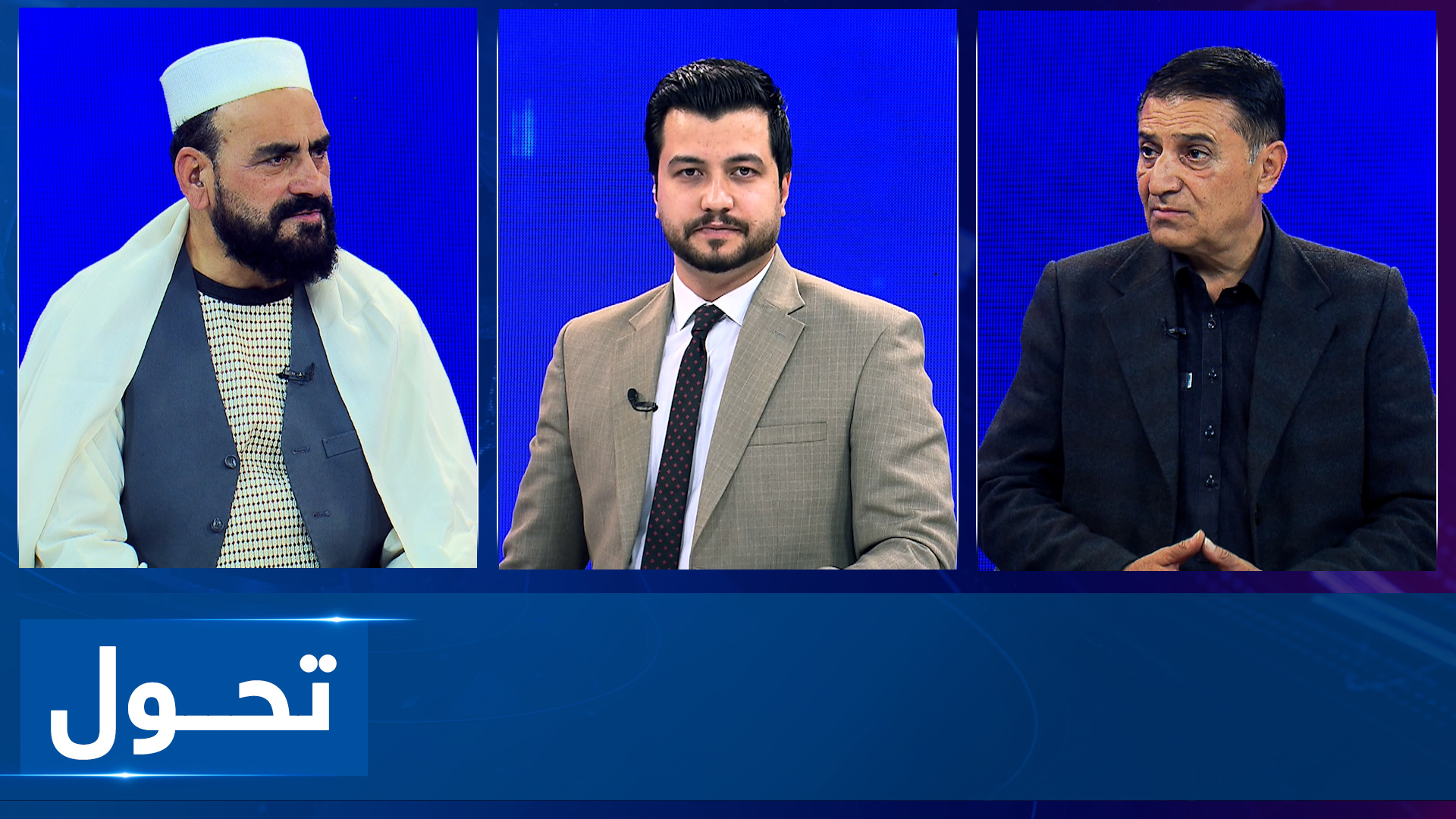
Tahawol: Afghanistan at the center of Putin-Shehbaz talks
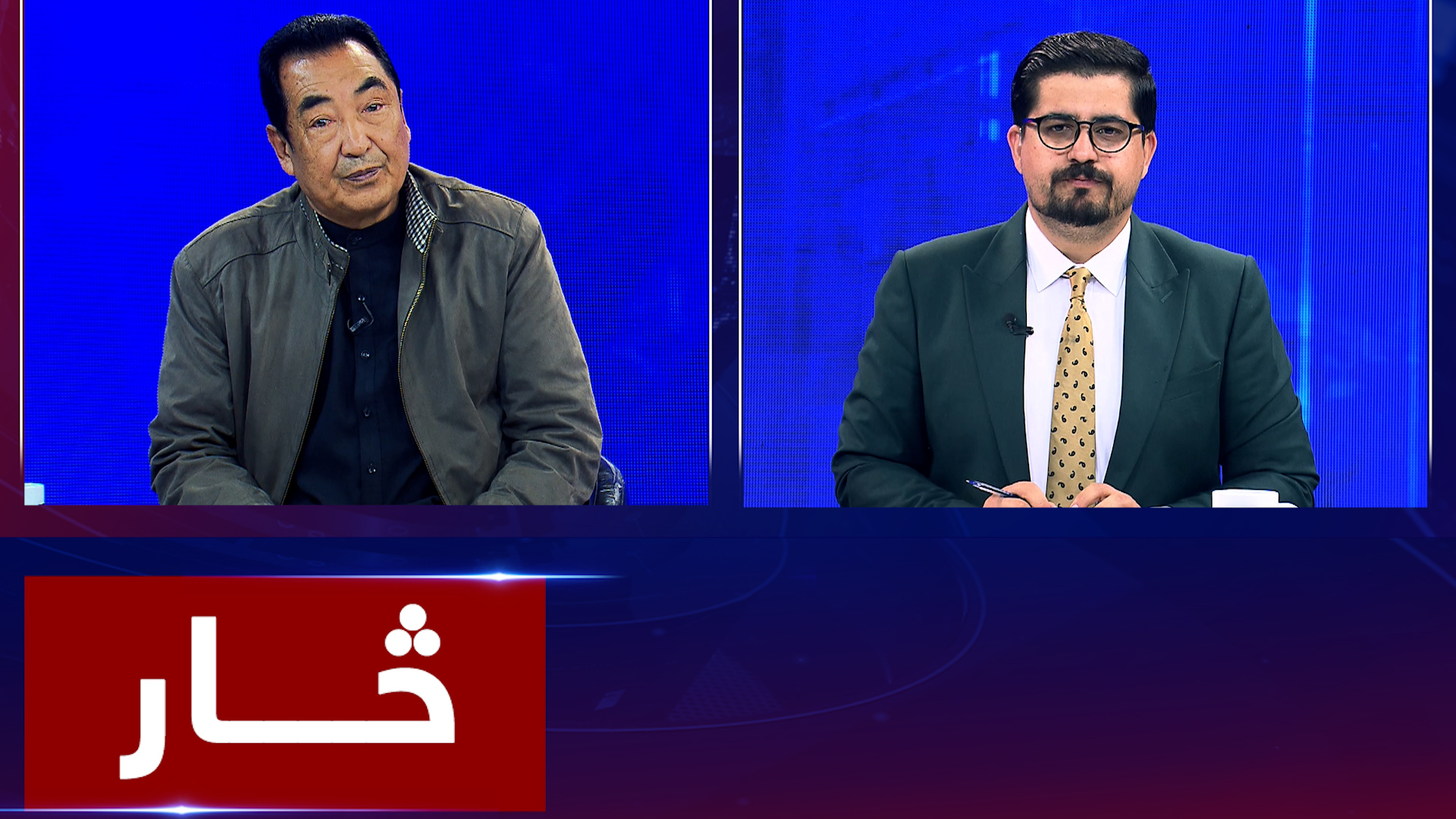
Saar: Russia-Pakistan talks focus on Afghanistan’s situation

Pakistan-Russia talks expected to address Afghanistan and regional cooperation
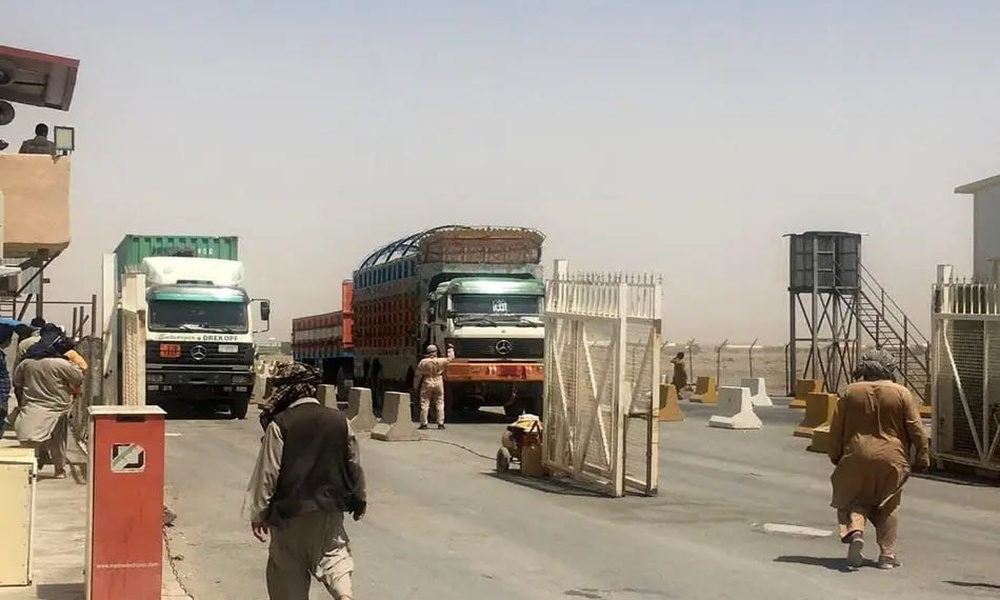
Afghanistan-Iran trade through Abu Nasr Farahi crossing exceeds $1 billion
Kabul to introduce Japanese and Indian buses to ease traffic congestion
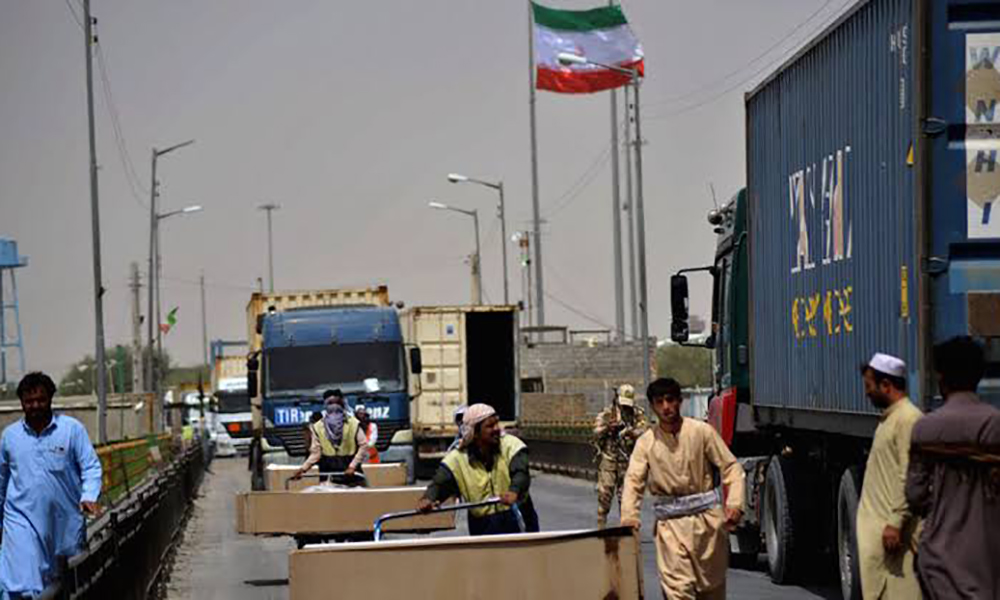
US sanctions and blockade measures disrupt Iran’s trade with Afghanistan and regional neighbors

Afghanistan futsal team thrash Panama 5-0 in flying start to Dakar Youth Olympics
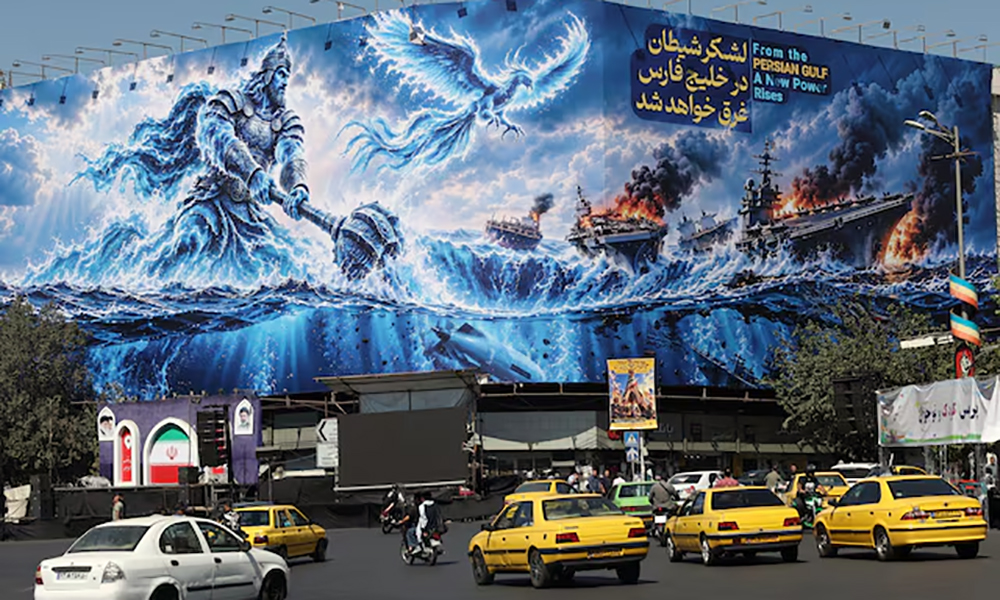
Iran defends two-day proposal for peace talks after US rejects conditions

Suhail unveiled as official mascot for FIBA Basketball World Cup 2027 in Qatar

Cristiano Ronaldo announces international retirement
Tahawol: Afghanistan at the center of Putin-Shehbaz talks
Saar: Russia-Pakistan talks focus on Afghanistan’s situation
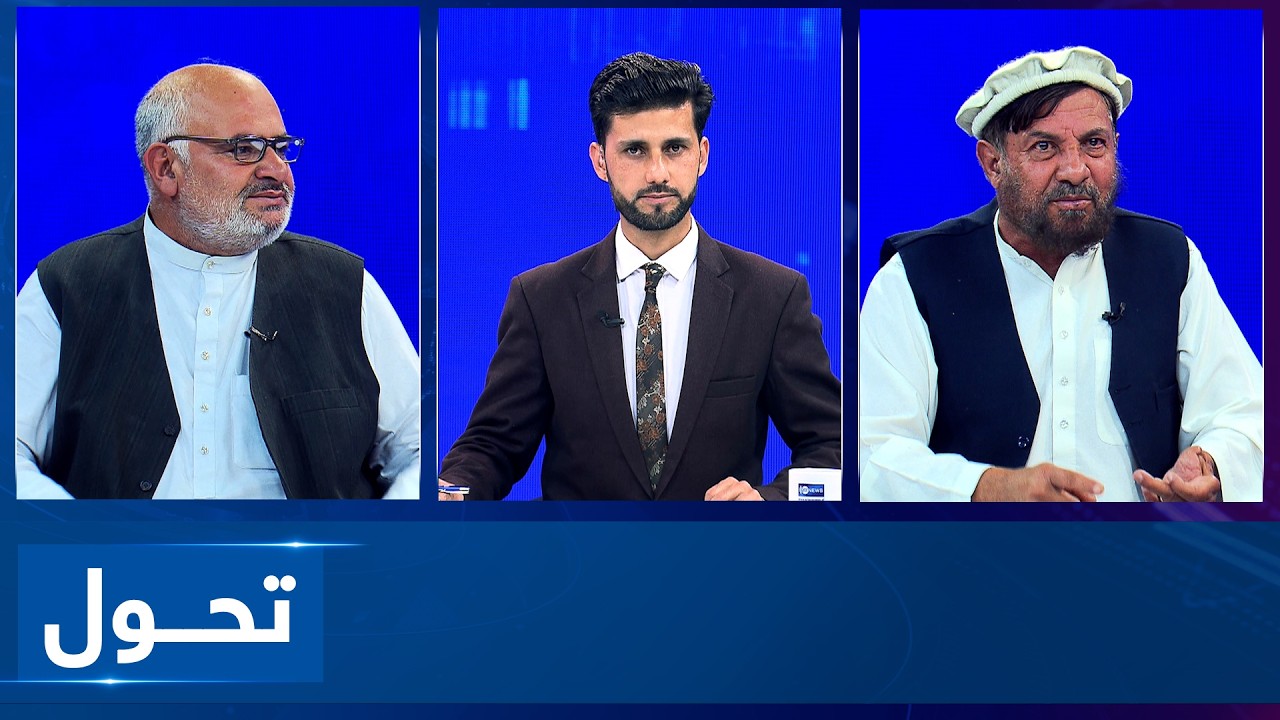
Tahawol: Ongoing deadlock over Afghanistan’s UN seat discussed
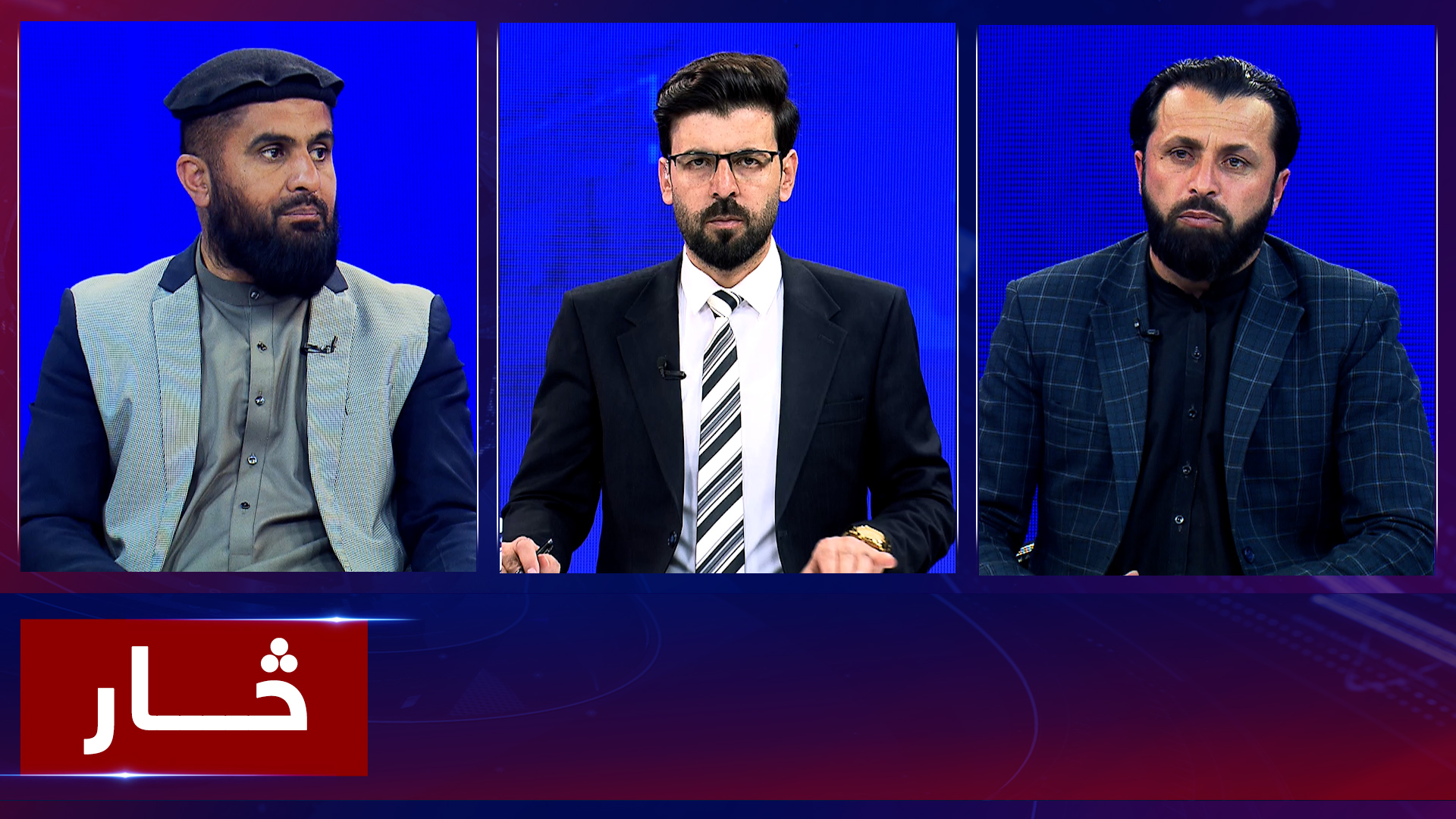
Saar: UN warning regarding rising hunger in Afghanistan
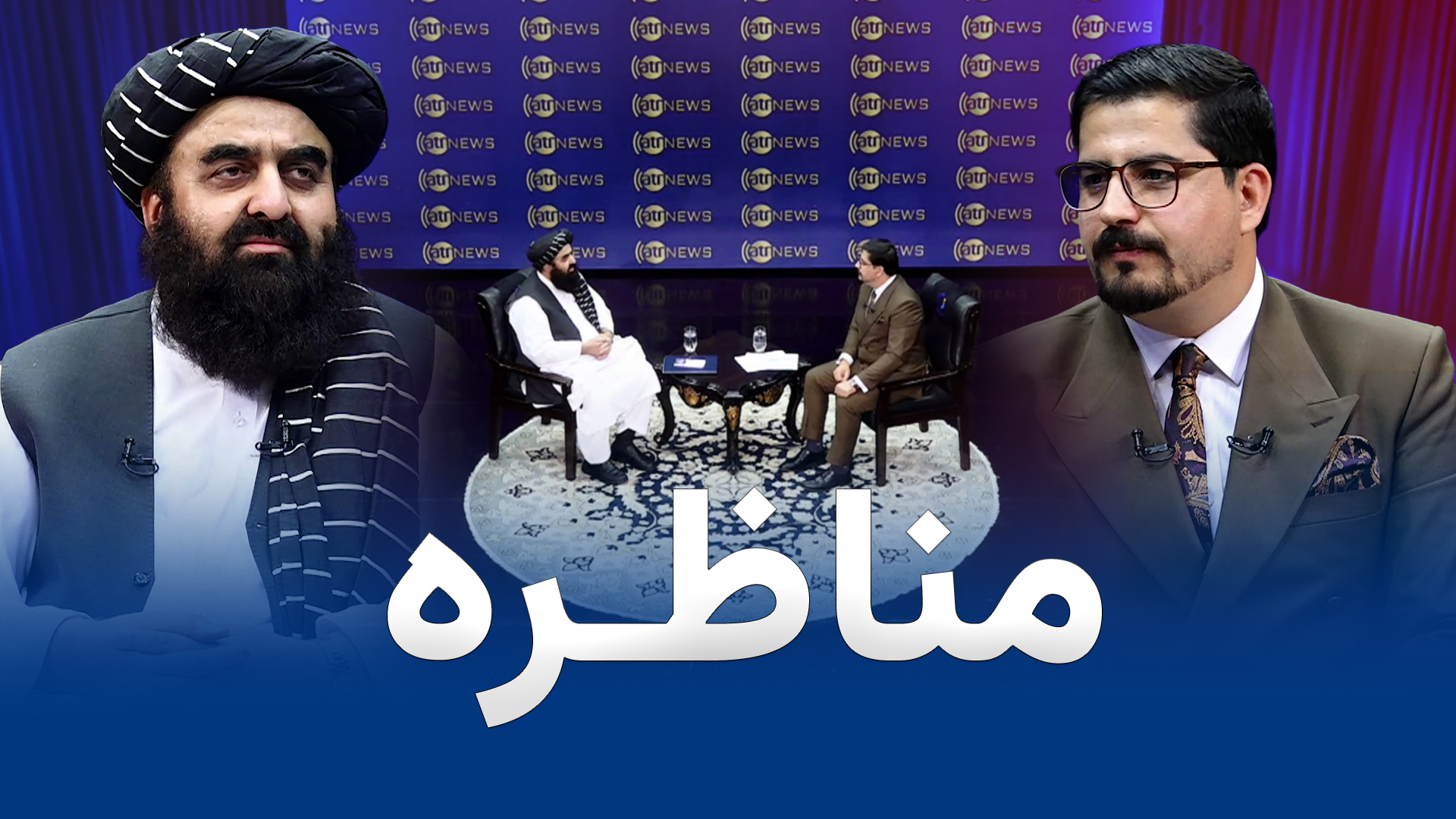
Debate with Amir Khan Muttaqi, Foreign Minister of the Islamic Emirate of Afghanistan
-
 Business5 days ago
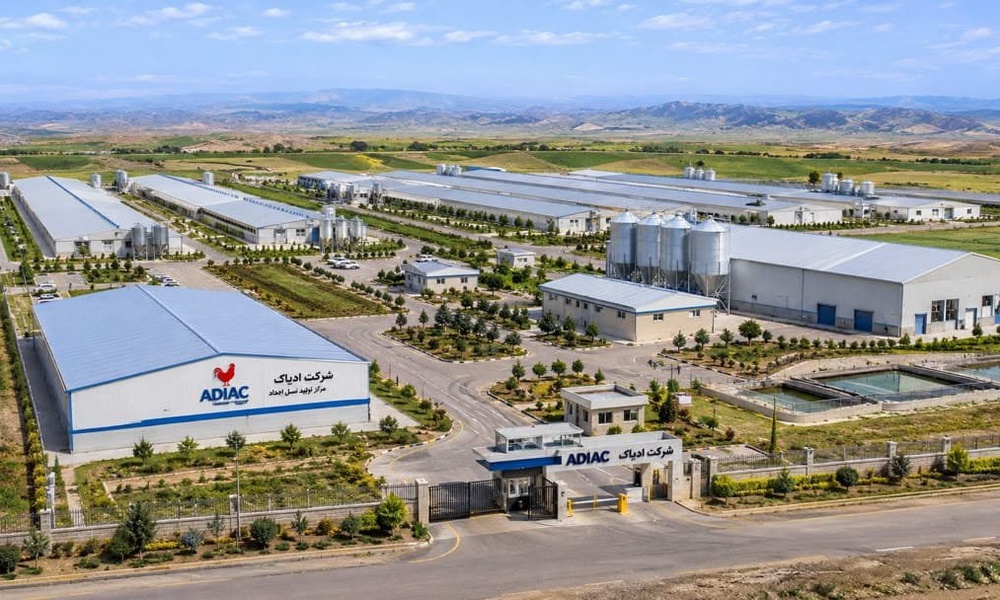
$7 million poultry farm opens in Herat, creating 600 jobs
-
 Business5 days ago
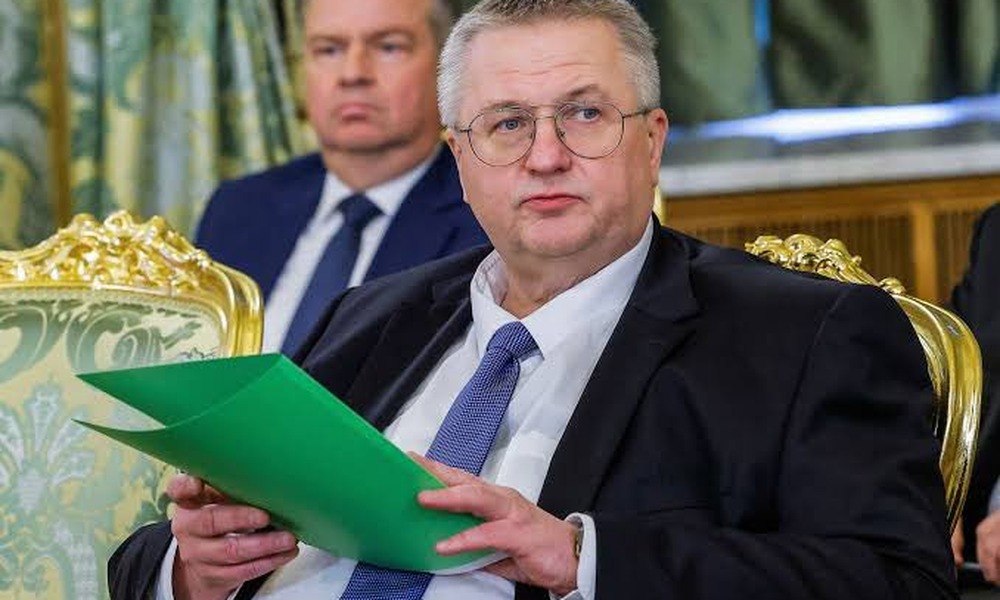
Russia agrees to supply Afghanistan with $200 million worth of goods
-
 Latest News5 days ago
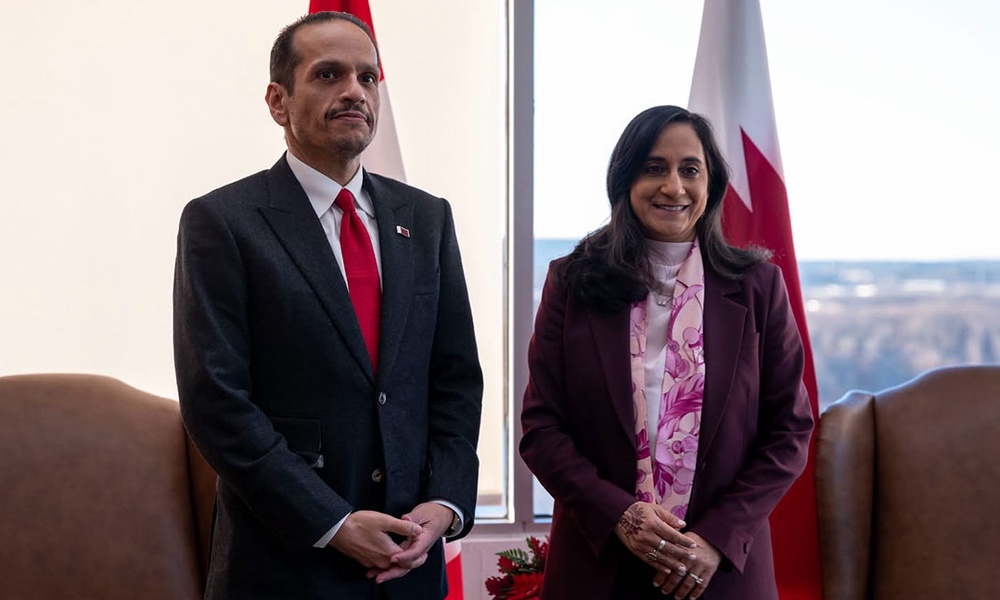
Qatar to protect Canada’s interests in Afghanistan under new agreement
-
 Latest News4 days ago
UN warns aid cuts threaten support services for Afghan women and girls
-
 World5 days ago
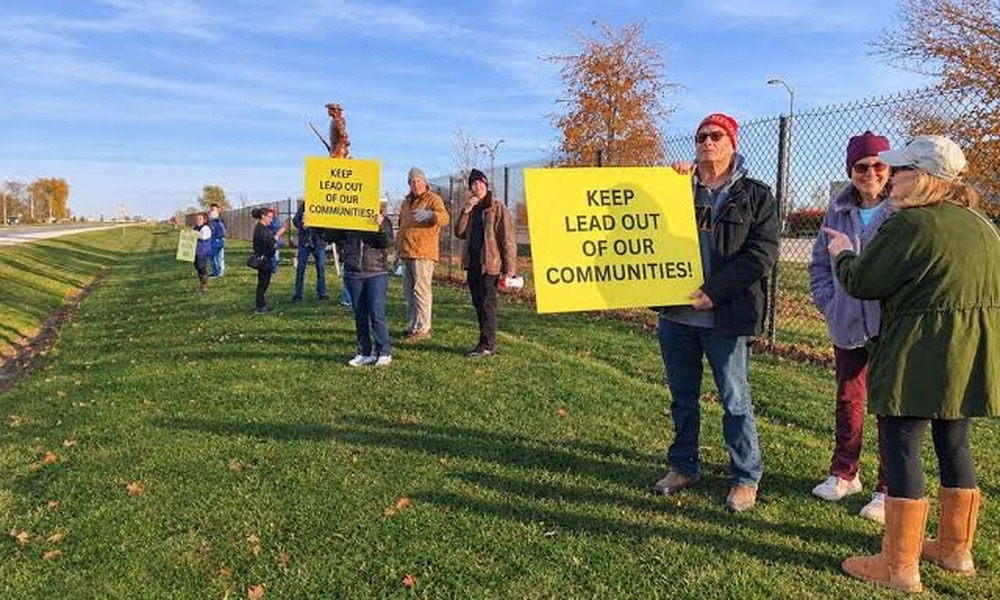
US Army schedules Iowa explosives detonation despite public outcry
-
 Latest News3 days ago
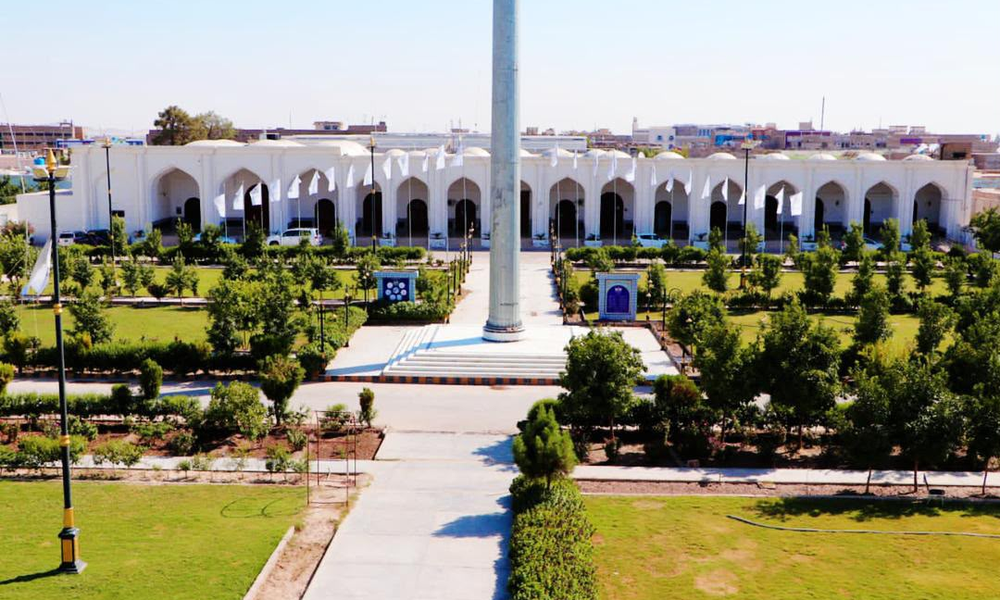
Joint security delegation visits Kandahar to strengthen coordination
-
 Latest News4 days ago
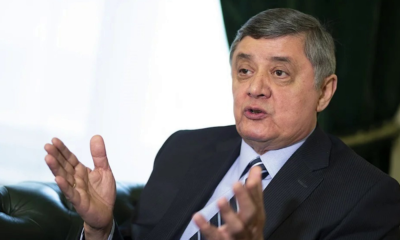
Afghan delegations may visit Russia in near future: Kabulov
-
 World4 days ago
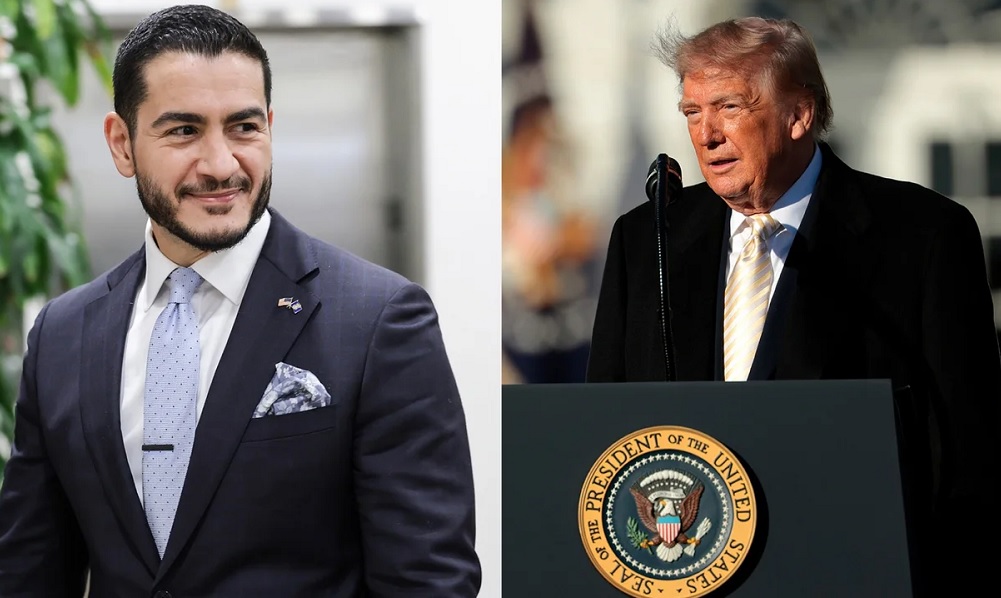
Trump calls El-Sayed ‘smart guy’, plans meeting