
Latest News
Afghan aid at risk following ban on women, warns UN

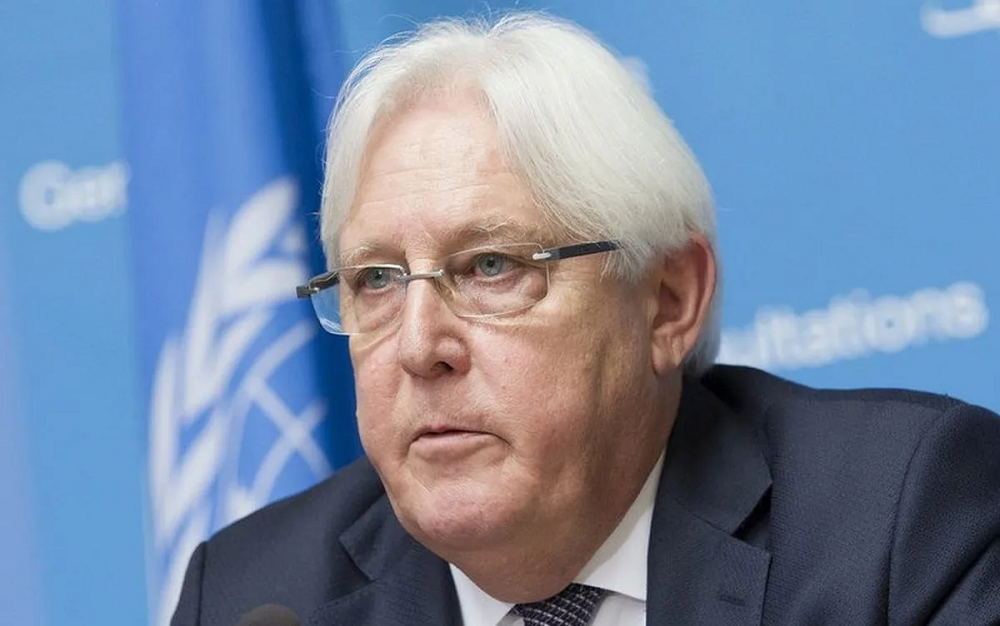
The UN’s lead humanitarian coordinator has said UN-supplied aid cannot continue if the Islamic Emirate of Afghanistan (IEA) does not lift its ban on women working for humanitarian aid agencies in the country.
Martin Griffiths, the head of the UN’s Office for the Coordination of Humanitarian Affairs, said UN flights carrying cash for humanitarian aid into Kabul had already been suspended pending a pause in the IEA ban.
Griffiths told the BBC: “Without women working, we can’t deliver for the people who are in fact the primary objects of humanitarian assistance for women and girls. So it’s a practical matter. It’s beyond rights. It’s also practical”.
He added: “There’s a lot of experience in Afghanistan, even today, where there is an edict, but it’s not enforced in a consistent way in different parts of the country. There are parts of the country now where women can work. So we will be doing everything we can to work around and make things work. I don’t want to speculate at this point as to what happens if the edict isn’t universally [enforced], but I have to say, I can’t see how we would continue.
“We will do everything we can to be able to remain and stay and deliver. These are particularly difficult circumstances, I can’t remember a place where we have faced such a series of impediments. But humanitarians spend their lives negotiating, as well as delivering.”
He continued: “We’re there for 28 million people in Afghanistan. It’s the largest humanitarian aid programme in the world and so it’s a body blow against our capacity to deliver.”
The ban was imposed on women working in NGOs three weeks ago.
As many as 150 NGOs and aid agencies have suspended all or part of their work due to the ban.
Griffiths said he would visit Kabul to discuss the ban with IEA officials.









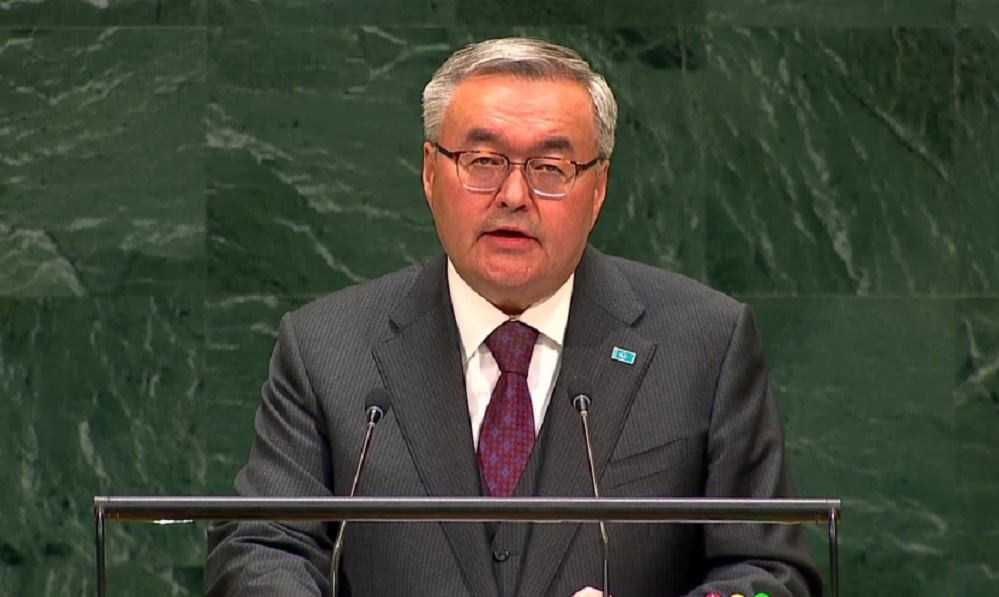
Kazakhstan’s Foreign Minister Mukhtar Tileuberdi has called for pragmatic and coordinated international engagement with Afghanistan, saying the country’s long-term stability is closely linked to the security and sustainable development of Central Asia.
Speaking during the general debate of the 81st session of the United Nations General Assembly in New York on Friday, Tileuberdi said humanitarian assistance to Afghanistan remains essential but alone cannot break the cycle of poverty, displacement and dependency.
He said Kazakhstan supports a “pragmatic, coordinated and step-by-step” approach to international engagement with Afghanistan, with the United Nations playing a central role.
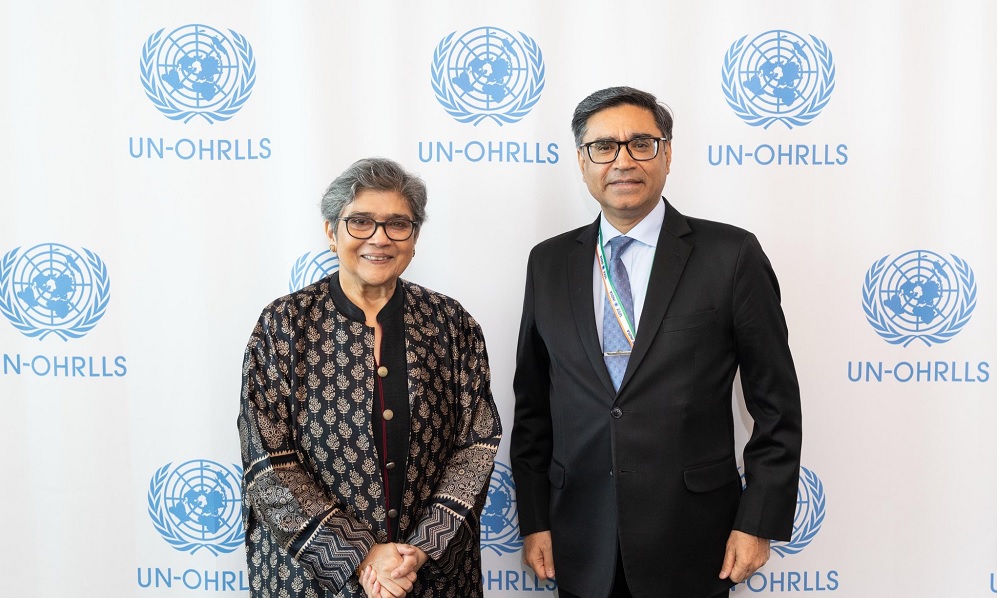
Tileuberdi also said Kazakhstan is working with the UN to operationalize the United Nations Regional Centre for the Sustainable Development Goals for Central Asia and Afghanistan in Almaty.
He said the success of the centre should be measured by the results and assistance it delivers to the region.


Abu Muslim Farah defeat Khurasan Faryab 2-0 in ACL season six

Saar: Concerns over Pakistan’s political crisis discussed

Afghanistan Champions League: Omar Zawak Herat beat Toofan Herat 1-0

Blast in Pakistan’s Dera Ismail Khan kills 11, injures 30

Ariana Afghan Airlines increases Kabul-Delhi cargo flights

Saudi energy group signs major Afghanistan deals covering gas exploration and pipeline plans

Trump floats idea of renaming Atlantic or Pacific Ocean

US hits Egyptian bank branches with Iran sanctions as war marks six months

Nepal flood rescue mission enters critical phase as thousands remain missing

Iranian clubs to face Gulf opponents at neutral venues in Asian Champions League Elite
Saar: Concerns over Pakistan’s political crisis discussed

Exclusive interview with Abdul Latif Mansoor, Minister of MRRD

Tawsia: Overview of Afghanistan’s iron mines

Tahawol: Discussion on fresh Pakistani airstrikes on Afghanistan

Saar: Calls for international support for Afghanistan discussed
-

 World5 days ago
CNN, MS NOW and Politico sue Trump, challenging White House ban
-

 Latest News3 days ago
Ariana Afghan Airlines ranks seventh among 45 Central Asian airlines
-

 Latest News5 days ago
UN reiterates call for respect for international law after Kunar airstrikes
-

 Regional4 days ago
US and Iran hold first talks since June after Trump’s ‘annihilation’ threat
-

 Latest News3 days ago
Silk Road highway in Wakhan corridor now reaches the China border
-

 Latest News5 days ago
Afghan Official: Pakistan’s airstrikes will not go unanswered
-

 Regional5 days ago
G7 foreign ministers call on Iran to stop arming Houthis
-

 Regional3 days ago
Iran airlines cancel flights as US sanctions hit