
Latest News
Afghan national pleads guilty to suicide attack threat in Texas
Alokozay faces up to five years in federal prison, a fine of up to $250,000 and up to three years of supervised release.

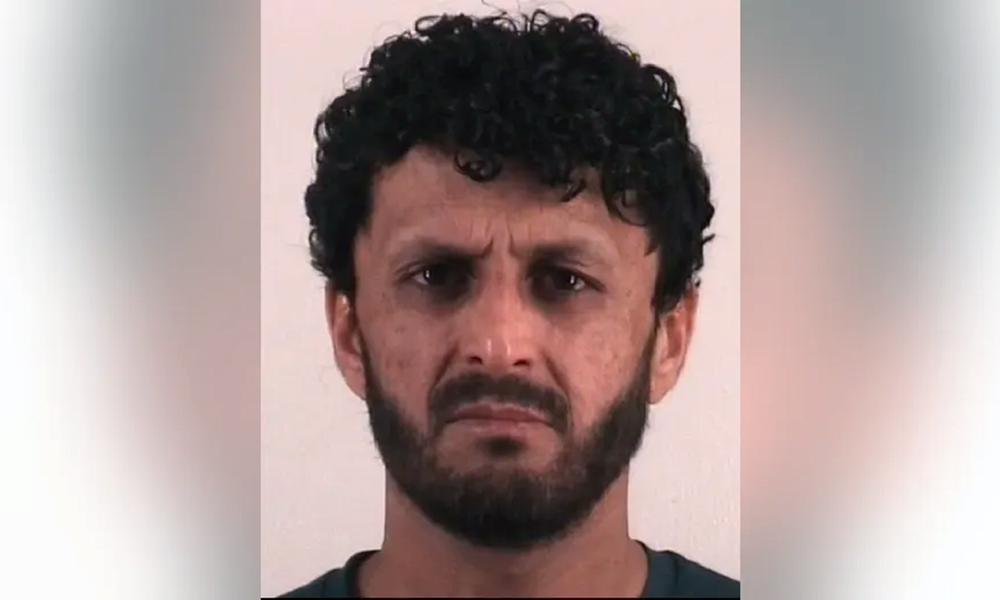
A 32-year-old Afghan national living in Fort Worth, Texas, has pleaded guilty to transmitting a threatening communication after making an online threat to carry out a suicide attack.
Mohammad Dawood Alokozay was charged in November 2025 after a portion of a social media livestream in which he made the threat was recorded and circulated on TikTok and other platforms.
According to U.S. court documents, Alokozay made the threat during a livestream on November 23, 2025, following an exchange involving several people, including another Afghan national. Authorities said the discussion included offensive remarks linked to longstanding tribal tensions.
Members of the public reported the video to authorities, after which federal agents and local law enforcement identified and located Alokozay, according to the U.S. Attorney’s Office for the Northern District of Texas.
No explosives found
Authorities searched Alokozay’s home and cellphone but found no explosives or bomb-making materials. Prosecutors said investigators determined that he did not intend to carry out an actual attack.
Alokozay nevertheless admitted in court documents that he knowingly transmitted a threat to injure another person through interstate and foreign commerce.
He pleaded guilty before U.S. Magistrate Judge Jeffrey L. Cureton.
Alokozay faces up to five years in federal prison, a fine of up to $250,000 and up to three years of supervised release.
The FBI said the case demonstrates the seriousness with which authorities treat online threats of violence. FBI Dallas Special Agent in Charge R. Joseph Rothrock also thanked members of the public who reported the video.
The investigation was conducted by the FBI offices in Dallas and Fort Worth, with assistance from Homeland Security Investigations, the Texas Department of Public Safety and the Fort Worth Police Department.
A sentencing date has not yet been announced.

Latest News
Islamic Emirate disputes UN report on Afghanistan opium cultivation
The Islamic Emirate has repeatedly maintained that its ban on narcotics remains in force and that counter-narcotics operations are continuing across the country.
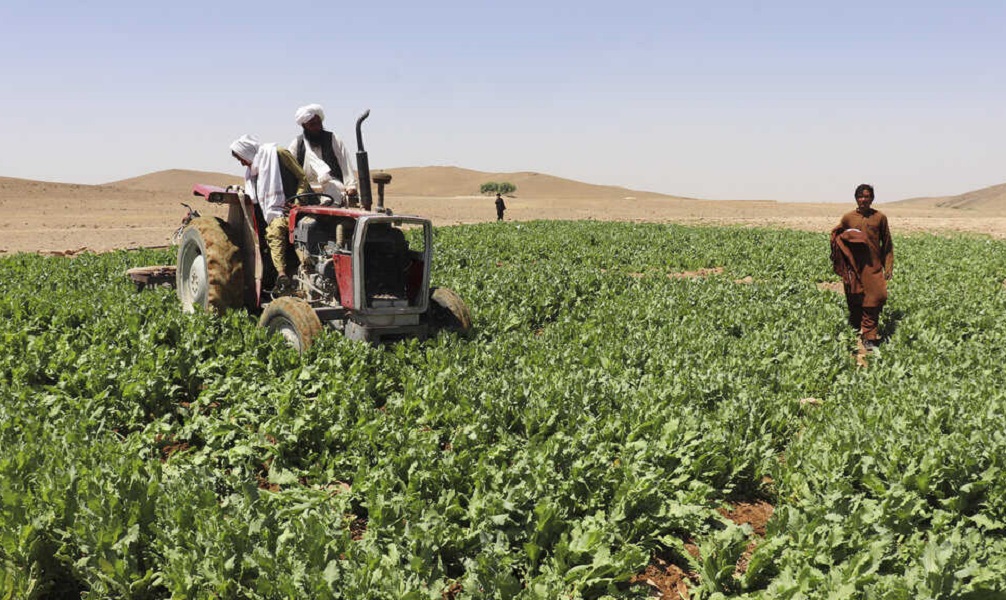
The Islamic Emirate of Afghanistan has disputed a new United Nations report estimating a sharp increase in opium poppy cultivation in 2026, saying the findings do not accurately reflect the results of its nationwide counter-narcotics operations.
The Afghanistan Opium Survey 2026, published by the United Nations Office on Drugs and Crime (UNODC), estimates that poppy cultivation has increased to more than 43,000 hectares, compared with approximately 10,000 hectares in 2025.
The report also estimates that opium production has risen to nearly 1,500 tonnes, up from around 300 tonnes last year. It identifies northeastern Afghanistan, particularly Badakhshan and Takhar, as major cultivation centres.
However, the Ministry of Interior has challenged the figures, arguing that the survey does not adequately account for eradication operations carried out by Afghan authorities.
The ministry said its counter-narcotics campaign had resulted in the destruction of poppy cultivation across approximately 23,000 hectares of land during 2026, maintaining that its own assessments show cultivation has been reduced to almost zero.
The UNODC report attributes the reported increase partly to economic pressures on farming communities and limited alternative livelihood opportunities. It also notes that cultivation remains significantly below pre-ban levels, when more than 200,000 hectares were planted with opium poppy.
The Islamic Emirate has repeatedly maintained that its ban on narcotics remains in force and that counter-narcotics operations are continuing across the country.
The differing assessments highlight a gap between the UN’s estimates and the figures presented by Afghan authorities, as Afghanistan continues its efforts to eliminate narcotics cultivation while addressing the economic challenges facing rural communities.
Latest News
Afghanistan to attend Tehran ECO summit after exclusion from Islamabad meeting
The delegation would represent the Islamic Emirate of Afghanistan at the summit, scheduled for December 3 and 4.
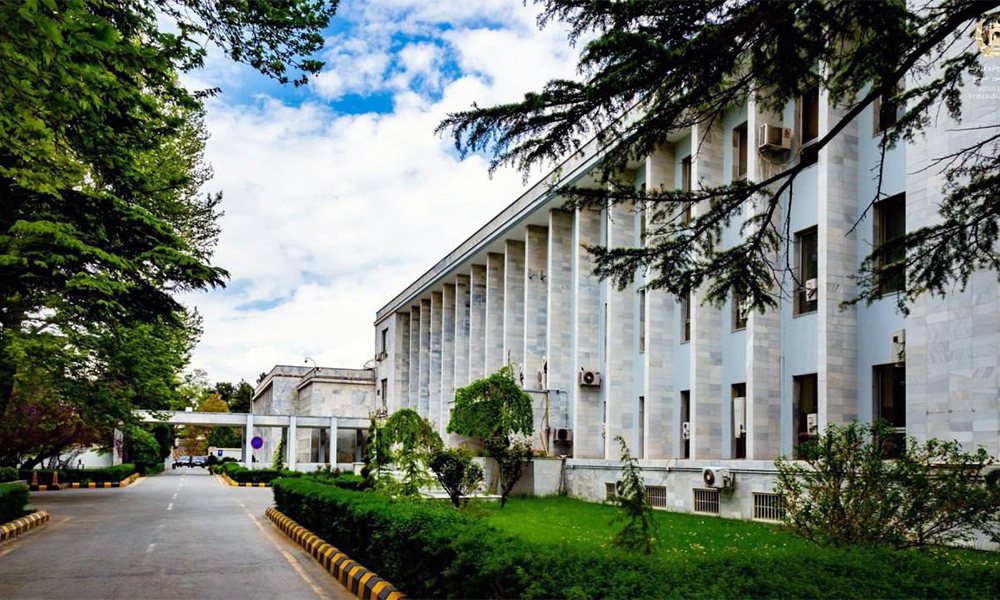
Afghanistan will participate in the upcoming 18th summit of the Economic Cooperation Organization (ECO) in Tehran, with Foreign Minister Amir Khan Muttaqi leading the delegation, the Ministry of Foreign Affairs has announced.
Hafiz Zia Ahmad Takal, head of the ministry’s Information and Public Relations Department, said the delegation would represent the Islamic Emirate of Afghanistan at the summit, scheduled for December 3 and 4. The meeting is expected to bring together leaders and senior officials from ECO member states to discuss regional cooperation.
The announcement follows Afghanistan’s exclusion from the 30th meeting of the ECO Council of Foreign Ministers, hosted by Pakistan in Islamabad on November 15 and 16, despite Afghanistan being a member of the regional organisation.
Pakistan’s Foreign Office said Kabul was not invited because Islamabad does not recognise the current Afghan administration. Pakistani officials also claimed that Afghanistan’s membership had been suspended by the ECO Secretariat.
The decision prompted criticism from Afghan officials, who argued that political differences should not prevent Afghanistan from participating in regional economic initiatives and cooperation.
Afghanistan’s attendance at the Tehran summit is expected to provide an opportunity for Kabul to re-engage with regional partners on issues including trade, economic development, transport connectivity and regional cooperation.
Latest News
Türkiye defends Mecca defence pact, points to its previous military role in Afghanistan
He said critics had not questioned whether Turkish troops could suffer the same fate as American forces or lose their lives in Afghanistan’s mountainous terrain.

Türkiye’s Foreign Minister Hakan Fidan has defended Ankara’s decision to join a defence agreement with Saudi Arabia and Pakistan, citing Türkiye’s NATO membership and its previous military deployment to Afghanistan.
Speaking to Turkish broadcaster TGRT on Saturday, November 21, Fidan questioned criticism of the agreement, pointing out that Türkiye had deployed troops to Afghanistan without facing similar objections over the risks its soldiers could encounter.
He said critics had not questioned whether Turkish troops could suffer the same fate as American forces or lose their lives in Afghanistan’s mountainous terrain.
Fidan accused opponents of applying a double standard, noting that Türkiye’s membership of NATO had not attracted the same criticism as its participation in a defence arrangement involving Muslim-majority countries.
He also emphasised that joining the agreement did not mean Türkiye would automatically become involved in a war.
Saudi Arabia, Pakistan and Türkiye signed the trilateral defence agreement in August. Under its terms, an armed attack against one member is considered an attack against all three.
The Turkish parliament formally approved the agreement in November.

Turkmenistan records nearly $100 million in trade deals with Afghan, UAE buyers

Islamic Emirate disputes UN report on Afghanistan opium cultivation

Afghanistan to attend Tehran ECO summit after exclusion from Islamabad meeting

Türkiye defends Mecca defence pact, points to its previous military role in Afghanistan
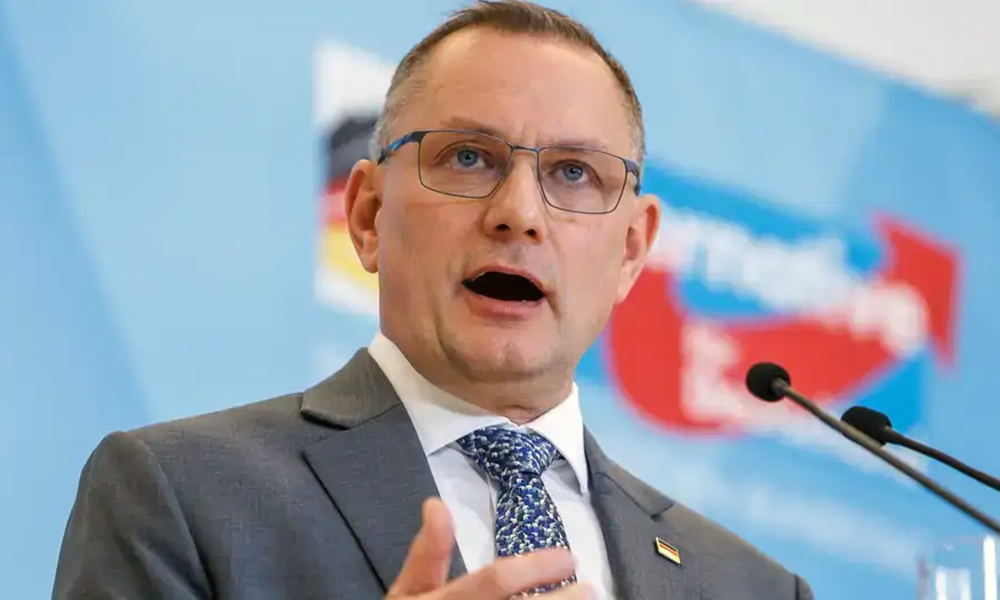
AfD leader calls for return of 2.6 million foreigners from Germany
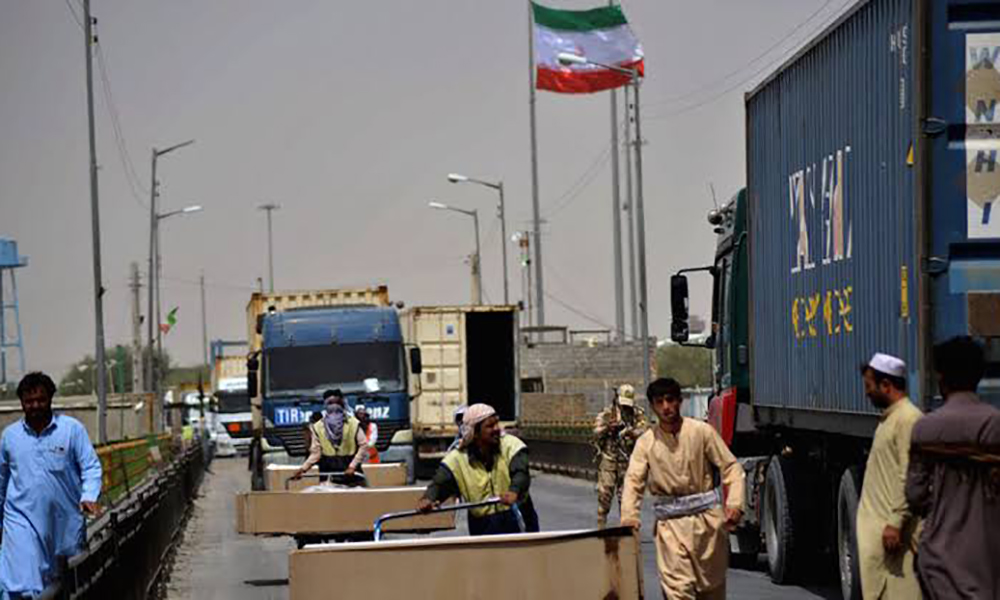
US sanctions and blockade measures disrupt Iran’s trade with Afghanistan and regional neighbors
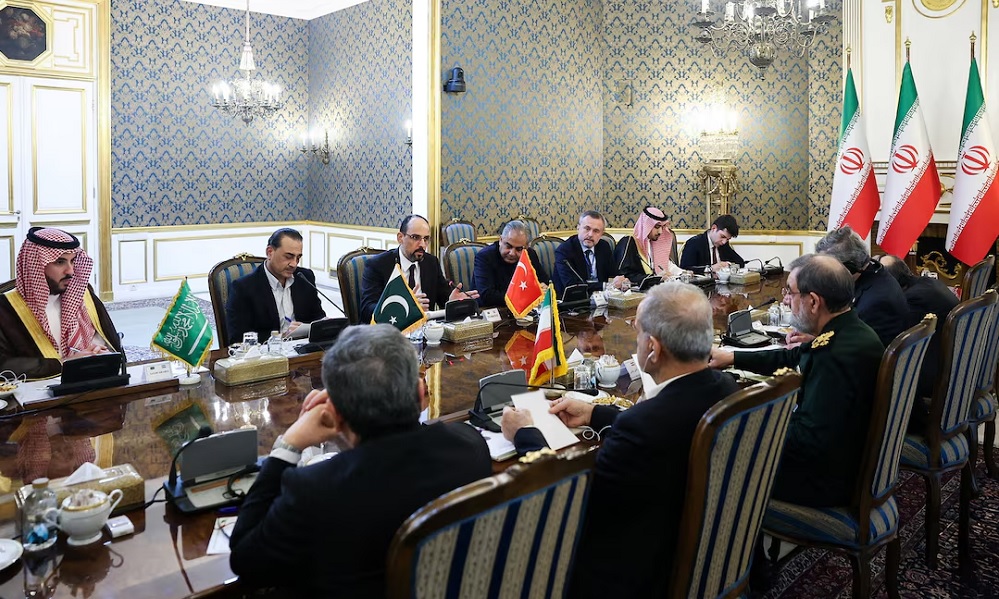
Saudi defence pact countries push for peace in Tehran as Houthis launch more attacks

England forward Kane crowned Ballon d’Or winner
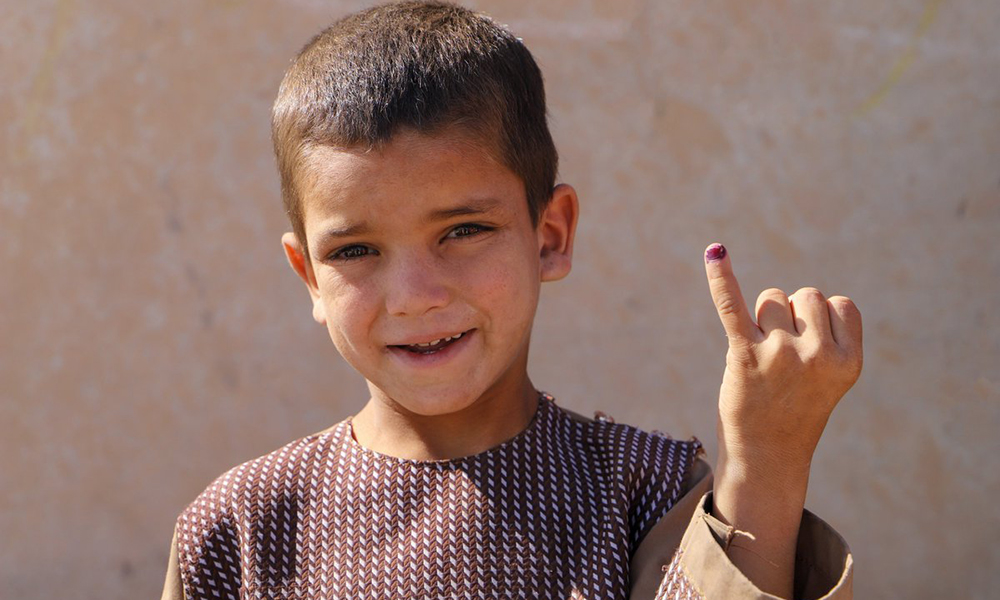
Afghanistan to launch nationwide polio vaccination campaign

Afghanistan urges polio vaccination as cases reach 42
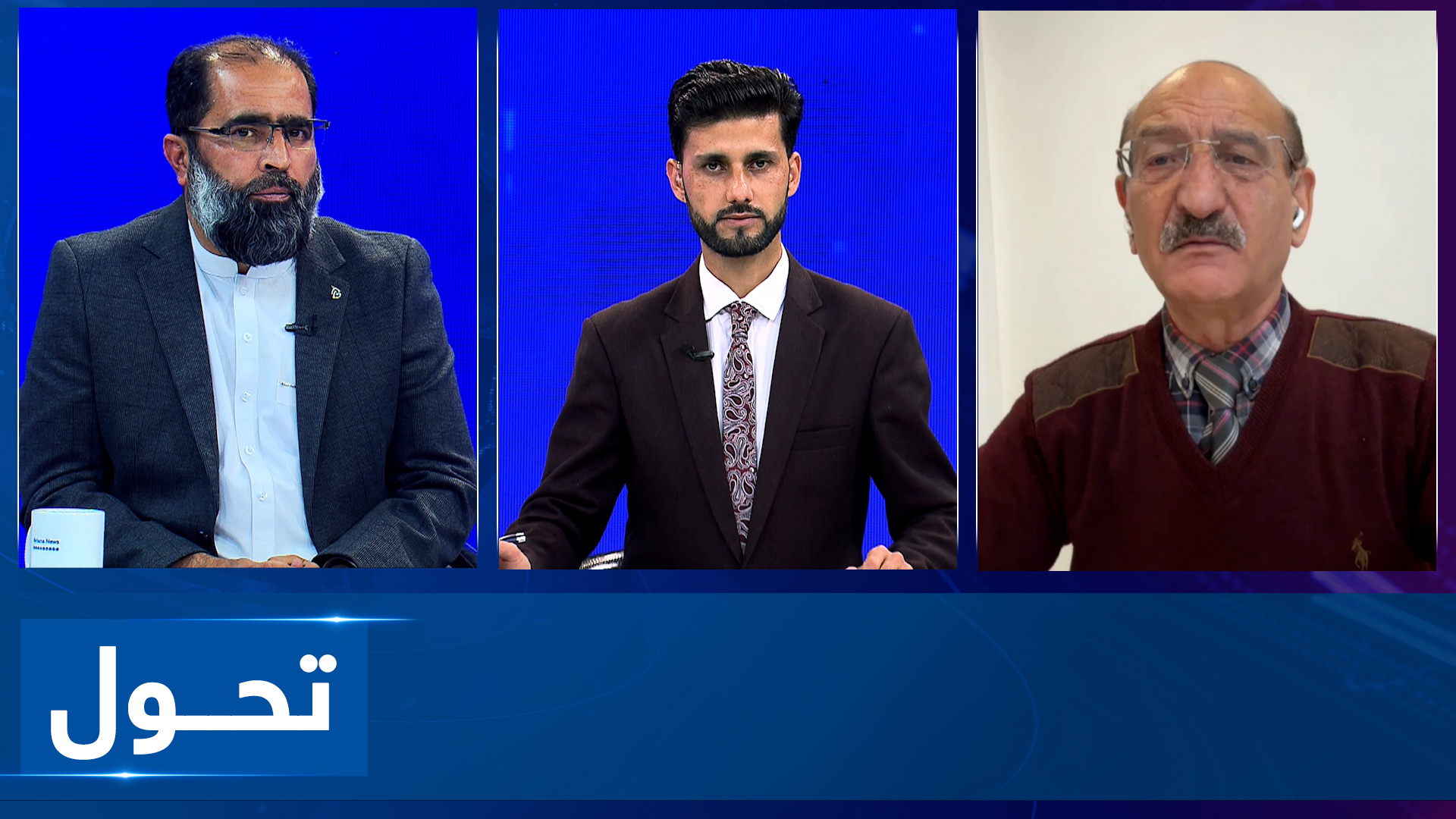
Tahawol: World Television Day discussed
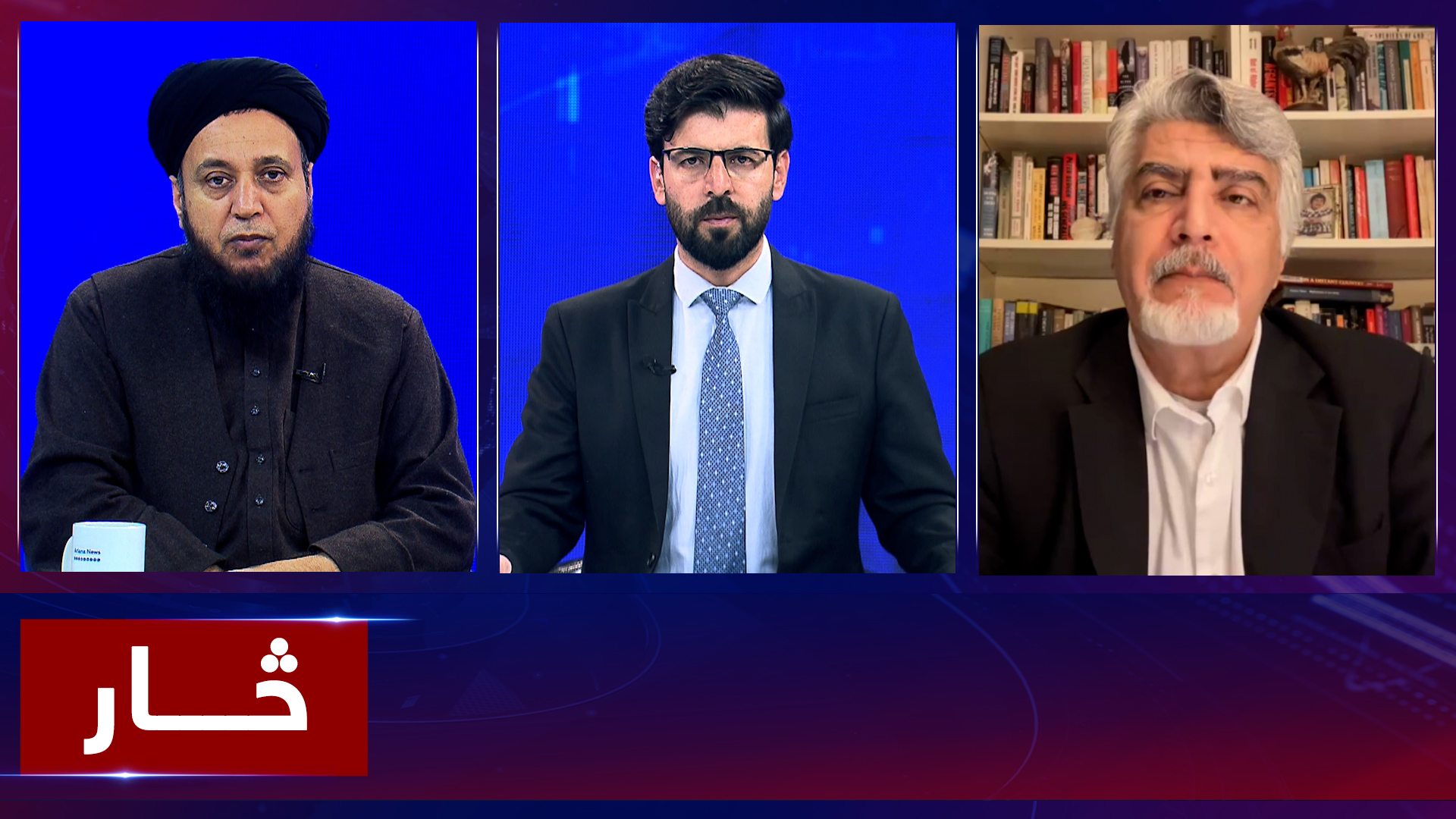
Saar: Efforts to resolve Afghanistan-Pakistan tensions in Moscow reviewed
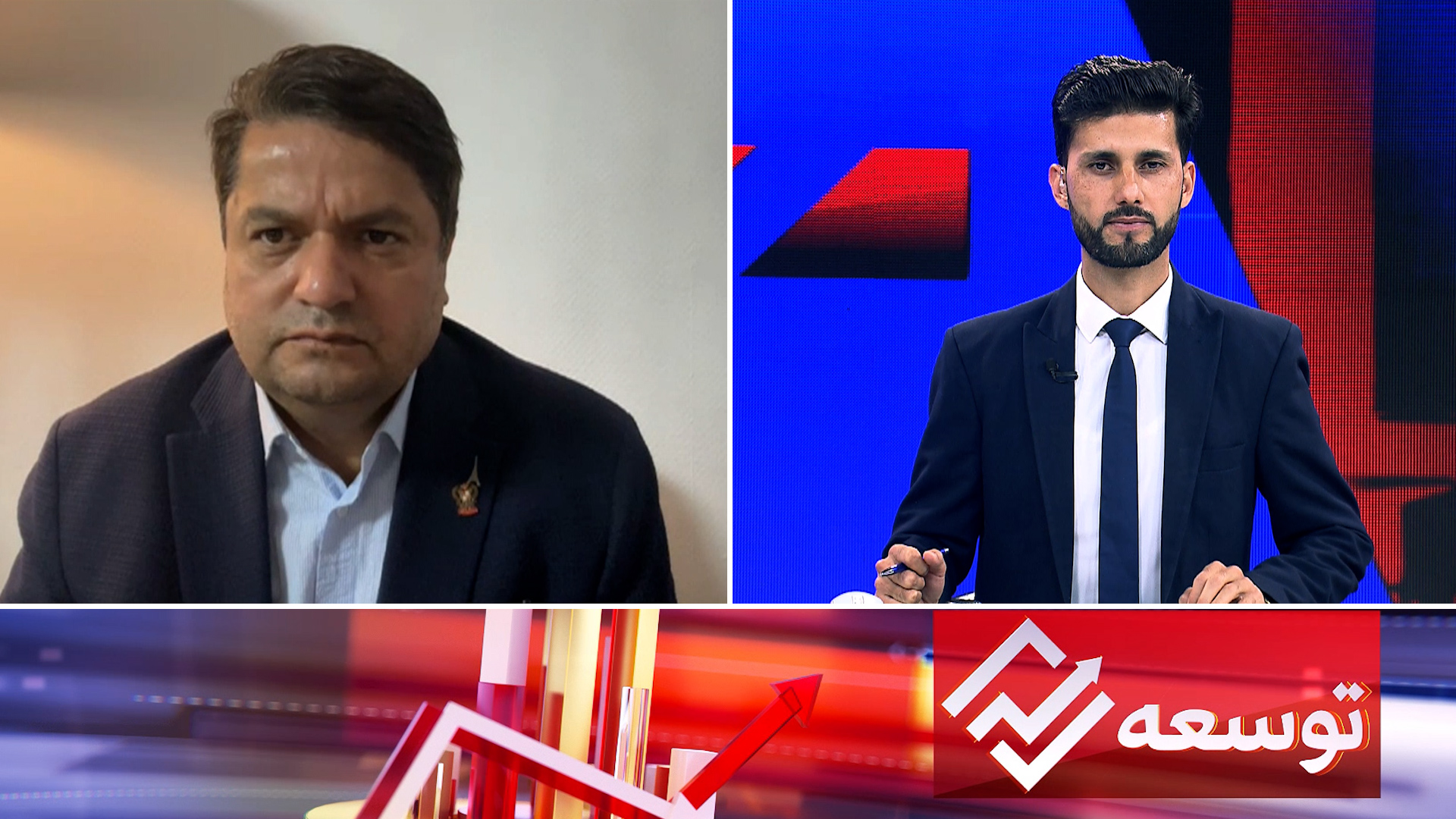
Tawsia: Afghanistan’s key economic highlights of the week discussed
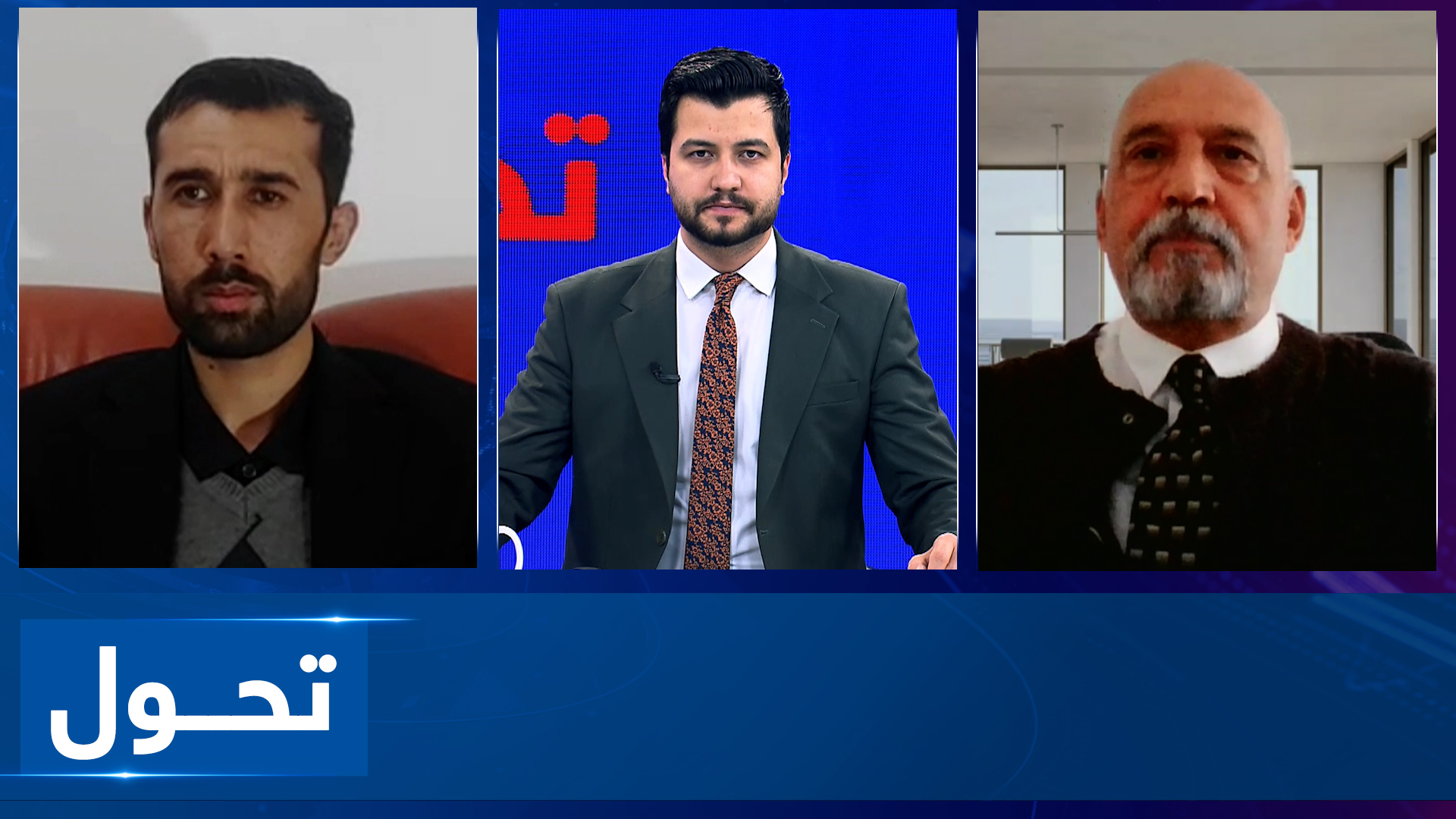
Tahawol: Kazakhstan’s call for practical international engagement with Afghanistan
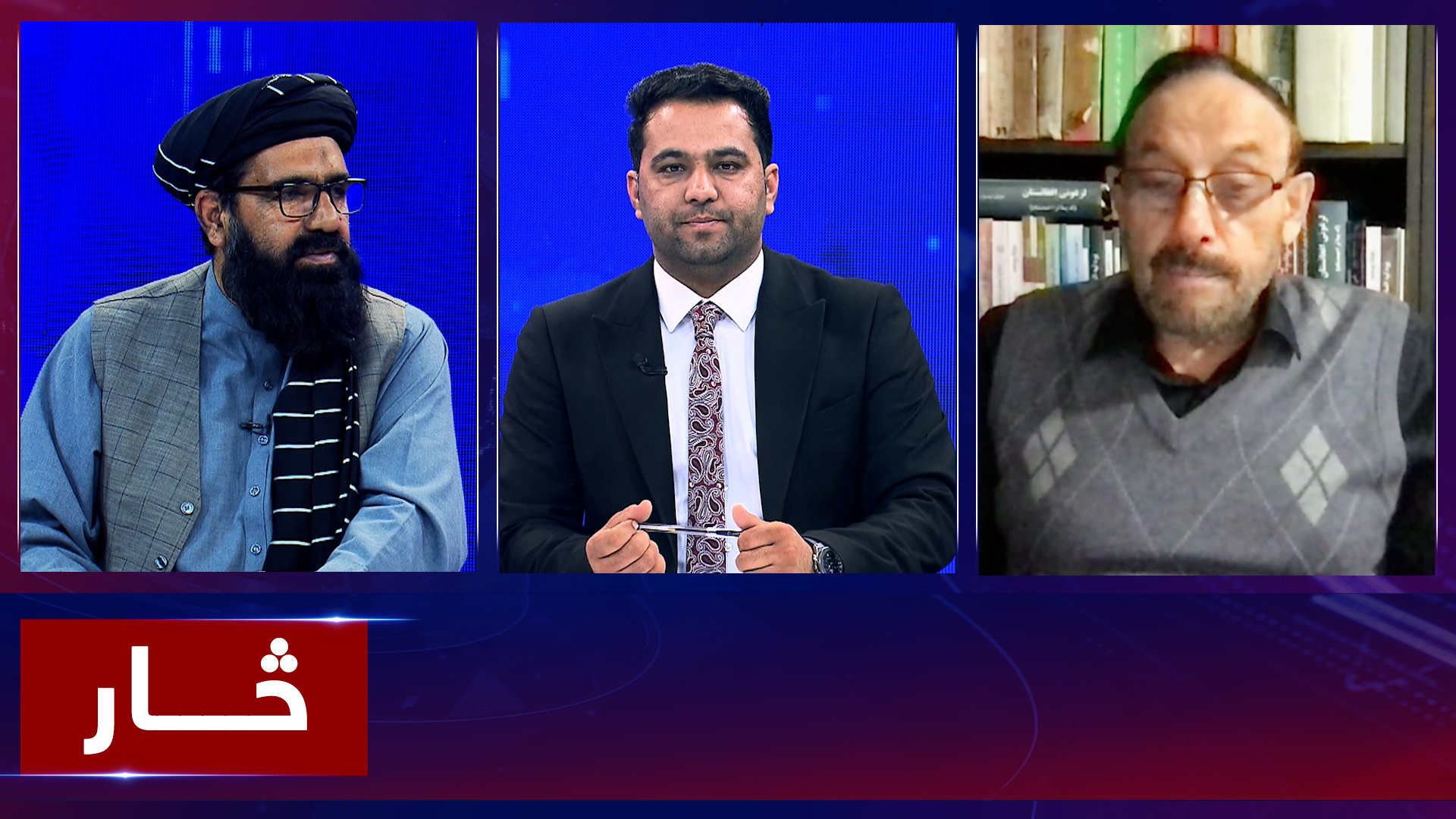
Saar: Afghanistan and UN: 80 years of diplomatic relations discussed
-
 Sport4 days ago
ATN to broadcast AFC Awards honoring Asia’s football stars
-
 Regional4 days ago
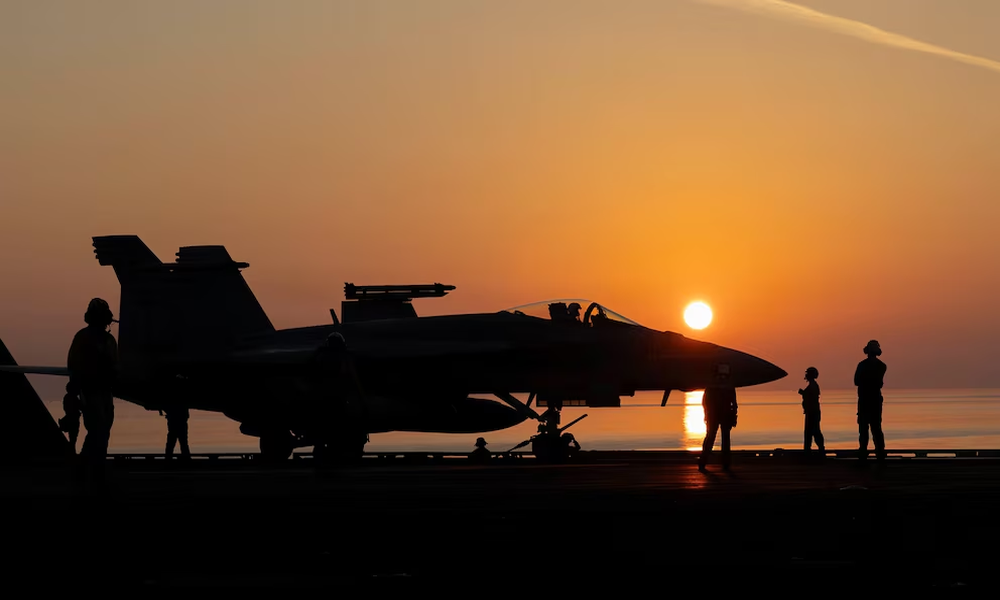
US strikes Iranian military site as Gulf states report fresh attacks
-
 Latest News4 days ago
Afghanistan’s economy grows despite rising food insecurity and water crisis: World Bank
-
 Business4 days ago
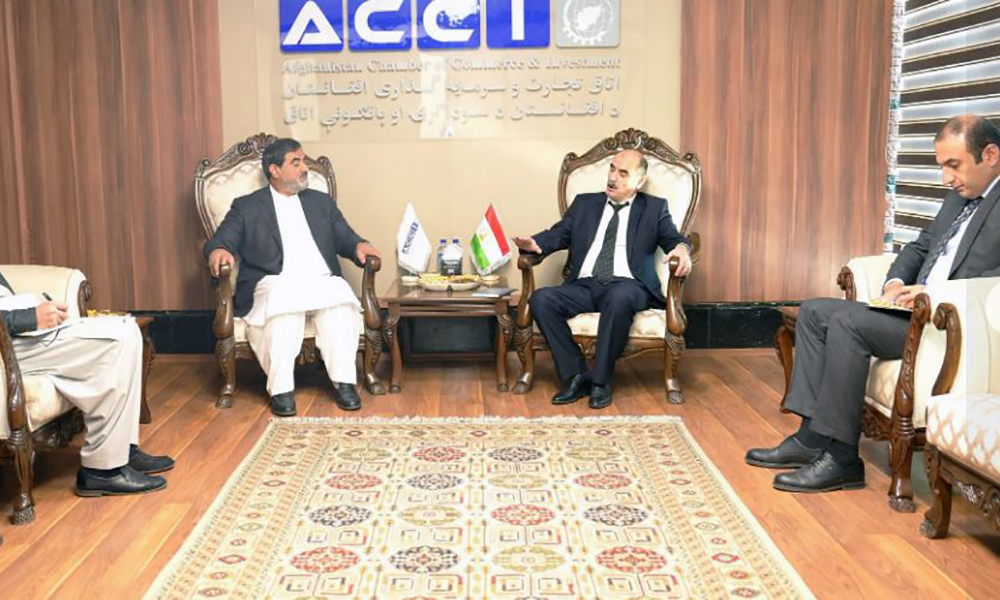
Tajikistan seeks to establish joint market along border with Afghanistan
-
 Sport5 days ago
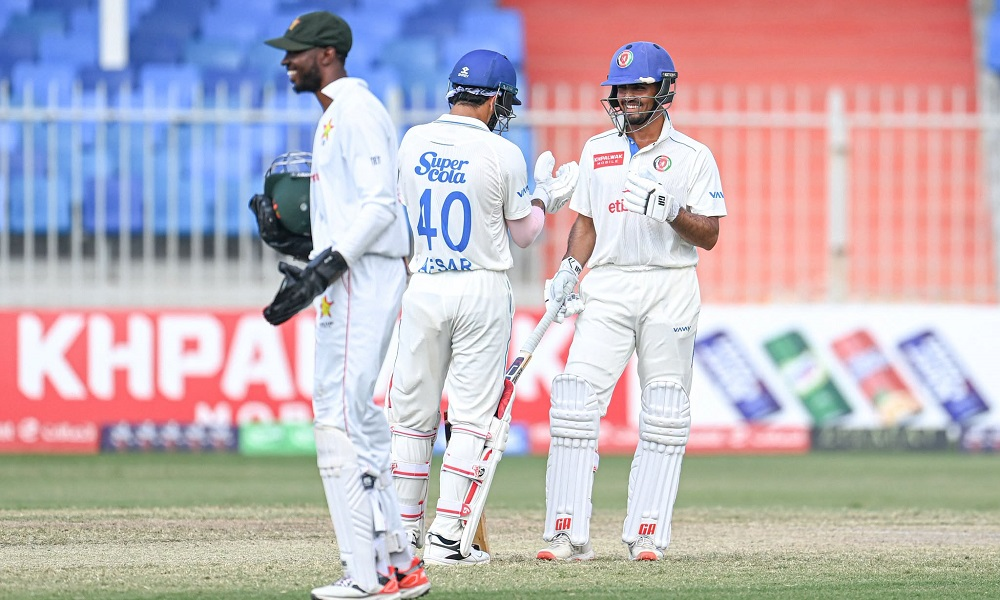
Zimbabwe beat Afghanistan by 57 runs in second Test
-
 Latest News3 days ago
Two Afghan nationals convicted over sexual assault of 14-year-old girl on UK train
-

 Latest News4 days ago
Pakistan invites Turkmenistan to join CASA-1,000 power project
-
 Sport3 days ago
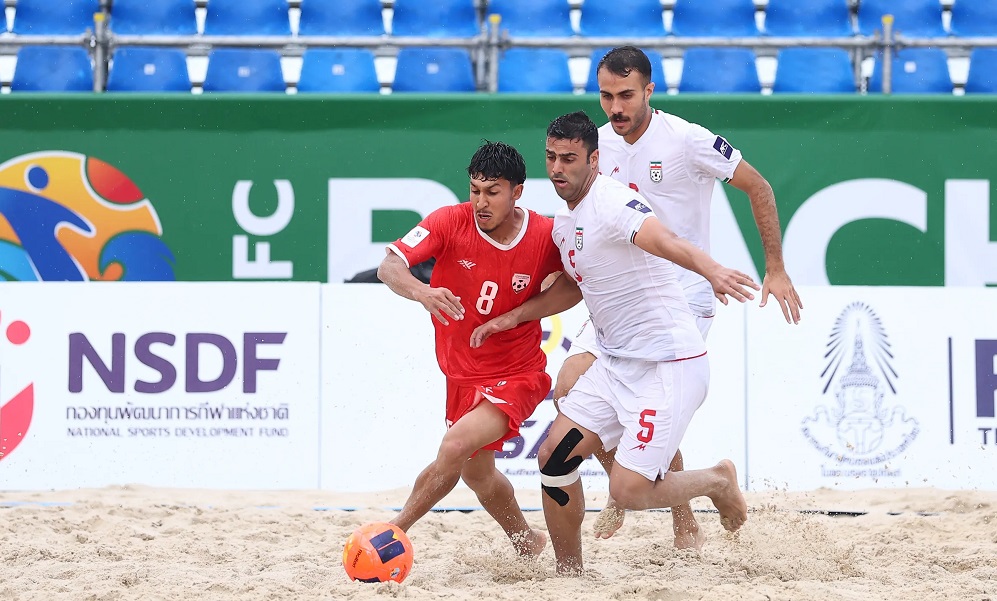
Afghanistan suffer 9-2 defeat to Iran in Beach Soccer Asian Cup opener