
Latest News
Afghanistan calls for faster completion of CASA-1000 power project
World Bank officials said they would explore options for providing the required funding.

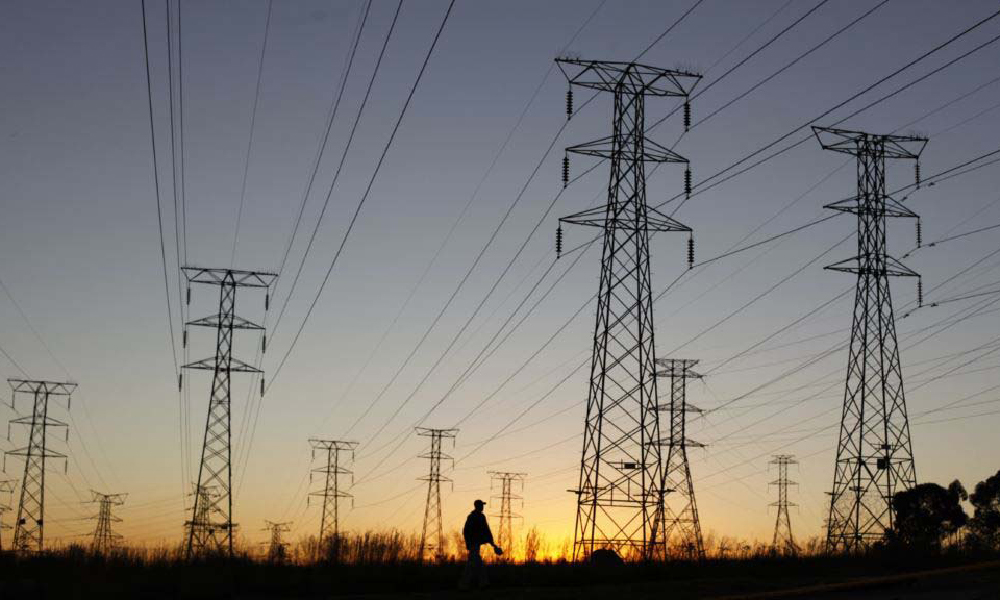
Afghanistan has called for accelerated construction and additional funding to complete the Central Asia-South Asia (CASA-1000) regional electricity transmission project.
Da Afghanistan Breshna Sherkat (DABS) Chief Executive Officer Abdul Haq Hamkar, accompanied by a technical delegation, attended meetings of the project’s Joint Working Group and Intergovernmental Council in Bishkek, Kyrgyzstan, from October 7 to 9.
During the meetings, Hamkar highlighted the project’s strategic importance in expanding regional electricity trade. He identified securing additional financing, speeding up construction, resolving outstanding obstacles and implementing joint decisions as key priorities.
Representatives from participating countries, the World Bank and other financing institutions reviewed construction progress and discussed the installation of telecommunications repeater stations, operational readiness, monitoring systems and measures needed to launch commercial operations.
The Afghan delegation emphasized the need for additional financial resources to complete the remaining work, while World Bank officials said they would explore options for providing the required funding.
Hamkar also stressed the importance of taking Afghanistan’s current and future electricity needs into account, strengthening regional cooperation and expediting the project’s completion.
CASA-1000 is designed to transmit surplus electricity from Kyrgyzstan and Tajikistan to Afghanistan and Pakistan, helping connect Central Asian power supplies with energy markets in South Asia. Once completed, the project is expected to boost regional electricity trade and strengthen Afghanistan’s role as a transit corridor for cross-border energy supplies.




Latest News
Afghanistan marks 80 years of UN membership with special commemorative event
Afghanistan became a member of the United Nations on November 19, 1946. In 1952, Mohammad Kabir Ludin began his assignment as the country’s first permanent representative to the organization.
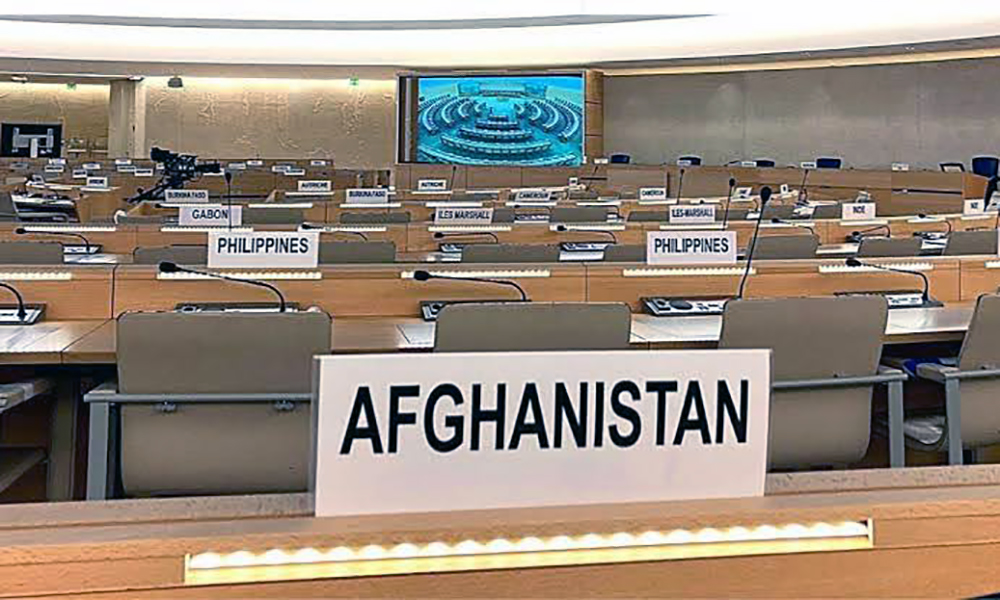
Afghanistan is set to mark the 80th anniversary of its membership in the United Nations with a special event bringing together its diplomatic missions in New York, Geneva and Vienna to reflect on eight decades of engagement and explore prospects for future cooperation.
Nasir Ahmad Faiq, acting head of Afghanistan’s Permanent Mission to the United Nations, announced on Monday that the event will be held online and broadcast live on November 18, 2026.
Titled “Afghanistan and the United Nations: Eight Decades of Engagement, Participation and Lessons for the Future,” the event will examine Afghanistan’s history within the international organization, the country’s diplomatic contributions and the role of the United Nations in Afghanistan.
According to Faiq, the gathering will also provide an opportunity to reflect the views and aspirations of the Afghan people, while highlighting their hopes for peace, human dignity, equality and a better future.
Afghanistan’s Permanent Mission in Geneva has also announced that the meeting will focus on the country’s history at the United Nations, its diplomatic role and opportunities for future cooperation.
Afghanistan became a member of the United Nations on November 19, 1946. In 1952, Mohammad Kabir Ludin began his assignment as the country’s first permanent representative to the organization.
The anniversary comes amid continued uncertainty over Afghanistan’s representation at the United Nations. Since the political changes in August 2021, the UN Credentials Committee has not reached a final decision on accepting the representative nominated by the Islamic Emirate. Afghanistan’s mission continues to be administered by diplomats appointed under the former government.
The commemorative event is expected to provide an opportunity to reflect on Afghanistan’s eight decades of engagement with the United Nations and discuss the country’s diplomatic future.
Latest News
IEA intelligence officials highlight Sharia-based operations at research conference
The General Directorate of Intelligence was the first government institution for which special regulations were established by the leadership.

Abdul Haq Wasiq, head of the General Directorate of Intelligence of the Islamic Emirate of Afghanistan, and his deputy, Tajmir Jawad, have discussed the activities of their institution and the principles of the Islamic system at a scientific and research conference examining the impact of leadership decrees.
Wasiq said that following the Islamic Emirate’s return to power, the General Directorate of Intelligence was the first government institution for which special regulations were established by the leadership.
He added that the directorate operates under the established regulations and in accordance with Sharia, prevents what he described as cruel torture, combats crime and is committed to safeguarding human dignity.
Meanwhile, Tajmir Jawad said the Muslim community had lost significant spiritual strength following the loss of leadership under an Islamic system, adding that foreign ideas had influenced its thinking.
He stressed the need to strengthen Islamic thought and values and maintain the stability of the system.
Jawad further described the Islamic Emirate and Imamate as divine commands and religious obligations, saying that the advancement of Islam and the country depends on them.
Latest News
Pakistan FM urges Afghanistan to address security concerns of neighbors
Dar said Pakistan wanted Afghanistan to be fully integrated into the ECO framework and at peace with itself and its neighbours.
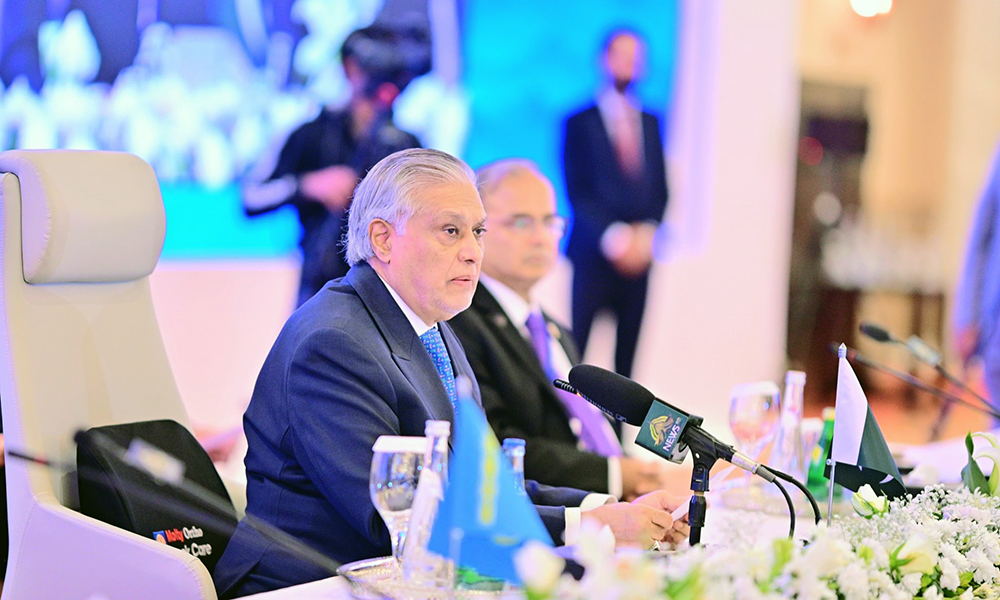
Pakistan Deputy Prime Minister and Foreign Minister Mohammad Ishaq Dar has called for a peaceful, prosperous and stable Afghanistan, while urging Afghan authorities to address the security concerns of neighbouring countries, particularly the threat of terrorism.
Dar made the remarks during the 30th meeting of the Economic Cooperation Organization (ECO) Council of Ministers in Islamabad.
Dar said Pakistan wanted Afghanistan to be fully integrated into the ECO framework and at peace with itself and its neighbours.
He added that such an outcome would benefit not only the Afghan people but also the wider region by opening important opportunities for trade, transit and economic cooperation.
The Pakistani foreign minister stressed that meaningful progress required Afghan authorities to address “the legitimate security concerns of neighbouring countries, particularly the threat of terrorism.”
He said a secure and stable environment was essential for sustained regional economic partnerships.
Pakistani officials have repeatedly claimed that attacks in their country are organized from Afghanistan. The Islamic Emirate, however, has rejected these allegations, saying Afghanistan is not responsible for Pakistan’s security failures.

Afghanistan marks 80 years of UN membership with special commemorative event
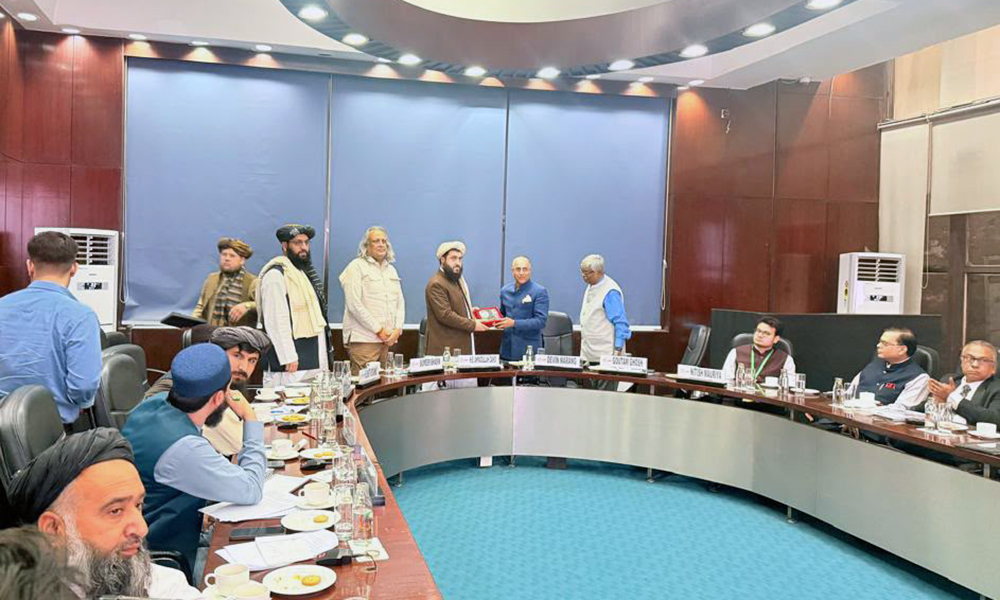
Afghanistan, India discuss expanding trade and investment ties

Sorkh Poshan Khafi crowned ACL champions after unbeaten campaign
Tahawol: Afghanistan absent from ECO meeting
Saar: ECO meeting kicks off in Islamabad

Afghanistan finish runners-up after 6-0 defeat to Brazil in futsal final

Rubio heads to Central Asia while other US officials hit foreign policy hot spots

Violent protests spread across Europe as Albanian PM blames ‘foreign hand’

Governments take websites offline as critical cyber flaws trigger global alert

Uzbekistan, UNICEF discuss pharmaceutical supplies to Afghanistan
Tahawol: Afghanistan absent from ECO meeting
Saar: ECO meeting kicks off in Islamabad
Tahawol: UK seeks to ease Kabul–Islamabad tensions
Saar: Iran–US tensions: an uncertain future
Tahawol: Concerns grow over worsening regional humanitarian crises discussed
-
 Business4 days ago
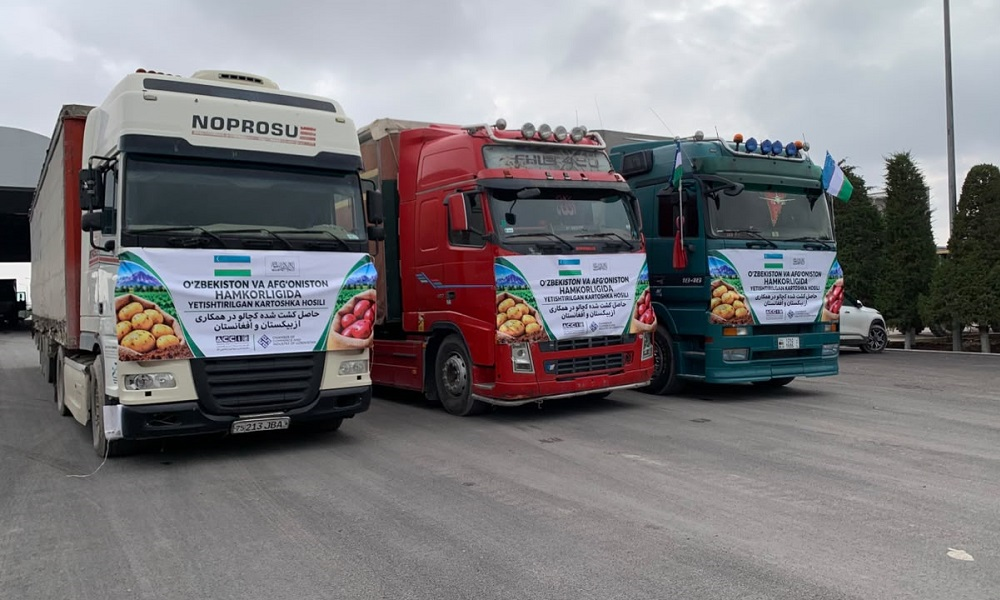
Afghanistan and Uzbekistan agree on export of 100,000 tons of Bamyan potatoes
-
 Latest News5 days ago
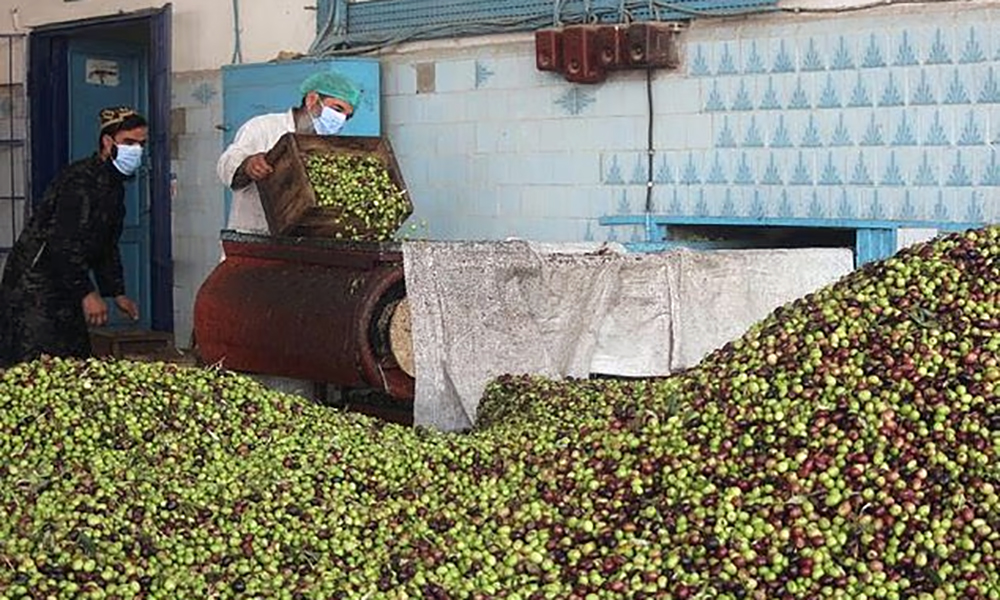
Olive farming offers new hope to Afghan farmers amid growing climate challenges
-
 Latest News3 days ago
ICC halts probe into alleged crimes by US troops in Afghanistan
-
 Sport5 days ago
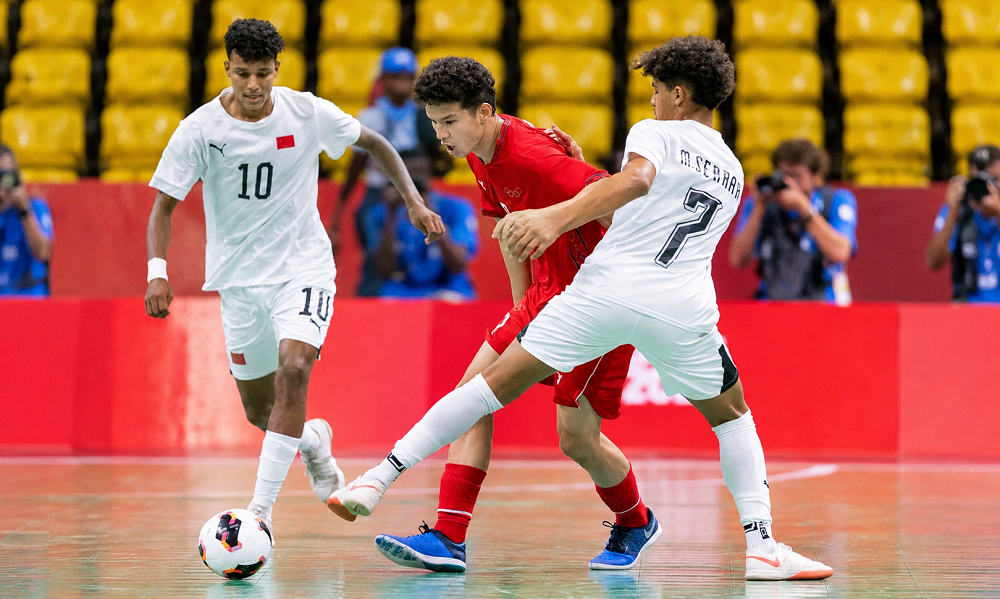
Afghanistan falls just short of Bronze at Dakar 2026 Youth Olympic Games
-
 Sport4 days ago
Argentina clinch futsal gold after defeating Portugal in Dakar 2026 final
-
 Sport4 days ago
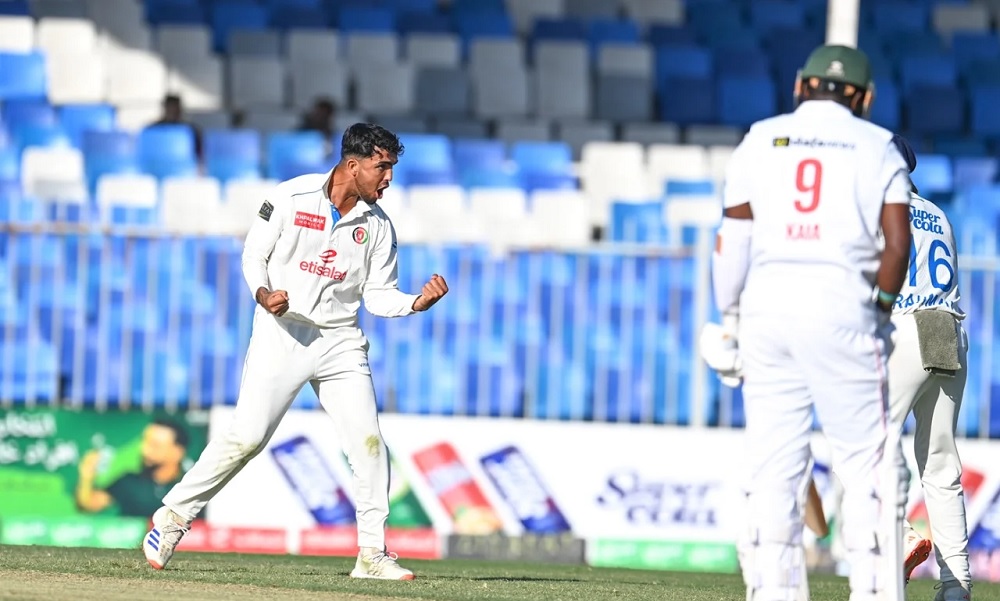
Debutant Naseer Khan strikes four as Afghanistan fight back against Zimbabwe in second Test
-
 Business5 days ago
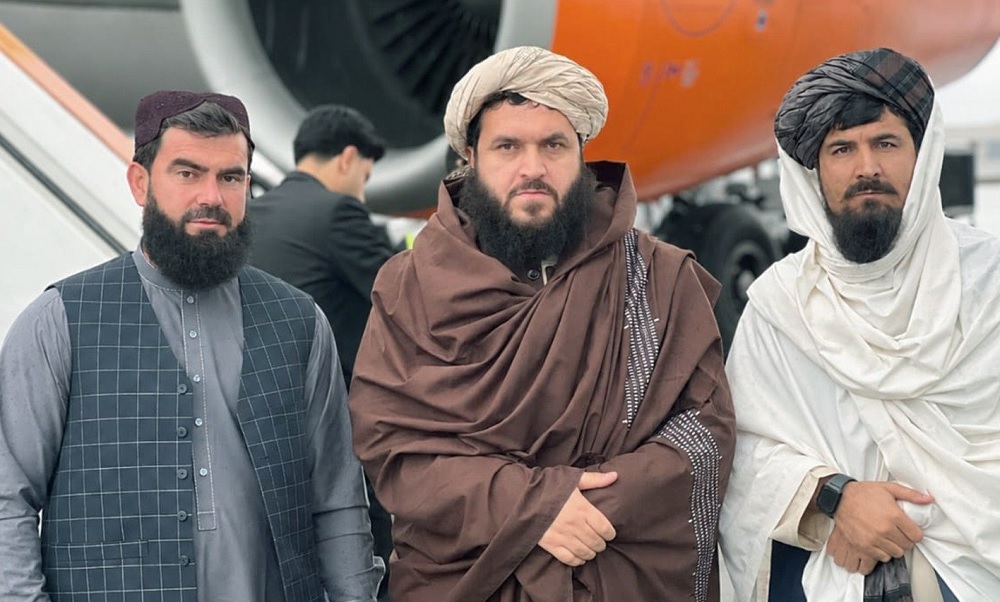
Afghan deputy commerce minister travels to India for trade fair in Delhi
-
 Latest News5 days ago
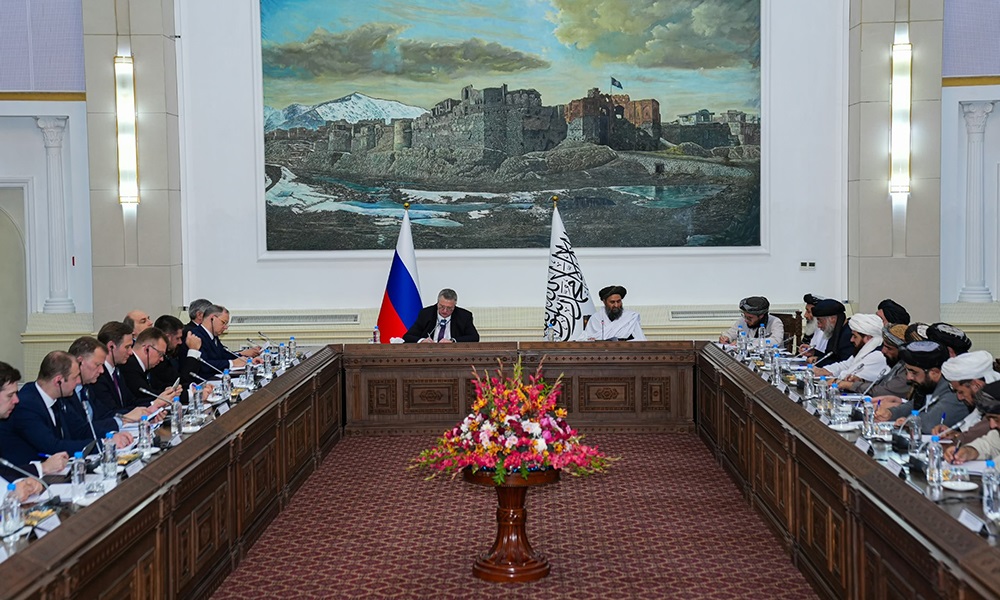
Afghanistan invites Russian companies to invest in mining, industry and infrastructure