
Latest News
Afghanistan’s water reserves have dropped to 69 billion cubic meters per year

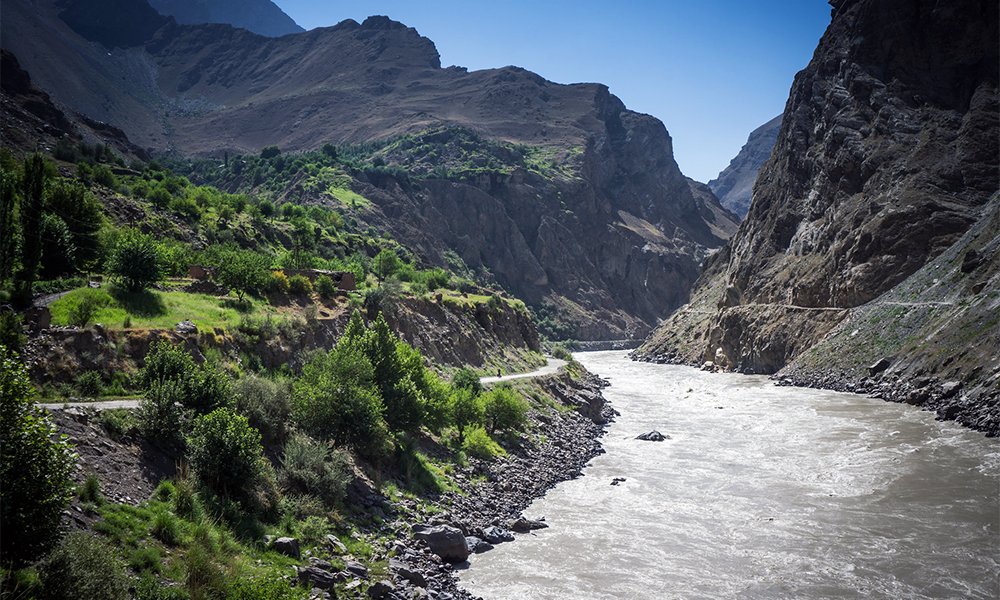
Afghanistan’s water reserves, which were estimated at 75 billion cubic meters in the past, have now dropped to 69 billion cubic meters, the Ministry of Water and Energy said on Monday.
Ministry officials emphasized that they have many plans for the future and in the past year, in cooperation with foreign organizations, they have implemented 360 projects in the country, which include the construction of dams, canals and other water projects.
“Afghanistan’s annual amount of water was estimated at 75 billion cubic meters. Due to climate changes that have negative effects on water resources, this figure has decreased to 69 billion cubic meters. We want surface and underground water to be properly managed,” Mujib-ur-Rahman Omarzada, deputy minister of water and energy, said in a press conference in Kabul.
Officials also said they are committed to securing Iran’s rights in accordance with the 1973 agreement, and whenever neighboring countries raise concerns about rights, they are ready to discuss the issue taking international laws into consideration.
They added that they have more than 400 projects to manage the country’s waters and want to increase the amount of electricity production inside the country.
“Our focus is that we can complete the 500 kV power transmission project next year and facilitate the transfer of 1,000 megawatts of electricity from Turkmenistan to Afghanistan at a low rate,” Farhad Mahmoudi, head of programs of the Ministry of Water and Energy, said.











Kazakhstan’s Foreign Minister Mukhtar Tileuberdi has called for pragmatic and coordinated international engagement with Afghanistan, saying the country’s long-term stability is closely linked to the security and sustainable development of Central Asia.
Speaking during the general debate of the 81st session of the United Nations General Assembly in New York on Friday, Tileuberdi said humanitarian assistance to Afghanistan remains essential but alone cannot break the cycle of poverty, displacement and dependency.
He said Kazakhstan supports a “pragmatic, coordinated and step-by-step” approach to international engagement with Afghanistan, with the United Nations playing a central role.
Tileuberdi also said Kazakhstan is working with the UN to operationalize the United Nations Regional Centre for the Sustainable Development Goals for Central Asia and Afghanistan in Almaty.
He said the success of the centre should be measured by the results and assistance it delivers to the region.


Trump rejects Iranian proposal to open Hormuz and end fighting

Abu Muslim Farah defeat Khurasan Faryab 2-0 in ACL season six

Saar: Concerns over Pakistan’s political crisis discussed

Afghanistan Champions League: Omar Zawak Herat beat Toofan Herat 1-0

Blast in Pakistan’s Dera Ismail Khan kills 11, injures 30

Saudi energy group signs major Afghanistan deals covering gas exploration and pipeline plans

Trump floats idea of renaming Atlantic or Pacific Ocean

US hits Egyptian bank branches with Iran sanctions as war marks six months

Nepal flood rescue mission enters critical phase as thousands remain missing

Iranian clubs to face Gulf opponents at neutral venues in Asian Champions League Elite
Saar: Concerns over Pakistan’s political crisis discussed

Exclusive interview with Abdul Latif Mansoor, Minister of MRRD

Tawsia: Overview of Afghanistan’s iron mines

Tahawol: Discussion on fresh Pakistani airstrikes on Afghanistan

Saar: Calls for international support for Afghanistan discussed
-

 Latest News4 days ago
Ariana Afghan Airlines ranks seventh among 45 Central Asian airlines
-

 Latest News5 days ago
UN reiterates call for respect for international law after Kunar airstrikes
-

 Regional4 days ago
US and Iran hold first talks since June after Trump’s ‘annihilation’ threat
-

 Latest News4 days ago
Silk Road highway in Wakhan corridor now reaches the China border
-

 Regional3 days ago
Iran airlines cancel flights as US sanctions hit
-

 Latest News5 days ago
Afghan Official: Pakistan’s airstrikes will not go unanswered
-
 Regional5 days ago
G7 foreign ministers call on Iran to stop arming Houthis
-

 Sport5 days ago
Afghan boxing referee heads to China for international festival