
World
Al Jazeera journalist killed by Israeli forces in West Bank


An Al Jazeera journalist was killed on Wednesday by Israeli army fire in the occupied West Bank, the Palestinian Health Ministry said.
A ministry statement said Shireen Abu Akleh, 51, was shot in the city of Jenin.
Another journalist, Ali Al-Samoudi, was shot in the back, the ministry added.
Al-Samoudi said they had been with a group of journalists near Jenin camp when fired on. He also said all of them had been wearing helmets and bulletproof vests.
“We were directly targeted by the occupation forces,” he said in statements cited by the state news agency Wafa.
“The place where the journalists were present was clear to the occupation soldiers, and there were no armed men or clashes in that area,” Al-Samoudi said. “We were deliberately targeted.”
Reuters reported that earlier Wednesday, Israeli forces raided the city of Jenin to arrest a Palestinian, triggering clashes with angry residents.
The Israeli army said in a statement that it was “investigating” the Al Jazeera journalist’s death.
The army suggested that the Al Jazeera correspondent may have been shot by Palestinians as they clashed with Israeli forces, which “responded with fire, without causing any casualties,” Reuters reported.
Al-Jazeera TV network, for its part, said Abu Akleh was “one of the first generation of the channel’s field correspondents.”
“For a quarter of a century, Abu Akleh was at the center of danger to cover wars, attacks and aggressions of the Israeli occupation, against the Palestinian people in the occupied territories,” the Doha-based channel said.



World
Trump White House maps path to govern without Congress if Democrats win: report
If Republicans lose control of Congress, Trump said he expects he could issue vetoes for “a month or two” before reaching compromises with Democrats.
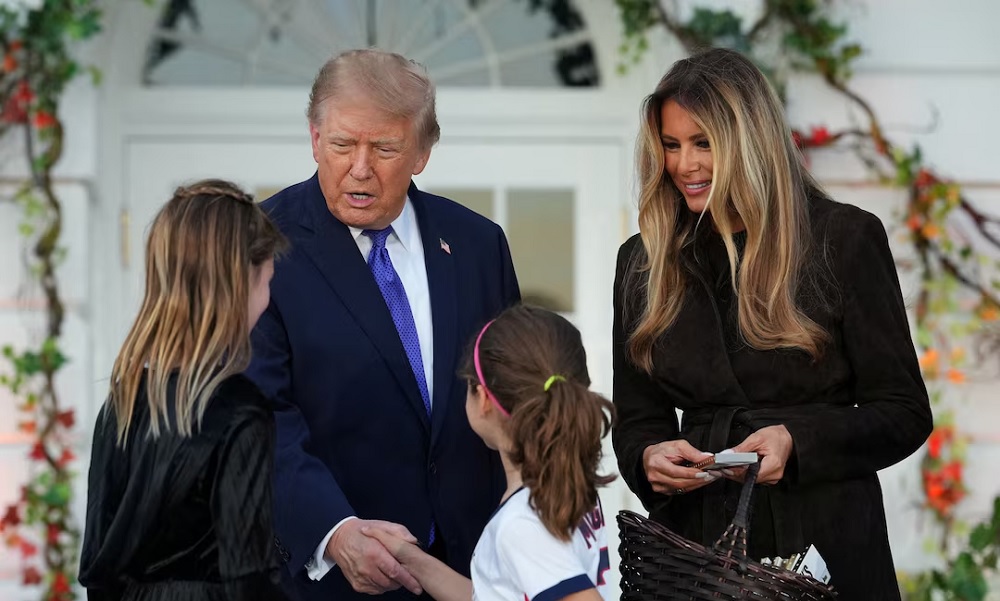
President Donald Trump’s White House has spent months preparing for a possible Democratic takeover of Congress, developing plans to keep advancing major parts of his agenda through executive power while bracing for investigations of his administration, Reuters reported citing a White House official and two people familiar with the plans.
Senior officials, including deputy chief of staff Stephen Miller and budget director Russell Vought, have been working with the White House Counsel’s Office since April to identify executive actions on immigration, tariffs, housing costs and federal spending that Trump could pursue without congressional approval, said the three people, who spoke on the condition of anonymity.
White House counsel Will Scharf and his team also are looking at “what Trump can legally do on his own, where he could push the limits of his authority and how to defend those decisions in court,” the White House official said.
The planning underscores a paradox of Tuesday’s midterm elections: Capturing control of Congress would give Democrats the power to investigate Trump, block legislation and constrain his spending priorities. But Trump would retain broad executive authority over trade, foreign policy and the federal bureaucracy that he has already used aggressively during his second term.
If Republicans lose control of Congress, Trump said he expects he could issue vetoes for “a month or two” before reaching compromises with Democrats.
“I guess I’ll become Mr. Veto,” Trump told the New York Post’s Pod Force One podcast in an interview excerpt released on Sunday. “And then at some point, we’ll probably make deals.”
Democrats need a net gain of four seats in the US House of Representatives as well as the US Senate to overturn Republicans’ narrow 218-214 and 53-47 majorities. Opinion polls favor Democrats to win the House, while the Senate remains too close to call.
For the past month, Trump has held rallies across the country trying to preserve Republican control of Congress, even as his aides privately prepare for a very different political landscape in 2027.
The White House pushed back on the prospect of Republican losses and accused the media of promoting a false narrative.
“This administration and commonsense Republicans will continue to secure our borders, restore law and order, putting more money back into the pockets of hard-working Americans, and deliver wins for the American people,” White House spokeswoman Lauren Bis said.
Among the executive actions under consideration are new tariffs on imports of critical minerals and wind turbines, tighter rules on visas for international students and temporary foreign workers, and measures aimed at lowering housing and construction costs, the White House official said.
Federal agencies have submitted proposals and legal reviews of actions the administration could take unilaterally, one of the people with knowledge of the plans said.
Vought, whose US Office of Management and Budget oversees federal spending, is examining which priorities can move forward using money already appropriated by Congress, two of the people said.
He also wants to change federal grant rules to give political appointees more say in which government programs receive taxpayer money, they said, potentially giving the White House more influence over federal spending without seeking congressional approval.
Trump has been briefed on the preparations and has taken part in discussions about them, the White House official said.
When asked how comfortable Trump would be governing through executive authority under a Democratic Congress, one of the people said, “very comfortable.”
GOVERNING WITHOUT CONGRESS
Trump has already tested the reach of presidential power since returning to office in January 2025, using executive authority to impose sweeping tariffs, intensify immigration enforcement, shrink the federal workforce, and pursue foreign-policy goals including the war against Iran without Congress’ approval or new laws.
A major exception was Trump’s massive package of tax and spending cuts that was passed by the Republican-controlled Congress and signed into law by the president in July 2025.
“President Trump in the last two years has basically ignored Congress and tried to do as much as possible through executive orders and executive power,” said Nathan Gonzales, editor at Inside Elections, which provides nonpartisan political analysis. “I think he will only continue if there are Democratic majorities.”
Trump has repeatedly invoked national emergencies to expand his ability to act without new legislation. Congress can vote to end those emergencies, but Trump could veto such a move, requiring two-thirds majorities in both chambers to override him.
A Democratic Congress could still create significant obstacles.
Control of the Senate would allow Democrats to block Trump’s judicial and executive-branch nominees, including any Supreme Court pick.
“I would anticipate they will be very reluctant to approve any of the president’s appointments,” said Andrew Busch, a public policy professor at the University of Tennessee, Knoxville, and author of a history of midterm elections.
Democrats could also refuse to pass Trump-backed legislation. But Trump could veto Democratic legislation he doesn’t like, and Democrats are unlikely to have enough votes in the House to override him.
Courts could block executive actions that exceed Trump’s legal authority. The White House plans to seek legal opinions from the Justice Department to determine what Trump can do without Congress and how to defend those actions if they are challenged in court, one of the people said.
DEMOCRATIC INVESTIGATIONS
One challenge, however, cannot be sidestepped through executive action: congressional investigations.
Reuters previously reported that senior House Democrats and committee aides have discussed using hearings, subpoenas and document requests to examine whether Trump has used his presidential power to benefit himself, allies or donors.
Trump aides have been preparing for that prospect for months, all three people said.
White House lawyers have been briefing political appointees and agency leaders on how to handle congressional inquiries, document requests and subpoenas, one person said. They have advised officials to be careful about what they put in writing.
They also sought a Justice Department opinion that could allow Trump to invoke executive privilege to shield communications with private advisers from congressional scrutiny, the person said.
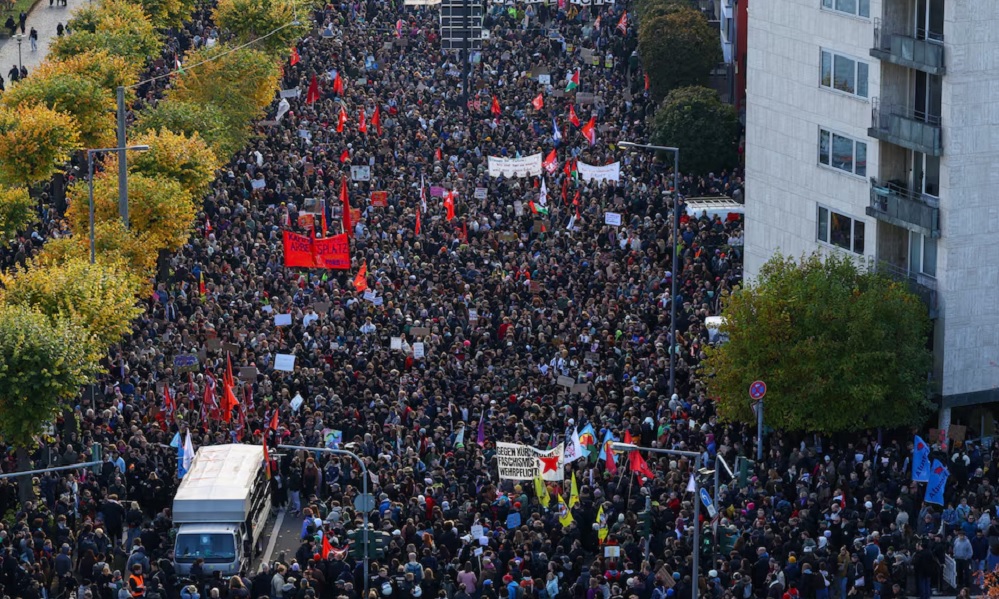
Hooded rioters looted stores in Frankfurt late on Saturday after tens of thousands of demonstrators took to the streets across Germany’s biggest cities to demand better education and lower living costs.
The protests followed a wave of Gen Z-led demonstrations across Europe this year. In Serbia, student-led activism helped unseat the country’s longtime leader at the ballot box, while protests in France have descended into rioting and looting, Reuters reported.
The German protests organised by the campaign group “Gen Z regelt” — “Gen Z takes charge” in German — took place in 34 cities including Berlin, Frankfurt and Munich. The group says it opposes compulsory military service and wants greater investment in education as many young Germans struggle with rising costs.
In Frankfurt, Germany’s financial hub, at least two stores were looted as protests turned violent, with several more damaged and police trying to get the situation under control, according to a Reuters witness.
“Violent disturbances are continuing,” Frankfurt police said on X. “In the city centre, windows have been smashed at several shops. Molotov cocktails are also being thrown at the emergency services. We urge all bystanders to avoid the city centre or to leave the area.”
Official numbers on Saturday afternoon suggested turnout was below the 182,000 participants that organisers initially expected. Police in Frankfurt, Munich and Berlin reported as many as 18,000 protesters, half the roughly 36,000 on the organisers’ website.
German authorities said Saturday’s demonstrations, which coincide with Halloween festivities, had been largely peaceful, but warned of attempts by extremist groups to exploit the movement.
In Hamburg, some barricades had been set on fire.
“We are here today to fight for peace and freedom, rather than for war and coercion,” Gen Z regelt spokesperson Lina Friedrich said in Berlin on Saturday.
“What matters most to us is better support for the health and education systems. We are against compulsory military service and we are in favour of a fairer distribution of the burden.”
LUXURY SHOPS BOARD UP WINDOWS
Parts of Germany’s far-left extremist scene and some groups linked to foreign extremist movements have joined efforts to mobilise support, according to the federal interior ministry.
“We all have those images from France in our minds — looting, burning houses, burning police vehicles, and attacks on police officers,” said Roman Poseck, interior minister for the state of Hesse, whose capital is Germany’s financial hub, Frankfurt.
“France must not be held up as a model in this regard.”
Some businesses across German cities boarded up windows and planned early closures ahead of the demonstrations due to concerns over possible unrest, including along Berlin’s luxury Kurfuerstendamm shopping boulevard.
Organisers have focused on what they see as the growing pressure on younger generations in Europe’s largest economy.
“The government has offered no response to our concerns other than to continue making cuts and piling further burdens upon us,” said Steve, an 18-year-old due to speak at a rally in Munich, addressing Chancellor Friedrich Merz.
“We will continue to exercise our fundamental right to assemble until you stop ignoring us.”
Germany has struggled to revive economic growth. The country also faces growing pressure on pensions and public services as baby boomers retire and the working-age population shrinks.
Questions have been raised about who is driving the campaign and whether it is genuinely youth-led, given the broad mix of political and civil society groups involved.
Germany’s national school student umbrella organisation, BSK, has distanced itself from the initiative and plans to hold a separate day of protest on November 20.
Sean Baker, a student at the Technical University of Berlin, said he would join the protests on Saturday to call attention to the poor state of buildings on campus.
“When you go inside and enter the rooms, it looks like an abandoned building,” he told Reuters. “Yet this is where we’re expected to study on a regular basis.”
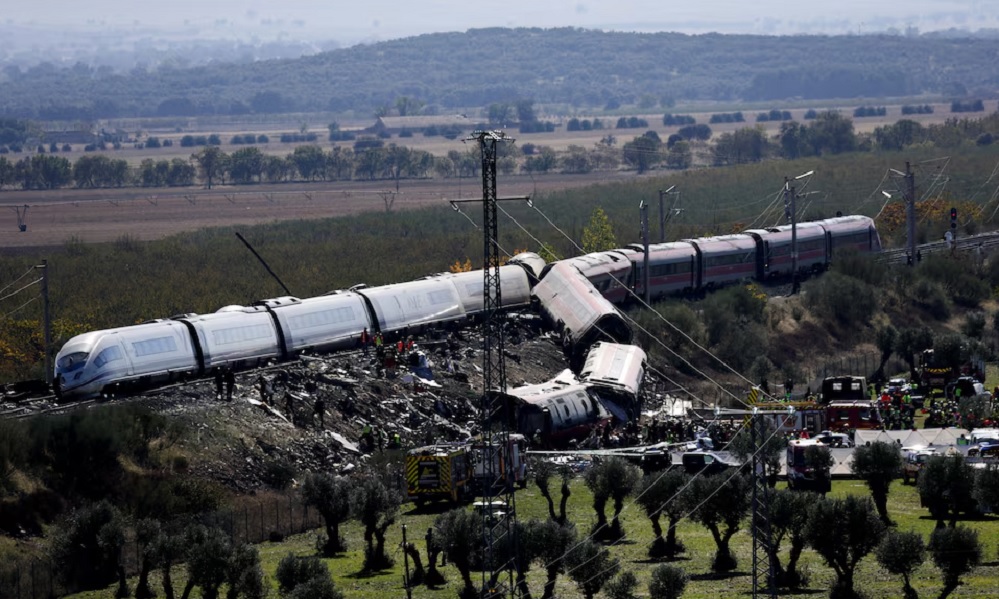
At least 68 people died when a Spanish high-speed express slammed into a stationary train on Wednesday, with rescuers scouring mangled carriages for more bodies after Spain’s second fatal rail crash this year and Europe’s deadliest since 2013.
Prime Minister Pedro Sanchez said “all of Spain” was in mourning after the collision, which the transport minister said happened after a Renfe service was authorised to proceed despite an active red signal due to a stationary train ahead, Reuters reported.
Oscar Puente told reporters in Madrid that the red signal was issued due to a computer communications failure, which automatically stopped traffic, but an erroneous decision was then taken to restart the Renfe train.
Sanchez said in a televised address from near the site south of Madrid that the “terrible tragedy” would be investigated and vowed to address any failures that came to light, adding that the causes of the two crashes appeared to be unrelated.
“If we need to further strengthen safety in order to rebuild confidence in our high-speed rail system, we will do so, because what is unacceptable for a country like Spain is to suffer two high-speed rail accidents in the same year,” Sanchez said.
Spain’s opposition People’s Party said it had cancelled all campaign events for the day, ahead of elections next month.
TRAPPED AMONG SEATS
At the scene in rural Castilla-La Mancha, ambulances, funeral home vans and helicopters assembled beside one of the trains on an elevated stretch of track, while twisted metal and wreckage lay scattered down an embankment where at least three carriages had plunged.
The head of the regional government, Emiliano García-Page, said the death toll had risen to 68, while rescuers searching for other victims as darkness fell did not know if other fatalities would be discovered once the carriages were moved.
Passengers, some splattered with blood or bandaged, were evacuated along a nearby road after the crash, which Spain’s health minister, Monica Garcia, said had injured 80 people, 15 of them very seriously.
Salvador Arriza described the chaos in his carriage.
“I was very close to the door, but (other passengers) were breaking the windows to be able to get out. Some people practically couldn’t move because they were trapped amongst the seats,” said the 62-year-old.
INVESTIGATION UNDER WAY
The disaster, the deadliest train accident in Europe since a 2013 derailment in Spain’s Santiago de Compostela in which 80 people died, follows another fatal accident in January involving high-speed trains operated by the same companies on the same line, in which 46 people died.
In that collision, a train derailed and smashed into an oncoming train, prompting a debate over investment in railway maintenance.
Renfe said on Wednesday that after being authorised to continue its journey, its train had crashed into the Iryo train that had remained stationary “for reasons we don’t know”.
“The Renfe train continued on its way as instructed, and a collision occurred. The exact sequence of events, the traffic conditions and the circumstances of the impact will have to be established by the investigation,” Renfe said in a statement.
Iryo, which said it had activated emergency protocols, and state-owned infrastructure operator Adif did not respond to requests for comment.
PASSENGERS SENT FLYING
A Castilla-La Mancha government spokesperson said 147 people were on board the Iryo train and 397 on the Renfe service when the collision occurred at about 9 a.m. (0800 GMT), derailing two Iryo carriages.
Passenger Rafael Barcelo said he felt lucky as he had stepped away from his seat for a coffee, adding there had been at least eight victims from his carriage.
“We were having breakfast, drinking a coffee when we felt a very strong impact and we were sent flying,” he said.
At a school in Urda where relatives had been directed, a woman who gave her name as Ana fought back tears as she said there was still no news of her husband, Pepe. His name was not among those identified, although police had found their dog, Trece.
Renfe said it had opened a special line for families of victims. The railway operator said it had suspended ticket sales on the Madrid-Andalusia high-speed corridor until December 13.
MAINTENANCE SPENDING
A preliminary Civil Guard report in February pointed to defects in the track, rail or a weld between two sections of track as the leading theory behind January’s accident, though investigators kept seven other possibilities open.
Spain’s railway safety authority has reported that accidents, including derailments and collisions, increased from 45 in 2016 to 57 in 2024 and 69 last year.
A Reuters analysis of data from the Spanish competition authority showed some 25 million passengers used a high-speed train in Spain in the first half of 2026, a drop of around 14% compared with the same period last year.
Meanwhile, European Commission data shows Spain’s maintenance investment in its roughly 4,000 km (2,485 miles) of high-speed lines has lagged other large European countries.
Although Spain spent an average of about €1.5 billion a year on its high-speed network between 2018 and 2022, more than any other European country, most of that money went toward new construction. Only about 16% was earmarked for maintenance, renewals and upgrades.


Afghanistan’s pine nut exports increase by 69 percent

Suhail unveiled as official mascot for FIBA Basketball World Cup 2027 in Qatar

ATN signs deal to broadcast Afghanistan Futsal Premier League seasons 5 and 6

IEA expresses concern over US plan to transfer Afghan migrants to Pakistan
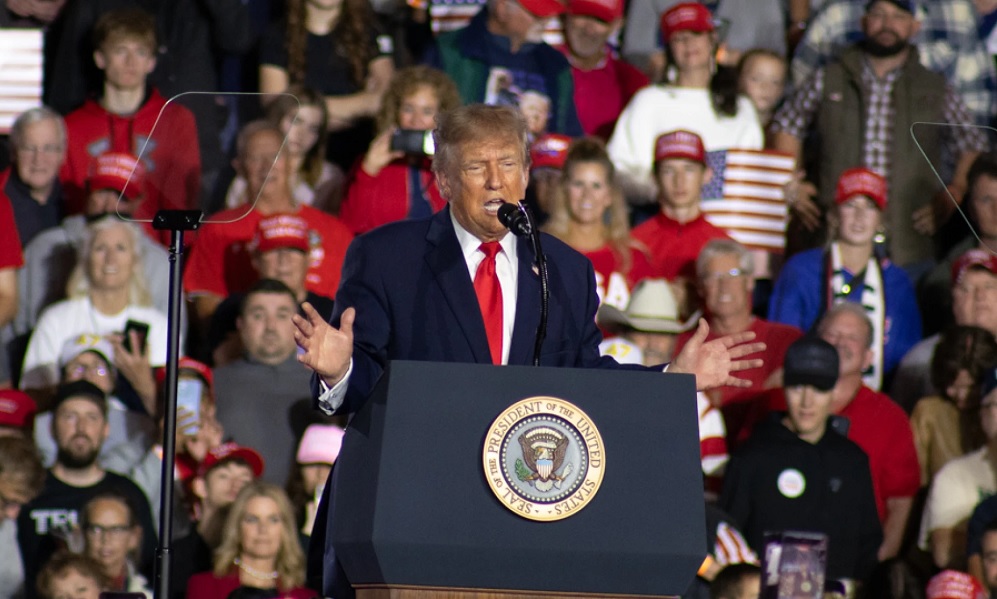
Trump claims he could have won Afghanistan war in three weeks

Cricket Bonanza: Afghanistan set for packed international schedule

Afghanistan finish runners-up after 6-0 defeat to Brazil in futsal final

India, Pakistan summon top diplomats over border incident

Afghanistan inaugurates 121 km Wakhan road to China border

Trump says US will not attack Iran before midterm elections in November

Tahawol: US offers to ease Kabul-Islamabad tensions
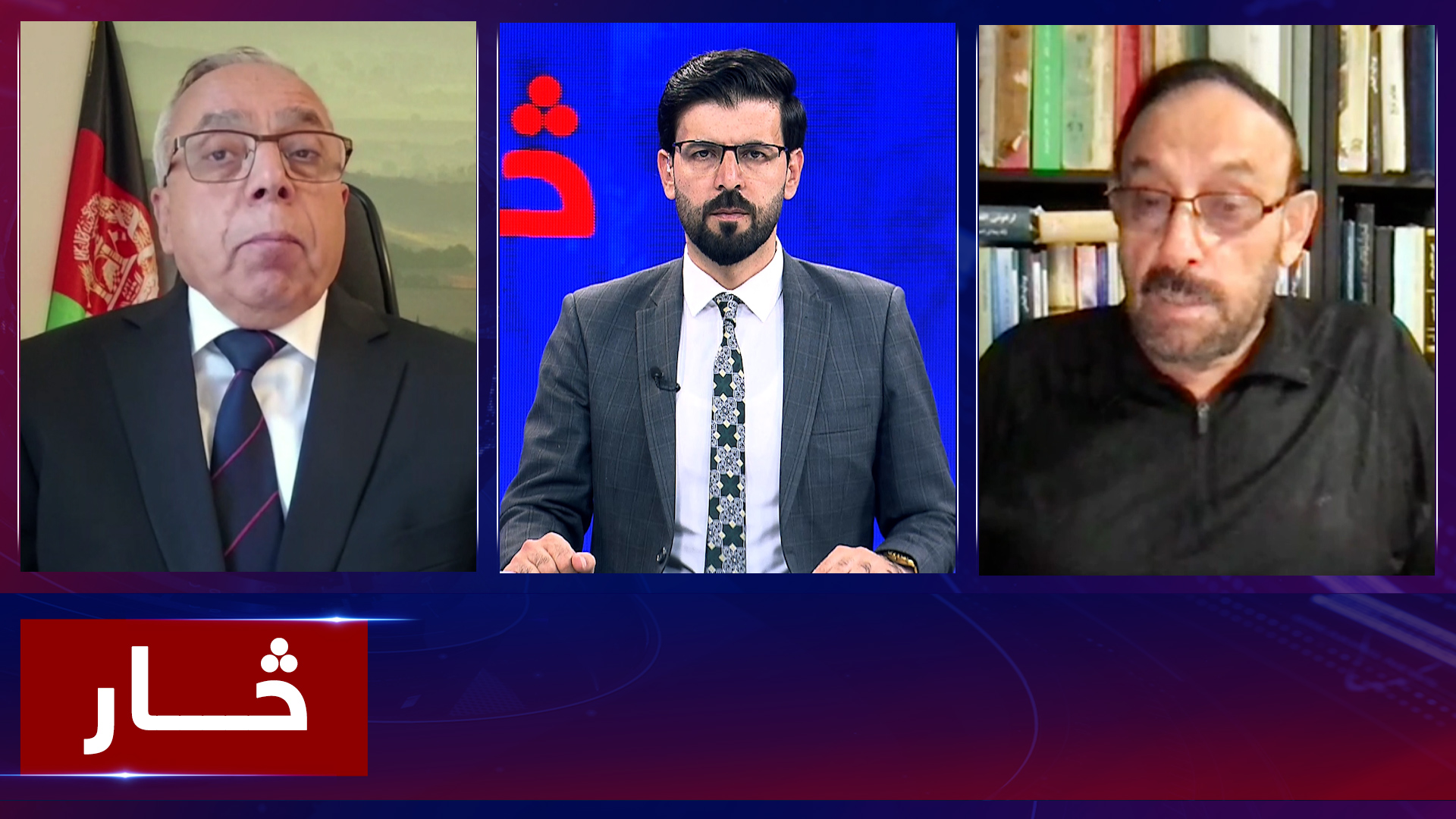
Saar: Identity of ISIS suspect arrested in pakistan revealed

Tahawol: Disruptions in Iran’s trade with neighboring and regional countries

Saar: Regional opportunities and challenges for Afghanistan discussed

Exclusive interview with Nooruddin Turabi, Director General of ANDMA
-
 Sport4 days ago
Afghanistan beat India 2-1 at FIFA U-15 World Cup & Festival
-
 Business2 days ago
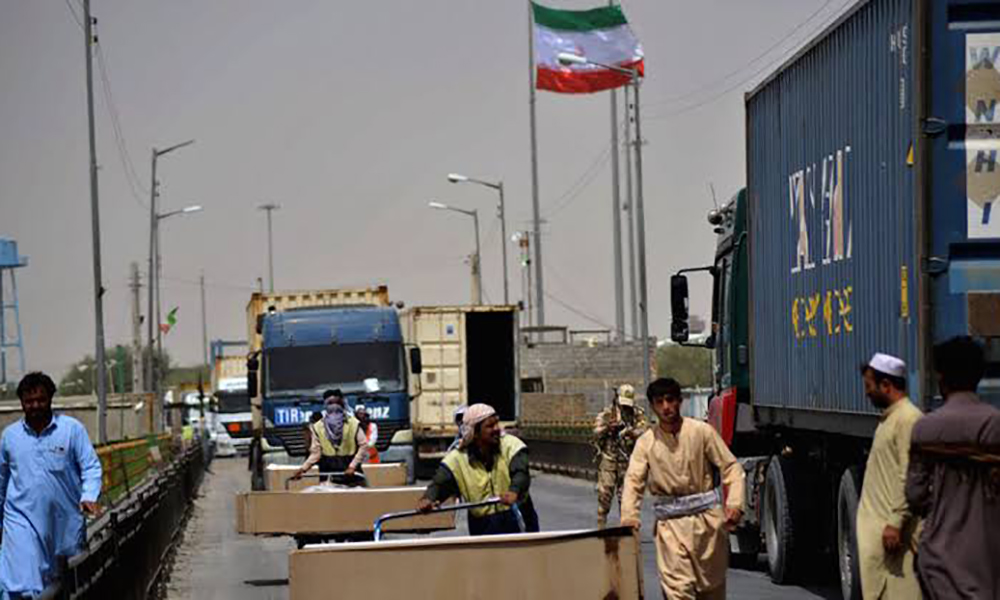
US sanctions and blockade measures disrupt Iran’s trade with Afghanistan and regional neighbors
-
 Latest News4 days ago
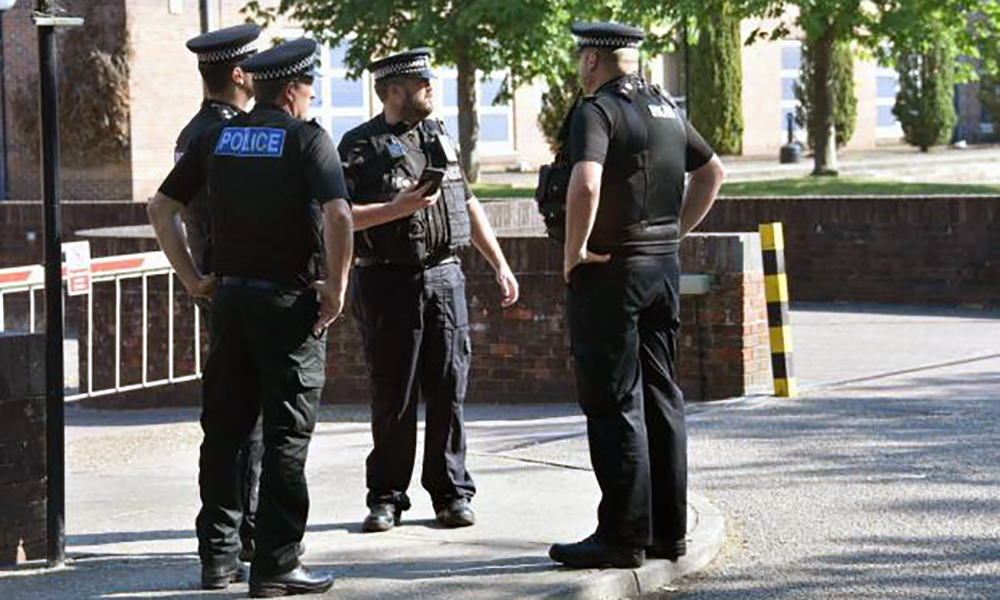
Trial of eight Afghan men accused of child sexual exploitation moved to London
-
 Sport2 days ago
Afghanistan storm into Hong Kong Sixes final after beating Scotland
-

 Sport3 days ago
Rashid Khan makes history as first-ever bowler to claim 200 T20I wickets
-
 Sport1 day ago
Afghanistan crowned 2026 Hong Kong Sixes champions after beating Australia in final
-
 Business3 days ago
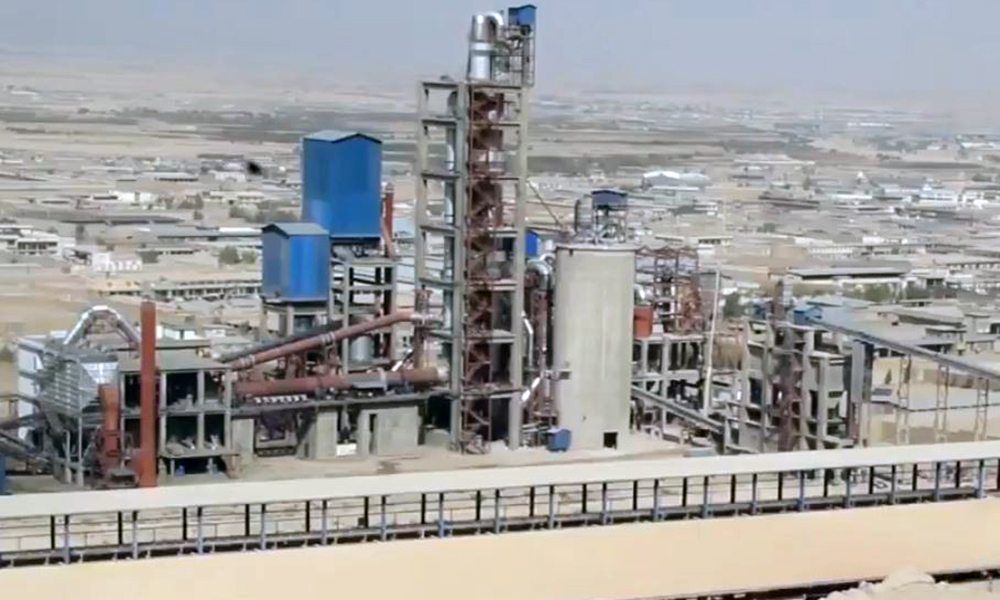
Afghanistan inaugurates first phase of Kandahar cement factory
-
 Health3 days ago
Afghanistan to launch nationwide polio vaccination campaign