
World
China’s Xi to meet with Saudi and Arab leaders in Riyadh


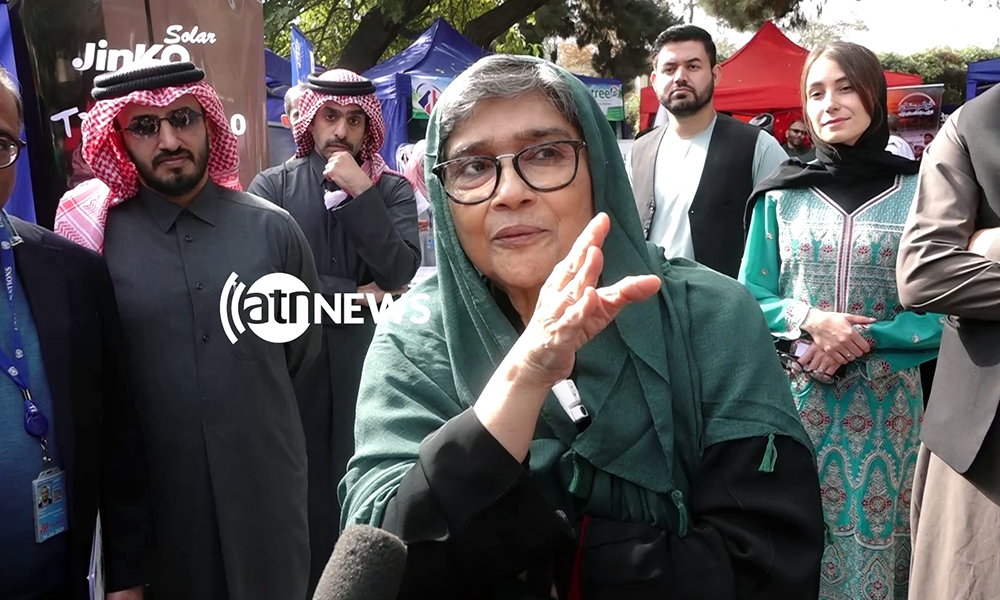
Saudi Arabia aims to increase trade with Beijing and discuss regional security when China’s president visits Riyadh this week, with the kingdom seeking to expand superpower ties beyond the increasingly fractious alliance with the United States.
Crown Prince Mohammed bin Salman is expected to mark Xi Jinping’s arrival on Wednesday with a lavish welcome that diplomats in the region have said may contrast starkly with the muted reception offered to U.S. President Joe Biden in July, Reuters reported adding the world’s biggest oil exporter is reshaping its foreign policy to reflect the new realities of global power.
Besides rolling out the red carpet for bilateral meetings with Xi during his two-day visit, the Saudi rulers will also convene fellow Gulf dynasts for a summit with him, followed by a wider gathering with other Arab leaders.
The United States, which for decades has been Saudi Arabia’s main security guarantor and which remains its main defense supplier, has expressed concerns about growing Chinese involvement in sensitive infrastructure projects in the Gulf.
The Chinese delegation this week is expected to sign agreements worth $30 billion with Saudi Arabia, SPA reported.
China sees Saudi Arabia as its key ally in the Middle East due not only to its oil exports but also a shared suspicion of Western interference, especially on issues such as human rights.
Foreign Minister Wang Yi said in October that Saudi Arabia was a “priority” in China’s overall and regional diplomatic strategy.
Although China has taken a more involved role in global politics in recent years, its relationship with Saudi Arabia remains firmly rooted in trade.
Besides oil sales, Saudi and Chinese state companies have joint ventures in refining and petrochemicals, and Riyadh is seeking foreign investment to help it diversify its economy into manufacturing, including of cars and arms.
Its plans for massive infrastructure development, including the $500 billion NEOM megaproject in the northwest, could also create new opportunities for Chinese construction companies that have grown increasingly active in the Gulf.

World
First Muslim US senator-elect El-Sayed calls for review of aid to Pakistan
He also called for restrictions on US arms sales to Israel, alleging that some American-supplied weapons were being used in actions involving what he described as genocide and apartheid.
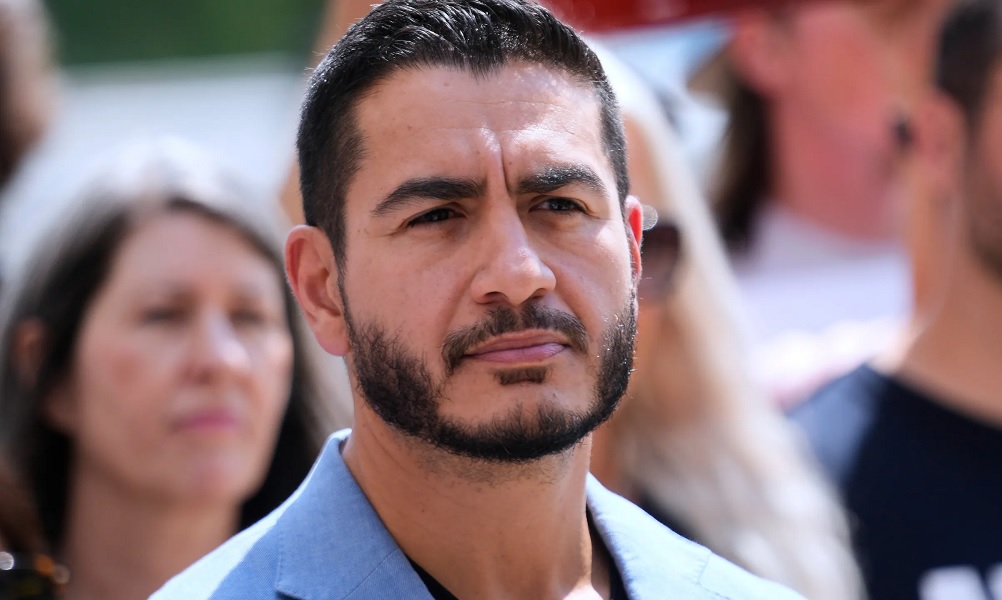
Abdul El-Sayed, the first Muslim elected to the US Senate, has called on Washington to reconsider its financial and military assistance to Pakistan and several other countries, arguing that American taxpayer money should not be used to support violations of international law.
El-Sayed, a Democrat who recently defeated Republican candidate Mike Rogers in Michigan, said the United States must ensure that its foreign assistance policies are consistent with international law.
In an interview with ABC, he stressed that the issue should not be limited to Israel, but should also include Pakistan, Egypt and Jordan.
“When we are giving money to a country that is using our money to violate international law, that seems to me a good place to start,” El-Sayed said.
His remarks come after US President Donald Trump announced plans to end approximately $4 billion in annual military assistance to Israel by the end of the year.
El-Sayed welcomed Trump’s proposal to reduce military aid to Israel, saying he agreed with the president’s approach.
He also called for restrictions on US arms sales to Israel, alleging that some American-supplied weapons were being used in actions involving what he described as genocide and apartheid.
The United States currently provides Israel with $3.8 billion in annual military assistance under an agreement that remains in effect until 2028.
However, El-Sayed’s criticism extends beyond Israel. He has also questioned US military assistance to Egypt, Saudi Arabia, Jordan and Pakistan, arguing that American taxpayer money should instead be directed towards domestic priorities.
World
Houthi-run health ministry says airstrikes kill 33 near Yemen capital
The ministry said the strikes hit homes in the town of Bani Hushaysh, a Houthi stronghold east of Sanaa, and that most of those killed were women and children.
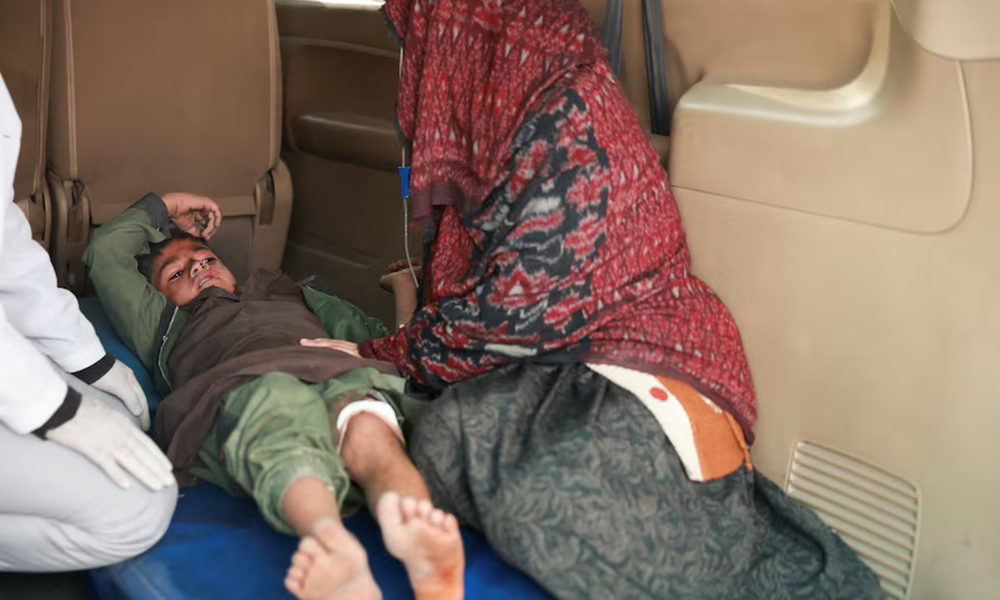
At least 33 people were killed and 39 wounded in what the Houthi-run Saba news agency said were Saudi airstrikes on a village near Yemen’s capital Sanaa on Saturday, in one of the deadliest reported attacks since fighting between Saudi Arabia and the Iran-aligned group resumed in July.
Reuters could not independently verify the account. Saudi Arabia’s Center for International Communication said it was investigating the report.
The renewed fighting between Saudi Arabia and the Houthis has shattered a 2022 UN-brokered truce that largely halted attacks between the Saudi-led coalition and the group, which controls Sanaa. The Houthis have since launched missile and drone attacks on Saudi airports and oil facilities, while Riyadh has carried out airstrikes in Yemen in support of its Yemeni allies.
The ministry said the strikes hit homes in the town of Bani Hushaysh, a Houthi stronghold east of Sanaa, and that most of those killed were women and children.
Abdul-Aziz al-Dailami, director of Sehatuna Hospital in Sanaa, said many victims remained trapped under the rubble, including first responders.
“The strikes keep coming. Just as rescuers arrive, another strike hits. We have even lost some of our own medical responders, who have been martyred,” he told Reuters.
“We received a number of wounded individuals in very critical condition, with injuries to the head, chest and legs, as well as fractures,” al-Dailami added.
The fighting, a spillover from the wider US-Iran conflict, has revived a complex 12-year war in Yemen that has caused one of the worst humanitarian crises globally and fragmented the Arab world’s most impoverished country.
The number of people displaced since the latest round of fighting began has climbed to more than 200,000, the International Organization for Migration said in October.
World
White House declares ‘Trump is still your president’ after Republicans suffer sweeping midterm defeats
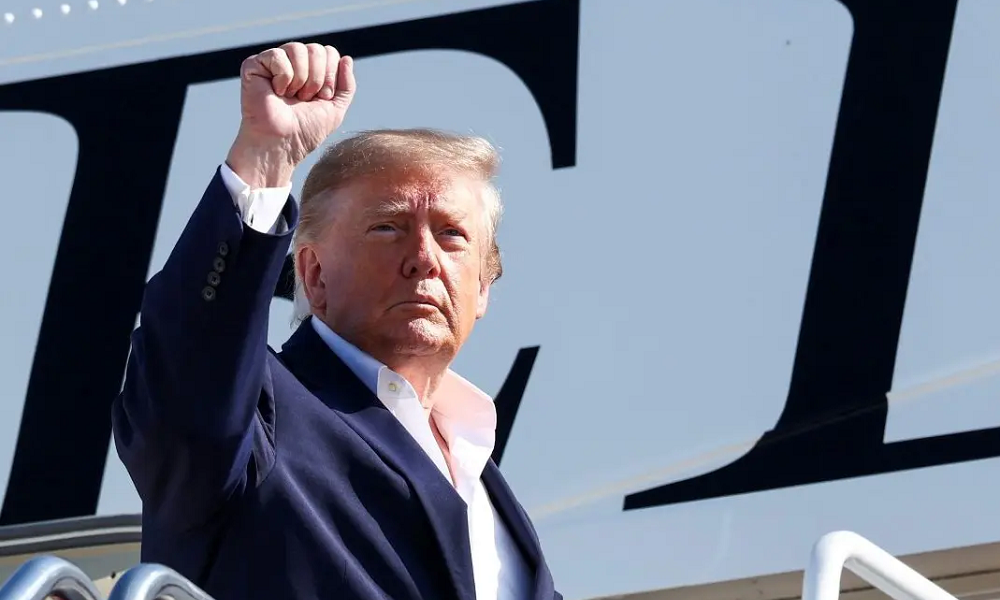
The White House has issued a defiant message following a crushing performance by Republicans in the US midterm elections, declaring that Donald Trump remains president despite significant gains by the Democrats.
In a post on X on Wednesday, the White House shared an image of Trump bearing the words: “TRUMP IS STILL YOUR PRESIDENT.” The accompanying message added: “Thank you for your attention to this matter.”
The statement came after Democrats secured a Senate majority and made major gains in traditionally Republican strongholds, including Texas, Kansas, South Carolina and Ohio.
The midterm elections, which determine control of Congress, were widely viewed as a referendum on Trump’s presidency. All 435 seats in the House of Representatives and 35 of the 100 Senate seats were contested.
The war in Iran and mounting cost-of-living pressures were among the issues believed to have contributed to the Republican setbacks.
Trump acknowledged that the conflict with Iran had affected the election results, particularly through its impact on fuel prices, but defended his decision to pursue the war.
Speaking to Politico, he said the conflict had pushed gasoline prices higher in the short term, but maintained that military action was necessary in the long run.
Iranian officials welcomed the election outcome. Parliament Speaker and chief negotiator Mohammed Bagher Ghalibaf wrote on X that American voters had rejected war, saying: “Conscience or the cost of living, Americans said NO TO WAR.”
Trump also reflected on his campaign rallies, saying the enthusiasm surrounding his appearances had failed to translate into support for Republican candidates.
“They just couldn’t transfer that love,” he said.
Although Trump indicated he was prepared to work with Democrats, he warned that political gridlock could follow, threatening to use his presidential veto to block their legislative agenda.

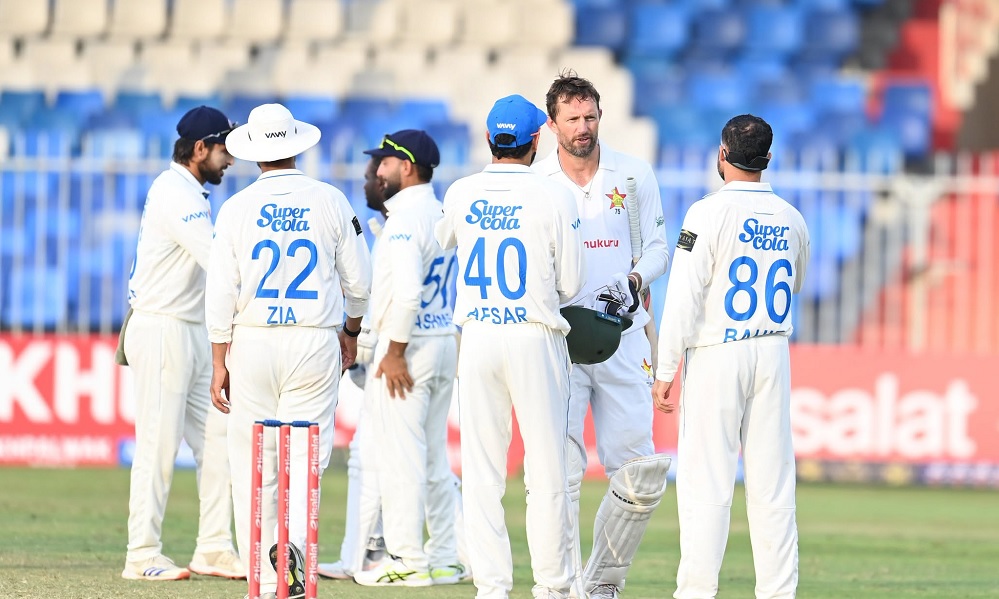
First Test between Afghanistan and Zimbabwe ends in a draw
First Muslim US senator-elect El-Sayed calls for review of aid to Pakistan

Portugal beat Afghanistan 2-0 in Dakar Youth Olympics futsal semi-finals
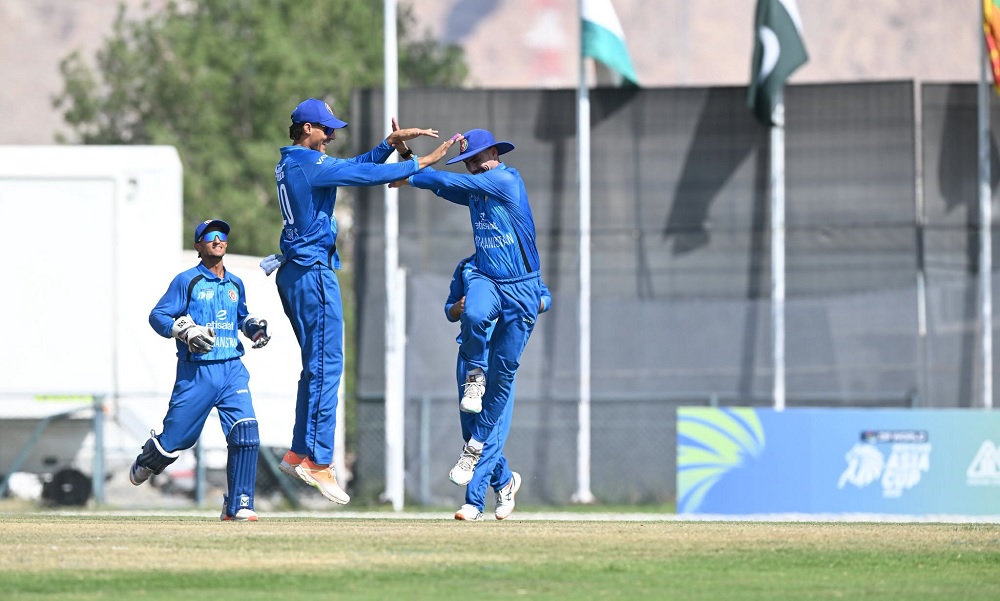
Afghanistan beat Sri Lanka by 106 runs in Under-19s Asia Cup
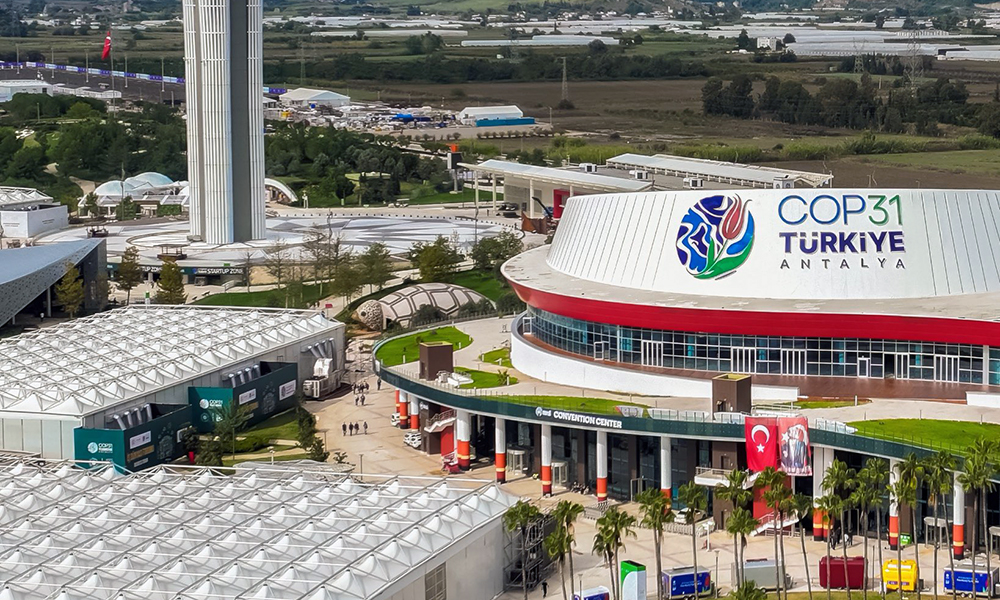
COP31 opens in Türkiye: World leaders urged to turn climate promises into action

Afghanistan finish runners-up after 6-0 defeat to Brazil in futsal final

Trump says US may strike Iran’s ‘Pickaxe Mountain’ nuclear facility

Afghan futsal coach: Brazil tournament is first step towards new goals and World Cup

Houthis warn airlines to avoid Saudi airports after deadly Riyadh attack

Pakistan deploys military to Peshawar after emergency rule declared
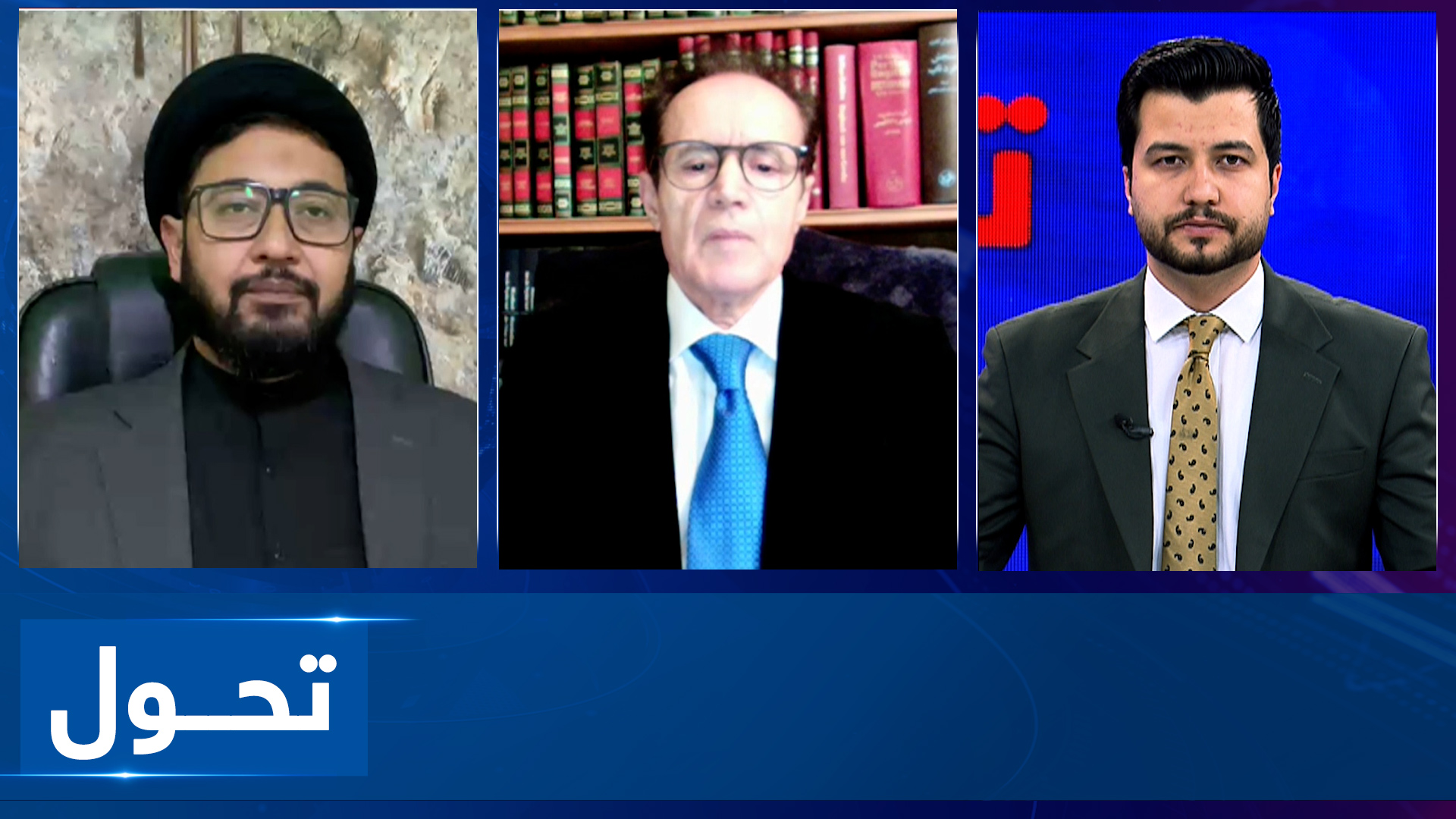
Tahawol: Geopolitical developments in the Middle East
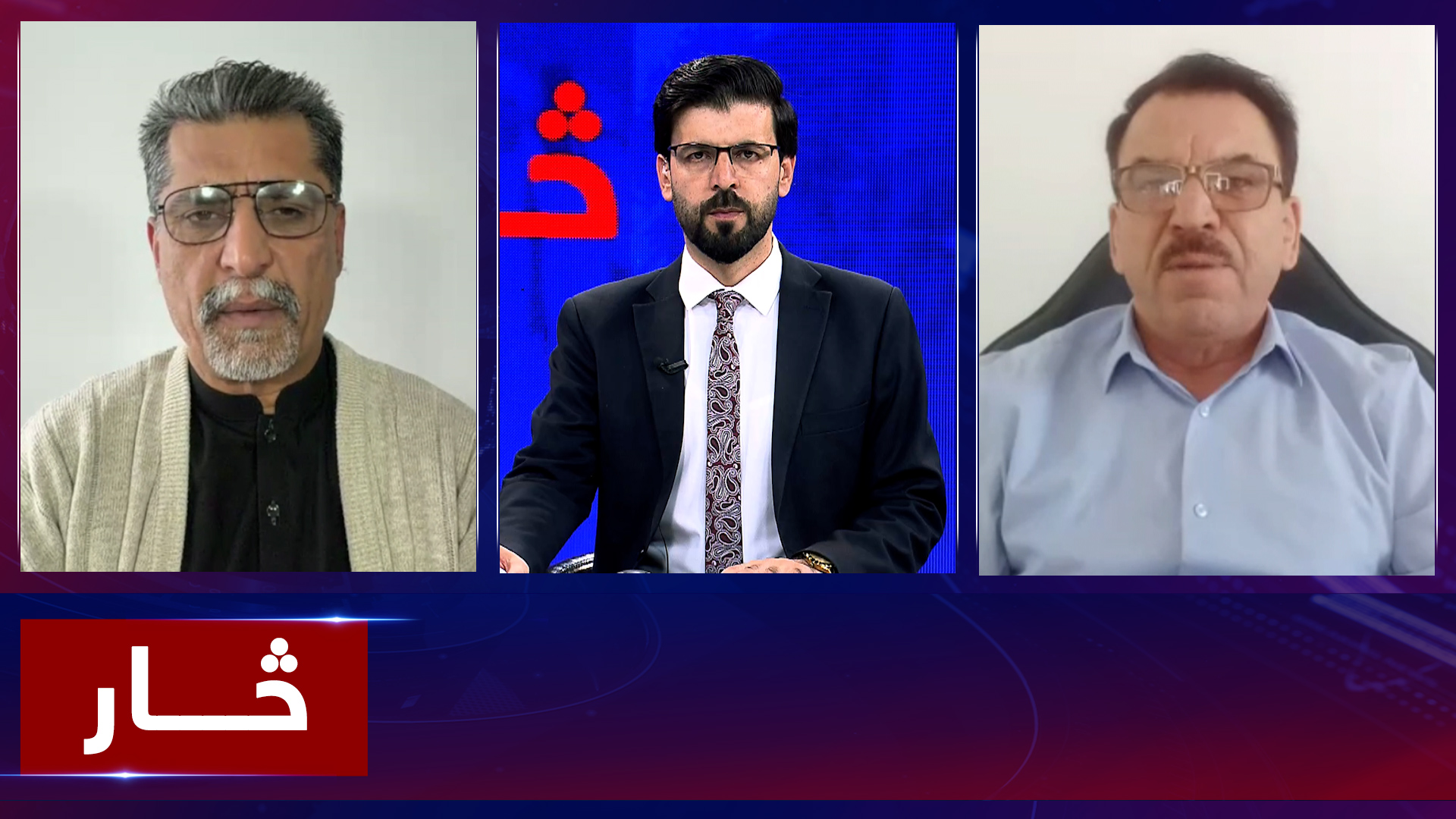
Saar: EU’s engagement with Afghanistan
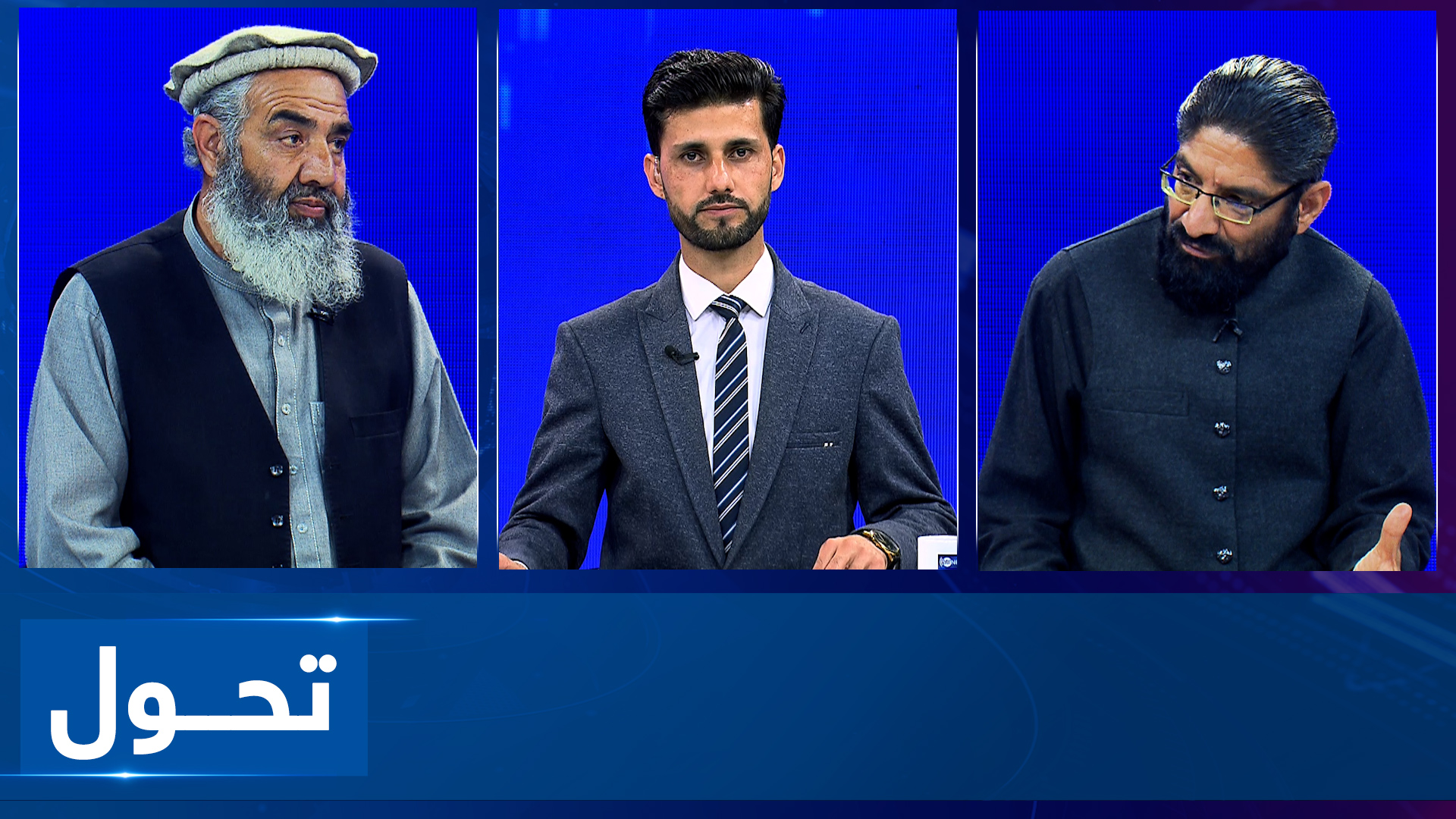
Tahawol: Afghanistan’s participation in Shanghai Plus security meeting discussed
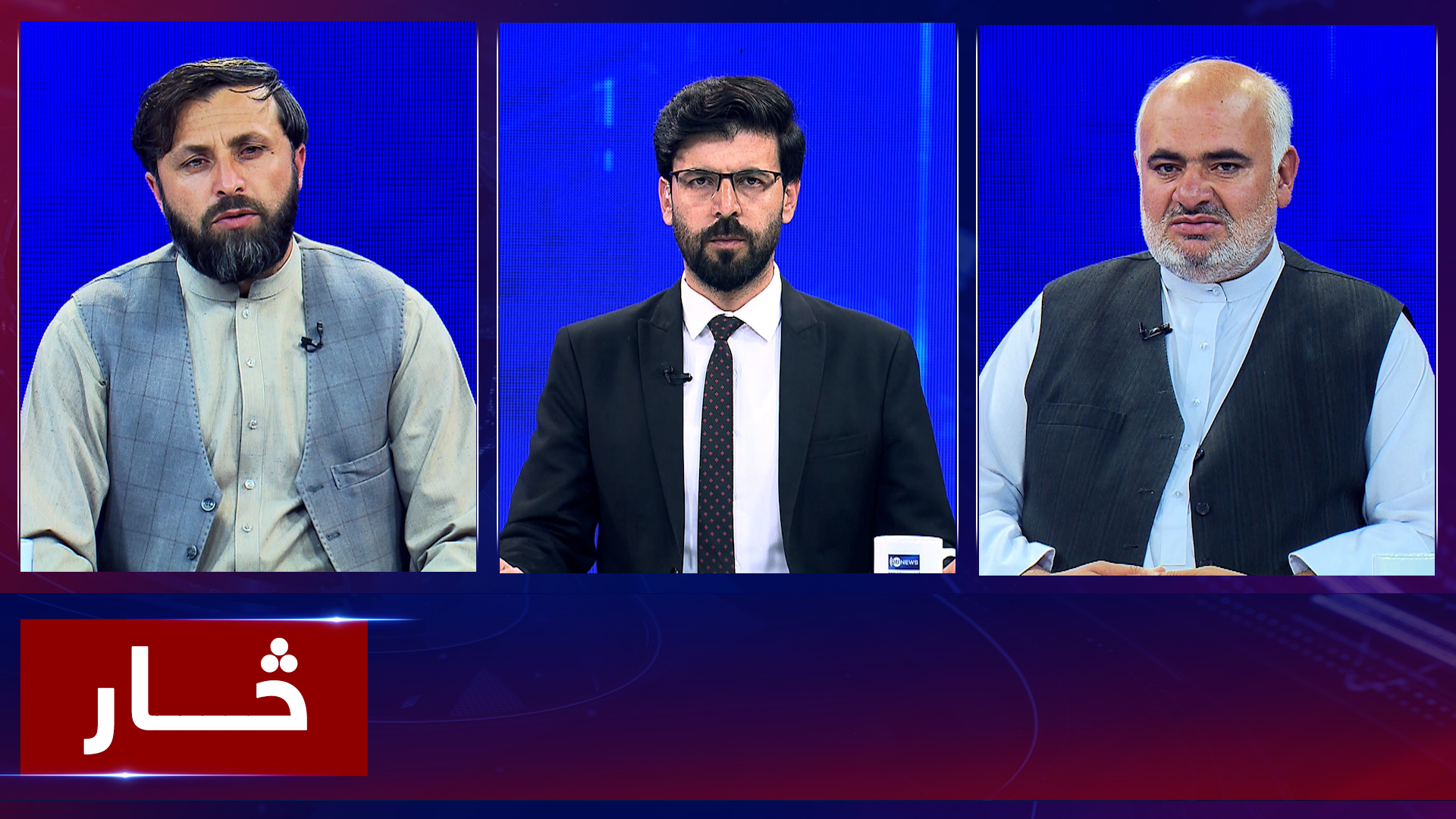
Saar: Afghanistan’s declining humanitarian aid funding discussed
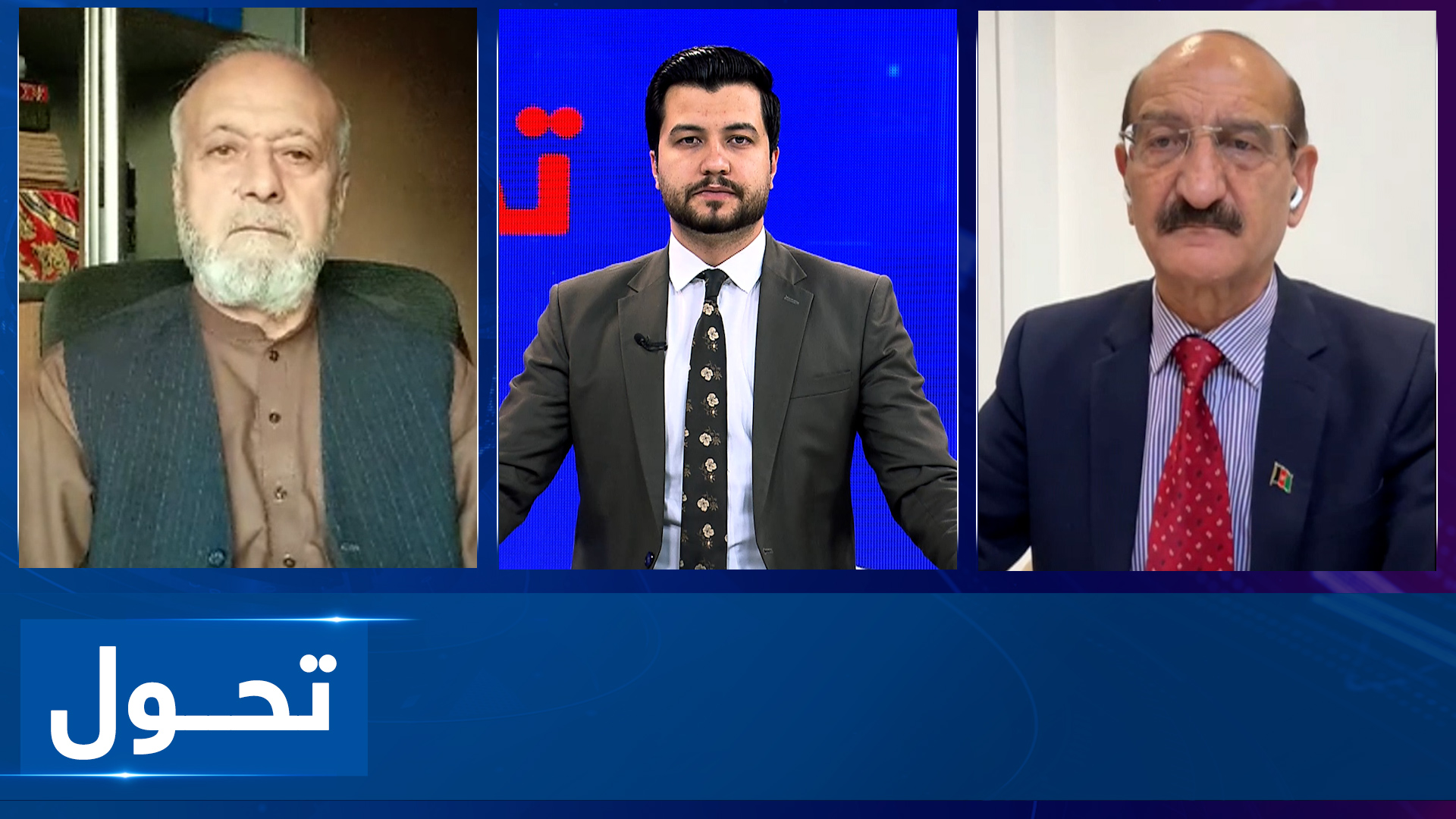
Tahawol: Calls for stronger joint action against terrorism discussed
-
 Sport5 days ago
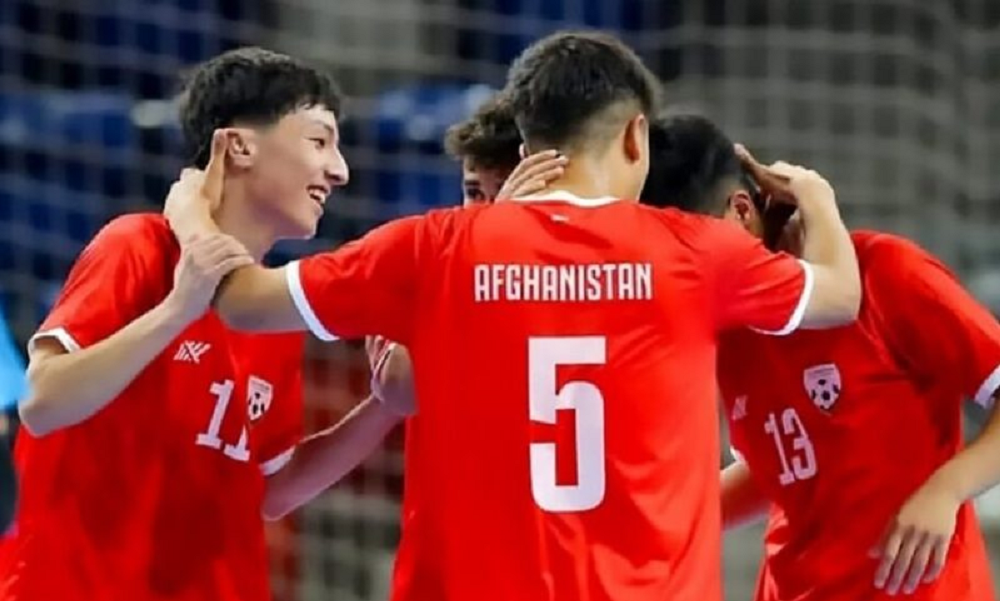
Afghanistan suffer narrow defeat against Argentina at Dakar Youth Olympics
-

 International Sports5 days ago
Cristiano Ronaldo announces international retirement
-
 Regional5 days ago
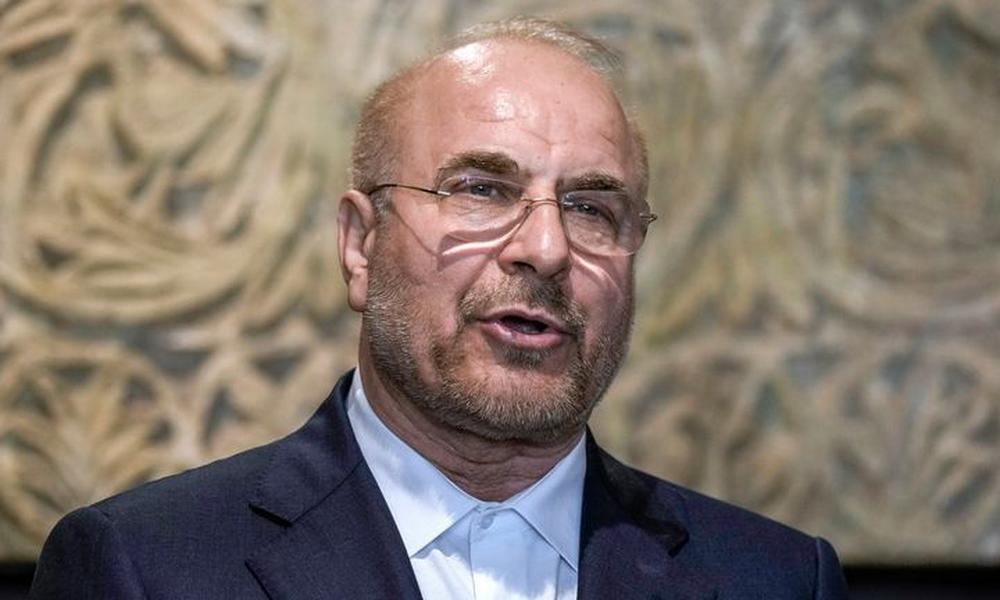
Iran says US voted ‘No to War’ after Republican midterm losses
-
 Regional5 days ago
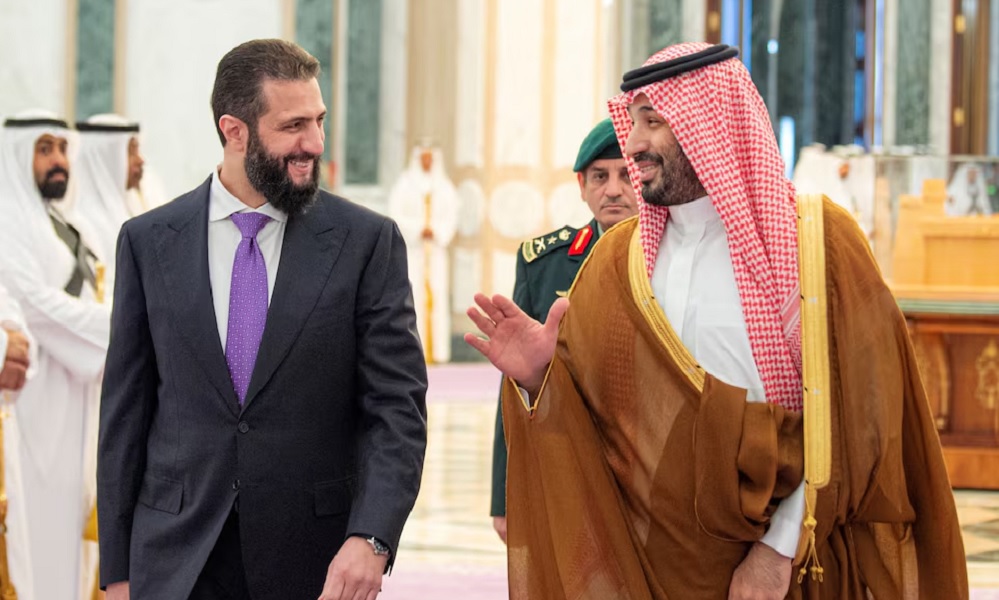
Saudi, Syrian defence ministries sign cooperation agreement
-
World5 days ago
White House declares ‘Trump is still your president’ after Republicans suffer sweeping midterm defeats
-
 Latest News5 days ago
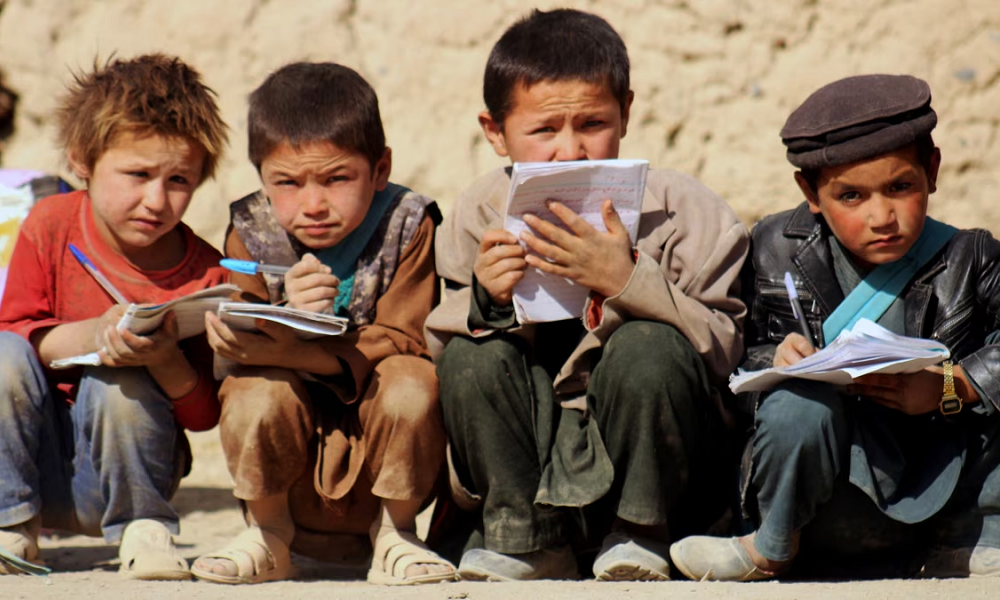
More than half of Afghan primary school-age children out of school: UN report
-
 Regional4 days ago
Iran sent nuclear proposal to the US via Qatar, senior Iranian official tells Reuters
-
 Sport3 days ago
Abu Muslim Farah claim convincing 3-0 win over Omar Zawak in ACL