
Opinion
El-Sayed’s historic victory opens a new chapter for Muslim Americans
His election to the US Senate is a landmark moment for Muslim representation. But the ambitious Michigan Democrat could also be a political figure to watch in the years ahead.

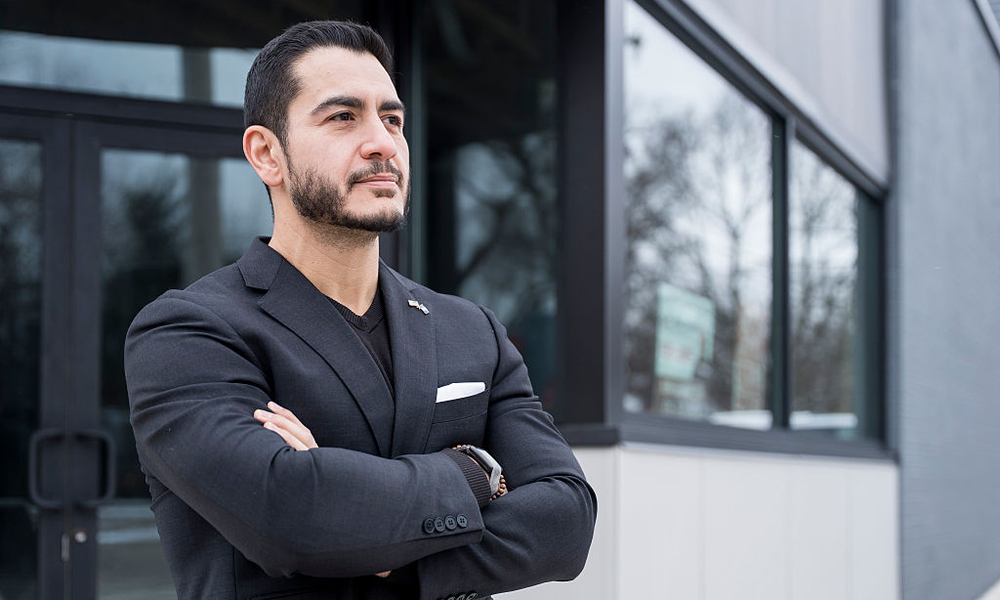
For Muslim Americans, Abdul El-Sayed’s election to the US Senate is about much more than winning a seat in Michigan. It is a moment that breaks a barrier that has stood for generations and puts a Muslim voice inside one of the most powerful political institutions in the United States.
El-Sayed, who defeated Republican Mike Rogers in Michigan’s Senate election, this week became the first Muslim elected to the US Senate. It is a remarkable milestone for a community that has often found itself under scrutiny in American political life, and whose representation at the highest levels of government has remained limited.
His victory is also the culmination of an unconventional political journey, taking him from public health work in Detroit to a campaign that challenged some of the biggest names and financial interests in American politics.
From Michigan to Oxford and back
Born and raised in southeast Michigan to an Egyptian immigrant father, El-Sayed has deep roots in the state he will now represent in Washington.
He studied at the University of Michigan before winning a Rhodes Scholarship to Oxford University, where he earned a doctorate in public health. He later completed his medical degree at Columbia University.
But rather than follow a traditional medical career, he turned to public service. In 2015, he became director of Detroit’s Health Department, taking on the difficult task of rebuilding the agency following the city’s bankruptcy.
His work focused on issues that directly affected people’s lives, including childhood lead exposure, access to healthcare and medical debt. He later headed Wayne County’s Department of Health, Human and Veterans Services.
It was this experience, and his belief that healthcare and basic services should not depend on a person’s income, that would become central to his political message.
He lost once, but came back fighting
El-Sayed’s first major attempt at elected office came in 2018, when he ran for governor of Michigan. He attracted considerable attention from progressive Democrats but lost the primary to Gretchen Whitmer.
It might have ended his political ambitions. Instead, he stayed in the public conversation through writing, podcasting and political commentary, building a following and keeping his name in the mix.
When Democratic Senator Gary Peters announced he would not seek re-election, El-Sayed saw another opportunity.
He launched his Senate campaign in April 2025 with just four staff members. What followed was an energetic, grassroots effort that took him to 110 cities and more than 500 campaign events. His volunteer network eventually grew to around 12,000 people.
He made a point of meeting voters face to face, while also using podcasts and social media to reach younger Americans who have become increasingly sceptical of traditional political campaigning.
Taking on the big money
One of the strongest themes of El-Sayed’s campaign was his refusal to accept corporate campaign contributions. He argued that politicians should answer to voters, not wealthy donors or powerful business interests.
His campaign relied on individual contributions and grassroots fundraising, eventually raising approximately $53.8 million during the election cycle.
That did not mean he avoided the big-money political battle. Far from it.
During the Democratic primary, AIPAC-affiliated groups spent heavily supporting rival Haley Stevens, while other outside groups spent substantial sums opposing El-Sayed. He nevertheless won the Democratic nomination.
His campaign centred on affordable healthcare, economic fairness, support for working families and reducing corporate influence. He also took a firm position against US military assistance to Israel, an issue that brought both support and criticism.
It was a tough contest, but El-Sayed managed to build a coalition that carried him through the primary and ultimately to victory over Rogers.
A moment that matters beyond Michigan
For Muslim Americans, the significance of this election goes well beyond party politics.
Muslims have been part of American society for generations, contributing to business, medicine, education, public service and countless other fields. Yet their presence in the country’s most powerful political institutions has remained limited.
El-Sayed’s election changes that picture. His arrival in the Senate sends a message that a Muslim American, including someone from an immigrant family, can compete at the highest level of national politics and win.
His faith and Egyptian heritage became subjects of political debate during the campaign, but he continued to focus on the issues he said mattered to voters across Michigan.
There is also a wider political story here. El-Sayed has shown that a candidate without an established political machine can build a formidable campaign through organisation, persistence and a message that resonates with ordinary voters.
Could Washington be just the beginning?
At 42, El-Sayed is entering the Senate with time and opportunity on his side. His public health background, campaigning ability and appeal to progressive voters could make him a force to be reckoned with in American politics.
The Senate will give him a national platform, and how he uses it could determine just how far his political ambitions take him.
It may be too early to talk seriously about a presidential run, but it is hardly far-fetched to imagine his name one day appearing on a Democratic presidential ballot.
American politics has a habit of producing unexpected candidates, and El-Sayed has already shown that he should not be underestimated.
For now, his immediate achievement is historic enough. He has broken a barrier for Muslim Americans and opened a door that has never before been open to one of their own in the US Senate.
What he does with that opportunity could be an even bigger story.


Opinion
Rising from Hardships to Glory
The following article was written by Zhao Xing, China’s ambassador to Kabul.

A Story of Success for a Century-old Party
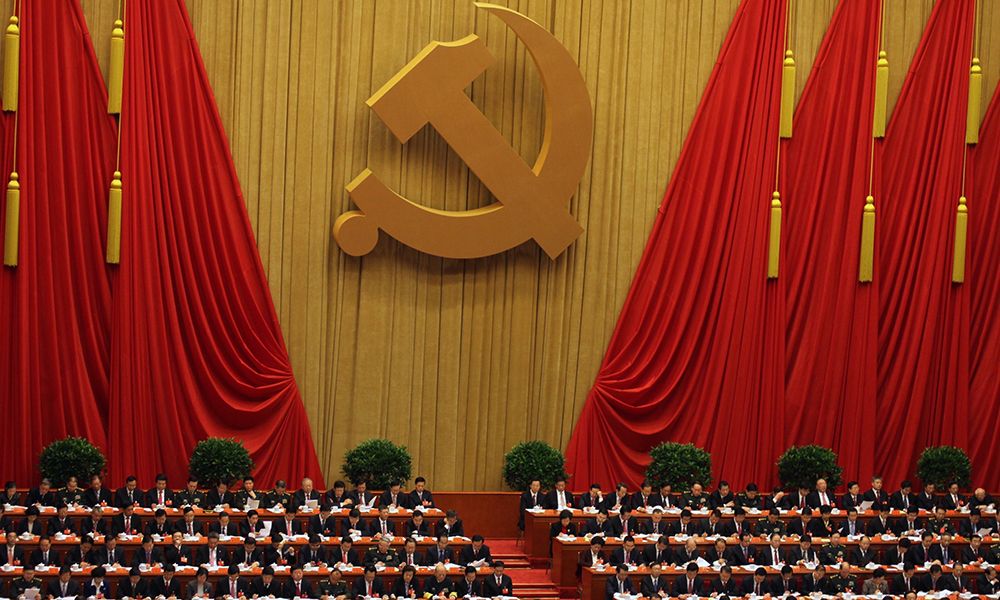
1 July 2026 marked the 105th founding anniversary of the Communist Party of China (CPC). For the Chinese people, this memorable moment is not only in retrospect of the past, but also for new prospects in the future.
On the day, H.E. Xi Jinping, General Secretary of the CPC Central Committee, President of the People’s Republic of China (PRC) and Chairman of the PRC Central Military Commission, said in his address to the commemorative gathering, “Over the past 105 years, our Party has remained committed to its original aspiration and founding mission of seeking happiness for the Chinese people and rejuvenation for the Chinese nation. With a profound understanding of the evolving global landscape and an accurate grasp of the changing principal contradictions facing Chinese society in different historical periods, the Party has united and led the Chinese people of all ethnic groups in unremitting struggle, achieved great accomplishments in the New-Democratic Revolution, socialist revolution and construction, reform and opening up and socialist modernization, and socialism with Chinese characteristics for a new era.”
This important statement summarizes the CPC’s endeavors in more than a century and decodes the CPC’s success in achieving sustained development and progress for China.
More than a century ago, China was way different from what the world beholds today. Starting from the mid-19th century, China had been gradually reduced to a semi-colonial, semi-feudal society, a poor and weak nation ridden with foreign aggression, national disunity and social upheaval, where wars and poverty wreaked havoc on its people. At this make-or-break juncture for the Chinese nation, many patriots with lofty ideals dedicated themselves to seeking a path which may secure an independent nation, a rich and strong country and a happy people.
Against this historical backdrop, the CPC was founded in 1921, when there were but a few dozen members.
Today, the CPC has attracted more than 100 million members joining its grand cause, which always connects the future of China with the destiny of the Chinese people.
Through long and arduous struggles, the CPC united and guided the Chinese people to realize the hard-won national independence, which earned the CPC not only the trust and support from the Chinese people, but also a historic mission to advance China’s rejuvenation.
Upon the founding of the PRC in 1949, the Chinese people, under the industrious leadership of the CPC, embarked on a self-motivated and self-reliant journey to transform an extremely weak economy into independent and relatively complete industrial system and national economic structure, representing a face-lifting change to China.
Upon the launch of reform and opening up in the late 1970s, China entered into a period of rapid growth, when its economic power, sci-tech capabilities and overall national strength reached new heights, the people’s living standards were greatly improved, the influence of the Chinese culture expanded and China’s soft power grew by margins. 2021 should be remembered as year with historic significance because China succeeded in eradicating absolute poverty, which not only stands out as a milestone in the history of the Chinese nation, but also a remarkable achievement in the global campaign of poverty alleviation.
Today, the CPC’s mission still goes on, through setting off a refreshed and steadfast journey to advance the Chinese modernization, pursue high-quality development and fulfill its people’s aspiration for a better life.
Throughout its persevering enterprise, the CPC always persists in applying scientific theories to understanding the world, while implementing theoretical innovation to keep the guiding theory abreast with the times and China’s actual conditions.
The CPC always persists in going all out to serve its people, taking the people’s aspiration for a better life as its ultimate goal and drawing strength from the wisdom and creativity of its people as a driving force to grow the nation.
The CPC always persists in balancing immediate priorities with long-term national development, addressing pressing challenges while maintaining strategic continuity and policy consistency.
The CPC always persists in firmly staying true to China’s national conditions while learning in an open-minded manner from the outstanding achievements of human civilizations, and pursuing common development through mutually beneficial cooperation with the international community.
The CPC always persists in pressing ahead with its mission in the face of adversity, and turning risks and challenges into opportunities to strive for broader prospects of progress.
And the CPC always persists in strengthening its own building through self-renewal, self-improvement, self-reform and self-evolution, so as to ensure that the Party, as the leading core, always stay at the helm charting the course of advancing socialism with Chinese characteristics.
These are exactly the rewarding experience and inspiring wisdom acquired in its long-haul struggle that enable the CPC to unite and guide the Chinese people in creating newer and greater historic cause, and steel into the firm bedrock for the advancement of the Chinese modernization.
As President Xi Jinping once observed, “History looks kindly on those with resolve, with drive and ambition, and with plenty of guts. History won’t wait for the hesitant, the apathetic, or those shy of a challenge.”
The CPC’s 105-year journey has well proved that there is no universally applicable model for national development. Each country should make an independent choice of it path for development suited to its own national conditions, and should count on the unity and hard work of its own people, hence opening up vista for an even brighter future.
Although China and Afghanistan differ in our national conditions, both countries have endured foreign aggression, sustained turmoil of wars, and experienced difficult times of poverty and weakness. Our two peoples do share a common aspiration for independence, peace, stability and national rejuvenation.
China has been maintaining a policy toward Afghanistan based on respecting independence, sovereignty and territorial integrity of Afghanistan, respecting the independent choices made by the Afghan people, and respecting the religious beliefs and national customs of Afghanistan. China has also been adhering to the principles of never interfering in Afghanistan’s internal affairs, never seeking selfish interests in Afghanistan, and never pursuing so-called spheres of influence.
Guided by the principles of fostering an amicable, secure and prosperous neighborhood, the spirit of amity, sincerity, mutual benefit and inclusiveness, and the vision of building a community with a shared future, China and Afghanistan have been deepening our cooperation in such areas as trade and economic cooperation, infrastructure development and people-to-people exchanges. As Afghanistan ushers in a crucial stage of post-war reconstruction and economic recovery, China has every confidence that a stable, growing and prosperous Afghanistan serves not only the fundamental interests of the Afghan people, but also the lasting regional peace and stability. China has been, is and will always be ready to work with our Afghan friends in seeking paths of development suited to our own national conditions and bringing forth greater benefits for the two peoples.
Opinion
Afghanistan ‘cracking down’ on militants; ‘resetting’ relations with Pakistan
Things started to change in March, when a high-level Pakistani delegation led by Special Envoy for Afghanistan, Muhammad Sadiq Khan, visited Kabul
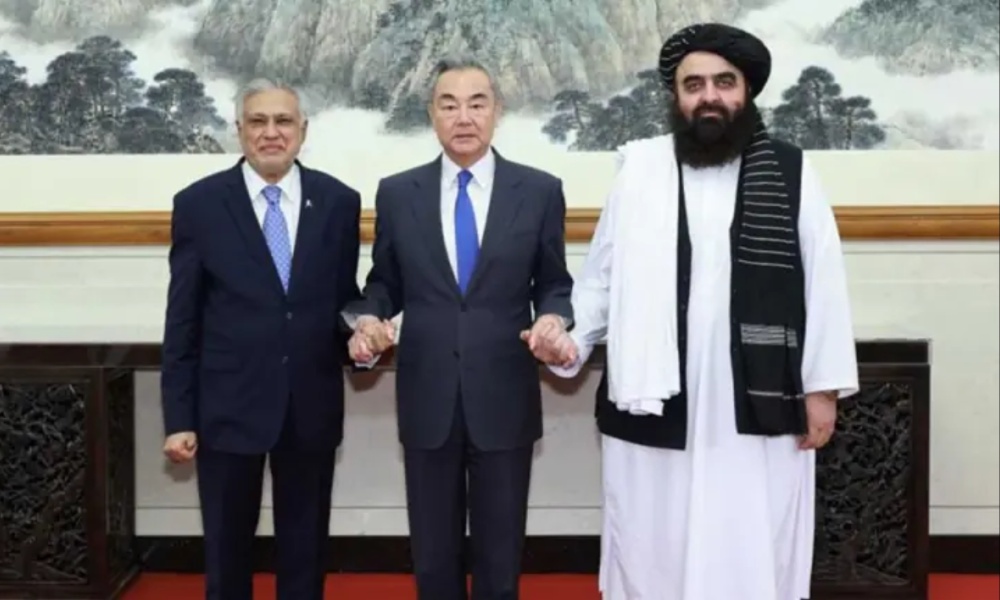
In what is seen as a possible policy shift, Afghanistan’s Islamic Emirate government has been taking action against elements facilitating cross-border attacks into Pakistan — marking a breakthrough that has led to renewed diplomatic momentum between Kabul and Islamabad.
According to Pakistan’s Express Tribune, while public discourse over the past month focused on rising tensions between Pakistan and India, behind the scenes, Pakistan and Afghanistan made significant strides in repairing a strained relationship long marred by security concerns.
At the core of Islamabad’s frustration has been the banned Tehreek-e-Taliban Pakistan (TTP) and other militant groups, which they say operate from inside Afghanistan.
Things however started to change in March, when a high-level Pakistani delegation led by Special Envoy for Afghanistan, Muhammad Sadiq Khan, visited Kabul, the Express Tribune reported.
According to sources familiar with the closed-door meetings, Pakistani officials were, for the first time, convinced that the Islamic Emirate of Afghanistan (IEA) leadership was taking Pakistan’s concerns seriously.
As part of this shift, the IEA reportedly began targeting Afghan nationals who had either joined the TTP or were recruiting others to do so. Several individuals were arrested and prosecuted, according to security sources.
The IEA’s response is believed to have led to a notable reduction in suicide attacks, particularly in Khyber Pakhtunkhwa province, and helped ease tensions between the two neighbors.
The Express Tribune reported that these developments set the stage for a landmark visit by Pakistan’s Deputy Prime Minister Ishaq Dar to Kabul on April 19 — the first by a Pakistani foreign minister in three years.
During the visit, both sides agreed on a renewed commitment: Afghanistan pledged not to allow its territory to be used for attacks against Pakistan, and in return, Pakistan eased trade restrictions, including lifting the requirement of bank guarantees for Afghan importers.
The IEA government further won Islamabad’s confidence by reportedly apprehending Afghan nationals who had facilitated the infiltration of over 70 terrorists into Pakistan following the Pahalgam attack.
All infiltrators were neutralized near the North Waziristan border in what officials described as the largest single-day anti-terror operation since Pakistan’s post-9/11 campaign, Express Tribune reported.
Despite the progress, Pakistani officials caution that more needs to be done. “It’s a positive start, but we expect the Taliban (IEA) government to take irreversible steps,” one official said on condition of anonymity.
China is believed to have played a key behind-the-scenes role in encouraging dialogue between the two countries.
On May 21, Chinese Foreign Minister Wang Yi hosted an unannounced trilateral meeting in Beijing with the foreign ministers of Pakistan and Afghanistan.
Following the talks, both countries expressed their intent to upgrade diplomatic ties, including plans to exchange ambassadors—a move confirmed by Pakistani officials, although formalities remain.
China was the first to appoint a full-time ambassador to Kabul under IEA rule and accept an IEA envoy in Beijing. Russia and Turkey are reportedly considering similar moves.
Pakistani officials say that, despite ongoing concerns, the evolving regional landscape demands a pragmatic approach and that the recent spike in military tensions with India has only reinforced Islamabad’s interest in stabilizing its western frontier.
Meanwhile, India has also started re-engaging with the Islamic Emirate.
Indian External Affairs Minister S. Jaishankar recently held talks with his Afghan counterpart, breaking a 20-year policy of diplomatic non-engagement with the Islamic Emirate.
Analysts suggest the Beijing meeting was a strategic message from China—not only to support regional stability but also to signal to India that Kabul’s future may lie in alignment with Beijing and Islamabad.
Islamic Emirate’s response to Islamabad’s accusations
Leading up to this thaw between the two countries, Pakistan continued to accuse Afghanistan of not standing against militants in the country. The IEA however repeatedly denied these allegations and said on numerous occasions that it will not allow any individual or group to pose a threat to another country from Afghanistan.
Just last month, the IEA’s deputy spokesperson Hamdullah Fitrat dismissed allegations that armed groups are using Afghan territory to launch attacks into Pakistan.
He described the claims as “false” and accused Pakistan of deflecting blame for its own failures.
“Pakistan’s security problems are its internal matter,” Fitrat said. “Blaming Afghanistan is a way for Islamabad to avoid accountability for its own shortcomings.”
These remarks were made in response to comments by Prime Minister Shehbaz Sharif, who, speaking in London in April, stated that terrorist groups were operating from Afghan soil.
Just five days later, however, the high-level Pakistani delegation, led by Ishaq Dar, visited Kabul for talks with senior IEA officials, including Prime Minister Mullah Hassan Akhund.
The one-day visit was on the back of an official invitation extended by Islamic Emirate Foreign Minister Amir Khan Muttaqi.
Opinion
Afghan war crimes victims still awaiting justice: HRW Asia director
Patricia Gossman compares how differently Australia and Britain are handling the issue of war crimes committed by their troops in Afghanistan
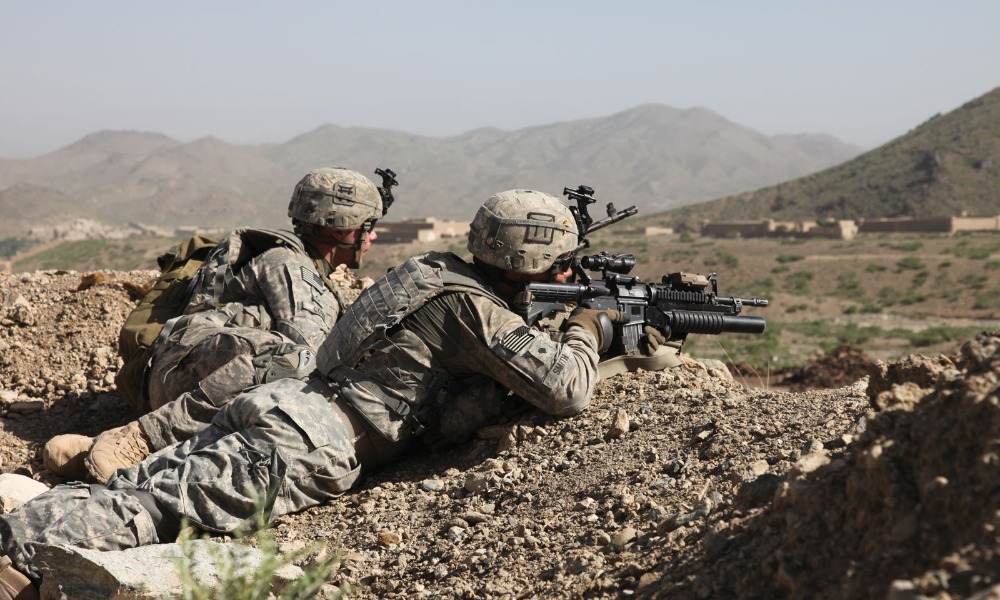
Human Rights Watch Associate Asia Director Patricia Gossman on Monday published an article on the situation of war crimes in Afghanistan over 20 years of foreign occupation and how differently two countries are tackling the issue.
Here’s what she wrote.
Family members of Afghans unlawfully killed by foreign military forces during the 20-year war in Afghanistan have been waiting a long time for justice. Last week revealed two quite different approaches by countries that should provide it.
Australia, which has gone the furthest in investigating alleged war crimes by its forces in Afghanistan, has established a website for family members to file complaints.
The site, managed by Australia’s Defense Ministry, includes an online form in the Dari and Pashto languages to request compensation.
While this progress is commendable, it comes five years after a governmental inquiry first disclosed the extent of probable crimes, including summary executions of captured combatants and civilians. Only one soldier has been charged in connection with the allegations.
The long delays led United Nations special mandate holders in August 2024 to raise concerns about Australia’s approach to compensation “as a form of charity at the discretion of its military, not as a legal right of victims under international law,” and the lack of clarity concerning consultation with victims and their families.
Those concerns remain.
Afghan human rights activists are hosting online panels to draw attention to the website. The Australian government needs to ensure Afghans know about the website and how to file a complaint.
The United Kingdom, meanwhile, which also has an obligation to provide justice for war crimes, has made much slower progress.
Last week, BBC Panorama presented new evidence of war crimes by British special forces in Iraq and Afghanistan, including interviews with former soldiers about summary executions of wounded detainees and civilians, including children.
“They handcuffed a young boy and shot him,” said a former soldier who had served in Afghanistan. “He was clearly a child, not even close to fighting age.”
The UK government has tried its best to prevent such crimes from ever being prosecuted, with successive governments alleged to have covered up crimes and shut down criminal inquiries.
While the government established an independent inquiry into the Afghanistan allegations in December 2022, it has taken years to get going and is limited in scope to the three years 2010-2013.
Richard Bennett, the UN special rapporteur on human rights in Afghanistan, said the new allegations highlighted “the need for comprehensive accountability.”
That is the only way victims and their families will find justice.
Article written by Patricia Gossman

El-Sayed’s historic victory opens a new chapter for Muslim Americans
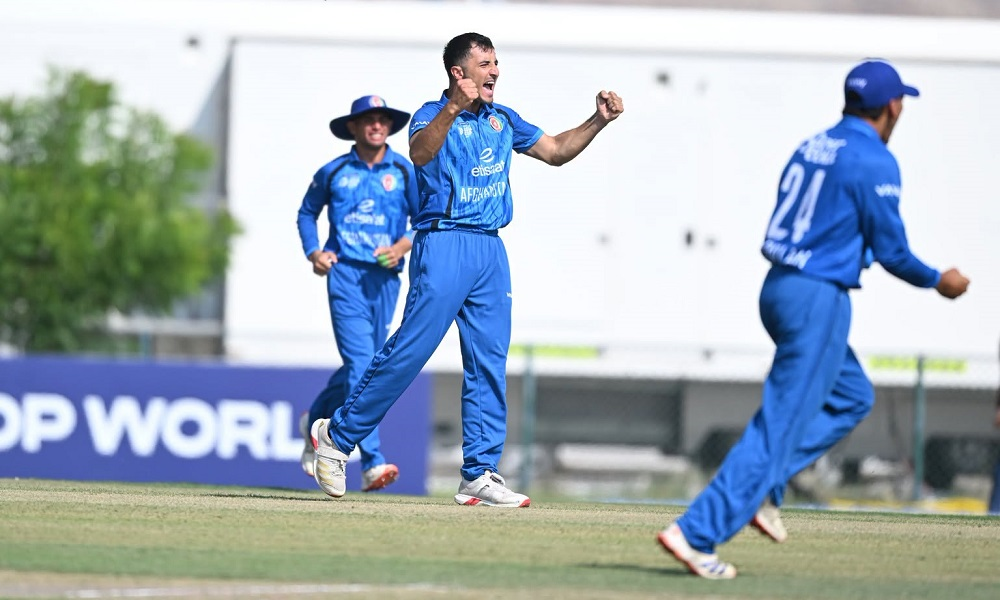
Afghanistan U19 defeat Bangladesh by 113 runs in Asia Cup opener
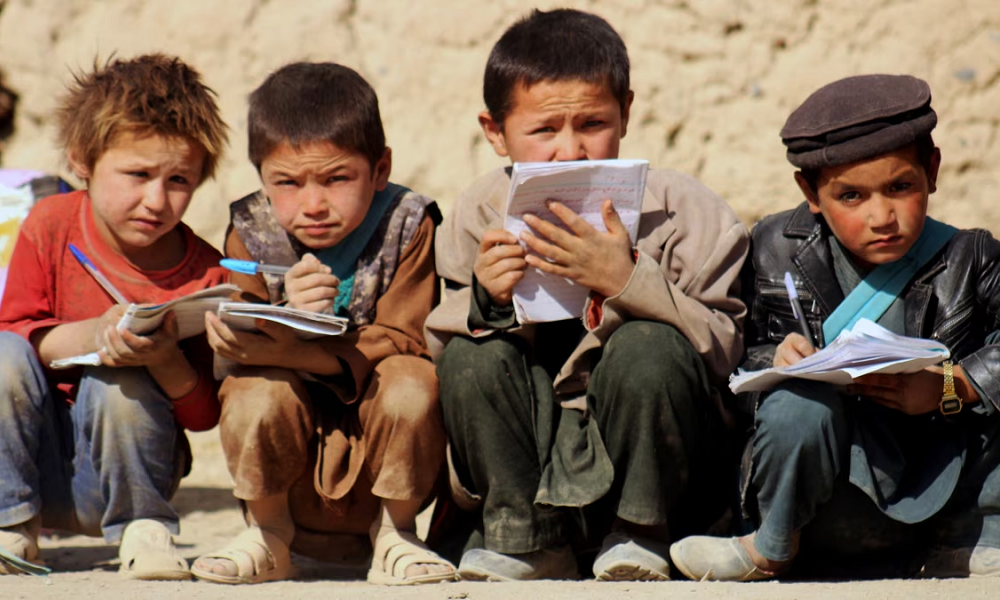
More than half of Afghan primary school-age children out of school: UN report

Cristiano Ronaldo announces international retirement
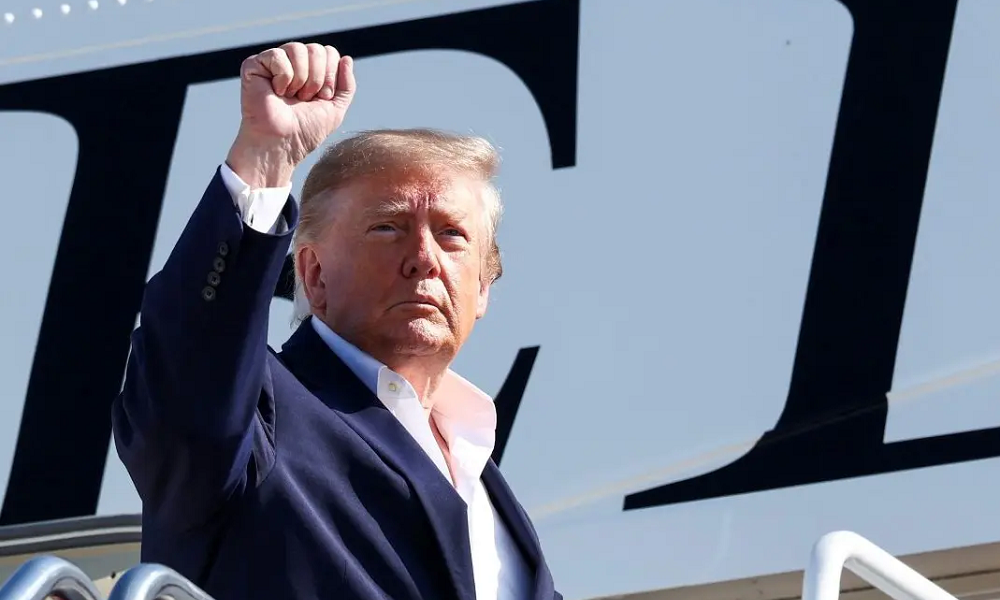
White House declares ‘Trump is still your president’ after Republicans suffer sweeping midterm defeats

Afghanistan finish runners-up after 6-0 defeat to Brazil in futsal final

Trump says US will not attack Iran before midterm elections in November

Lionel Messi bids tearful farewell to Argentina after 3-0 win over Benin

Afghan futsal coach: Brazil tournament is first step towards new goals and World Cup

Trump says US may strike Iran’s ‘Pickaxe Mountain’ nuclear facility
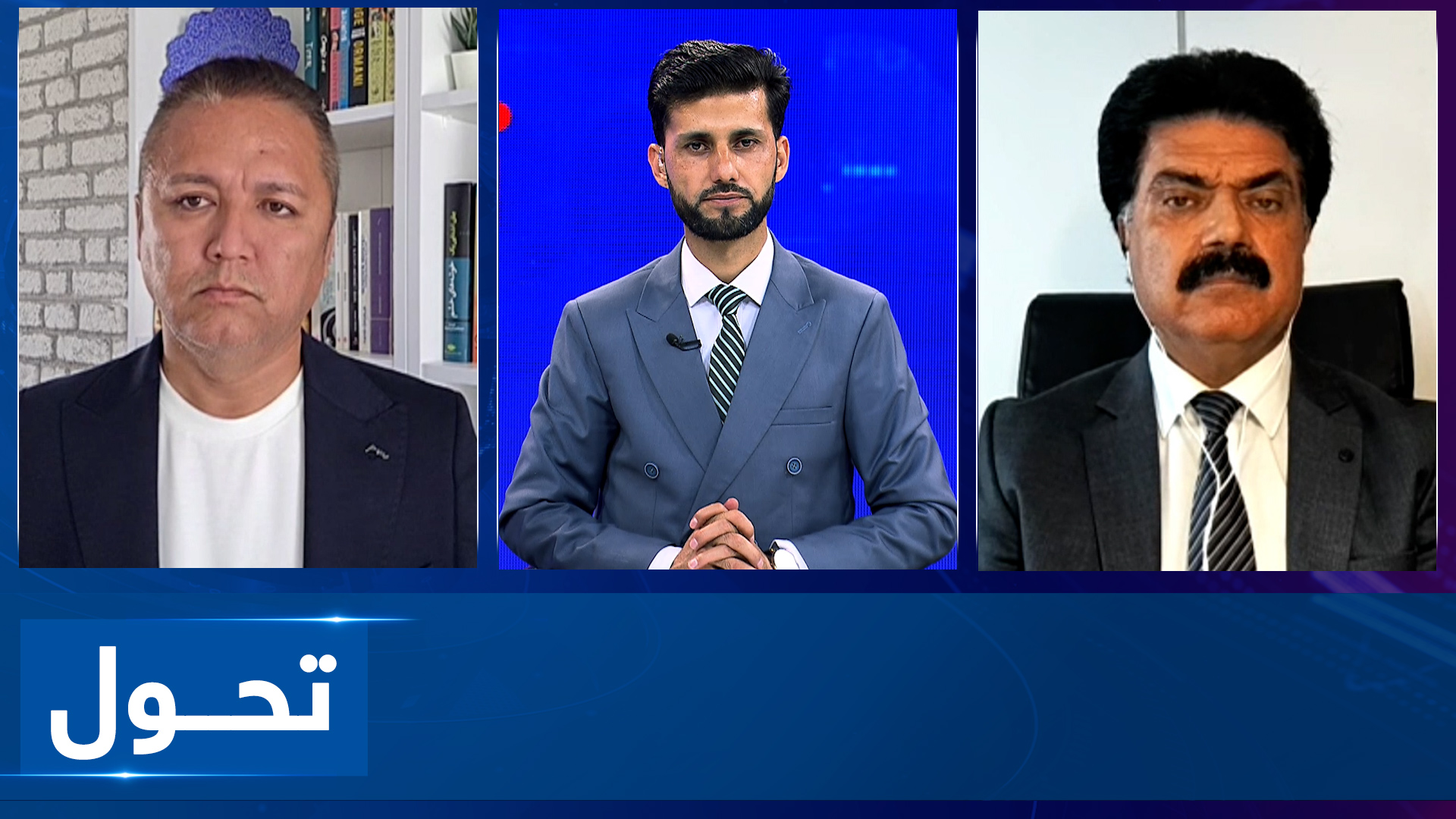
Tahawol: Russia’s Moscow Format for Afghan issues discussed
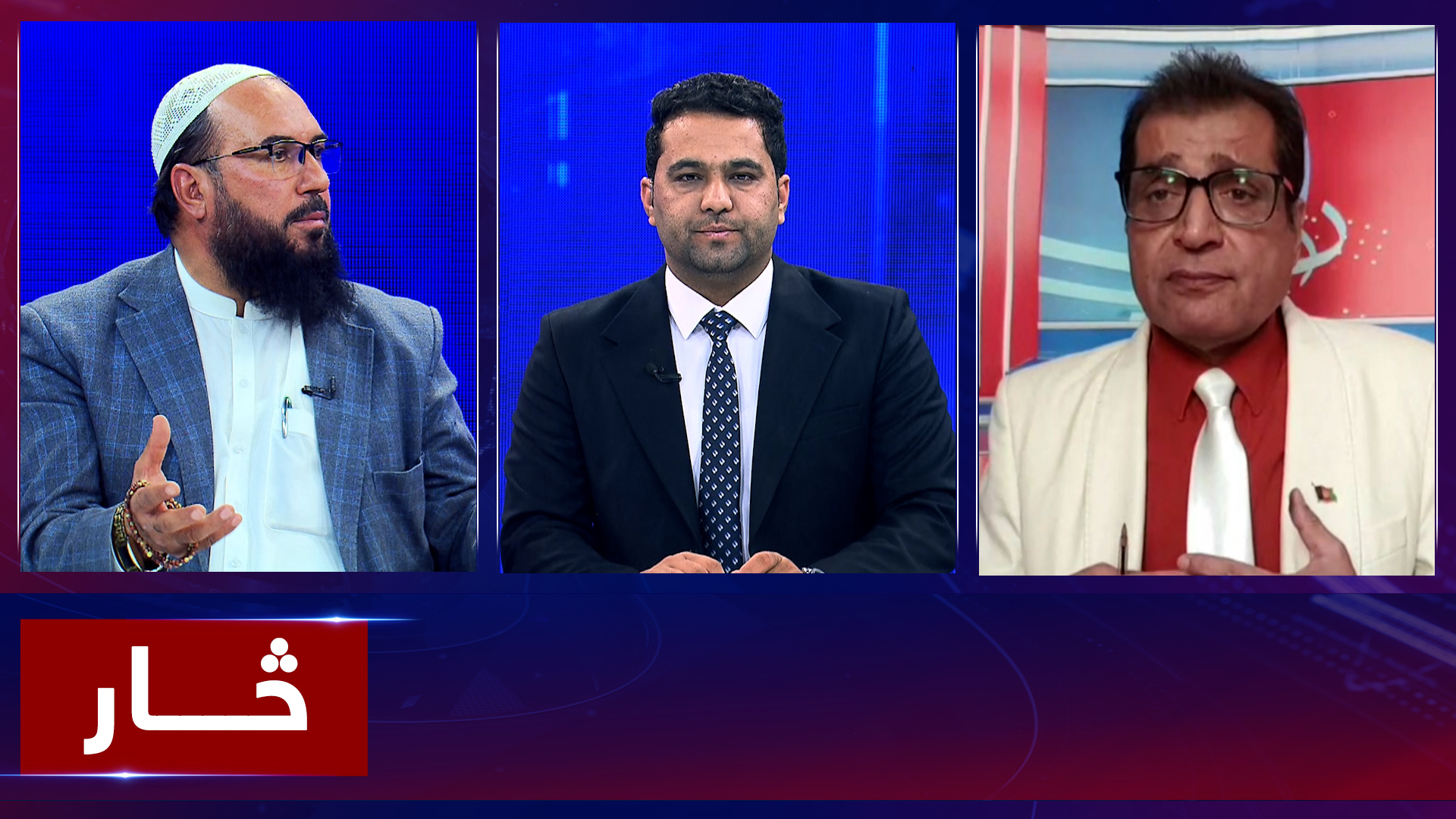
Saar: Afghanistan’s second invitation to Global Climate Summit discussed
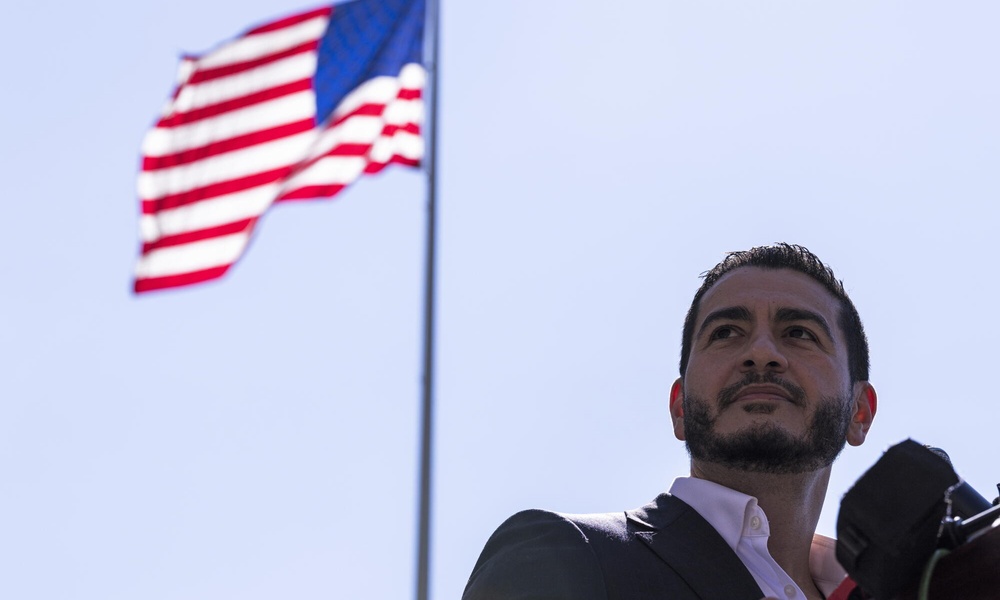
Democrat Abdul El-Sayed becomes first Muslim elected to US Senate
Tahawol: Iran hosts quadrilateral talks on Afghanistan discussed
Saar: Deportation of undocumented Afghans from France discussed
-
 Sport4 days ago
Afghanistan crowned 2026 Hong Kong Sixes champions after beating Australia in final
-
 Sport3 days ago
Afghanistan futsal team thrash Panama 5-0 in flying start to Dakar Youth Olympics
-
 Sport3 days ago
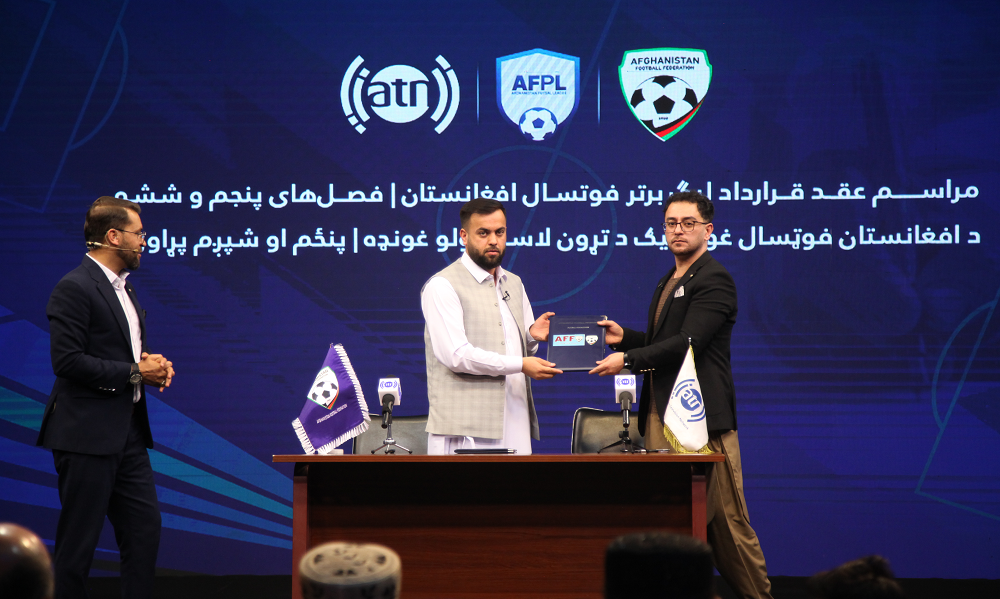
ATN signs deal to broadcast Afghanistan Futsal Premier League seasons 5 and 6
-
 Sport4 days ago
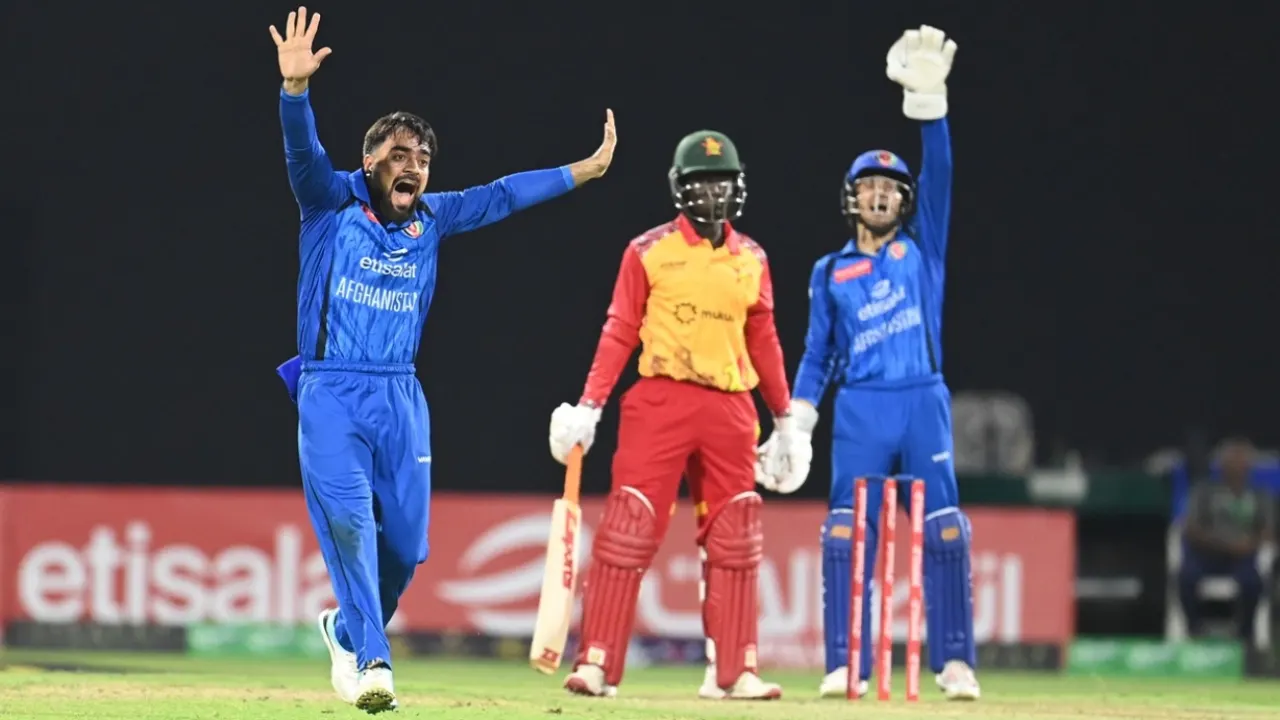
Afghanistan target T20I clean sweep against Zimbabwe in Sharjah
-
 World2 days ago
US carries out ‘defensive’ strikes on Iran’s Qeshm Island, officials say
-
 Sport5 days ago
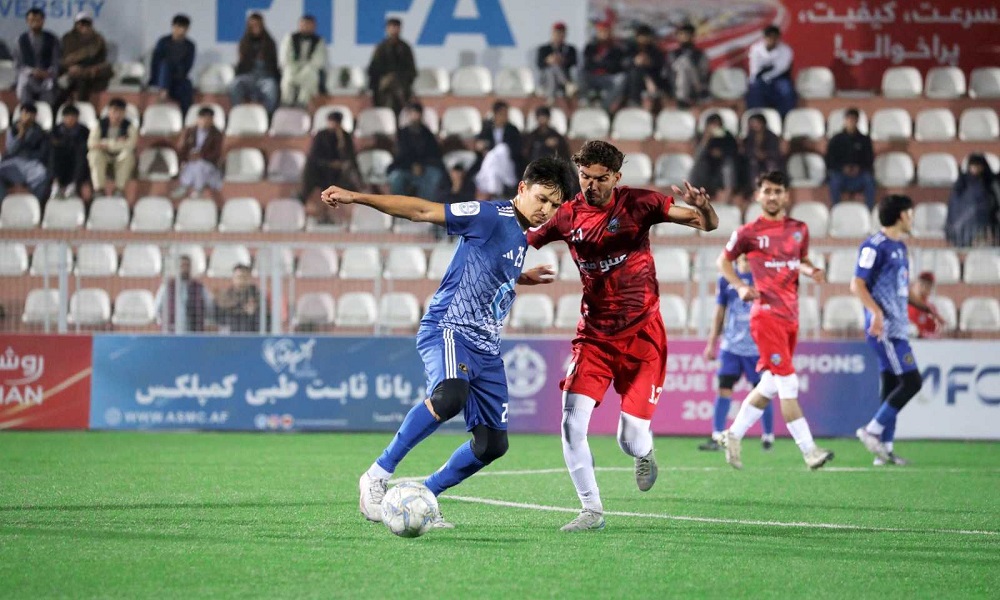
Arman FC fall 2–0 to Aino Mina in Afghanistan Champions League
-
 Latest News4 days ago
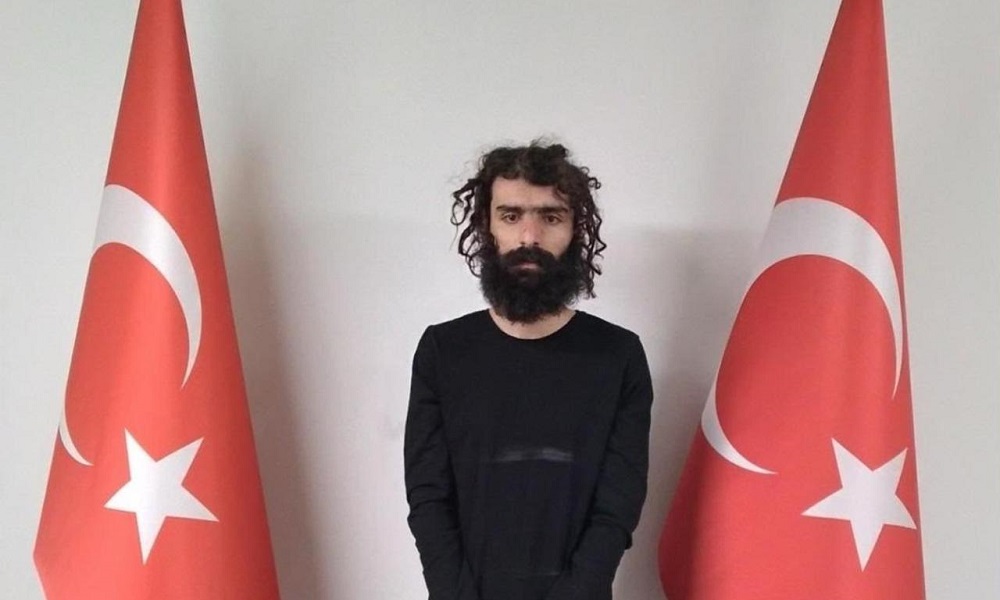
Turkish Daesh suspect Uğur Bahadır arrived at Islamabad airport, trained in Balochistan: sources
-
 Sport3 days ago
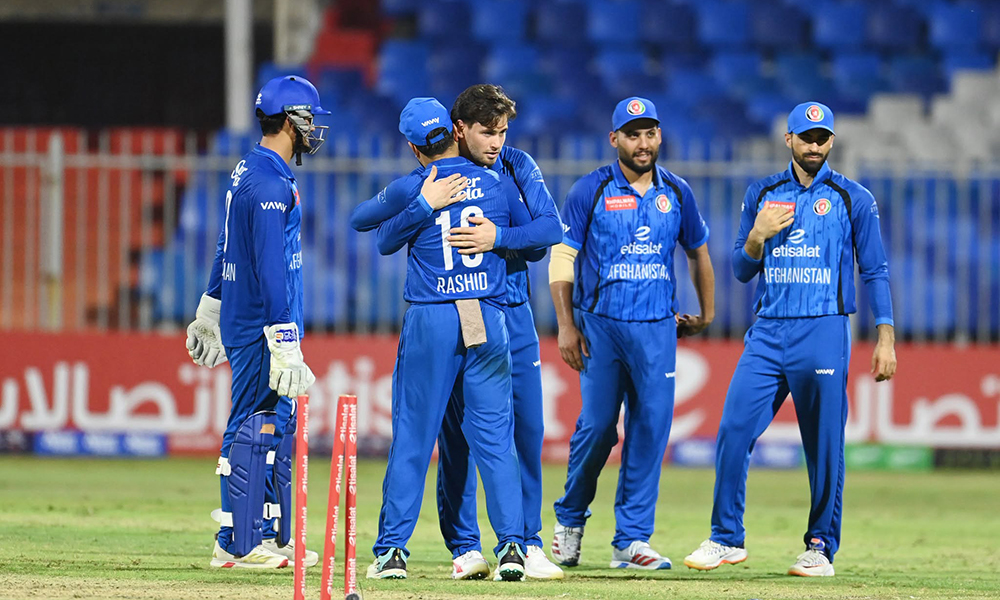
Afghanistan achieve their highest ICC Men’s ODI team ranking